Pruning a mandarin tree is one of the tasks to keep a balanced, productive and healthy tree. This operation, often feared unnecessarily, actually produces good harvests while controlling the tree's development. In the ground or in a pot, a mandarin tree benefits from careful pruning, at the right time and using the correct technique. Discover everything you need to know to succeed in pruning a mandarin tree.
Why prune a mandarin tree?
Pruning a mandarin tree allows you to:
- Aerate the canopy to let light circulate and reduce humidity, conditions that can favour disease.
- Improve sunlight exposure of the fruit, essential for proper ripening.
- Stimulate fruiting by directing sap towards the most vigorous branches.
- Prevent fungal diseases by removing dead wood and weakened parts.
- Maintain a harmonious shape, especially for specimens in pots or small gardens.
In practice, by removing broken, poorly angled or unnecessary shoots, you help the tree concentrate its energy where it is really useful. Result: more abundant flowering and much larger harvests.
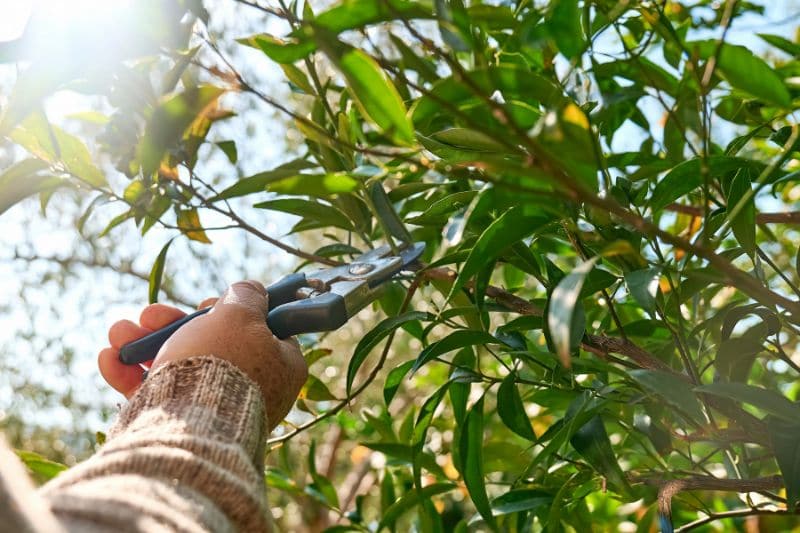
When to prune a mandarin tree?
Formative pruning for a young mandarin tree
From planting, it is recommended to lightly prune the mandarin tree to guide its future structure. This light pruning is done at the end of winter or in early spring, before growth resumes. It helps form a clear trunk and balanced branching.
Maintenance pruning for an established mandarin tree
For an established mandarin tree, maintenance pruning is carried out after harvest, generally between February and March in mild regions. This clears the centre of the tree and removes dead or diseased wood. Avoid pruning during frost or periods of extreme heat.
How to prune a mandarin tree in practice?
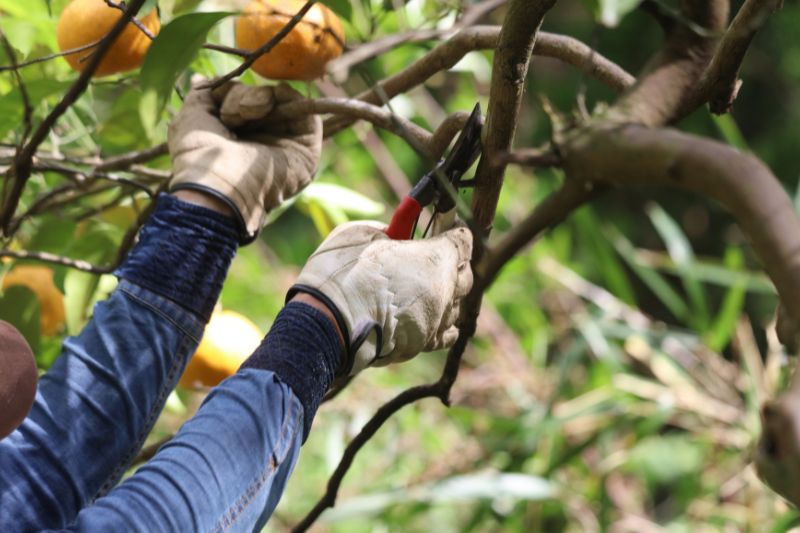
- Prepare your tools: use a pruning shear that is well sharpened and disinfected to avoid transmitting disease between trees.
- Remove suckers, those vigorous, vertical shoots that grow below the graft union.
- Remove dead, diseased or broken branches: they no longer contribute to the tree's vigour.
- Thin the centre of the tree and the crossing branches: this allows light to penetrate well and promotes fruit ripening.
- Shorten overly long shoots: this stimulates the appearance of new fruiting shoots. Cut branches flush or at an angle, just above a bud facing outwards, to direct growth towards the outside of the canopy.
Some useful tips:
- Never prune more than one third of the canopy at once.
- Avoid severe pruning, especially outside the dormant period.
- Protect large cuts with a wound-sealing paste if necessary.
Focus on pruning mandarin trees in pots and in open ground
Pruning principles are broadly the same, whether the mandarin tree is grown in a pot or in open ground. However, a tree in a container requires more regular attention.
For a mandarin tree in a pot, pruning limits height, controls root development and stimulates flowering. Prune annually, after harvest, removing overly vigorous young shoots that unbalance the shape.
In open ground, a well-rooted mandarin tree may not need annual pruning. Pruning every two to three years may be sufficient, provided you observe the tree and intervene as soon as imbalances appear.
Care after pruning a mandarin tree
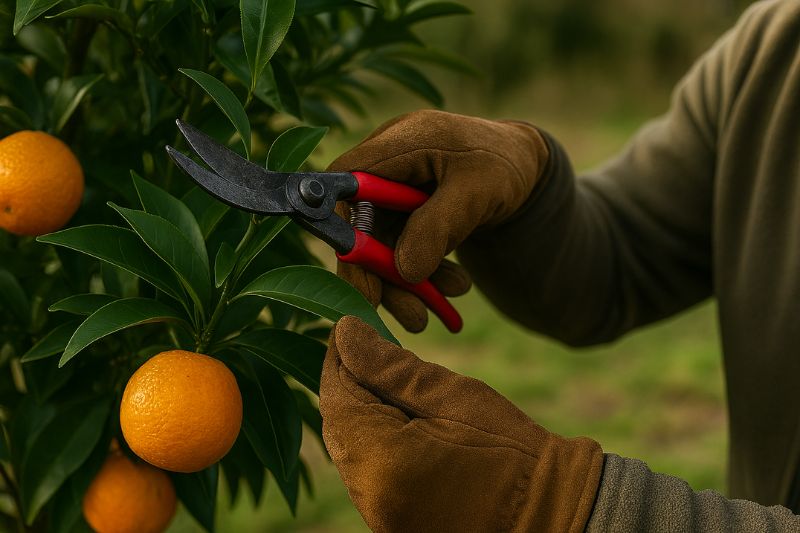
Once pruning is complete, a few simple actions support the tree's recovery and help prevent possible infections. Here are the care steps to take after pruning a mandarin tree:
- Apply a wound-sealing paste to large cuts, especially in damp weather, to prevent entry of fungi or bacteria.
- Water moderately in the days that follow, especially if the tree is grown in a pot, to avoid additional water stress.
- Apply an organic fertiliser suitable for citrus trees about two weeks after pruning, to restart growth under good conditions.
- Check for pests on young shoots, particularly aphids, which are very attracted to tender regrowth.
By providing this post-pruning care, you encourage rapid regrowth and better resistance of the tree to climatic or health-related issues.



































Comments