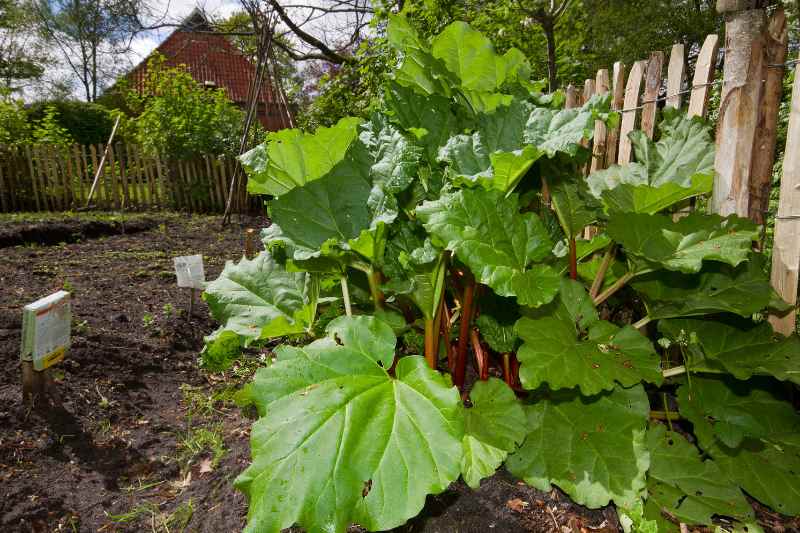
Rhubarb (Rheum rhabarbarum) is one of vegetable-garden's undisputed stars with its attractive large crinkled foliage and edible stalks, most often red. Hardy, productive and perennial, it delights with tart stalks from spring. However, although it can withstand very low temperatures, sometimes down to -20 °C, poorly prepared wintering can weaken the plant, encourage crown rot or delay next season's harvest.
Discover step by step how to protect your rhubarb plant from winter rigours to ensure vigorous regrowth in spring.
Why protect rhubarb in winter?
Rhubarb is not particularly sensitive to cold. In fact it has a hardiness threshold of around -20 °C, a temperature rarely reached in our latitudes. Paradoxically, it even needs cold to break dormancy. However, winter is not a season to be taken lightly because rhubarb faces two major enemies common in winter:
- Excess moisture: if soil is not properly drained or if heavy weather persists, water can pool around rhubarb crown. This excess water can lead to fungal diseases and plant rot.
- Freeze–thaw cycles: repeated freezing and thawing can lift soil and expose fragile crown to open air.
Step 1: cleaning rhubarb at end of season
Before protecting rhubarb for winter, give plant a little tidy-up! This cleaning is usually carried out between late October and late November, depending on region.
- From August onwards, stop harvesting stalks. Plant needs leaves to store nutrient reserves in its fleshy root before winter.
- When first frosts have hit and foliage has collapsed, cut stalks to 5 cm above soil. Do not pull on stalks to avoid uprooting crown.
- Collect leaves carefully so they do not decompose directly on crown. They are high in water and would only increase moisture at base. Add them to compost instead.
Step 2: soil care and feeding for rhubarb
Rhubarb is a very hungry plant. Time of leaf clean-up in autumn is ideal moment to tend and enrich soil.
- Remove weeds carefully from around plant. In winter they compete for nutrients and retain unnecessary moisture.
- Lightly scratch soil surface around plant. Caution: rhubarb roots are close to surface, do not dig deeply.
- Apply a 5 to 10 cm layer of well-rotted compost or composted manure all around crown, without completely covering centre (terminal bud) to avoid suffocation.
Step 2: protective mulching
Once rhubarb is well fed, time to shield crown from moisture to keep plant healthy.
Which mulch to choose?
- Straw provides excellent insulation and is breathable. Its only drawback is that it attracts small rodents.
- Dry fallen leaves are free and add humus as they decompose. However, they tend to compact with rain and retain moisture.
- Flax mulch or hemp mulch is very insulating and decorative, but more expensive.
- Maritime pine bark lasts a long time and slightly acidifies soil, which rhubarb appreciates.
How to proceed?
- Apply a generous layer (15 to 20 cm) of mulch over entire area corresponding to summer foliage spread.
- Heap mulch around plant but leave a small ventilated gap at exact centre of crown. This allows moisture to evaporate and prevents premature bud rot.
Step 3: rhubarb emergence after winter
Around March, protection must be removed. Again, this step is essential for next season's stalk harvest.
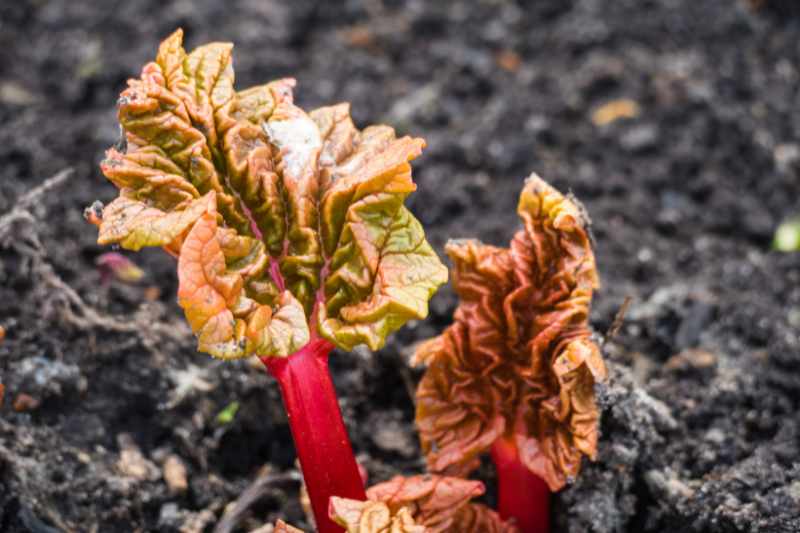
- Watch buds: As soon as red or green tips appear through mulch, begin to clear centre gradually.
- Clean: Once risk of hard frosts has passed, push remaining mulch aside so sun can warm soil. You can incorporate leftover organic mulch into soil to enrich it.
- Water: If spring is dry, remember to water. Rhubarb needs plenty of water to unfurl its huge leaves.
Special measures for rhubarb in winter
Young plants under 2 years are fragile and require extra care. Same applies to rhubarb grown in pots.
Potted rhubarb
If you grow rhubarb in a container, it is much more vulnerable to frost because cold attacks rootball through pot walls.
- Wrap pot: Use hessian, winter fleece or even bubble wrap to insulate sides.
- Raise pot: Place on wooden blocks or bricks to avoid direct contact with frozen ground and to improve drainage.
- Move rhubarb: If possible, position pot against a south-facing wall, sheltered from prevailing winds.
Young rhubarb plants
Young plants do not yet have deep roots. For them, increase vigilance over mulch depth and consider placing an upturned crate over plant in case of severe cold forecast.



































Comments