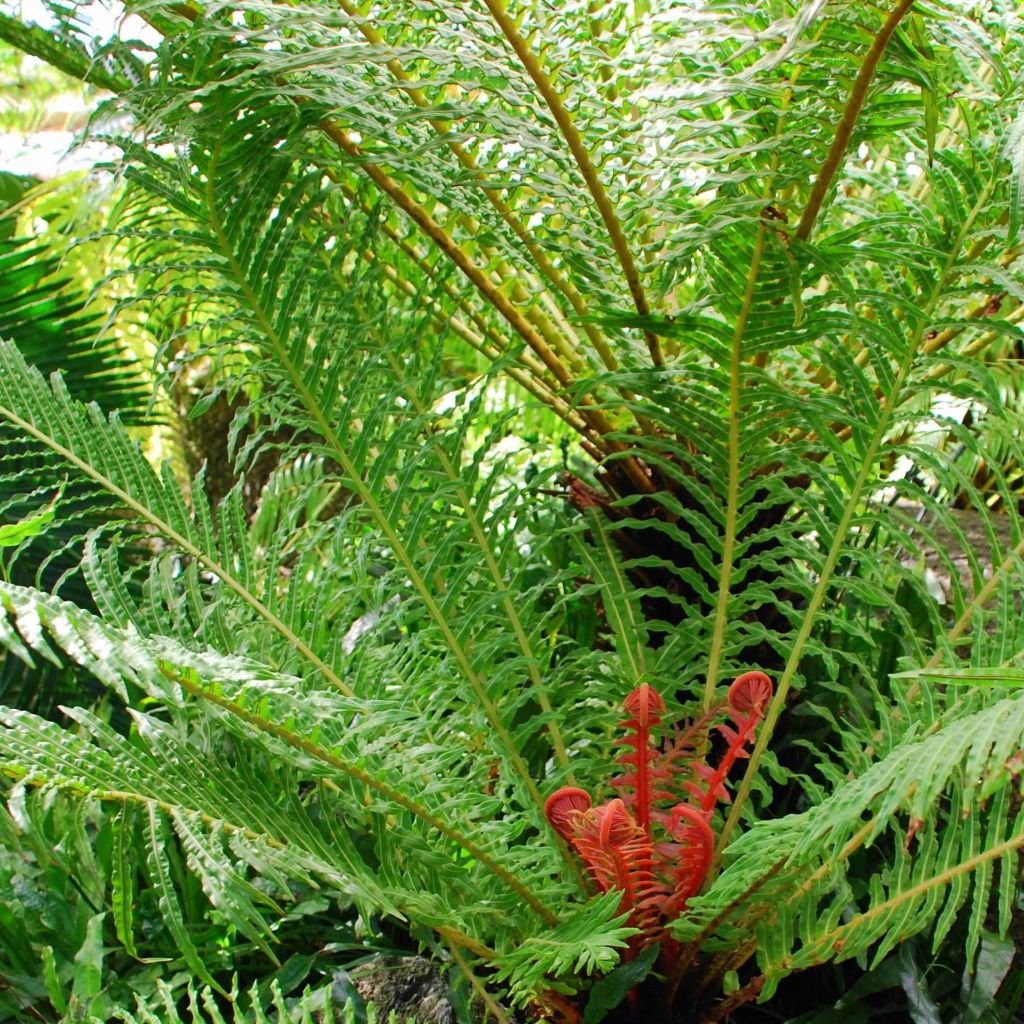
Blechnum brasiliense Volcano - Red Brazilian Tree Fern
Blechnum brasiliense Volcano - Red Brazilian Tree Fern
Blechnum brasiliense Volcano
Red Brazilian Tree Fern, Brazilian Dwarf Tree Fern
Back-to-school special offer!
Get €10 off for every €50 you spend! And get up to €40 off on a single order.
How does it work?
1. Shop your favourites
Add your favourite plants to your basket. For every €50 you spend (excluding delivery charges, store credit and the plastic-free option), you’ll receive a €10 voucher.
€50 spent = €10 voucher
€100 spent = €20 voucher
€150 spent = €30 voucher
€200 spent = €40 voucher
2. Place your order
Once your basket reaches one of the spending thresholds, place your order. You can even choose your delivery date!
3. Receive your voucher
As soon as your order has been shipped, you’ll receive an email containing your personal voucher code and its value.
4. Use it on your next order
Your voucher is valid for 90 days from the date you receive it. It can be used once only, on a new order worth at least the value of the voucher, excluding delivery charges.
Please note: Vouchers can be combined with other offers, but cannot be split or refunded.
Why not try an alternative variety in stock?
View all →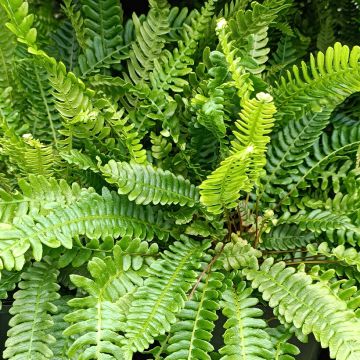
Available in 2 sizes
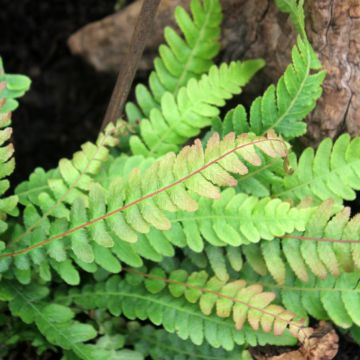
Available in 1 sizes
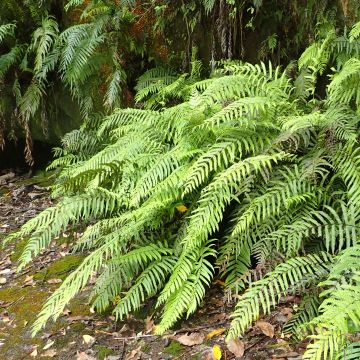
Available in 1 sizes
Available in 1 sizes
This plant carries a 12 months recovery warranty
More information
We guarantee the quality of our plants for a full growing cycle, and will replace at our expense any plant that fails to recover under normal climatic and planting conditions.
Would this plant suit my garden?
Set up your Plantfit profile →
Description
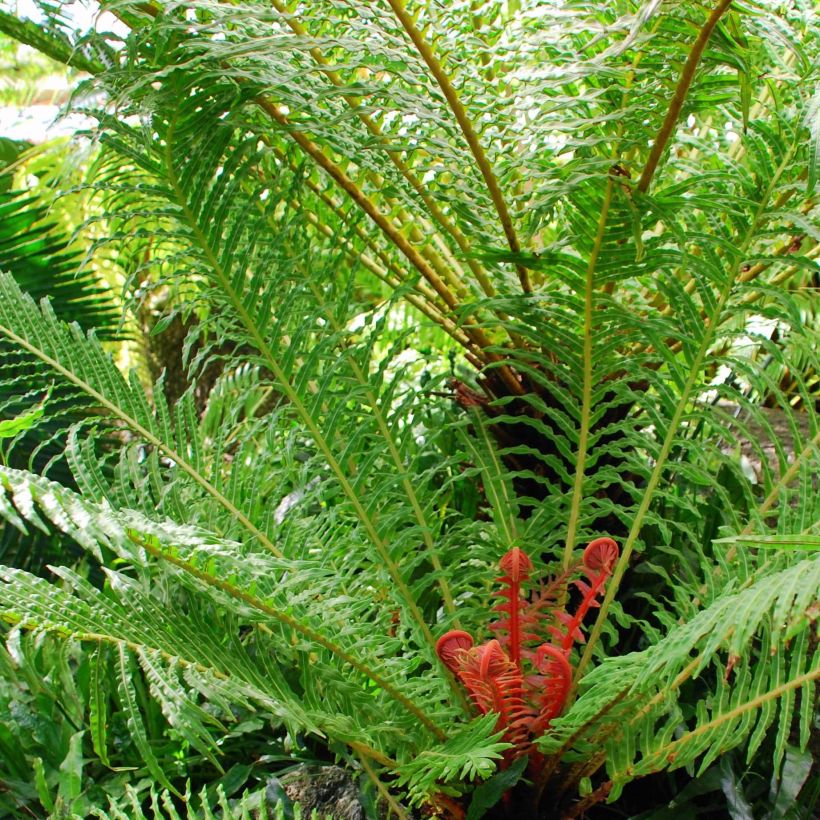
Blechnum brasiliense 'Volcano', is a new selection of the Brazilian fern remarkably coloured due to its young bright fronds that remain long coloured red-purple on a mature foliage of an insolent spring green. This architectural plant develops a sort of small trunk surmounted by a bouquet of large flexible fronds, cut into thin and undulating segments of the most beautiful effect. Of tropical origin, this fern can withstand temperatures below zero that will scorch its foliage but will not kill the plant. It thrives in partial shade or shade, in a constantly moist soil, rich in humus, even slightly calcareous. Its modest development is perfectly suited for cultivation in a large pot to decorate the veranda or terrace in the summer.
Blechnum brasiliense (synonym corcovadense) is a plant of the Blechnaceae family native to high-altitude tropical forests found in Brazil. Its natural habitat is mainly composed of wet places, where rainfall is abundant and regular and where the climate is almost constant throughout the year. It is a species of relatively slow growth, which requires a humid atmosphere, but tolerates a little limestone in the soil if it is humiferous and light.
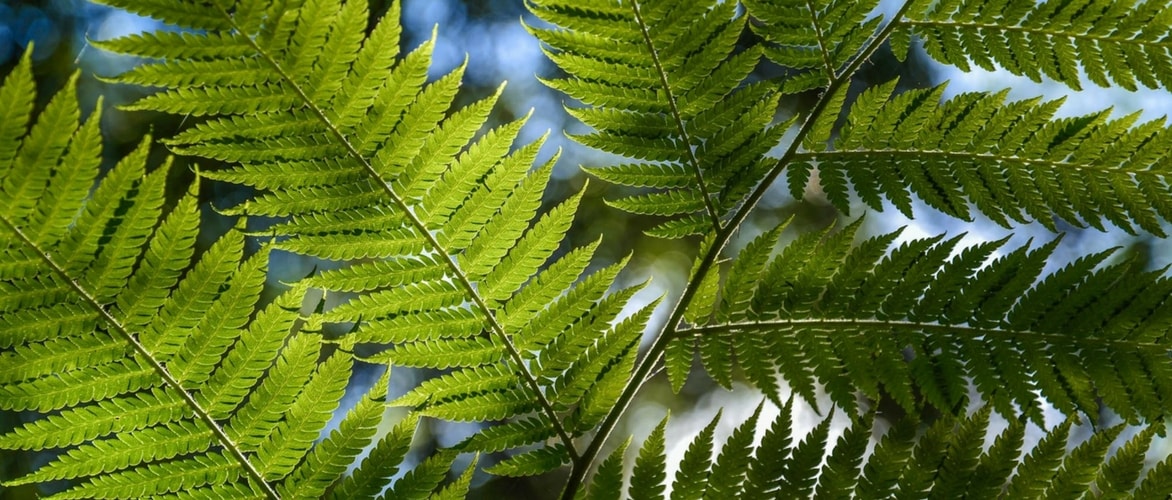
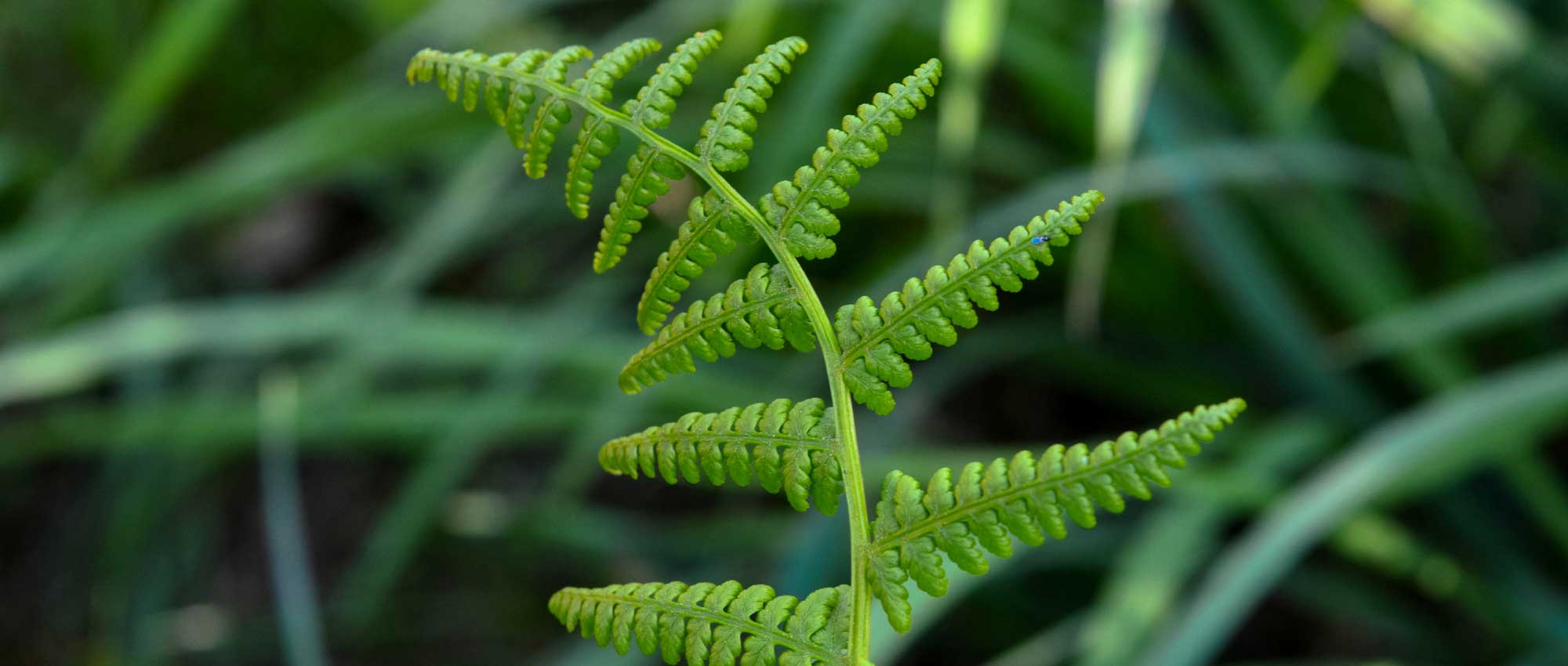
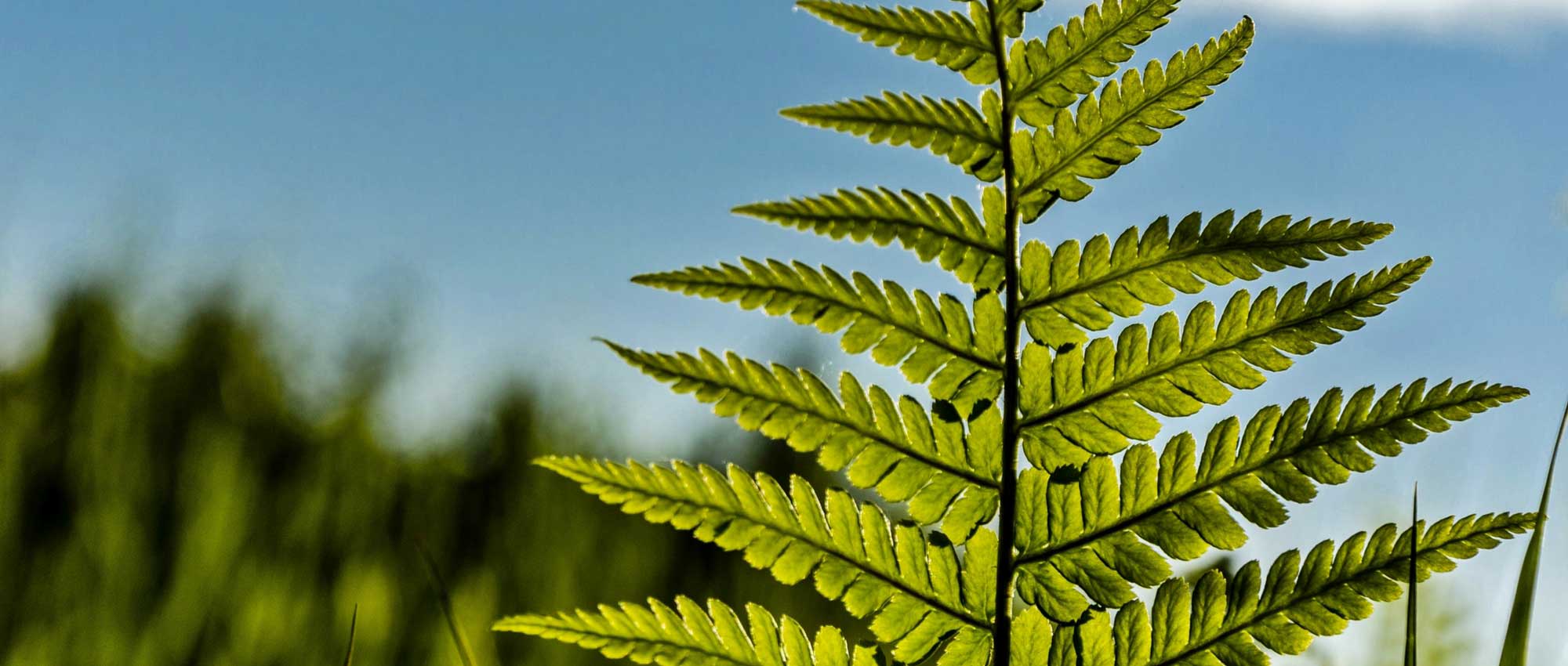
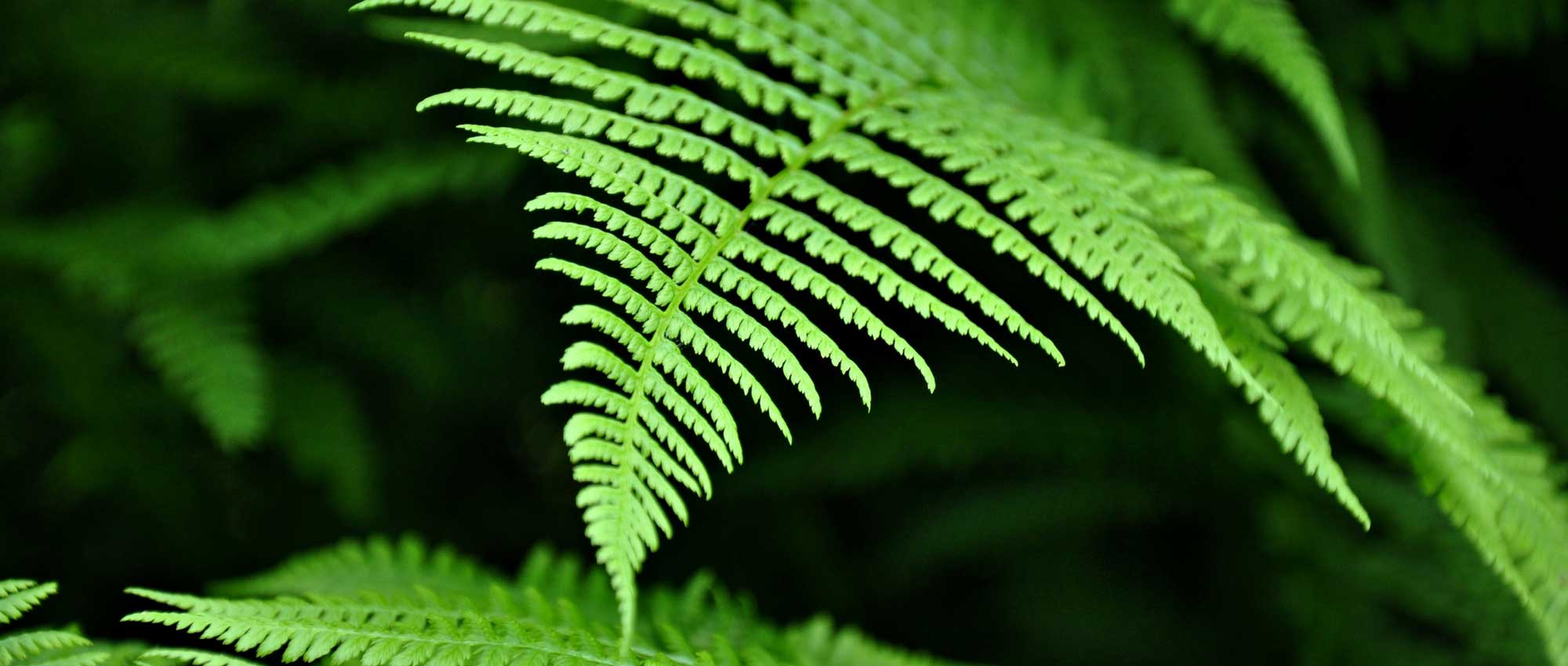
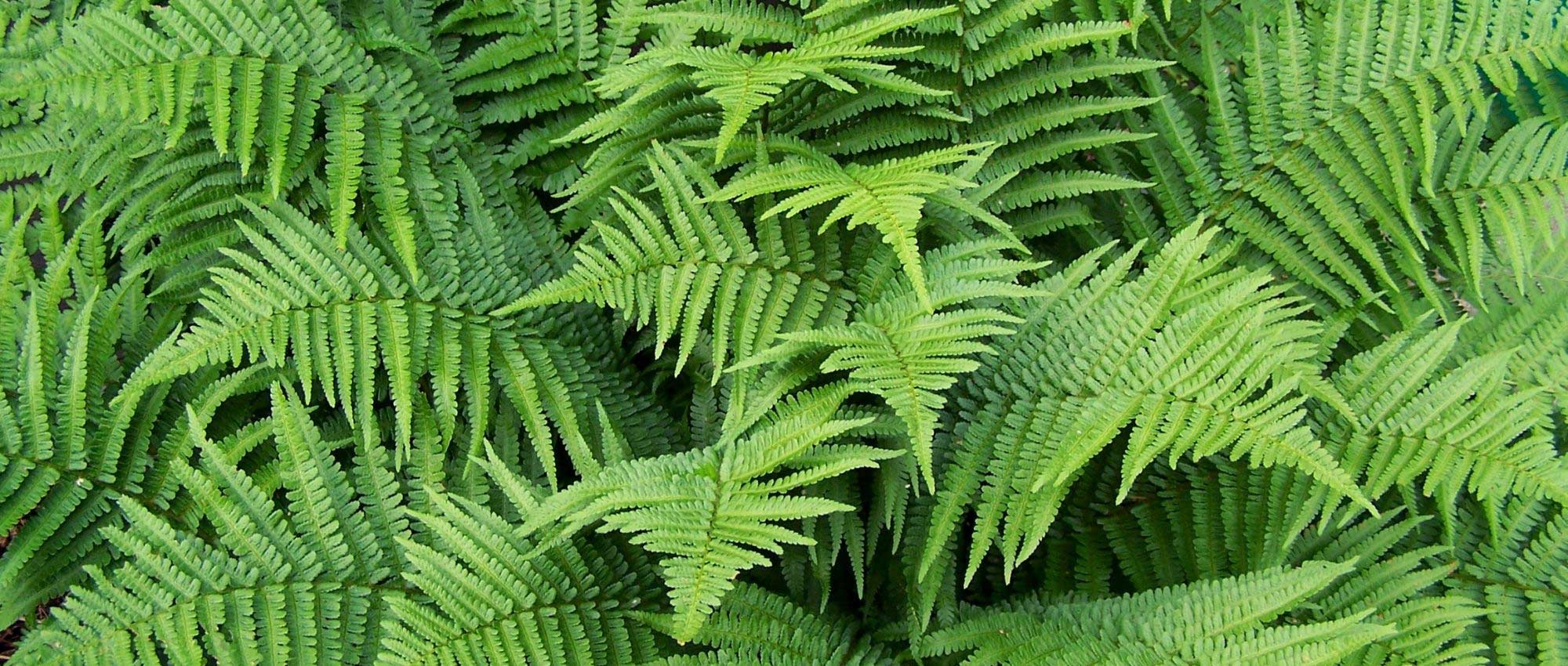
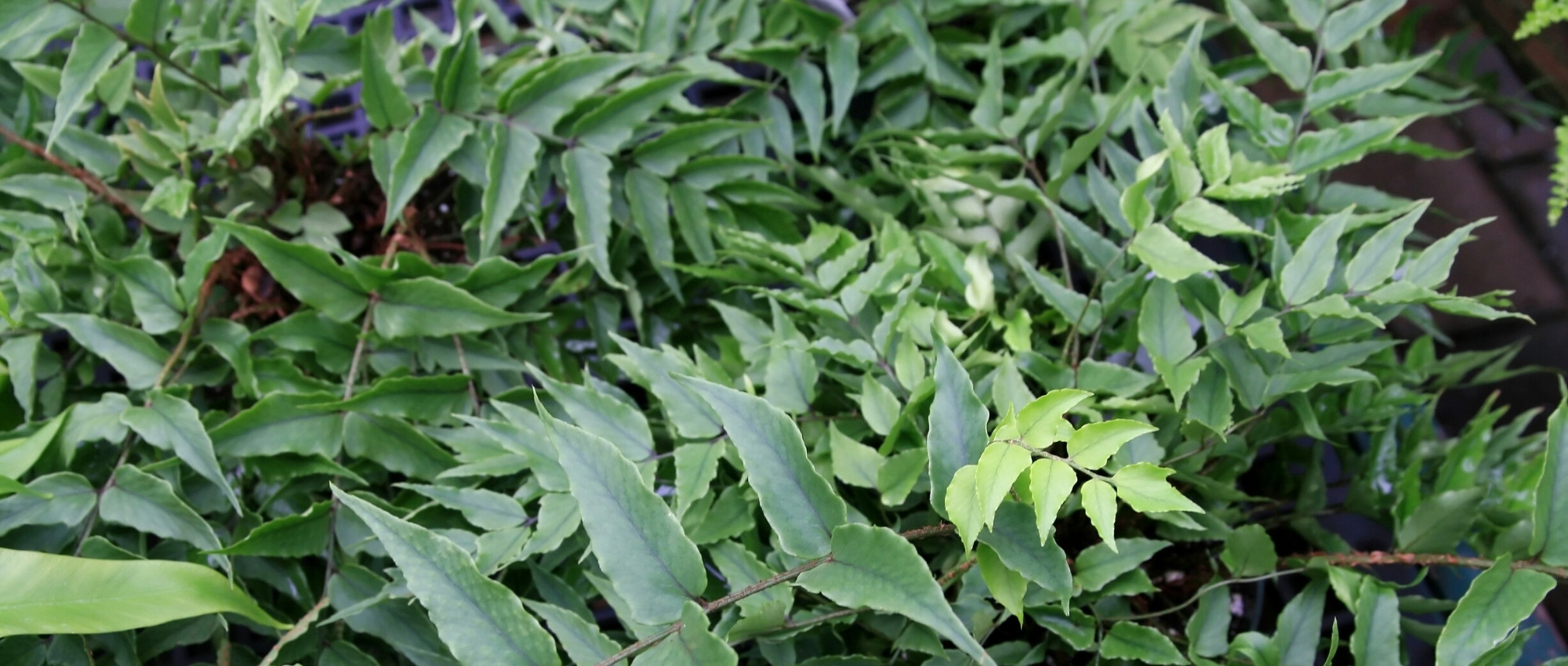
This beautiful selection 'Volcano' develops over time a rather short and sturdy false trunk, called a stipe. It is actually made up of a thick upright rootstock covered with dried adventitious roots. The foliage, composed of fronds, forms from buds located towards the upper part of the stipe. It persists more or less in winter, and will be destroyed from 0°C (32°F), the trunk supporting up to about -5°C (23°F). At the age of 10, this fern will reach about 1.50m (5ft) in height and 1m (3ft) in width. It is mainly in spring and early summer that appear, in the centre of the mature foliage, its young shoots strongly tinged with red. Rolled up in croziers, they slowly unfold, while gradually turning green, creating a magnificent mix of colours in the foliage. The fronds of the 'Volcano' fern are arranged in a spreading rosette. Each one, which measures up to 60cm (24in) long, is divided into pairs of somewhat leathery, narrow and long pinnules, with undulating edges.
In mild and humid climates, plant this magnificent fern in an exotic garden, in a prominent place to be able to admire it as often as possible, but provide it with the partial shade of an undergrowth and a constantly moist humus soil to keep it for many years. It is also a very romantic plant, perfect for decorating the surroundings of a small waterfall in a Japanese-style flowerbed. It is also a very pretty plant for a temperate greenhouse or a slightly heated veranda. As it appreciates a high level of humidity, the Blechnum brasiliense 'Volcano' will adapt well in a bathroom or kitchen (beware of too frequent drafts). Associate it with shorter ferns as well as other beautiful shade-loving plants such as Rodgersia or hostas for example.
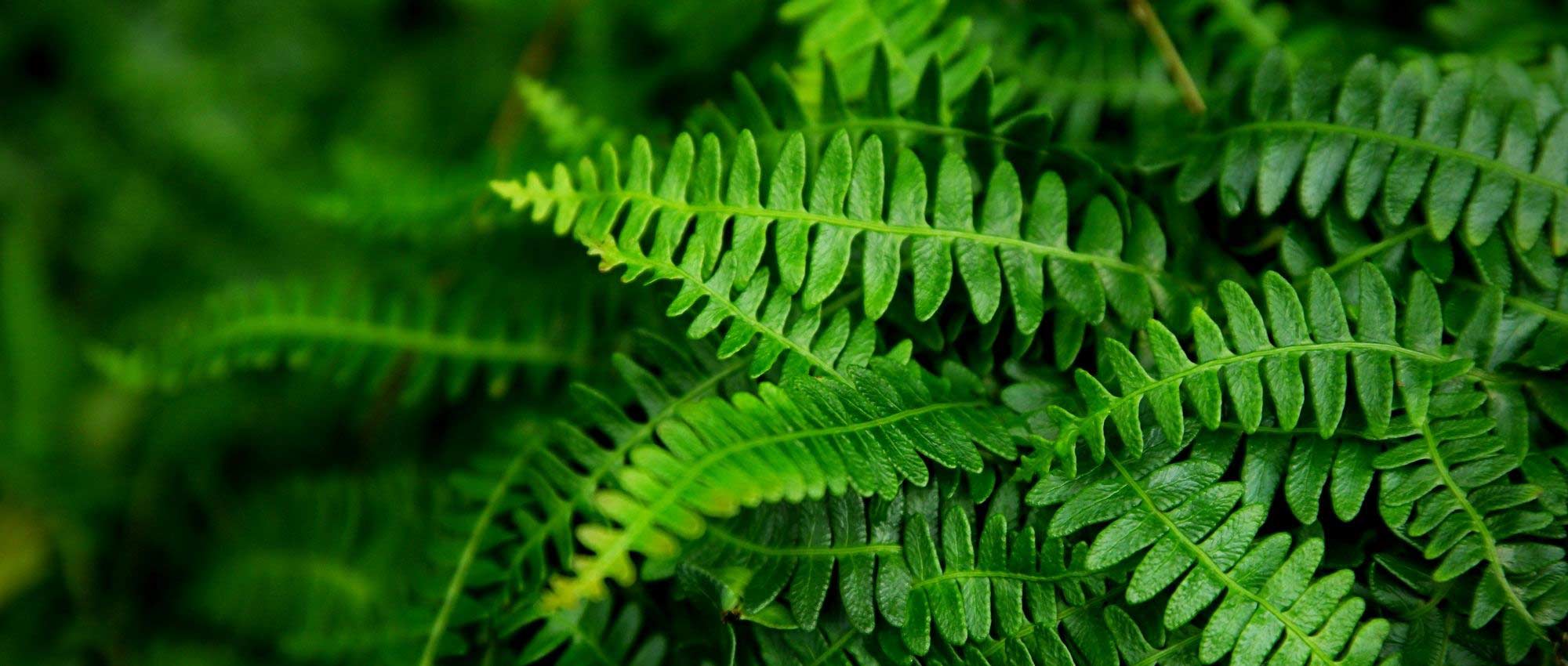
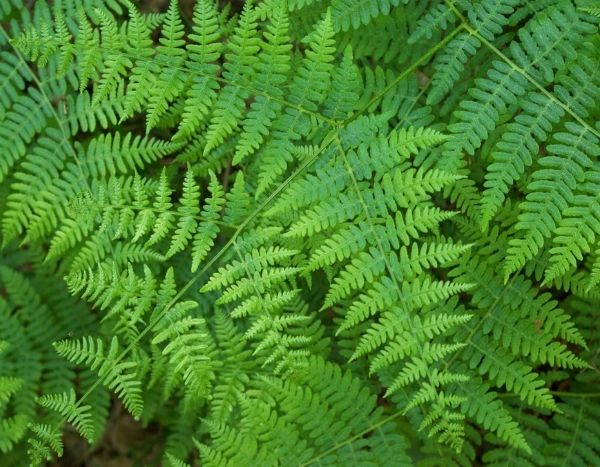
Blechnum brasiliense Volcano - Red Brazilian Tree Fern in pictures
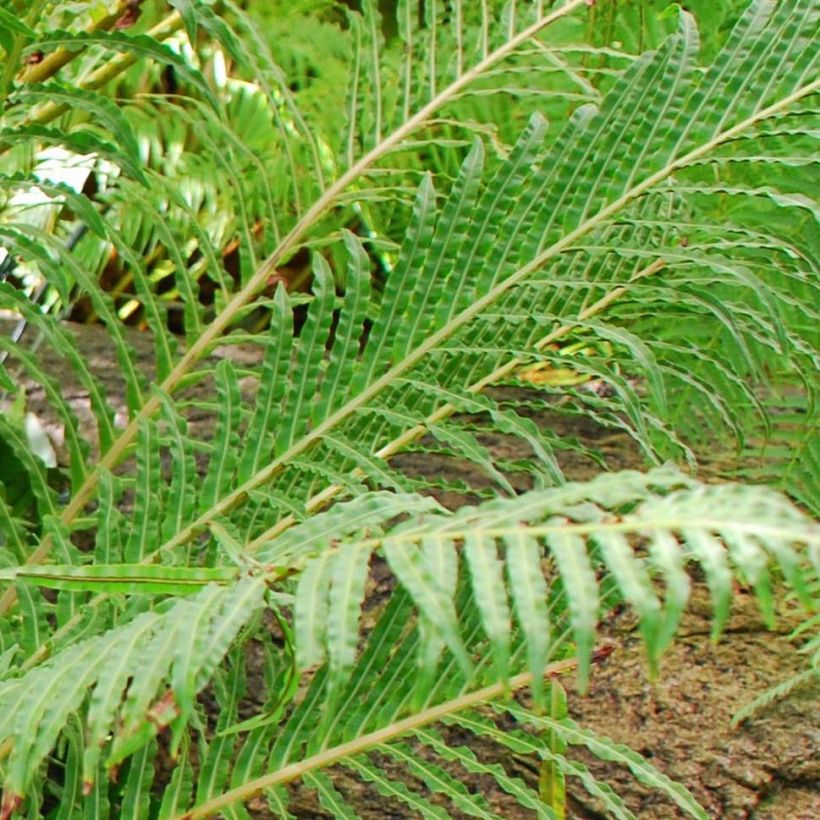
Foliage
Plant habit
Botanical data
Blechnum
brasiliense
Volcano
Blechnaceae
Red Brazilian Tree Fern, Brazilian Dwarf Tree Fern
South America
Planting and care
Plant the 'Volcano' Blechnum in spring in open ground in mild climate or all year round if you grow it in a container that will be protected from frost in winter. Install this fern in a soil rich in humus, light, slightly chalky or acidic, constantly moist to fresh, in partial shade or not too dense shade. This species tolerates some sun, if the soil is constantly moist, but it will be more vibrant in partial shade. It is not very difficult to grow as long as it is provided with a slightly moist atmosphere. As it perishes below -6°C (21.2°F), it will be essential to bring it indoors in a very bright but poorly heated room in winter. As soon as the temperature reaches 0°C (32°F), the leaves are destroyed. In spring, new fronds will emerge from the upper part of the stipe. Water the top of your fern very regularly to hydrate it, every day in summer if it is hot. Avoid using tap water (hard or chlorinated), prefer rainwater. Install a thick mulch around its base in winter but also in summer to keep it cool.
Planting period
Intended location
Care
Planting & care advice

This item has not been reviewed yet - be the first to leave a review about it.
Recently viewed products
Haven't found what you were looking for?
Hardiness is the lowest winter temperature a plant can endure without suffering serious damage or even dying. However, hardiness is affected by location (a sheltered area, such as a patio), protection (winter cover) and soil type (hardiness is improved by well-drained soil).

The flowering period indicated on our website applies to countries and regions located in USDA zone 8 (France, the United Kingdom, Ireland, the Netherlands, etc.)
It will vary according to where you live:- In zones 9 to 10 (Italy, Spain, Greece, etc.), flowering will occur about 2 to 4 weeks earlier.
- In zones 6 to 7 (Germany, Poland, Slovenia, and lower mountainous regions), flowering will be delayed by 2 to 3 weeks.
- In zone 5 (Central Europe, Scandinavia), blooming will be delayed by 3 to 5 weeks.
In temperate climates, pruning of spring-flowering shrubs (forsythia, spireas, etc.) should be done just after flowering.
Pruning of summer-flowering shrubs (Indian Lilac, Perovskia, etc.) can be done in winter or spring.
In cold regions as well as with frost-sensitive plants, avoid pruning too early when severe frosts may still occur.
The planting period indicated on our website applies to countries and regions located in USDA zone 8 (France, United Kingdom, Ireland, Netherlands).
It will vary according to where you live:
- In Mediterranean zones (Marseille, Madrid, Milan, etc.), autumn and winter are the best planting periods.
- In continental zones (Strasbourg, Munich, Vienna, etc.), delay planting by 2 to 3 weeks in spring and bring it forward by 2 to 4 weeks in autumn.
- In mountainous regions (the Alps, Pyrenees, Carpathians, etc.), it is best to plant in late spring (May-June) or late summer (August-September).
The harvesting period indicated on our website applies to countries and regions in USDA zone 8 (France, England, Ireland, the Netherlands).
In colder areas (Scandinavia, Poland, Austria...) fruit and vegetable harvests are likely to be delayed by 3-4 weeks.
In warmer areas (Italy, Spain, Greece, etc.), harvesting will probably take place earlier, depending on weather conditions.
The sowing periods indicated on our website apply to countries and regions within USDA Zone 8 (France, UK, Ireland, Netherlands).
In colder areas (Scandinavia, Poland, Austria...), delay any outdoor sowing by 3-4 weeks, or sow under glass.
In warmer climes (Italy, Spain, Greece, etc.), bring outdoor sowing forward by a few weeks.
Shipping country and language
Your country of residence may be:
Your country of residence is:
For a better user experience on our website, you can select:
Your shipping country:
-
 Austria
-
 Belgium
-
 Bosnia & Herzegovina
-
 Bulgaria
-
 Croatia
-
 Cyprus
-
 Czechia
-
 Denmark
-
 Estonia
-
 Finland
-
 France
-
 Germany
-
 Greece
-
 Hungary
-
 Iceland
-
 Ireland
-
 Italy
Italy
-
 Latvia
-
 Liechtenstein
-
 Lithuania
-
 Luxembourg
-
 Malta
Malta
-
 Netherlands
-
 Poland
-
 Portugal
-
 Romania
-
 Serbia
-
 Slovakia
-
 Slovenia
-
 Spain
Spain
-
 Sweden
-
 Switzerland
Language:
-
French
-
 English
-
Spanish
-
Italian
-
German
-
Portuguese
-
Dutch
-
Finnish
My Account
Hello
My wish lists
My cart
Log in / Register
Existing customer?
This form is protected by reCAPTCHA - the Google Privacy Policy and Terms of Service apply.
New customer?
Create an account to track your orders, access our customer service and, if you wish, make the most of our upcoming offers.