Phoenix canariensis seeds- Canary Island Date Palm
Phoenix canariensis seeds- Canary Island Date Palm
Phoenix canariensis
Canary Island Date Palm
Back-to-school special offer!
Get €10 off for every €50 you spend! And get up to €40 off on a single order.
How does it work?
1. Shop your favourites
Add your favourite plants to your basket. For every €50 you spend (excluding delivery charges, store credit and the plastic-free option), you’ll receive a €10 voucher.
€50 spent = €10 voucher
€100 spent = €20 voucher
€150 spent = €30 voucher
€200 spent = €40 voucher
2. Place your order
Once your basket reaches one of the spending thresholds, place your order. You can even choose your delivery date!
3. Receive your voucher
As soon as your order has been shipped, you’ll receive an email containing your personal voucher code and its value.
4. Use it on your next order
Your voucher is valid for 90 days from the date you receive it. It can be used once only, on a new order worth at least the value of the voucher, excluding delivery charges.
Please note: Vouchers can be combined with other offers, but cannot be split or refunded.
Home or relay delivery (depending on size and destination)
Important: You may be charged customs duties by your country’s customs authorities upon delivery.
Schedule delivery date
and select date in basket
This plant carries a 6 months recovery warranty
More information
We guarantee the quality of our plants for a full growing cycle, and will replace at our expense any plant that fails to recover under normal climatic and planting conditions.
Would this plant suit my garden?
Set up your Plantfit profile →
Description
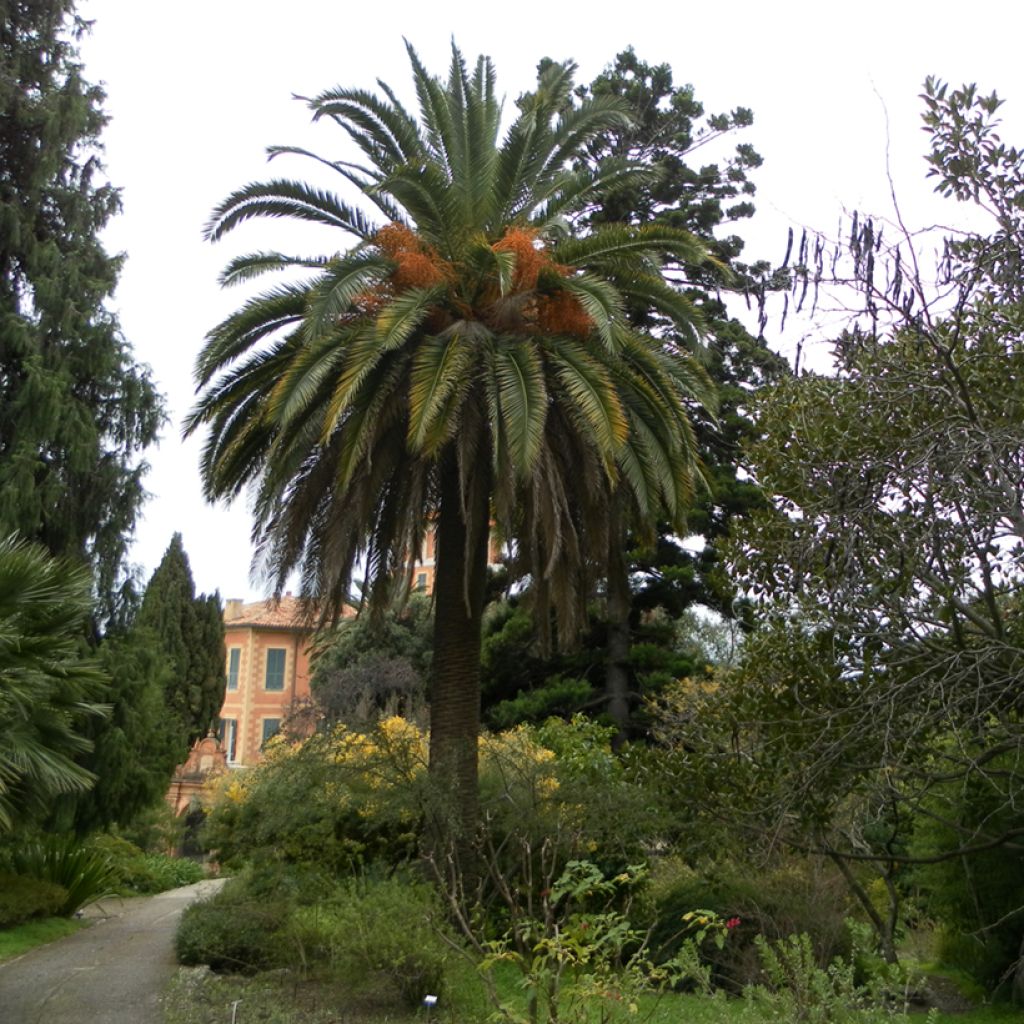
Phoenix canariensis, also known as the Canary Island Date Palm, is one of the most extensively planted palms in all regions of the world. With a strong and upright trunk, topped by a magnificent cluster of gracefully arching fronds impeccably arranged in a spherical crown, it captivates with its majestic habit, perfect aesthetics, and silhouette that perfectly corresponds to the ideal of a palm tree. It grows rapidly in fertile and moist soil, tolerates drought and cold temperatures down to -7° C (19.4° F), can withstand acidic or alkaline soils, partial shade, and sea spray.
Phoenix canariensis belongs to the large family of Arecaceae. It is native, as its name indicates, to the Canary Islands. A botanical symbol of its native islands, it has since become emblematic of Mediterranean landscapes, or rather neo-Mediterranean landscapes. The Canary Island Date Palm is a tree species from the subtropical forests of the archipelago, located between 300 m and 500 m (984.3 ft to 1640.4 ft) in altitude on the north slope and between 500 m to 1000m (1640.4 ft to 3280.8 ft) in altitude on the south slope. It has become quite rare, due to human pressure on its natural habitat, and has been forced to take refuge in areas that are less accessible to tourist activities.
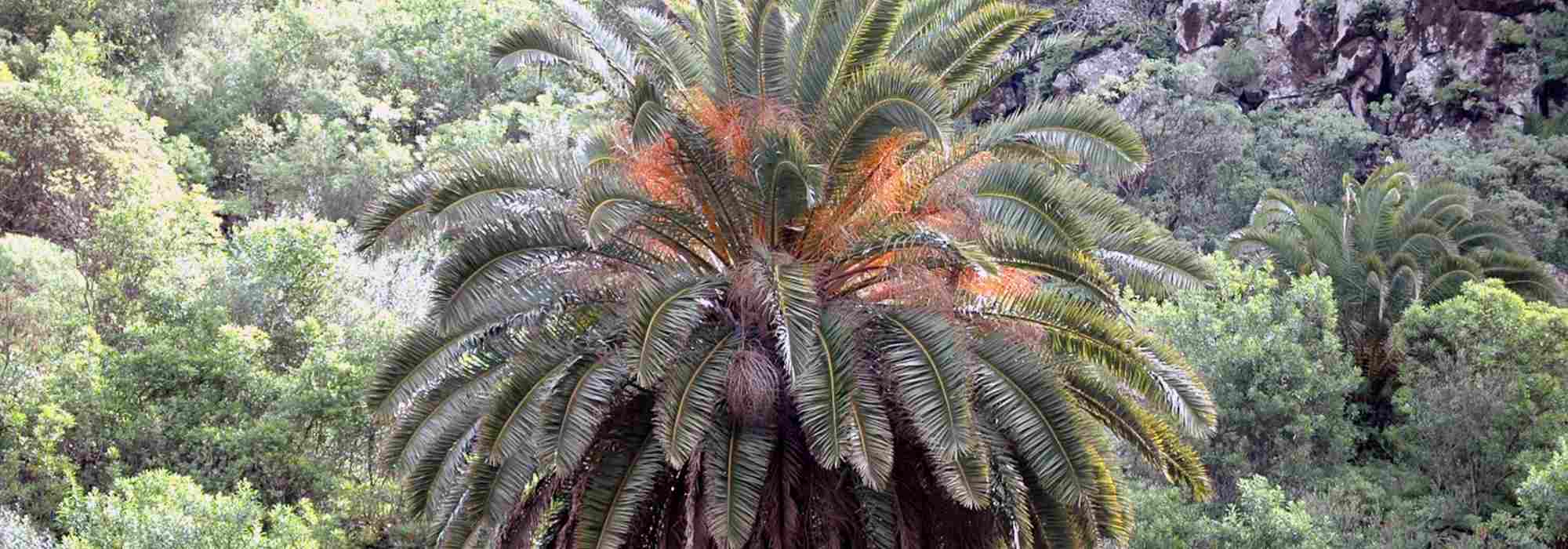
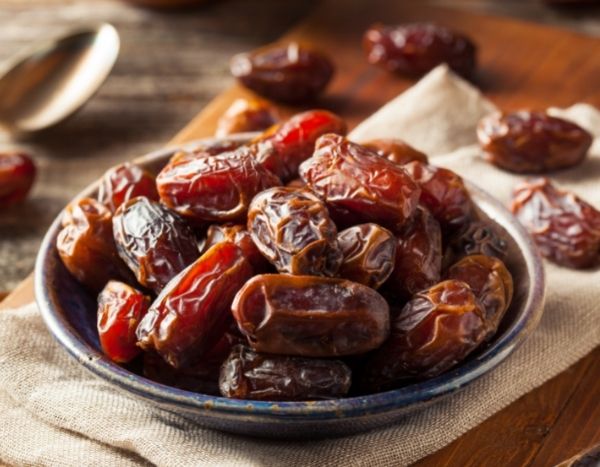
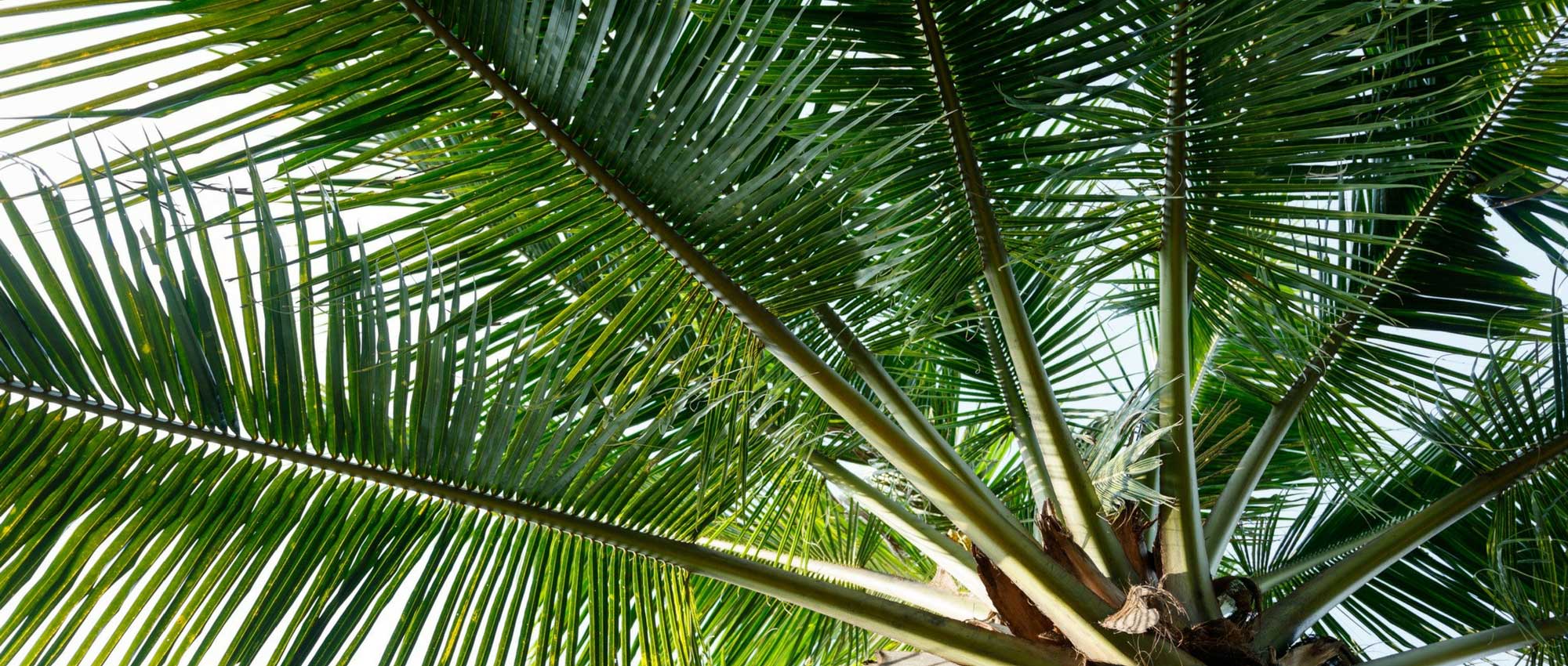
It produces a single trunk, called the stipe, which is tinted with brown or grey, and covered with scales that are remnants of the old petioles. It can reach a height of 15 m (49.2 ft) with a diameter of 60 cm (23.6 in) in open ground. At the top of this stipe, a crown composed of more than 150 large palmate leaves, called fronds, develops. Each leaf, which can reach a length of 5 m (16.4 ft), is slightly drooping and carried by a long petiole bordered with spines. It is composed of narrow, plicate, tough, and rigid pinnules, of a deep and vivid green colour. Flowering occurs in summer, in the form of inflorescences that appear between the leaves, with a different appearance depending on whether they are male or female specimens. Male inflorescences are shorter and somewhat reminiscent of brooms. Female inflorescences are long, pendulous, and adorned with small yellow flowers. These small flowers are followed by non-edible but decorative fruits, shaped like acorns, yellow-orange and then brownish at maturity. Each fruit contains an elongated seed with a furrow, similar to dates.
Phoenix canariensis is a magnificent palm tree, to be planted either alone on a lawn or in rows in mild climates, including coastal areas. It requires space to fully reveal its beauty and grows quickly if it does not lack water or nutrients. It is becoming increasingly popular among landscaping professionals as well as amateur gardeners who appreciate exotic but hardy plants. It can sometimes be challenging to grow it alongside other plants. Reserve a corner of a pool for it and plant small evergreen shrubs like bushy sage, teucrium, and single-flowered varieties. For exotic borders, plant it with colourful Phormiums, precise and geometric agaves, the almost metallic Astelia chathamica, the orange-coloured Hakonechloa macra 'Aureola' in autumn, and the violet and delicate Verbena bonariensis.
Flowering
Foliage
Plant habit
Botanical data
Phoenix
canariensis
Arecaceae
Canary Island Date Palm
Mediterranean
Planting and care
This palm tree shows fairly rapid growth, especially when regularly watered in a warm climate. It requires sun and heat, which will promote faster growth. Plant the Canary Island Date Palm in the ground in mild climates, or in a very large pot to overwinter in other regions. Phoenix canariensis, capable of withstanding short frosts of around -7° C (19.4° F), or even -10° C (14° F), should be protected in case of severe cold, by tying the crown of leaves tightly enough to protect the heart of the plant. Plant it in the sun, in ordinary but well-worked soil, well loosened and well-drained, even poor and dry on the surface. It is indifferent to the nature of the soil, but shows a preference for deep and light soils. It tolerates drought once established. The ideal is to plant it in soil that retains little water: a balanced mixture of coarse sand, compost, and garden soil. Plant it in a sunny location and protect it from cold and dry winds. Water regularly for the first 3 years, especially if the summer is dry. Easy to grow, it requires little maintenance except for pruning the oldest leaves close to the stem.
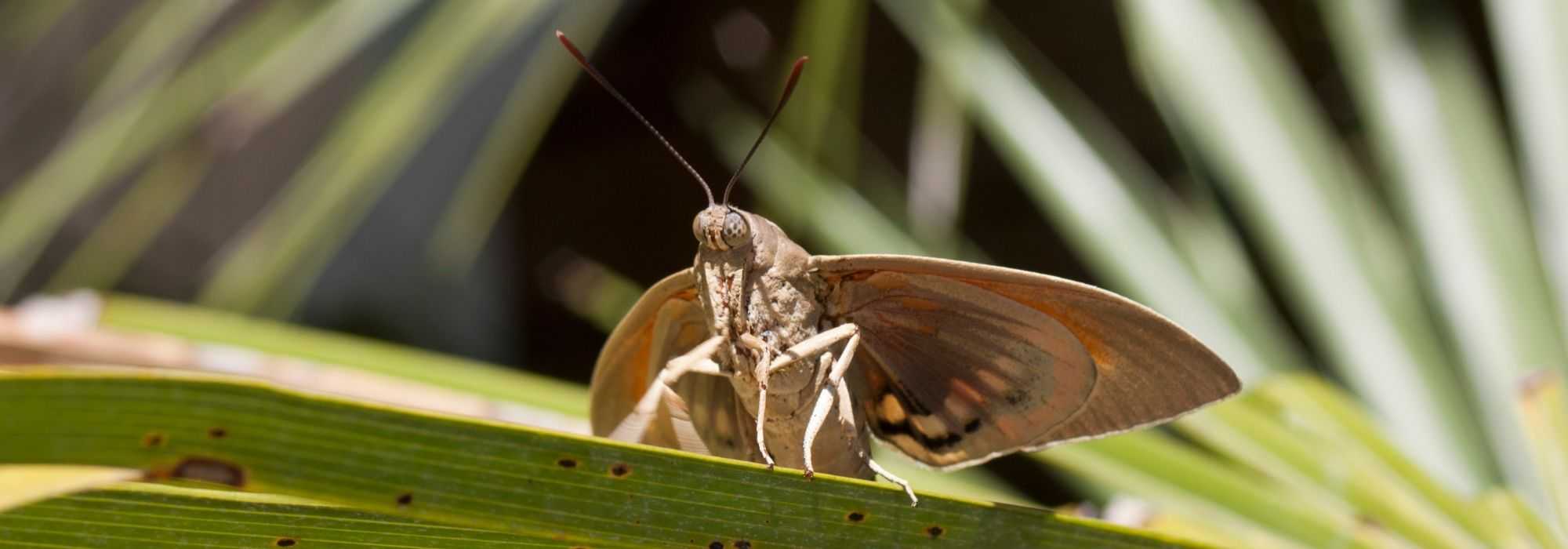
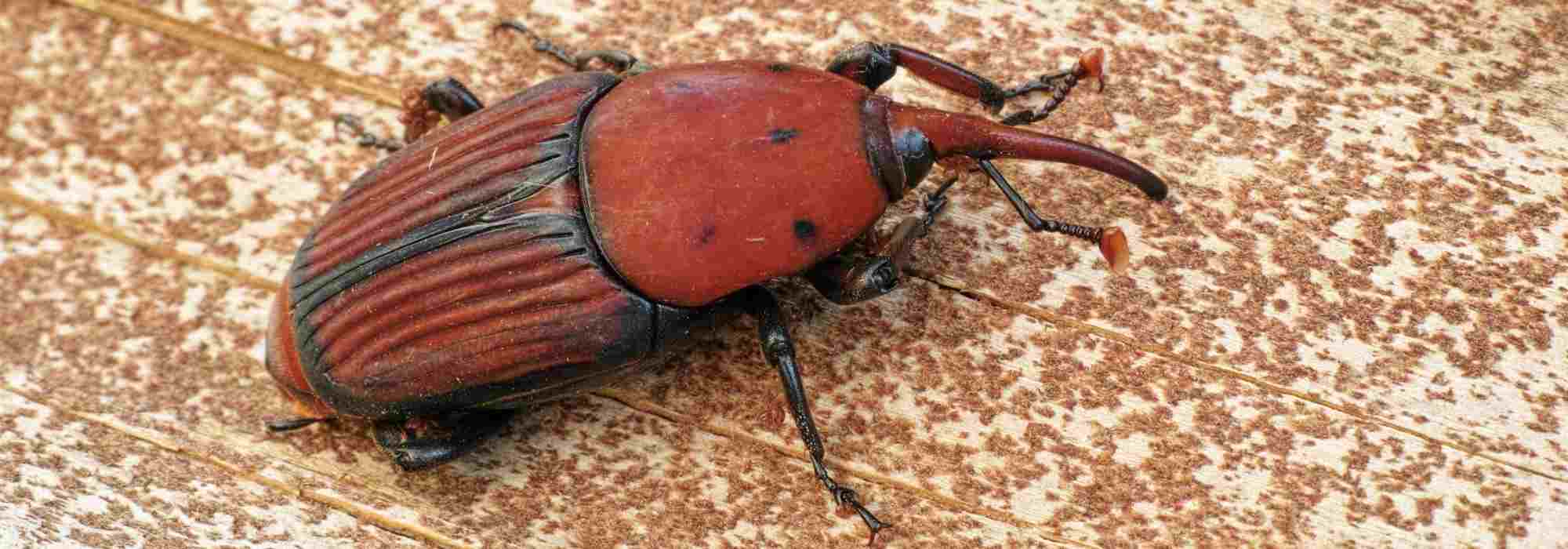
Large palm trees are victims of parasites such as the dreaded and widespread Paysandisia archon worm, a large moth that is prevalent in England. Specific treatments are now available as a preventive measure. It is also susceptible to the red palm weevil (Rhynchophorus ferrugineus). The symptoms of attack are as follows: cut, dried, or yellowing fronds. These pests attack numerous palm species, with a fatal outcome: the leaves irreversibly and completely dry out as soon as the heart of the stem harbours larvae.
Propagation: by sowing fresh seeds that germinate fairly quickly, sometimes a few days after sowing, usually within 1 to 2 months. The young plants develop slowly during the first three years and then growth accelerates (this is the rule for most palm trees), especially in fertile and moist soil.
Sowing period
Intended location
Planting & care advice
-
-
-
-
-
-
-
-

This item has not been reviewed yet - be the first to leave a review about it.
Recently viewed products
Haven't found what you were looking for?
Hardiness is the lowest winter temperature a plant can endure without suffering serious damage or even dying. However, hardiness is affected by location (a sheltered area, such as a patio), protection (winter cover) and soil type (hardiness is improved by well-drained soil).

The flowering period indicated on our website applies to countries and regions located in USDA zone 8 (France, the United Kingdom, Ireland, the Netherlands, etc.)
It will vary according to where you live:- In zones 9 to 10 (Italy, Spain, Greece, etc.), flowering will occur about 2 to 4 weeks earlier.
- In zones 6 to 7 (Germany, Poland, Slovenia, and lower mountainous regions), flowering will be delayed by 2 to 3 weeks.
- In zone 5 (Central Europe, Scandinavia), blooming will be delayed by 3 to 5 weeks.
In temperate climates, pruning of spring-flowering shrubs (forsythia, spireas, etc.) should be done just after flowering.
Pruning of summer-flowering shrubs (Indian Lilac, Perovskia, etc.) can be done in winter or spring.
In cold regions as well as with frost-sensitive plants, avoid pruning too early when severe frosts may still occur.
The planting period indicated on our website applies to countries and regions located in USDA zone 8 (France, United Kingdom, Ireland, Netherlands).
It will vary according to where you live:
- In Mediterranean zones (Marseille, Madrid, Milan, etc.), autumn and winter are the best planting periods.
- In continental zones (Strasbourg, Munich, Vienna, etc.), delay planting by 2 to 3 weeks in spring and bring it forward by 2 to 4 weeks in autumn.
- In mountainous regions (the Alps, Pyrenees, Carpathians, etc.), it is best to plant in late spring (May-June) or late summer (August-September).
The harvesting period indicated on our website applies to countries and regions in USDA zone 8 (France, England, Ireland, the Netherlands).
In colder areas (Scandinavia, Poland, Austria...) fruit and vegetable harvests are likely to be delayed by 3-4 weeks.
In warmer areas (Italy, Spain, Greece, etc.), harvesting will probably take place earlier, depending on weather conditions.
The sowing periods indicated on our website apply to countries and regions within USDA Zone 8 (France, UK, Ireland, Netherlands).
In colder areas (Scandinavia, Poland, Austria...), delay any outdoor sowing by 3-4 weeks, or sow under glass.
In warmer climes (Italy, Spain, Greece, etc.), bring outdoor sowing forward by a few weeks.
Shipping country and language
Your country of residence may be:
Your country of residence is:
For a better user experience on our website, you can select:
Your shipping country:
-
 Austria
-
 Belgium
-
 Bosnia & Herzegovina
-
 Bulgaria
-
 Croatia
-
 Cyprus
-
 Czechia
-
 Denmark
-
 Estonia
-
 Finland
-
 France
-
 Germany
-
 Greece
-
 Hungary
-
 Iceland
-
 Ireland
-
 Italy
Italy
-
 Latvia
-
 Liechtenstein
-
 Lithuania
-
 Luxembourg
-
 Malta
Malta
-
 Netherlands
-
 Poland
-
 Portugal
-
 Romania
-
 Serbia
-
 Slovakia
-
 Slovenia
-
 Spain
Spain
-
 Sweden
-
 Switzerland
Language:
-
French
-
 English
-
Spanish
-
Italian
-
German
-
Portuguese
-
Dutch
-
Finnish
My Account
Hello
My wish lists
My cart
Log in / Register
Existing customer?
This form is protected by reCAPTCHA - the Google Privacy Policy and Terms of Service apply.
New customer?
Create an account to track your orders, access our customer service and, if you wish, make the most of our upcoming offers.