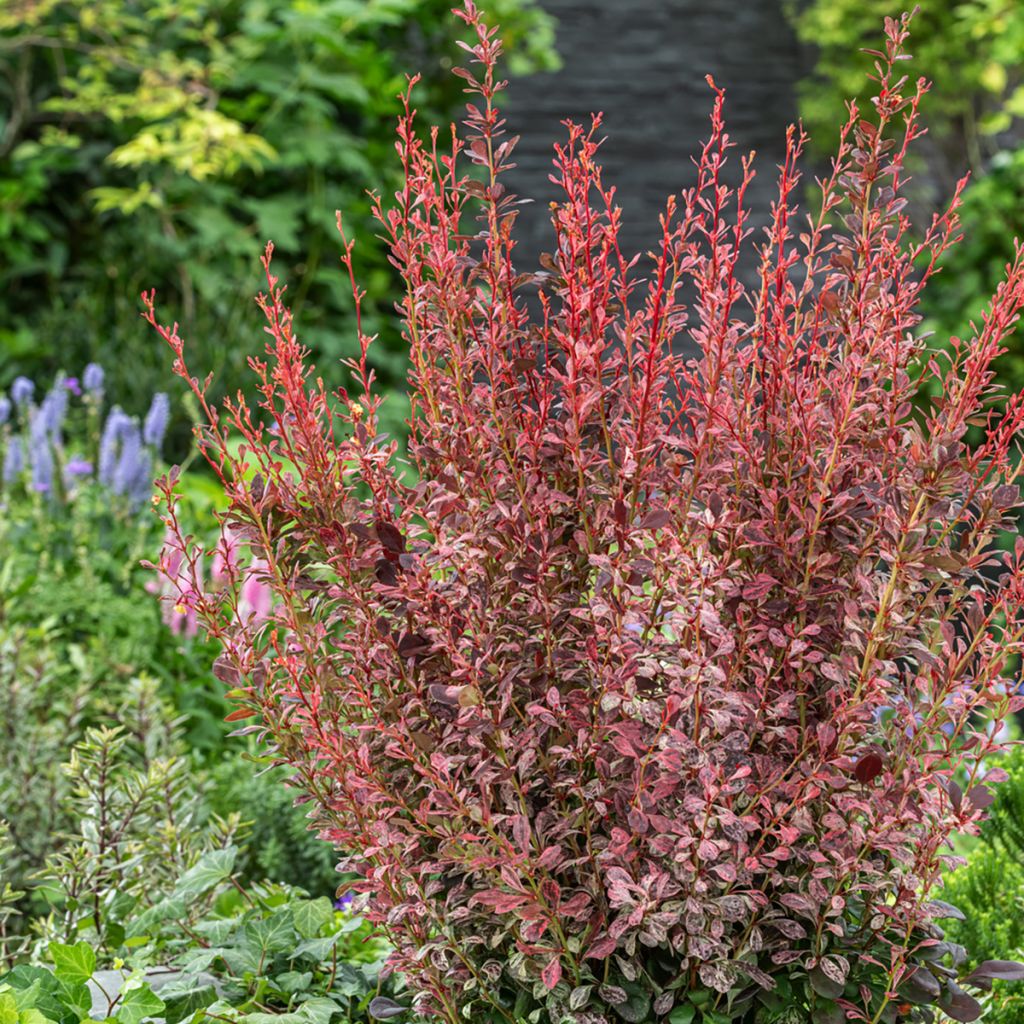
Berberis thunbergii Pink Pillar - Barberry
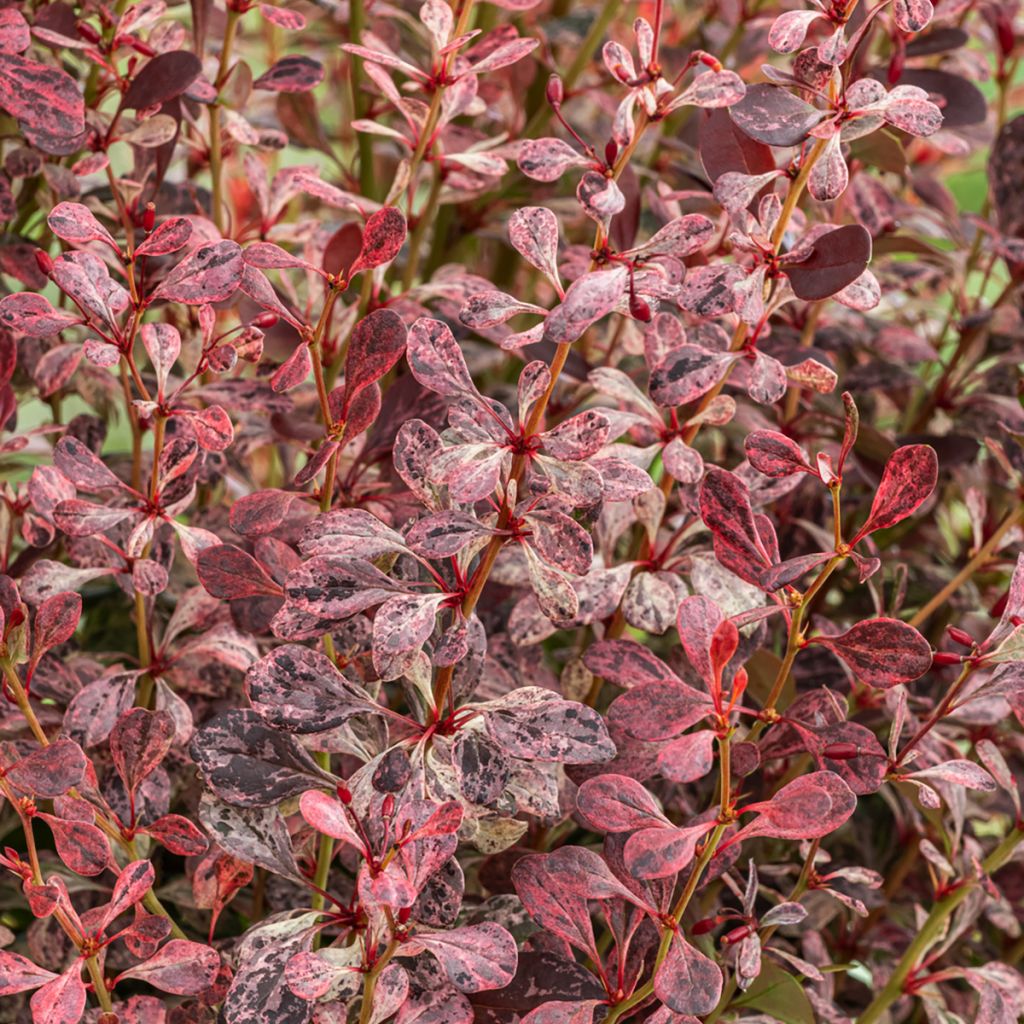
Berberis thunbergii Pink Pillar - Barberry
Berberis thunbergii Pink Pillar - Barberry
Berberis thunbergii 'Hoog3' Pink Pillar
Japanese Barberry
Back-to-school special offer!
Get €10 off for every €50 you spend! And get up to €40 off on a single order.
How does it work?
1. Shop your favourites
Add your favourite plants to your basket. For every €50 you spend (excluding delivery charges, store credit and the plastic-free option), you’ll receive a €10 voucher.
€50 spent = €10 voucher
€100 spent = €20 voucher
€150 spent = €30 voucher
€200 spent = €40 voucher
2. Place your order
Once your basket reaches one of the spending thresholds, place your order. You can even choose your delivery date!
3. Receive your voucher
As soon as your order has been shipped, you’ll receive an email containing your personal voucher code and its value.
4. Use it on your next order
Your voucher is valid for 90 days from the date you receive it. It can be used once only, on a new order worth at least the value of the voucher, excluding delivery charges.
Please note: Vouchers can be combined with other offers, but cannot be split or refunded.
Home or relay delivery (depending on size and destination)
Important: You may be charged customs duties by your country’s customs authorities upon delivery.
Schedule delivery date,
and select date in basket
This plant carries a 24 months recovery warranty
More information
We guarantee the quality of our plants for a full growing cycle, and will replace at our expense any plant that fails to recover under normal climatic and planting conditions.
Would this plant suit my garden?
Set up your Plantfit profile →
Description
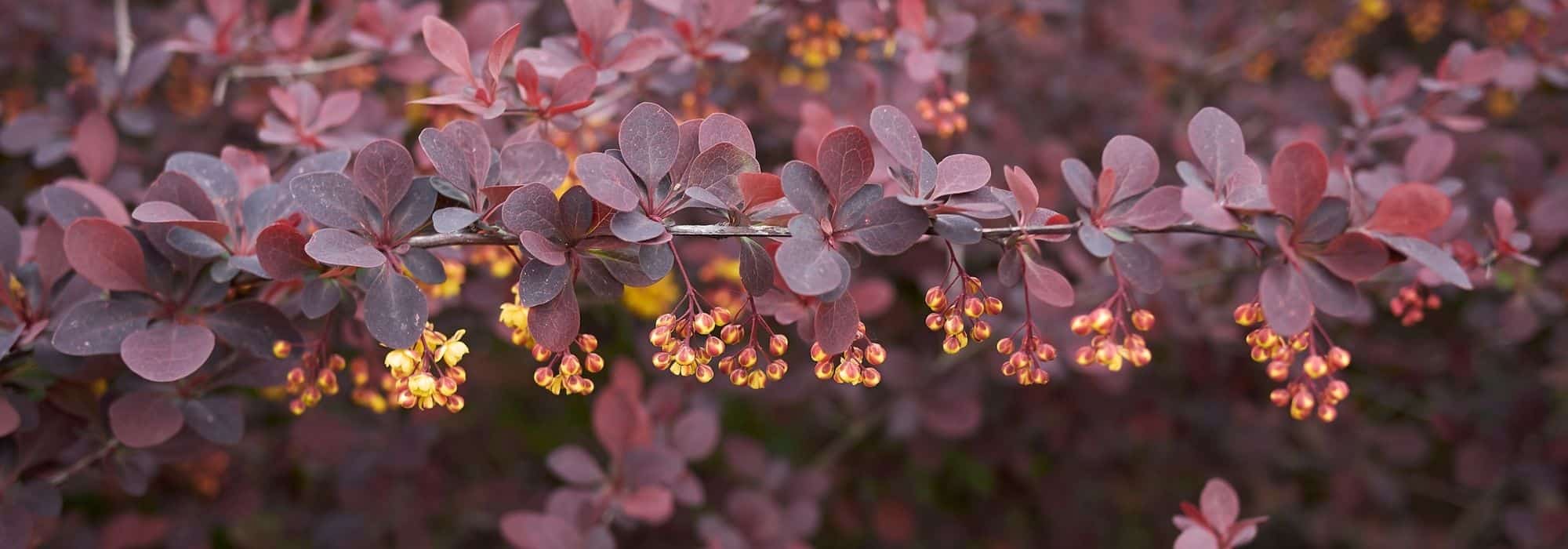
Berberis thunbergii 'Hoog3' Pink Pillar is a variety of Thunberg's barberry with a very erect and relatively tall habit, making it an ideal subject for hedges. Its foliage is dominated by pink shades. Its leaves are small but very numerous, due to the high density of thorny stems. This can form beautiful, medium-sized defensive hedge screens, about 1.50 m. The fairly discreet yellow spring flowers are followed by decorative red berries in autumn, after the leaves have fallen to the ground. This colourful shrub is easy to grow in sun or even partial shade and very hardy.
Berberis belongs to the Berberidaceae family, which gives it its name, and includes many other ornamental genera, such as Mahonia, valued for their winter flowering, or Epimedium, charming groundcover plants with delicate flowers that have earned them the nickname of Warley bishop's hat. There are several hundred species of Berberis, deciduous or evergreen shrubs, dwarf to medium in size, but sometimes very tall. Native to four continents, found in temperate to warm (subtropical) climates, they often have ornamental foliage, and even their thorns can be ornamental, as they are very large in some species. Berberis thunbergii is native to Japan and was introduced to Europe for ornamental purposes in the second half of the 19th century. Unfortunately, Japanese barberry has proven invasive in some countries, but remains favoured by gardeners due to the beauty of the various cultivars and also because of its immunity to wheat rust (whereas other barberry species act as host plants for this dreaded wheat disease).
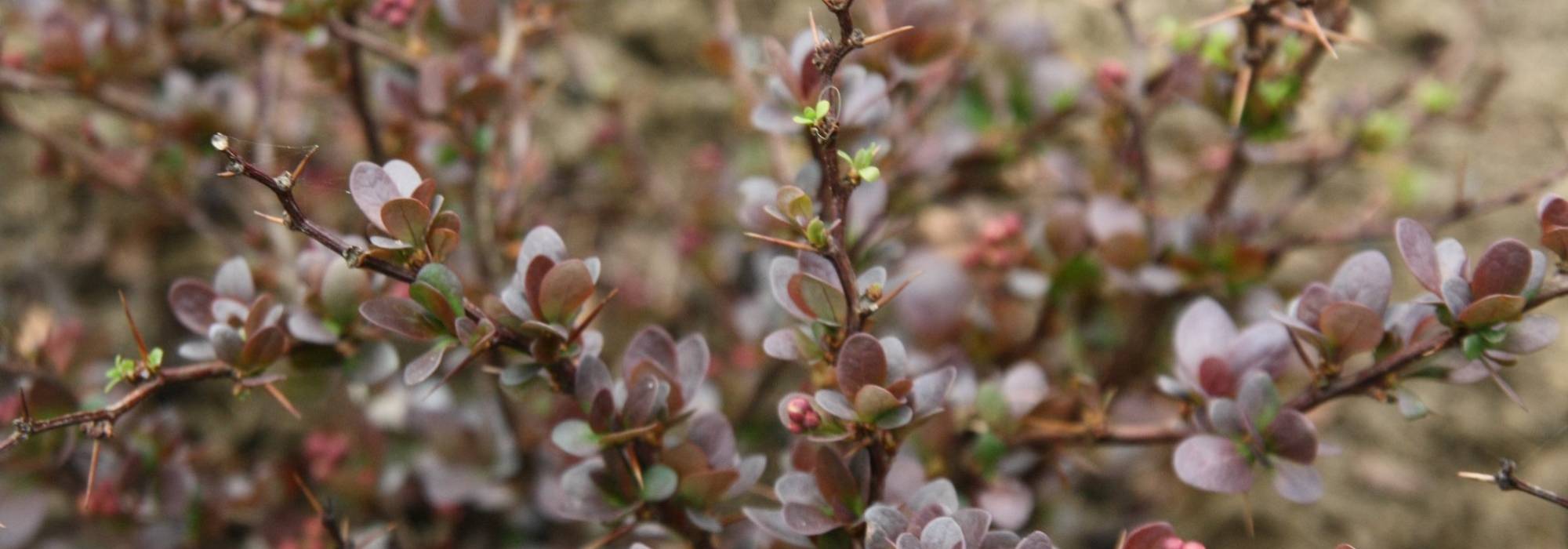
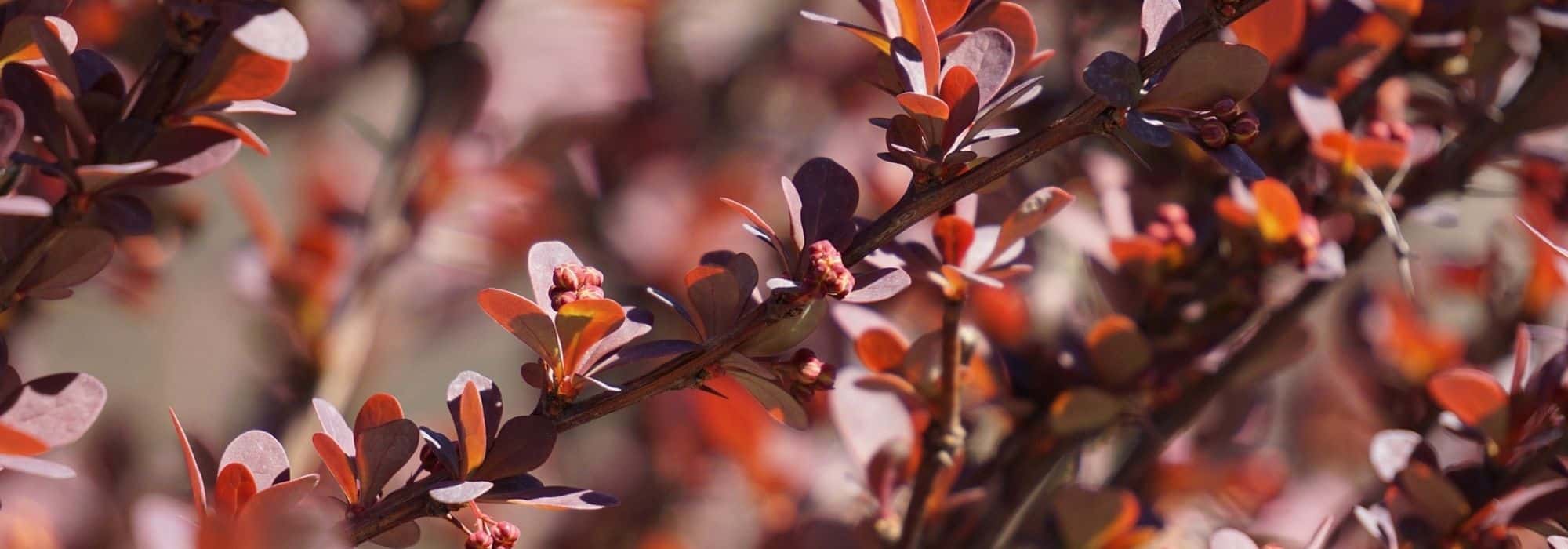
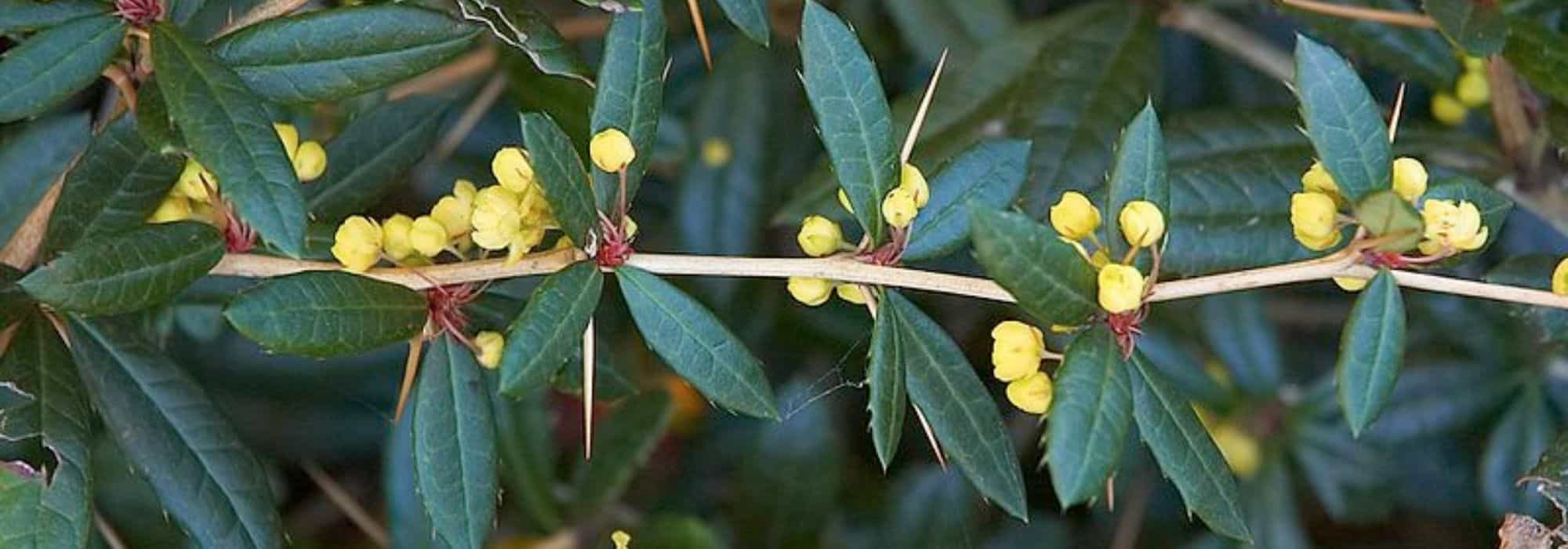
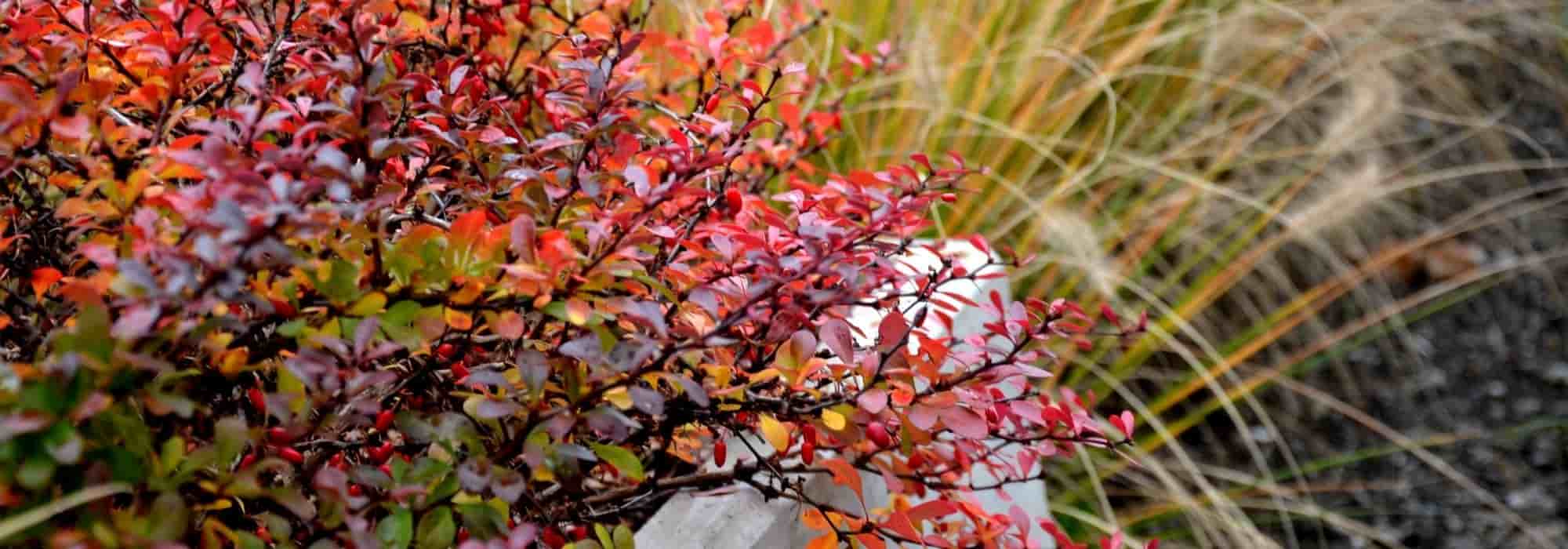
The cultivar 'Pink Pillar' reaches about 1.50 m in height with a width of less than 1 m. Its habit is distinctly erect, with the base producing a profusion of thin, upright stems growing almost vertically, flaring slightly at the top. Of uneven size, the stems give a dynamic look to the plant if not pruned. The deeply furrowed twigs are smooth and range in colour from greenish to purplish brown. The leaves are small, measuring 1 to 3 cm in length, obovate to oblong-spatulate in shape, and each small cluster of leaves also harbours a thin thorn 1 cm long. Although not very visible in the foliage, the thorns are quite sharp despite their small size. The leaves appear splashed with intense pink, cream pink and purple, each leaf seeming different from its neighbour yet creating an overall very pink and particularly aesthetic impression. In spring, usually in April-May, clusters of a few flowers form in the axils of the leaves. The small, yellowish-red flowers measure 8 to 10 mm at most. Nevertheless, they are useful to wildlife as they are very nectar-rich. From an ornamental point of view, their main interest is that they later develop into small bright red berries in autumn, which often persist through part of the winter on the shrub, clearly visible after leaf fall. Depending on exposure and climate, the foliage may take on warm tones of red or orange as temperatures drop in autumn.
Berberis thunbergii Pink Pillar is very useful for forming low defensive hedges, as its foliage is truly dense and it tolerates pruning well. If you like strong contrasts, you can pair it with Pyracantha 'Sparkler', a Firethorn with green evergreen leaves variegated with cream-white. Your Berberis can also find a place in a mixed border, alongside other shrubs and perennials. For striking colour combinations, choose Physocarpus opulifolius 'Magic Ball', whose foliage varies from orange to gold and red. Or go for Cotinus 'Golden Lady', whose oval leaves will contrast with the small spatulate leaves of your Berberis, while their colour, changing from yellow-green to gold and orange, will contrast with the purplish pink.
Plant habit
Flowering
Foliage
Botanical data
Berberis
thunbergii
'Hoog3' Pink Pillar
Berberidaceae
Japanese Barberry
Cultivar or hybrid
Planting and care
Berberis thunbergii 'Pink Pillar' thrives in full sun or partial shade, with autumn colours more intense in the sun. This plant tolerates drought and harsh winters well. Plant it in any type of soil as long as it is well-drained. The planting hole should be twice the size of the root ball. Space Berberis plants about 60 cm apart. Add compost and water thoroughly. This shrub tolerates pruning very well. From June to August, after flowering, cut back the faded shoots to the young lateral shoots to encourage new growth. Be careful not to handle the branches with bare hands, as they bear thorns that are difficult to remove once embedded in the skin. Berberis thunbergii can be susceptible to powdery mildew (treat with sulphur) and black leaf spots. Aphids may also infest it; a treatment with black soap can eliminate them.
Planting period
Intended location
Care
Planting & care advice




This item has not been reviewed yet - be the first to leave a review about it.
Recently viewed products
Haven't found what you were looking for?
Hardiness is the lowest winter temperature a plant can endure without suffering serious damage or even dying. However, hardiness is affected by location (a sheltered area, such as a patio), protection (winter cover) and soil type (hardiness is improved by well-drained soil).

The flowering period indicated on our website applies to countries and regions located in USDA zone 8 (France, the United Kingdom, Ireland, the Netherlands, etc.)
It will vary according to where you live:- In zones 9 to 10 (Italy, Spain, Greece, etc.), flowering will occur about 2 to 4 weeks earlier.
- In zones 6 to 7 (Germany, Poland, Slovenia, and lower mountainous regions), flowering will be delayed by 2 to 3 weeks.
- In zone 5 (Central Europe, Scandinavia), blooming will be delayed by 3 to 5 weeks.
In temperate climates, pruning of spring-flowering shrubs (forsythia, spireas, etc.) should be done just after flowering.
Pruning of summer-flowering shrubs (Indian Lilac, Perovskia, etc.) can be done in winter or spring.
In cold regions as well as with frost-sensitive plants, avoid pruning too early when severe frosts may still occur.
The planting period indicated on our website applies to countries and regions located in USDA zone 8 (France, United Kingdom, Ireland, Netherlands).
It will vary according to where you live:
- In Mediterranean zones (Marseille, Madrid, Milan, etc.), autumn and winter are the best planting periods.
- In continental zones (Strasbourg, Munich, Vienna, etc.), delay planting by 2 to 3 weeks in spring and bring it forward by 2 to 4 weeks in autumn.
- In mountainous regions (the Alps, Pyrenees, Carpathians, etc.), it is best to plant in late spring (May-June) or late summer (August-September).
The harvesting period indicated on our website applies to countries and regions in USDA zone 8 (France, England, Ireland, the Netherlands).
In colder areas (Scandinavia, Poland, Austria...) fruit and vegetable harvests are likely to be delayed by 3-4 weeks.
In warmer areas (Italy, Spain, Greece, etc.), harvesting will probably take place earlier, depending on weather conditions.
The sowing periods indicated on our website apply to countries and regions within USDA Zone 8 (France, UK, Ireland, Netherlands).
In colder areas (Scandinavia, Poland, Austria...), delay any outdoor sowing by 3-4 weeks, or sow under glass.
In warmer climes (Italy, Spain, Greece, etc.), bring outdoor sowing forward by a few weeks.
Shipping country and language
Your country of residence may be:
Your country of residence is:
For a better user experience on our website, you can select:
Your shipping country:
-
 Austria
-
 Belgium
-
 Bosnia & Herzegovina
-
 Bulgaria
-
 Croatia
-
 Cyprus
-
 Czechia
-
 Denmark
-
 Estonia
-
 Finland
-
 France
-
 Germany
-
 Greece
-
 Hungary
-
 Iceland
-
 Ireland
-
 Italy
Italy
-
 Latvia
-
 Liechtenstein
-
 Lithuania
-
 Luxembourg
-
 Malta
Malta
-
 Netherlands
-
 Poland
-
 Portugal
-
 Romania
-
 Serbia
-
 Slovakia
-
 Slovenia
-
 Spain
Spain
-
 Sweden
-
 Switzerland
Language:
-
French
-
 English
-
Spanish
-
Italian
-
German
-
Portuguese
-
Dutch
-
Finnish
My Account
Hello
My wish lists
My cart
Log in / Register
Existing customer?
This form is protected by reCAPTCHA - the Google Privacy Policy and Terms of Service apply.
New customer?
Create an account to track your orders, access our customer service and, if you wish, make the most of our upcoming offers.