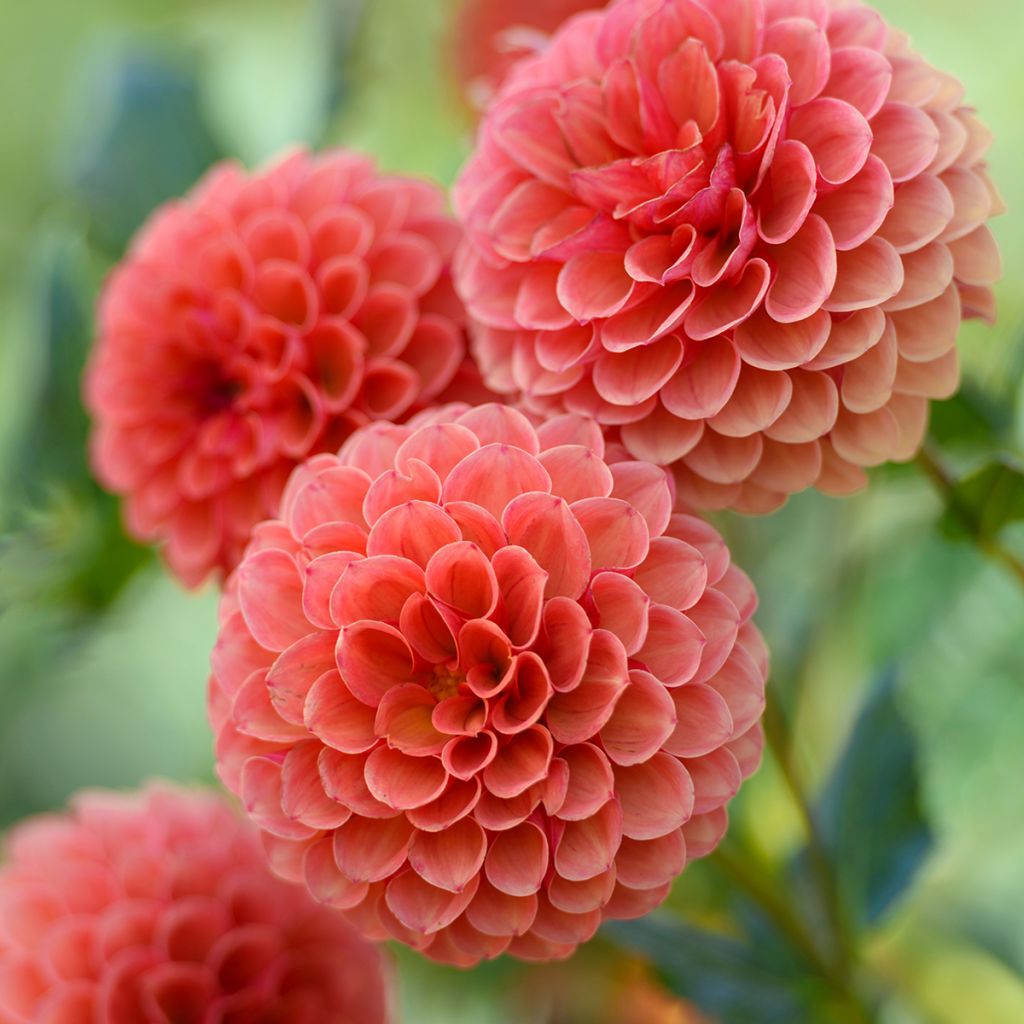
Dahlia Hillcrest Suffusion
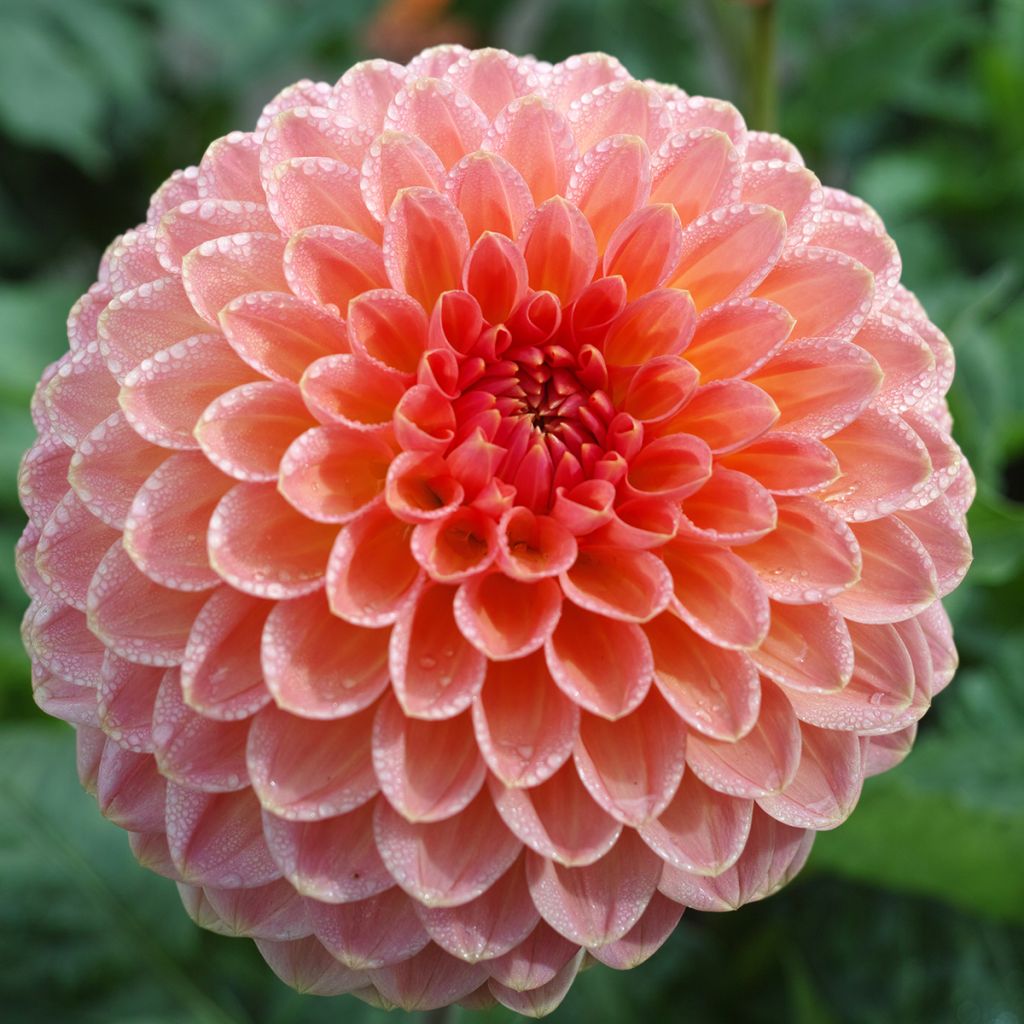
Dahlia Hillcrest Suffusion
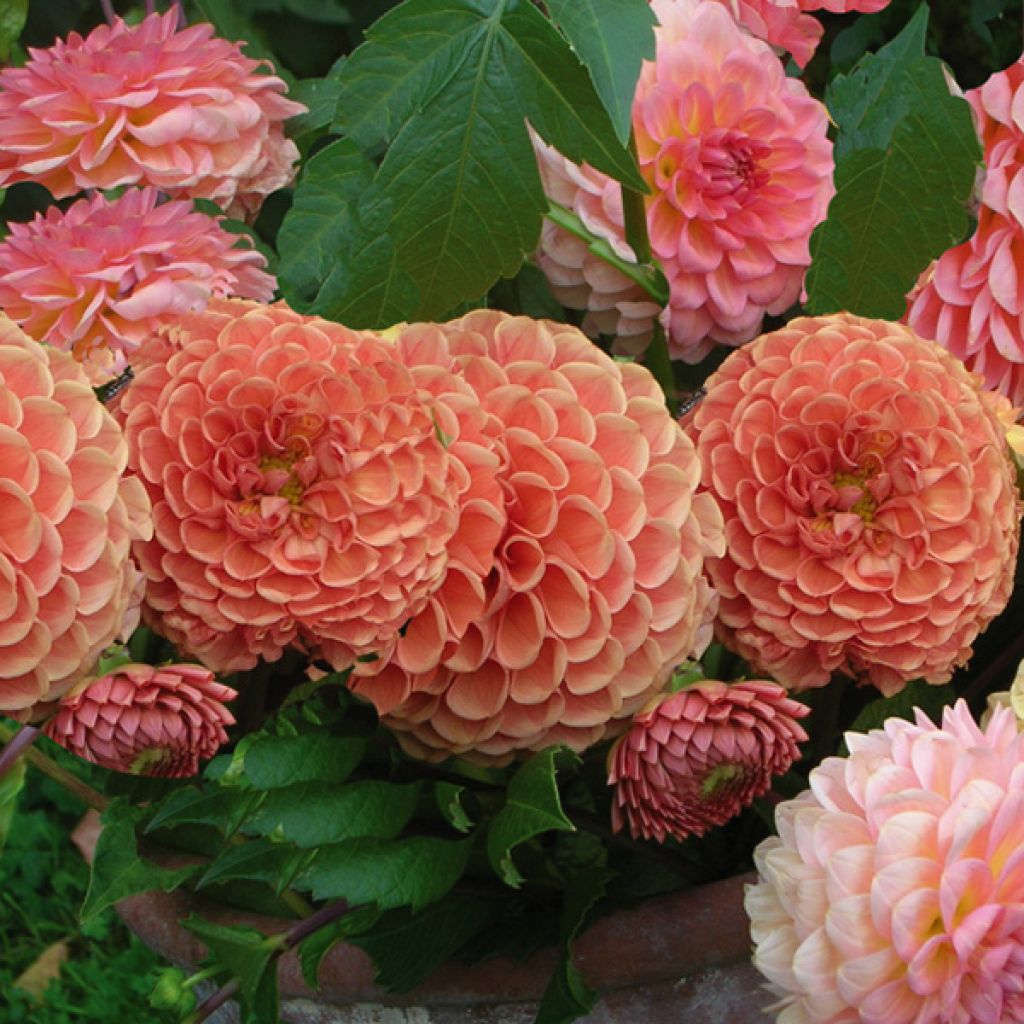
Dahlia Hillcrest Suffusion
View more pictures
Hide images
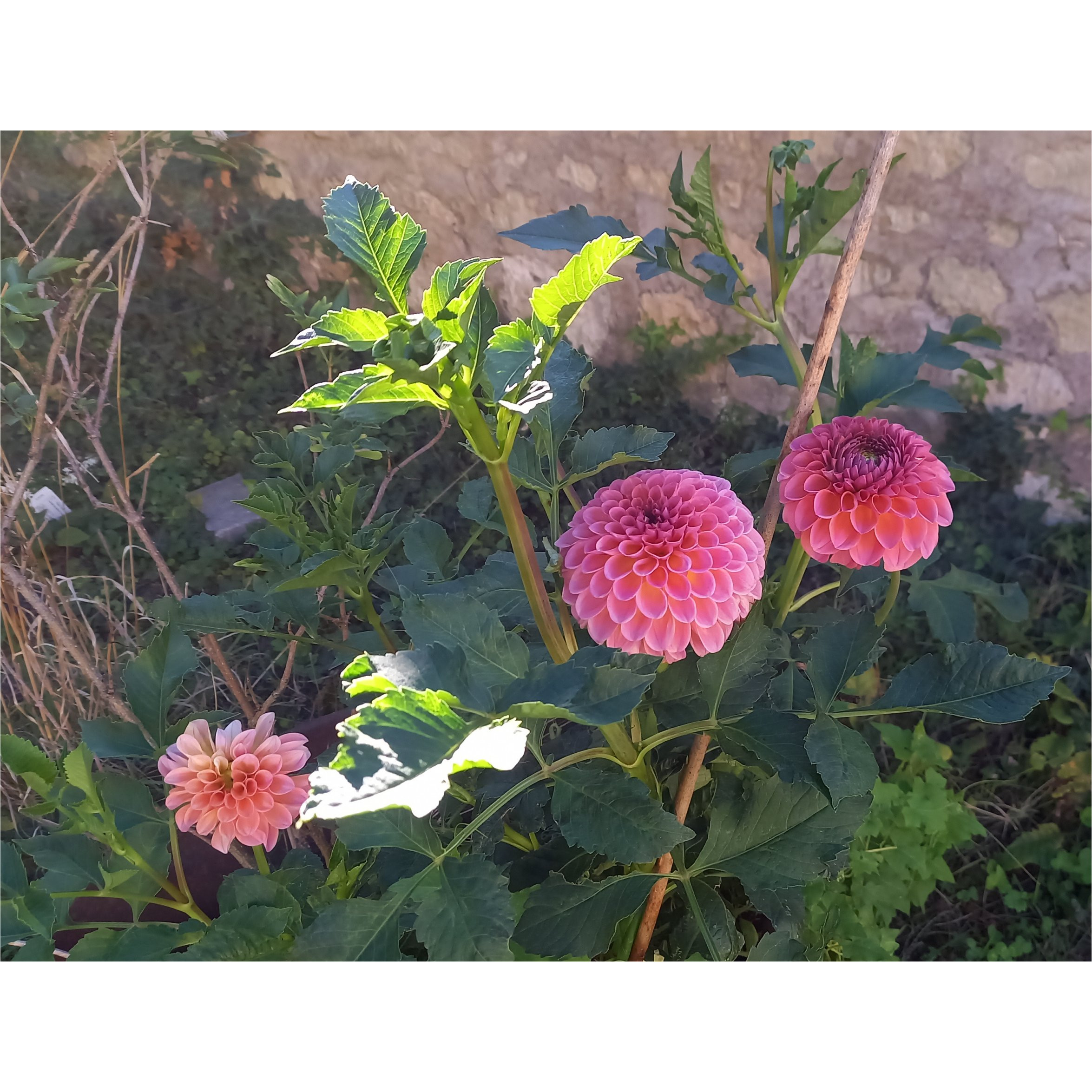
Catherine A.
Dahlia Hillcrest Suffusion
Catherine A. • 37 FR
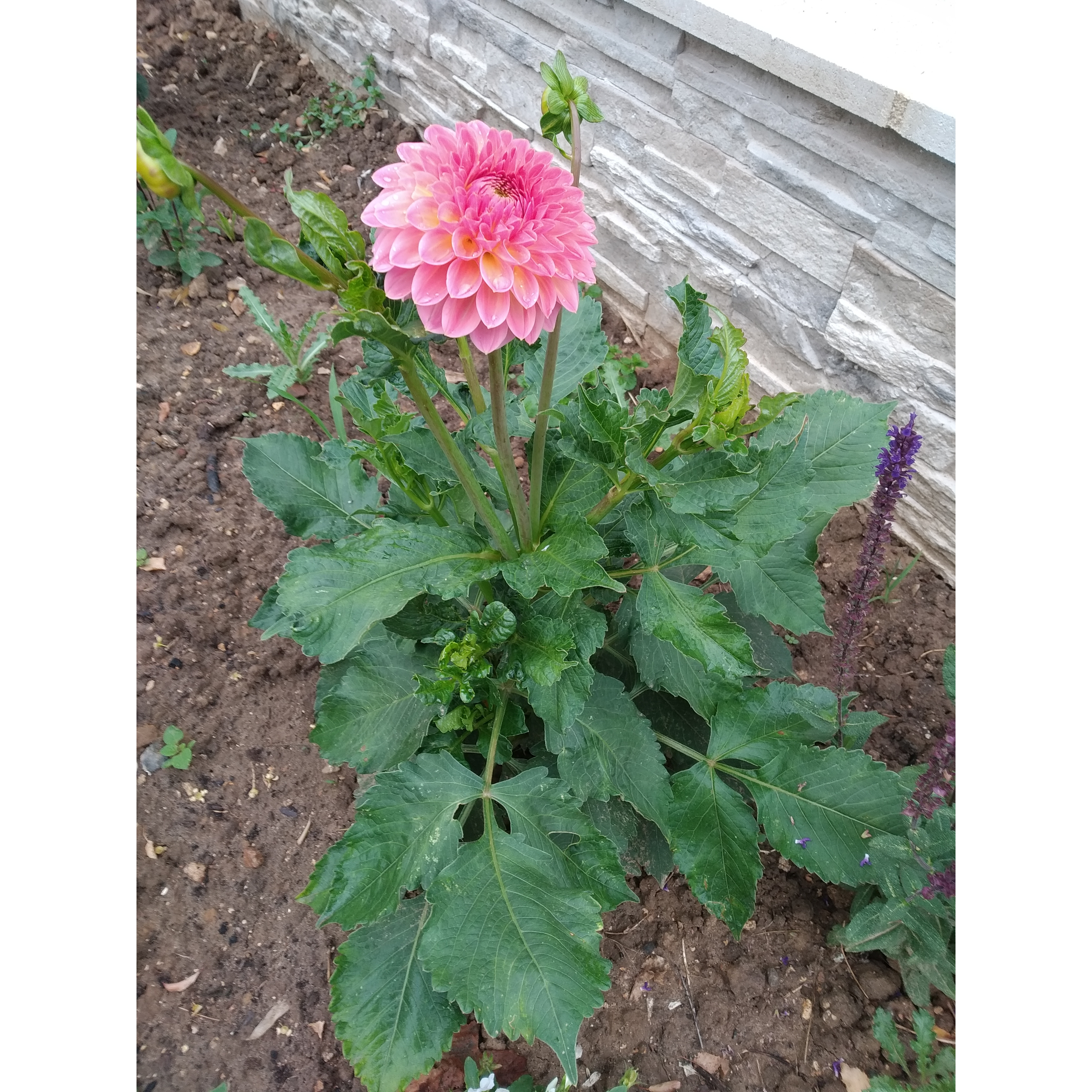
Barbara C.
Dahlia Hillcrest Suffusion
Barbara C. • 60 FR
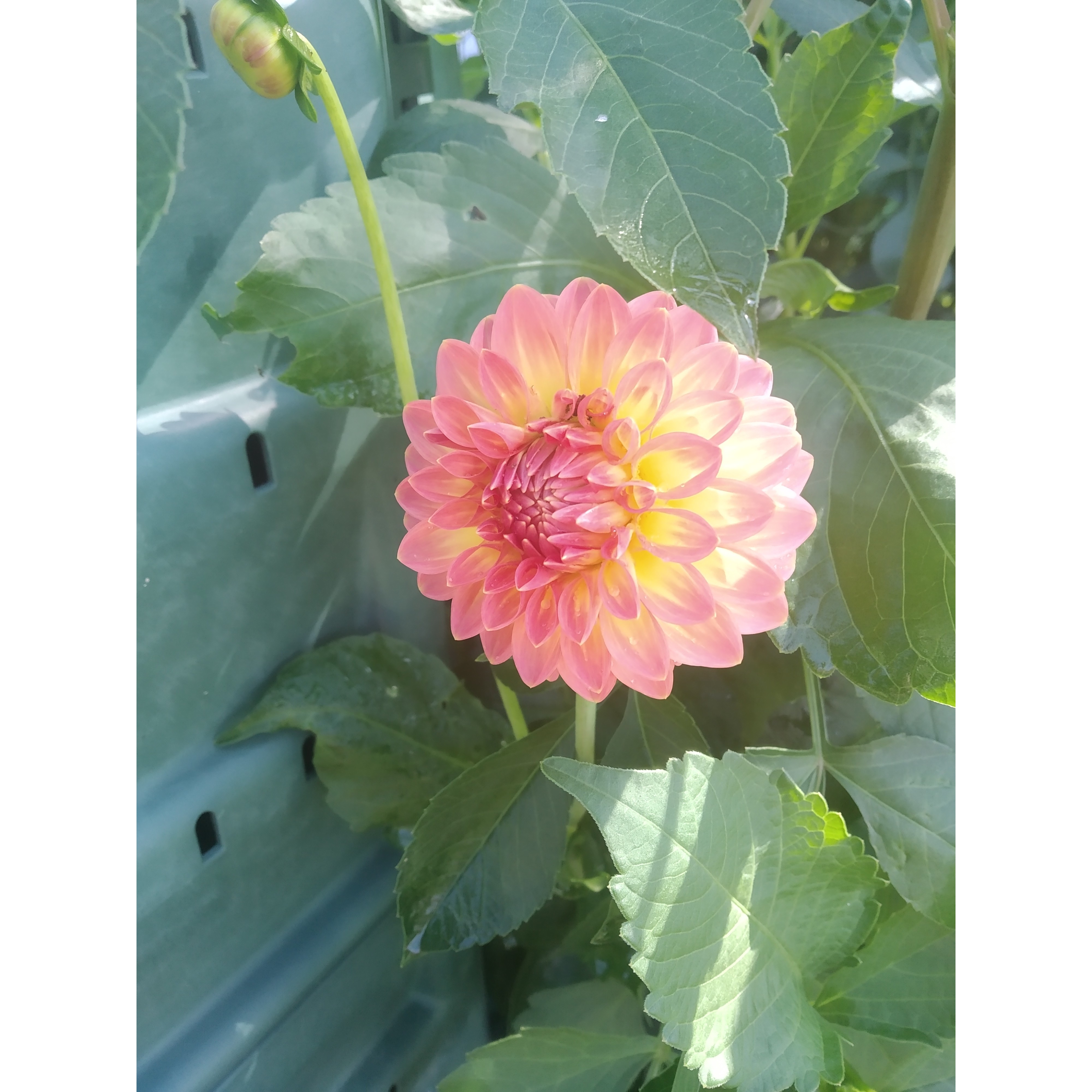
Barbara C.
Dahlia Hillcrest Suffusion
Barbara C. • 60 FR
Dahlia Hillcrest Suffusion
Dahlia Hillcrest Suffusion
Dahlia
Gorgeous colour. Thank you, promises of flowers.
Barbara, 24/08/2019
Back-to-school special offer!
Get €10 off for every €50 you spend! And get up to €40 off on a single order.
How does it work?
1. Shop your favourites
Add your favourite plants to your basket. For every €50 you spend (excluding delivery charges, store credit and the plastic-free option), you’ll receive a €10 voucher.
€50 spent = €10 voucher
€100 spent = €20 voucher
€150 spent = €30 voucher
€200 spent = €40 voucher
2. Place your order
Once your basket reaches one of the spending thresholds, place your order. You can even choose your delivery date!
3. Receive your voucher
As soon as your order has been shipped, you’ll receive an email containing your personal voucher code and its value.
4. Use it on your next order
Your voucher is valid for 90 days from the date you receive it. It can be used once only, on a new order worth at least the value of the voucher, excluding delivery charges.
Please note: Vouchers can be combined with other offers, but cannot be split or refunded.
This plant carries a 6 months recovery warranty
More information
We guarantee the quality of our plants for a full growing cycle, and will replace at our expense any plant that fails to recover under normal climatic and planting conditions.

Would this plant suit my garden?
Set up your Plantfit profile →
Description
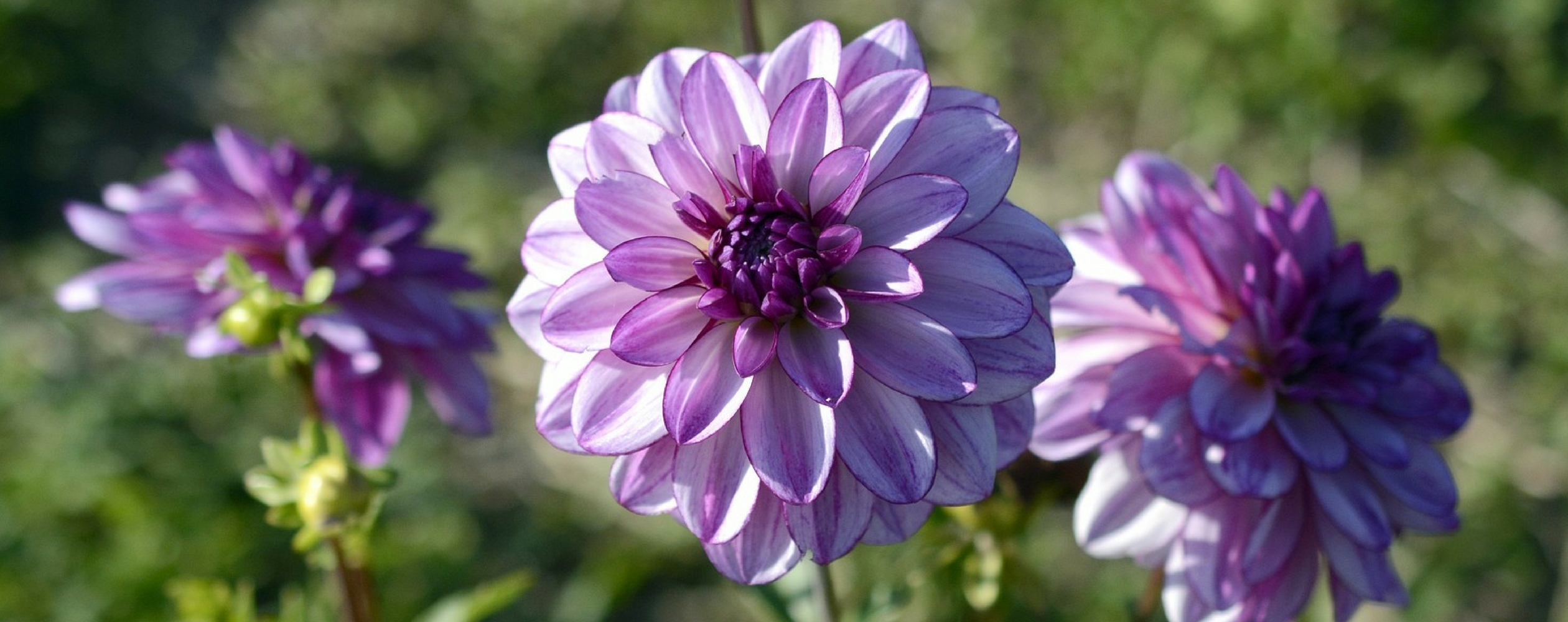
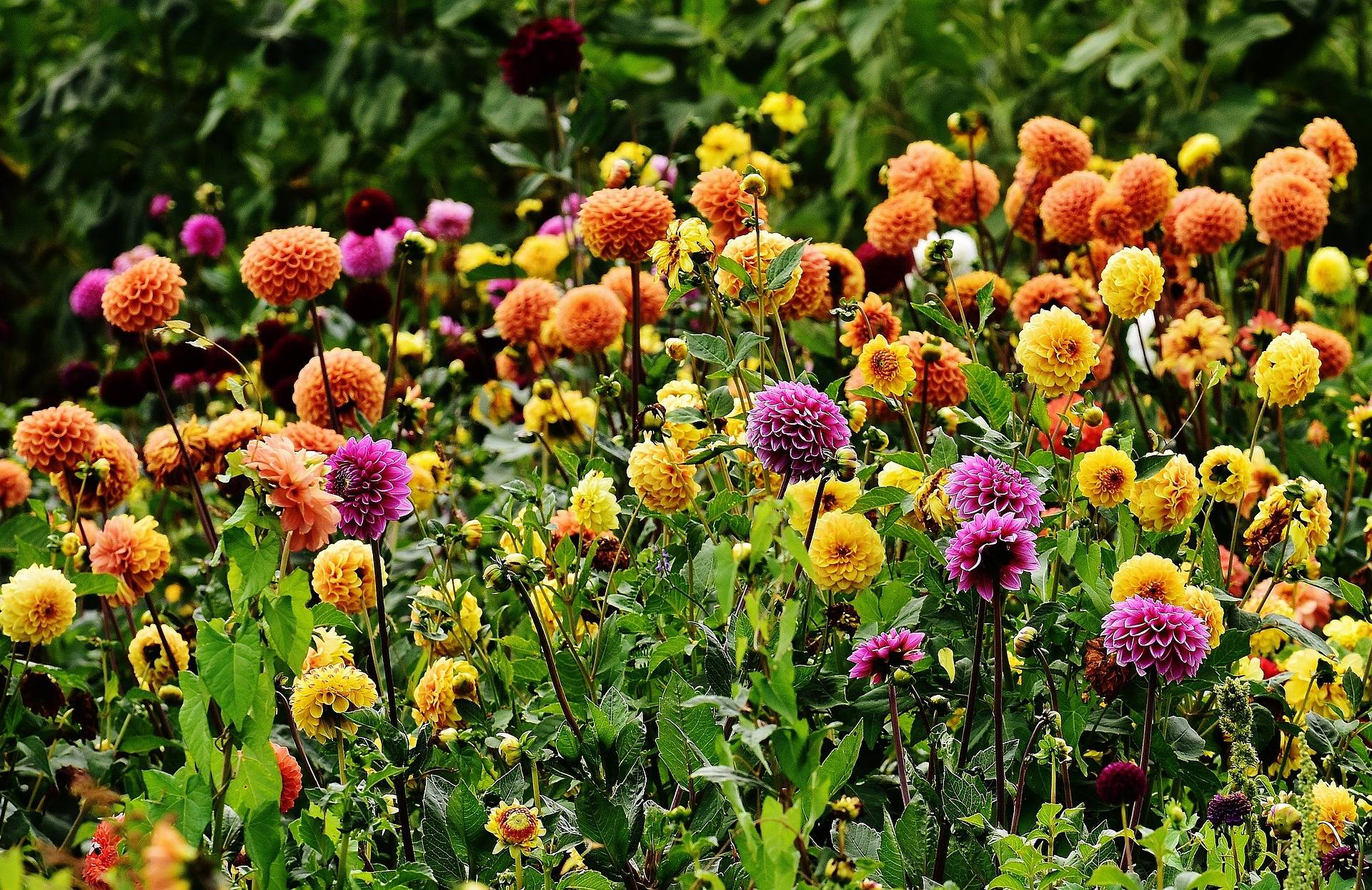
The Dahlia pompon 'Hillcrest Suffusion' offers a palette of charming and refined colours. Its numerous mini-ball shaped flowers succeed each other throughout the summer season until autumn, constantly hesitating between pink and orange. They are adorned with shades of rose tea, salmon or apricot, creating a varied and delightful range. Their round shape, composed of multiple petals arranged with exemplary regularity, further enhances these subtle shades. With good vase life, this Dahlia is also a desirable guest for summer bouquets.
Belonging to the asteraceae family, the Dahlia is a tuberculate perennial that is sensitive to frost and needs to be stored during winter in most of our regions. It appreciates sunny exposures and prefers rich soils for a long and colourful flowering. Its upright and rather bushy habit gives it a place in flower beds alongside all summer plants. Its hollow stems can reach up to 1.20m (4ft) in height and sometimes require staking. They bear opposite compound leaves composed of three to five leaflets. Of a beautiful deep green, they are also slightly shiny and barely dentate. At the top, small globular flowers stand towards the sun. They are composed of numerous rows of concave ligulate florets arranged in a very orderly manner. Very compact in the centre, they are smaller when they first bloom, folded in three lengthwise and seem to form an origami heart. The further they move towards the outer edges, the larger they become and unfurl. The whole flower easily reaches a diameter of 6-7 cm (2-3in), while maintaining an almost perfect symmetry. Their colour, a highly variable orange, often leans towards pink while retaining some hints of yellow and cream.
'Hillcrest Suffusion' brings a soft and warm touch. It will blend in with a profusion of straw-coloured grasses for a natural effect alongside Dahlias 'Apricot Desire' or 'Dr Ph. Riedell'. It will complete a multicoloured ensemble by bridging the gap between orange and pink. Don't hesitate to multiply pompon Dahlias and indulge in a collection thanks to a wide selection, providing you with cut flowers throughout the summer.
Plant habit
Flowering
Foliage
Botanical data
Dahlia
Hillcrest Suffusion
Asteraceae
Dahlia
Cultivar or hybrid
Planting and care
The 'Hillcrest Suffusion' Pompon Dahlia settles in after the last frost. Plant the tubers in full sun in rich, moist, well-drained soil for abundant flowering. However, stagnant moisture would promote tuber rot. Feel free to amend the soil with compost and sand if necessary. Work the soil deeply and enrich it, for example, with blood, fish and bone. Place your tuber and crumble the soil to fill without any air pockets. Your dahlia should be covered with about 5-6 cm (2in) of soil. At the end of planting, water generously once and then repeat this watering regularly during the first six weeks to aid in rooting. Upon installation, consider staking. If the location is not protected, is slightly windy (not too much, if possible), or cannot rely on dense and sturdy neighbours, it is preferable to support it. You can also pinch it as it develops to encourage branching. Don't forget to remove faded flowers to allow the next ones to develop. Dahlias are sensitive to cold, so they need to be overwintered. In November, the first frosts darken the foliage, which is the time to dig them up. Carefully unearth the tubers. Remove as much soil as possible. Let the foliage dry so that the tubers can replenish their reserves. Then cut the stems to 10 cm (4in). Spread your bulbs in a box of newspaper. Store them in a frost-free, dry, cool, dark place like a garage or attic. In southern regions, close to the coast, where there are few frosty days per year, it is possible to leave them in place. In this case, cover the soil with a carpet of leaves or straw for protection.
Planting period
Intended location
Care
Planting & care advice





-
, onOrder confirmed
Reply from on Promesse de fleurs
Recently viewed products
Haven't found what you were looking for?
Hardiness is the lowest winter temperature a plant can endure without suffering serious damage or even dying. However, hardiness is affected by location (a sheltered area, such as a patio), protection (winter cover) and soil type (hardiness is improved by well-drained soil).

The flowering period indicated on our website applies to countries and regions located in USDA zone 8 (France, the United Kingdom, Ireland, the Netherlands, etc.)
It will vary according to where you live:- In zones 9 to 10 (Italy, Spain, Greece, etc.), flowering will occur about 2 to 4 weeks earlier.
- In zones 6 to 7 (Germany, Poland, Slovenia, and lower mountainous regions), flowering will be delayed by 2 to 3 weeks.
- In zone 5 (Central Europe, Scandinavia), blooming will be delayed by 3 to 5 weeks.
In temperate climates, pruning of spring-flowering shrubs (forsythia, spireas, etc.) should be done just after flowering.
Pruning of summer-flowering shrubs (Indian Lilac, Perovskia, etc.) can be done in winter or spring.
In cold regions as well as with frost-sensitive plants, avoid pruning too early when severe frosts may still occur.
The planting period indicated on our website applies to countries and regions located in USDA zone 8 (France, United Kingdom, Ireland, Netherlands).
It will vary according to where you live:
- In Mediterranean zones (Marseille, Madrid, Milan, etc.), autumn and winter are the best planting periods.
- In continental zones (Strasbourg, Munich, Vienna, etc.), delay planting by 2 to 3 weeks in spring and bring it forward by 2 to 4 weeks in autumn.
- In mountainous regions (the Alps, Pyrenees, Carpathians, etc.), it is best to plant in late spring (May-June) or late summer (August-September).
The harvesting period indicated on our website applies to countries and regions in USDA zone 8 (France, England, Ireland, the Netherlands).
In colder areas (Scandinavia, Poland, Austria...) fruit and vegetable harvests are likely to be delayed by 3-4 weeks.
In warmer areas (Italy, Spain, Greece, etc.), harvesting will probably take place earlier, depending on weather conditions.
The sowing periods indicated on our website apply to countries and regions within USDA Zone 8 (France, UK, Ireland, Netherlands).
In colder areas (Scandinavia, Poland, Austria...), delay any outdoor sowing by 3-4 weeks, or sow under glass.
In warmer climes (Italy, Spain, Greece, etc.), bring outdoor sowing forward by a few weeks.
Shipping country and language
Your country of residence may be:
Your country of residence is:
For a better user experience on our website, you can select:
Your shipping country:
-
 Austria
-
 Belgium
-
 Bosnia & Herzegovina
-
 Bulgaria
-
 Croatia
-
 Cyprus
-
 Czechia
-
 Denmark
-
 Estonia
-
 Finland
-
 France
-
 Germany
-
 Greece
-
 Hungary
-
 Iceland
-
 Ireland
-
 Italy
Italy
-
 Latvia
-
 Liechtenstein
-
 Lithuania
-
 Luxembourg
-
 Malta
Malta
-
 Netherlands
-
 Poland
-
 Portugal
-
 Romania
-
 Serbia
-
 Slovakia
-
 Slovenia
-
 Spain
Spain
-
 Sweden
-
 Switzerland
Language:
-
French
-
 English
-
Spanish
-
Italian
-
German
-
Portuguese
-
Dutch
-
Finnish
My Account
Hello
My wish lists
My cart
Log in / Register
Existing customer?
This form is protected by reCAPTCHA - the Google Privacy Policy and Terms of Service apply.
New customer?
Create an account to track your orders, access our customer service and, if you wish, make the most of our upcoming offers.