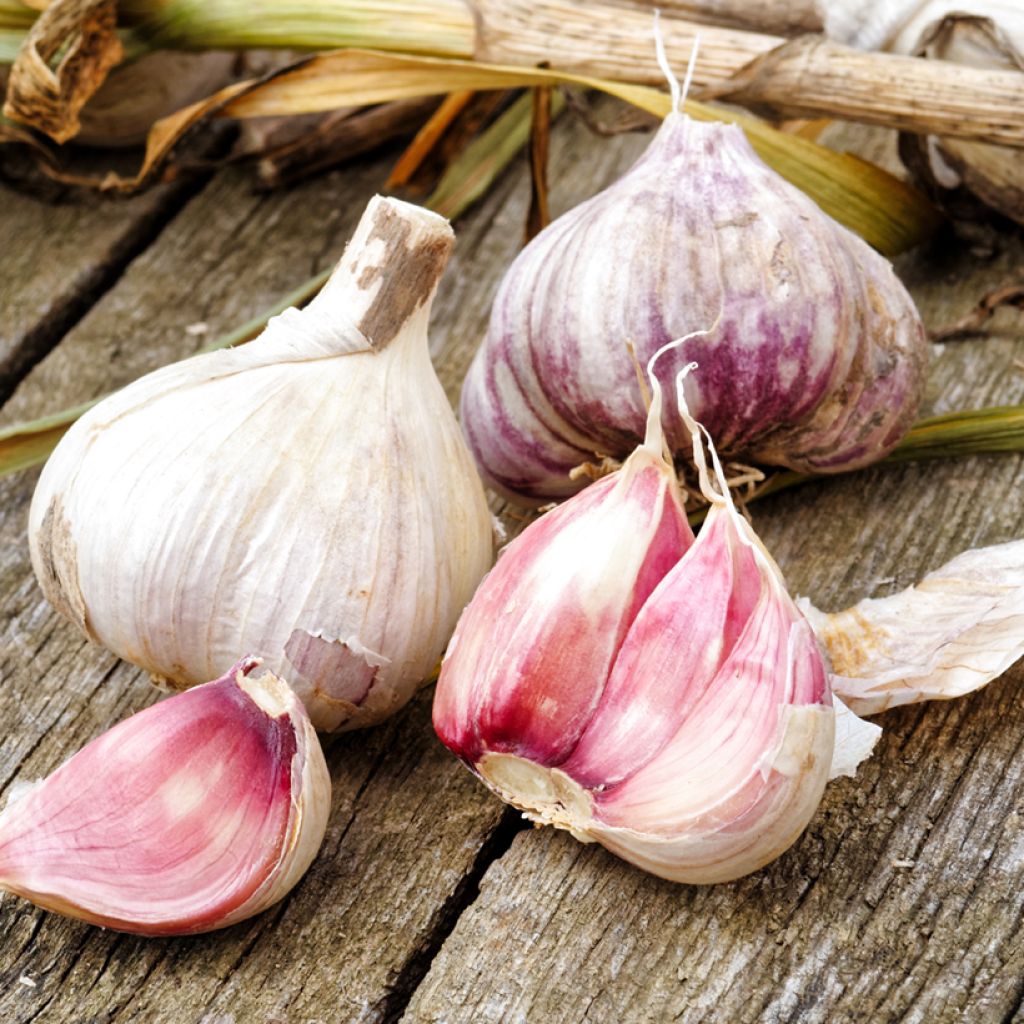
Gayant Pink Garlic plants - Allium sativum
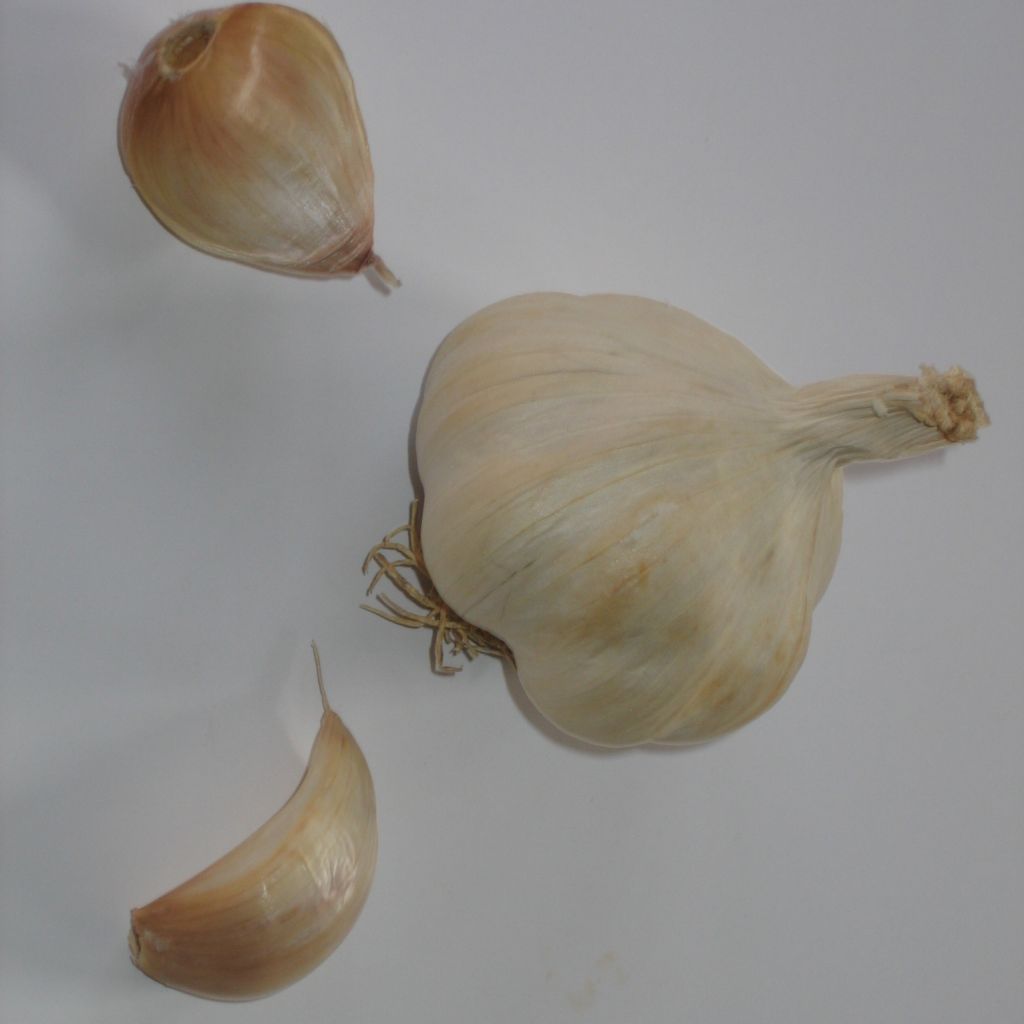
Gayant Pink Garlic plants - Allium sativum
Gayant Pink Garlic plants - Allium sativum
Allium sativum Gayant
Garlic
2024 being icy and flooded, it is impossible to have an objective opinion. I'll try again next year!
Claire, 08/09/2024
Back-to-school special offer!
Get €10 off for every €50 you spend! And get up to €40 off on a single order.
How does it work?
1. Shop your favourites
Add your favourite plants to your basket. For every €50 you spend (excluding delivery charges, store credit and the plastic-free option), you’ll receive a €10 voucher.
€50 spent = €10 voucher
€100 spent = €20 voucher
€150 spent = €30 voucher
€200 spent = €40 voucher
2. Place your order
Once your basket reaches one of the spending thresholds, place your order. You can even choose your delivery date!
3. Receive your voucher
As soon as your order has been shipped, you’ll receive an email containing your personal voucher code and its value.
4. Use it on your next order
Your voucher is valid for 90 days from the date you receive it. It can be used once only, on a new order worth at least the value of the voucher, excluding delivery charges.
Please note: Vouchers can be combined with other offers, but cannot be split or refunded.
Why not try an alternative variety in stock?
View all →
Available in 1 sizes
Available in 2 sizes
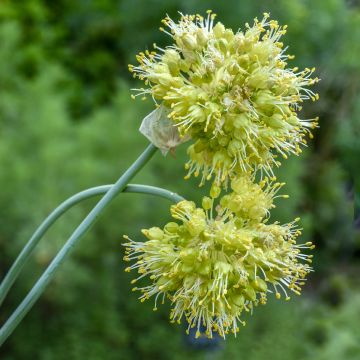
Available in 1 sizes
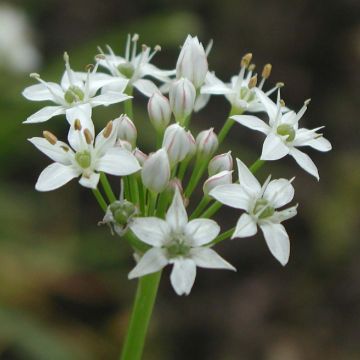
Available in 1 sizes
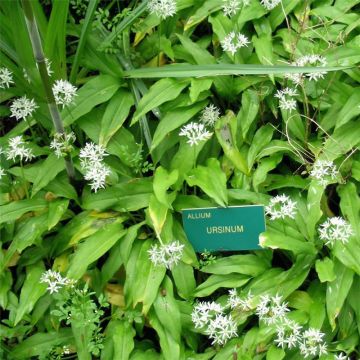
Available in 1 sizes
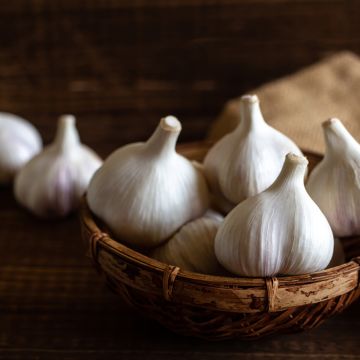
Available in 1 sizes
This plant carries a 6 months recovery warranty
More information
We guarantee the quality of our plants for a full growing cycle, and will replace at our expense any plant that fails to recover under normal climatic and planting conditions.

Description
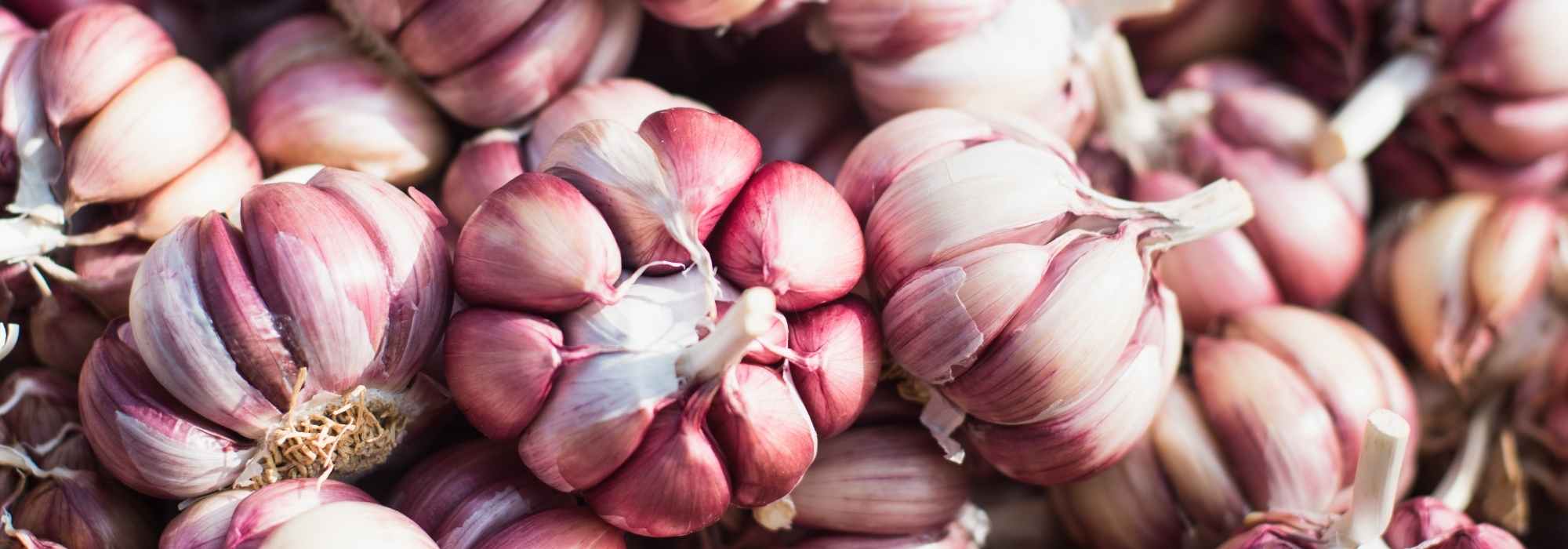
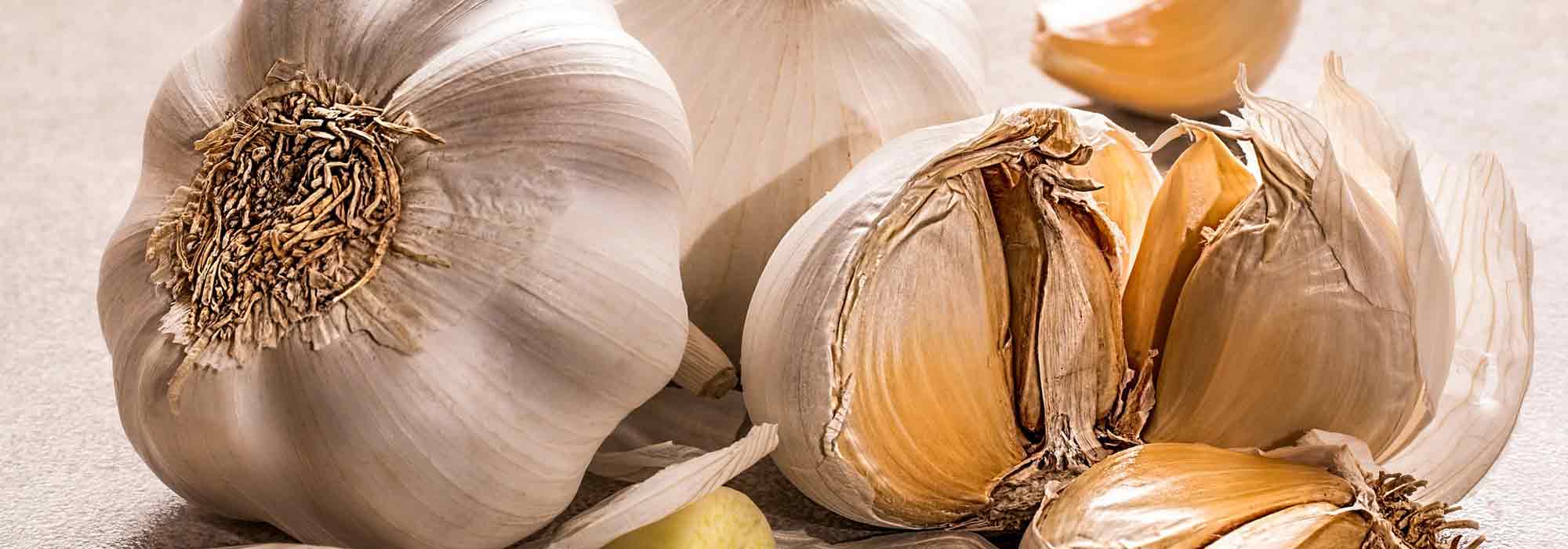
Pink 'Gayant' Garlic produces medium-sized bulbs with a pinkish colour. This spring variety is planted in February - March and harvested in June - July. It is ideal for long-term storage.
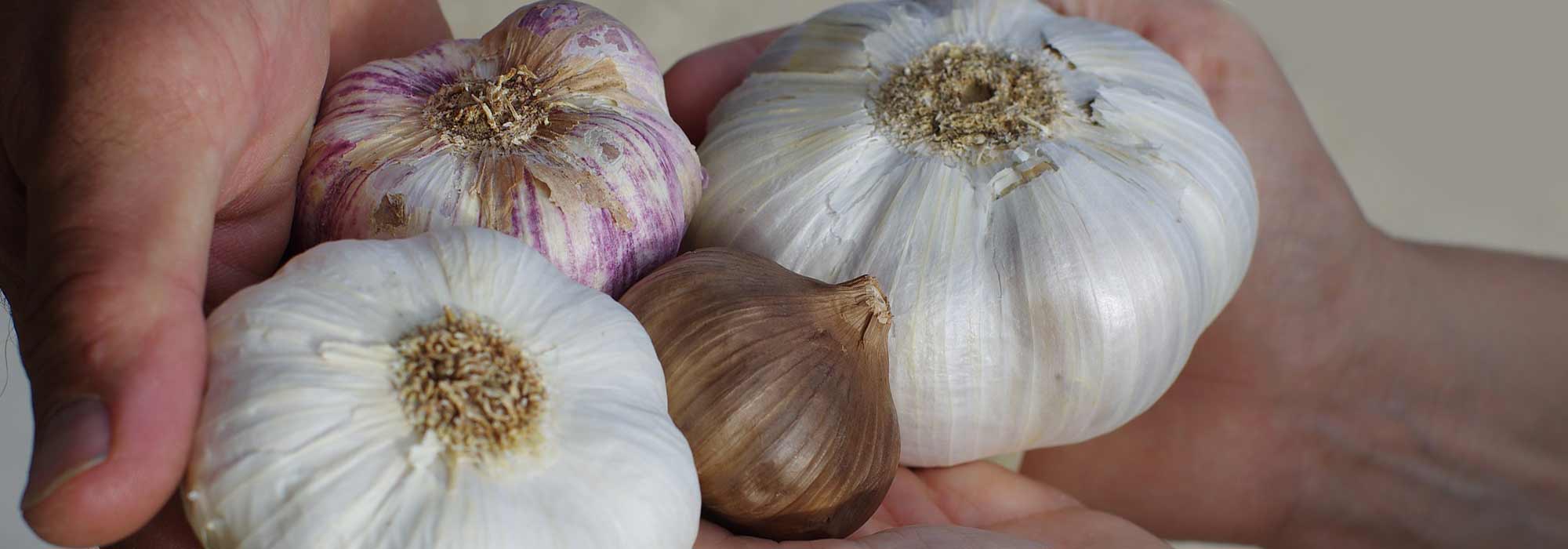
Garlic is a hardy perennial plant, cultivated as an annual. It belongs to the Liliaceae family, like onions, shallots, and chives. It comes in the form of a large bulb, called a head, topped with long flat leaves. The garlic head contains several cloves. These cloves are planted in the soil and give birth to new garlic heads.
There are 3 categories of garlic: white, purple, and pink. White and purple garlic are planted in autumn. They are quite early, have a good yield, but their storage is limited. Conversely, pink garlic is planted in spring. It is well adapted for regions with harsh winters. Its productivity is lower, but it has a longer storage life.
In terms of cooking, garlic can be consumed raw or cooked. Its pungent taste flavours raw vegetables, meats, mushrooms, and stuffings. It is notably used in aioli and snail butter. Garlic is rich in sulfur compounds and selenium. Finely chopped leaves of white or purple garlic flavor omelettes and fresh cheeses, just like chives.
Harvesting: Garlic is harvested when the leaves wither, in June and July, when it reaches ripeness. Pull out the bulbs and let them dry for a few days on a dry and shaded ground (to avoid sunburn). The foliage of autumn garlic (white and purple) is harvested in April and May, while it is still green.
Storage: Cut off the leaves or braid them to hang. Store garlic away from light, in a dry and warm room, such as the kitchen for example. Check beforehand that the bulbs have not been damaged to prevent rot that could contaminate the whole harvest. Garlic heads can be stored for several months (from 6 months to 1 year, with pink and purple garlic storing better than white garlic).
Gardener's tip: prepare a garlic decoction to prevent damping-off of seedlings and, as a curative measure, to fight against spider mites and fungal diseases such as mildew and rust. Crush 100g (about 10 cloves) of fresh garlic and steep in 1L of rainwater for 24 hours. Boil gently, covered, for 20 minutes. Let it cool (still covered) for 1 hour. Strain. Use undiluted: either by watering, to combat damping-off, or by spraying on the foliage of plants (including the undersides of leaves) to fight against fungal diseases and spider mites. You can add a little milk to the mixture before spraying to allow for better adhesion to the foliage.
Repeat the process 3 times at 3-day intervals. The garlic decoction does not keep and must be used within 48 hours.
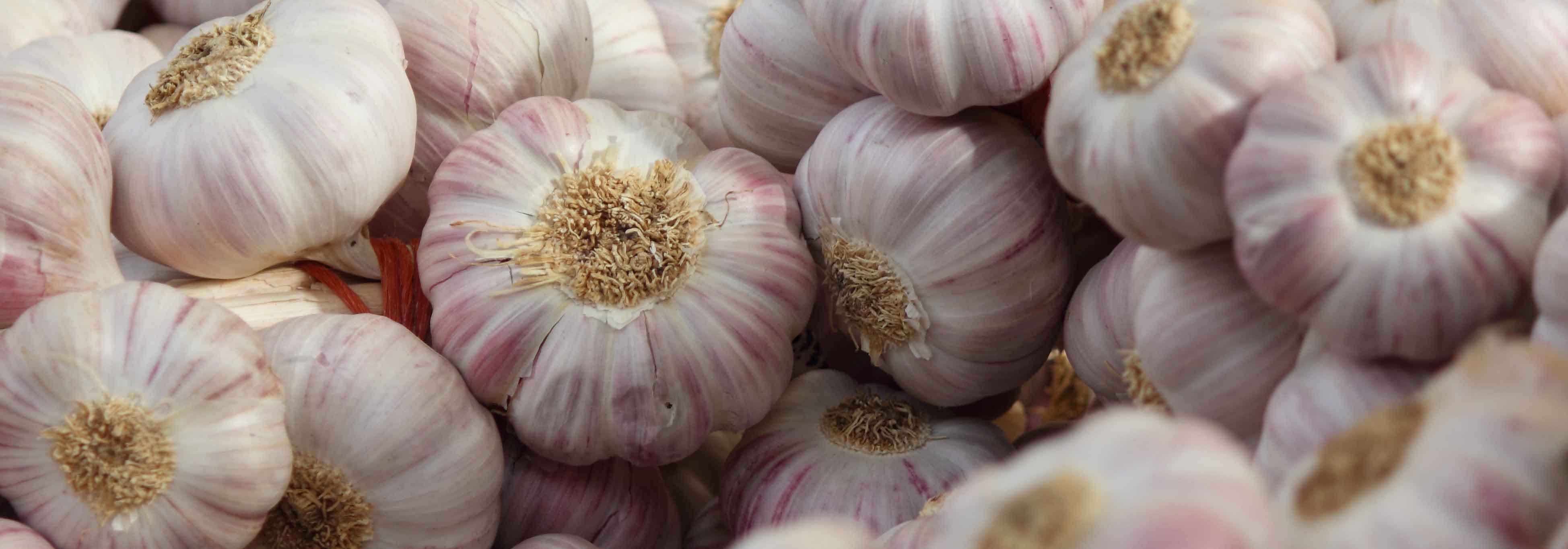
Harvest
Plant habit
Foliage
Botanical data
Allium
sativum
Gayant
Amaryllidaceae
Garlic
Cultivar or hybrid
Annual
Planting and care
Garlic appreciates well-drained, light soil without recent manure (for at least 1 year). Plant it in a sunny location where you haven't grown vegetables from the same family (shallot, onion, and leek) in previous years. Garlic is susceptible to excess moisture, which can cause the bulbs to rot. If your soil is very moist, add some sand to the soil and plant the garlic on mounds 10 to 15cm (4 to 6in) high. This mound cultivation facilitates water drainage and also slightly increases the soil temperature.
Garlic can be planted in spring or autumn, depending on the varieties:
- White garlic and purple garlic are planted in autumn, from October to December.
- Pink garlic is planted in spring, in February and March (or as early as January in mild climates).
The harvest at ripeness takes place in summer (June - July).
Dig furrows 3 to 4cm (1 to 2in) deep, spaced 25cm (10in) apart. Take the cloves located on the outer edge of the garlic head, as the ones in the centre are less productive. Plant them every 12cm (5in), with the point facing upwards, and lightly press them into the soil. Cover with a little fine soil (1 to 2cm, the point should be level with the ground). Watering is not necessary.
Hoe and weed, especially at the beginning of the cultivation. Only water in case of drought around the month of May.
The garlic rotation is 5 years. Avoid growing it next to leek or onion, which are susceptible to the same diseases.
Cultivation
Care
Intended location
Planting & care advice
-
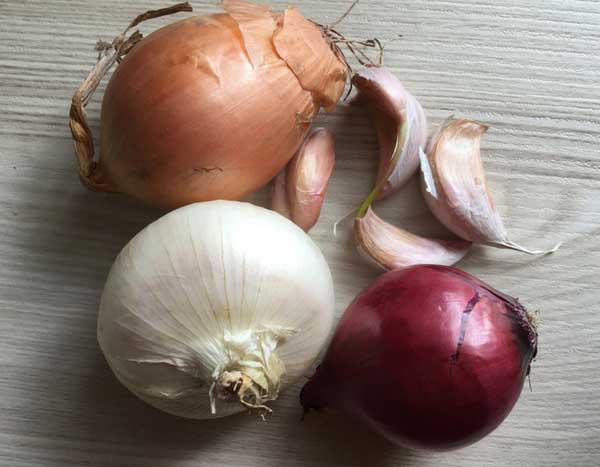
-
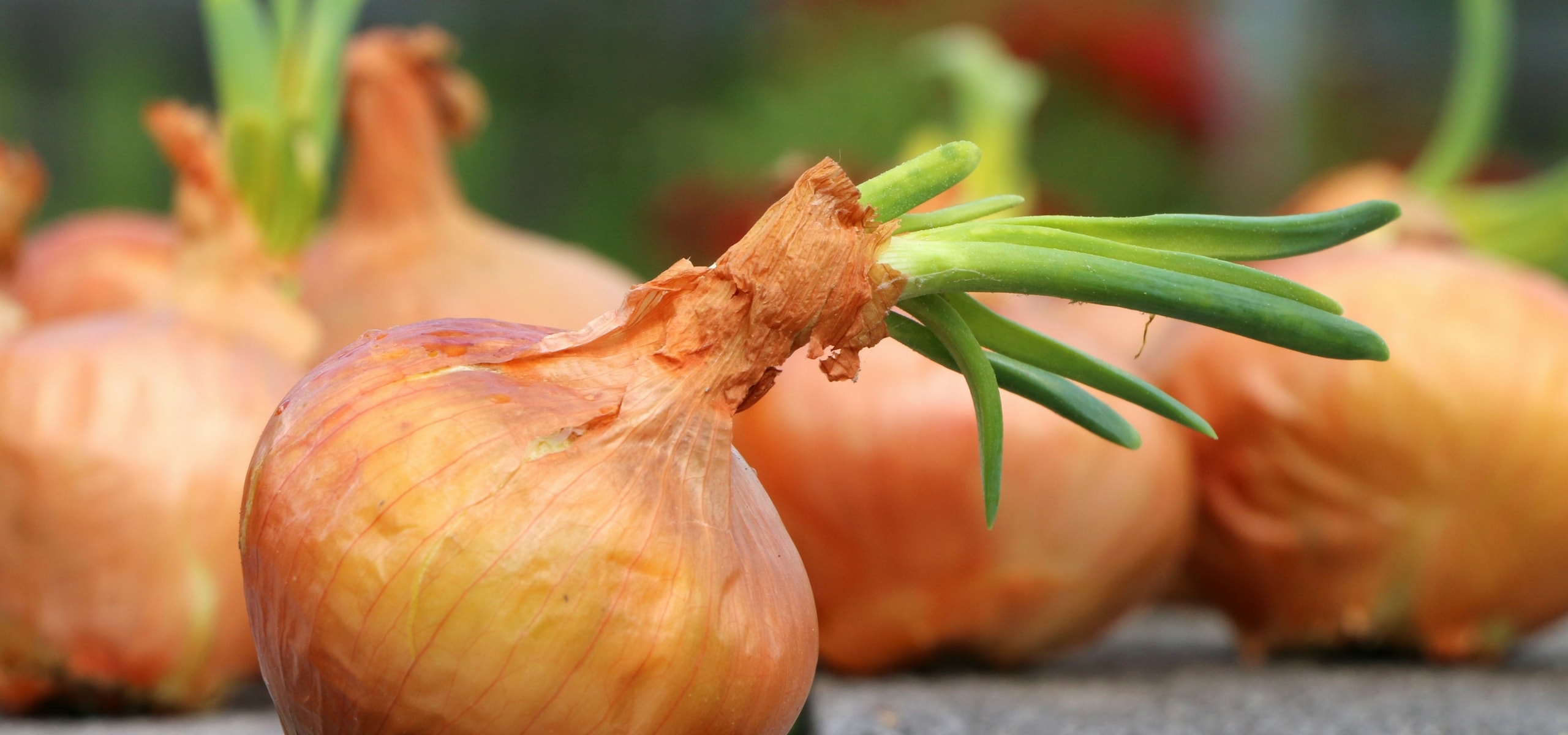
-
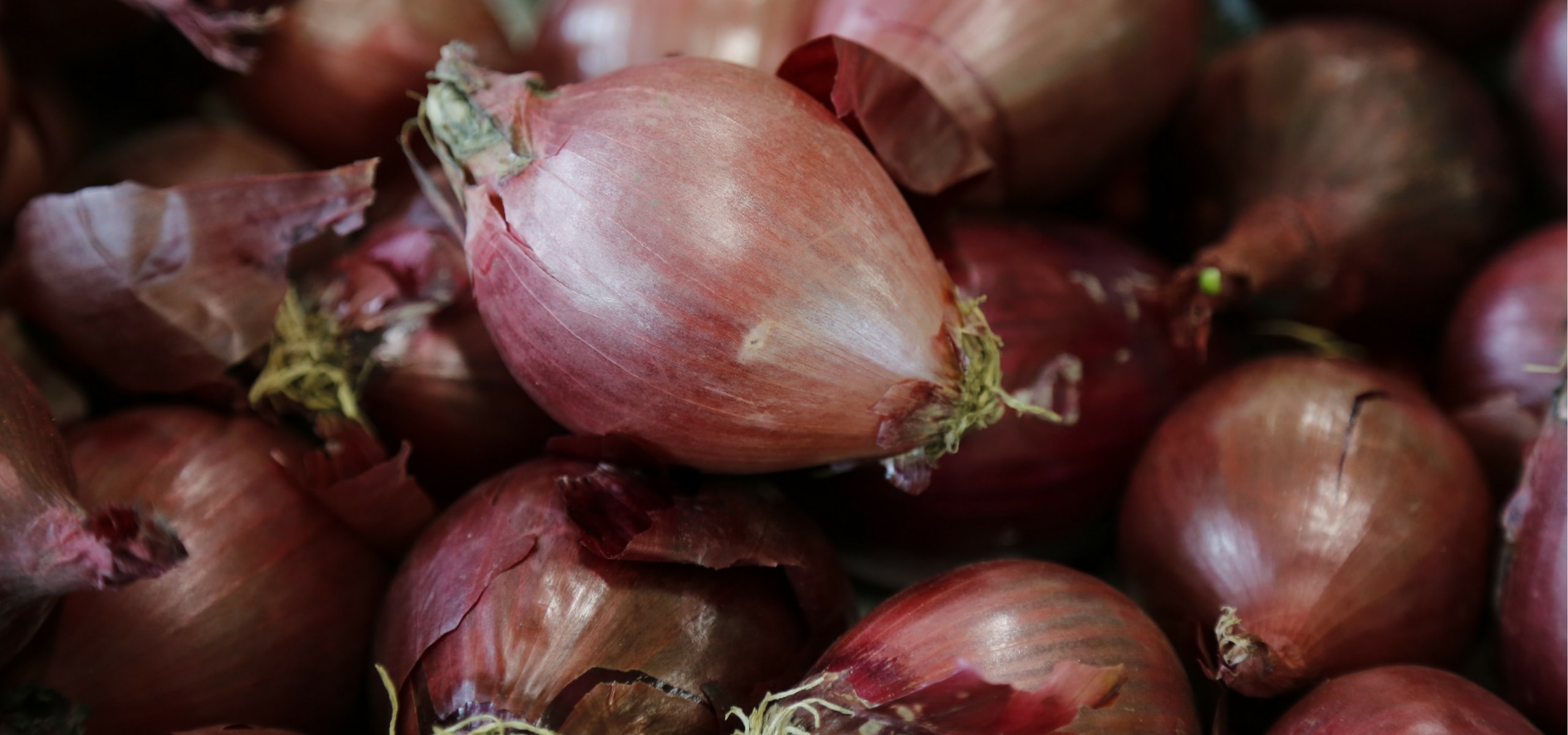
-
-
-
-
-
-
, onOrder confirmed
Reply from on Promesse de fleurs
Recently viewed products
Haven't found what you were looking for?
Hardiness is the lowest winter temperature a plant can endure without suffering serious damage or even dying. However, hardiness is affected by location (a sheltered area, such as a patio), protection (winter cover) and soil type (hardiness is improved by well-drained soil).

The flowering period indicated on our website applies to countries and regions located in USDA zone 8 (France, the United Kingdom, Ireland, the Netherlands, etc.)
It will vary according to where you live:- In zones 9 to 10 (Italy, Spain, Greece, etc.), flowering will occur about 2 to 4 weeks earlier.
- In zones 6 to 7 (Germany, Poland, Slovenia, and lower mountainous regions), flowering will be delayed by 2 to 3 weeks.
- In zone 5 (Central Europe, Scandinavia), blooming will be delayed by 3 to 5 weeks.
In temperate climates, pruning of spring-flowering shrubs (forsythia, spireas, etc.) should be done just after flowering.
Pruning of summer-flowering shrubs (Indian Lilac, Perovskia, etc.) can be done in winter or spring.
In cold regions as well as with frost-sensitive plants, avoid pruning too early when severe frosts may still occur.
The planting period indicated on our website applies to countries and regions located in USDA zone 8 (France, United Kingdom, Ireland, Netherlands).
It will vary according to where you live:
- In Mediterranean zones (Marseille, Madrid, Milan, etc.), autumn and winter are the best planting periods.
- In continental zones (Strasbourg, Munich, Vienna, etc.), delay planting by 2 to 3 weeks in spring and bring it forward by 2 to 4 weeks in autumn.
- In mountainous regions (the Alps, Pyrenees, Carpathians, etc.), it is best to plant in late spring (May-June) or late summer (August-September).
The harvesting period indicated on our website applies to countries and regions in USDA zone 8 (France, England, Ireland, the Netherlands).
In colder areas (Scandinavia, Poland, Austria...) fruit and vegetable harvests are likely to be delayed by 3-4 weeks.
In warmer areas (Italy, Spain, Greece, etc.), harvesting will probably take place earlier, depending on weather conditions.
The sowing periods indicated on our website apply to countries and regions within USDA Zone 8 (France, UK, Ireland, Netherlands).
In colder areas (Scandinavia, Poland, Austria...), delay any outdoor sowing by 3-4 weeks, or sow under glass.
In warmer climes (Italy, Spain, Greece, etc.), bring outdoor sowing forward by a few weeks.
Shipping country and language
Your country of residence may be:
Your country of residence is:
For a better user experience on our website, you can select:
Your shipping country:
-
 Austria
-
 Belgium
-
 Bosnia & Herzegovina
-
 Bulgaria
-
 Croatia
-
 Cyprus
-
 Czechia
-
 Denmark
-
 Estonia
-
 Finland
-
 France
-
 Germany
-
 Greece
-
 Hungary
-
 Iceland
-
 Ireland
-
 Italy
Italy
-
 Latvia
-
 Liechtenstein
-
 Lithuania
-
 Luxembourg
-
 Malta
Malta
-
 Netherlands
-
 Poland
-
 Portugal
-
 Romania
-
 Serbia
-
 Slovakia
-
 Slovenia
-
 Spain
Spain
-
 Sweden
-
 Switzerland
Language:
-
French
-
 English
-
Spanish
-
Italian
-
German
-
Portuguese
-
Dutch
-
Finnish
My Account
Hello
My wish lists
My cart
Log in / Register
Existing customer?
This form is protected by reCAPTCHA - the Google Privacy Policy and Terms of Service apply.
New customer?
Create an account to track your orders, access our customer service and, if you wish, make the most of our upcoming offers.