Hypoestes phyllostachya Coloratus® Mix - Polka dot plant
Hypoestes phyllostachya Coloratus® Mix - Polka dot plant
Hypoestes phyllostachya Coloratus® Mix - Polka dot plant
Hypoestes phyllostachya Coloratus® Mix
Polka dot plant, freckle face, measles plant, pink dot, flamingo plant
Back-to-school special offer!
Get €10 off for every €50 you spend! And get up to €40 off on a single order.
How does it work?
1. Shop your favourites
Add your favourite plants to your basket. For every €50 you spend (excluding delivery charges, store credit and the plastic-free option), you’ll receive a €10 voucher.
€50 spent = €10 voucher
€100 spent = €20 voucher
€150 spent = €30 voucher
€200 spent = €40 voucher
2. Place your order
Once your basket reaches one of the spending thresholds, place your order. You can even choose your delivery date!
3. Receive your voucher
As soon as your order has been shipped, you’ll receive an email containing your personal voucher code and its value.
4. Use it on your next order
Your voucher is valid for 90 days from the date you receive it. It can be used once only, on a new order worth at least the value of the voucher, excluding delivery charges.
Please note: Vouchers can be combined with other offers, but cannot be split or refunded.
Home or relay delivery (depending on size and destination)
Important: You may be charged customs duties by your country’s customs authorities upon delivery.
Schedule delivery date
and select date in basket
This plant carries a 6 months recovery warranty
More information
We guarantee the quality of our plants for a full growing cycle, and will replace at our expense any plant that fails to recover under normal climatic and planting conditions.
Would this plant suit my garden?
Set up your Plantfit profile →
Description
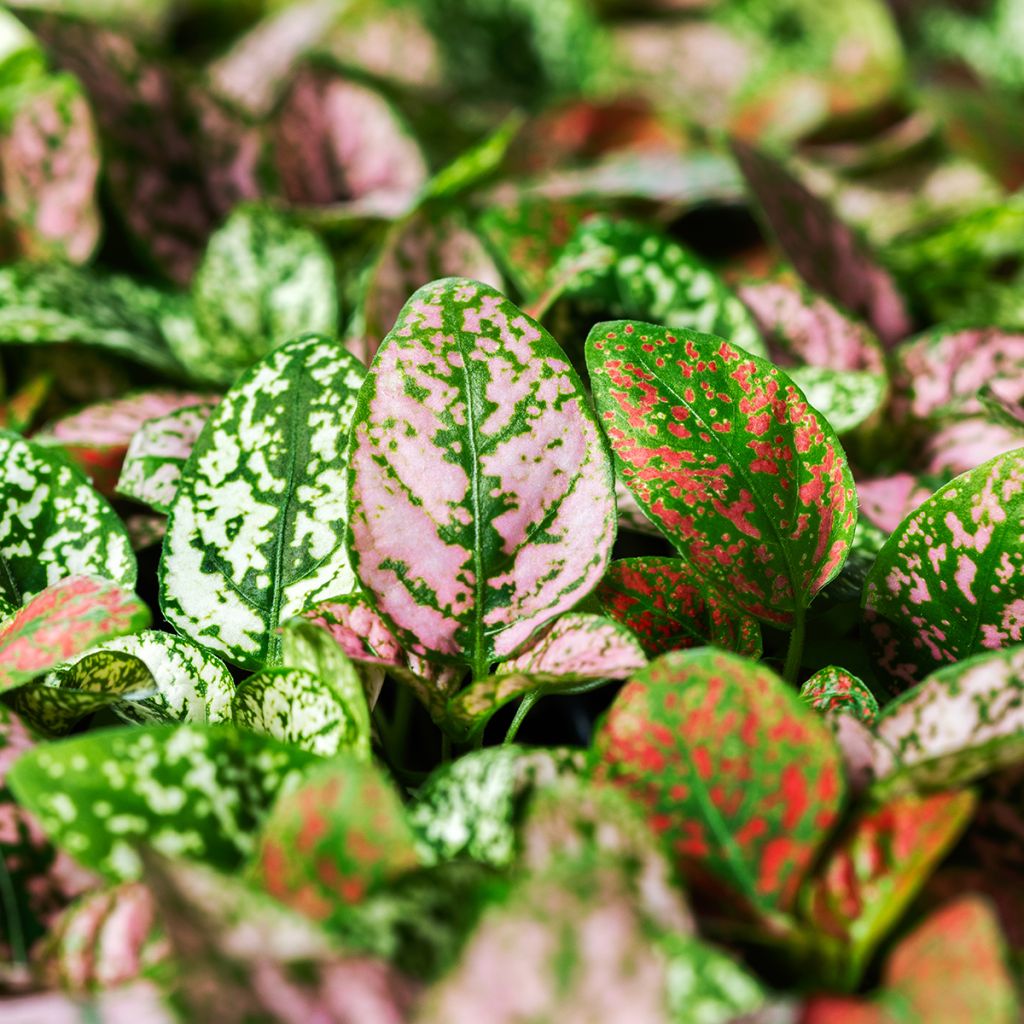
L’Hypoestes Coloratus® Mix, aussi appelée « plante aux éphélides », est une vivace tropicale cultivée comme annuelle pour son feuillage extrêmement ornemental. Il s'agit d'un mélange de cultivars aux coloris variés, dont les petites feuilles ovales sont magnifiquement éclaboussées et mouchetées de rose, rouge, blanc et vert, selon les plantes. Cette sélection se prête aussi bien à la culture en pot qu’en bordure ombragée. Très appréciée en intérieur pour sa touche "déco pop", elle exige une lumière vive, mais indirecte, un arrosage modéré et redoute le froid. Un festival de couleurs qui égayera n’importe quel coin de verdure !
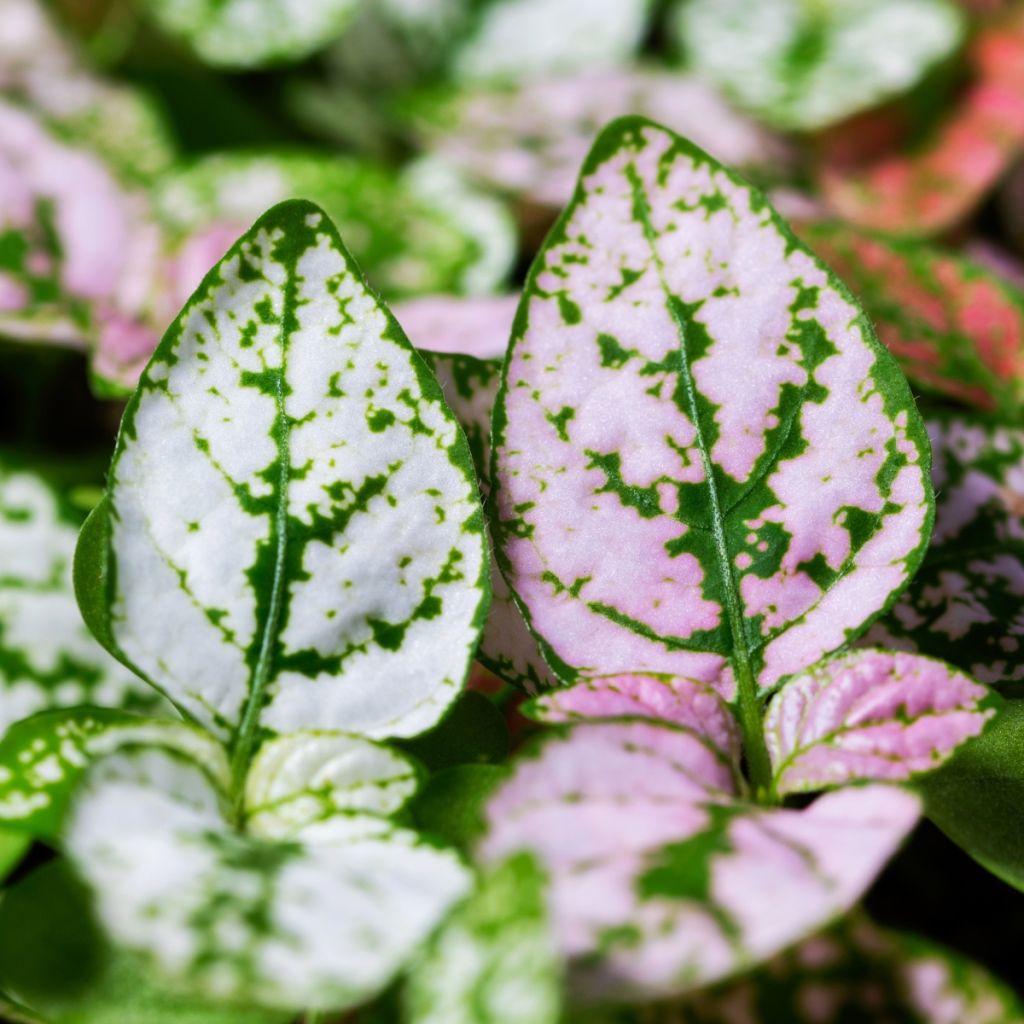
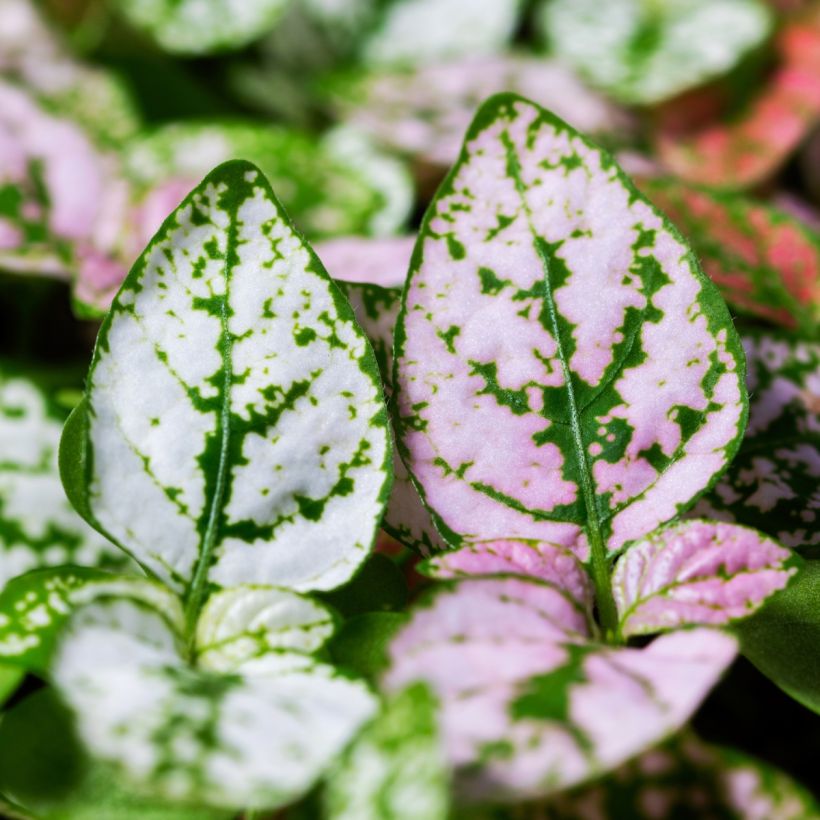
Les Hypoestes sont des plantes de la famille des Acanthacées. Le plus connu est l'Hypoestes phyllostachya, natif de Madagascar, qui constitue une plante d'appartement très populaire sous nos latitudes. Plante de climat tropical, la plante aux éphélides ne pousse correctement qu'à partir de 16°C, dans un sol maintenu frais au printemps et en été, plus sec en automne et en hiver. Les plants d'Hypoestes 'Coloratus Mix' montrent une croissance très rapide. Chaque plante forme une petite touffe de 20-30 cm en tous sens en une saison. Les tiges portent des feuilles ovales à légèrement pointues. Leur limbe se pare de taches irrégulières et de couleurs intenses : du rose tendre délicatement posé sur un fond vert foncé, du rouge éclatant qui semble danser sur la surface feuillue, ou encore du blanc pur dessinant des contrastes lumineux. Chaque spécimen du mélange offre un motif unique. La floraison a lieu sur des plantes matures, en fin d'été ou en automne sous nos climats. Les fleurs sont petites, tubulaires, de couleur rose pâle à lilas, et forment des épis discrets au sommet des tiges. Peu décoratives, elles sont en général supprimées dès leur apparition pour encourager la plante à produire un feuillage plus dense et coloré.
Les Hypoestes 'Coloratus Mix', aux feuillages richement colorés, font l'unanimité au jardin comme dans la maison, où ils vivront plusieurs années. Ces plantes apprécient une exposition mi-ombragée, en bordure d'un massif de vivaces ou dans une rocaille fraîche, exposée à l'est. Elles permettent de réaliser des mosaïques de couleurs, par exemple avec les Coléus, et font bon ménage avec les bégonias et Impatiens dans les grandes jardinières.
Report an error about the product description
Hypoestes phyllostachya Coloratus® Mix - Polka dot plant in pictures
Flowering
Foliage
Plant habit
Botanical data
Hypoestes
phyllostachya
Coloratus® Mix
Acanthaceae
Polka dot plant, freckle face, measles plant, pink dot, flamingo plant
Hypoestes sanguinolenta Coloratus® Mix
Cultivar or hybrid
Planting and care
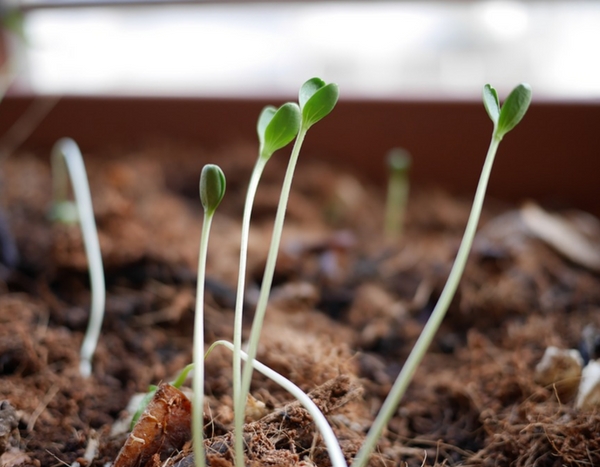
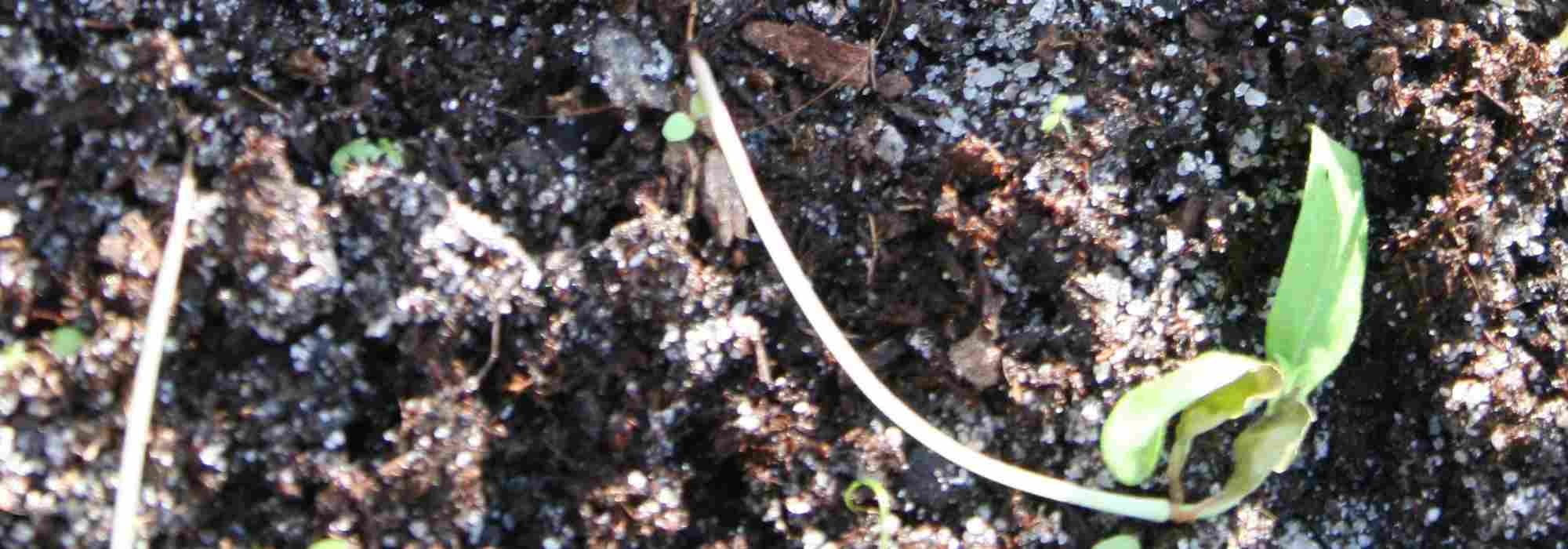
Sowing Hypoestes Coloratus® Mix should be done in warmth, between February and April. Sow on the surface in a fine, moist seed compost, without covering the seeds, as they need light to germinate. Maintain a constant temperature of 21-24°C and keep the substrate slightly moist until germination, which usually takes one to two weeks.
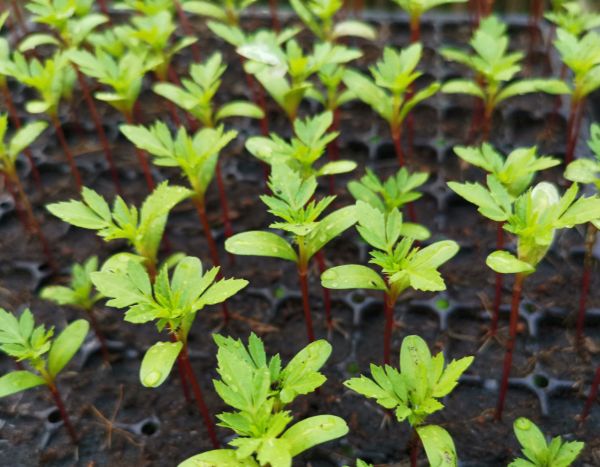
Once the young seedlings are sturdy enough to handle, prick them out individually into pots. Continue to grow them in light, protected from cold, until around mid-May, when you can plant them out permanently in containers or in the ground, after gradually acclimatising them to outdoor conditions.
Hypoestes are easy plants to grow in a warm greenhouse, indoors or outside during the warmer season, in good horticultural compost, but their growth is boosted by heat: below 16°C, they grow very little or not at all. Plant them in partially shaded or possibly shaded positions, but bright and sheltered from wind. They need ambient humidity and a light, humus-bearing but well-drained soil, and appreciate fertiliser applications. They are not demanding regarding the soil type and tolerate lime well.
In containers, they will need regular watering from spring to summer. Apply liquid fertiliser every fortnight from June to September. Bring your Hypoestes indoors in October, before cold weather arrives. From autumn onwards, watering should be gradually reduced. Remove flower spikes to encourage foliage production. Plan for light pruning during the season to help the plant become ramified.
Sowing period
Intended location
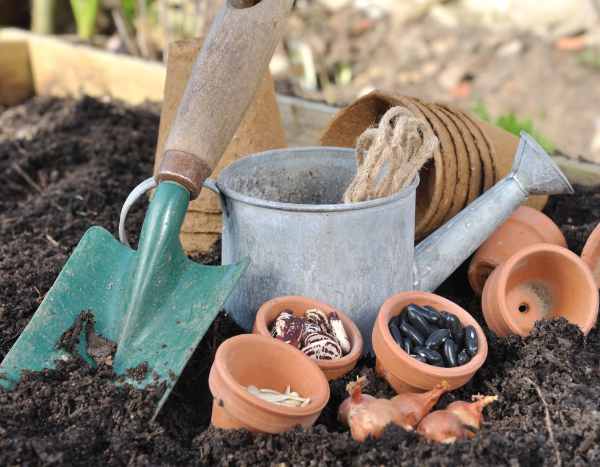
Planting & care advice
-

-
-
-

-

-
-
-

This item has not been reviewed yet - be the first to leave a review about it.
Recently viewed products
Haven't found what you were looking for?
Hardiness is the lowest winter temperature a plant can endure without suffering serious damage or even dying. However, hardiness is affected by location (a sheltered area, such as a patio), protection (winter cover) and soil type (hardiness is improved by well-drained soil).

The flowering period indicated on our website applies to countries and regions located in USDA zone 8 (France, the United Kingdom, Ireland, the Netherlands, etc.)
It will vary according to where you live:- In zones 9 to 10 (Italy, Spain, Greece, etc.), flowering will occur about 2 to 4 weeks earlier.
- In zones 6 to 7 (Germany, Poland, Slovenia, and lower mountainous regions), flowering will be delayed by 2 to 3 weeks.
- In zone 5 (Central Europe, Scandinavia), blooming will be delayed by 3 to 5 weeks.
In temperate climates, pruning of spring-flowering shrubs (forsythia, spireas, etc.) should be done just after flowering.
Pruning of summer-flowering shrubs (Indian Lilac, Perovskia, etc.) can be done in winter or spring.
In cold regions as well as with frost-sensitive plants, avoid pruning too early when severe frosts may still occur.
The planting period indicated on our website applies to countries and regions located in USDA zone 8 (France, United Kingdom, Ireland, Netherlands).
It will vary according to where you live:
- In Mediterranean zones (Marseille, Madrid, Milan, etc.), autumn and winter are the best planting periods.
- In continental zones (Strasbourg, Munich, Vienna, etc.), delay planting by 2 to 3 weeks in spring and bring it forward by 2 to 4 weeks in autumn.
- In mountainous regions (the Alps, Pyrenees, Carpathians, etc.), it is best to plant in late spring (May-June) or late summer (August-September).
The harvesting period indicated on our website applies to countries and regions in USDA zone 8 (France, England, Ireland, the Netherlands).
In colder areas (Scandinavia, Poland, Austria...) fruit and vegetable harvests are likely to be delayed by 3-4 weeks.
In warmer areas (Italy, Spain, Greece, etc.), harvesting will probably take place earlier, depending on weather conditions.
The sowing periods indicated on our website apply to countries and regions within USDA Zone 8 (France, UK, Ireland, Netherlands).
In colder areas (Scandinavia, Poland, Austria...), delay any outdoor sowing by 3-4 weeks, or sow under glass.
In warmer climes (Italy, Spain, Greece, etc.), bring outdoor sowing forward by a few weeks.
Shipping country and language
Your country of residence may be:
Your country of residence is:
For a better user experience on our website, you can select:
Your shipping country:
-
 Austria
-
 Belgium
-
 Bosnia & Herzegovina
-
 Bulgaria
-
 Croatia
-
 Cyprus
-
 Czechia
-
 Denmark
-
 Estonia
-
 Finland
-
 France
-
 Germany
-
 Greece
-
 Hungary
-
 Iceland
-
 Ireland
-
 Italy
Italy
-
 Latvia
-
 Liechtenstein
-
 Lithuania
-
 Luxembourg
-
 Malta
Malta
-
 Netherlands
-
 Poland
-
 Portugal
-
 Romania
-
 Serbia
-
 Slovakia
-
 Slovenia
-
 Spain
Spain
-
 Sweden
-
 Switzerland
Language:
-
French
-
 English
-
Spanish
-
Italian
-
German
-
Portuguese
-
Dutch
-
Finnish
My Account
Hello
My wish lists
My cart
Log in / Register
Existing customer?
This form is protected by reCAPTCHA - the Google Privacy Policy and Terms of Service apply.
New customer?
Create an account to track your orders, access our customer service and, if you wish, make the most of our upcoming offers.