Melinis minutiflora Silver Queen seeds
Melinis minutiflora Silver Queen seeds
Melinis minutiflora Silver Queen
Molasses grass, efwatakala grass
Back-to-school special offer!
Get €10 off for every €50 you spend! And get up to €40 off on a single order.
How does it work?
1. Shop your favourites
Add your favourite plants to your basket. For every €50 you spend (excluding delivery charges, store credit and the plastic-free option), you’ll receive a €10 voucher.
€50 spent = €10 voucher
€100 spent = €20 voucher
€150 spent = €30 voucher
€200 spent = €40 voucher
2. Place your order
Once your basket reaches one of the spending thresholds, place your order. You can even choose your delivery date!
3. Receive your voucher
As soon as your order has been shipped, you’ll receive an email containing your personal voucher code and its value.
4. Use it on your next order
Your voucher is valid for 90 days from the date you receive it. It can be used once only, on a new order worth at least the value of the voucher, excluding delivery charges.
Please note: Vouchers can be combined with other offers, but cannot be split or refunded.
Home or relay delivery (depending on size and destination)
Important: You may be charged customs duties by your country’s customs authorities upon delivery.
Schedule delivery date,
and select date in basket
This plant carries a 6 months recovery warranty
More information
We guarantee the quality of our plants for a full growing cycle, and will replace at our expense any plant that fails to recover under normal climatic and planting conditions.
Would this plant suit my garden?
Set up your Plantfit profile →
Description
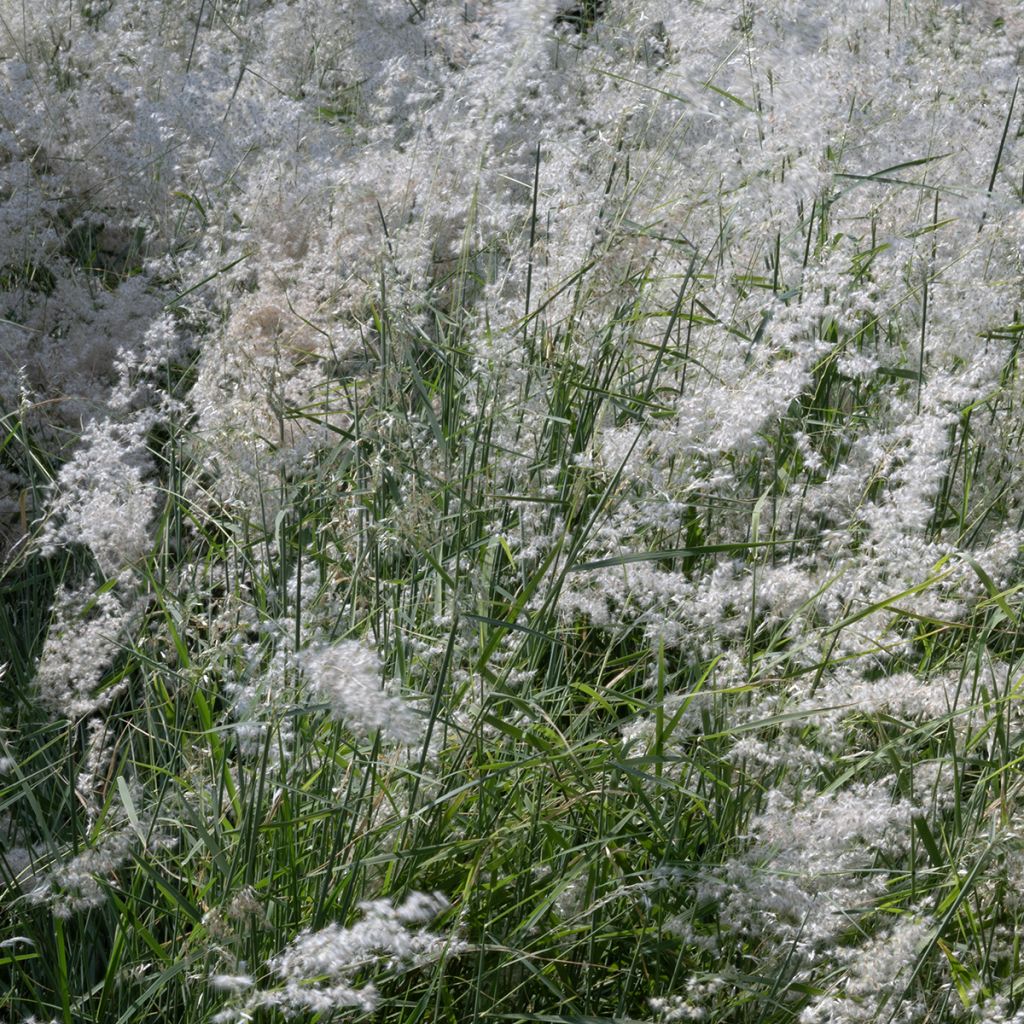
The Melinis minutiflora ‘Silver Queen’, also known as molasses grass or honey grass, is an ornamental grass that captivates with its delicate silhouette and feathery, silvery-hued inflorescences. This variety adds movement and a very poetic touch to summer displays. It is used in open ground, in dry or naturalistic gardens, but also in pots on balconies and patios. Grown as an annual, its cultivation presents no difficulty.
The Melinis minutiflora 'Silver Queen' belongs to the Poaceae family. The species bears the common names of 'honey grass', 'molasses grass' or 'small-flowered melinis'. The scientific name of the species is Melinis minutiflora, which has the synonyms Panicum melinis and Melinis tenuinervis.
Native to tropical Africa, Melinis minutiflora are naturally found in two disjunct populations: one extending from central Angola to Cameroon in West Africa, and the other on the lower slopes of the Ruwenzori Mountains and Mount Kenya in East Africa. Introduced to many tropical and subtropical regions, particularly in South America, Asia and Oceania, it has become naturalised in various habitats, often after being used as a fodder plant. It is known for its aromatic foliage and silky inflorescences.
The cultivar 'Silver Queen' is a horticultural selection distinguished by its more silvery and silky inflorescences, earlier flowering, and a form particularly suited to ornamental gardens. With its soft and slightly trailing habit, this grass forms dense clumps. Its growth is rapid, germinating in 1 to 3 weeks and growing quickly during the summer. In open ground, it reaches a height of 60 to 80 cm and a spread of 40 to 60 cm. In pots, its dimensions are slightly reduced, with a height of 40 to 60 cm and a spread of 30 to 50 cm. It does not produce suckers; its propagation is mainly by sowing. The inflorescences in loose terminal panicles 10 to 20 cm long are formed of spikelets with long, pilous awns, giving the plant a feathery and silky appearance. Flowering occurs from July to September in the northern hemisphere. The linear and sheathing leaves measure 5 to 20 cm long by 0.5 to 1.5 cm wide. They are covered by glandulous hairs that secrete a sticky substance with a sweet fragrance, reminiscent of honey or molasses. A perennial in its native lands, the plant dies at the first frosts.
Like many summer ornamental grasses, the Melinis minutiflora 'Silver Queen' introduces a breath of freedom and movement to the garden. Its lightness offers a poetic counterpoint to denser foliage or colourful flowerings. It pairs perfectly with the pastel umbels of the ornamental carrot ‘Dara’ and the soft, purple clumps of Pennisetum x advena ‘Rubrum’. In pots, it enhances the silvery foliage of Helichrysum petiolare 'Silver' and Chrysocephalum apiculatum 'Korma'. Used sparingly and precisely, this 'grass' becomes the element that gives the garden a breath, a discreet but essential rhythm.
Report an error about the product description
Flowering
Foliage
Plant habit
Botanical data
Melinis
minutiflora
Silver Queen
Poaceae
Molasses grass, efwatakala grass
Panicum melinis, Melinis tenuinervis Silver Queen
Cultivar or hybrid, East Africa
Planting and care
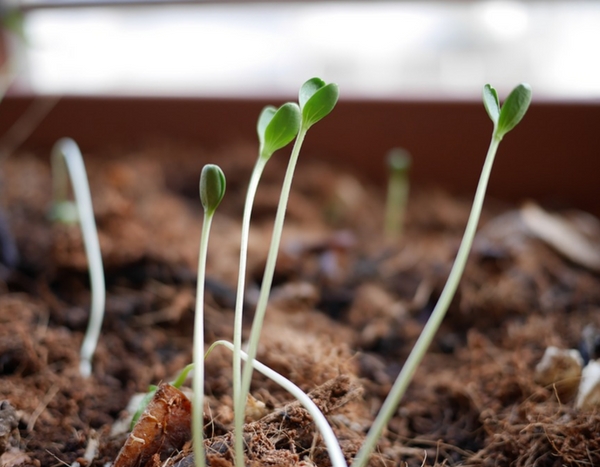
Sowing of Melinis minutiflora 'Silver Queen' seeds is carried out in spring, when soil temperatures exceed 18°C, but to get a head start on cultivation, you can begin sowing in trays under heated cover from March.
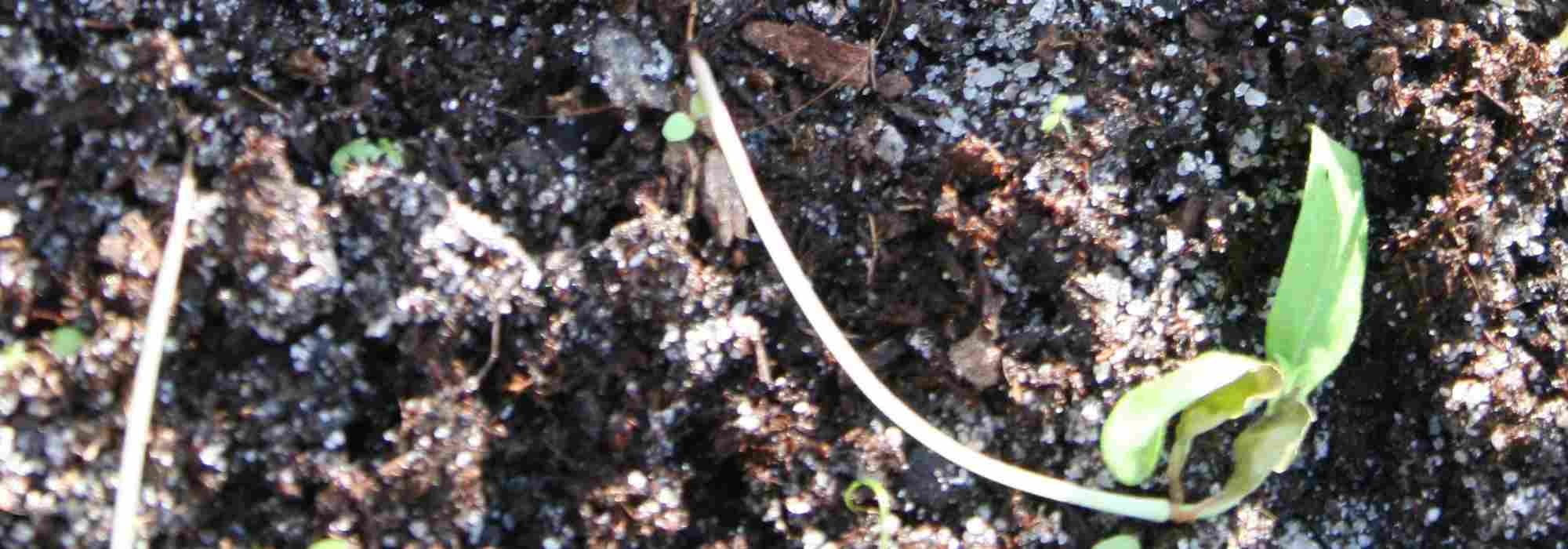
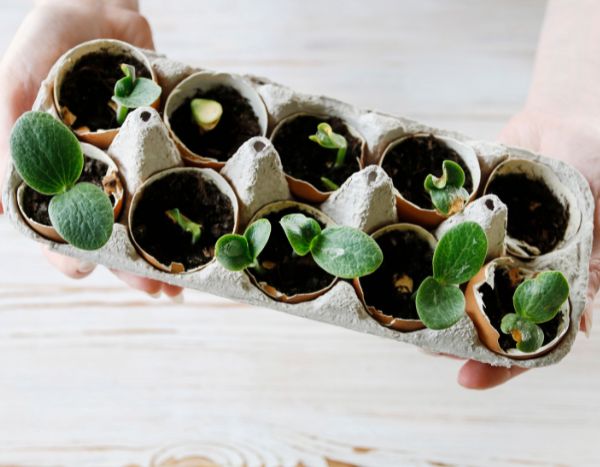
The very fine seeds should be surface-sown on fine compost, without covering them, as they need light to germinate. Maintain a constant temperature around 20 to 22°C and mild humidity: germination occurs within 1 to 3 weeks. As soon as the young seedlings are manageable (usually when they have 2 to 3 true leaves), they can be pricked out into individual pots before planting out in the ground after the last frosts.
In pots, choose a container at least 20 cm in diameter, with drainage holes, using a well-draining mix enriched with sand or perlite.
In the garden:
Choose a location in full sun or partial shade, providing at least 6 hours of direct light per day. Plant in well-drained, light, preferably sandy to loamy soil. The recommended planting distance is 30 to 40 cm. The plant tolerates a wide pH range, from 4.5 to 8.4, but prefers slightly acidic to neutral soil.
Growing: Melinis minutiflora 'Silver Queen' are relatively drought-resistant once established, but regular watering during dry periods will promote a more luxuriant growth. Avoid overwatering as the plant cannot tolerate waterlogged conditions. Moderate fertilisation, particularly with nitrogen and phosphorus, can be beneficial in poor soil.
Note that this grass is sensitive to frost and will not survive temperatures below 0°C; it is therefore grown as an annual in our latitudes.
Sowing period
Intended location
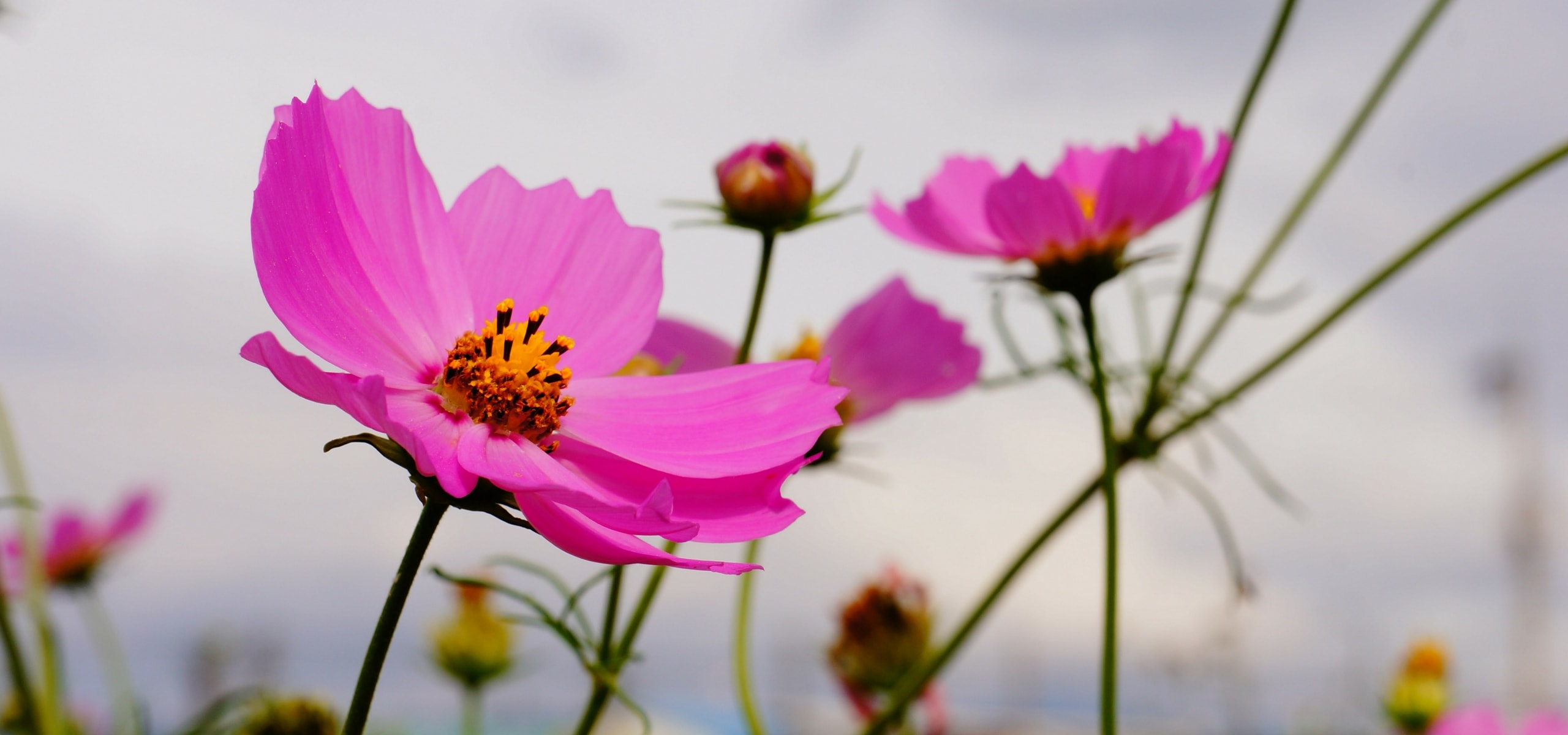
Planting & care advice
-
-
-
-
-

-
-
-
This item has not been reviewed yet - be the first to leave a review about it.
Recently viewed products
Haven't found what you were looking for?
Hardiness is the lowest winter temperature a plant can endure without suffering serious damage or even dying. However, hardiness is affected by location (a sheltered area, such as a patio), protection (winter cover) and soil type (hardiness is improved by well-drained soil).

The flowering period indicated on our website applies to countries and regions located in USDA zone 8 (France, the United Kingdom, Ireland, the Netherlands, etc.)
It will vary according to where you live:- In zones 9 to 10 (Italy, Spain, Greece, etc.), flowering will occur about 2 to 4 weeks earlier.
- In zones 6 to 7 (Germany, Poland, Slovenia, and lower mountainous regions), flowering will be delayed by 2 to 3 weeks.
- In zone 5 (Central Europe, Scandinavia), blooming will be delayed by 3 to 5 weeks.
In temperate climates, pruning of spring-flowering shrubs (forsythia, spireas, etc.) should be done just after flowering.
Pruning of summer-flowering shrubs (Indian Lilac, Perovskia, etc.) can be done in winter or spring.
In cold regions as well as with frost-sensitive plants, avoid pruning too early when severe frosts may still occur.
The planting period indicated on our website applies to countries and regions located in USDA zone 8 (France, United Kingdom, Ireland, Netherlands).
It will vary according to where you live:
- In Mediterranean zones (Marseille, Madrid, Milan, etc.), autumn and winter are the best planting periods.
- In continental zones (Strasbourg, Munich, Vienna, etc.), delay planting by 2 to 3 weeks in spring and bring it forward by 2 to 4 weeks in autumn.
- In mountainous regions (the Alps, Pyrenees, Carpathians, etc.), it is best to plant in late spring (May-June) or late summer (August-September).
The harvesting period indicated on our website applies to countries and regions in USDA zone 8 (France, England, Ireland, the Netherlands).
In colder areas (Scandinavia, Poland, Austria...) fruit and vegetable harvests are likely to be delayed by 3-4 weeks.
In warmer areas (Italy, Spain, Greece, etc.), harvesting will probably take place earlier, depending on weather conditions.
The sowing periods indicated on our website apply to countries and regions within USDA Zone 8 (France, UK, Ireland, Netherlands).
In colder areas (Scandinavia, Poland, Austria...), delay any outdoor sowing by 3-4 weeks, or sow under glass.
In warmer climes (Italy, Spain, Greece, etc.), bring outdoor sowing forward by a few weeks.
Shipping country and language
Your country of residence may be:
Your country of residence is:
For a better user experience on our website, you can select:
Your shipping country:
-
 Austria
-
 Belgium
-
 Bosnia & Herzegovina
-
 Bulgaria
-
 Croatia
-
 Cyprus
-
 Czechia
-
 Denmark
-
 Estonia
-
 Finland
-
 France
-
 Germany
-
 Greece
-
 Hungary
-
 Iceland
-
 Ireland
-
 Italy
Italy
-
 Latvia
-
 Liechtenstein
-
 Lithuania
-
 Luxembourg
-
 Malta
Malta
-
 Netherlands
-
 Poland
-
 Portugal
-
 Romania
-
 Serbia
-
 Slovakia
-
 Slovenia
-
 Spain
Spain
-
 Sweden
-
 Switzerland
Language:
-
French
-
 English
-
Spanish
-
Italian
-
German
-
Portuguese
-
Dutch
-
Finnish
My Account
Hello
My wish lists
My cart
Log in / Register
Existing customer?
This form is protected by reCAPTCHA - the Google Privacy Policy and Terms of Service apply.
New customer?
Create an account to track your orders, access our customer service and, if you wish, make the most of our upcoming offers.