Talinum paniculatum seed
Talinum paniculatum seed
Talinum paniculatum
Fameflower, Jewels-of-Opar, Pink baby's-breath
Back-to-school special offer!
Get €10 off for every €50 you spend! And get up to €40 off on a single order.
How does it work?
1. Shop your favourites
Add your favourite plants to your basket. For every €50 you spend (excluding delivery charges, store credit and the plastic-free option), you’ll receive a €10 voucher.
€50 spent = €10 voucher
€100 spent = €20 voucher
€150 spent = €30 voucher
€200 spent = €40 voucher
2. Place your order
Once your basket reaches one of the spending thresholds, place your order. You can even choose your delivery date!
3. Receive your voucher
As soon as your order has been shipped, you’ll receive an email containing your personal voucher code and its value.
4. Use it on your next order
Your voucher is valid for 90 days from the date you receive it. It can be used once only, on a new order worth at least the value of the voucher, excluding delivery charges.
Please note: Vouchers can be combined with other offers, but cannot be split or refunded.
Why not try an alternative variety in stock?
View all →
Available in 1 sizes

Available in 1 sizes
Available in 1 sizes
Available in 1 sizes
Available in 1 sizes
Available in 1 sizes
Available in 1 sizes

Available in 1 sizes
Available in 1 sizes
Available in 1 sizes
This plant carries a 6 months recovery warranty
More information
We guarantee the quality of our plants for a full growing cycle, and will replace at our expense any plant that fails to recover under normal climatic and planting conditions.
Would this plant suit my garden?
Set up your Plantfit profile →
Description
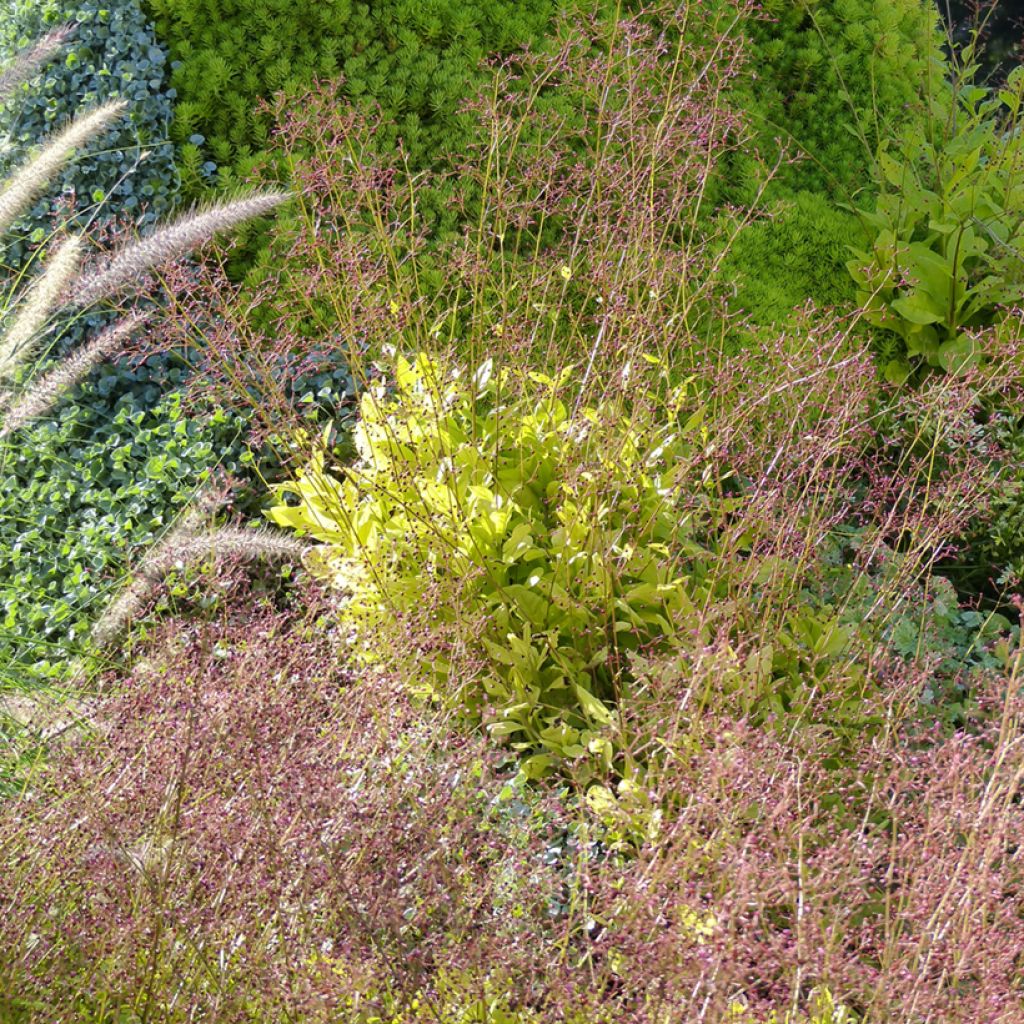
Talinum paniculatum, commonly known as "Jewels of Opar", is a little-known plant that charms with its delicate flowering and shiny fruit pearls. Not very hardy, it thrives in sunny coastal gardens, but also in pots, allowing it to be sheltered in winter if necessary. It can also be grown as an annual and reseeded each year. Its small edible leaves can be consumed like purslane or spinach.
Talinum paniculatum belongs to the talinaceae family and originates from tropical regions in the southern United States, Central America, and the Caribbean. Close to purslanes, it was formerly classified in the portulacaceae family. It is a succulent plant with an upright bushy habit, fast-growing, reaching between 30 and 60 cm in height in our climates. It grows from a tuberous root. Its slender, slightly branched stems bear fleshy light green to emerald green oval leaves, measuring up to 9 cm long. They are spirally arranged around the stem. Its small pink flowers, grouped in airy panicles, appear between June and August depending on the climate, forming a light, elegant cloud. After flowering and pollination by insects, the plant develops small spherical coloured fruits, yellow to coppery red, which persist a long time on the plant. They can be used for bouquets. These fruits, often compared to jewels, contain black and shiny seeds.
The leaves of Talinum paniculatum are edible and traditionally consumed in some regions. They are used in traditional Asian medicine for their diuretic and healing properties. The young, tender, slightly fleshy leaves can be eaten raw in salads or cooked like leafy vegetables. They have a mild flavour, similar to some spinach varieties. These leaves can be added to soups, stir-fried, or incorporated into other cooked dishes. Rich in nutrients, they provide a good source of fibre and vitamins. However, it should be noted that the plant is primarily grown as an ornamental, and the use of the leaves should be moderate and limited to young shoots.
Talinum paniculatum "Jewels of Opar" is ideal for dry coastal gardens or in pots in colder regions where it can be overwintered indoors. In mild climates, it thrives in rockeries and borders, adding an exotic and colourful touch. It pairs perfectly with other heat and drought-tolerant plants like Sedums, 'Pazzaz White' purslane, and Delosperma. Consider growing Talinum in a pot in colder regions and bring it indoors before the first frost to protect its tuberous roots.
Report an error about the product description
Flowering
Foliage
Plant habit
Botanical data
Talinum
paniculatum
Talinaceae
Fameflower, Jewels-of-Opar, Pink baby's-breath
Portulaca patens, Talinum patens, Portulaca paniculata
Central America
Planting and care
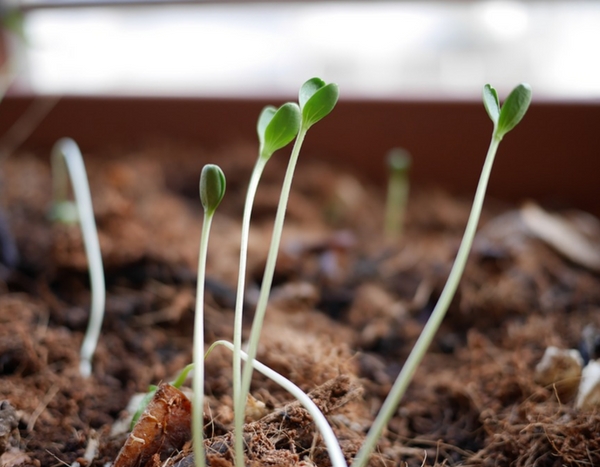
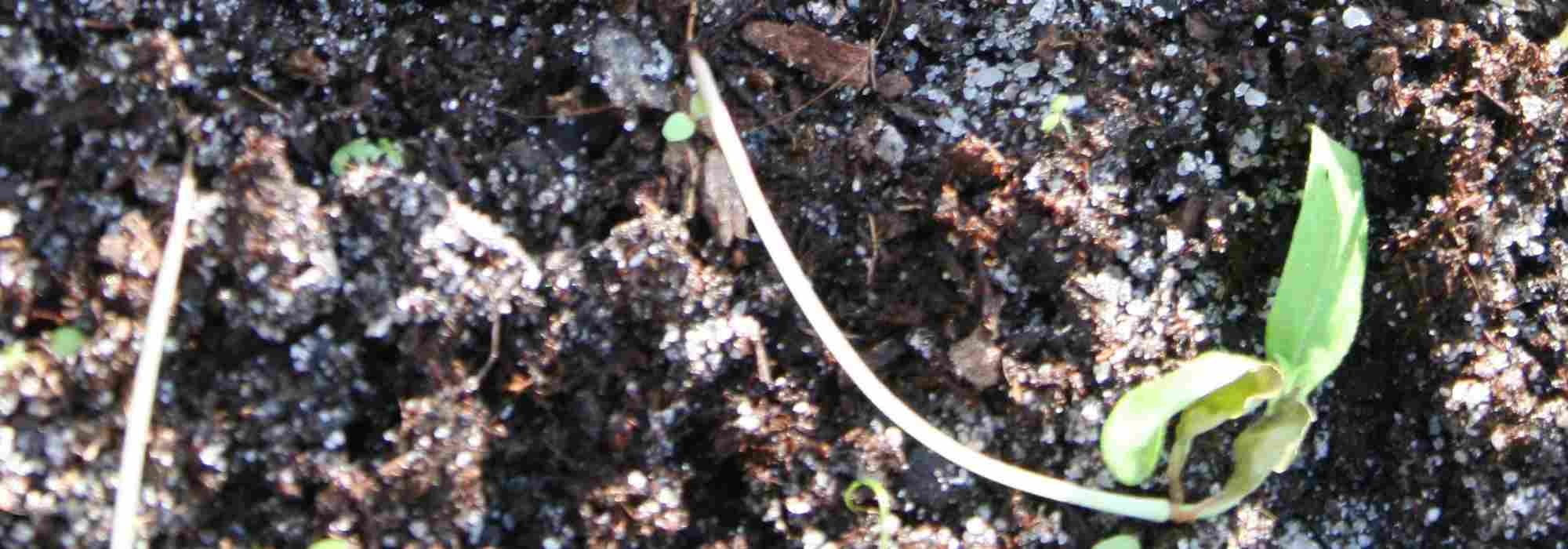
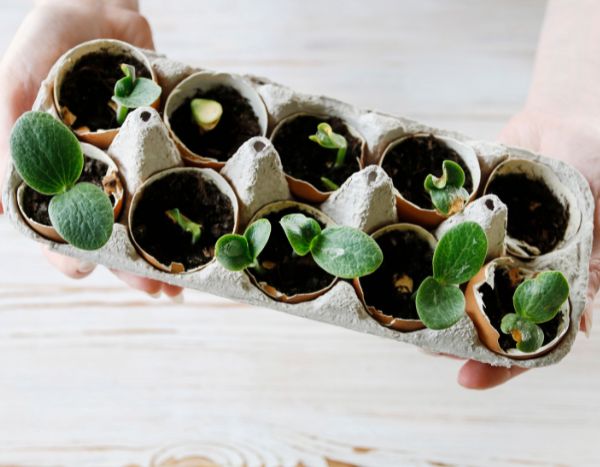
Talinum paniculatum is easily sown from seeds, although they are very small. To maximise sowing success, it is recommended to start them indoors, especially in cooler climate areas. Sow the seeds at the end of winter or early spring, around 6 to 8 weeks before the last frost. Use a fine, well-draining soil mixed with some sand to improve soil structure. The seeds should be placed on the surface, lightly pressed in, but not covered, as they need light to germinate.
Keep the substrate moist, but not waterlogged, by gently watering with a sprayer. Place the pots in a bright location at an ideal temperature of 20-22 °C. Germination usually occurs within 10 to 14 days, but may take up to 21 days depending on conditions. Once the seedlings have developed a few leaves, transplant them individually into larger pots before gradually acclimatising them outdoors after the last frost.
Talinum paniculatum is an easy plant to grow if you meet its essential requirements. It thrives in full sun and also tolerates partial shade. Well-draining soil is crucial as the plant is sensitive to excess moisture, which can lead to root rot. Light, moderately fertile, or even poor soils are suitable for this plant, provided they are well-draining.
During the growth period (spring-summer), water regularly but allow the soil to dry between waterings. The plant is highly drought-tolerant and can survive for several weeks without water, especially when well established. In winter, significantly reduce watering, especially if growing Talinum indoors or in a pot. The plant should be protected from temperatures below -4/-5 °C, either by covering it or bringing it indoors if potted.
To promote flowering, you can provide a diluted balanced liquid fertiliser, approximately once a month during the growth period.
Sowing period
Intended location
Planting & care advice
-
-
-
-
-

-
-

-
This item has not been reviewed yet - be the first to leave a review about it.
Recently viewed products
Haven't found what you were looking for?
Hardiness is the lowest winter temperature a plant can endure without suffering serious damage or even dying. However, hardiness is affected by location (a sheltered area, such as a patio), protection (winter cover) and soil type (hardiness is improved by well-drained soil).

The flowering period indicated on our website applies to countries and regions located in USDA zone 8 (France, the United Kingdom, Ireland, the Netherlands, etc.)
It will vary according to where you live:- In zones 9 to 10 (Italy, Spain, Greece, etc.), flowering will occur about 2 to 4 weeks earlier.
- In zones 6 to 7 (Germany, Poland, Slovenia, and lower mountainous regions), flowering will be delayed by 2 to 3 weeks.
- In zone 5 (Central Europe, Scandinavia), blooming will be delayed by 3 to 5 weeks.
In temperate climates, pruning of spring-flowering shrubs (forsythia, spireas, etc.) should be done just after flowering.
Pruning of summer-flowering shrubs (Indian Lilac, Perovskia, etc.) can be done in winter or spring.
In cold regions as well as with frost-sensitive plants, avoid pruning too early when severe frosts may still occur.
The planting period indicated on our website applies to countries and regions located in USDA zone 8 (France, United Kingdom, Ireland, Netherlands).
It will vary according to where you live:
- In Mediterranean zones (Marseille, Madrid, Milan, etc.), autumn and winter are the best planting periods.
- In continental zones (Strasbourg, Munich, Vienna, etc.), delay planting by 2 to 3 weeks in spring and bring it forward by 2 to 4 weeks in autumn.
- In mountainous regions (the Alps, Pyrenees, Carpathians, etc.), it is best to plant in late spring (May-June) or late summer (August-September).
The harvesting period indicated on our website applies to countries and regions in USDA zone 8 (France, England, Ireland, the Netherlands).
In colder areas (Scandinavia, Poland, Austria...) fruit and vegetable harvests are likely to be delayed by 3-4 weeks.
In warmer areas (Italy, Spain, Greece, etc.), harvesting will probably take place earlier, depending on weather conditions.
The sowing periods indicated on our website apply to countries and regions within USDA Zone 8 (France, UK, Ireland, Netherlands).
In colder areas (Scandinavia, Poland, Austria...), delay any outdoor sowing by 3-4 weeks, or sow under glass.
In warmer climes (Italy, Spain, Greece, etc.), bring outdoor sowing forward by a few weeks.
Shipping country and language
Your country of residence may be:
Your country of residence is:
For a better user experience on our website, you can select:
Your shipping country:
-
 Austria
-
 Belgium
-
 Bosnia & Herzegovina
-
 Bulgaria
-
 Croatia
-
 Cyprus
-
 Czechia
-
 Denmark
-
 Estonia
-
 Finland
-
 France
-
 Germany
-
 Greece
-
 Hungary
-
 Iceland
-
 Ireland
-
 Italy
Italy
-
 Latvia
-
 Liechtenstein
-
 Lithuania
-
 Luxembourg
-
 Malta
Malta
-
 Netherlands
-
 Poland
-
 Portugal
-
 Romania
-
 Serbia
-
 Slovakia
-
 Slovenia
-
 Spain
Spain
-
 Sweden
-
 Switzerland
Language:
-
French
-
 English
-
Spanish
-
Italian
-
German
-
Portuguese
-
Dutch
-
Finnish
My Account
Hello
My wish lists
My cart
Log in / Register
Existing customer?
This form is protected by reCAPTCHA - the Google Privacy Policy and Terms of Service apply.
New customer?
Create an account to track your orders, access our customer service and, if you wish, make the most of our upcoming offers.