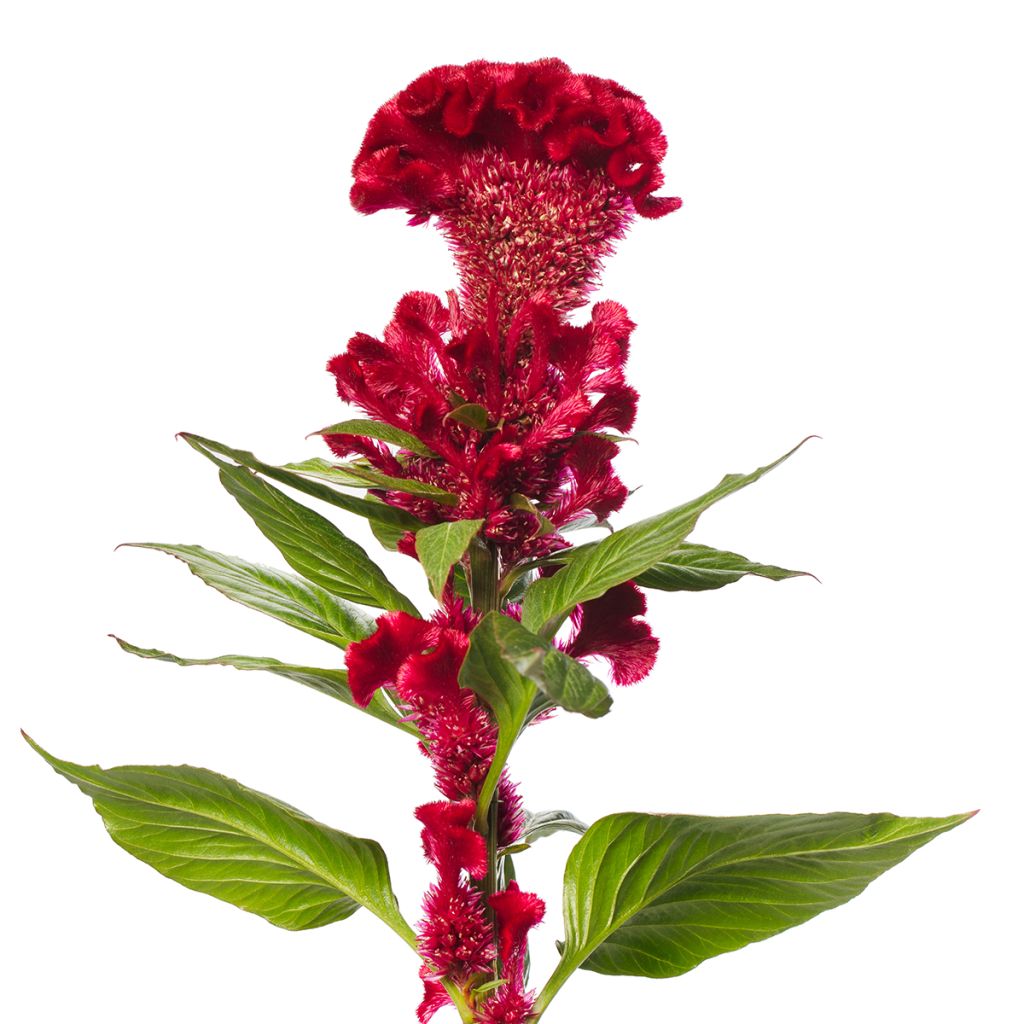
Celosia cristata Red Jack seeds - Crested Cock's-comb
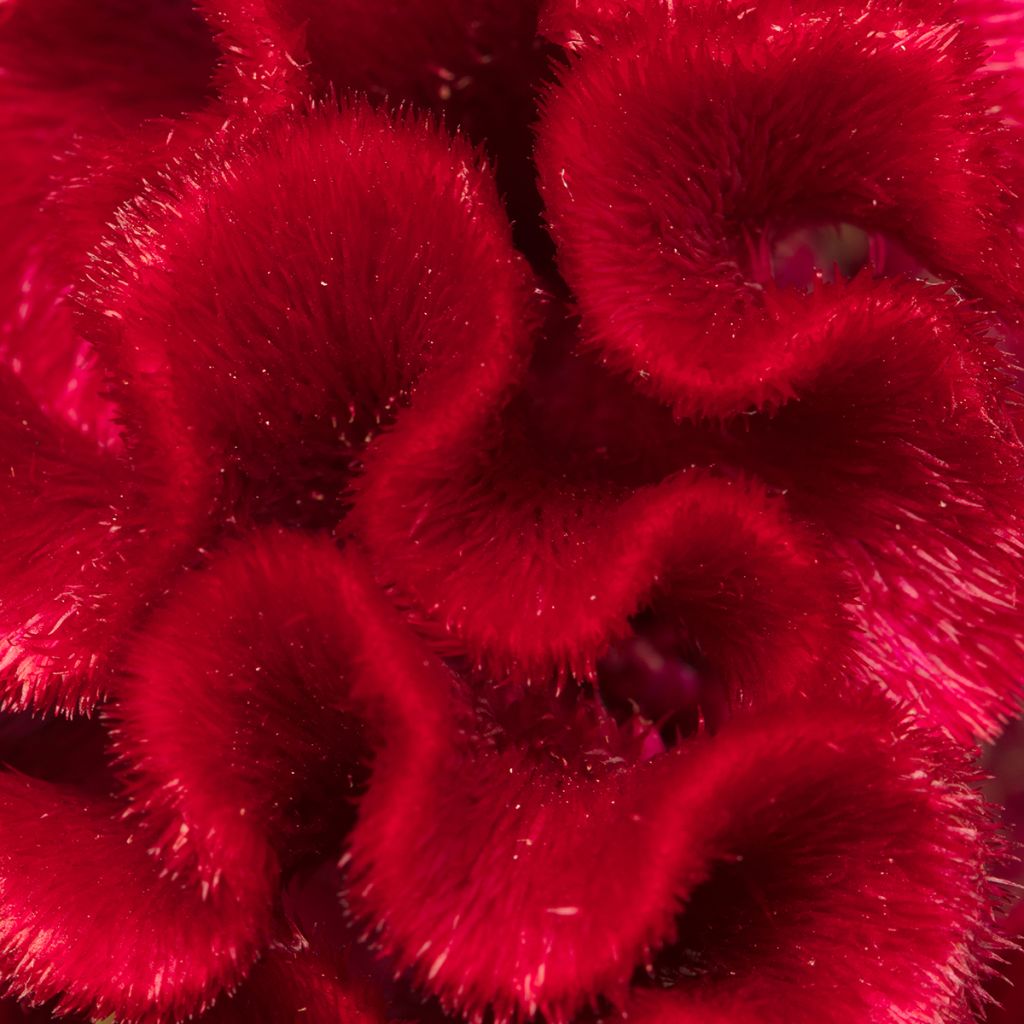
Celosia cristata Red Jack seeds - Crested Cock's-comb
Celosia cristata Red Jack seeds - Crested Cock's-comb
Celosia argentea 'Red Jack'
Crested Cock's-comb
Back-to-school special offer!
Get €10 off for every €50 you spend! And get up to €40 off on a single order.
How does it work?
1. Shop your favourites
Add your favourite plants to your basket. For every €50 you spend (excluding delivery charges, store credit and the plastic-free option), you’ll receive a €10 voucher.
€50 spent = €10 voucher
€100 spent = €20 voucher
€150 spent = €30 voucher
€200 spent = €40 voucher
2. Place your order
Once your basket reaches one of the spending thresholds, place your order. You can even choose your delivery date!
3. Receive your voucher
As soon as your order has been shipped, you’ll receive an email containing your personal voucher code and its value.
4. Use it on your next order
Your voucher is valid for 90 days from the date you receive it. It can be used once only, on a new order worth at least the value of the voucher, excluding delivery charges.
Please note: Vouchers can be combined with other offers, but cannot be split or refunded.
Home or relay delivery (depending on size and destination)
Important: You may be charged customs duties by your country’s customs authorities upon delivery.
Schedule delivery date,
and select date in basket
This plant carries a 6 months recovery warranty
More information
We guarantee the quality of our plants for a full growing cycle, and will replace at our expense any plant that fails to recover under normal climatic and planting conditions.
Would this plant suit my garden?
Set up your Plantfit profile →
Description
La Celosia argentea var. cristata ‘Red Jack’, ou Célosie crête-de-coq 'Red Jack', est une valeur sûre pour les bouquets et les massifs saisonniers. Sa crête veloutée rouge, joliment festonnée, s’étire tout le long de la tige. Elle offre des hampes florales généreuses, originales autant qu'élégantes, faciles à travailler en vase et superbes aussi en fleurs séchées. On la cultive comme une annuelle, au chaud : elle prospère en plein soleil, en sol riche et bien drainé, et fleurit sans relâche de l'été jusqu’à l’automne.
Cette plante appartient à la famille des Amaranthacées. Elle descend de la Celosia argentea var. cristata. L’origine de la forme cristata est probablement asiatique, avec une longue histoire de culture en Inde, en Birmanie et en Chine ; l’espèce C. argentea est largement répandue et naturalisée dans les régions tropicales et subtropicales.
‘Red Jack’ fait partie de la série Jack, développée par Evanthia aux Pays-Bas pour la fleur coupée ; elle se caractérise par une crête frangée allongée et par de nombreuses petites inflorescences le long d’une tige « bien remplie ». Le cycle cultural, de la plantation à la récolte, est d’environ 9 à 13 semaines sous abri chauffé.
Dotée d'un port très nettement dressé, la plante présente une croissance rapide du printemps à l'été. En pleine terre ou sous abri, sa hauteur oscille entre 0,80 m et 1,20 m ; elle sera plus compacte en pot. Les tiges sont glabres, vertes à rougeâtres. Les feuilles sont de forme lancéolée à ovale-lancéolée, elles mesurent 8 à 15 cm de long. Leur coloris est un vert franc parfois teinté de bronze.
L’inflorescence est fasciée en crête veloutée, épaisse, finement ondulée, et d’un rouge soutenu chez ‘Red Jack’. La crête principale est accompagnée de nombreuses petites fleurs colorées le long de la tige. La floraison s'étale de juillet à octobre, et souvent jusqu’aux premières gelées. Avec un semis très précoce sous abri, les premières tiges peuvent apparaître fin juin. Les fleurs fraîches tiennent jusqu'à 2 semaines en vase ; les tiges suspendues la tête en bas se sèchent très bien.
‘Red Jack’ s'installe dans un massif ensoleillé, mais aussi dans une zone du potager destinée aux fleurs à couper. Installez-la aussi dans de grands pots de 15 à 20 litres pour obtenir des tiges droites ; pincez tôt si vous souhaitez plus de ramifications, ou laissez un axe unique pour obtenir de longues tiges de fleuriste. Dans les massifs d’été, mariez cette célosie 'Red Jack' à de grands zinnias ‘Queen Red Lime’, aux amarantes ‘Fat Spike' rouges et vertes ou au cosmos ‘Rubenza’.
Le nom de genre Celosia vient du grec kēlós (« brûlé »), en référence aux teintes ardentes des inflorescences ; l’épithète argentea évoque des bractées blanchâtres, et cristata signifie « crêtée ». Longtemps cultivée près des temples en Inde et en Asie du Sud-Est, la crête-de-coq a aussi des usages alimentaires : feuilles et jeunes pousses se consomment comme un légume proche de l’amarante, connu en Afrique de l’Ouest sous le nom de Lagos spinach.
Report an error about the product description
Celosia cristata Red Jack seeds - Crested Cock's-comb in pictures
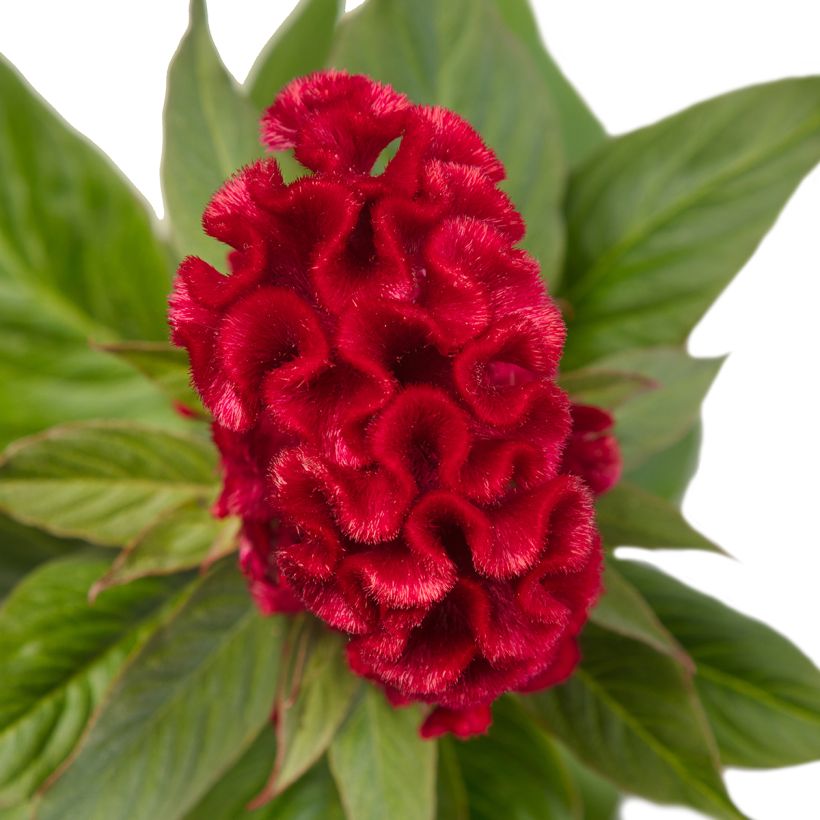
Flowering
Foliage
Plant habit
Botanical data
Celosia
argentea
'Red Jack'
Amarantaceae
Crested Cock's-comb
Celosia argentea var. cristata 'Red Jack'
Cultivar or hybrid
Planting and care
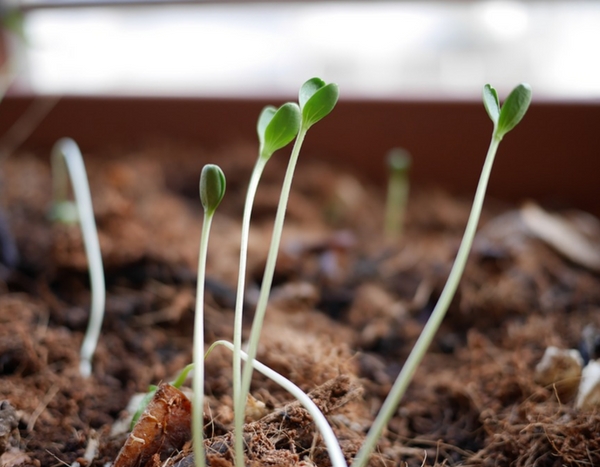
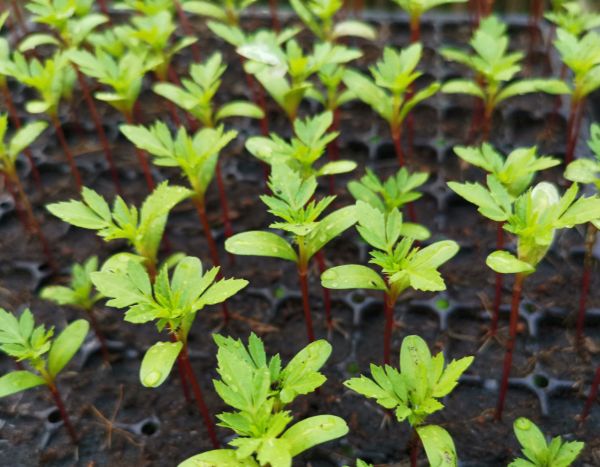
Sow 'Red Jack' cockscomb Celosia from February to April in a seed tray, in warmth.
Use a fine special sowing compost, sow on the surface as the seeds are photosensitive, press down very lightly, moisten with a fine spray or by capillary action and, if needed, sprinkle with a thin layer of vermiculite.
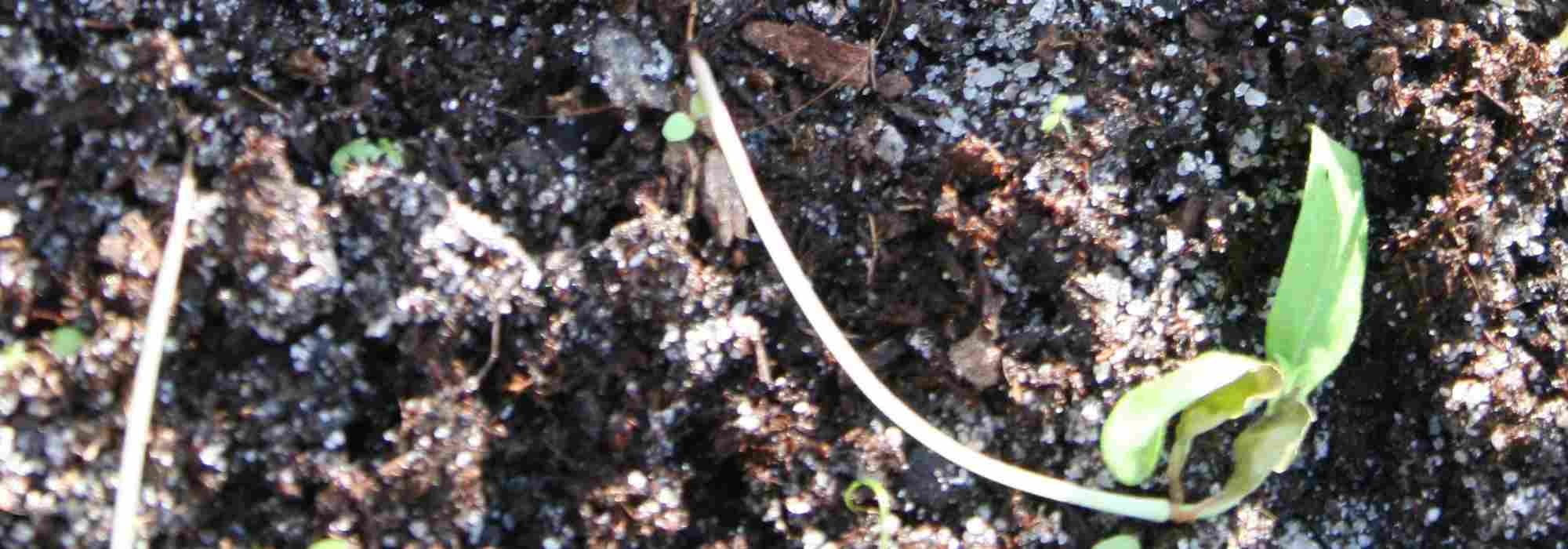
Maintain a temperature of 22 to 25°C under bright light without direct sunlight; germination occurs in 7 to 14 days. Transplant at the two to three true leaf stage into pots and continue cultivation at 17 to 20°C, keeping the substrate moist but not waterlogged.
Begin hardening of the young plants ten to fifteen days before planting and avoid temperatures below 15°C.
Plant in open ground in late May or early June, in full sun, in a well-drained and fertile soil with a pH between 6.0 and 6.4, enriched with mature compost.
To obtain long stems for cutting, space the plants 12 to 15 cm apart and do not pinch; allow eight to thirteen weeks of cultivation before the first cuts.
In flower beds, a light pinching of the plants at 15 to 20 cm can encourage branching. Water regularly during hot periods, hoe or mulch to maintain soil moisture, and provide a net or thin stake in windy sites to obtain straight stems.
Sowing period
Intended location
Planting & care advice
-
-
-
-
-

-
-
-

This item has not been reviewed yet - be the first to leave a review about it.
Recently viewed products
Haven't found what you were looking for?
Hardiness is the lowest winter temperature a plant can endure without suffering serious damage or even dying. However, hardiness is affected by location (a sheltered area, such as a patio), protection (winter cover) and soil type (hardiness is improved by well-drained soil).

The flowering period indicated on our website applies to countries and regions located in USDA zone 8 (France, the United Kingdom, Ireland, the Netherlands, etc.)
It will vary according to where you live:- In zones 9 to 10 (Italy, Spain, Greece, etc.), flowering will occur about 2 to 4 weeks earlier.
- In zones 6 to 7 (Germany, Poland, Slovenia, and lower mountainous regions), flowering will be delayed by 2 to 3 weeks.
- In zone 5 (Central Europe, Scandinavia), blooming will be delayed by 3 to 5 weeks.
In temperate climates, pruning of spring-flowering shrubs (forsythia, spireas, etc.) should be done just after flowering.
Pruning of summer-flowering shrubs (Indian Lilac, Perovskia, etc.) can be done in winter or spring.
In cold regions as well as with frost-sensitive plants, avoid pruning too early when severe frosts may still occur.
The planting period indicated on our website applies to countries and regions located in USDA zone 8 (France, United Kingdom, Ireland, Netherlands).
It will vary according to where you live:
- In Mediterranean zones (Marseille, Madrid, Milan, etc.), autumn and winter are the best planting periods.
- In continental zones (Strasbourg, Munich, Vienna, etc.), delay planting by 2 to 3 weeks in spring and bring it forward by 2 to 4 weeks in autumn.
- In mountainous regions (the Alps, Pyrenees, Carpathians, etc.), it is best to plant in late spring (May-June) or late summer (August-September).
The harvesting period indicated on our website applies to countries and regions in USDA zone 8 (France, England, Ireland, the Netherlands).
In colder areas (Scandinavia, Poland, Austria...) fruit and vegetable harvests are likely to be delayed by 3-4 weeks.
In warmer areas (Italy, Spain, Greece, etc.), harvesting will probably take place earlier, depending on weather conditions.
The sowing periods indicated on our website apply to countries and regions within USDA Zone 8 (France, UK, Ireland, Netherlands).
In colder areas (Scandinavia, Poland, Austria...), delay any outdoor sowing by 3-4 weeks, or sow under glass.
In warmer climes (Italy, Spain, Greece, etc.), bring outdoor sowing forward by a few weeks.
Shipping country and language
Your country of residence may be:
Your country of residence is:
For a better user experience on our website, you can select:
Your shipping country:
-
 Austria
-
 Belgium
-
 Bosnia & Herzegovina
-
 Bulgaria
-
 Croatia
-
 Cyprus
-
 Czechia
-
 Denmark
-
 Estonia
-
 Finland
-
 France
-
 Germany
-
 Greece
-
 Hungary
-
 Iceland
-
 Ireland
-
 Italy
Italy
-
 Latvia
-
 Liechtenstein
-
 Lithuania
-
 Luxembourg
-
 Malta
Malta
-
 Netherlands
-
 Poland
-
 Portugal
-
 Romania
-
 Serbia
-
 Slovakia
-
 Slovenia
-
 Spain
Spain
-
 Sweden
-
 Switzerland
Language:
-
French
-
 English
-
Spanish
-
Italian
-
German
-
Portuguese
-
Dutch
-
Finnish
My Account
Hello
My wish lists
My cart
Log in / Register
Existing customer?
This form is protected by reCAPTCHA - the Google Privacy Policy and Terms of Service apply.
New customer?
Create an account to track your orders, access our customer service and, if you wish, make the most of our upcoming offers.