Salvia nemorosa 'Salvatore Blue' - Sauge des bois Salvatore Blue
Salvia nemorosa 'Salvatore Blue' - Sauge des bois Salvatore Blue
Salvia nemorosa 'Salvatore Blue' - Sauge des bois Salvatore Blue
Salvia nemorosa 'Salvatore Blue'
Back-to-school special offer!
Get €10 off for every €50 you spend! And get up to €40 off on a single order.
How does it work?
1. Shop your favourites
Add your favourite plants to your basket. For every €50 you spend (excluding delivery charges, store credit and the plastic-free option), you’ll receive a €10 voucher.
€50 spent = €10 voucher
€100 spent = €20 voucher
€150 spent = €30 voucher
€200 spent = €40 voucher
2. Place your order
Once your basket reaches one of the spending thresholds, place your order. You can even choose your delivery date!
3. Receive your voucher
As soon as your order has been shipped, you’ll receive an email containing your personal voucher code and its value.
4. Use it on your next order
Your voucher is valid for 90 days from the date you receive it. It can be used once only, on a new order worth at least the value of the voucher, excluding delivery charges.
Please note: Vouchers can be combined with other offers, but cannot be split or refunded.
Home or relay delivery (depending on size and destination)
Important: You may be charged customs duties by your country’s customs authorities upon delivery.
Schedule delivery date,
and select date in basket
This plant carries a 6 months recovery warranty
More information
We guarantee the quality of our plants for a full growing cycle, and will replace at our expense any plant that fails to recover under normal climatic and planting conditions.
Would this plant suit my garden?
Set up your Plantfit profile →
Description
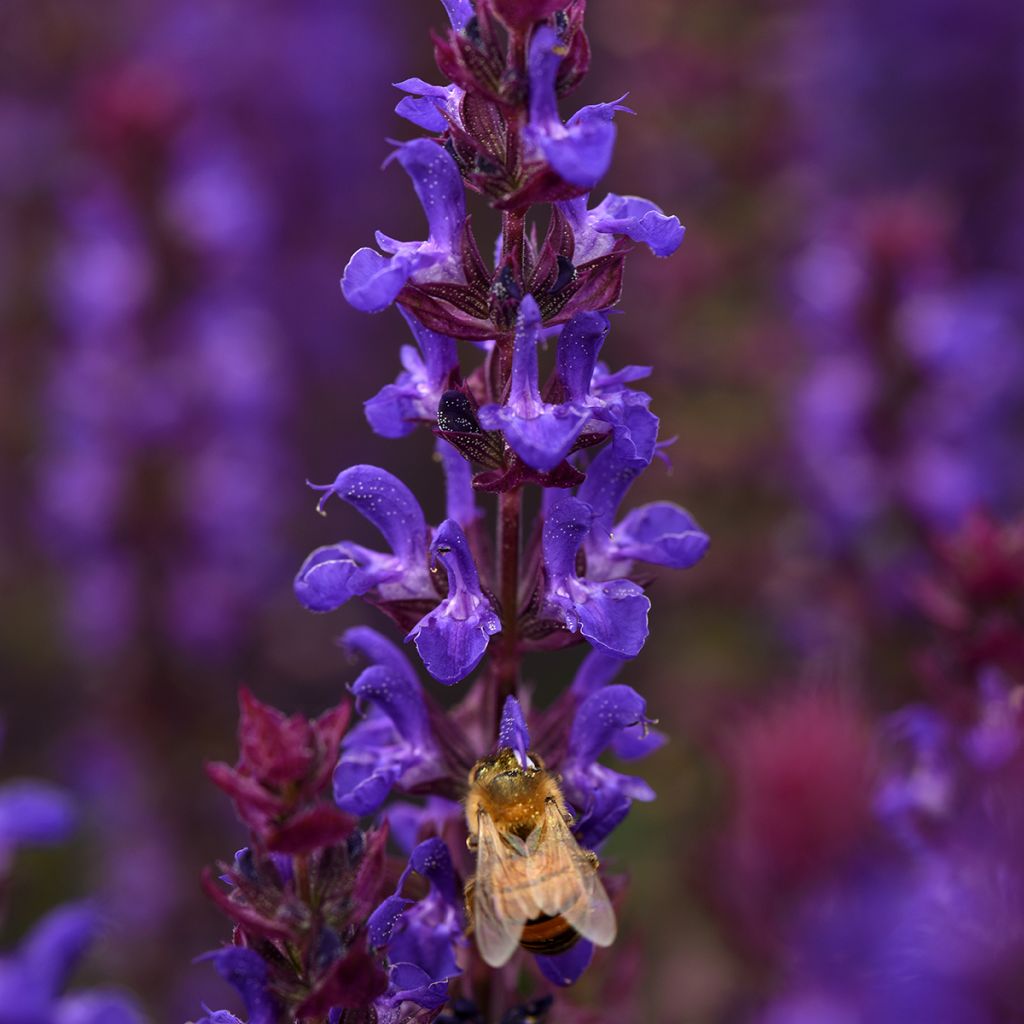
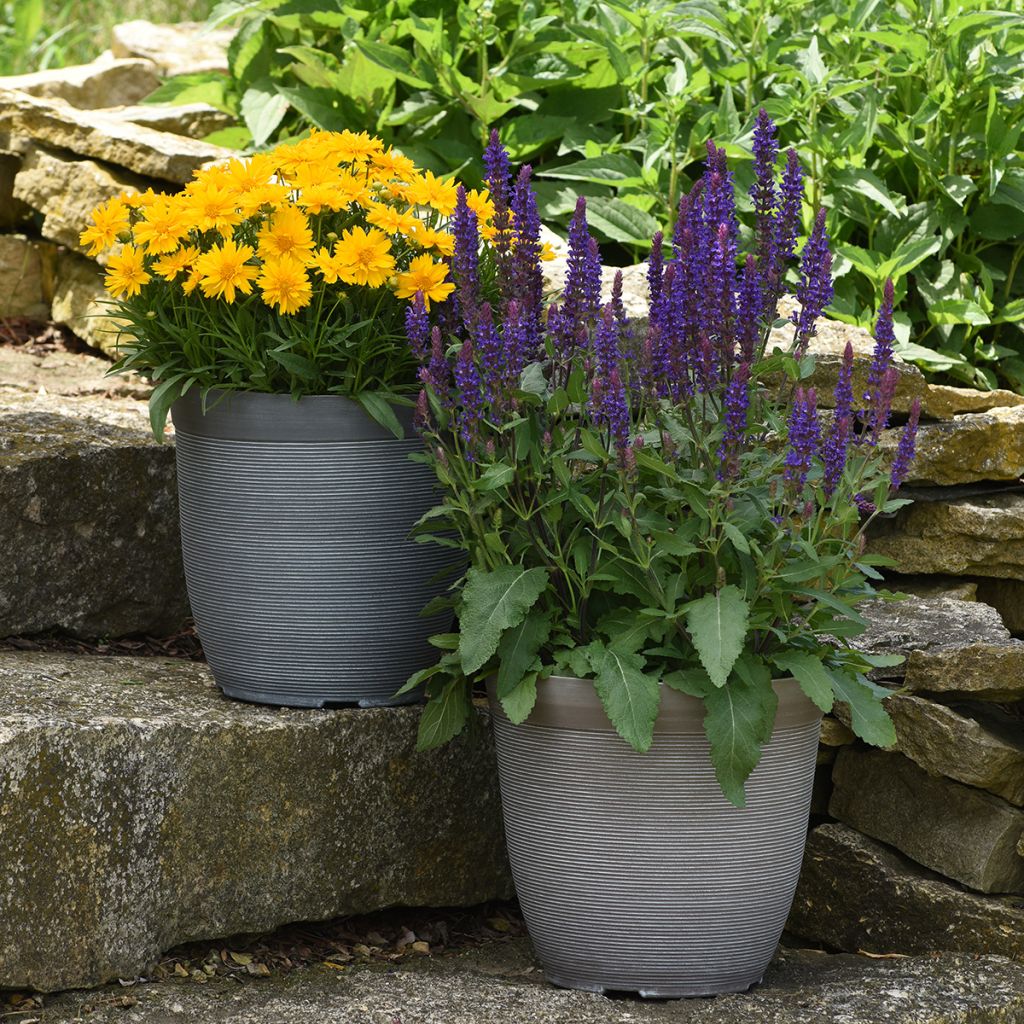
La Salvia nemorosa 'Salvatore Blue' est une sauge des bois vivace qui fleurit l'année du semis. Ses fins épis floraux, d'un bleu-violet profond, mellifères, s'épanouissent durant tout l'été au jardin. Très rustique, peu exigeante, elle s'établit rapidement, et donne beaucoup de charme aux bordures champêtres. Elle prospère au soleil ou à mi-ombre, dans tout sol correctement drainé.
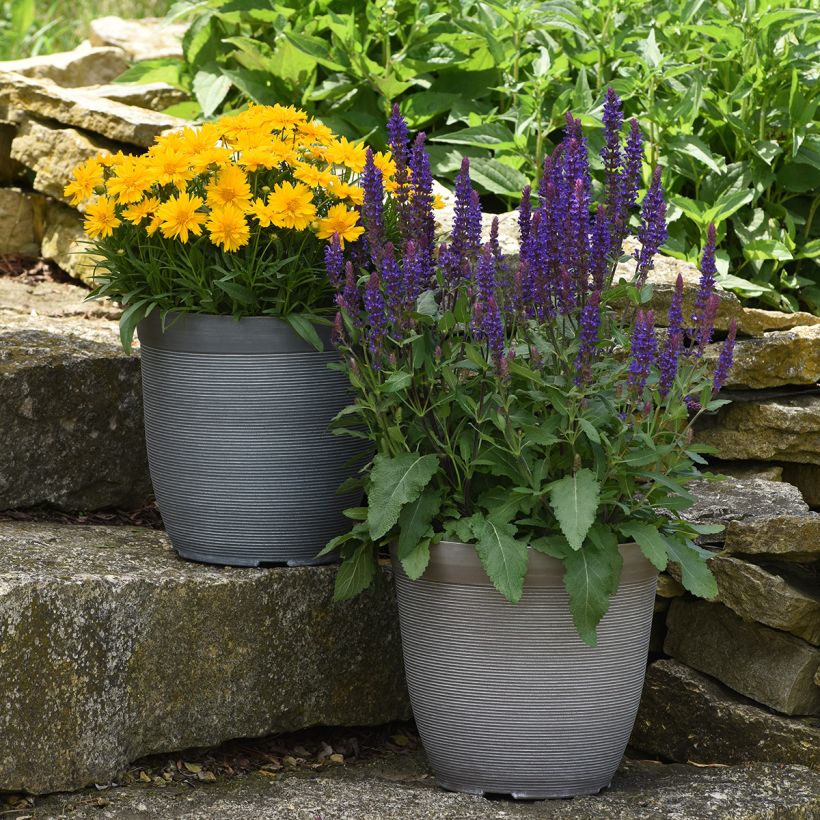
Le Salvia nemorosa est une espèce botanique de la famille des Lamiacées, comme toutes les sauges. C'est une plante herbacée pérenne originaire d'Asie occidentale et d'Europe centrale. 'Salvatore Blue' est un cultivar développé par PanAmerican Seed. Cette sélection offre une alternative de qualité aux sauges des bois : ses épis floraux sont plus grands, d'un bleu violacé très foncé, sur des tiges noires. Elle présente également une floraison plus précoce que celle des variétés habituelles. La plante présente une croissance vigoureuse, elle forme rapidement une touffe compacte et buissonnante atteignant 25 à 30 cm de hauteur et 15 à 20 cm de largeur. Les feuilles sont vert foncé, ovales à lancéolées, mesurent environ 5 cm de long et elles sont de texture légèrement rugueuse. La floraison, s'étendant de mai-juin jusqu'à l'été. Elle prend la forme de petites fleurs tubulaires de 1 cm, regroupées en épis denses de 10 à 15 cm, enchâssées dans des bractées pourpres. Ces fleurs, dépourvues de parfum, attirent les abeilles et les papillons.
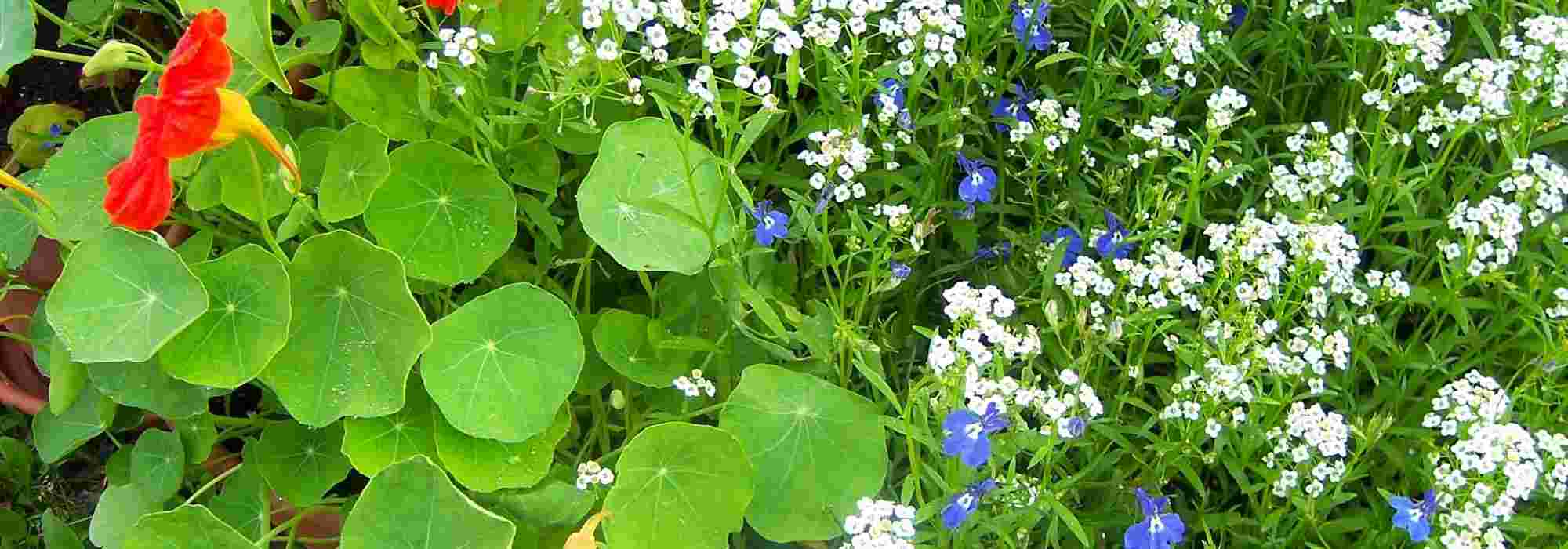
Plantez la sauge 'Salvatore Blue' dans une terre de jardin bien préparée et allégée, même calcaire et un peu sèche en été. Cette variété est superbe en compagnie de plantes à fleurs jaune pâle comme l’Anthemis tinctoria ‘Wargrave Variety’ pour un contraste fort, ou avec l'Achillea ageratifolia au feuillage gris. Associez-la aussi à d'autres sauges comme les sauges officinales et au Lychnis coronaria.
Avec plus de 900 espèces d'annuelles, de vivaces et d'arbustes à bois tendre, distribuées partout à travers le globe, hormis les régions très froides et la forêt tropicale, le genre Salvia est le plus riche de la famille des lamiacées.
Salvia nemorosa 'Salvatore Blue' - Sauge des bois Salvatore Blue in pictures
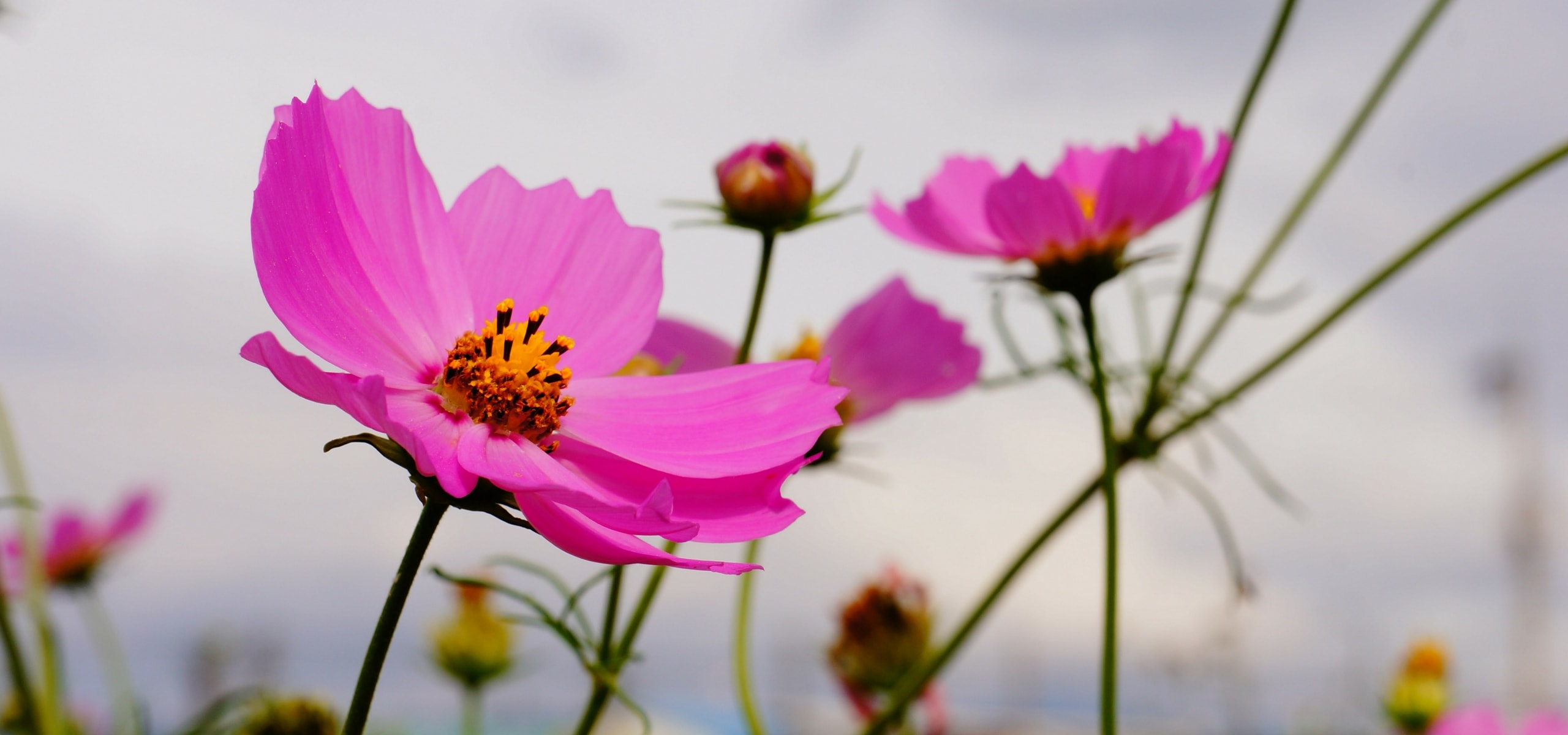
Flowering
Foliage
Plant habit
Botanical data
Salvia
nemorosa
'Salvatore Blue'
Lamiaceae
Salvia x superba Salvatore Blue, Salvia x sylvestris Salvatore Blue
Cultivar or hybrid
Planting and care
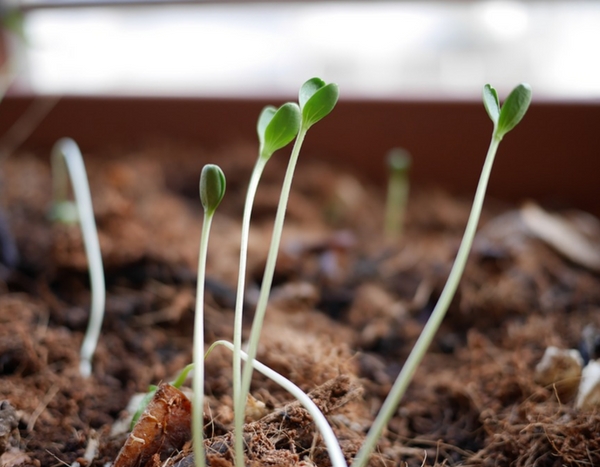
Sow Salvia 'Salvatore Blue' from February to May.
If you cannot provide your sowing with a temperature of at least 15°C, wait until March. Germination can be slow if the temperature is not high enough. A range of 18 to 24°C appears ideal. Sow indoors 8 to 10 weeks before the last frosts. Do not cover the seeds, as light is necessary for germination.
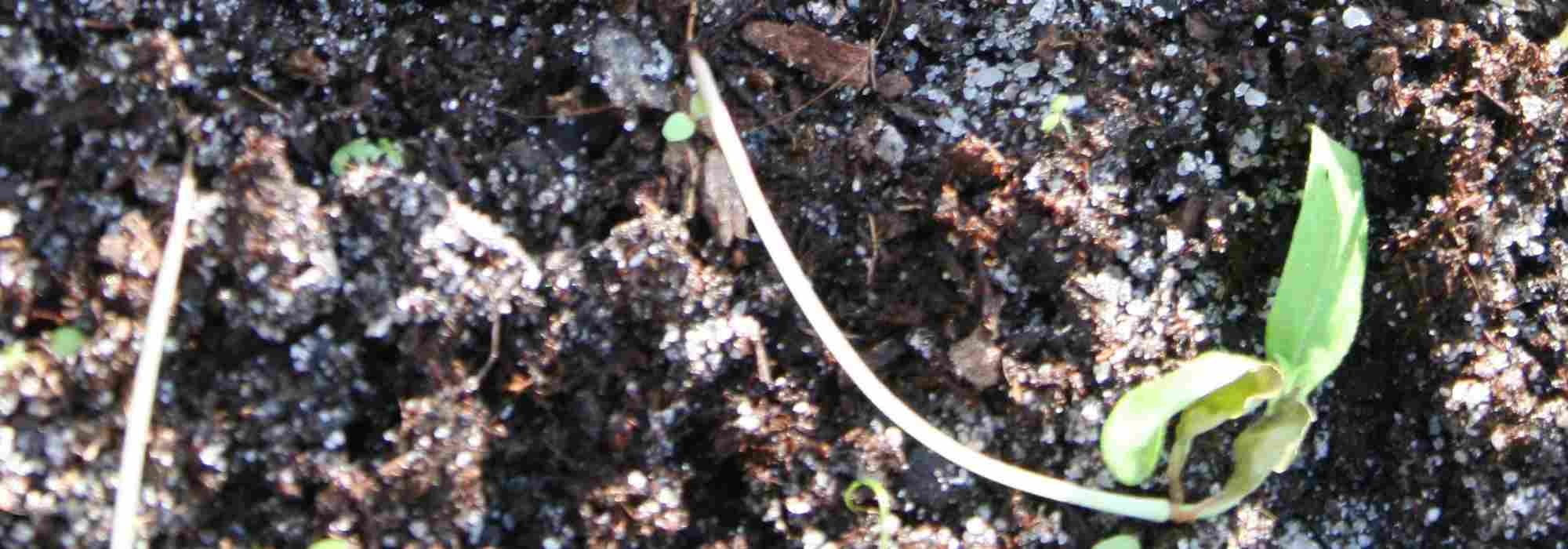
Transplant the young plants if necessary. For best results, choose a larger pot, increasing the size according to the plant's growth. Move the young plants outdoors in late May or early June. Acclimatise them gradually to outdoor conditions for 10 to 15 days before transplanting to their final position. Space them 15 to 30 cm apart. Pinch the tip of the main shoot when the plants reach 15 cm in height to encourage bushy growth.
Cultivation:
Grow Salvia 'Salvatore Blue' in ordinary soil, even rather chalky soil, but above all well-draining. This plant tolerates some drought once well established. It does not appreciate very clayey, sticky soils that are waterlogged in winter, which can harm its hardiness. Plant it in a sunny position or, at a push, in partial shade in hot climates. It is an easy, very floriferous plant. To preserve the sage's vitality, it is good to divide the plant after 3 or 4 years. Plant it in well-worked and lightened soil: to improve soil that is a bit too poor, mix in some horticultural compost.
Sowing period
Intended location
Planting & care advice
-
-
-
-
-

-
-
-
This item has not been reviewed yet - be the first to leave a review about it.
Recently viewed products
Haven't found what you were looking for?
Hardiness is the lowest winter temperature a plant can endure without suffering serious damage or even dying. However, hardiness is affected by location (a sheltered area, such as a patio), protection (winter cover) and soil type (hardiness is improved by well-drained soil).

The flowering period indicated on our website applies to countries and regions located in USDA zone 8 (France, the United Kingdom, Ireland, the Netherlands, etc.)
It will vary according to where you live:- In zones 9 to 10 (Italy, Spain, Greece, etc.), flowering will occur about 2 to 4 weeks earlier.
- In zones 6 to 7 (Germany, Poland, Slovenia, and lower mountainous regions), flowering will be delayed by 2 to 3 weeks.
- In zone 5 (Central Europe, Scandinavia), blooming will be delayed by 3 to 5 weeks.
In temperate climates, pruning of spring-flowering shrubs (forsythia, spireas, etc.) should be done just after flowering.
Pruning of summer-flowering shrubs (Indian Lilac, Perovskia, etc.) can be done in winter or spring.
In cold regions as well as with frost-sensitive plants, avoid pruning too early when severe frosts may still occur.
The planting period indicated on our website applies to countries and regions located in USDA zone 8 (France, United Kingdom, Ireland, Netherlands).
It will vary according to where you live:
- In Mediterranean zones (Marseille, Madrid, Milan, etc.), autumn and winter are the best planting periods.
- In continental zones (Strasbourg, Munich, Vienna, etc.), delay planting by 2 to 3 weeks in spring and bring it forward by 2 to 4 weeks in autumn.
- In mountainous regions (the Alps, Pyrenees, Carpathians, etc.), it is best to plant in late spring (May-June) or late summer (August-September).
The harvesting period indicated on our website applies to countries and regions in USDA zone 8 (France, England, Ireland, the Netherlands).
In colder areas (Scandinavia, Poland, Austria...) fruit and vegetable harvests are likely to be delayed by 3-4 weeks.
In warmer areas (Italy, Spain, Greece, etc.), harvesting will probably take place earlier, depending on weather conditions.
The sowing periods indicated on our website apply to countries and regions within USDA Zone 8 (France, UK, Ireland, Netherlands).
In colder areas (Scandinavia, Poland, Austria...), delay any outdoor sowing by 3-4 weeks, or sow under glass.
In warmer climes (Italy, Spain, Greece, etc.), bring outdoor sowing forward by a few weeks.
Shipping country and language
Your country of residence may be:
Your country of residence is:
For a better user experience on our website, you can select:
Your shipping country:
-
 Austria
-
 Belgium
-
 Bosnia & Herzegovina
-
 Bulgaria
-
 Croatia
-
 Cyprus
-
 Czechia
-
 Denmark
-
 Estonia
-
 Finland
-
 France
-
 Germany
-
 Greece
-
 Hungary
-
 Iceland
-
 Ireland
-
 Italy
Italy
-
 Latvia
-
 Liechtenstein
-
 Lithuania
-
 Luxembourg
-
 Malta
Malta
-
 Netherlands
-
 Poland
-
 Portugal
-
 Romania
-
 Serbia
-
 Slovakia
-
 Slovenia
-
 Spain
Spain
-
 Sweden
-
 Switzerland
Language:
-
French
-
 English
-
Spanish
-
Italian
-
German
-
Portuguese
-
Dutch
-
Finnish
My Account
Hello
My wish lists
My cart
Log in / Register
Existing customer?
This form is protected by reCAPTCHA - the Google Privacy Policy and Terms of Service apply.
New customer?
Create an account to track your orders, access our customer service and, if you wish, make the most of our upcoming offers.