7 groundcover shrubs that flower in spring
Our selection of flowering groundcover plants
Contents
Groundcover shrubs are perfect for dressing soil, offering abundant flowering and bringing colour and diversity to gardens. Whether you are looking to enhance a slope, to fill a woodland understorey or to create a flowering carpet for spring, these shrubs, suited to different soil types and climatic conditions, are easy to maintain and hardy. Discover our selection of 7 groundcover shrubs that flower in spring.

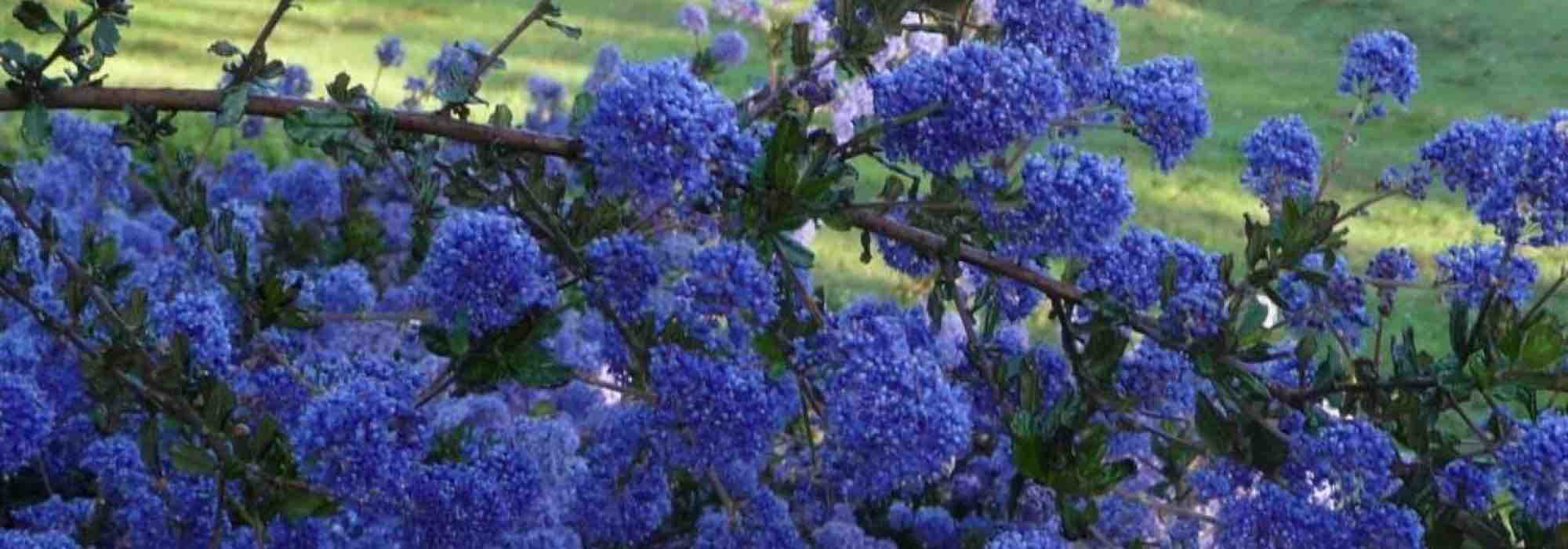
Ceanothus 'Blue Sapphire'
Ceanothus ‘Blue Sapphire’ is a magnificent shrub with intense, deep sapphire-blue flowering. It produces dentate, dark, deep purplish-green foliage and flowering in small clusters. Ideal as groundcover and for low hedges, borders, containers, it tolerates poor soils and resists drought. Preferring warm, sunny positions, it is perfect for coastal and urban gardens, but avoid overly chalky or waterlogged soils.
This ceanothus, hardy to about -10°C, thrives in dry conditions. It is sensitive to excessive moisture, which can be fatal. Native to North America and Mexico, it forms a bushy, spreading shrub with evergreen, dentate leaves. It is a short-lived shrub, rarely living more than around ten years.
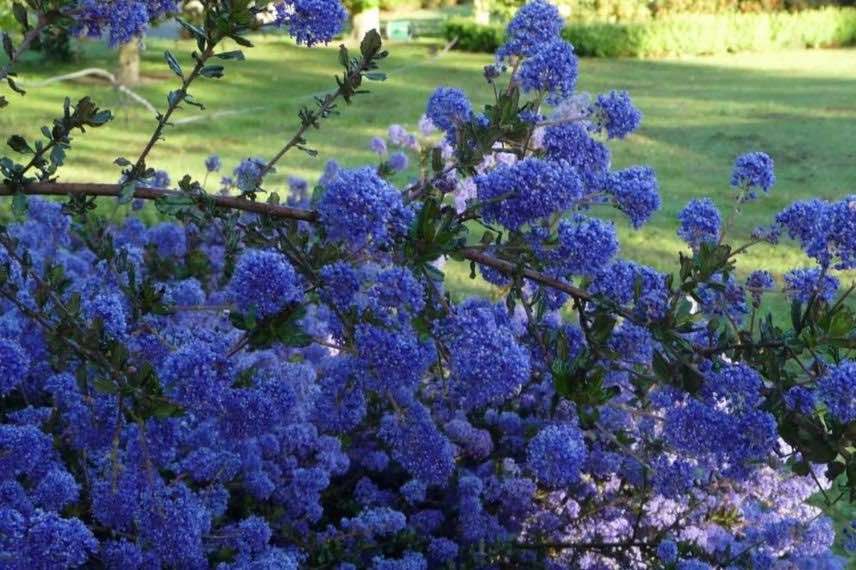
Sarcococca hookeriana humilis
Sarcococca hookeriana humilis, a dwarf shrub with a compact habit, is notable for its dark green leaves and its white flowers flushed with pink in winter. This evergreen shrub retains its appeal throughout the year, including winter, when many other plants are in dormancy.
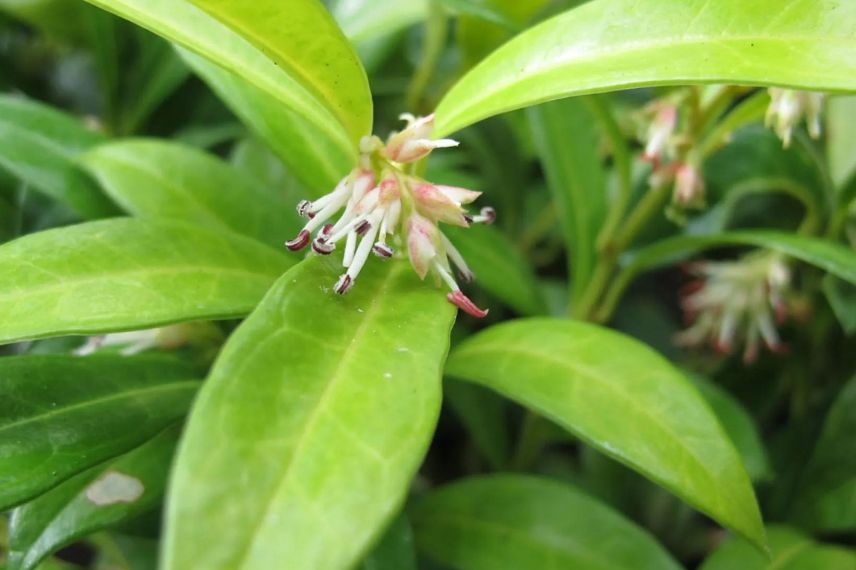
Berberis darwinii 'Compacta'
Berberis darwinii ‘Compacta’, a compact variety of Darwin’s barberry, is a small spiny shrub with dark green, dentate evergreen foliage resembling holly leaves. Young leaves are tinged red, later darkening and contrasting with the orange-yellow, bell-shaped spring flowers. In autumn, glaucous-blue then purplish-black berries, favoured by birds, adorn the shrub. Ideal for a border or low hedge, vigorous and adaptable to sun or partial shade in well-drained soils.
Read also
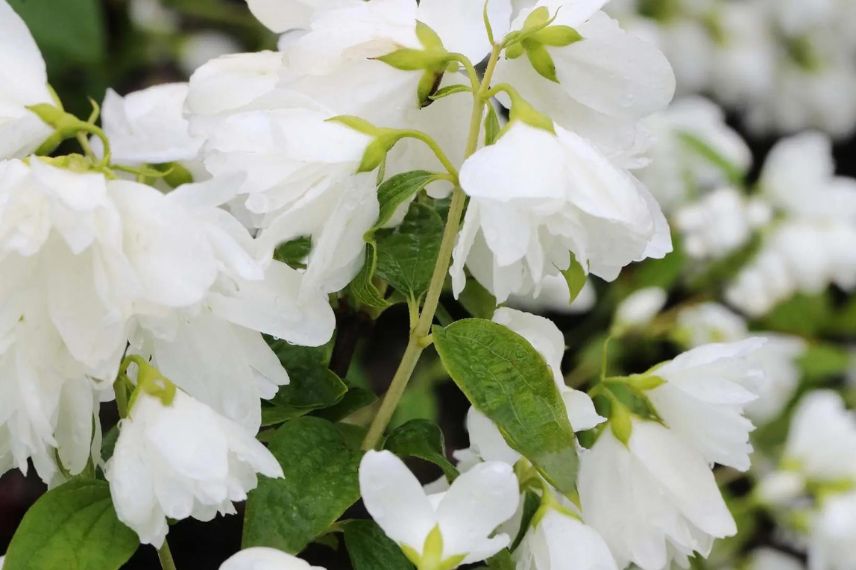
5 groundcovers for clay soilPhiladelphus 'Little White Love'
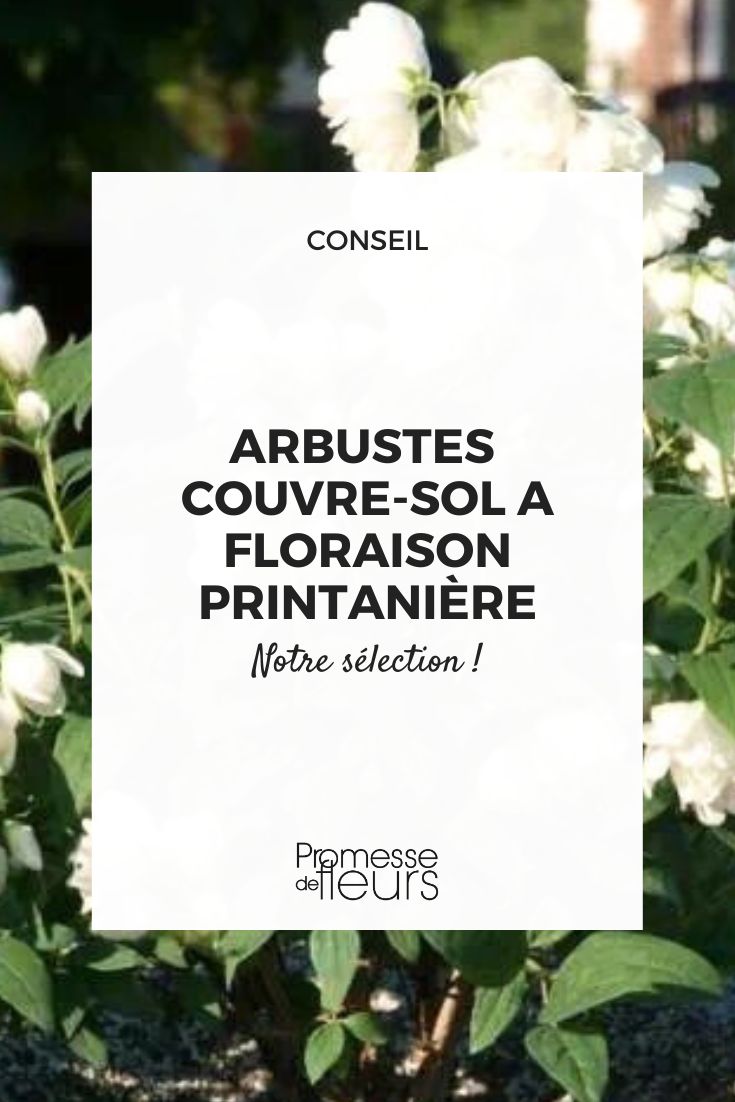
Philadelphus ‘Little White Love’ is a recent variety of Canadian mock orange, small and growing like a bush, forming a dome with slightly arching branches. Between May and July, it is covered in large double white flowers, like pom-poms, and gives off an intense scent reminiscent of old-fashioned varieties. Easy to grow, ideal for small urban gardens and container growing, and forms a generously flowering groundcover, but deciduous.
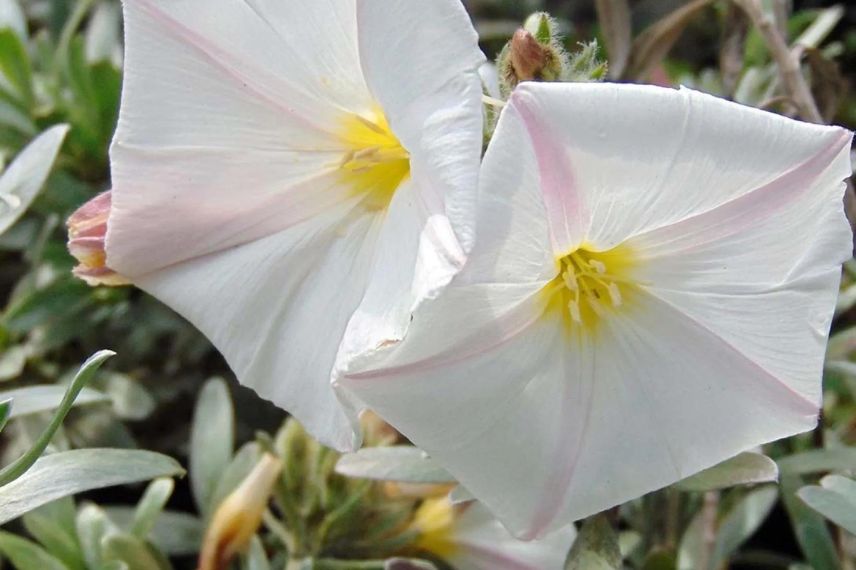
Convolvulus cneorum - Silvery Convolvulus
Convolvulus cneorum or silver bindweed is a Mediterranean shrub of great ornamental value, with silky, silvery, glossy foliage that gleams in the sun. It flowers for a long period, from April to August, producing beautiful white, funnel-shaped flowers veined with pale pink. Decorative all year round, ideal for dry rockeries, coastal gardens or areas without irrigation.
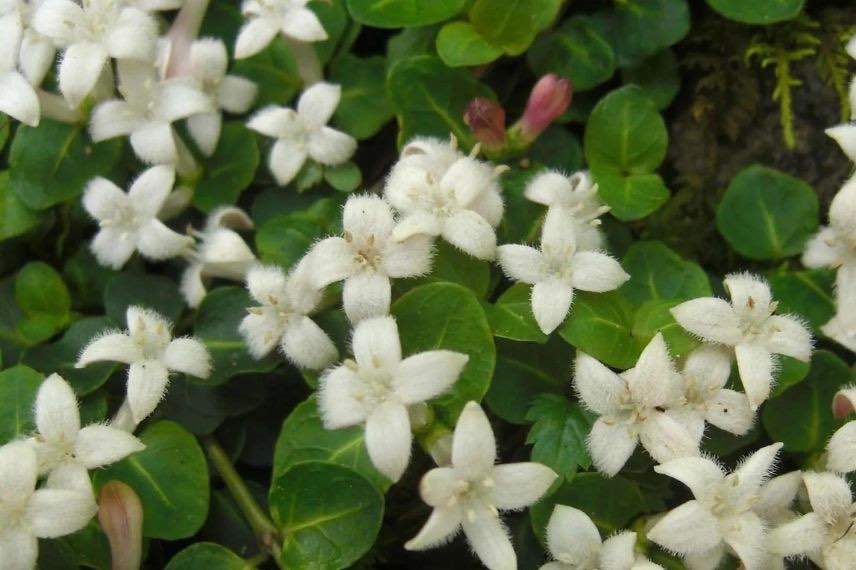
Mitchella repens - Partridgeberry
Mitchella repens, known as partridgeberry, is a little-known prostrate, creeping shrub among gardeners. It is notable for its evergreen, glossy green foliage veined with white, forming over time an elegant groundcover. It bears white flowers, preceded by dark pink buds and followed by red berries that persist until late autumn.
Native to eastern North America, Mitchella repens is a cousin of the coffee plant. It grows in moist to drier woodland, along watercourses or on sandy slopes, and tolerates harsh winters. It has a prostrate, spreading, creeping habit, with short, ramified shoots. Growth is slow, reaching about 10 cm in height with a 1 m spread at maturity. Its small, thick, leathery leaves are oval or heart-shaped, a bright glossy green with veins almost white. Flowering in May and June consists of fragrant tubular flowers borne in pairs.
Mitchella repens is ideal for elegantly covering semi-shaded areas of the garden. It prefers non-calcareous soils and climates neither too warm nor too dry. Perfect at the base of a large hedge or in a rockery, it can also be planted on a large shaded bank, above a wall or retaining wall, or at the edge of a terrace or a path. It pairs well with creeping juniper or small perennials such as hepatica.
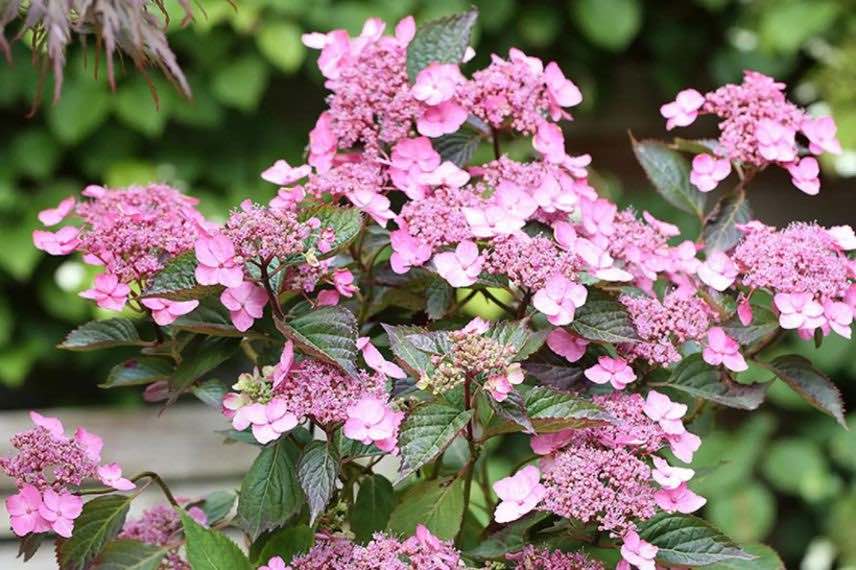
Hydrangea serrata 'Koreana'
Hydrangea serrata ‘Koreana’ is a distinctive hydrangea forming a large flowering cushion, ideal for any garden. Low-growing but spreading, it flowers abundantly from spring to summer and produces striking foliage in autumn. Its flattened inflorescences change colour according to soil pH, from pink to mauve-blue.
Native to Japan and Korea, this hardy montane hydrangea reaches 50 to 60 cm tall and 1 to 1.30 m wide. Its flowering, from late May to July, consists of inflorescences 6 to 10 cm in diameter, with fertile central flowers surrounded by a ring of sterile florets. Red stems and petioles bear oval leaves that turn red–burgundy late in the season. Deciduous, it loses its leaves in winter and can live for more than 50 years.
It prefers cool, acidic soils and a semi-shaded position, it is ideal for gardens in Brittany or Normandy. Suitable for container growing, it is perfect for terraces or entrances, ideal for a large border or as a front-of-border plant in a partly shaded bed. Pair with shrubby fuchsias, hellebores or spring-flowering bulbs for year-round colour.
- Subscribe!
- Contents
This form is protected by reCAPTCHA - the Google Privacy Policy and Terms of Service apply.

































Comments