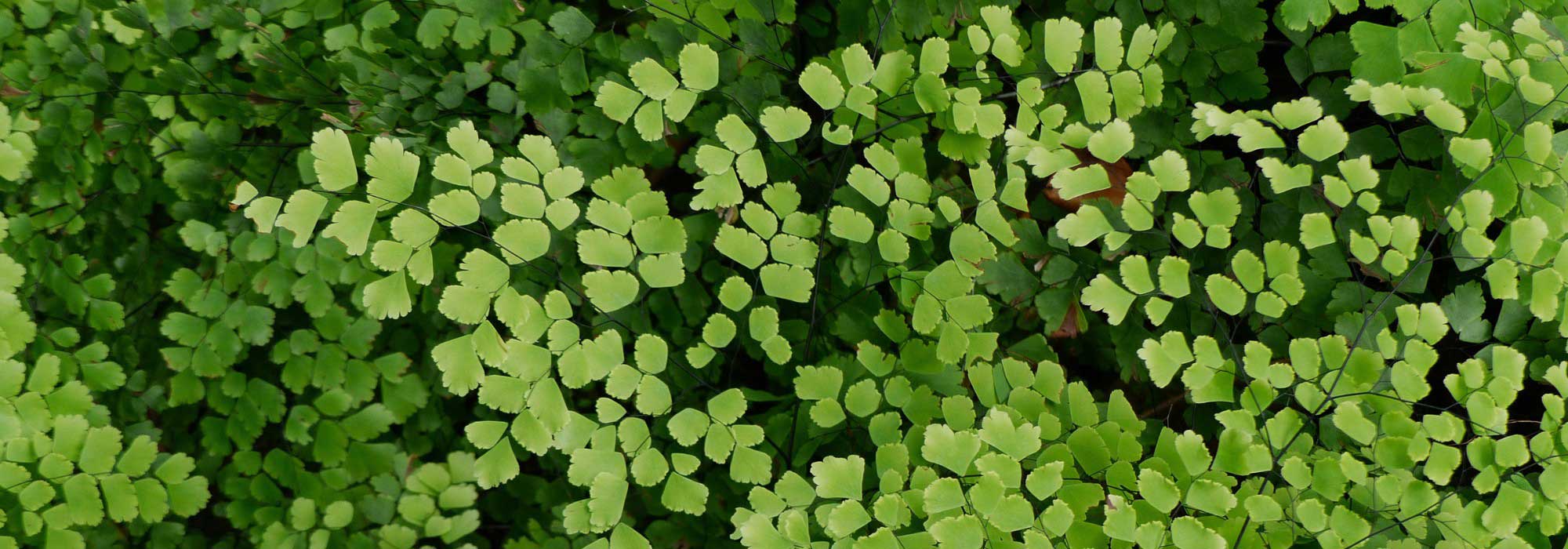
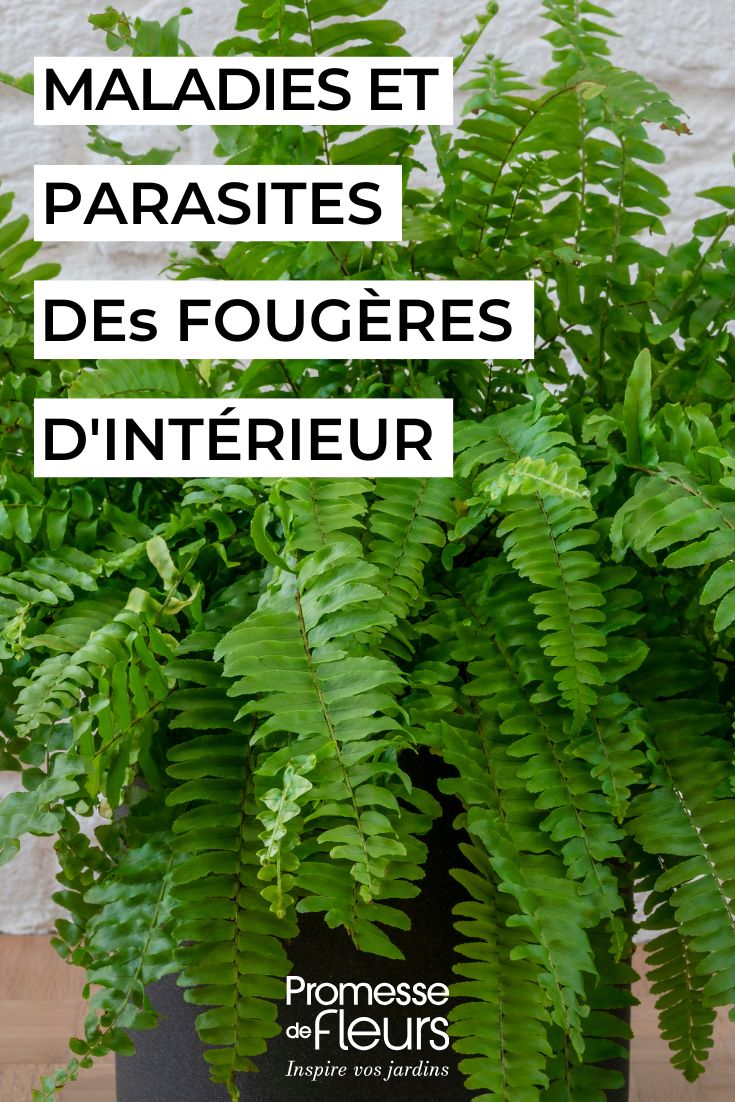
Diseases and pests of indoor ferns
Prevent, recognise and treat
Contents
indoor ferns charm with their light, lush foliage, but they are not immune to certain health problems. Yellowing, dry leaves, suspicious spots or presence of insects… all signs you need to be able to recognise quickly to preserve the health of your plants. Here is a complete guide to identify, prevent and treat the main growing problems affecting indoor ferns, and keep them in tip-top condition!
Fern health: what you need to know
- Indoor ferns become susceptible to diseases and pests when balance is disturbed (imbalance (water, humidity, light))
- The most common diseases are caused by overwatering or fungal infections
- The common pests include scale insects, red spider mites, aphids and thrips
- Regular monitoring enables quick and effective action
- Good growing conditions remain the best prevention
By meeting their natural needs, your ferns will stay healthy and vigorous all year round.
Read also
How to water indoor plants?Most common diseases of indoor ferns
Root rot
Root rot is a common problem for houseplants, particularly those that enjoy moisture such as ferns. It is often linked to poor watering practices or a poorly draining growing medium, and can quickly become fatal if not treated.
Symptoms :
- Leaves yellow, become limp and droop
- Growth is slowed or may stop
- Roots blacken, become soft or slimy
Solutions :
- Remove plant from pot and inspect roots
- Cut away all damaged parts
- Repot into fresh, light, well‑draining growing medium
- Reduce watering frequency and avoid leaving water standing in pot saucer
Tip :
Always touch surface of potting compost before watering. If still moist, wait a while.

Fungal diseases
Fungal diseases encompass several infections caused by microscopic fungi. They often appear when humidity is too high and air circulation around plant is poor.
Symptoms :
- Brown, black or irregular spots appear on fronds
- Leaves wilt or become deformed
Treatment :
- Remove affected parts immediately
- Space plants to improve air circulation
- Avoid wetting foliage when watering
- Place plant in a bright spot but out of direct sun
- Spray with horsetail decoction or bicarbonate of soda
Chlorosis (deficiency)
Chlorosis is a nutritional imbalance that prevents plant from producing chlorophyll properly. It weakens fern over long term. Chlorosis
Cause :
Lack of nutrients (notably iron or nitrogen) or use of hard water.
Symptoms :
- Leaves become pale or yellow, but veins remain green
- Growth is slowed
Solution :
- Apply houseplant fertiliser (in spring/summer)
- Avoid watering with hard water: favour rainwater or filtered water
- Consider repotting plant every one to two years to renew growing medium
Common parasitic pests of indoor ferns
Red spider mites
Red spider mites are actually tiny mites almost invisible to the naked eye. They appear mainly when air is too dry, especially in heated indoor spaces.
Symptoms :
- Foliage becomes dull or discolorous
- Fine webs appear between leaves
- Leaves eventually dry out and fall off
Solution :
- Increase ambient humidity (misting, humidifier, tray of water)
- Shower the plant regularly
- Isolate plant if infestation is severe
- Treat with a garlic decoction or rosemary essential oil
For more information, see our fact sheet “Red spider mites: identification and treatment”.

Mealybugs
Mealybugs are sap-sucking insects that settle discreetly on plants. They can multiply quickly and weaken fern if nothing is done. They appear as small white cottony clusters or brown scaly patches glued to stems and leaves.
Effects :
- Plant weakens progressively
- Leaves become sticky (honeydew)
- Sooty mould may develop. This fungus looks like soot on leaves and limits photosynthesis.
Treatment :
- Remove mealybugs manually with cotton soaked in 70° alcohol
- Spray foliage with an anti-mealybug solution: dilute one teaspoon of black soap, one teaspoon of denatured alcohol and one teaspoon of vegetable oil in 1 litre of water
- Repeat treatment weekly if necessary.
See our fact sheet “Mealybugs: identification and treatment”.
Aphids
Aphids are small green or black insects that feed on sap of young shoots. They multiply rapidly and weaken the plant.
Symptoms :
- Leaves become distorted or curl
- Leaves can become sticky due to honeydew produced by aphids
- Risk of sooty mould appearing
Treatment :
- Spray affected areas with a black soap solution (15–30 g black soap diluted in 1 litre of water)
- If insufficient, use neem oil or a natural insecticide containing pyrethrum
- Monitor new shoots.
Discover our fact sheet “Aphids: identification and treatment”.

Thrips
Thrips are small insects that attack leaf tissues, causing visible damage to foliage. They are discreet and often hard to detect at early stages of infestation.
Symptoms :
- Fronds show small silvery or discoloured speckles
- Leaves become distorted or damaged
- Growth is disrupted
Solutions :
- Isolate plant quickly to prevent spread
- Thrips dislike humidity: mist foliage regularly
- Use a natural treatment (neem oil, garlic decoction, pyrethrum)
- Repeat applications over several weeks.
Our advice sheet “Thrips: identification and natural treatment”.
Read also
Misting indoor plantsPrevention is better than cure
A well-maintained fern rarely falls ill. Prevention is therefore your best ally!
Best practices
- Maintain high humidity and don’t hesitate to mist foliage regularly
- Use a light, airy and well-draining substrate
- Place plant in soft light, away from direct sun
- Avoid draughts and sudden temperature fluctuations
- Water regularly but not excessively, preferably with soft water
- Clean leaves regularly and remove damaged parts as soon as they appear.

Regular checks
Make a habit of checking your fern at least once a week:
- Check undersides of leaves
- Inspect stems and new shoots
- Check condition of substrate.
Early detection enables rapid action and helps avoid heavy treatments.
- Subscribe!
- Contents
This form is protected by reCAPTCHA - the Google Privacy Policy and Terms of Service apply.

































Comments