Sowing vegetable seeds: common mistakes to avoid!
and the best ways to avoid them
Contents
Spring is here and you can feel its call! The return to the vegetable garden often begins with the sowing of the first seeds, a “magical” act that produces tasty vegetables. Yet, in the excitement, gardeners, whether beginner or more experienced, can make mistakes that compromise germination, the vigour of plants and, ultimately, the success of the harvest.
Discover the main sowing mistakes made indoors, under cover or directly in open ground by gardeners, and, above all, the best practices to give yourself the best chance of an abundant harvest.
Sowing mistakes related to timing
Sowing too early or too late
Gardeners often show a touch of excitement. So much so that some may get carried away. Insisting on sowing tomatoes and peppers in February is a common mistake. Sown too early, they become etiolated as they search for light, grow weak and more susceptible to disease before even being pricked out.
Conversely, sowing main-season crops such as radishes, carrots… too late can expose them to excessive heat or summer drought, causing stress and premature bolting.
What to do?
- Consult carefully the sowing calendar specific to your region and your garden’s microclimate.
- Take account of soil temperature for direct sowing.
- For warm-season vegetables (tomatoes, aubergines, peppers, courgettes, melons…), generally aim for 6–8 weeks before planned date of planting out, after last expected frosts.
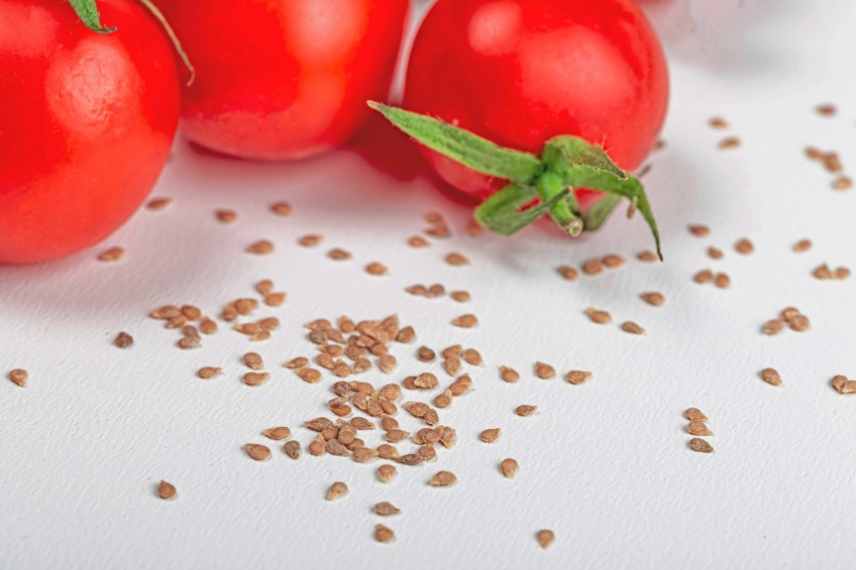
It is essential to respect seed expiry dates
Ignoring seed expiry dates
Sowing seeds found at the bottom of an old packet, expired for several years, is another common mistake. Seed shelf life often ranges from 2 to 5 years. Very old seeds will have a very low or zero germination rate.
What to do?
- Buy seeds for the season.
- Check year of harvest or of packaging on the packet.
- For older seeds, carry out a simple germination test on damp absorbent paper a few days before sowing to assess their viability. For this, follow our advice in the following article: How to test germination of old seeds?
Sowing seeds stored in poor conditions
Storing seeds in poor conditions is a sneaky mistake that directly affects their ability to germinate. Enemy number one is a combination of heat and excessive humidity.
What to do?
Seeds should be kept dry, protected from light and heat. An airtight jar stored in a cool place, such as a cellar or fridge, ensures good conditions for preserving their viability.
Read also
How to do your vegetable sowing indoors?Errors related to substrate or technique
Once you have the right seed at the right time, the way you plant it is crucial — as is the growing medium in which it is sown.
Choosing the wrong growing medium
Using garden soil or a standard multipurpose compost for sowing is a common mistake. Garden soil is often too heavy, compact and may contain pathogens or adventive seeds. Multipurpose compost is generally too nutrient-rich. If it is of mediocre quality, it can be too coarse, preventing good contact between seed and medium.
What to do?
Choose a special seed compost. It is generally finer, sterilised, light — often enriched with perlite or vermiculite — and low in nutrients. This ensures good aeration, excellent drainage and a clean medium, ideal for delicate germination.
Sowing at the wrong depth
Again, this is a classic mistake! Seeds are either buried too deep or left too close to the surface. If a seed is too deep, it will exhaust its energy reserves before reaching the light, or it may rot if the medium is too wet. If it is too shallow, it can dry out quickly or be dislodged by watering.
What to do?
The golden rule is to sow seeds to a depth equal to two to three times their own size. Tiny seeds, such as celery, are often simply pressed onto the surface and covered with a fine layer of vermiculite or a dusting of compost. It can be useful to use a sieve to lightly cover seeds with a fine compost.
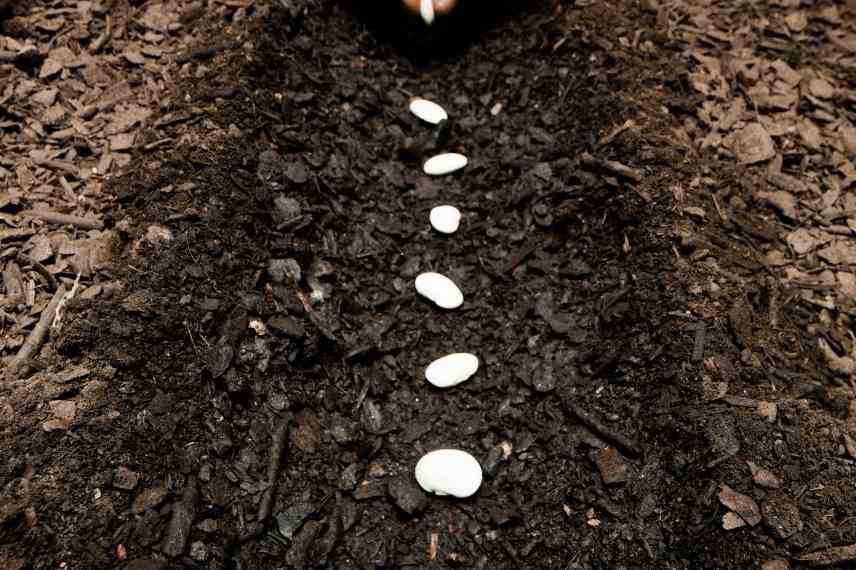
It is essential to sow at the correct spacing and depth
Sowing too densely
Emptying the packet into the furrow is often a mistake made by an over-enthusiastic gardener or one who fears failure. The result: once seedlings emerge, they face fierce competition for light, water and nutrients. They become etiolated, leading to weak, unproductive plants.
What to do?
- For row sowings (carrots, radishes), sow as sparsely as possible. Minimising density from the start is the only way to avoid thinning out.
- For clump sowings (beans, peas, broad beans), follow the recommended number of seeds, often 3–5 per clump.
- For even sowings, mix very fine seeds with a little dry sand before sowing. This helps to distribute them evenly.
Post-sowing problems: thinning, watering...
When sowing seeds, germination is not the only battle to win! Survival and vigour of young seedlings depend on the environment you provide.
Watering too much or too little
Keeping the growing medium constantly waterlogged is a fatal mistake. Excess moisture, combined with poor ventilation, favours development of cryptogamic diseases responsible for damping-off.
Letting the growing medium dry out completely after emergence is also a mistake. Young roots, still shallow, are very sensitive to drought and water stress can kill a seedling within a few hours.
What to do?
- Keep the growing medium moist, but never waterlogged.
- Use a spray bottle to avoid dislodging seeds or young shoots.
- Ideally, water by capillary action by placing the pot in a shallow tray of water for a few minutes, then allow to drain.
Neglecting thinning out
Thinning out is often seen as heartbreaking or wasteful, even a chore, and gardeners tend to want to “give every seedling a chance”. However, failing to thin out condemns all plants to low yields.
What to do?
- Thin out without delay as soon as seedlings have developed their first true leaves (the leaves that appear after the cotyledons).
- Cut the weakest plants off at the base with scissors. Do not pull them out, as that would disturb neighbouring plants’ roots.
- Leave the spacing recommended on the seed packet.
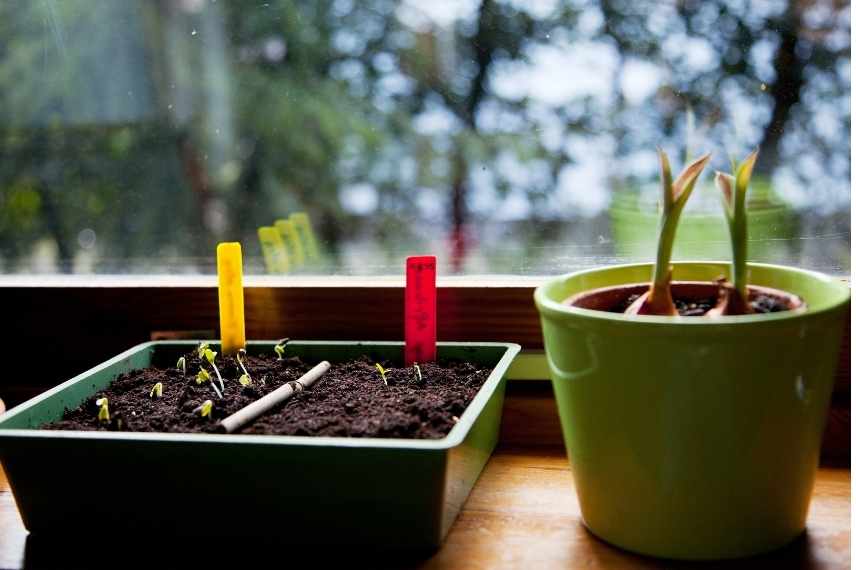
Seedlings need warmth and light
Not giving enough light and warmth
Placing seedlings on a windowsill, even one facing due south, is often insufficient, especially early in the season, between February and March, when light intensity and day length are still low. By instinct, seedlings will then become leggy: they stretch desperately upwards to find light, developing a long, thin, fragile stem. They are said to be etiolated.
Likewise, indoors, some seedlings, such as tomatoes or peppers, need a constant temperature of 20–25 °C.
What to do?
- Place seedlings as close as possible to a very bright window.
- For best results, invest in a LED grow light. Position it 5–15 cm from young seedlings and ensure they receive 14–16 hours of light per day.
- Cover seedlings with plastic or a bottle to retain warmth and humidity.
- Invest in a heat mat or a heated mini propagator to maintain a constant temperature.
Neglecting ventilation of seedlings
Cryptogamic diseases such as damping-off often appear when air stagnates around young plants. Many people leave seedlings under a lid or plastic film for too long. This warm, humid microclimate quickly becomes a favourable environment for fungi.
What to do?
As soon as the first seedlings appear, remove the lid to allow good ventilation. A gentle, not cold draught strengthens stems and prevents mould.
Read also
Germination of vegetable plantsCare and pricking out mistakes
Final stages before permanent planting in the garden are stressful for plants.
Neglecting hardening of sowings
Sudden transplanting of pampered young plants raised indoors (warmth, constant humidity, no breeze) directly into open ground is not a good idea. This thermal and environmental shock stresses young plants to the point of halting growth, causing yellowing, or even killing them. Hardening is essential.
What to do?
For about a week, take sowings outside for a few hours each day, sheltered from wind and kept in shade, then bring them in at night. Gradually increase time spent outdoors until they tolerate outdoor conditions in partial shade. This simple step greatly improves establishment after planting.
Not taking care during transplanting
Transplanting a delicate seedling by pulling it by the stem, or tearing the root system, is common. It’s the best way to cause a serious wound that invites infection or halts growth. The right time is usually when seedlings have two to four true leaves (in addition to the cotyledons). They then have enough roots to withstand handling.
What to do?
- Water lightly before lifting.
- Instead of handling the stem, always hold the seedling by one of its cotyledons, of course very gently.
- If the seedling is transplanted from a rootball (pot), gently squeeze the container to loosen the rootball and handle it carefully, placing it in the hole without compacting it too much.
- Subscribe!
- Contents
This form is protected by reCAPTCHA - the Google Privacy Policy and Terms of Service apply.

































Comments