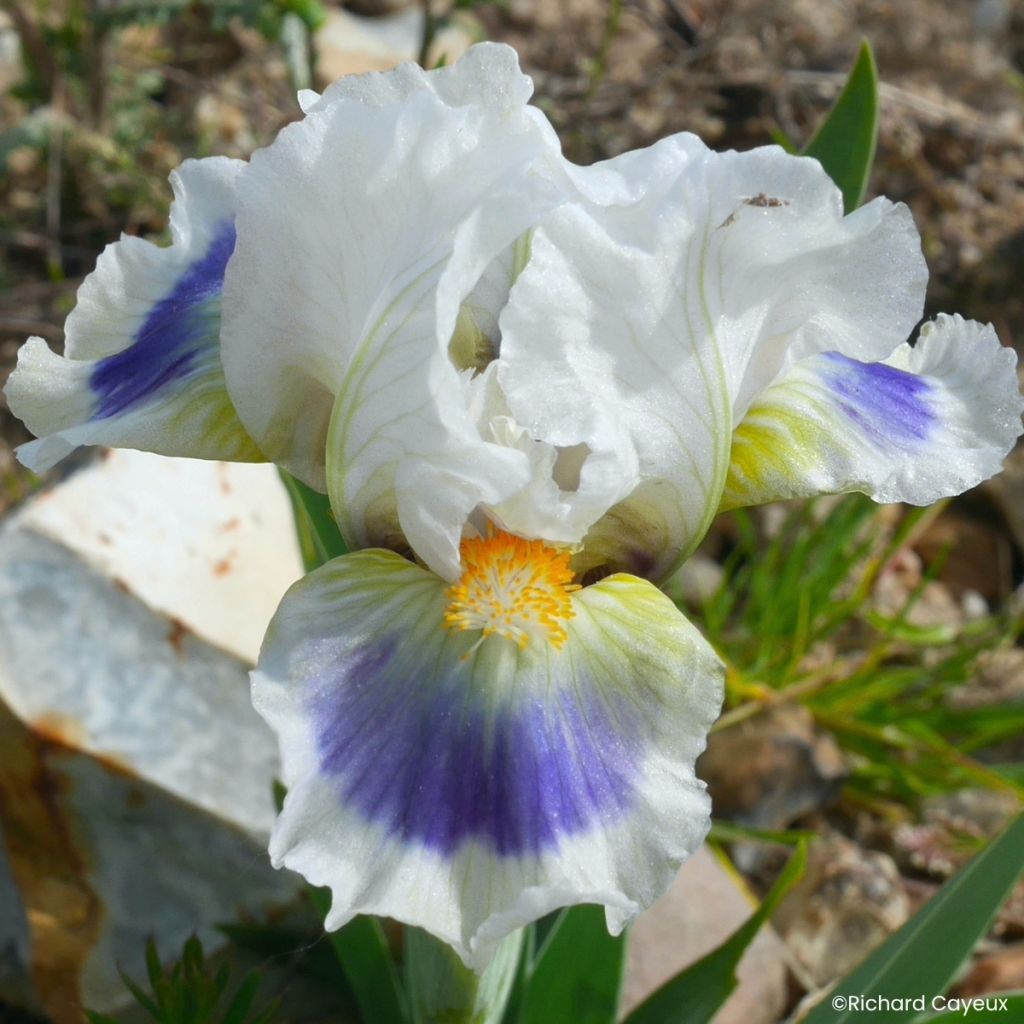
Iris germanica Alas - Dwarf bearded Iris
Iris germanica Alas - Dwarf bearded Iris
Iris germanica Alas
Bearded Iris
Back-to-school special offer!
Get €10 off for every €50 you spend! And get up to €40 off on a single order.
How does it work?
1. Shop your favourites
Add your favourite plants to your basket. For every €50 you spend (excluding delivery charges, store credit and the plastic-free option), you’ll receive a €10 voucher.
€50 spent = €10 voucher
€100 spent = €20 voucher
€150 spent = €30 voucher
€200 spent = €40 voucher
2. Place your order
Once your basket reaches one of the spending thresholds, place your order. You can even choose your delivery date!
3. Receive your voucher
As soon as your order has been shipped, you’ll receive an email containing your personal voucher code and its value.
4. Use it on your next order
Your voucher is valid for 90 days from the date you receive it. It can be used once only, on a new order worth at least the value of the voucher, excluding delivery charges.
Please note: Vouchers can be combined with other offers, but cannot be split or refunded.
Why not try an alternative variety in stock?
View all →
Available in 1 sizes
Available in 2 sizes
Available in 2 sizes
Available in 2 sizes
Available in 2 sizes

Available in 2 sizes
Available in 2 sizes
Available in 2 sizes
Available in 2 sizes
Available in 2 sizes
This plant carries a 12 months recovery warranty
More information
We guarantee the quality of our plants for a full growing cycle, and will replace at our expense any plant that fails to recover under normal climatic and planting conditions.
Would this plant suit my garden?
Set up your Plantfit profile →
Description
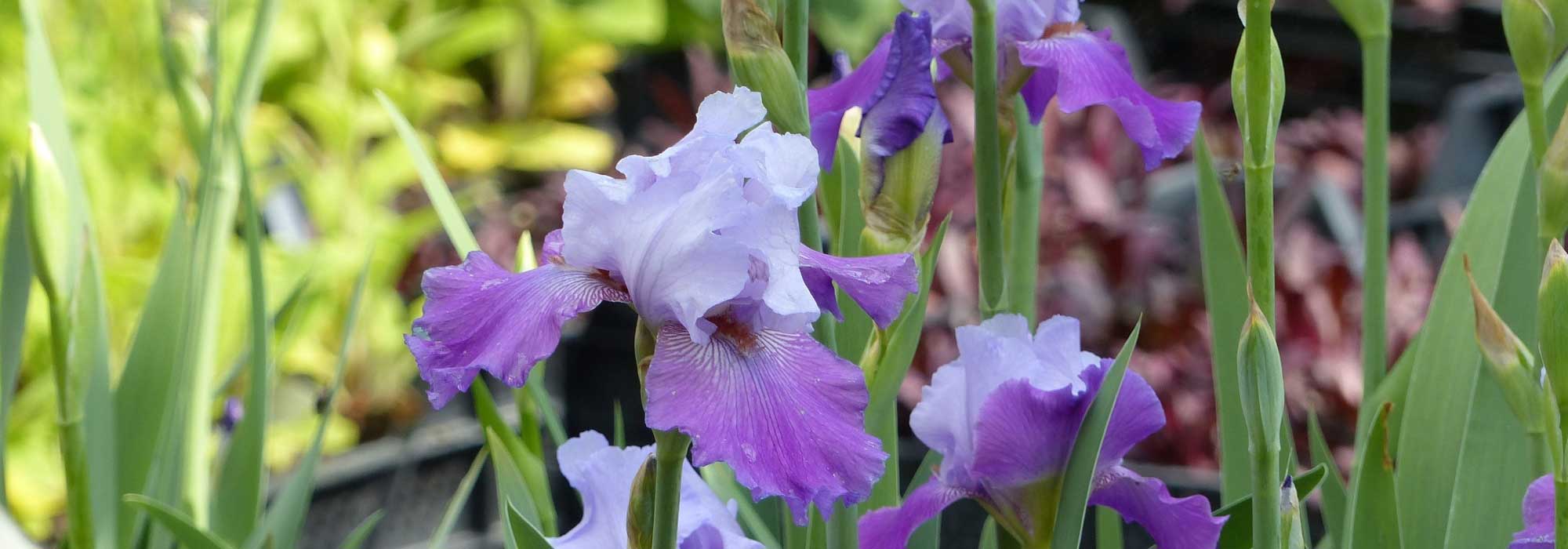
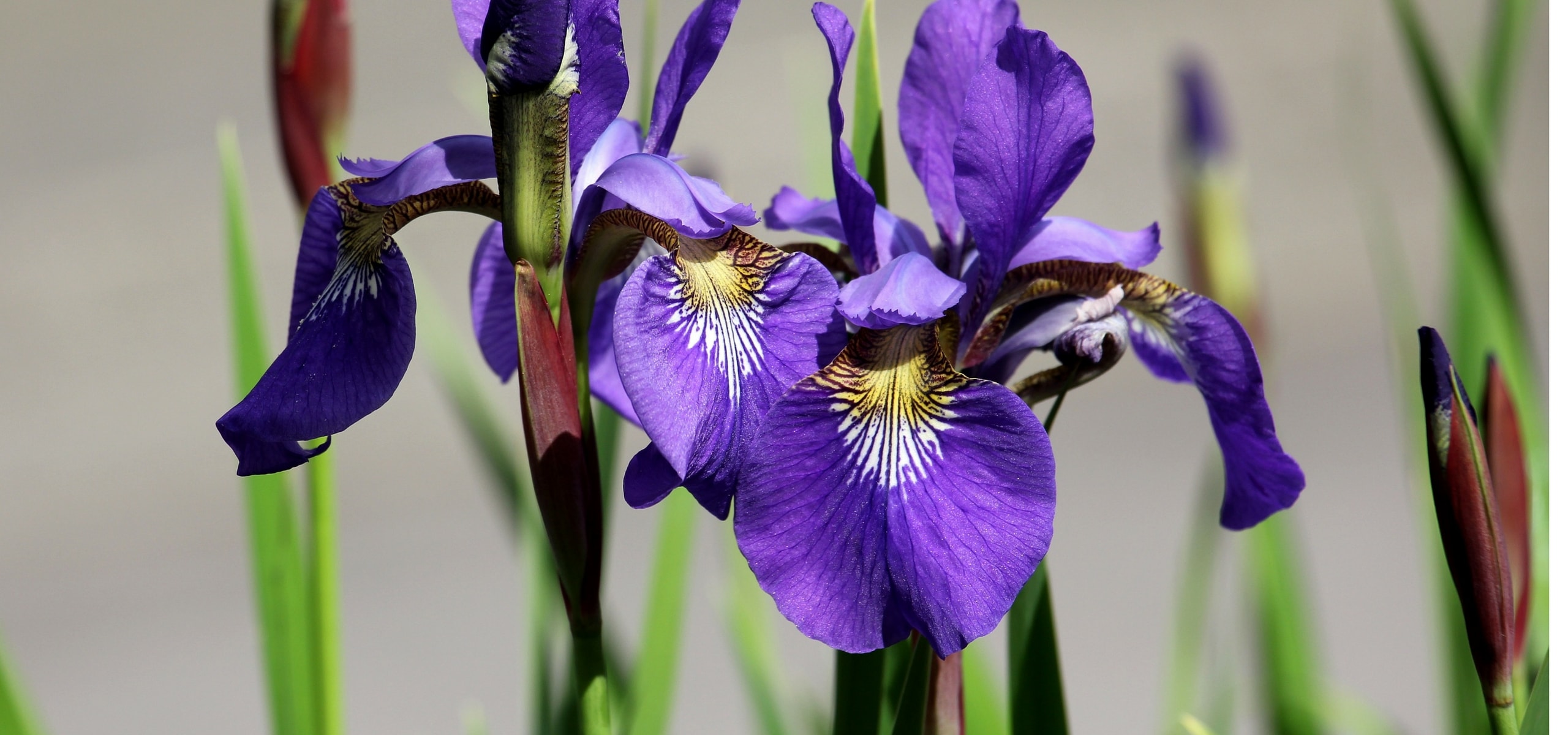
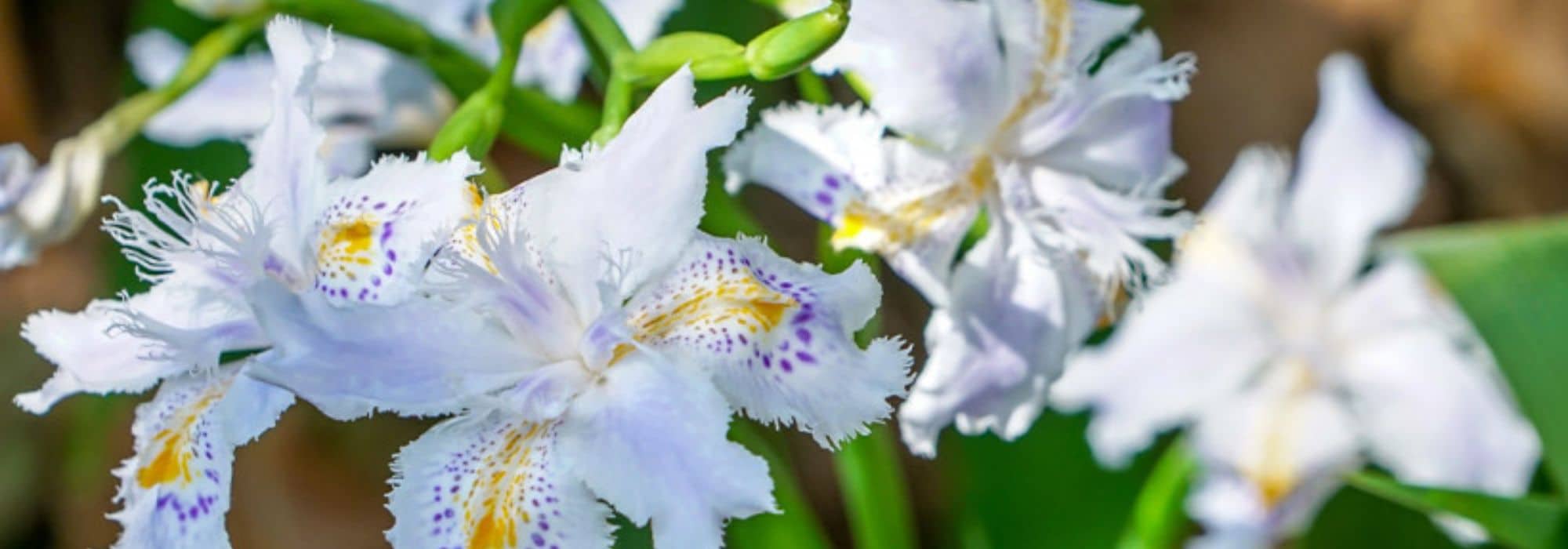
L'iris ‘Alas’ est un iris des jardins nain bicolore aux tons pastel destiné à l'ornement des rocailles ou des murets. Ses fleurs blanches, marquées d’un large spot bleu sur les sépales, sont bien visibles sur une si petite plante. Des barbes blanches pointées d’orange attirent le regard au cœur de la fleur. Cet iris miniature fleurit tôt en saison, entre mars et avril.
‘Alas’ appartient au groupe des iris barbus nains miniatures. Cette catégorie regroupe les plus petits iris barbus, ceux qui ne dépassent pas 20 cm de hauteur en fleur. Ils fleurissent avant les iris Lilliput. La plante forme une touffe très basse de feuilles vert glauque, courtes, étroites et légèrement arquées. Elle pousse à partir d’un rhizome charnu qui s'étale près de la surface du sol. La souche s’élargit lentement. Elle se plante en petit groupe. Chez cette variété 'Alas', chaque fleur se compose de trois pétales dressés blancs et de trois sépales ornés d'un grand spot bleu moyen entouré d'une bande blanche. La gorge montre une nuance vert clair, visible lorsque l’on observe la fleur de près. Les barbes sont blanches, avec des pointes orange ; un détail bienvenu sur ce coloris pastel et frais. Au jardin, la floraison a lieu en mars-avril ou en avril selon les régions.
‘Alas’'est une obtention américaine de Thomas Johnson, enregistrée en 2014 sous le numéro de semis TD203A et introduite la même année par Mid-America Garden. Elle provient du croisement d’un semis issu de ‘Devoted’ × ‘Clever’ avec ‘Easy Does It’. Ce cultivar a reçu une Honorable Mention de l’American Iris Society en 2016, puis un Award of Merit en 2021.
À proximité de cet iris nain ‘Alas’, évitez les plantes tapissantes qui risquent d'étouffer ses rhizomes. Il est préférable de l'associer à des petits bulbes précoces ou à d'autres iris nains. Choisissez par exemple l'Iris pumila ‘Azurea’, bleu clair, l'Iris pumila ‘Bright White’, blanc pur, le Crocus chrysanthus ‘Blue Pearl’, blanc et bleu tendre, et la Tulipa humilis ‘Albocaerulea Oculata’, blanche à cœur bleu nuit. Ces fleurs miniatures composent une palette blanche et bleue débordant de fraîcheur dès la fin de l'hiver.
Flowering
Foliage
Plant habit
Botanical data
Iris
germanica
Alas
Iridaceae
Bearded Iris
Cultivar or hybrid
Planting and care
The dwarf iris 'Alas' is planted from July to October, when it is in rootstock form. Plant it in full sun, in very well-drained soil, even poor and chalky or stony soil. Place the rootstock almost on the surface, with the roots spread downwards; the top must remain visible. Water generously at planting to settle the soil around the roots, then only during dry spells in the weeks following establishment. After that, watering will be unnecessary. Cut back the small faded flower stems after flowering. Divide the clump every three or four years in summer, when the centre flowers less.
Planting period
Intended location
Care
Planting & care advice
-
-
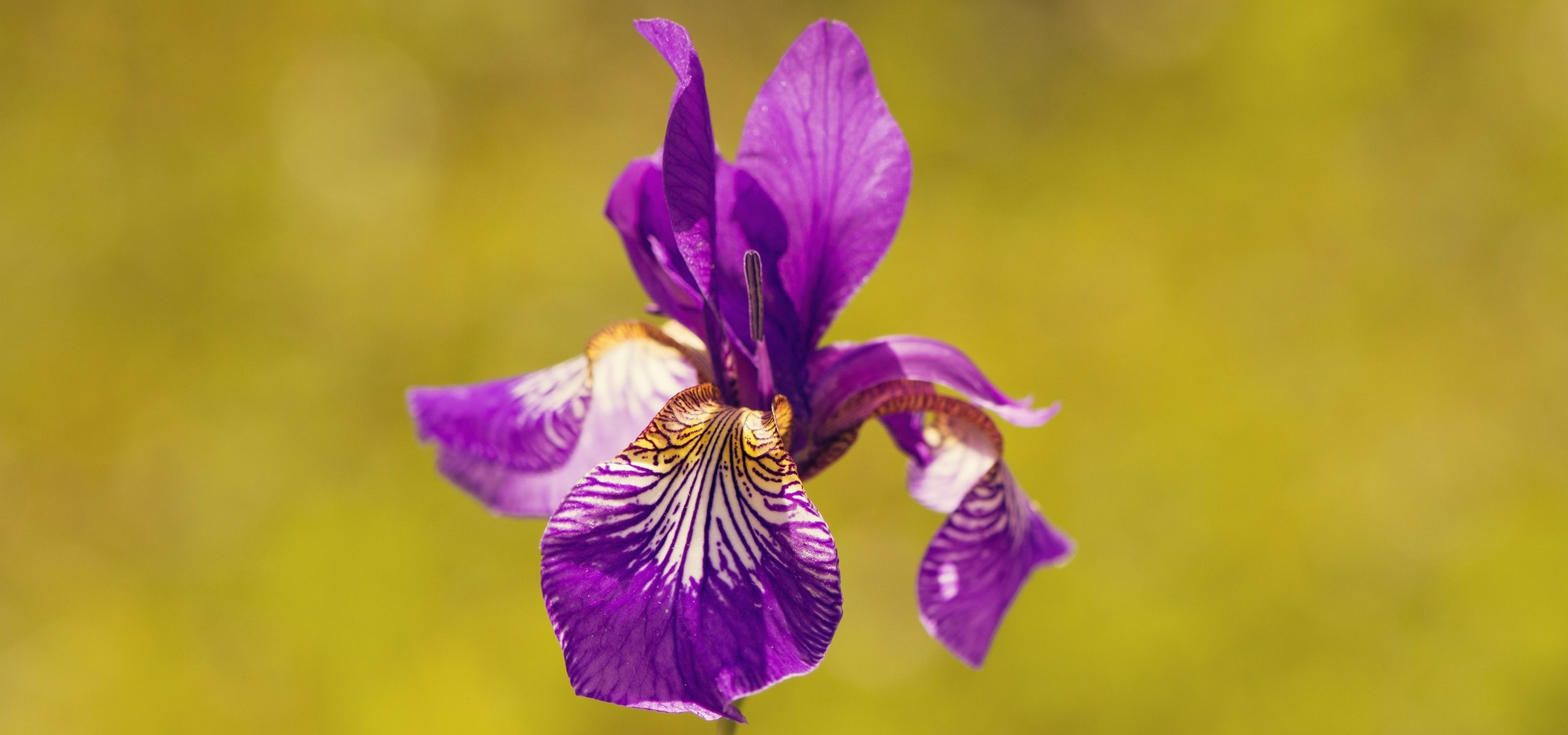
-
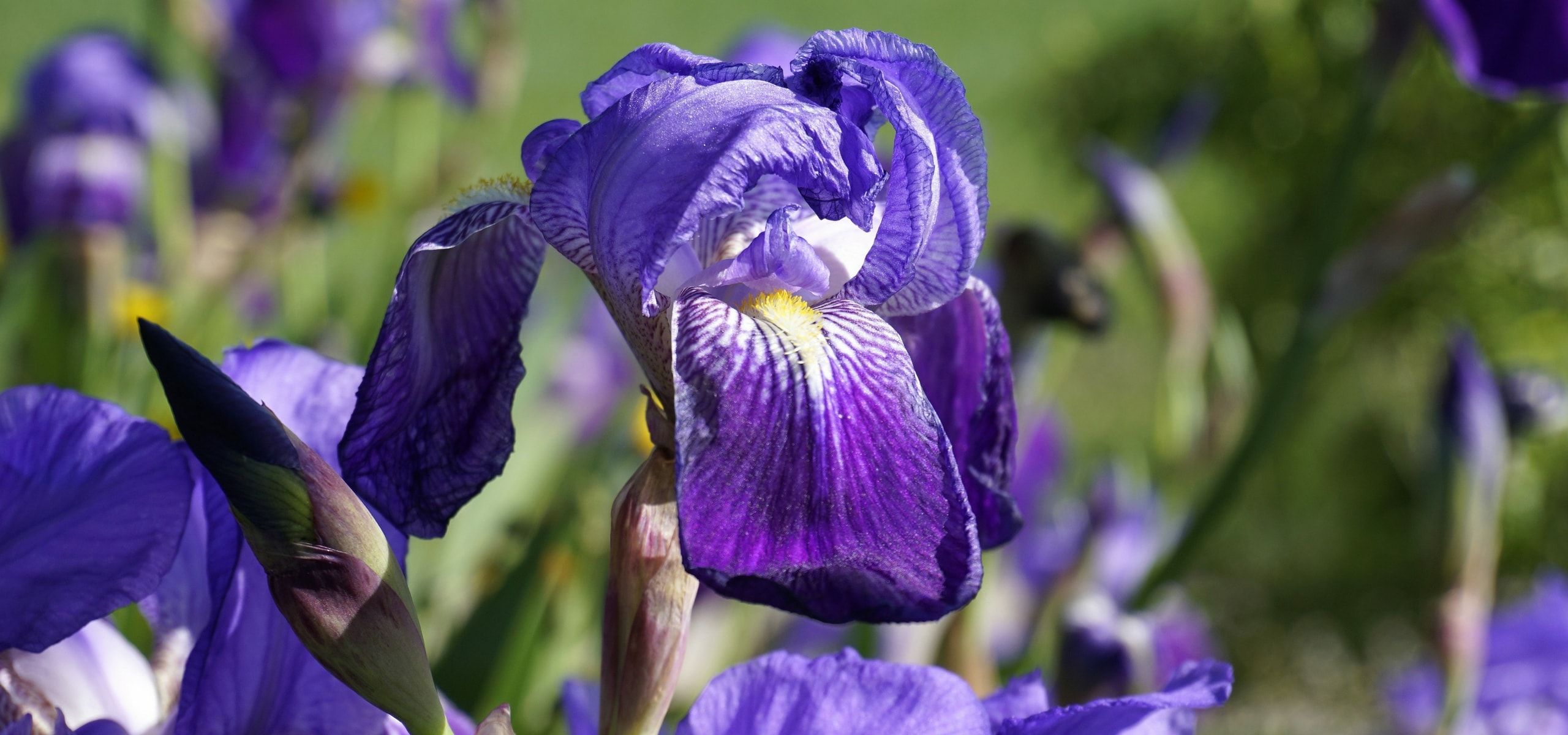
-
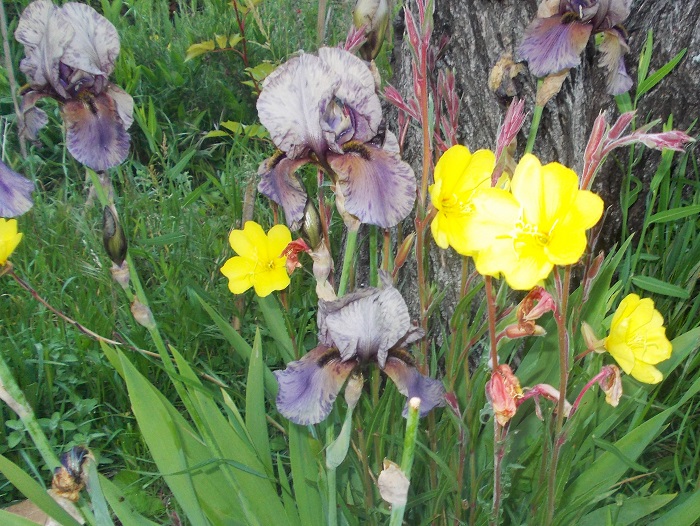
-
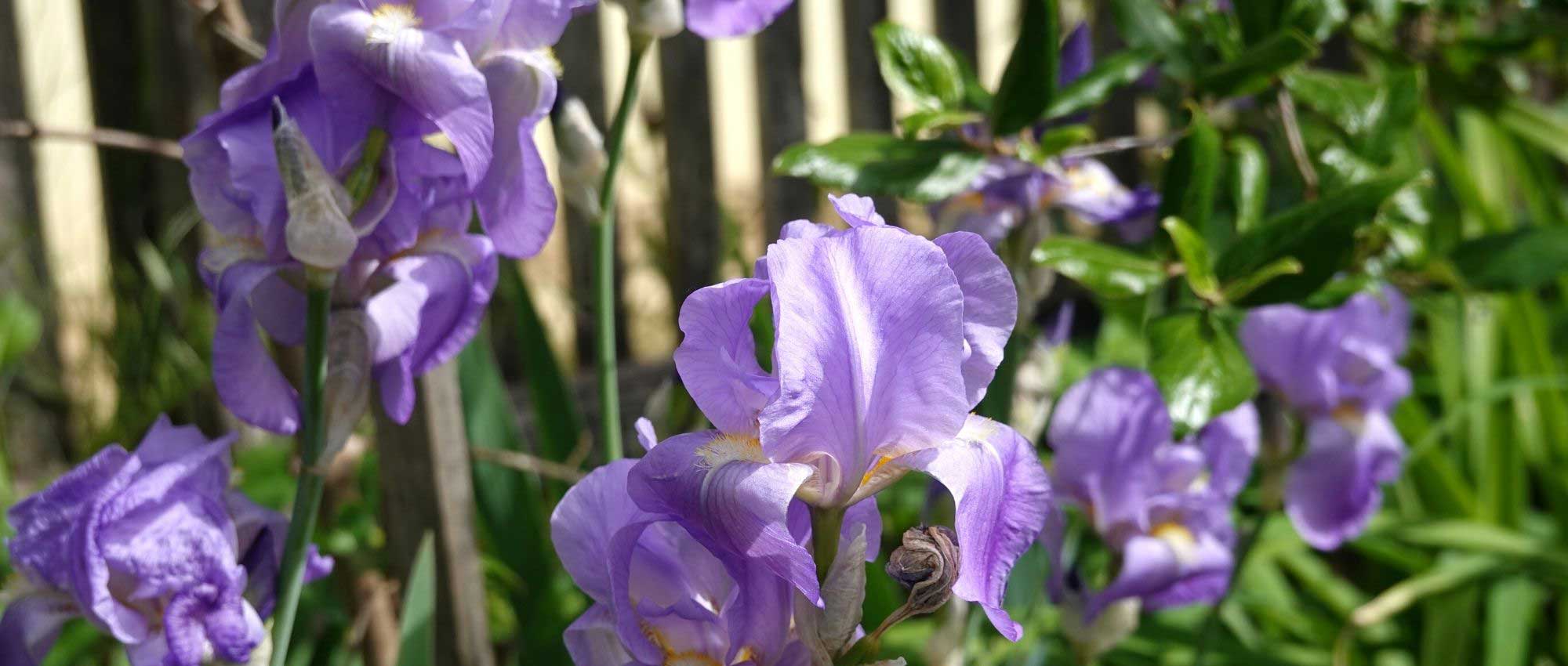
-
-
-
This item has not been reviewed yet - be the first to leave a review about it.
Recently viewed products
Haven't found what you were looking for?
Hardiness is the lowest winter temperature a plant can endure without suffering serious damage or even dying. However, hardiness is affected by location (a sheltered area, such as a patio), protection (winter cover) and soil type (hardiness is improved by well-drained soil).

The flowering period indicated on our website applies to countries and regions located in USDA zone 8 (France, the United Kingdom, Ireland, the Netherlands, etc.)
It will vary according to where you live:- In zones 9 to 10 (Italy, Spain, Greece, etc.), flowering will occur about 2 to 4 weeks earlier.
- In zones 6 to 7 (Germany, Poland, Slovenia, and lower mountainous regions), flowering will be delayed by 2 to 3 weeks.
- In zone 5 (Central Europe, Scandinavia), blooming will be delayed by 3 to 5 weeks.
In temperate climates, pruning of spring-flowering shrubs (forsythia, spireas, etc.) should be done just after flowering.
Pruning of summer-flowering shrubs (Indian Lilac, Perovskia, etc.) can be done in winter or spring.
In cold regions as well as with frost-sensitive plants, avoid pruning too early when severe frosts may still occur.
The planting period indicated on our website applies to countries and regions located in USDA zone 8 (France, United Kingdom, Ireland, Netherlands).
It will vary according to where you live:
- In Mediterranean zones (Marseille, Madrid, Milan, etc.), autumn and winter are the best planting periods.
- In continental zones (Strasbourg, Munich, Vienna, etc.), delay planting by 2 to 3 weeks in spring and bring it forward by 2 to 4 weeks in autumn.
- In mountainous regions (the Alps, Pyrenees, Carpathians, etc.), it is best to plant in late spring (May-June) or late summer (August-September).
The harvesting period indicated on our website applies to countries and regions in USDA zone 8 (France, England, Ireland, the Netherlands).
In colder areas (Scandinavia, Poland, Austria...) fruit and vegetable harvests are likely to be delayed by 3-4 weeks.
In warmer areas (Italy, Spain, Greece, etc.), harvesting will probably take place earlier, depending on weather conditions.
The sowing periods indicated on our website apply to countries and regions within USDA Zone 8 (France, UK, Ireland, Netherlands).
In colder areas (Scandinavia, Poland, Austria...), delay any outdoor sowing by 3-4 weeks, or sow under glass.
In warmer climes (Italy, Spain, Greece, etc.), bring outdoor sowing forward by a few weeks.
Shipping country and language
Your country of residence may be:
Your country of residence is:
For a better user experience on our website, you can select:
Your shipping country:
-
 Austria
-
 Belgium
-
 Bosnia & Herzegovina
-
 Bulgaria
-
 Croatia
-
 Cyprus
-
 Czechia
-
 Denmark
-
 Estonia
-
 Finland
-
 France
-
 Germany
-
 Greece
-
 Hungary
-
 Iceland
-
 Ireland
-
 Italy
Italy
-
 Latvia
-
 Liechtenstein
-
 Lithuania
-
 Luxembourg
-
 Malta
Malta
-
 Netherlands
-
 Poland
-
 Portugal
-
 Romania
-
 Serbia
-
 Slovakia
-
 Slovenia
-
 Spain
Spain
-
 Sweden
-
 Switzerland
Language:
-
French
-
 English
-
Spanish
-
Italian
-
German
-
Portuguese
-
Dutch
-
Finnish
My Account
Hello
My wish lists
My cart
Log in / Register
Existing customer?
This form is protected by reCAPTCHA - the Google Privacy Policy and Terms of Service apply.
New customer?
Create an account to track your orders, access our customer service and, if you wish, make the most of our upcoming offers.