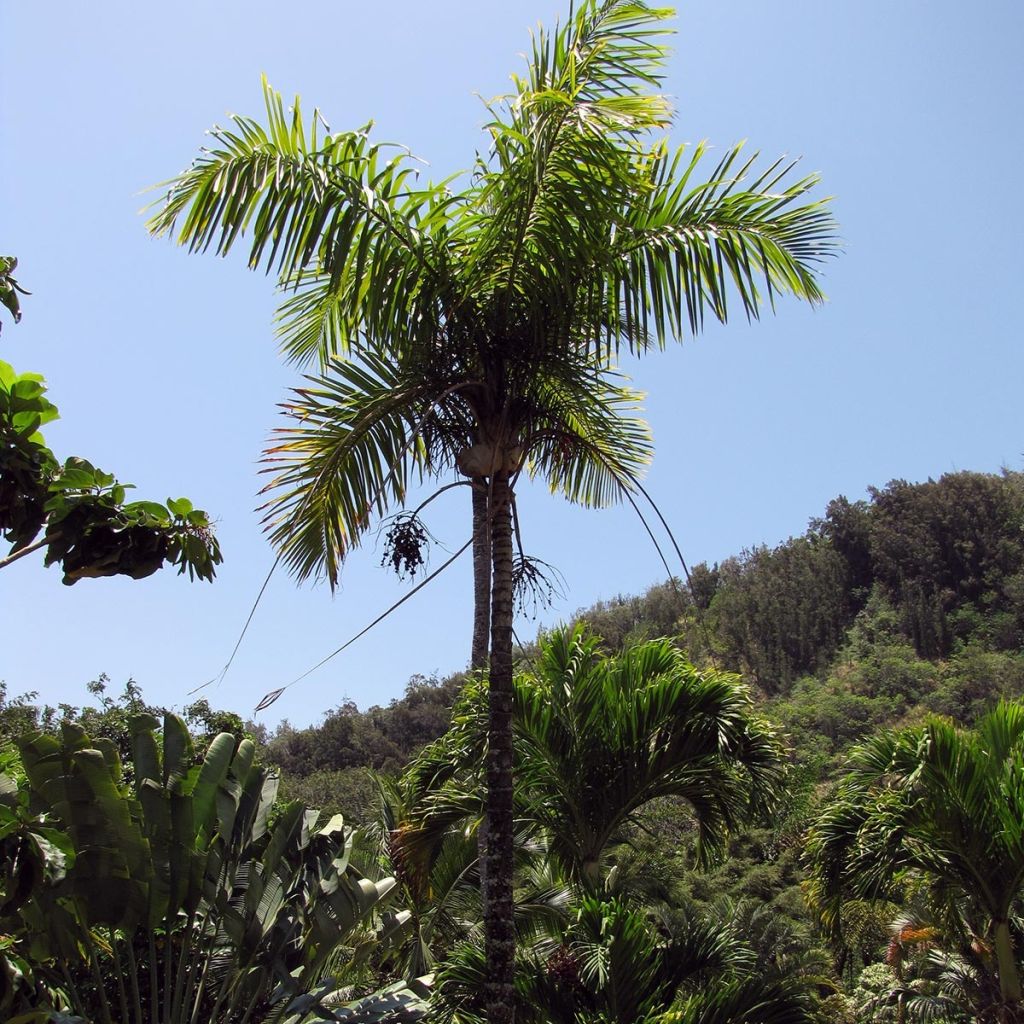
Gaussia maya
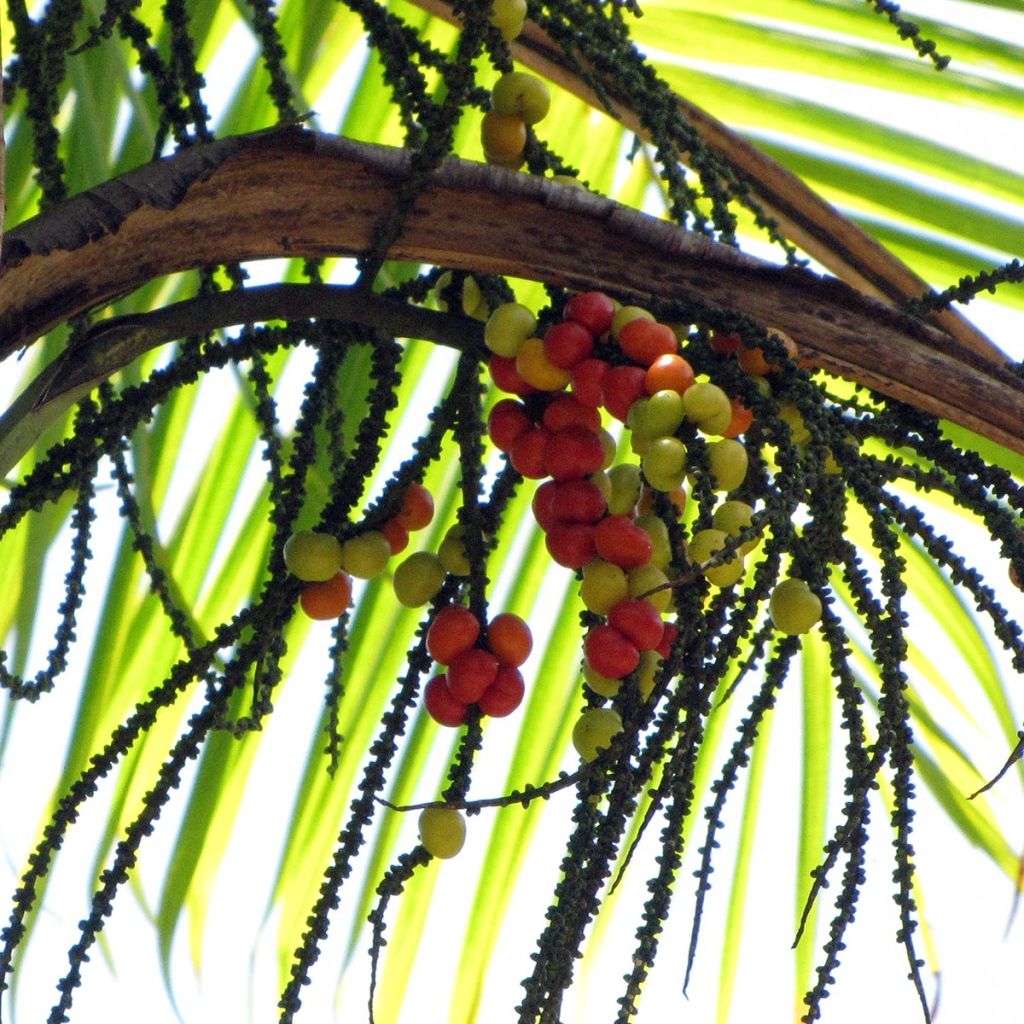
Gaussia maya
Gaussia maya
Gaussia maya
Back-to-school special offer!
Get €10 off for every €50 you spend! And get up to €40 off on a single order.
How does it work?
1. Shop your favourites
Add your favourite plants to your basket. For every €50 you spend (excluding delivery charges, store credit and the plastic-free option), you’ll receive a €10 voucher.
€50 spent = €10 voucher
€100 spent = €20 voucher
€150 spent = €30 voucher
€200 spent = €40 voucher
2. Place your order
Once your basket reaches one of the spending thresholds, place your order. You can even choose your delivery date!
3. Receive your voucher
As soon as your order has been shipped, you’ll receive an email containing your personal voucher code and its value.
4. Use it on your next order
Your voucher is valid for 90 days from the date you receive it. It can be used once only, on a new order worth at least the value of the voucher, excluding delivery charges.
Please note: Vouchers can be combined with other offers, but cannot be split or refunded.
Why not try an alternative variety in stock?
View all →
Available in 5 sizes
Available in 4 sizes
Available in 2 sizes
Available in 1 sizes
Available in 6 sizes
Available in 1 sizes
Available in 1 sizes
Available in 1 sizes
Available in 1 sizes
Available in 1 sizes
This plant carries a 24 months recovery warranty
More information
We guarantee the quality of our plants for a full growing cycle, and will replace at our expense any plant that fails to recover under normal climatic and planting conditions.
Would this plant suit my garden?
Set up your Plantfit profile →
Description
Gaussia maya, formerly known as Opsiandra maya, or also called the Maya Palm, is a species that will delight enthusiasts of unusual tropical plants. While its appearance is rather typical for a palm tree, with a characteristic silhouette where a long trunk is topped by a cluster of green fronds, this species piques the curiosity of botanists and scientists due to the peculiarity of its flowering, which occurs at a different time, following a triggering mechanism that is still unexplained. Although many years are required to witness this phenomenon, and it does not always occur in our climates, this palm tree remains a beautiful collectible plant. It will be a striking addition to a terrace or a balcony during the warm season, preferably in partial shade.
Gaussia maya belongs to the Arecaceae family, like all palm trees. It is native to Belize, Guatemala, and southeastern Mexico. In the wild, it is found, increasingly rarely, on rocky outcrops and limestone hills, in humid forest environments. This species is considered endangered. When young, this palm tree appreciates a shaded exposure, slightly moist but well-drained soil, while older specimens can withstand sunnier locations. In tropical America, depending on its location, it reaches an average height of 9 m (5 to 20m (16 ft 5 in to 65 ft 7 in)) and a width of 4 m (13 ft 1 in). Grown in a pot or container, its dimensions will be more modest.
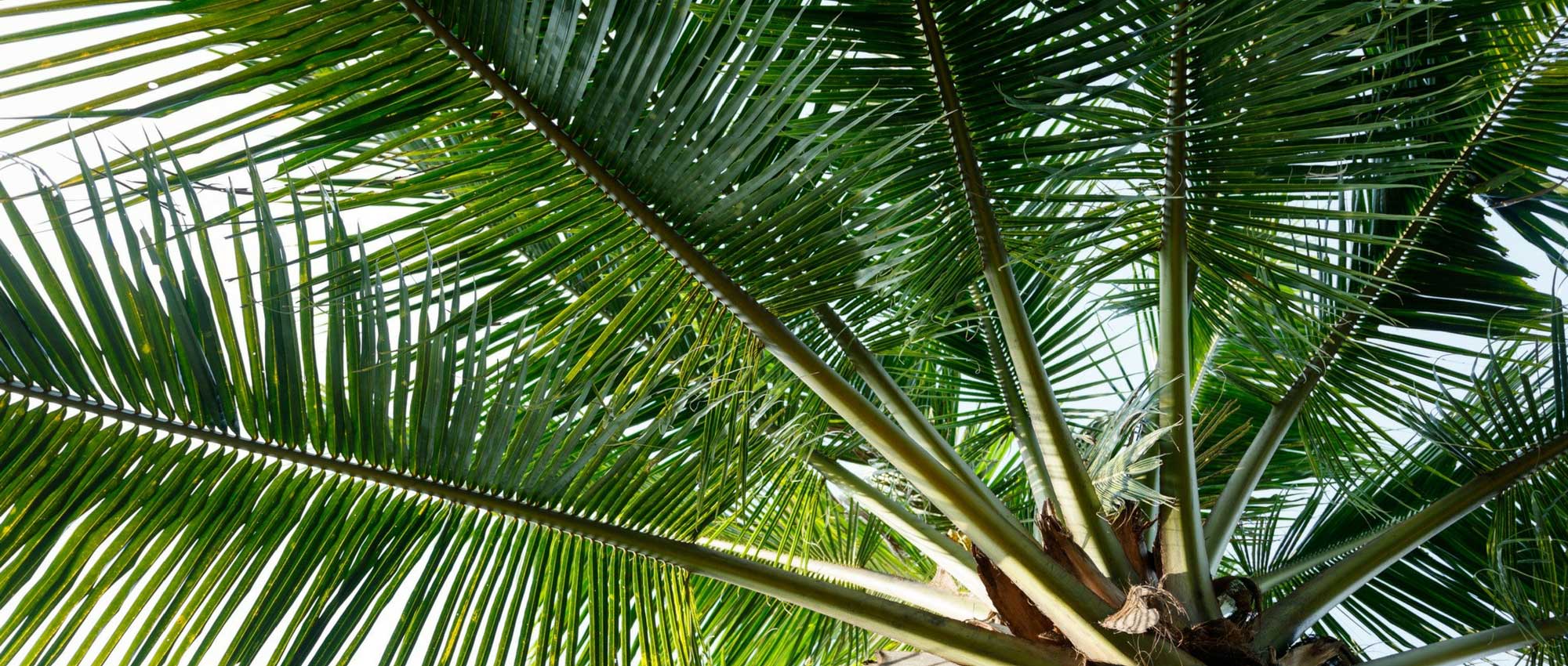
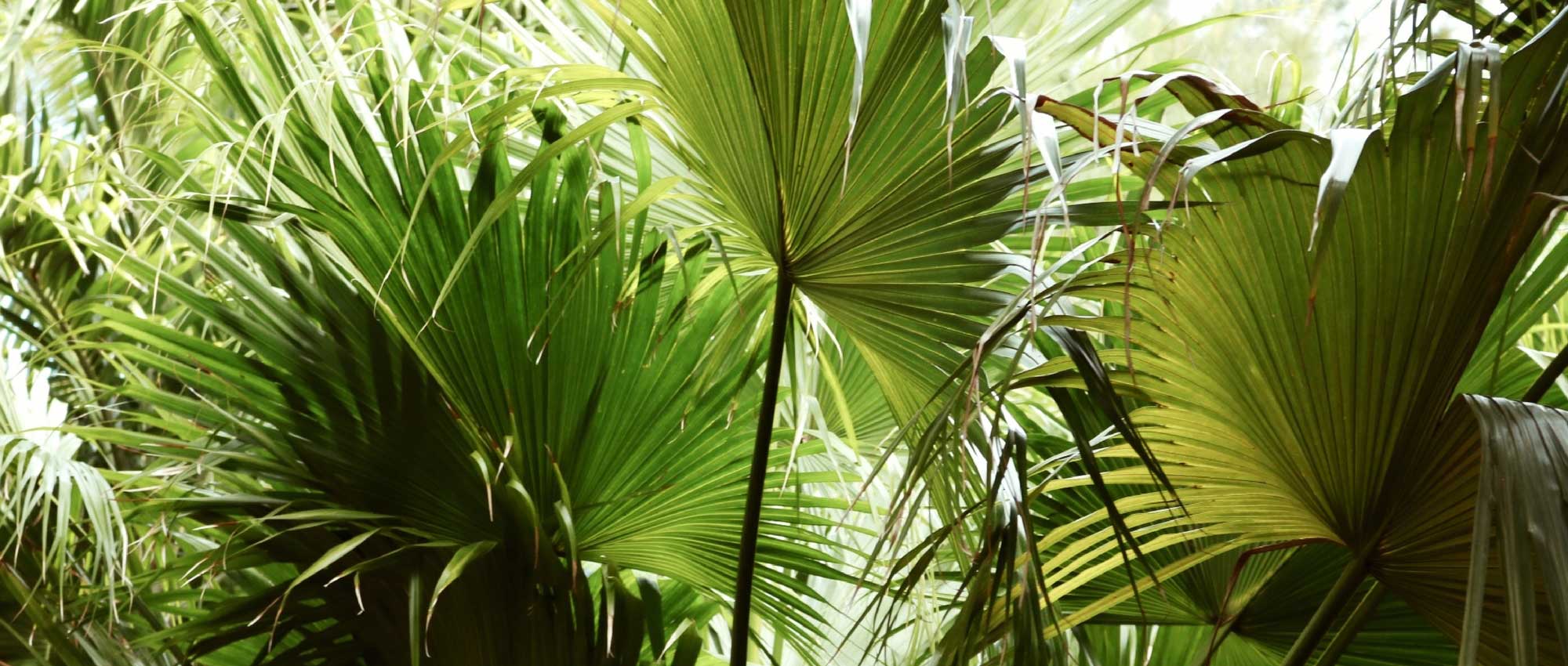
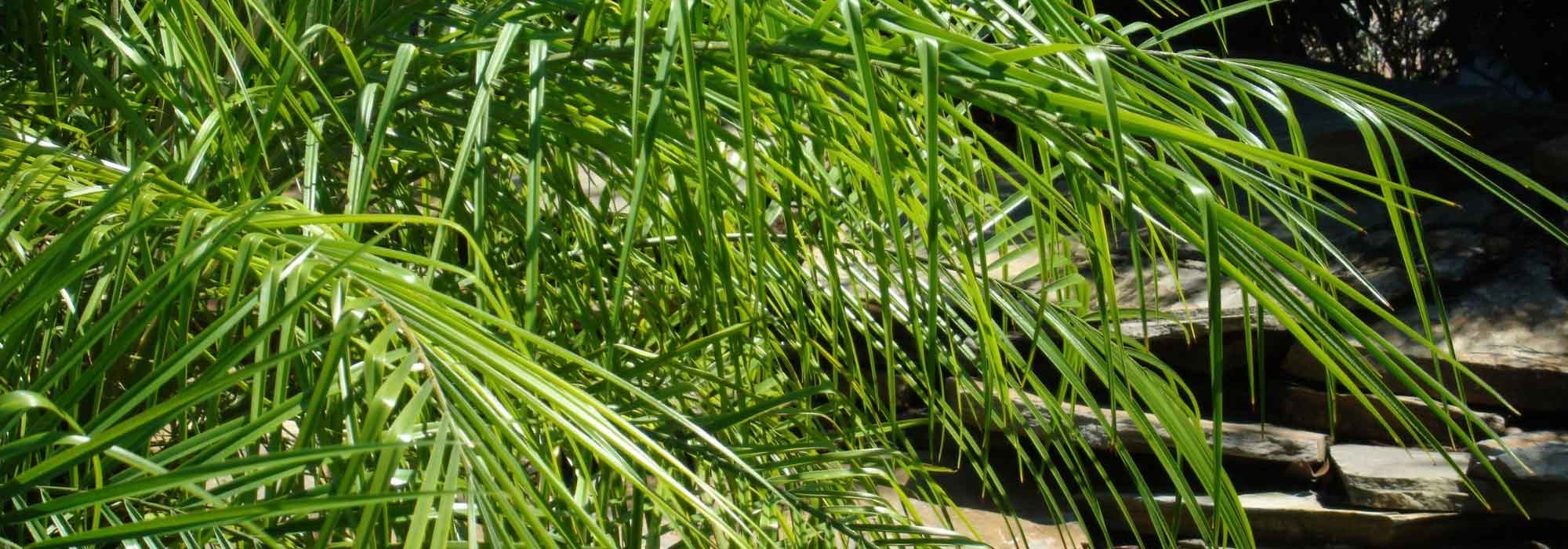
A fast-growing shrubby plant, Gaussia maya develops a straight grey trunk or stipe, from which six to eight large compound leaves, measuring up to 2.7 m (8 ft 11 in), arch out. They are divided into leaflets arranged in multiple planes, giving the foliage a plume-like appearance and compensating for its somewhat sparse aspect. Flowering occurs on specimens aged 8 to 12 years, in summer, if the growing conditions are favourable. The first inflorescences of the Maya Palm remain as buds for several years while the trunk continues to grow and produce more flowers higher up. Up to 15 inflorescences can coexist at the top of the trunk. At a certain point, the older and newer buds start to open, from the oldest to the youngest, so the Gaussia maya simultaneously carries flowers and fruits at all stages of development. When ripe, the fruits, measuring 1 to 1.5 cm (0.4 to 0.6 in) in diameter, are red. The Maya Palm perishes below -2 °C, but it thrives in good, fertile, and moist soil and tolerates limestone well.
Gaussia maya has a unique presence that brings a touch of exoticism to any setting. Place it on the terrace or balcony, alongside Phormiums, tree ferns, or Cycads, for example. It can be a bit challenging to pair due to its strong personality, but it can be planted in a carefully chosen large pot and surrounded with a carpet of Japanese forest grass, golden pearlwort, or plectranthus.
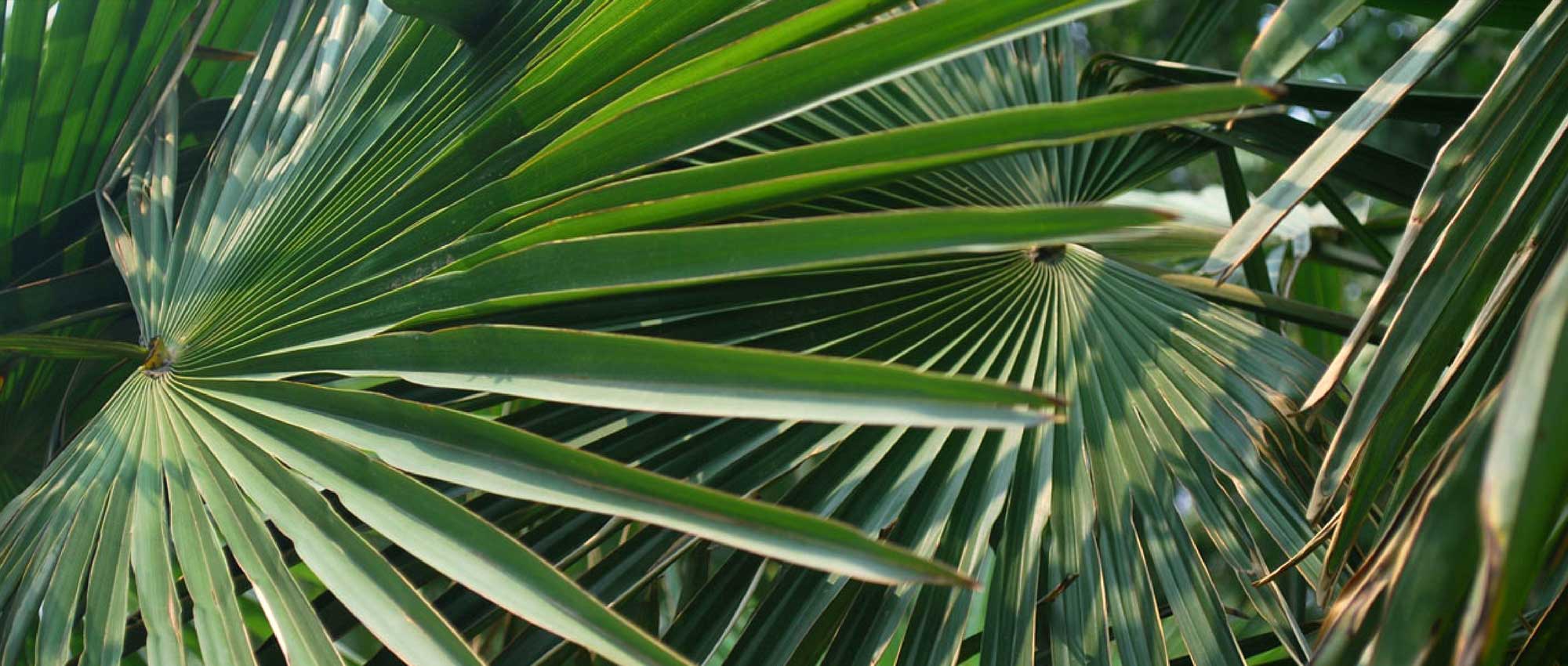
Gaussia maya in pictures
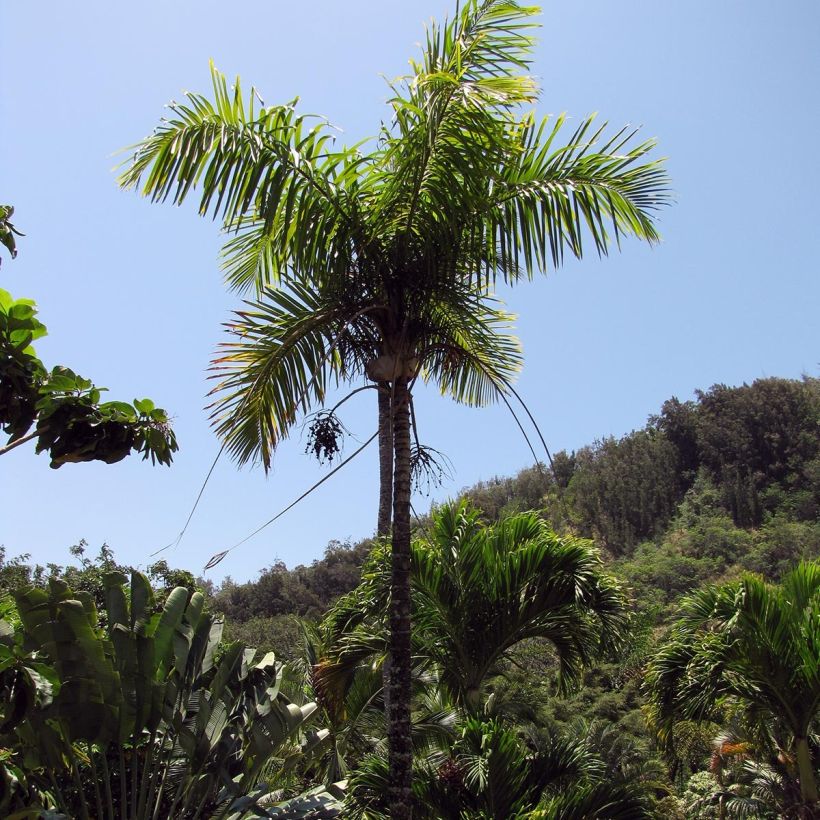
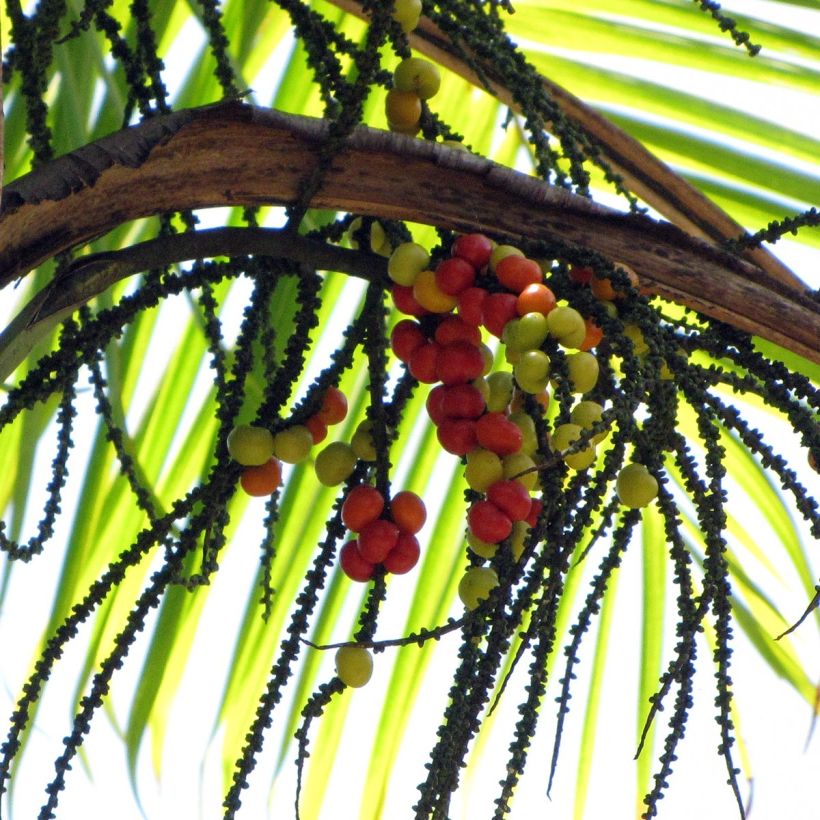
Plant habit
Flowering
Foliage
Botanical data
Gaussia
maya
Arecaceae
Central America
Planting and care
Plant Gaussia maya in a pot so that you can protect it from frost in winter - it perishes below -2 °C (28.4 °F). It prefers partial shade or dappled sunlight, appreciates fresh, well-drained soils, and can tolerate watering with hard water. Choose a 30 to 50 liters container, perforated at the bottom and filled with good quality, horticultural compost mixed with 1/3 fine garden soil. Apply organic houseplant fertiliser (or all purpose fertiliser) at least once a year in spring and water regularly - the substrate should not dry out without being constantly soaked. Shelter your palm tree from the first cold, place it in a lightly or unheated conservatory, or in a slightly cool room in the house, with bright light (avoid direct sunlight). Spray the foliage regularly, this palm tree likes slightly tropical environments, both mild and humid.
Planting period
Intended location
Care
Planting & care advice
-
-
-
-
-
-
-

-
This item has not been reviewed yet - be the first to leave a review about it.
Recently viewed products
Haven't found what you were looking for?
Hardiness is the lowest winter temperature a plant can endure without suffering serious damage or even dying. However, hardiness is affected by location (a sheltered area, such as a patio), protection (winter cover) and soil type (hardiness is improved by well-drained soil).

The flowering period indicated on our website applies to countries and regions located in USDA zone 8 (France, the United Kingdom, Ireland, the Netherlands, etc.)
It will vary according to where you live:- In zones 9 to 10 (Italy, Spain, Greece, etc.), flowering will occur about 2 to 4 weeks earlier.
- In zones 6 to 7 (Germany, Poland, Slovenia, and lower mountainous regions), flowering will be delayed by 2 to 3 weeks.
- In zone 5 (Central Europe, Scandinavia), blooming will be delayed by 3 to 5 weeks.
In temperate climates, pruning of spring-flowering shrubs (forsythia, spireas, etc.) should be done just after flowering.
Pruning of summer-flowering shrubs (Indian Lilac, Perovskia, etc.) can be done in winter or spring.
In cold regions as well as with frost-sensitive plants, avoid pruning too early when severe frosts may still occur.
The planting period indicated on our website applies to countries and regions located in USDA zone 8 (France, United Kingdom, Ireland, Netherlands).
It will vary according to where you live:
- In Mediterranean zones (Marseille, Madrid, Milan, etc.), autumn and winter are the best planting periods.
- In continental zones (Strasbourg, Munich, Vienna, etc.), delay planting by 2 to 3 weeks in spring and bring it forward by 2 to 4 weeks in autumn.
- In mountainous regions (the Alps, Pyrenees, Carpathians, etc.), it is best to plant in late spring (May-June) or late summer (August-September).
The harvesting period indicated on our website applies to countries and regions in USDA zone 8 (France, England, Ireland, the Netherlands).
In colder areas (Scandinavia, Poland, Austria...) fruit and vegetable harvests are likely to be delayed by 3-4 weeks.
In warmer areas (Italy, Spain, Greece, etc.), harvesting will probably take place earlier, depending on weather conditions.
The sowing periods indicated on our website apply to countries and regions within USDA Zone 8 (France, UK, Ireland, Netherlands).
In colder areas (Scandinavia, Poland, Austria...), delay any outdoor sowing by 3-4 weeks, or sow under glass.
In warmer climes (Italy, Spain, Greece, etc.), bring outdoor sowing forward by a few weeks.
Shipping country and language
Your country of residence may be:
Your country of residence is:
For a better user experience on our website, you can select:
Your shipping country:
-
 Austria
-
 Belgium
-
 Bosnia & Herzegovina
-
 Bulgaria
-
 Croatia
-
 Cyprus
-
 Czechia
-
 Denmark
-
 Estonia
-
 Finland
-
 France
-
 Germany
-
 Greece
-
 Hungary
-
 Iceland
-
 Ireland
-
 Italy
Italy
-
 Latvia
-
 Liechtenstein
-
 Lithuania
-
 Luxembourg
-
 Malta
Malta
-
 Netherlands
-
 Poland
-
 Portugal
-
 Romania
-
 Serbia
-
 Slovakia
-
 Slovenia
-
 Spain
Spain
-
 Sweden
-
 Switzerland
Language:
-
French
-
 English
-
Spanish
-
Italian
-
German
-
Portuguese
-
Dutch
-
Finnish
My Account
Hello
My wish lists
My cart
Log in / Register
Existing customer?
This form is protected by reCAPTCHA - the Google Privacy Policy and Terms of Service apply.
New customer?
Create an account to track your orders, access our customer service and, if you wish, make the most of our upcoming offers.