Tipuana tipu
Tipuana tipu
Tipuana tipu
Tipuana tipu
Tipuana tipu
Tipuana tipu
Tipuana tipu
Tipuana tipu
Tipuana tipu
Tipuana tipu
Tipuana tipu
Pride of Bolivia, Rosewood, Tipa Tree, Yellow Jacaranda, Tipu
Thank you for your gesture, an attitude I truly appreciate. I do believe the plant is recovering well.
Bernard, 11/07/2025
Back-to-school special offer!
Get €10 off for every €50 you spend! And get up to €40 off on a single order.
How does it work?
1. Shop your favourites
Add your favourite plants to your basket. For every €50 you spend (excluding delivery charges, store credit and the plastic-free option), you’ll receive a €10 voucher.
€50 spent = €10 voucher
€100 spent = €20 voucher
€150 spent = €30 voucher
€200 spent = €40 voucher
2. Place your order
Once your basket reaches one of the spending thresholds, place your order. You can even choose your delivery date!
3. Receive your voucher
As soon as your order has been shipped, you’ll receive an email containing your personal voucher code and its value.
4. Use it on your next order
Your voucher is valid for 90 days from the date you receive it. It can be used once only, on a new order worth at least the value of the voucher, excluding delivery charges.
Please note: Vouchers can be combined with other offers, but cannot be split or refunded.
Home or relay delivery (depending on size and destination)
Important: You may be charged customs duties by your country’s customs authorities upon delivery.
Schedule delivery date,
and select date in basket
This plant carries a 24 months recovery warranty
More information
We guarantee the quality of our plants for a full growing cycle, and will replace at our expense any plant that fails to recover under normal climatic and planting conditions.

Would this plant suit my garden?
Set up your Plantfit profile →
Description
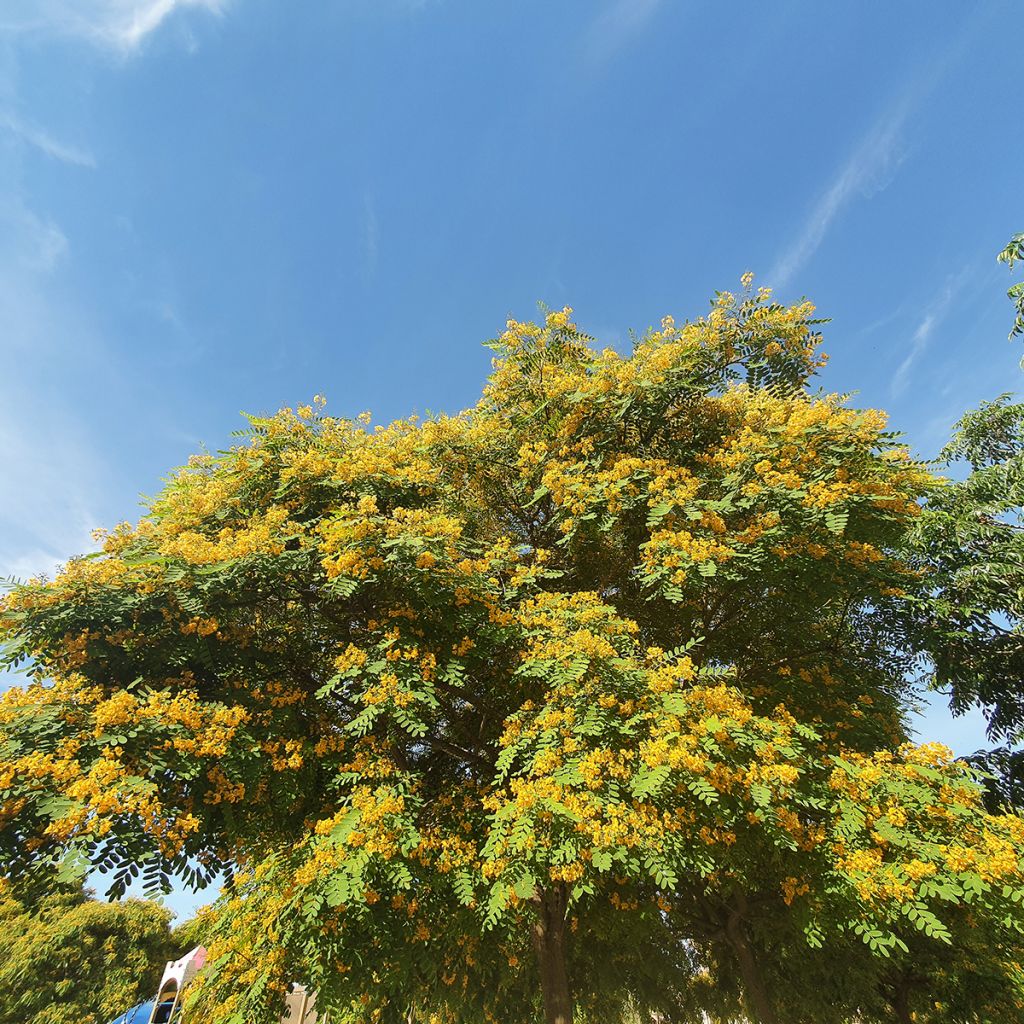
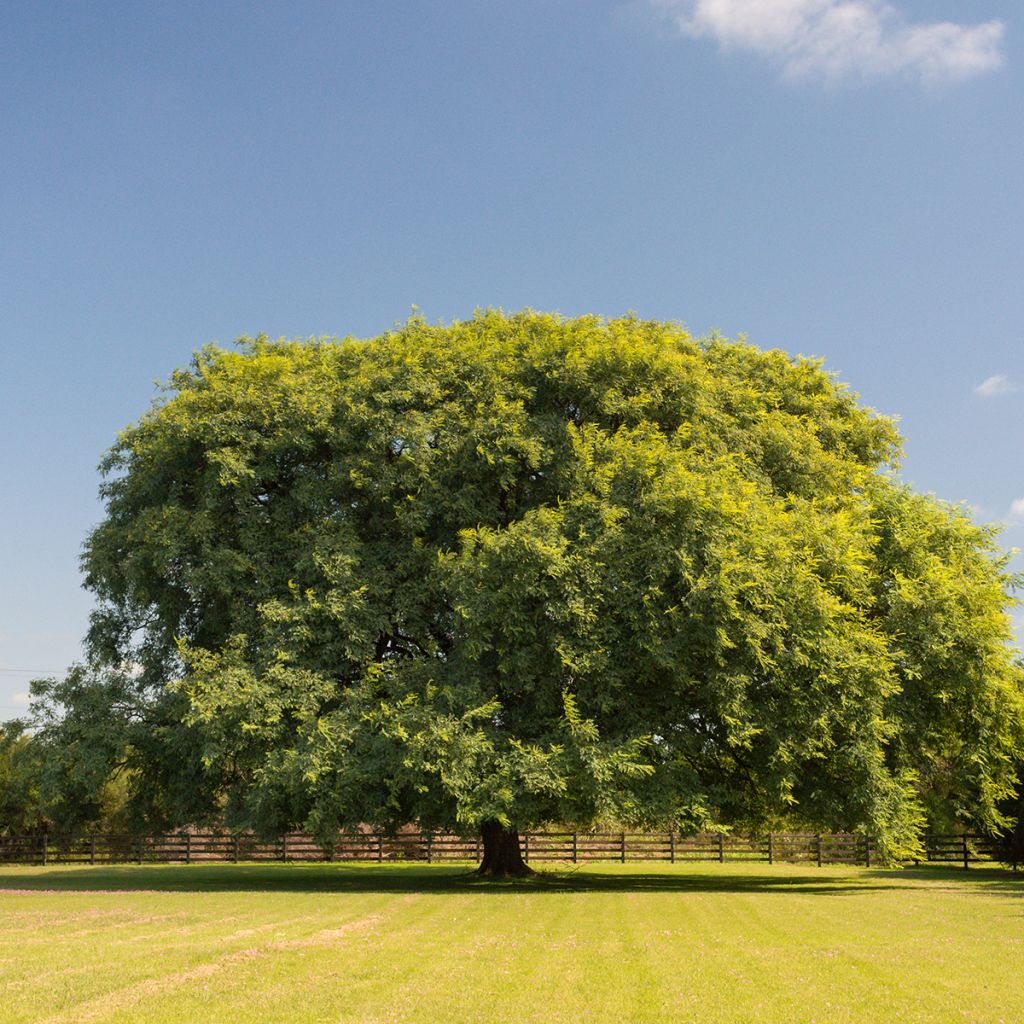
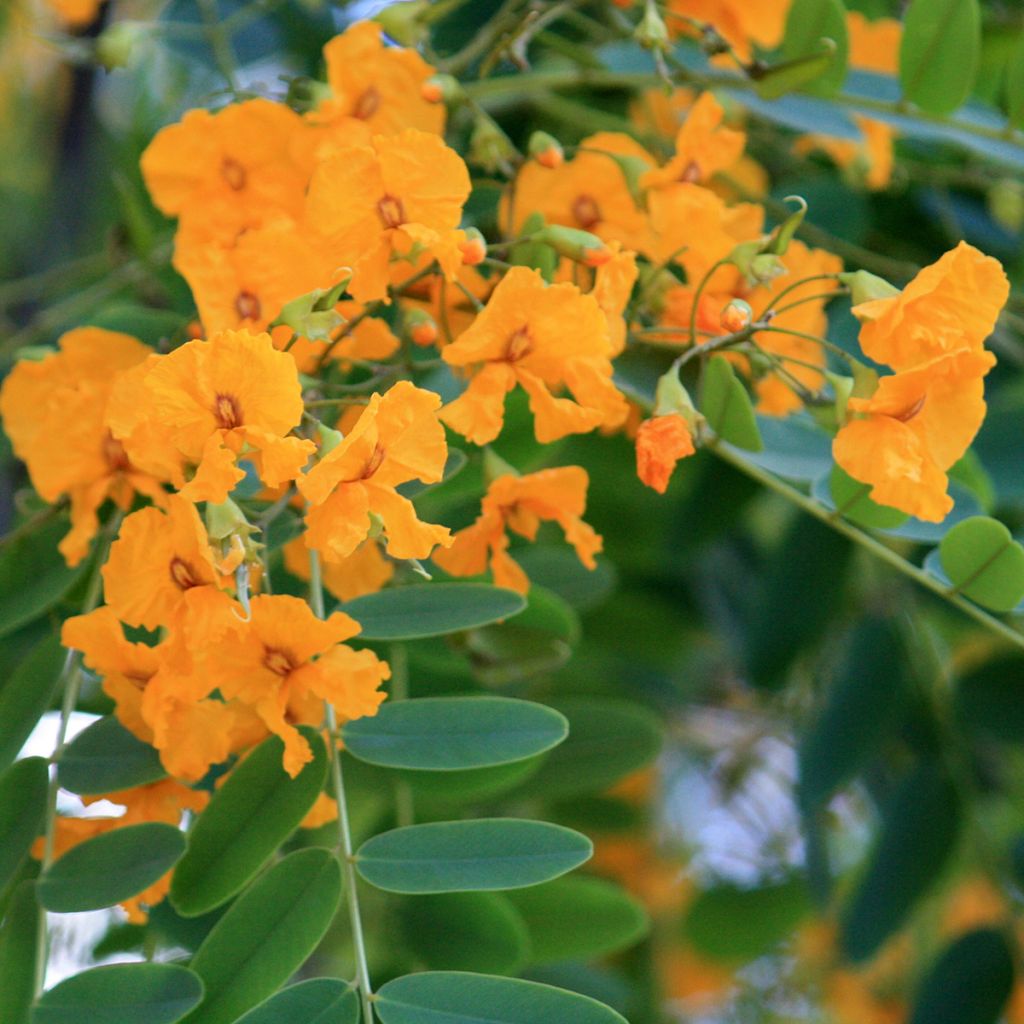
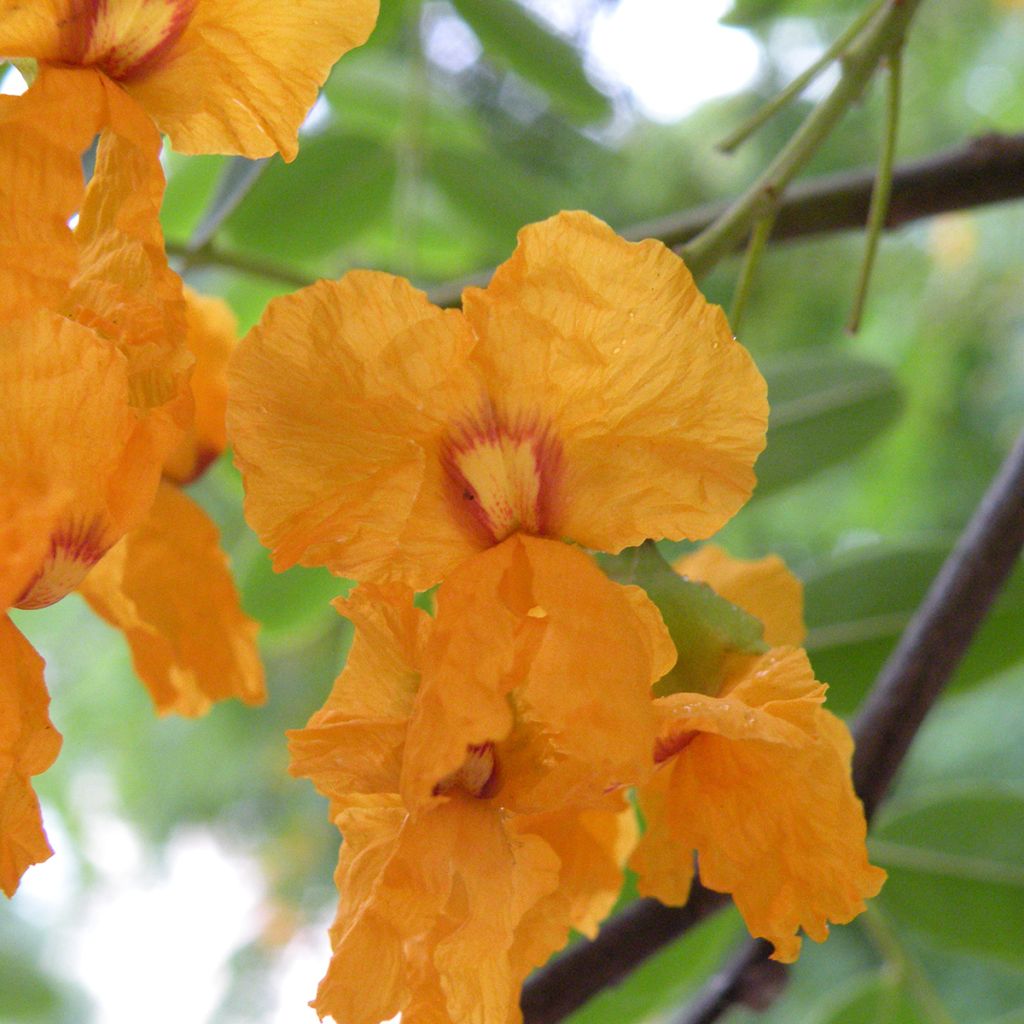
Tipuana tipu is native to subtropical climates in South America. It forms a medium-sized tree with a wide and spreading crown, as wide as it is tall, appreciated for the shade it creates. The flowering that lasts all summer is composed of pretty yellow to orange flowers, with a small red spot in the centre. Practically maintenance-free and capable of adapting to most soils, from acidic to limestone, as long as they are well-drained. Tipuana grows in full sun. It appreciates watering but will tolerate drought once well-rooted.
This tree, known as Palo rosa in Argentina (pink wood, due to its reddish sap), belongs to the large Fabaceae family. Tipuana genus has only one species, native to South America, which grows in arid or semi-arid high-altitude climates (northern Argentina, Brazil, and Bolivia). Depending on the climate, it forms a medium to large tree, with heights ranging from 15 to 40m (49 to 131ft), growing faster with access to water. Evergreen in mild winter climates, it can become deciduous if subjected to a period of winter cold. A well-established tree can withstand frost down to -5°C (23°F), or even -7°C (19.4°F), provided the soil is well-drained, as stagnant moisture intensifies the cold effect.
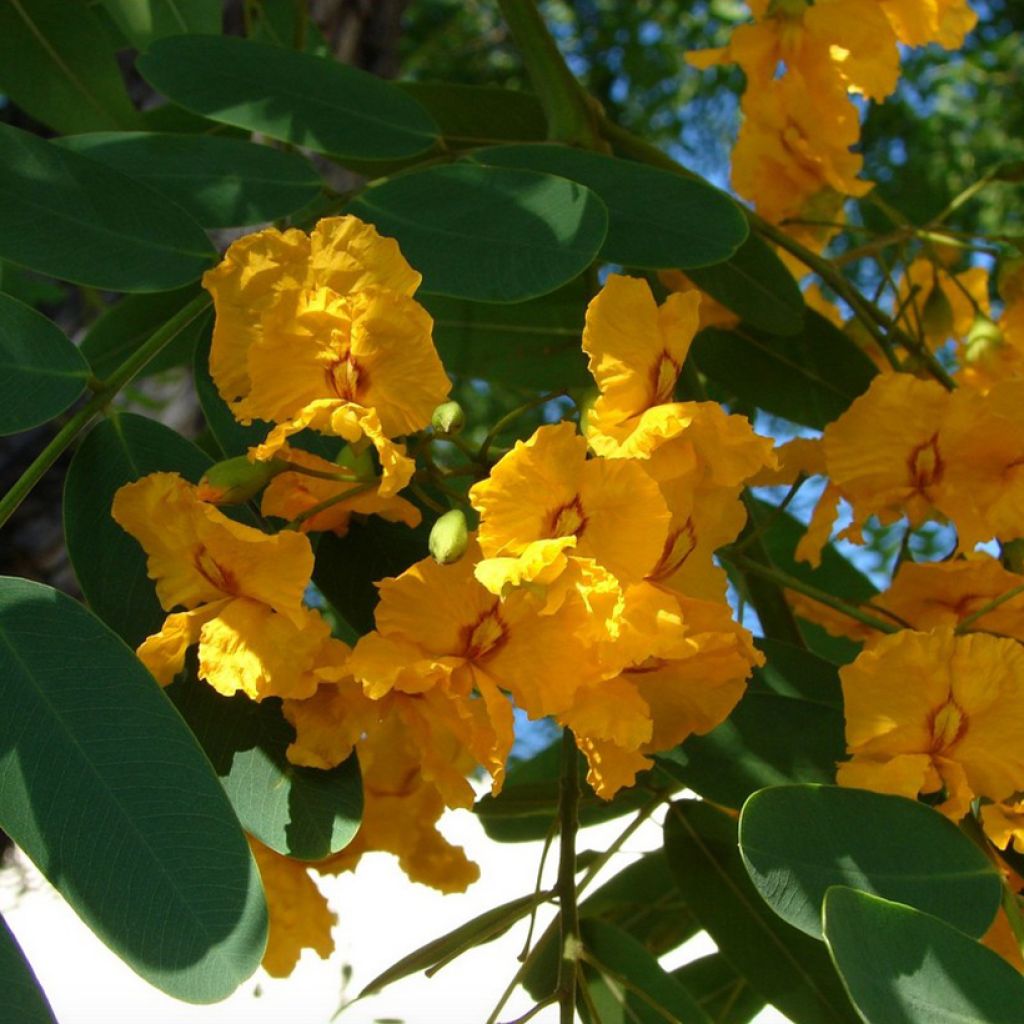
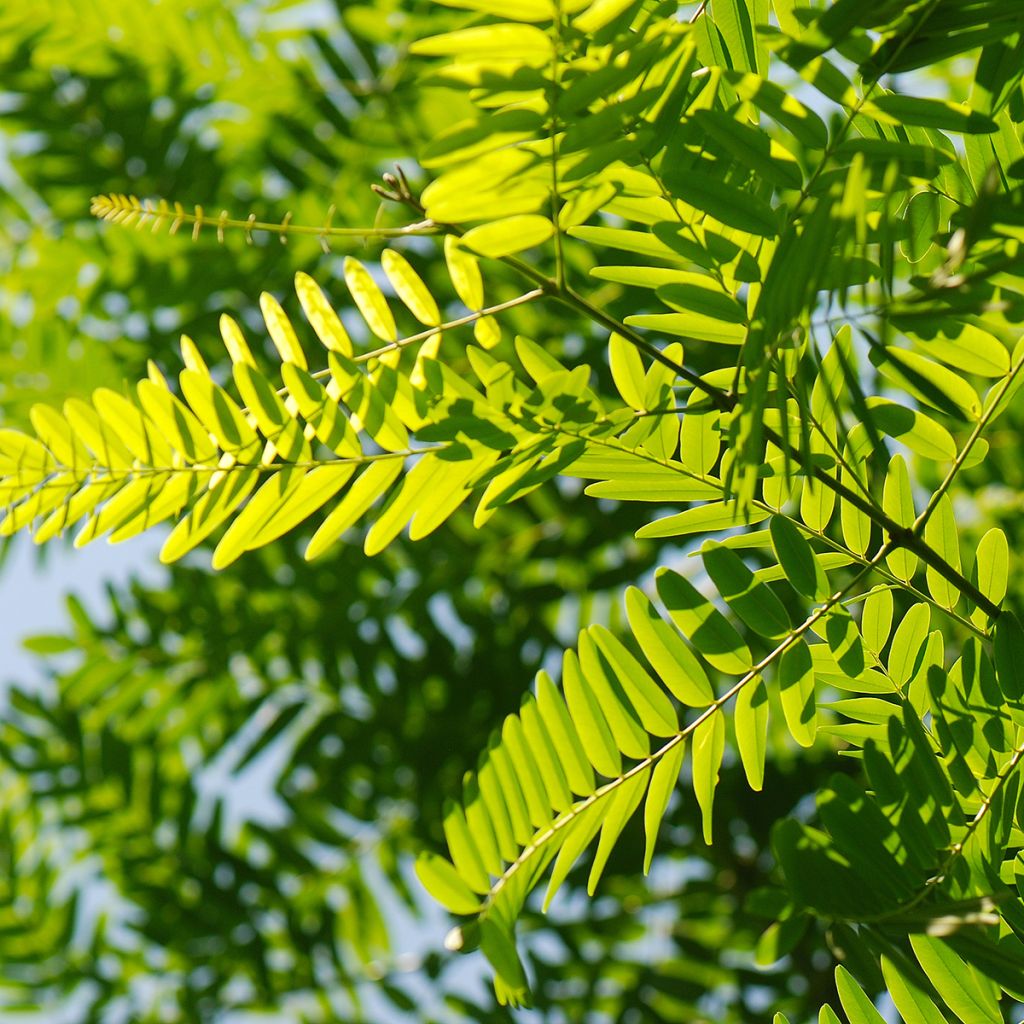
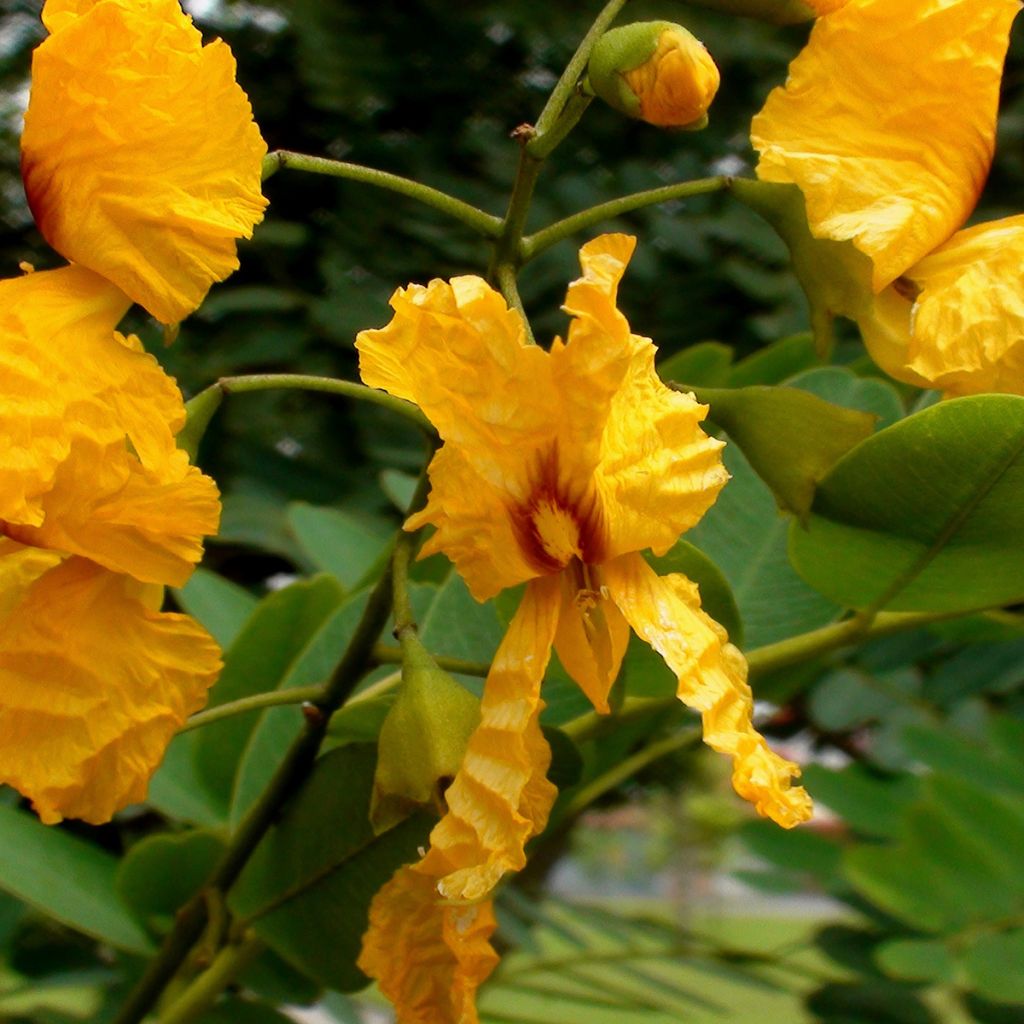
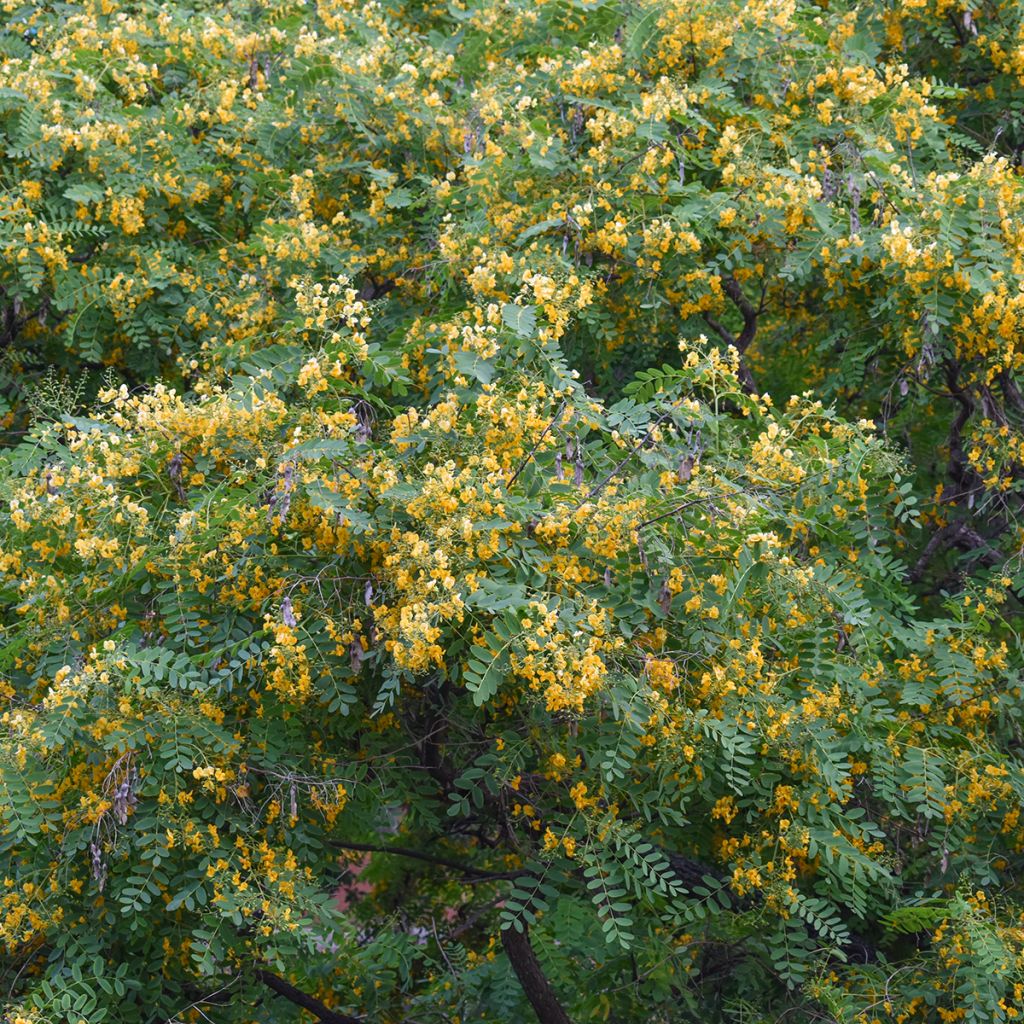
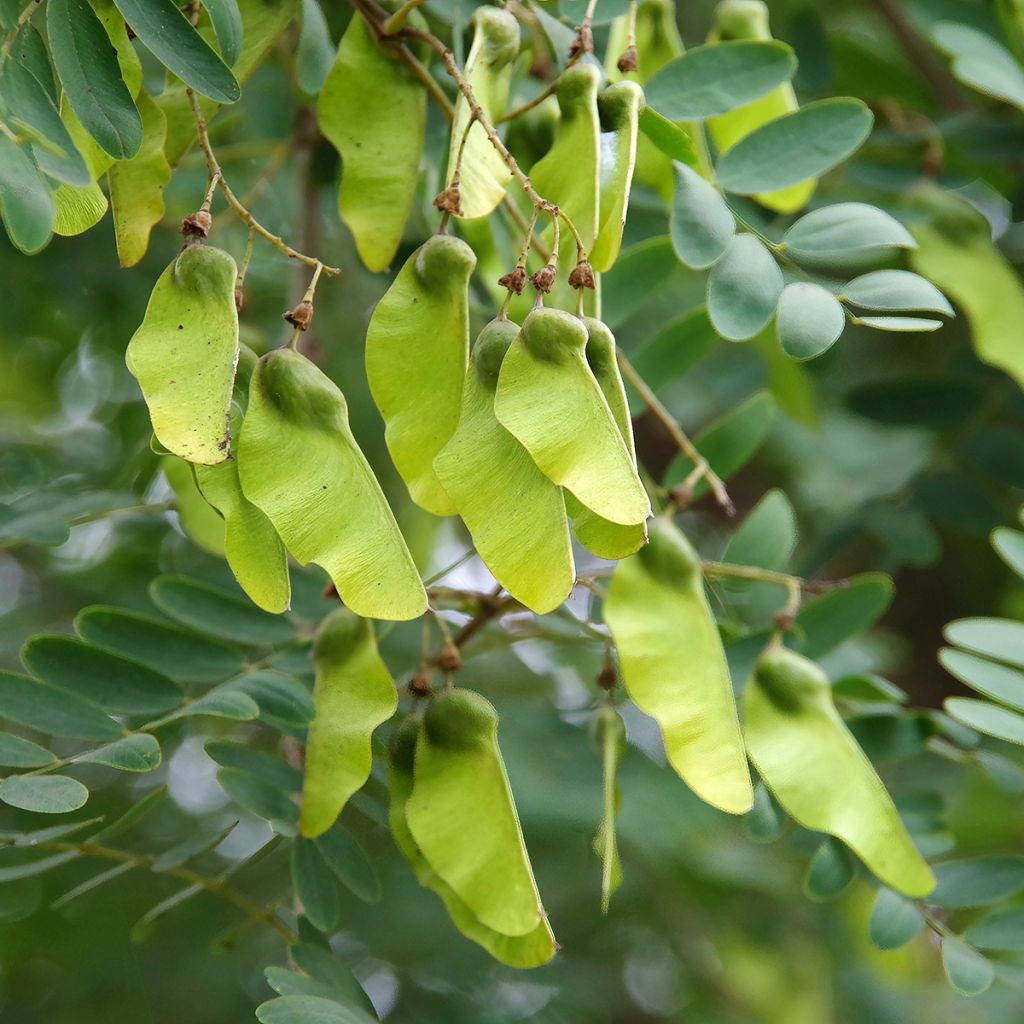
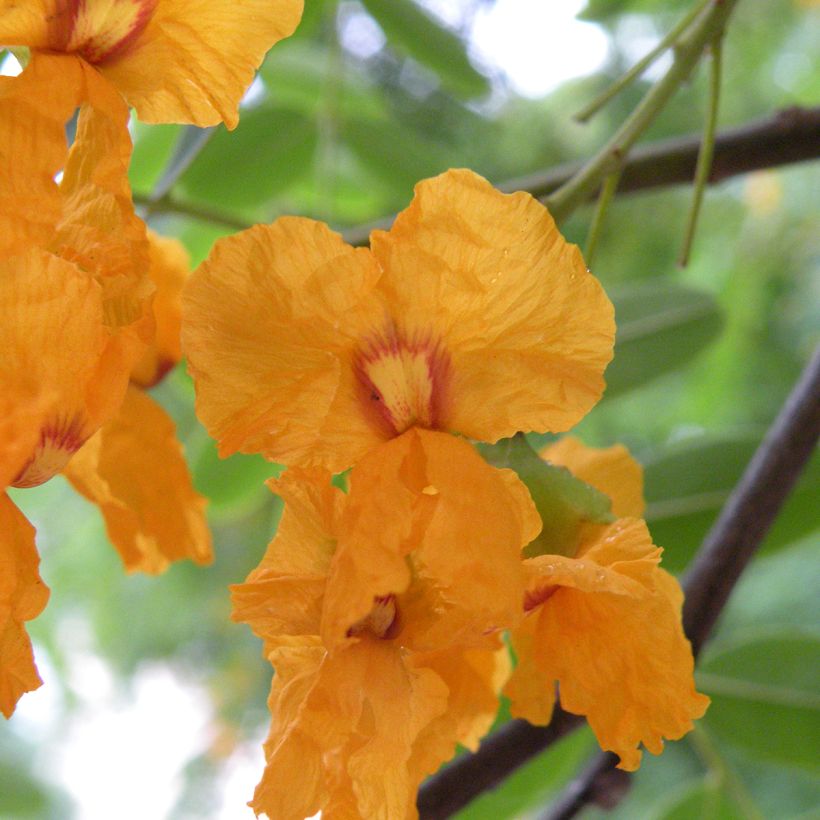
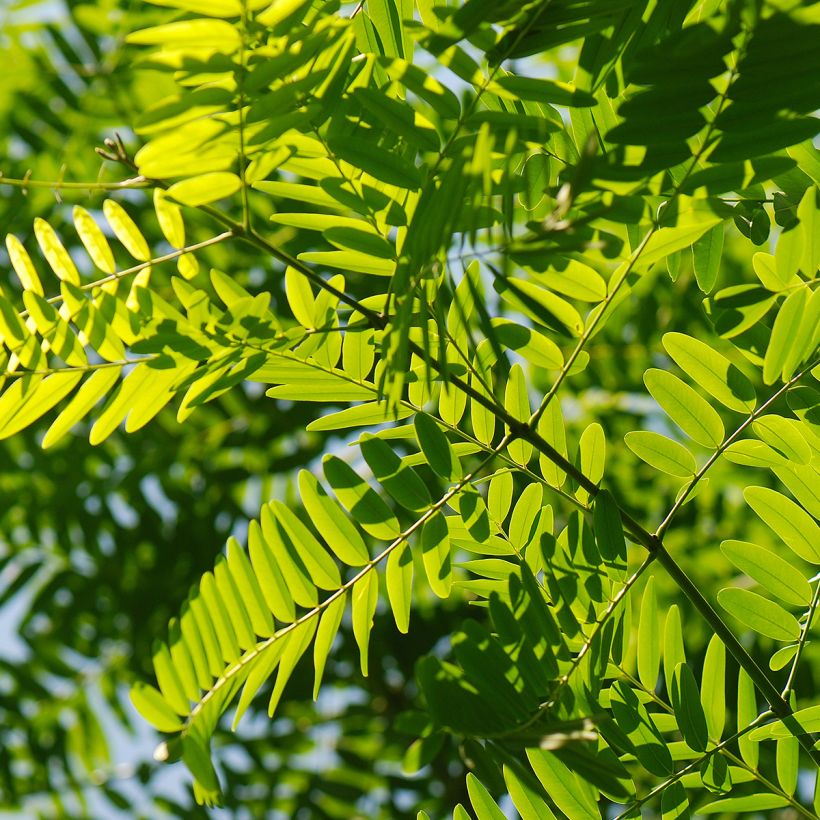
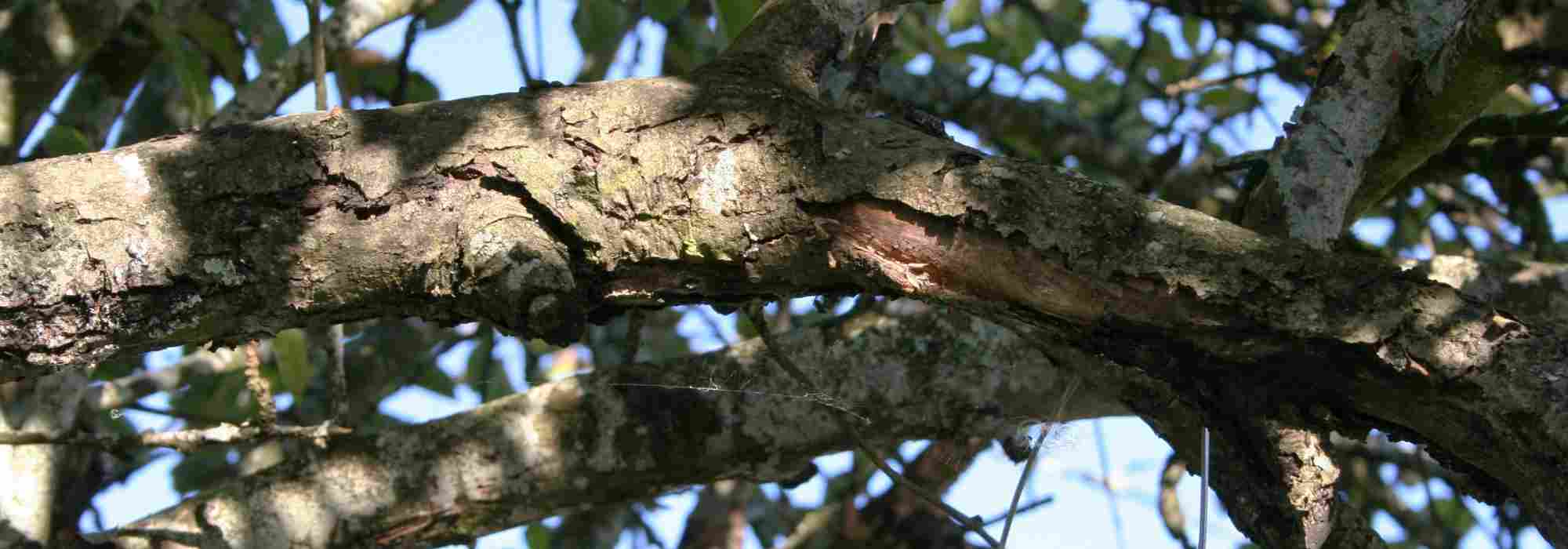
The trunk, with its fissured reddish-brown bark, supports a widely spreading irregular crown. The branches are adorned with fairly light green compound odd-pinnate leaves, consisting of 15 to 21 elliptical leaflets. Approximately 25cm (10in) long, the leaves are numerous, forming a dense and abundant mass of vegetation. The flowering blossoms in summer, from June to August, presenting butterfly-shaped flowers. They are grouped in trailing axillary or terminal panicles, measuring 2 to 4cm (1 to 2in) in diameter, and bloom throughout summer. They are composed of 5 unequal and independent petals, with the largest one called the standard. Their yellow-orange colour is enhanced by a central red spot on the standard, creating a pleasing contrast. This bright summer flowering stands out well against the foliage mass, which is why this tree is used as an ornamental species in urban areas in South America. These aesthetically pleasing flowers are also attractive to bees and pollinating insects. Interestingly, it does not produce pods like the majority of species, but the flowers develop into samaras, similar in appearance to those of maple trees. Initially green and measuring 3 to 7cm (1 to 3in) in length, they turn brown when mature before being dispersed by the wind, either at the same time or after the leaves have fallen.
In South America, it provides timber for construction, while the abundant foliage is used as fodder for animals.
Hardy down to -5°C (23°F), and even able to withstand brief frosts down to -7°C (19.4°F). In our climates, it does not reach the same proportions as in its native regions, generally forming a medium-sized tree, 10m (33ft) or less, with a crown usually as wide as its height. Highly adaptable, it grows best when provided with summer watering, but it also withstands drought once established. It can thrive in acidic, neutral, or even slightly alkaline soils, and also tolerates slightly salty terrain. Its only requirement is to be planted in well-drained soil and in a location not too exposed to the wind.
Tipuana tipu will be perfect in mass plantings or as a standalone specimen, taking care to maintain a safe distance from buildings due to its powerful root system. Its exotic appearance will complement other distinctive plants, such as Callistemon viminalis 'Hot Pink', a bottlebrush that forms beautiful spikes of fuchsia pink flowers. Alyogyne huegelii is also one of those flowers with its astonishing blue-mauve colour that evokes distant lands. Cestrum purpureum, an attractive shrub with tubular red-purple flowers, will also be a good companion to complete this tropical scene.
Report an error about the product description
Tipuana tipu in pictures
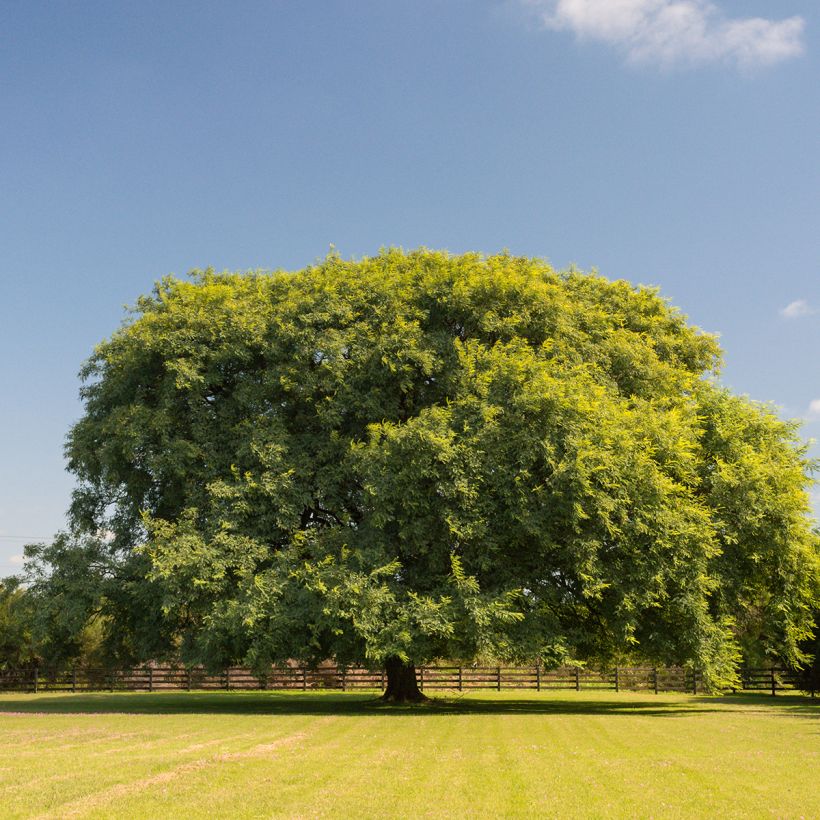
Plant habit
Flowering
Foliage
Botanical data
Tipuana
tipu
Fabaceae
Pride of Bolivia, Rosewood, Tipa Tree, Yellow Jacaranda, Tipu
South America
Planting and care
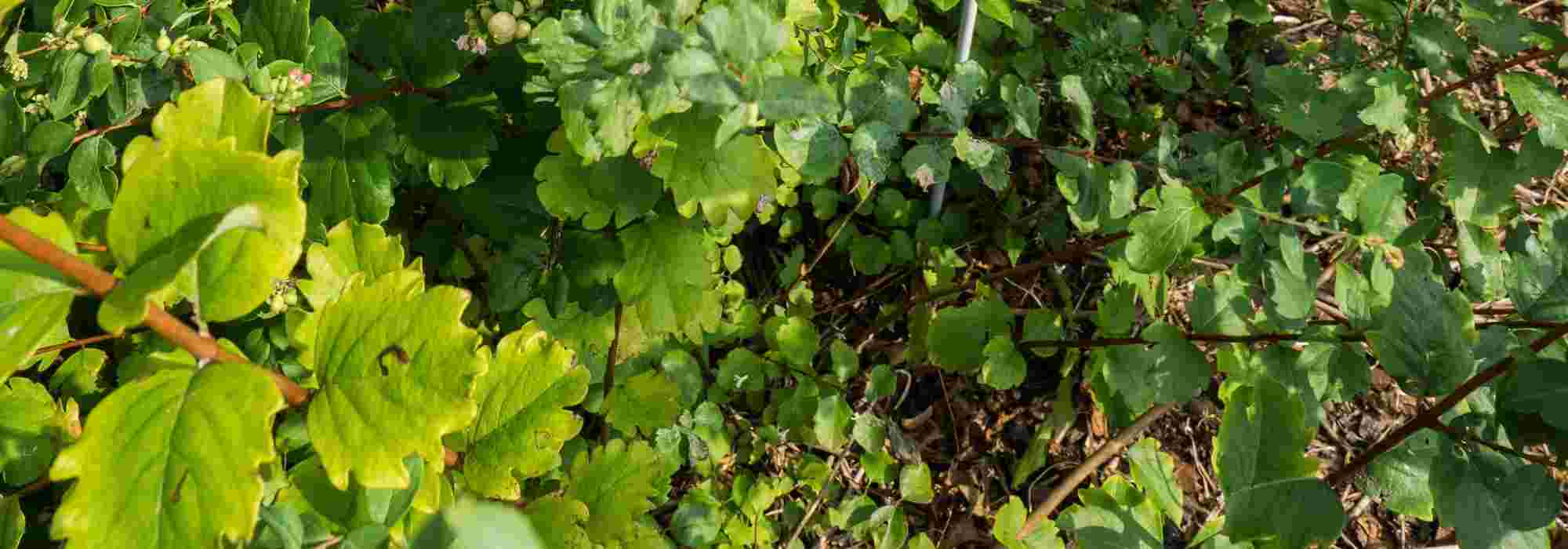
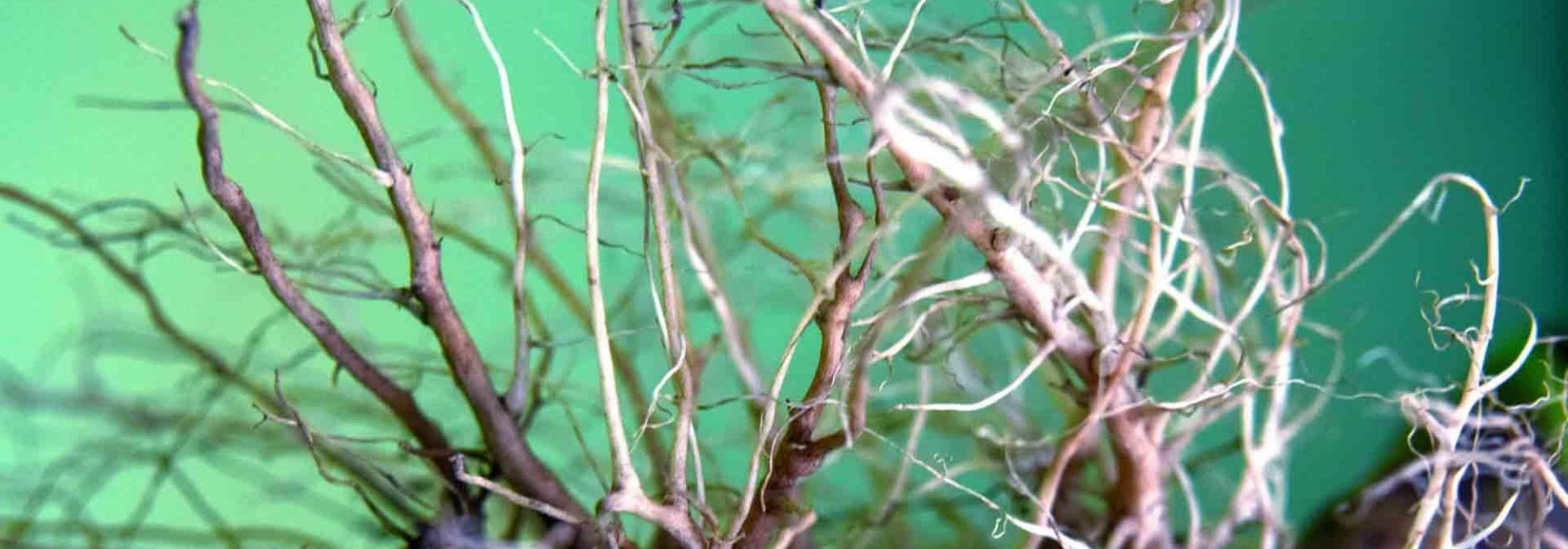
Plant in spring, choosing a very sunny location sheltered from strong winds. It adapts to almost all types of soil, from acidic to neutral and even limestone. It even tolerates some salinity and drought, although it grows better when watered. Above all, it requires deep and well-drained soil. Its great adaptability is partly due to the symbiotic bacteria that live in nodules at the root level and fix atmospheric nitrogen. For this reason, Fabaceae are generally pioneering species, capable of establishing themselves almost anywhere.
Choose a location away from buildings, as its root system is quite powerful. In addition, its habit is very spreading, so it needs free space around it. Water it for the first two years, especially in summer, after which it can manage on its own. It can tolerate pruning, but it is not necessary as it will naturally take its shape.
Planting period
Intended location
Care
Planting & care advice
-
-
-
-
-
-
-

-
-
, onOrder confirmed
Reply from on Promesse de fleurs
Recently viewed products
Haven't found what you were looking for?
Hardiness is the lowest winter temperature a plant can endure without suffering serious damage or even dying. However, hardiness is affected by location (a sheltered area, such as a patio), protection (winter cover) and soil type (hardiness is improved by well-drained soil).

The flowering period indicated on our website applies to countries and regions located in USDA zone 8 (France, the United Kingdom, Ireland, the Netherlands, etc.)
It will vary according to where you live:- In zones 9 to 10 (Italy, Spain, Greece, etc.), flowering will occur about 2 to 4 weeks earlier.
- In zones 6 to 7 (Germany, Poland, Slovenia, and lower mountainous regions), flowering will be delayed by 2 to 3 weeks.
- In zone 5 (Central Europe, Scandinavia), blooming will be delayed by 3 to 5 weeks.
In temperate climates, pruning of spring-flowering shrubs (forsythia, spireas, etc.) should be done just after flowering.
Pruning of summer-flowering shrubs (Indian Lilac, Perovskia, etc.) can be done in winter or spring.
In cold regions as well as with frost-sensitive plants, avoid pruning too early when severe frosts may still occur.
The planting period indicated on our website applies to countries and regions located in USDA zone 8 (France, United Kingdom, Ireland, Netherlands).
It will vary according to where you live:
- In Mediterranean zones (Marseille, Madrid, Milan, etc.), autumn and winter are the best planting periods.
- In continental zones (Strasbourg, Munich, Vienna, etc.), delay planting by 2 to 3 weeks in spring and bring it forward by 2 to 4 weeks in autumn.
- In mountainous regions (the Alps, Pyrenees, Carpathians, etc.), it is best to plant in late spring (May-June) or late summer (August-September).
The harvesting period indicated on our website applies to countries and regions in USDA zone 8 (France, England, Ireland, the Netherlands).
In colder areas (Scandinavia, Poland, Austria...) fruit and vegetable harvests are likely to be delayed by 3-4 weeks.
In warmer areas (Italy, Spain, Greece, etc.), harvesting will probably take place earlier, depending on weather conditions.
The sowing periods indicated on our website apply to countries and regions within USDA Zone 8 (France, UK, Ireland, Netherlands).
In colder areas (Scandinavia, Poland, Austria...), delay any outdoor sowing by 3-4 weeks, or sow under glass.
In warmer climes (Italy, Spain, Greece, etc.), bring outdoor sowing forward by a few weeks.
Shipping country and language
Your country of residence may be:
Your country of residence is:
For a better user experience on our website, you can select:
Your shipping country:
-
 Austria
-
 Belgium
-
 Bosnia & Herzegovina
-
 Bulgaria
-
 Croatia
-
 Cyprus
-
 Czechia
-
 Denmark
-
 Estonia
-
 Finland
-
 France
-
 Germany
-
 Greece
-
 Hungary
-
 Iceland
-
 Ireland
-
 Italy
Italy
-
 Latvia
-
 Liechtenstein
-
 Lithuania
-
 Luxembourg
-
 Malta
Malta
-
 Netherlands
-
 Poland
-
 Portugal
-
 Romania
-
 Serbia
-
 Slovakia
-
 Slovenia
-
 Spain
Spain
-
 Sweden
-
 Switzerland
Language:
-
French
-
 English
-
Spanish
-
Italian
-
German
-
Portuguese
-
Dutch
-
Finnish
My Account
Hello
My wish lists
My cart
Log in / Register
Existing customer?
This form is protected by reCAPTCHA - the Google Privacy Policy and Terms of Service apply.
New customer?
Create an account to track your orders, access our customer service and, if you wish, make the most of our upcoming offers.