Brassica rapa Malwira
Brassica rapa Malwira
Brassica rapa subsp. oleifera Malwira
Turnip, Field mustard, Bird rape, Bird's rape, Colewort, Wild turnip, Common turnip
Back-to-school special offer!
Get €10 off for every €50 you spend! And get up to €40 off on a single order.
How does it work?
1. Shop your favourites
Add your favourite plants to your basket. For every €50 you spend (excluding delivery charges, store credit and the plastic-free option), you’ll receive a €10 voucher.
€50 spent = €10 voucher
€100 spent = €20 voucher
€150 spent = €30 voucher
€200 spent = €40 voucher
2. Place your order
Once your basket reaches one of the spending thresholds, place your order. You can even choose your delivery date!
3. Receive your voucher
As soon as your order has been shipped, you’ll receive an email containing your personal voucher code and its value.
4. Use it on your next order
Your voucher is valid for 90 days from the date you receive it. It can be used once only, on a new order worth at least the value of the voucher, excluding delivery charges.
Please note: Vouchers can be combined with other offers, but cannot be split or refunded.
Why not try an alternative variety in stock?
View all →
Available in 1 sizes
Available in 1 sizes
Available in 1 sizes
Available in 1 sizes
Available in 1 sizes
Available in 1 sizes
Available in 1 sizes
Available in 1 sizes
Available in 1 sizes
Available in 1 sizes
This plant carries a 6 months recovery warranty
More information
We guarantee the quality of our plants for a full growing cycle, and will replace at our expense any plant that fails to recover under normal climatic and planting conditions.
Description
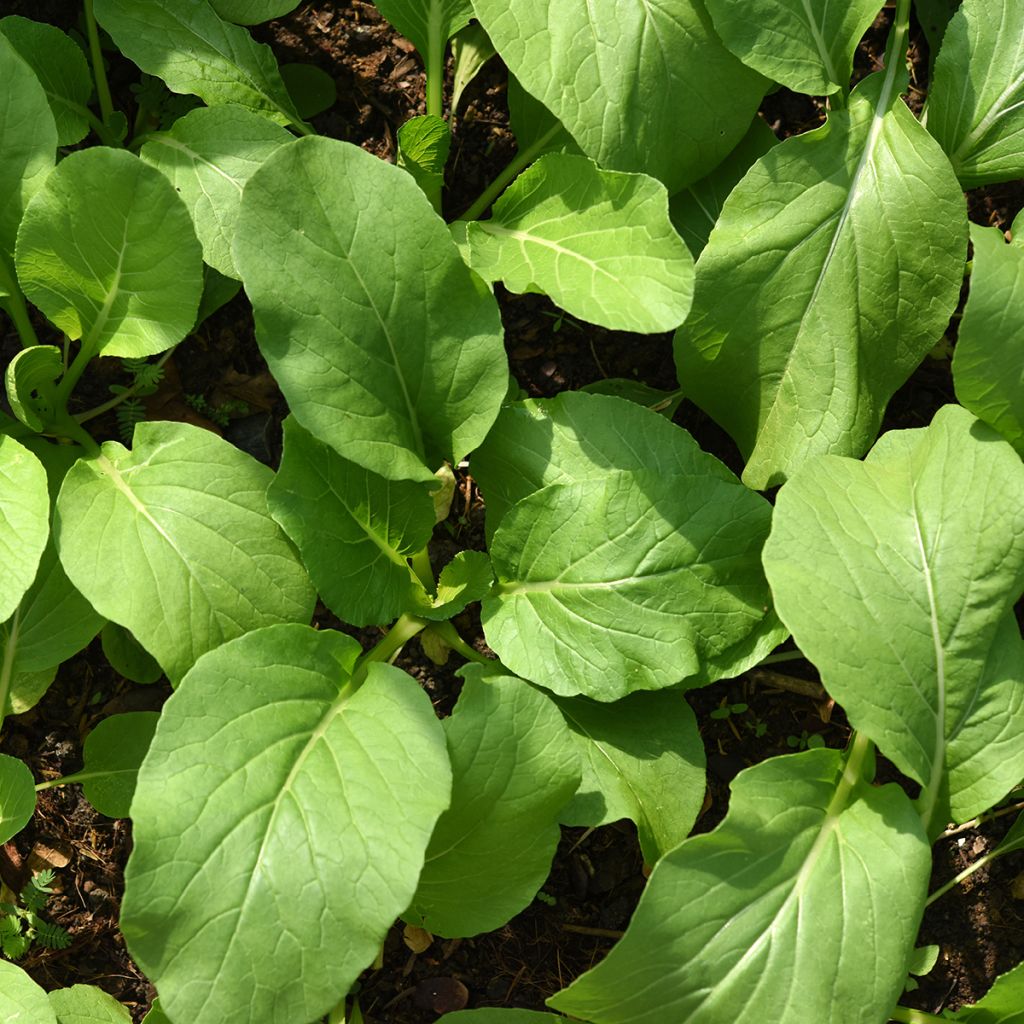
Brassica rapa 'Malwira' is a versatile variety of turnip that is suitable for intercropping between two other crops, both in summer and winter. This annual or biennial plant is well-suited for winter cultivation and can efficiently absorb nitrogen present in the topsoil, which helps protect against leaching of nutrients. The turnip reaches a height of 30 to 50cm (12 to 20in) and up to 80cm (32in) during summer flowering. Its fast growth and low, dense foliage effectively limit the development of weeds. Hardy down to -8 to -10 °C (17.6 to 14°F), 'Malwira' is a highly resistant variety suitable for late sowing. The foliage can be used to feed livestock. It is very resistant to diseases. It is particularly appreciated for its limited ability to form flowers, reducing the risk of unwanted seeding.
Brassica rapa L. var. silvestris, also known as wild turnip or subsp. oleifera, belongs to the Brassicaceae family (formerly known as the Cruciferae family), like cabbage, rapeseed, turnip, and mustard. It is native to Europe and the Middle East, and has been cultivated since the 16th century. After World War II, the production of the plant almost disappeared, making way for rapeseed, a hybrid plant of cabbage and turnip, which has a higher yield per hectare. In recent years, the turnip has been commonly used as a fodder crop, a cover crop between two crops, or as green manure. Summer turnip is also grown for its leaves, which can be cooked in the same way as spinach.
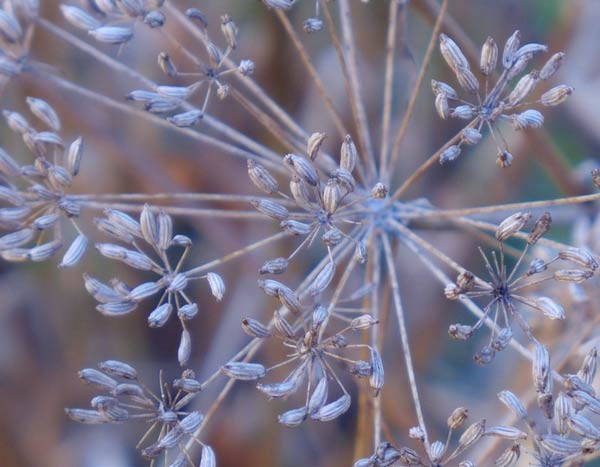
The 'Malwira' variety is a recent development, characterised by a root system consisting of a small taproot and a network of adventitious roots extending up to 20cm (8in) deep. This characteristic gives it the advantage of structuring the top 20cm (8in) of soil. Similar in size to rapeseed, it measures between 30 and 90cm (12 and 35in) in height. Although not heavily branched, its stem is adorned with bristly leaves, which can vary from bright green to glaucous. The flowering of this melliferous plant occurs from May to June, in the form of tight, rounded clusters of small golden yellow flowers. Subsequently, elongated siliques form and contain small oil-rich seeds ranging from red to black.
Green manures, widely used in permaculture, have several advantages. They enrich and loosen the soil while preventing the growth of weeds. Additionally, they act as a vegetative cover that protects loamy soils from erosion caused by rain. They also protect sandy soils from leaching. In this context, 'Malwira' can be sown from April to October and incorporated through deep digging or ploughing. Its rapid growth rate is also advantageous, as it can be turned over 30 days after sowing.
The gardener's tip: to enhance the benefits of your green manure through increased diversity, you can sow it in combination with another annual leguminous herbaceous plant, such as common vetch (Vicia sativa), alfalfa (Medicago sativa), white clover (Trifolium repens), or Phacelia with tansy-leaved leaves (Phacelia tanacetifolia), a floriferous hydrophyllaceous plant appreciated by bees. The turnip will occupy the lower stratum of the mixture, thus limiting the development of weeds.
Report an error about the product description
Harvest
Plant habit
Foliage
Botanical data
Brassica
rapa subsp. oleifera
Malwira
Brassicaceae
Turnip, Field mustard, Bird rape, Bird's rape, Colewort, Wild turnip, Common turnip
Cultivar or hybrid
Annual
Planting and care
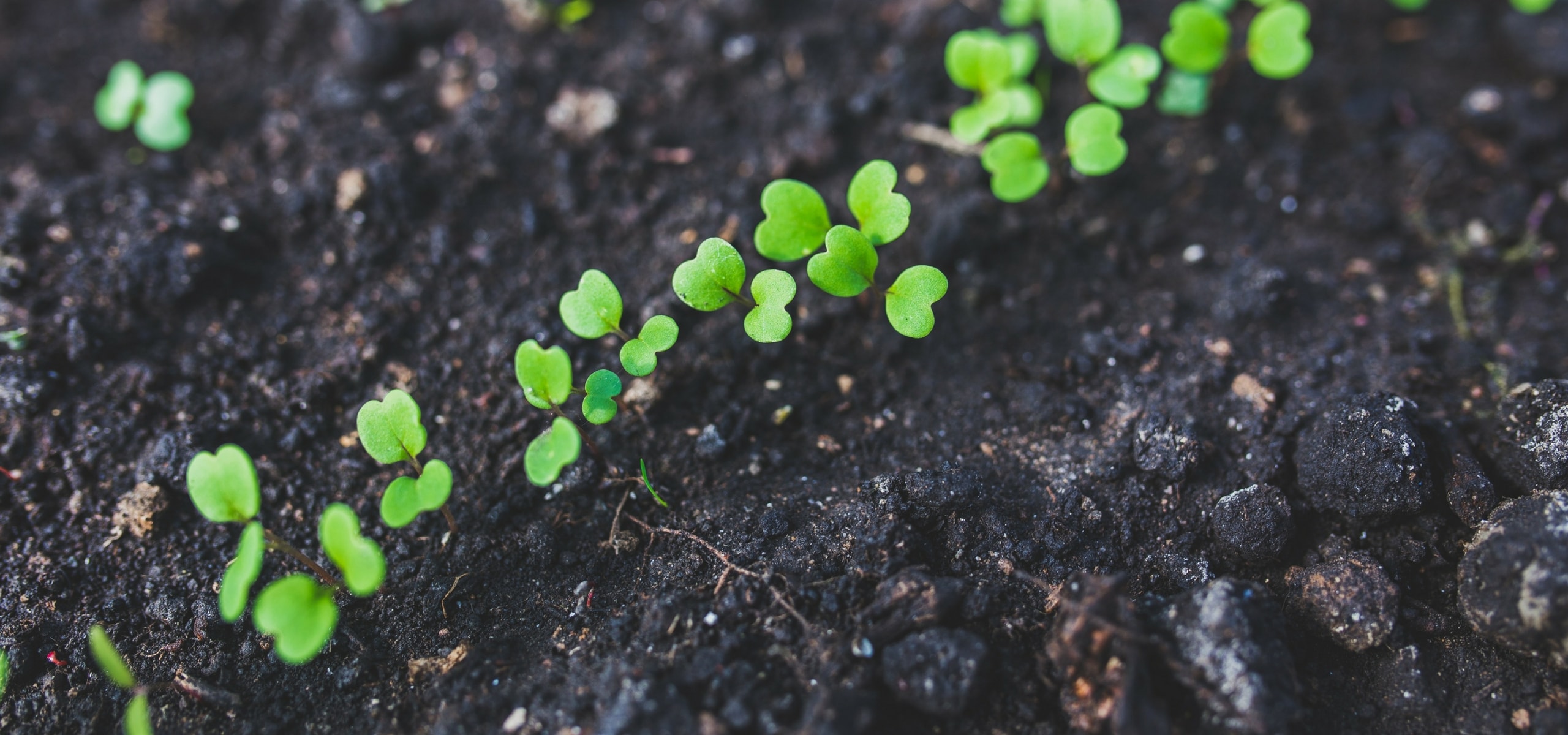
Sow the seeds from late August to mid-October, after summer crops, for an autumn and winter green manure. However, if you wish to use it as fodder, sowing is possible from April to June.
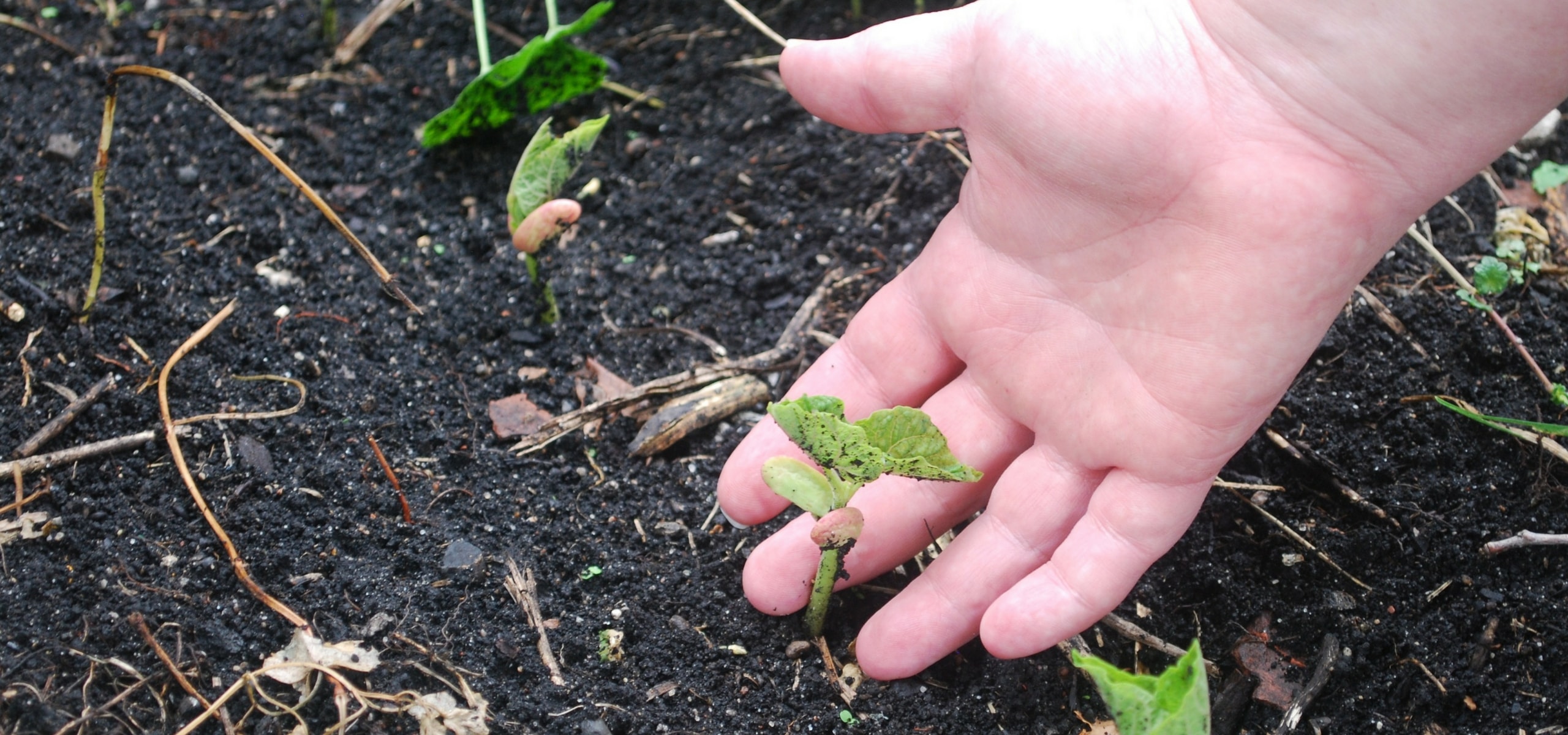
Preparation: the seeds require carefully loosened and levelled soil before sowing. It adapts to all types of soil that are moist, rich, and not excessively chalky. It is sensitive to frost from -8 to -10°C (17.6 to 14°F) and prolonged dry periods. If the soil is compact, hoe it to allow the roots to establish properly. Broadcast the seeds. Cover them with 1 to 3cm (1in) of soil, adjusted according to the moisture and nature of the soil.
Sowing density: for pure sowing, 8 to 10 g of seeds should be planned for 10m², or 8 to 10kg/ha.
Use of green manure: 6 to 12 weeks after sowing. It can be done by ploughing the soil, ideally before the plant starts to flower and before it reaches a height of 60cm (24in).
Maintenance: it does not require any particular care. Only water in case of prolonged drought.
Seedlings
Care
Intended location
Planting & care advice
This item has not been reviewed yet - be the first to leave a review about it.
Recently viewed products
Haven't found what you were looking for?
Hardiness is the lowest winter temperature a plant can endure without suffering serious damage or even dying. However, hardiness is affected by location (a sheltered area, such as a patio), protection (winter cover) and soil type (hardiness is improved by well-drained soil).

The flowering period indicated on our website applies to countries and regions located in USDA zone 8 (France, the United Kingdom, Ireland, the Netherlands, etc.)
It will vary according to where you live:- In zones 9 to 10 (Italy, Spain, Greece, etc.), flowering will occur about 2 to 4 weeks earlier.
- In zones 6 to 7 (Germany, Poland, Slovenia, and lower mountainous regions), flowering will be delayed by 2 to 3 weeks.
- In zone 5 (Central Europe, Scandinavia), blooming will be delayed by 3 to 5 weeks.
In temperate climates, pruning of spring-flowering shrubs (forsythia, spireas, etc.) should be done just after flowering.
Pruning of summer-flowering shrubs (Indian Lilac, Perovskia, etc.) can be done in winter or spring.
In cold regions as well as with frost-sensitive plants, avoid pruning too early when severe frosts may still occur.
The planting period indicated on our website applies to countries and regions located in USDA zone 8 (France, United Kingdom, Ireland, Netherlands).
It will vary according to where you live:
- In Mediterranean zones (Marseille, Madrid, Milan, etc.), autumn and winter are the best planting periods.
- In continental zones (Strasbourg, Munich, Vienna, etc.), delay planting by 2 to 3 weeks in spring and bring it forward by 2 to 4 weeks in autumn.
- In mountainous regions (the Alps, Pyrenees, Carpathians, etc.), it is best to plant in late spring (May-June) or late summer (August-September).
The harvesting period indicated on our website applies to countries and regions in USDA zone 8 (France, England, Ireland, the Netherlands).
In colder areas (Scandinavia, Poland, Austria...) fruit and vegetable harvests are likely to be delayed by 3-4 weeks.
In warmer areas (Italy, Spain, Greece, etc.), harvesting will probably take place earlier, depending on weather conditions.
The sowing periods indicated on our website apply to countries and regions within USDA Zone 8 (France, UK, Ireland, Netherlands).
In colder areas (Scandinavia, Poland, Austria...), delay any outdoor sowing by 3-4 weeks, or sow under glass.
In warmer climes (Italy, Spain, Greece, etc.), bring outdoor sowing forward by a few weeks.
Shipping country and language
Your country of residence may be:
Your country of residence is:
For a better user experience on our website, you can select:
Your shipping country:
-
 Austria
-
 Belgium
-
 Bosnia & Herzegovina
-
 Bulgaria
-
 Croatia
-
 Cyprus
-
 Czechia
-
 Denmark
-
 Estonia
-
 Finland
-
 France
-
 Germany
-
 Greece
-
 Hungary
-
 Iceland
-
 Ireland
-
 Italy
Italy
-
 Latvia
-
 Liechtenstein
-
 Lithuania
-
 Luxembourg
-
 Malta
Malta
-
 Netherlands
-
 Poland
-
 Portugal
-
 Romania
-
 Serbia
-
 Slovakia
-
 Slovenia
-
 Spain
Spain
-
 Sweden
-
 Switzerland
Language:
-
French
-
 English
-
Spanish
-
Italian
-
German
-
Portuguese
-
Dutch
-
Finnish
My Account
Hello
My wish lists
My cart
Log in / Register
Existing customer?
This form is protected by reCAPTCHA - the Google Privacy Policy and Terms of Service apply.
New customer?
Create an account to track your orders, access our customer service and, if you wish, make the most of our upcoming offers.