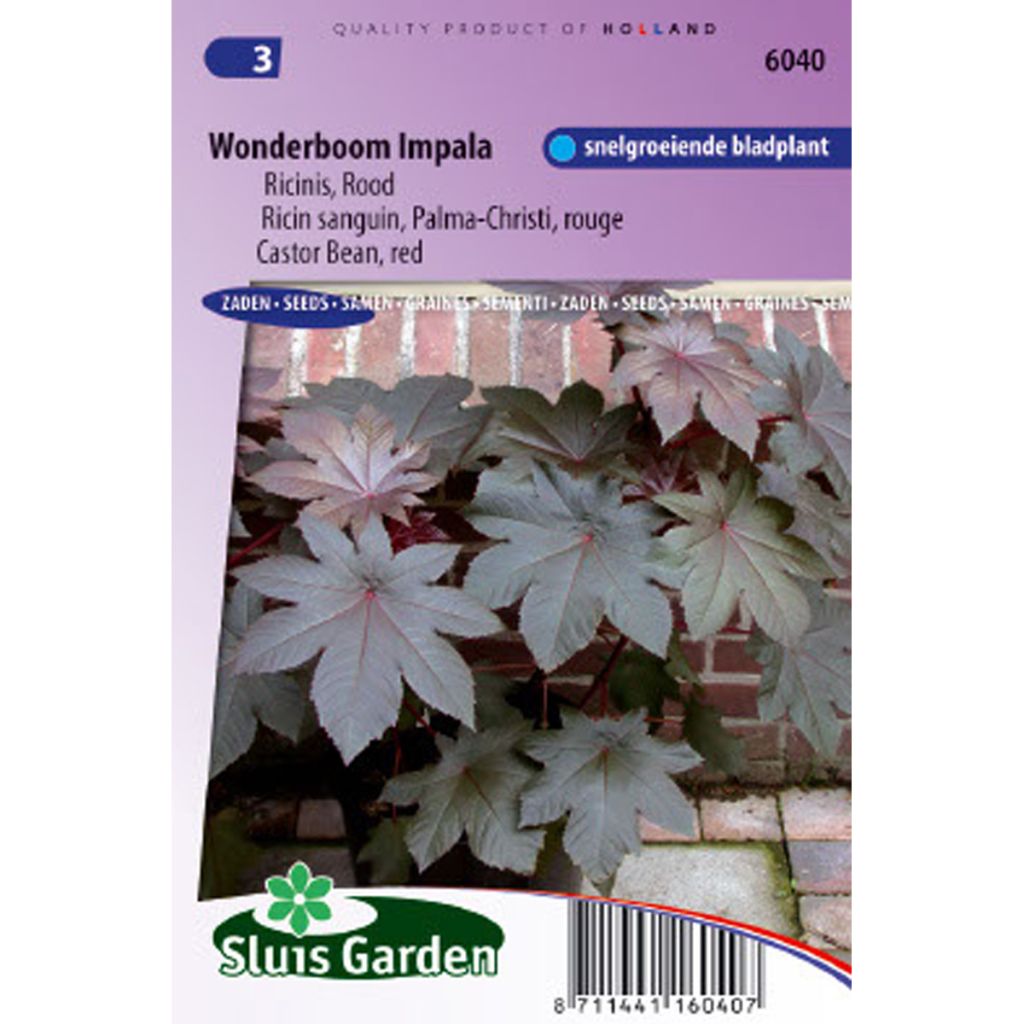
Ricinus communis Palma-Christi
Ricinus communis Palma-Christi
Ricinus communis Palma-Christi
Castor Oil Plant, Castor Bean
70% germinated, producing beautiful plants that withstood the two heatwaves.
Marianne, 15/10/2019
Back-to-school special offer!
Get €10 off for every €50 you spend! And get up to €40 off on a single order.
How does it work?
1. Shop your favourites
Add your favourite plants to your basket. For every €50 you spend (excluding delivery charges, store credit and the plastic-free option), you’ll receive a €10 voucher.
€50 spent = €10 voucher
€100 spent = €20 voucher
€150 spent = €30 voucher
€200 spent = €40 voucher
2. Place your order
Once your basket reaches one of the spending thresholds, place your order. You can even choose your delivery date!
3. Receive your voucher
As soon as your order has been shipped, you’ll receive an email containing your personal voucher code and its value.
4. Use it on your next order
Your voucher is valid for 90 days from the date you receive it. It can be used once only, on a new order worth at least the value of the voucher, excluding delivery charges.
Please note: Vouchers can be combined with other offers, but cannot be split or refunded.
Why not try an alternative variety in stock?
View all →
Available in 1 sizes

Available in 1 sizes

Available in 1 sizes
Available in 1 sizes
Available in 1 sizes

Available in 1 sizes

Available in 1 sizes

Available in 1 sizes
Available in 1 sizes

Available in 1 sizes
This plant carries a 6 months recovery warranty
More information
We guarantee the quality of our plants for a full growing cycle, and will replace at our expense any plant that fails to recover under normal climatic and planting conditions.
Would this plant suit my garden?
Set up your Plantfit profile →
Description
The Blood Castor Bean or Palm of Christ, also known as Ricinus communis, is a beautiful plant with reddish palmate leaves, giving it a very exotic appearance. The young leaves are adorned with a striking red-orange hue, gradually turning green. The velvety flower spikes, blooming in summer, give way to round, thorny fruits. This fast-growing, large tropical perennial is frost-sensitive and, therefore, grows as an annual in our climates. Sow directly in place, in pots or containers in fertile, humus-bearing, well-drained soil, in full sun.
The Ricinus communis is a plant from the Euphorbiaceae family, native to Northeast Africa and Southwest Asia. It is a perennial of tropical and subtropical climates, forming a bush in its country of origin but remaining smaller in our climates. It can still reach a height of 1.50m (5ft) and a width of 2m (7ft) in just one season. This plant is characterised by its superb foliage, deeply palmate-lobed, reddish-orange when young, bright green to purplish, shiny like waxed canvas. Flowering occurs in summer in pyramidal clusters, with female flowers occupying the top and male flowers forming yellowish tufts at the base. The fruits are capsules with three prominent and loaded midribs loaded with thorns. The Castor Bean is a species that disperses through autochory. The fruit violently explodes at maturity and propels the seeds several metres away. Birds and rain spread the seeds, and they can remain dormant for several years. The plant's development cycle is very rapid. All parts of the plant are highly toxic.
The castor bean allows you to quickly fill a corner of the garden, at little cost, for a guaranteed spectacle. Plant a Chinese windmill palm (Trachycarpus fortunei) and a Japanese banana (Musa basjoo) to create a perfectly exotic setting as a backdrop. Pair it with hedychium, close relatives of ginger, or canna lilies.
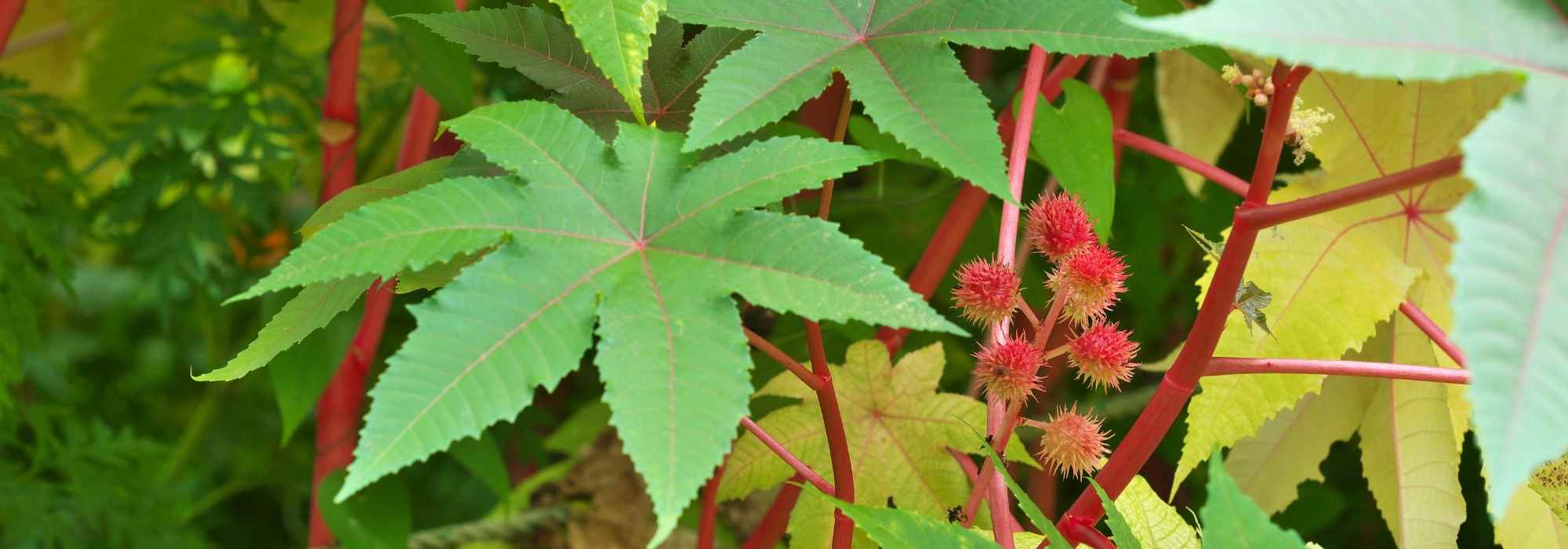
Flowering
Foliage
Plant habit
Safety measures
Botanical data
Ricinus
communis
Palma-Christi
Euphorbiaceae
Castor Oil Plant, Castor Bean
North Africa
ingestion
Cette plante est toxique si elle est ingérée volontairement ou involontairement.
Ne la plantez pas là où de jeunes enfants peuvent évoluer, et lavez-vous les mains après l'avoir manipulée.
Pensez à conserver l'étiquette de la plante, à la photographier ou à noter son nom, afin de faciliter le travail des professionnels de santé.
Davantage d'informations sur https://plantes-risque.info
Planting and care
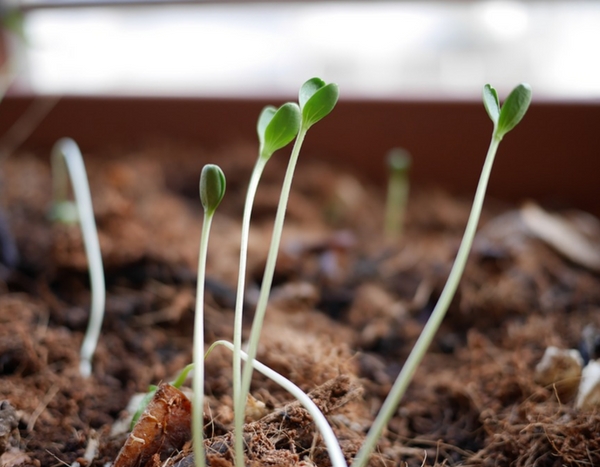
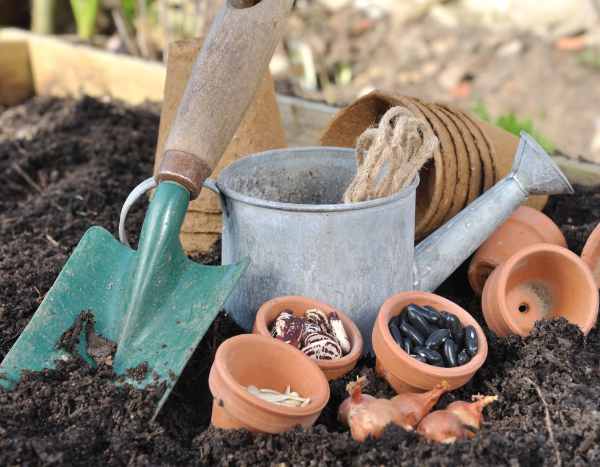
Ricin can be sown either in March or April in buckets under shelter at 20°C (68°F) to prepare young plants that can be planted in your flower beds after the last frost. Or from April to June, after the frost, directly in place. In a sunny location in your garden, in fertile and well-drained soil. Soak the seeds for 24 hours to soften them. Sow your seeds in groups of 2, 1 cm (0in) deep and 1m (3ft) apart, in open ground. After 20 days, remove the weakest shoot to keep only one per location. The vigorous growth of the Ricin will require regular watering in very rich soil. You can apply Triple 17 granular fertiliser. Avoid planting Ricin in windy locations. If that's the case, they will need staking.
Sowing period
Intended location
Planting & care advice
-

-
-

-

-

-
-

-

-
, onOrder confirmed
Reply from on Promesse de fleurs
Recently viewed products
Haven't found what you were looking for?
Hardiness is the lowest winter temperature a plant can endure without suffering serious damage or even dying. However, hardiness is affected by location (a sheltered area, such as a patio), protection (winter cover) and soil type (hardiness is improved by well-drained soil).

The flowering period indicated on our website applies to countries and regions located in USDA zone 8 (France, the United Kingdom, Ireland, the Netherlands, etc.)
It will vary according to where you live:- In zones 9 to 10 (Italy, Spain, Greece, etc.), flowering will occur about 2 to 4 weeks earlier.
- In zones 6 to 7 (Germany, Poland, Slovenia, and lower mountainous regions), flowering will be delayed by 2 to 3 weeks.
- In zone 5 (Central Europe, Scandinavia), blooming will be delayed by 3 to 5 weeks.
In temperate climates, pruning of spring-flowering shrubs (forsythia, spireas, etc.) should be done just after flowering.
Pruning of summer-flowering shrubs (Indian Lilac, Perovskia, etc.) can be done in winter or spring.
In cold regions as well as with frost-sensitive plants, avoid pruning too early when severe frosts may still occur.
The planting period indicated on our website applies to countries and regions located in USDA zone 8 (France, United Kingdom, Ireland, Netherlands).
It will vary according to where you live:
- In Mediterranean zones (Marseille, Madrid, Milan, etc.), autumn and winter are the best planting periods.
- In continental zones (Strasbourg, Munich, Vienna, etc.), delay planting by 2 to 3 weeks in spring and bring it forward by 2 to 4 weeks in autumn.
- In mountainous regions (the Alps, Pyrenees, Carpathians, etc.), it is best to plant in late spring (May-June) or late summer (August-September).
The harvesting period indicated on our website applies to countries and regions in USDA zone 8 (France, England, Ireland, the Netherlands).
In colder areas (Scandinavia, Poland, Austria...) fruit and vegetable harvests are likely to be delayed by 3-4 weeks.
In warmer areas (Italy, Spain, Greece, etc.), harvesting will probably take place earlier, depending on weather conditions.
The sowing periods indicated on our website apply to countries and regions within USDA Zone 8 (France, UK, Ireland, Netherlands).
In colder areas (Scandinavia, Poland, Austria...), delay any outdoor sowing by 3-4 weeks, or sow under glass.
In warmer climes (Italy, Spain, Greece, etc.), bring outdoor sowing forward by a few weeks.
Shipping country and language
Your country of residence may be:
Your country of residence is:
For a better user experience on our website, you can select:
Your shipping country:
-
 Austria
-
 Belgium
-
 Bosnia & Herzegovina
-
 Bulgaria
-
 Croatia
-
 Cyprus
-
 Czechia
-
 Denmark
-
 Estonia
-
 Finland
-
 France
-
 Germany
-
 Greece
-
 Hungary
-
 Iceland
-
 Ireland
-
 Italy
Italy
-
 Latvia
-
 Liechtenstein
-
 Lithuania
-
 Luxembourg
-
 Malta
Malta
-
 Netherlands
-
 Poland
-
 Portugal
-
 Romania
-
 Serbia
-
 Slovakia
-
 Slovenia
-
 Spain
Spain
-
 Sweden
-
 Switzerland
Language:
-
French
-
 English
-
Spanish
-
Italian
-
German
-
Portuguese
-
Dutch
-
Finnish
My Account
Hello
My wish lists
My cart
Log in / Register
Existing customer?
This form is protected by reCAPTCHA - the Google Privacy Policy and Terms of Service apply.
New customer?
Create an account to track your orders, access our customer service and, if you wish, make the most of our upcoming offers.