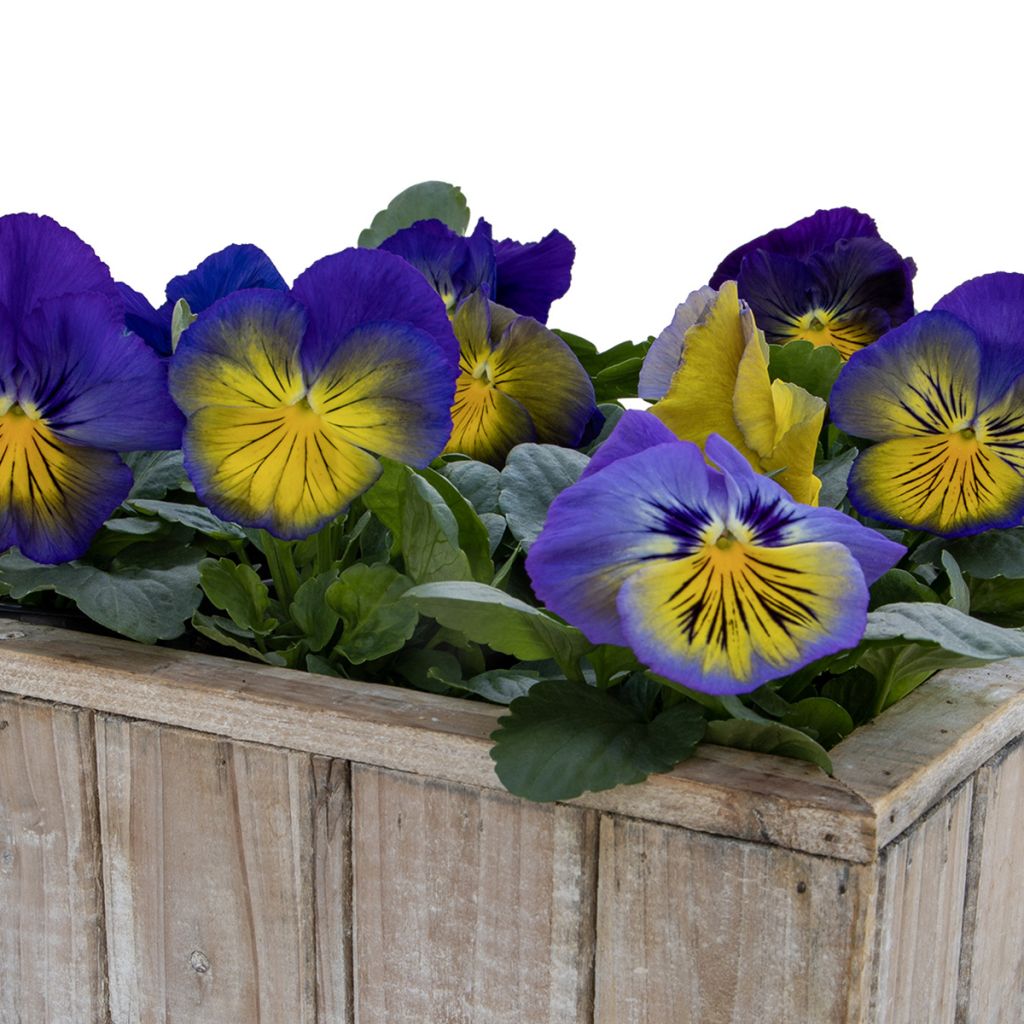
Viola x wittrockiana Cats® Plus Blue & Yellow - Pansy
Viola x wittrockiana Cats® Plus Blue & Yellow - Pansy
Viola x wittrockiana 'VW0404RE' Cats® Plus Blue & Yellow
Garden Pansy
Back-to-school special offer!
Get €10 off for every €50 you spend! And get up to €40 off on a single order.
How does it work?
1. Shop your favourites
Add your favourite plants to your basket. For every €50 you spend (excluding delivery charges, store credit and the plastic-free option), you’ll receive a €10 voucher.
€50 spent = €10 voucher
€100 spent = €20 voucher
€150 spent = €30 voucher
€200 spent = €40 voucher
2. Place your order
Once your basket reaches one of the spending thresholds, place your order. You can even choose your delivery date!
3. Receive your voucher
As soon as your order has been shipped, you’ll receive an email containing your personal voucher code and its value.
4. Use it on your next order
Your voucher is valid for 90 days from the date you receive it. It can be used once only, on a new order worth at least the value of the voucher, excluding delivery charges.
Please note: Vouchers can be combined with other offers, but cannot be split or refunded.
Home or relay delivery (depending on size and destination)
Important: You may be charged customs duties by your country’s customs authorities upon delivery.
Schedule delivery date
and select date in basket
This plant carries a 6 months recovery warranty
More information
We guarantee the quality of our plants for a full growing cycle, and will replace at our expense any plant that fails to recover under normal climatic and planting conditions.
Would this plant suit my garden?
Set up your Plantfit profile →
Description
Les Graines de Pensée Cats Plus Blue and Yellow permettent de cultiver facilement cet hybride prisé pour ses grandes fleurs bicolores très expressives, mêlant un jaune éclatant à un bleu profond, rehaussées de stries sombres caractéristiques en forme de moustaches félines. Son port compact, bien ramifié et uniformément arrondi la rend idéale pour les bordures, jardinières et potées fleuries. Facile à cultiver, elle offre une floraison précoce et continue, dès les premiers jours du printemps ou à l’automne, même sous des températures fraîches. Elle apprécie les expositions ensoleillées à mi-ombragées et prospère dans un sol riche, frais, bien drainé. Pour prolonger sa floraison, un arrosage régulier et la suppression des fleurs fanées sont recommandés.
La pensée Cats Plus Blue and Yellow est un cultivar hybride F1 développé par la société Benary, appartenant à la famille des Violacées. Ce cultivar de Viola × wittrockiana est issu de croisements entre plusieurs espèces du genre Viola, notamment Viola tricolor, Viola lutea et Viola altaica, originaires d'Europe et d'Asie occidentale. Ces espèces parentales sont connues pour leur floraison colorée et leur adaptation aux climats tempérés. Le cultivar Cats® Plus Blue & Yellow se distingue par ses grandes fleurs bicolores aux pétales bleu foncé et jaune vif, ornées de motifs en forme de moustaches de chat, caractéristiques de la série Cats Plus. Cette variété présente un port compact et bien ramifié, atteignant environ 15 à 20 cm de hauteur et de largeur, ce qui la rend idéale pour les bordures, les jardinières et les massifs. Elle offre une floraison précoce, jusqu'à 10 jours plus tôt que les séries précédentes, et une excellente tenue au froid, la rendant parfaite pour les plantations de printemps et d'automne. Les fleurs, légèrement parfumées, mesurent environ 5 à 8 cm de diamètre et apparaissent du début du printemps jusqu'à l'automne, voire en hiver dans les climats doux. Le feuillage est vert moyen, avec des feuilles ovales et légèrement dentelées. Les tiges sont souples et légèrement velues. Le système racinaire est fibreux et peu profond, adapté aux sols bien drainés. Les pensées sont souvent utilisées dans les jardins pour leur capacité à fleurir pendant les périodes fraîches de l'année, apportant de la couleur lorsque peu d'autres plantes sont en fleurs. Les pétales des pensées sont comestibles, leurs couleurs apporteront une touche d’originalité à vos salades et pâtisseries. Pour cela, pensez à les cultiver comme vous cultiveriez vos légumes, de la manière la plus naturelle possible.
Les pensées sont faciles à cultiver et s’adaptent aussi bien au soleil qu’à la mi-ombre, à condition de bénéficier d’un sol léger, bien drainé et moyennement fertile. Pour une floraison estivale, semez-les entre février et avril ; pour une floraison printanière, préférez un semis de juin à août. Dans un jardin pensé comme une série de tableaux saisonniers, la pensée Cats Plus Blue and Yellow agit comme un accent vif sur une toile de feuillages tendres. Sa floraison anime les rebords de platebandes au sortir de l’hiver ou en lisière d’automne. Elle dialogue magnifiquement avec les narcisses ‘Tête-à-Tête’, les primevères ‘Charlie Wine Red Edge’ pourpres ou encore les myosotis ‘Blue Sylva’, créant des associations pleines de fraîcheur et de contraste. En pot, elle structure les scènes d’entrée ou de balcon, apportant une touche expressive tout en gardant une silhouette douce et disciplinée.
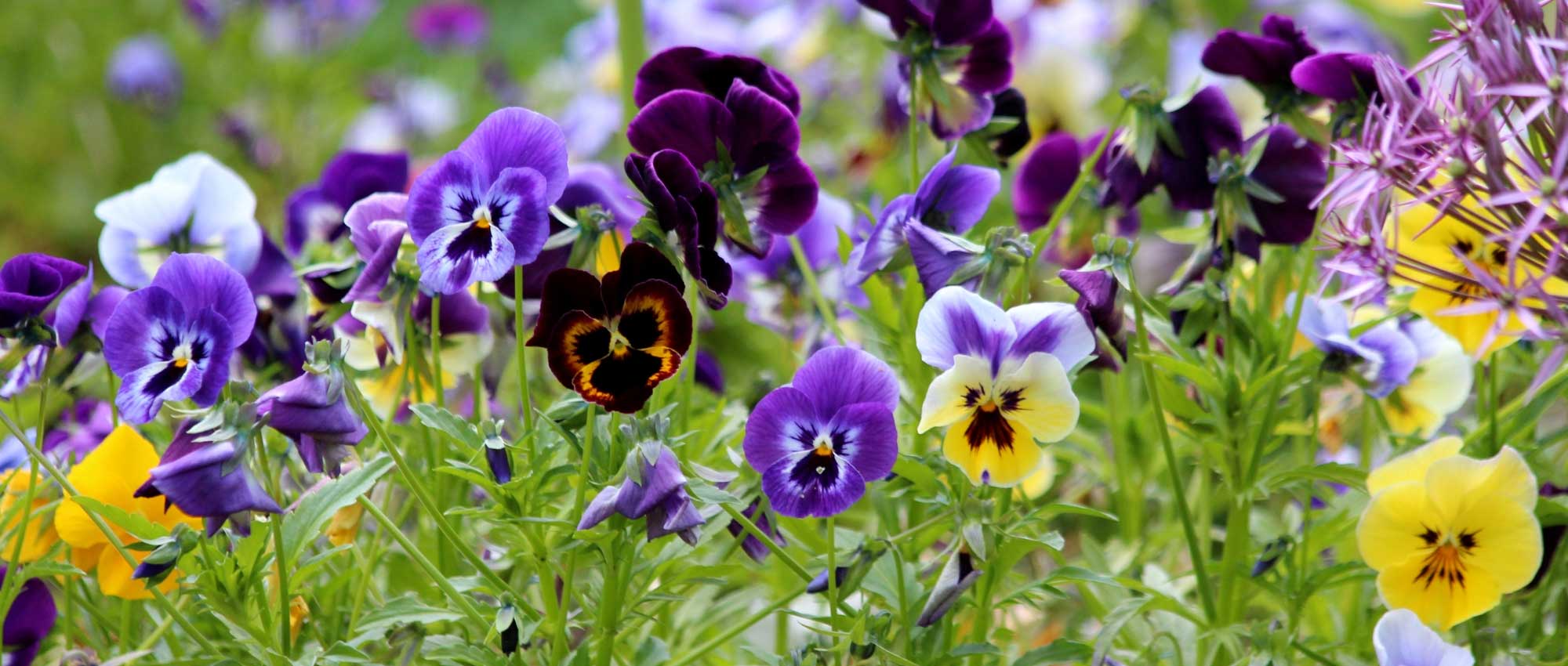
Viola x wittrockiana Cats® Plus Blue & Yellow - Pansy in pictures

Flowering
Foliage
Plant habit
Botanical data
Viola
x wittrockiana
'VW0404RE' Cats® Plus Blue & Yellow
Violaceae
Garden Pansy
Cultivar or hybrid
Planting and care
Calendar: sow Pansy 'Cats Plus Blue and Yellow' from February to April for summer flowering or from June to August for flowering the following spring.
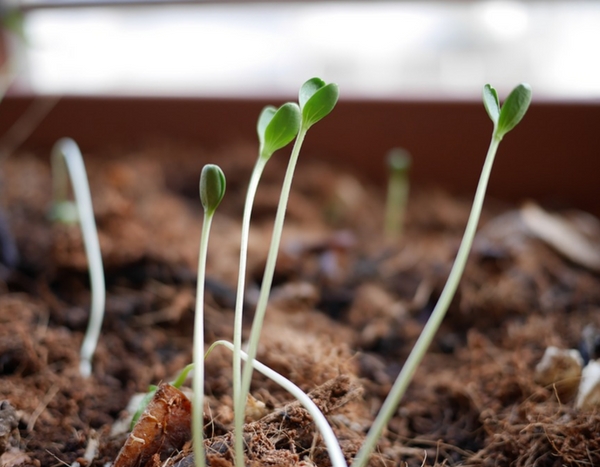
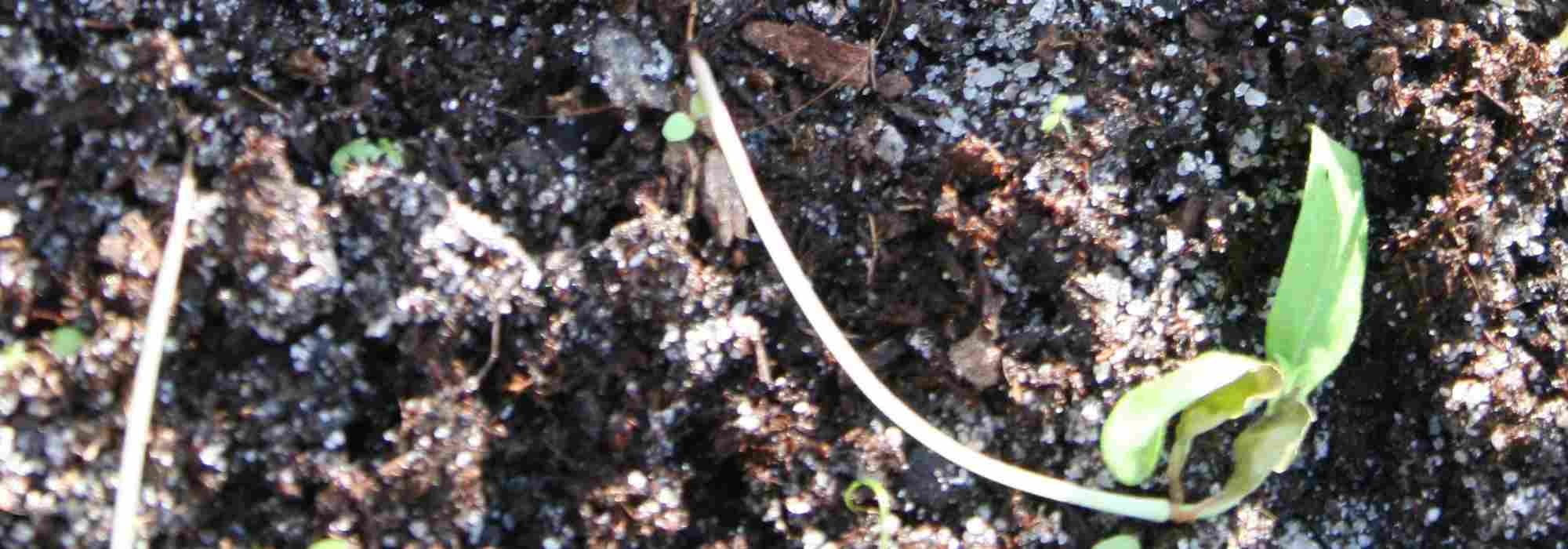
In a tray filled with good sowing compost, bury the seeds at a depth of 1.5 mm and cover, with a sheet of newspaper for example, as darkness is beneficial for germination. Maintain at a temperature between 15 and 18°C while keeping the soil moist. Germination takes between 14 and 21 days. Be careful of temperatures that are too high, which prevent the sowing from emerging.
When the seedlings are developed enough to be handled, transplant into pots and allow your young plants to develop by gradually acclimatising them to outdoor conditions over about two weeks. Plant your Pansies in the garden, 25/30 cm apart, in sun or partial shade.
For late winter/early spring sowings, wait until all risk of frost has passed.
Sowing period
Intended location
Planting & care advice
-

-
-
-

-
-
-

-

This item has not been reviewed yet - be the first to leave a review about it.
Recently viewed products
Haven't found what you were looking for?
Hardiness is the lowest winter temperature a plant can endure without suffering serious damage or even dying. However, hardiness is affected by location (a sheltered area, such as a patio), protection (winter cover) and soil type (hardiness is improved by well-drained soil).

The flowering period indicated on our website applies to countries and regions located in USDA zone 8 (France, the United Kingdom, Ireland, the Netherlands, etc.)
It will vary according to where you live:- In zones 9 to 10 (Italy, Spain, Greece, etc.), flowering will occur about 2 to 4 weeks earlier.
- In zones 6 to 7 (Germany, Poland, Slovenia, and lower mountainous regions), flowering will be delayed by 2 to 3 weeks.
- In zone 5 (Central Europe, Scandinavia), blooming will be delayed by 3 to 5 weeks.
In temperate climates, pruning of spring-flowering shrubs (forsythia, spireas, etc.) should be done just after flowering.
Pruning of summer-flowering shrubs (Indian Lilac, Perovskia, etc.) can be done in winter or spring.
In cold regions as well as with frost-sensitive plants, avoid pruning too early when severe frosts may still occur.
The planting period indicated on our website applies to countries and regions located in USDA zone 8 (France, United Kingdom, Ireland, Netherlands).
It will vary according to where you live:
- In Mediterranean zones (Marseille, Madrid, Milan, etc.), autumn and winter are the best planting periods.
- In continental zones (Strasbourg, Munich, Vienna, etc.), delay planting by 2 to 3 weeks in spring and bring it forward by 2 to 4 weeks in autumn.
- In mountainous regions (the Alps, Pyrenees, Carpathians, etc.), it is best to plant in late spring (May-June) or late summer (August-September).
The harvesting period indicated on our website applies to countries and regions in USDA zone 8 (France, England, Ireland, the Netherlands).
In colder areas (Scandinavia, Poland, Austria...) fruit and vegetable harvests are likely to be delayed by 3-4 weeks.
In warmer areas (Italy, Spain, Greece, etc.), harvesting will probably take place earlier, depending on weather conditions.
The sowing periods indicated on our website apply to countries and regions within USDA Zone 8 (France, UK, Ireland, Netherlands).
In colder areas (Scandinavia, Poland, Austria...), delay any outdoor sowing by 3-4 weeks, or sow under glass.
In warmer climes (Italy, Spain, Greece, etc.), bring outdoor sowing forward by a few weeks.
Shipping country and language
Your country of residence may be:
Your country of residence is:
For a better user experience on our website, you can select:
Your shipping country:
-
 Austria
-
 Belgium
-
 Bosnia & Herzegovina
-
 Bulgaria
-
 Croatia
-
 Cyprus
-
 Czechia
-
 Denmark
-
 Estonia
-
 Finland
-
 France
-
 Germany
-
 Greece
-
 Hungary
-
 Iceland
-
 Ireland
-
 Italy
Italy
-
 Latvia
-
 Liechtenstein
-
 Lithuania
-
 Luxembourg
-
 Malta
Malta
-
 Netherlands
-
 Poland
-
 Portugal
-
 Romania
-
 Serbia
-
 Slovakia
-
 Slovenia
-
 Spain
Spain
-
 Sweden
-
 Switzerland
Language:
-
French
-
 English
-
Spanish
-
Italian
-
German
-
Portuguese
-
Dutch
-
Finnish
My Account
Hello
My wish lists
My cart
Log in / Register
Existing customer?
This form is protected by reCAPTCHA - the Google Privacy Policy and Terms of Service apply.
New customer?
Create an account to track your orders, access our customer service and, if you wish, make the most of our upcoming offers.