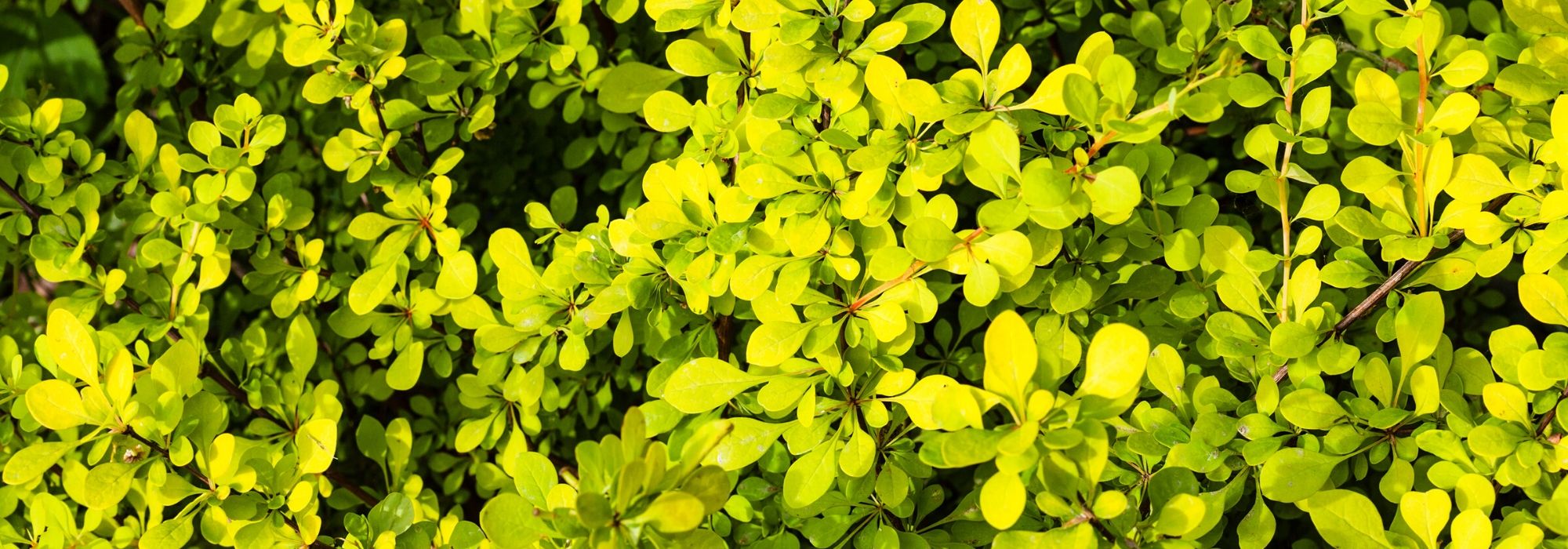
10 shrubs with golden-yellow foliage to brighten up the garden
From classic to more unusual varieties
Contents
Golden-yellow foliage shrubs brighten and enliven the garden in every season. With their luminous, sometimes changing colours, they break up the monotony of green, brighten up a shady area and add structure in small touches. They have many advantages and bring a real extra dimension to the garden. Whether planted as a hedge, on a lawn or in a strategic area of the garden, golden foliage creates focal points that always attract the eye and contrast with shrubs bearing red or dark foliage, or with purple or blue-flowered plants. Use them sparingly to keep the overall effect elegant. Most golden-foliage shrubs dislike scorching aspects, which can cause leaf scorch. In very hot regions, plant them in a partially shaded position at midday. For some, flowering followed by lovely decorative berries in autumn are additional, worthwhile assets.
Here is a selection of 7 particularly bright golden-foliage shrubs!

Berberis thunbergii 'Tiny Gold'
This Berberis or barberry ‘Tiny Gold’ is a bright dwarf variety. It is a thorny shrub with a very compact habit, clothed in highly luminous, fresh light green to chartreuse-green deciduous foliage. Yellow spring flowering tinged with red is followed by highly decorative red berries in autumn. This compact, rounded variety with a ball-shaped habit makes an excellent rock garden subject or a gentle focal point in a border. It can also be showcased on a terrace or balcony. It is ideal for brightening a sunny or partially shaded area. Very hardy and accommodating, it will find a place in any type of soil. A position in full sun intensifies the vibrant colouring of its foliage and enhances its flowering, but it will tolerate partial shade in southern and western France.
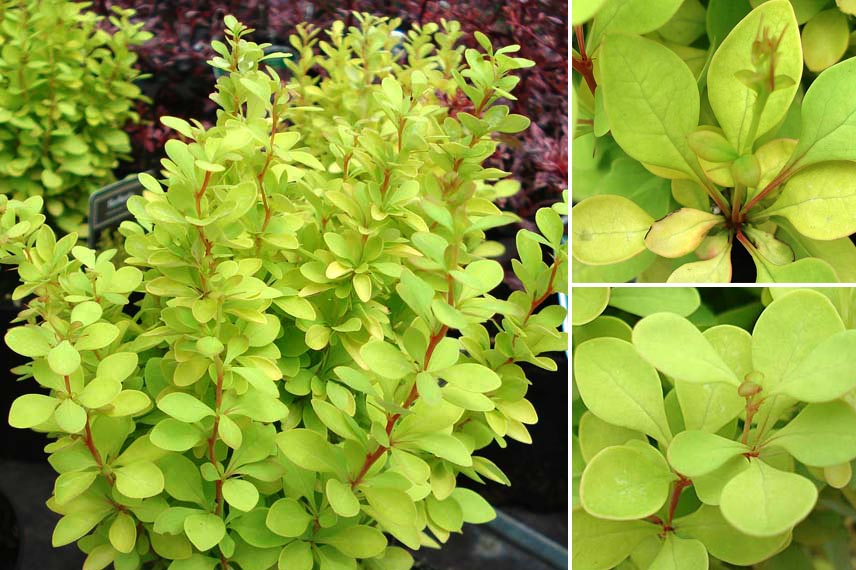
Berberis Tiny Gold
- For more information about these shrubs, visit our plant page: “Berberis, barberry: planting, pruning and care”
- Discover our wide range of Berberis
Betula nana 'Golden Treasure'
This Betula nana ‘Golden Treasure’ is a dwarf birch. It is a real boon for small town gardens, rockeries, balconies and sunny terraces! It forms a very compact little shrub, eventually reaching no more than 1 metre in all directions. Its deciduous foliage is formed of small leaves, acid green in spring, turning golden yellow in summer and autumn. In May, upright yellow-brown catkins engulf the delicate foliage. This ball of golden mist retains its beautiful appearance from summer through to autumn.
This small, sun-loving, very hardy shrub prefers soil that remains cool, is low in lime and slightly acidic to produce good foliage colour, along with a sunny position.
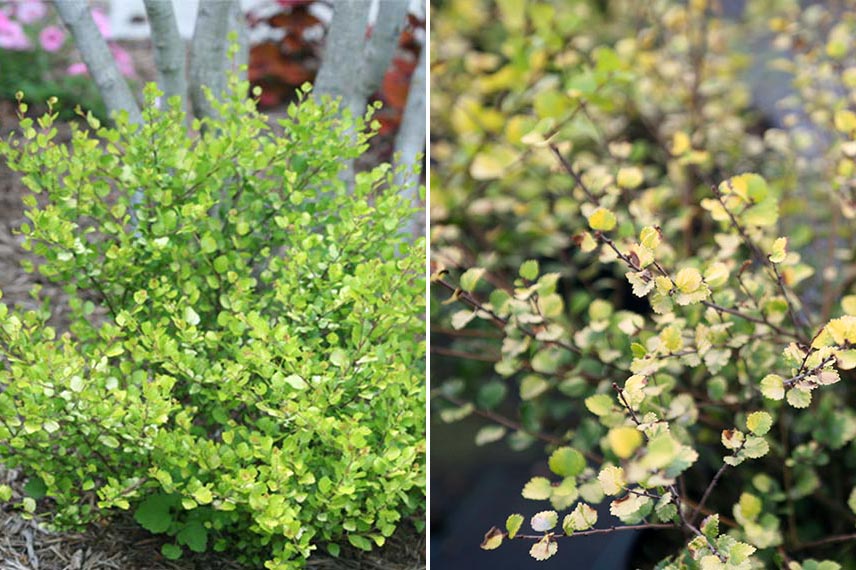
Betula nana Golden Treasure
- To find out everything you need to know, see our plant guide: “Birches: planting, growing and care”
- Also discover our wide range of birches
Discover other Striking foliage shrubs
View all →
Available in 1 sizes
Available in 1 sizes
Available in 1 sizes
Available in 1 sizes
Available in 1 sizes
Available in 1 sizes
Available in 1 sizes
Available in 1 sizes
Available in 1 sizes
Available in 0 sizes
Choisya 'Goldfinger'
Its compact shape, modest dimensions, bright evergreen foliage and white spring flowers with a delicate citrus fragrance make Mexican orange blossom, or Choisya, a valuable shrub in every garden, even a modest-sized one. With its particularly exotic appearance and fragrance, it is a godsend in an exotic-style garden. Choisya ‘Goldfinger’ is a variety with golden-yellow foliage, which is particularly bright. Hardy down to -15 °C, it grows well north of the Loire in any light, not overly chalky, well-drained soil. It likes a warm, sunny position sheltered from cold winds. After the first flowering, light pruning is all it needs to maintain a compact habit.
It creates a bright focal point in the garden: plant it as a specimen in a strategic spot to enjoy its delicate fragrance or to punctuate an informal hedge. It is also easy to grow in a container on a terrace.
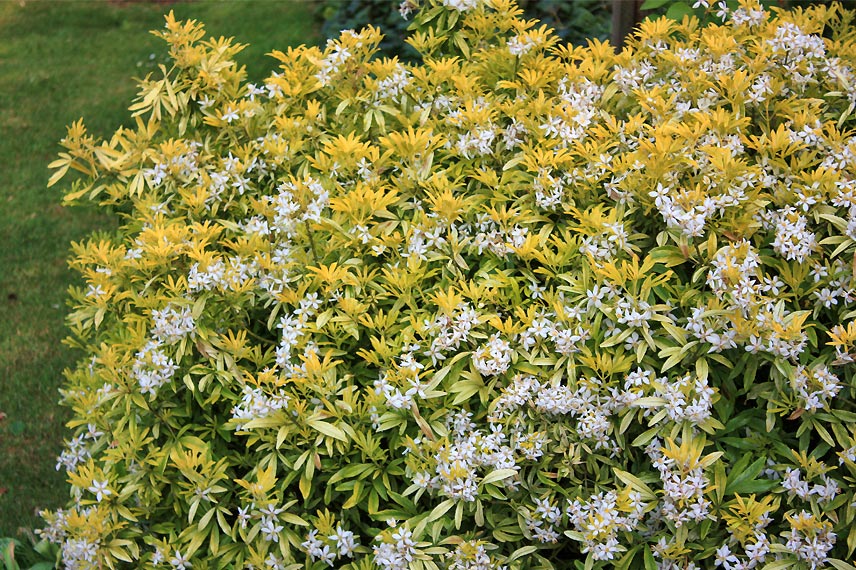
The highly fragrant flowering of Choisya Goldfinger
- And to find out everything about this beautiful shrub, discover our plant guide “Mexican orange blossom, Choisya ternata: planting, pruning and care”
- Discover our beautiful range of Mexican orange blossom
Corylus avellana 'Aurea'
Here is a hazel unlike any other, as elegant as it is delicious! With its fine stature and luminous crown, this Corylus avellana ‘Aurea’ is a beautiful fruiting shrub that deserves a place in the ornamental garden. It differs from the species by the colour of its bright foliage, which can be seen from a distance. Late in spring, it develops rounded, dentate and heavily veined young leaves in bright yellow, gradually turning a deeper green before falling in autumn, with the two colours blending harmoniously. The very early flowering, before the leaves appear, takes the form of long, pendulous, pale yellow catkins on the bare branches, which give way to ripe hazelnuts.
Plant it in ordinary soil that is not too dry: it thrives anywhere, in full sun or partial shade. It makes a beautiful focal point in the garden, planted in groups along the edge of a woodland area or within an informal, fruiting or windbreak hedge.
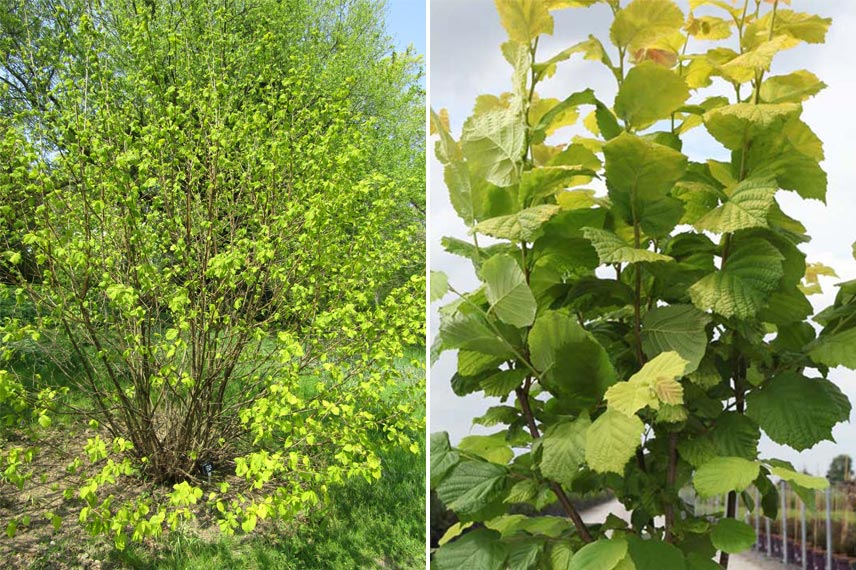
The spring foliage of Corylus avellana Aurea
- To find out everything you need to know about hazels and how to grow them successfully in the garden, see our advice guide: “Hazel, Corylus – Planting, pruning and care”
- Also discover our beautiful range of hazels
Cotinus coggygria 'Golden Spirit'
Cotinus coggygria ‘Golden Spirit’ is a smoke tree variety characterised by deciduous foliage that changes with the seasons. The sumptuous golden-yellow colour of spring gives way to coppery red in autumn. This shrub has a bushy habit and reaches a height of 3 to 4 m when fully grown: an interesting compact size for small gardens. Spectacular and surprising in equal measure, its flowering consists of a multitude of coppery-orange plumes, resembling a pope’s beard but, above all, a wig, which envelop the golden foliage of this Cotinus from summer through to autumn. Easy to grow and very hardy down to -20 °C, it thrives in well-drained, poor and light soils. It brings beautiful light to garden borders and also looks at home in informal hedges and rockeries.
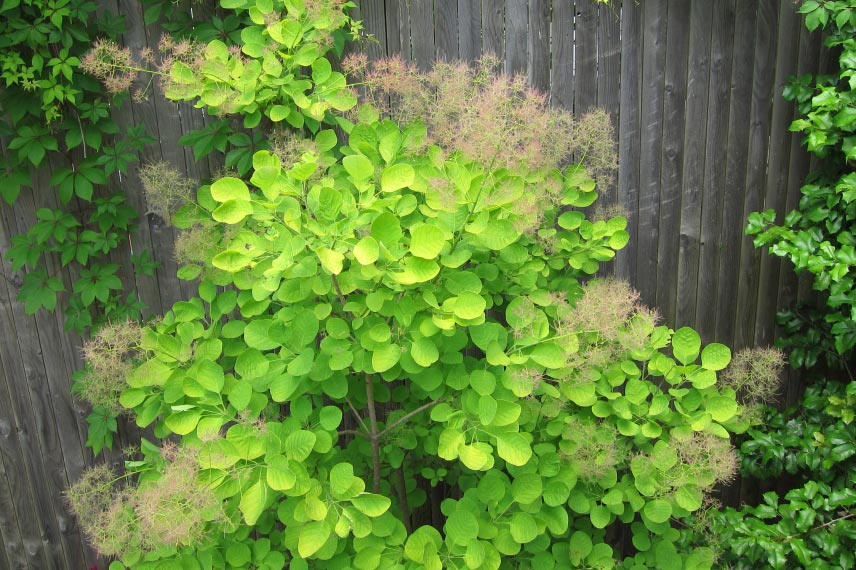
A lovely contrast between the luminous foliage of Cotinus Golden Spirit and its hazy pink flowering.
- To find out everything you need to know, discover our complete guide: “Cotinus, or smoke tree: planting, pruning and growing”
- Discover our beautiful range of Cotinus
Escallonia laevis 'Gold Ellen'
Well known to Breton and English gardeners, Escallonia is an evergreen shrub, ideal for forming seaside hedges. Escallonia laevis ‘Gold Ellen’ differs from other varieties, which generally have glossy dark green leaves, with its superb evergreen foliage in golden yellow, maculate with green. It forms a dense, rounded bush, as tall as it is wide, reaching 2 to 2.50 m in adulthood. In summer, fleshy carmine-pink flowers, borne at the tip of each branch, open above the lush foliage. This beautiful, glossy, leathery foliage, aromatic when crushed, remains in place in winter and brightens the garden all year round. Easy to grow, it thrives in ordinary, moist, well-drained soil in full sun and sheltered from draughts. Plant it at the back of a bed, on a terrace; it makes an excellent evergreen hedge shrub, whether left free-growing or clipped.
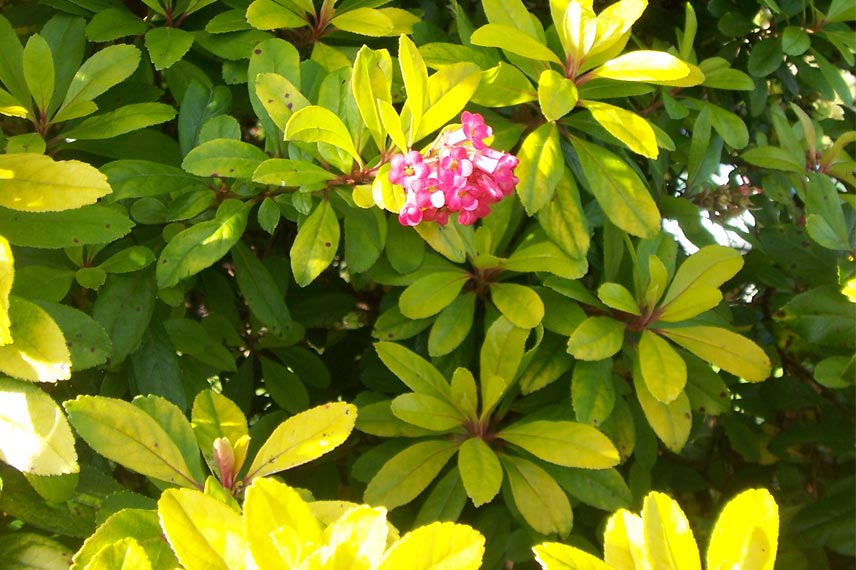
The bright pink flowers of Escallonia Gold Ellen stand out beautifully against its golden foliage.
- To find out everything you need to know about this beautiful shrub and how to grow it successfully in the garden, read our complete guide: “Escallonia: planting, pruning and care”
- Discover our beautiful range of Escallonia
Physocarpus 'Angel Gold'
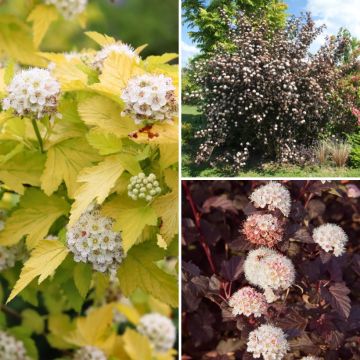
This new variety of ninebark combines a wealth of ornamental qualities. This Physocarpus ‘Angel Gold’ brings a beautiful touch of golden light to your beds or informal hedges! This variety is particularly remarkable for the colour of its leaves. Its deciduous foliage emerges coppery yellow in spring, then turns golden yellow in autumn. A very bright colour that it retains until the end of the season, transforming this shrub into a sun-bright mass that can be spotted from a distance in the garden. This is a beautiful, bushy shrub, highly decorative thanks to its colourful lobed foliage and exfoliating bark in winter, as well as its lovely white-pink flowering in May-June, followed by small, light red ornamental fruits that last into autumn.
Its growth is rapid, and it can reach 3 m in height and 2 m in width at maturity. Fully hardy, it thrives in deep, humus-rich, fertile, moist soils, while tolerating slightly dry and chalky soils. It flourishes in partial shade or in a position that is not too hot. It also makes a great impact when planted in a container on a terrace or balcony.
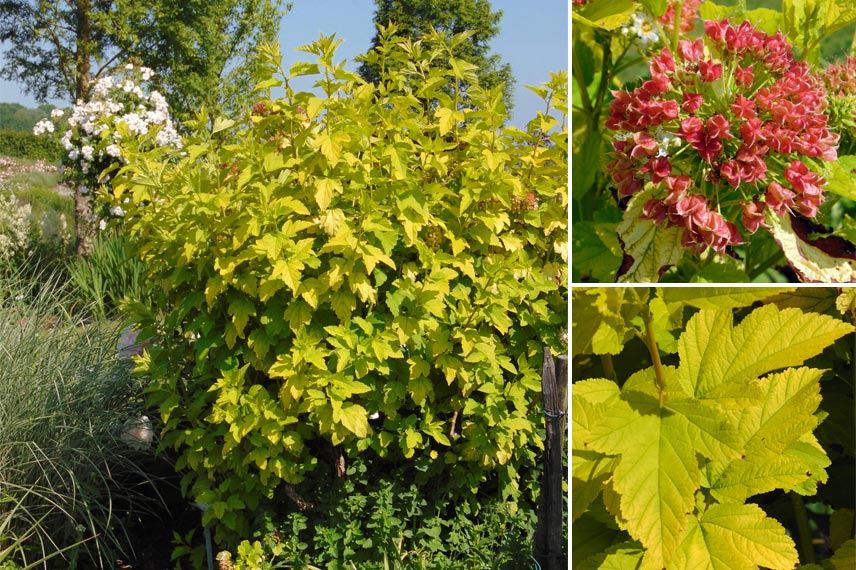
Brighten up your garden with Physocarpus opulifolius Angel Gold.
- To find out all about this shrub and grow it successfully in the garden, see our growing guide: “Physocarpus, ninebark – Planting, pruning and care”
- Discover our beautiful range of Physocarpus
Santolina Lemon Fizz
Santolina ‘Lemon Fizz’ is a superb and highly original new horticultural hybrid of Santolina virens, an evergreen and hardy Mediterranean shrub. Its lemon-yellow foliage is made up of leaves edged with small teeth and, in addition, releases a strongly aromatic scent when crushed. This beautiful cultivar forms a dense, highly luminous cushion covered with small, perfectly round, pale yellow flower heads in summer. This pretty undershrub, hardy down to -15 °C and well adapted to drought, thrives in dry, well-drained, poor and rather alkaline soils. Forming a rounded clump 30 to 40 cm high and wide, it will add a golden touch along paths, in small low hedges, in a rock garden or in a bed to cover the base of Mediterranean shrubs. This variety is also highly ornamental in large containers.
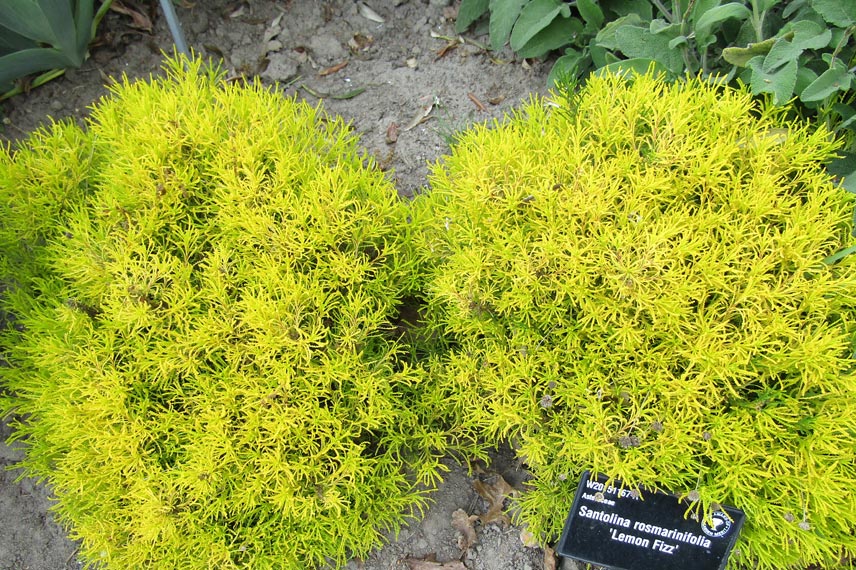
Rosemary-leaved lavender cotton Lemon Fizz has lemon-yellow foliage.
- To find out everything about this shrub and grow it successfully in your garden, read our care guide:“Lavender cotton: planting, care and pruning”
- Discover our beautiful range of lavender cotton
Spiraea vanhouttei Gold Fountain
The spiraea is a popular shrub prized for its generous spring or summer flowering, elegant and compact habit, and deeply cut, diamond-shaped foliage, which is dense and green, or sometimes yellow in golden spiraea. Spiraea vanhouttei ‘Gold Fountain’, also known as “Van Houtte’s golden spiraea”, produces golden yellow foliage from spring onwards, turning bright green in summer and changing to orange-yellow in autumn. This light and graceful shrub is covered in countless small, pure white cut flower arrangements in midsummer, which are equally attractive. This is a more compact cultivar than other spiraeas, not exceeding 1.50 m in all directions, with a lovely trailing habit that is easy to prune. Hardy down to around -20 °C, spiraea grows in non-scorching sun or partial shade in any ordinary, well-drained soil. It is easy to use as a standalone plant, in an informal hedge or in a bed with other summer-flowering shrubs.
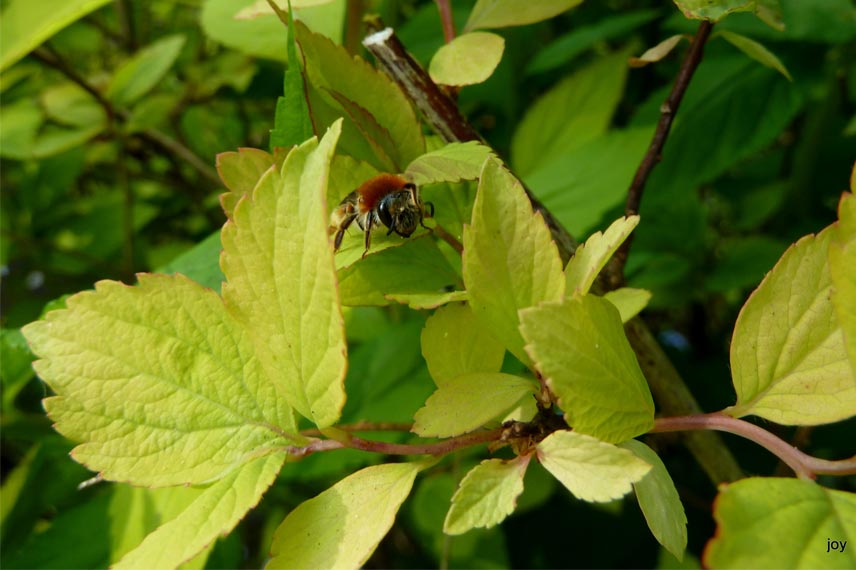
Gold Fountain spiraea
- To find out all about the different species and how to grow them successfully, discover our complete guide: “Spiraeas: planting, pruning and care”
- Also discover our beautiful range of spiraeas
Sambucus racemosa Lemony Lace
Elder, Sambucus in Latin, is a beautiful deciduous shrub with fragrant umbels of flowers, while its cultivated varieties display striking, original foliage. Just look at this elder ‘Lemony Lace’, with finely incised, light, highly luminous leaves, as architectural as those of a Japanese maple! Deeply divided and intensely bright, its leaves emerge lemon yellow, almost fluorescent, in spring, before turning chartreuse green in summer.
With its laciniate, golden leaves, it will create a sophisticated display and bring an exotic touch to your garden. Its early flowering, before the leaves appear, takes the form of white umbels in spring, which develop into highly decorative clusters of red fruits in late summer, contrasting beautifully with the golden foliage. This variety has a bushy habit, with a slightly blurred silhouette, and forms a feathery, airy mass, reaching up to 1.50m in height and width. It is easy to incorporate into any garden, even the smallest. It is hardy down to -25°C, grows in any well-drained soil, including chalky soil, and thrives in full sun or partial shade. Sunny, light, architectural and undemanding, it fits into a shrub border, near an entrance, and grows well in a large pot or container.
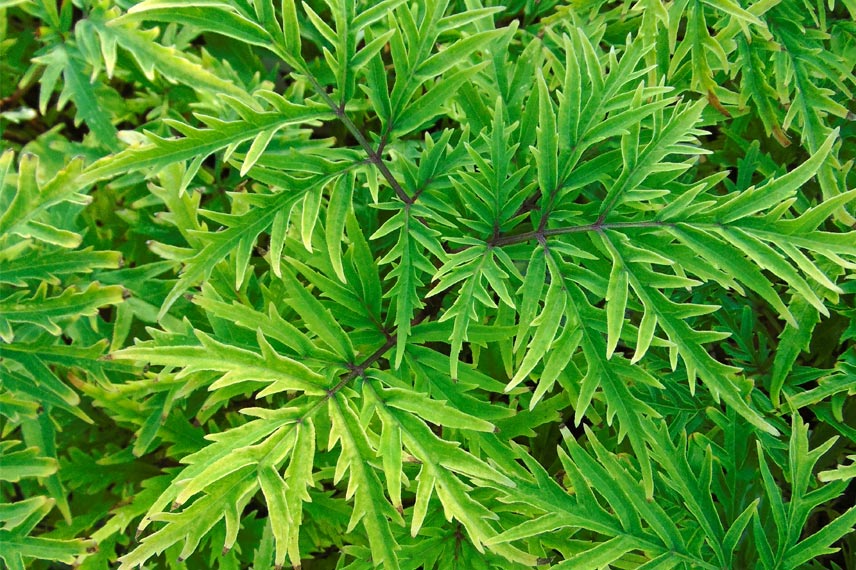
Lemony Lace elder with laciniate leaves
- To find out more about the different varieties and how to grow them successfully in the garden, discover our advice in our guide: “Elder: planting, growing and pruning”
- Discover our beautiful range of elders
- Subscribe!
- Contents
This form is protected by reCAPTCHA - the Google Privacy Policy and Terms of Service apply.


































Comments