8 mistakes to avoid on your patios
Well-adapted plants for an optimised garden design
Contents
Growing plants on a terrace adds a natural touch of greenery and creates a pleasant, sheltered cocoon. The terrace is a living space in its own right, where you eat, relax and entertain guests… So it is well worth choosing a carefully planned design that reflects your tastes!
Before you get started, there are a few simple factors to consider when organising a terrace with plants.
While it is obvious that you will need to choose plants suited to your climate, there are other points that should not be overlooked. We have therefore listed the 8 most common mistakes and will share our advice for a terrace that is both beautiful and functional.
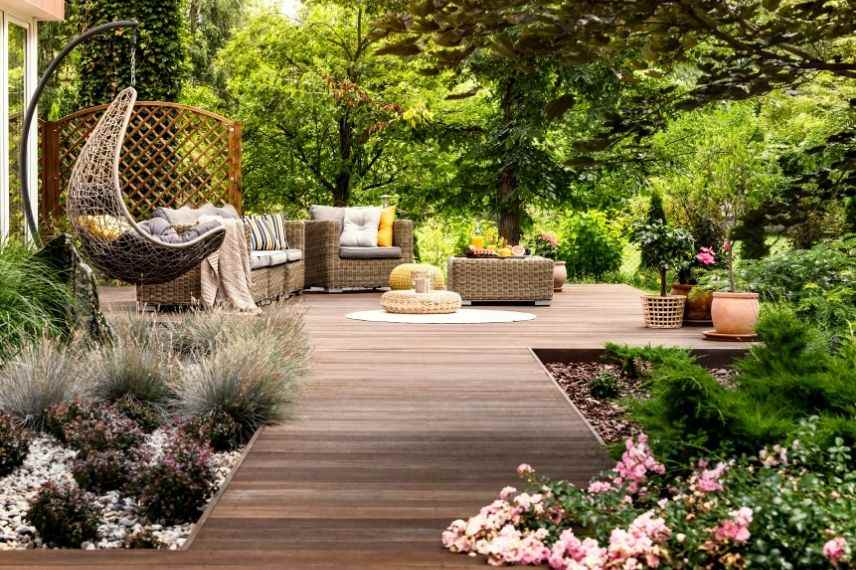
A carefully planned design for an attractive terrace
Choose unsuitable plants
Without doubt, the most important factor in successfully planting up your terrace is choosing the right plants to grow there.
To make sure they are suited to your terrace, ask yourself these key questions beforehand:
- Which way does my terrace face?
- How large is my terrace?
- How much weight can my terrace support?
- What style would I like to create on my terrace?
The answers will help you choose plants suited to your growing conditions (dense shade, full sun, a windy site, a cold position, etc.), the structural constraints of your terrace and your personal tastes. Would you prefer a striking or natural atmosphere, a wild jungle, a romantic terrace or a small Zen garden?
Then, from the wide range of plants available, unless you have an area of open ground on your terrace, make sure you choose species suited to growing in containers. Avoid plants that are too large or exuberant, easily exceeding 2 m in height and several metres in spread, especially on small or urban terraces.
But we also recommend avoiding:
- brittle plants, known for being fragile;
- thorny or prickly plants in small spaces or near places where people walk;
- plants with excessively large roots, known for causing damage;
- certain fruit trees, which tend to stain paving and furniture when their fruit falls.
Here are a few examples of plants that are well suited to a terrace, depending on the style you want.
- For a Mediterranean terrace: lavender, thyme, elaeagnus, griselinias, callistemon, agaves, sedums, …
- For a contemporary terrace: ornamental grasses, boxwood, alliums, ferns, dwarf pines, ophiopogons, …
- For a Japanese-inspired style: bamboos, camellias, Japanese azaleas, prunus, Japanese maples, pieris, dogwoods, …
- For an exotic atmosphere: palm trees, banana plants, hostas, abutilons, strelitzias, colocasias, …
- For a romantic terrace: roses, coneflowers, buddleias, agapanthus, hardy geraniums, …
For further reading, take a look at our articles “Which trees should not be planted near a terrace?” and “Which trees should be planted near a terrace?
Do not play around with shapes, textures and volumes
To create a harmonious and welcoming arrangement on your terrace, don’t hesitate to play with the different characteristics of plants: double or single flowers, pompom-shaped or feathery, leathery or light foliage, upright or creeping habits, and so on.
This diversity helps to create volume. Playing with verticality also helps to make the space appear larger by using different levels of height and avoiding any feeling of clutter.
Choose plants in pots of different sizes or shapes, as well as hanging plants and climbers… When it comes to structures, you can also vary the heights of trellises and other supports.
If you would like to create displays containing different species, or grow different plants in the same container, choose plants with similar growing requirements (substrate, aspect, fertilisation, …). Group acid-loving heather soil shrubs together, along with rock garden plants that require a poor, light substrate, and so on. Conversely, do not pair plants that need regular watering with plants that rarely need water.
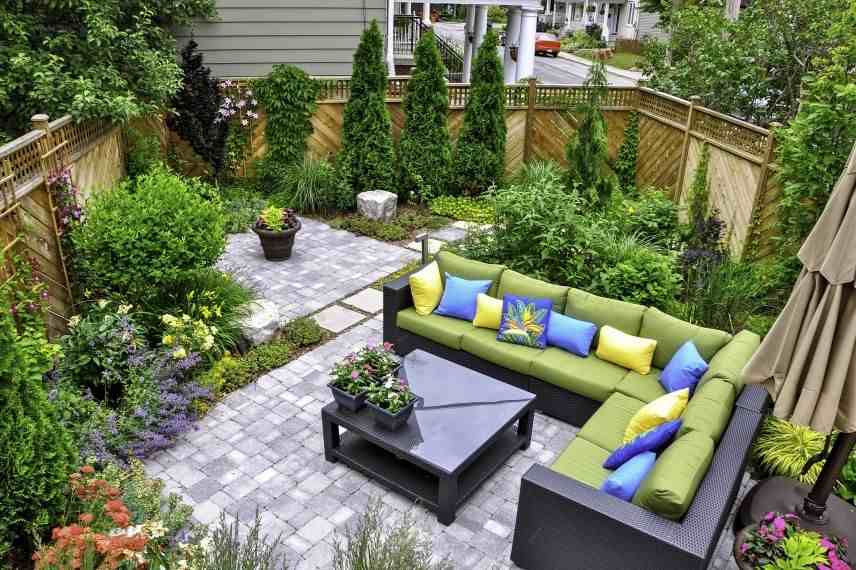
On this terrace, the plants have different shapes, sizes and textures
Discover other Patios
View all →
Available in 1 sizes
Available in 3 sizes
Available in 1 sizes
Available in 1 sizes
Available in 1 sizes
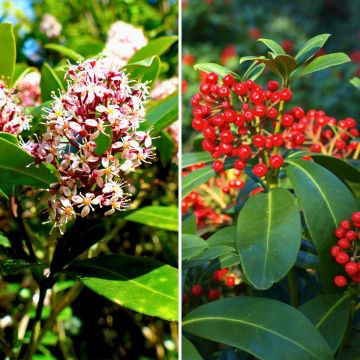
Available in 0 sizes
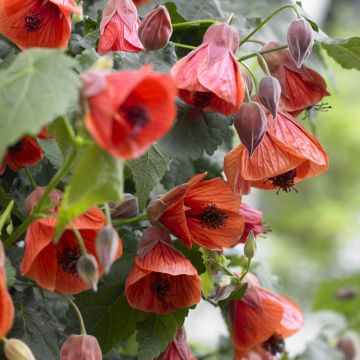
Available in 1 sizes
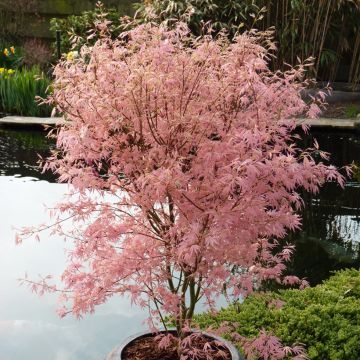
Available in 1 sizes
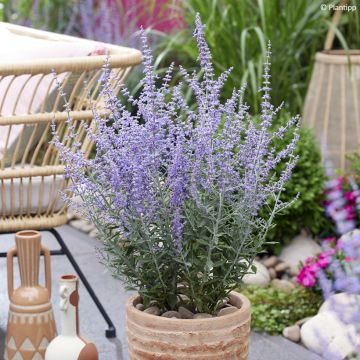
Available in 2 sizes
Available in 1 sizes
Getting lost in the choice of colours
If you would like to create a harmonious atmosphere on your patio, we recommend choosing no more than one or two dominant colours: soft pink for a romantic touch, red for a dynamic atmosphere, orange and yellow for a more exotic style, purple for a modern feel, and so on.
Do not underestimate white flowering, which highlights the other colours and adds a wonderfully light touch.
You can match your plants’ colours with those of your patio furniture (cushions, pottery, etc.) for a cohesive look and an even warmer setting.
Fail to stagger flowering times
If the terrace is mainly used during the warmer months, it would be a shame not to enjoy its view for as much of the year as possible. To achieve this, do not grow only plants with similar flowering periods. Instead, choose plants with staggered flowering times. This will allow you to enjoy a flower-filled, leafy terrace for many months, even in winter.
Evergreen shrubs and conifers will be decorative all year round. Also consider shrubs that flower in autumn and winter (autumn camellias, witch hazels), bulbous plants (autumn crocuses, ivy-leaved cyclamens), winter-flowering clematis and winter jasmine, plants with decorative fruit (creeping wintergreens, skimmias) or shrubs with ornamental stems.
Do not take the view into account
If you are lucky enough to have a terrace with a lovely unobstructed view, choose light, airy plants that will not obscure the landscape. But if your terrace has to contend with one or more overlooking properties, or an unattractive view, it will be useful to create a proper privacy screen.
Once again, you can certainly use plants as natural privacy screens, creating a real plant screen and protective cocoon. If you use your terrace almost all year round, choose evergreen varieties for year-round screening (photinias, Fargesia, Aucuba). Otherwise, many deciduous species are also well suited to this use (Miscanthus, hornbeam, dogwood).
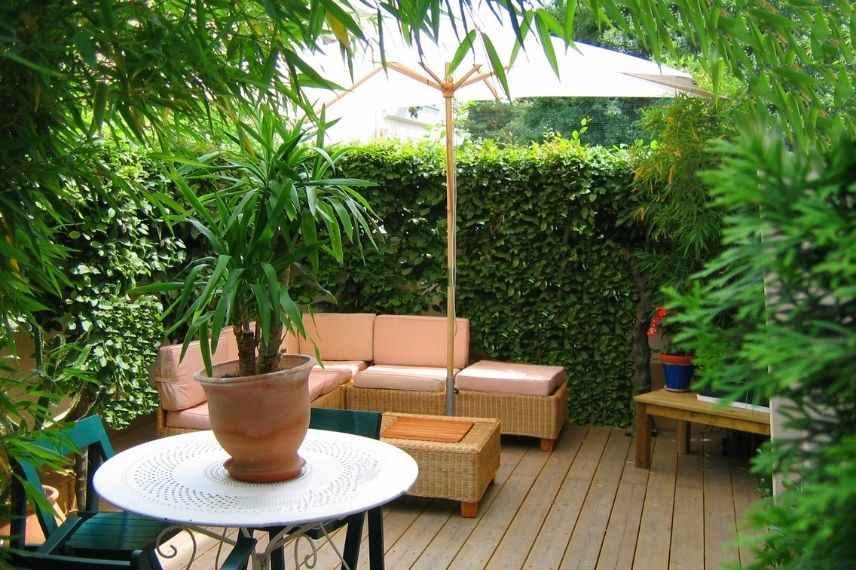
On this terrace, a plant privacy screen has deliberately been put in place to provide shelter from prying eyes
Underestimating the impact of wind
Plants grown in pots will always be more sensitive to gusts than plants grown in the ground. As their root system has less space to develop, plants will naturally be less stable.
It is therefore essential to choose sturdy, heavy containers to prevent your plants from being blown over by the first gust. The lightest pots can be weighted with stones. Wooden or aluminium tubs and planters are more resistant in windy conditions. Beware of attractive pottery or terracotta pots, which can also be damaged by strong winds in an exposed position.
In very windy positions, it is perfectly possible to tie the pots together, attach them to a balustrade or secure them firmly to a green wall. If your pots are mulched, place them in sheltered areas or opt for clay pebbles or mulch mats, instead of mulch made from dead leaves or wood chips, which are too light and may blow away.
Many plants can withstand strong winds and sea spray, thanks to their natural strength or reduced wind resistance: dwarf trees, climbers, shrubs… Conversely, avoid fragile plants or plants with tall stems unless they are securely staked.
If your terrace is very exposed, consider installing a windbreak, which may be artificial (a privacy screen, trellis or metal panel). You can also opt for a natural windbreak by choosing robust, dense hedge shrubs, such as cherry laurel, Japanese spindle or aucuba.
For more information, read our article “Breaking the wind on a terrace: the plants you need!“.
Neglect shading
In summer, temperatures can quickly rise on a terrace in full sun. If it faces south or west, it will receive sunshine for many hours of the day. Some shade may therefore be essential to protect you from the sun’s scorching rays and provide a little coolness.
You can install a pergola or a small arbour, charmingly covered with a beautiful climbing plant, such as passion flower, honeysuckle or wisteria. You can also enjoy the light, natural shade provided by shrubs such as juneberry or crape myrtle.
Ideally, choose plants with deciduous foliage, which will allow sunlight and light through during winter.
Find more advice in the article: “Shading a terrace: which plants should you choose?
Forget that potted plants need care
Plants grown in pots, containers or window boxes are naturally more sensitive and fragile than plants grown in the open ground. The growing medium and nutrients become depleted, while water evaporates more quickly. Weather conditions also have more extreme effects: drought, cold that affects the roots and above-ground parts more severely, and so on.
When planting, make sure you choose suitable growing media. Choose good-quality potting compost or potting compost specifically suited to your type of plant (heather soil, for Mediterranean plants, flowering shrubs, …). These will generally offer better water retention and greater nutrient richness, according to the plants’ growing requirements. There are now versions for terraces and small gardens, which are less bulky and cumbersome than the usual bags. of potting compost.
Regular watering and feeding are recommended to encourage the growth and health of potted plants. If you are going away for an extended period, leaving for a holiday or simply want to save time every day, you can easily install semi- or fully automatic watering systems. For example, there are drip irrigation systems that are perfectly suited to growing plants in pots, as well as ollas.
Also remember to protect less hardy plants over winter, using fleece or protective covers and a thick mulch.
Gwenaëlle has summarised everything in the ABC of planting in pots!
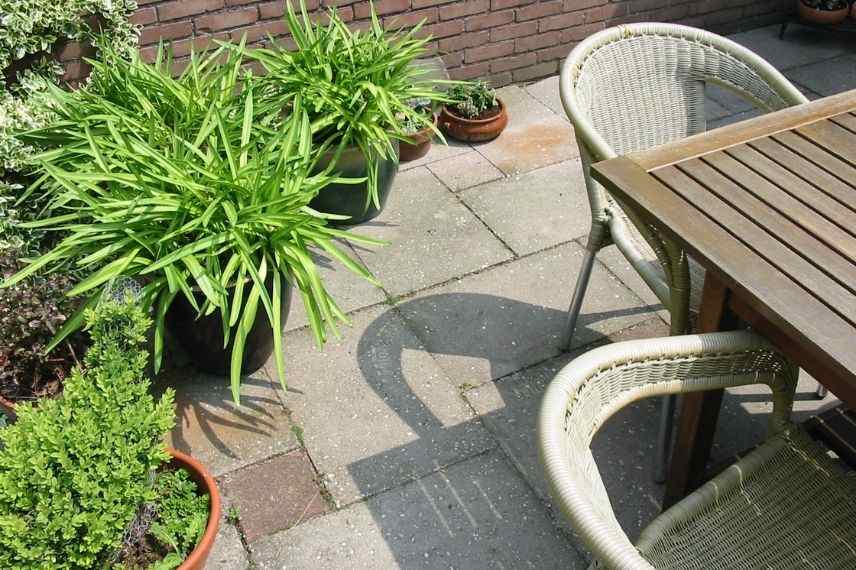
Look after your potted plants on the terrace; they are more sensitive there than when grown in the open ground
- Subscribe!
- Contents
This form is protected by reCAPTCHA - the Google Privacy Policy and Terms of Service apply.

































Comments