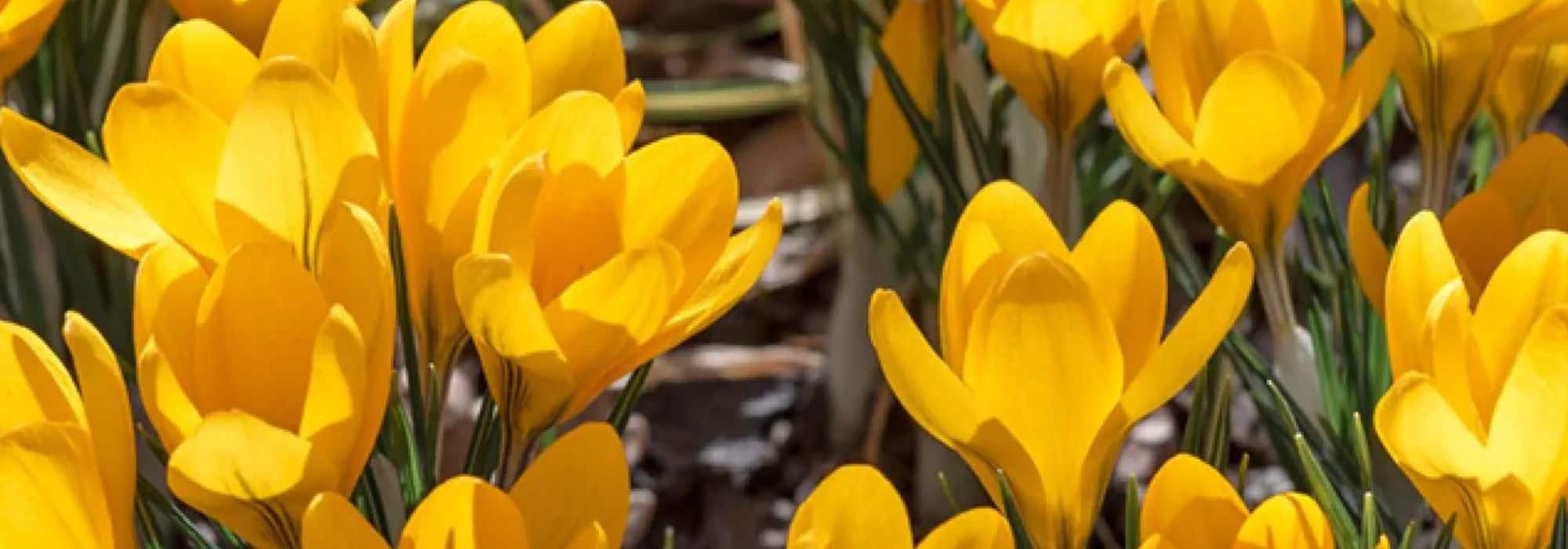
Spring Crocus: how to prolong flowering in the garden?
Our tips and tricks
Contents
Spring crocuses are among those small flowers that brighten the garden from late winter. Their appearance brings a welcome splash of colour, but their flowering is often short-lived. With a few simple steps, it is possible to enjoy them for longer. Discover our tips for planting crocuses under favourable conditions and encouraging a flowering that lasts longer into the season.

Plant crocuses in the right conditions to prolong flowering
If you want crocuses to flower for a long time, first plant them in the right conditions. Indeed, proper planting will help prolong their flowering.
- Provide well-drained soil :
Crocuses develop better in soil that allows water to drain easily. Free-draining soil keeps bulbs healthy and supports a longer flowering period. If your soil is heavy or clay, simply mix garden soil with sand or gravel over several centimetres when planting: water drains better and the soil stays more aerated, which helps crocus flowers last. You can also choose to grow them in a pot or planter. -
Plant crocus bulbs in a sunny spot :
Crocuses produce more consistent flowering when they receive sun, especially in the morning. Light gently warms the soil, which stimulates the gradual opening of crocus flowers. To enjoy a longer flowering period, place bulbs in the brightest areas of the garden in late winter. - Plant bulbs at the right depth :
Planting at about three times the bulb’s height (7 to 10 cm) helps crocuses root firmly and better get through winter. This depth stabilises the bulb and supports steady growth in spring. Leaving a small gap between each bulb (around ten centimetres) increases air circulation in the soil, which limits disease and results in longer-lasting flowering.
Read also
Crocus: how to plant them?Choose the right varieties to extend the flowering period
To enjoy crocuses in flower for longer, combine early varieties with later ones.
Botanical crocuses, such as Crocus chrysanthus ‘Blue Pearl’, Crocus sieberi ‘Firefly’ or Crocus tommasinianus ‘Barr’s Purple’, often emerge very early, sometimes as early as late winter. They give the first burst of colour to the garden.
Larger spring crocuses, such as Crocus Mammouth ‘Jeanne d’Arc’, ‘Flower Record’ or ‘Grand Jaune’, take over a little later.
Planting them together extends flowering naturally over several weeks without interruption. This combination works very well in borders, rock gardens or even in lawn, where different groups complement each other easily. By varying shapes and colours, the bed evolves gradually, giving a livelier garden at the end of winter.

Crocus chrysanthus ‘Blue Pearl’, Crocus tommasinianus ‘Barr’s Purple’ and Crocus Mammouth ‘Grand Jaune’
Protecting crocuses from climatic hazards and pests
In early spring, weather can change very quickly, which can sometimes shorten how long crocus flowers remain open. When a late frost is forecast, a simple fleece placed over them in the evening helps retain some warmth and protects the most advanced blooms during the night.
If the garden often receives heavy rain, planting bulbs in a slightly raised area improves water drainage and prevents petals from becoming damaged too quickly.
In gardens visited by rodents, planting crocuses in bulb baskets remains an effective method: bulbs stay accessible for maintenance but are protected from nibbling. These simple measures limit losses and help crocuses stay in flower for longer.
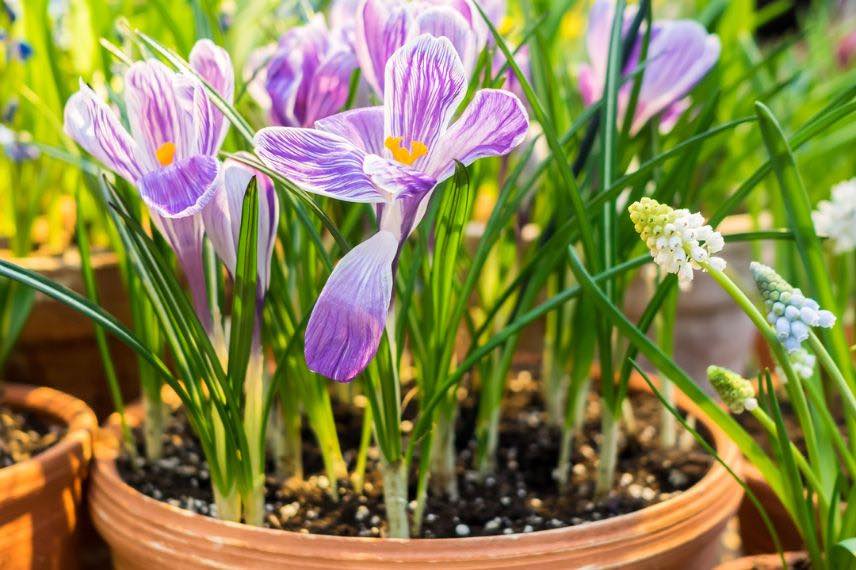
Again, for gardens that are too waterlogged in winter or if you prefer not to invest in bulb baskets, you can also plant your crocuses in pots.
Encouraging crocuses to return year after year
For crocuses to return faithfully each spring, it is important to allow foliage to turn yellow completely after flowering. This foliage replenishes the bulb, preparing it for next year’s flowering. If crocuses are planted in a lawn, try not to start mowing too early in spring. Likewise, avoid treading on the area.
If clumps become very crowded or if flowering diminishes, divide bulbs in summer to give each more space. Replanting them in light, well-drained soil encourages regrowth and helps maintain a flowering carpet over the years.
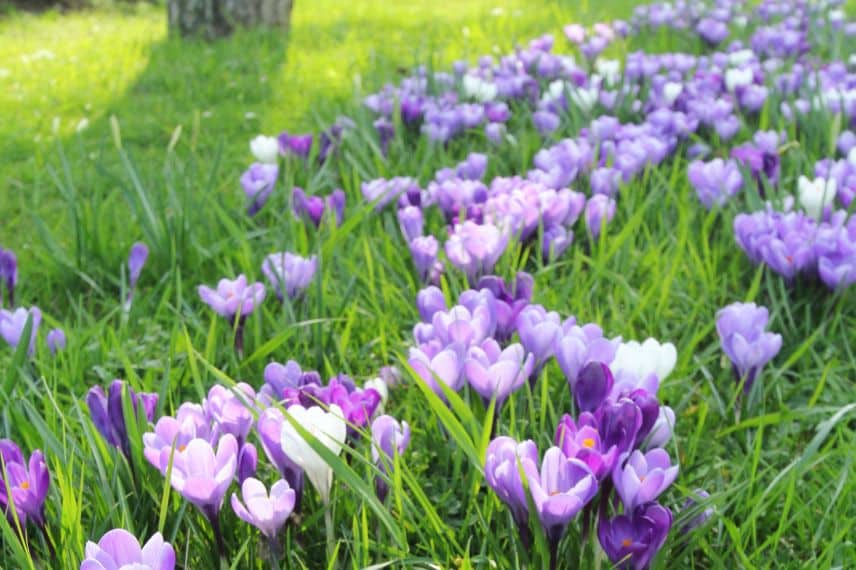
Under good conditions, crocuses naturalize easily and progressively occupy more space, which enhances the charm of the flowerbed each spring.

Pair crocuses with other spring plants to prolong visual interest
Crocuses combine very well with other bulbs and small late-winter perennials. Snowdrops often take over from earliest blooms, then come dwarf daffodils, muscari or other small woodland plants. These combinations create a display that evolves naturally, with no gap in flowering, while extending the visual interest of the bed.

- Subscribe!
- Contents
This form is protected by reCAPTCHA - the Google Privacy Policy and Terms of Service apply.

































Comments