Climbing Bean Goldmarie - Ferme de Sainte Marthe seeds

Climbing Bean Goldmarie - Ferme de Sainte Marthe seeds
Climbing Bean Goldmarie - Ferme de Sainte Marthe seeds
Phaseolus vulgaris Goldmarie
Common bean, French bean, Green bean
Back-to-school special offer!
Get €10 off for every €50 you spend! And get up to €40 off on a single order.
How does it work?
1. Shop your favourites
Add your favourite plants to your basket. For every €50 you spend (excluding delivery charges, store credit and the plastic-free option), you’ll receive a €10 voucher.
€50 spent = €10 voucher
€100 spent = €20 voucher
€150 spent = €30 voucher
€200 spent = €40 voucher
2. Place your order
Once your basket reaches one of the spending thresholds, place your order. You can even choose your delivery date!
3. Receive your voucher
As soon as your order has been shipped, you’ll receive an email containing your personal voucher code and its value.
4. Use it on your next order
Your voucher is valid for 90 days from the date you receive it. It can be used once only, on a new order worth at least the value of the voucher, excluding delivery charges.
Please note: Vouchers can be combined with other offers, but cannot be split or refunded.
Why not try an alternative variety in stock?
View all →
Available in 1 sizes
Available in 1 sizes
Available in 1 sizes
Available in 1 sizes
Available in 1 sizes
Available in 1 sizes
Available in 1 sizes
Available in 1 sizes
Available in 1 sizes
Available in 1 sizes
This plant carries a 6 months recovery warranty
More information
We guarantee the quality of our plants for a full growing cycle, and will replace at our expense any plant that fails to recover under normal climatic and planting conditions.
Description
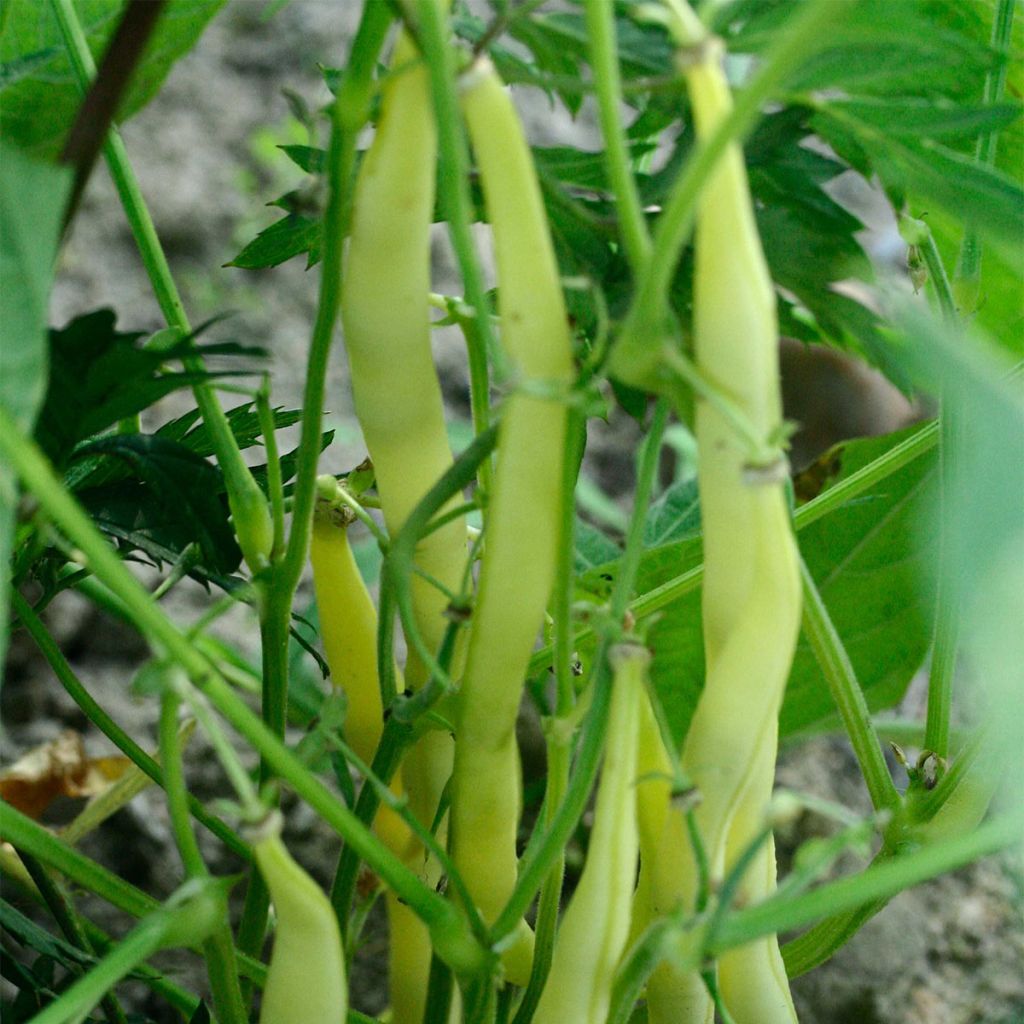
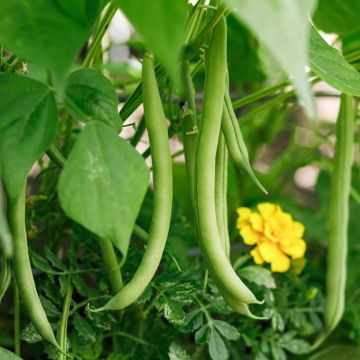
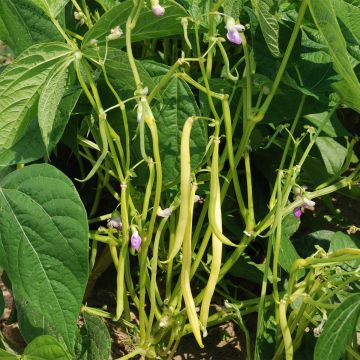
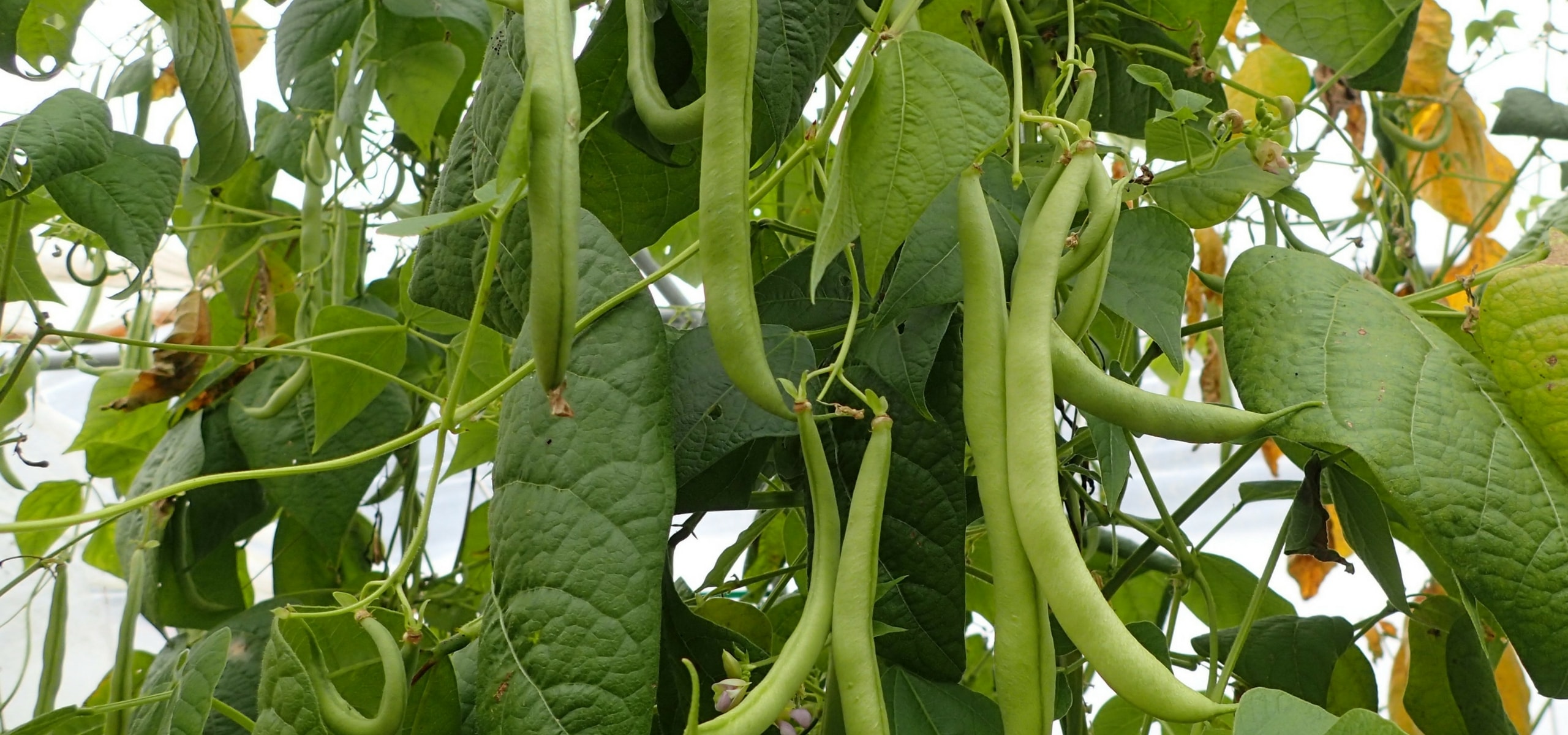
'Goldmarie' is a climbing bean that produces beautiful flat, 15 to 20cm (6 to 10in), light yellow pods that don’t turn stringy or tough when harvested late. Their delicious, slightly sweet flavour and tender texture is great for getting kids to eat more fresh veg! Sow the seeds from April to July and harvest your beans from July to October.
Beans are popular vegetables belonging to the Fabaceae family, grown for their edible pods or seeds. They were widely consumed in the New World before being introduced and acclimatised in Europe during the 16th century. Beans have now become a staple food worldwide. Cultivated beans fall into two main categories: vining/climbing varieties known as pole beans (indeterminate growth habit) or low-growing bush varieties (determinate growth habit). Heirloom and traditional varieties are all vining and will require a support to scramble up. Bush varieties are free-standing and compact which can be practical in smaller growing spaces. They produce one large harvest over a short period of time, as opposed to climbing beans which can be harvested nearly all summer long.
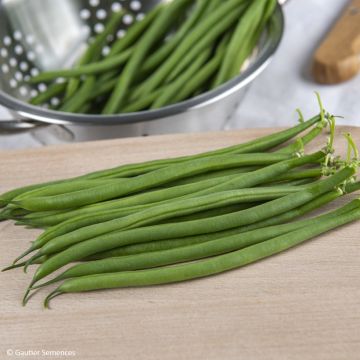
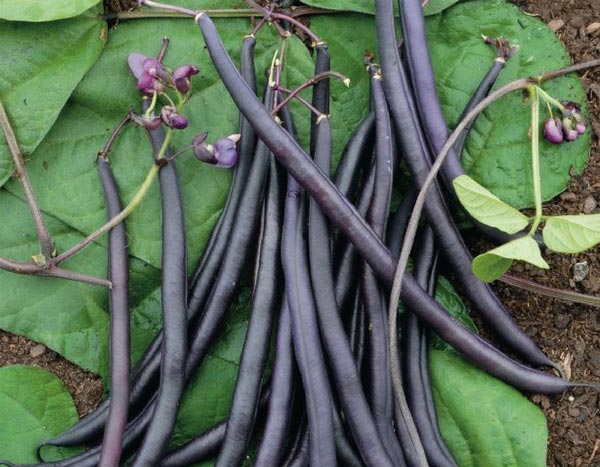
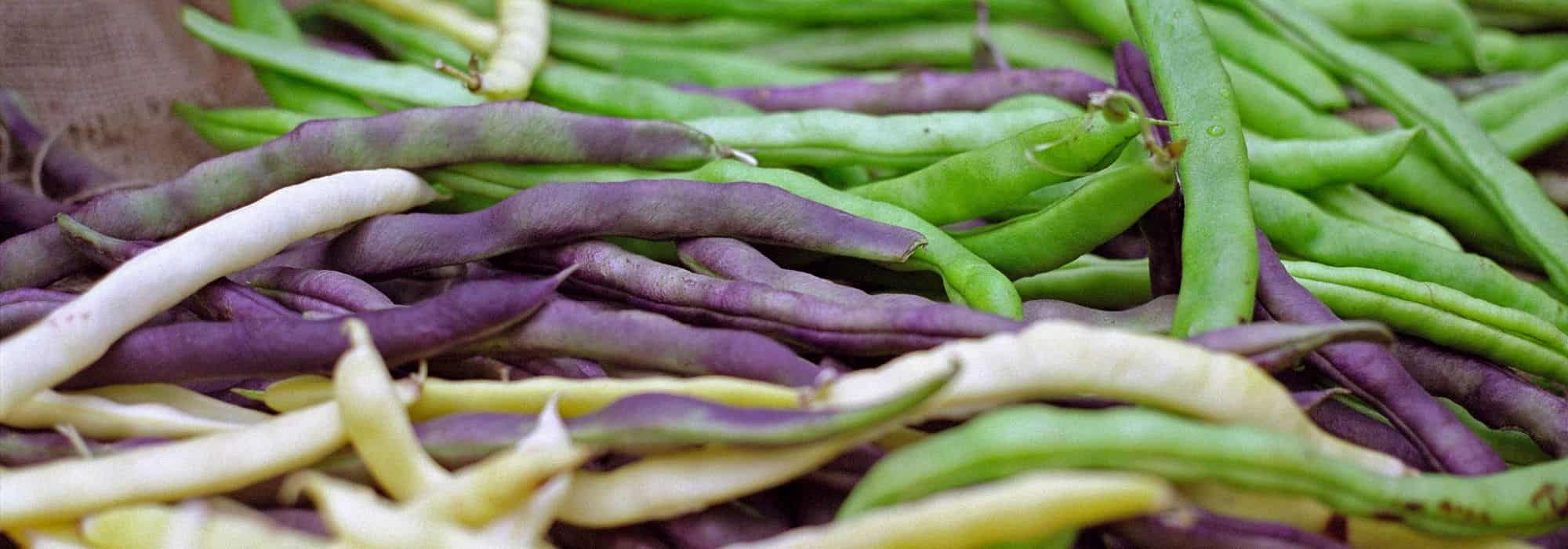
Green beans, string beans or snap beans (Phaseolus vulgaris) are grown for their cylindrical immature pods. Some varieties are yellow (wax beans), whilst others are purple or streaked with red. Filet beans, also known as French beans or Haricots verts, are particularly thin and tender. Older green bean cultivars generally develop a tough fibrous thread along the pod’s seam, hence the name “string” bean. Modern “snap” varieties are stringless. Runner beans (Phaseolus coccineus) develop flatter pods that are generally chopped diagonally when cooked. The ornamental plants produce large, attractive red or white flowers.
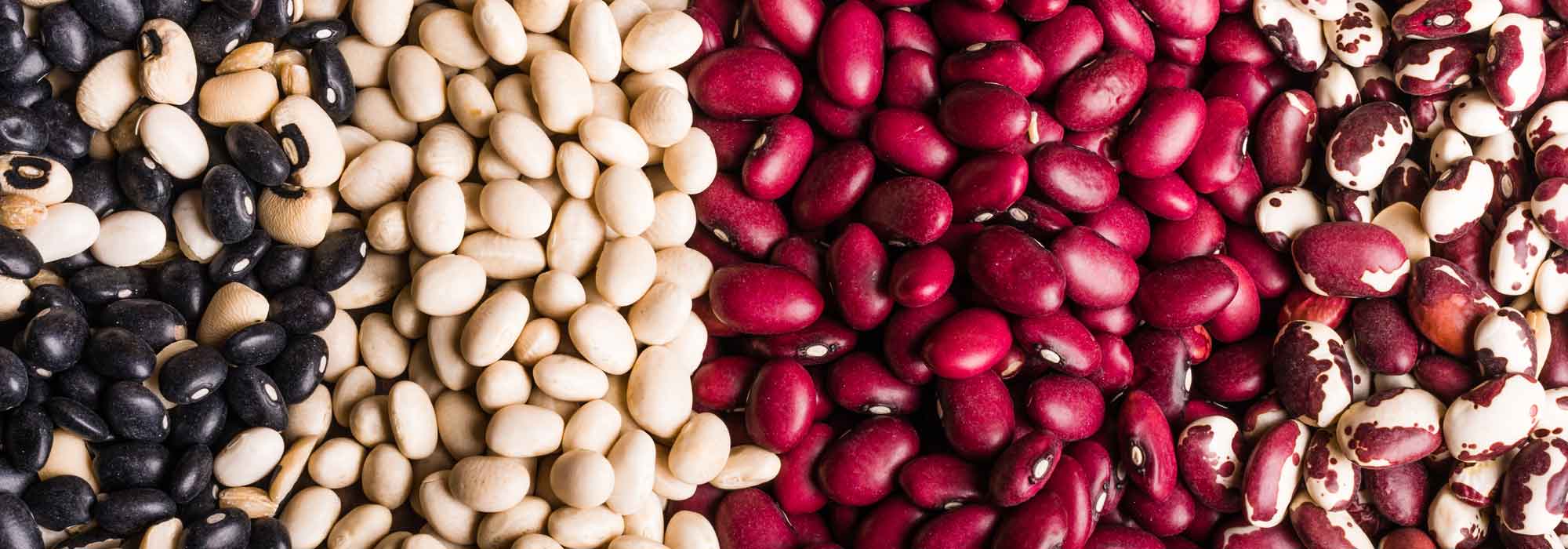
Shell beans are grown for their seeds, while the pods are discarded. They can be harvested as fresh, tender beans (about 60 days after sowing) or as dry beans (about 90 days after sowing).
Immature green pods are rich in vitamins A, B9, and C, trace elements, and minerals. Dry beans are also very rich in vitamin C and trace elements and are an excellent source of vegetable protein.
Harvesting: green beans should be harvested every 2 to 3 days, about 50-60 days after sowing. For fresh shell beans, harvest before the pods begin to dehydrate and become wrinkled. To harvest dry beans, cut off the whole plant at its base and hang it in a dry, well-ventilated place. The beans can then be shelled as and when required or stored in airtight jars.
Storage: green beans can be blanched then frozen, canned, or dried for later use. Dry beans will keep up to a year when stored in the right conditions.
Good to know: like all members of the Fabaceae family, beans can fix nitrogen from the air in the soil through a plant-bacteria symbiosis. They can regenerate soils. Beans can be incorporated into crop rotation after mixing in green manure. Beans are not very demanding in terms of nutrients. Traditionally, the cultivation of beans in Central and South America is associated with the cultivation of squash and corn, forming a beneficial triad. This association is locally called Milpa. Beans also work well with aubergine, carrots, cabbage, potatoes, and radishes as they mutually protect each other. However, avoid planting them near alliums or fennel, as their growth will be inhibited. A spray of nettle manure is an effective control of aphids. It also strengthens the plants that have benefited from it.
NB. Organic seeds (in French "AB" for "Agriculture Biologique") are produced from plants that are not treated with phytosanitary products (insecticides, weed killers). The seeds do not undergo post-harvest treatment. They carry the AB label and are approved by Ecocert, an independent body.
Harvest
Plant habit
Foliage
Botanical data
Phaseolus
vulgaris
Goldmarie
Fabaceae
Common bean, French bean, Green bean
Cultivar or hybrid
Annual
Planting and care
Soil preparation
Beans like light, moist, nutrient-rich, free-draining soil that is not excessively calcareous or acidic. To prepare the soil bed, loosen the top 20cm (8in) and add compost or well-rotted manure. Avoid sowing beans in soil that has been recently limed as this will result in tougher pods and poorer flavour.
Sowing under cover:
Beans can be sown in polytunnels or south to west facing cold frames as early as mid-March. Bean plants are not cold hardy, so the soil temperature needs to be at least 15°C (59°F). Only ventilate the polytunnel or cold frame during the warmer hours of the day and wait until all risk of frost is over to remove the protective covers completely.
Sowing outdoors
Sow your beans from April onwards in warmer regions, or from May onwards elsewhere. Wait until the soil has warmed up and frosts are no longer a problem. Dig furrows 3 to 4cm (1 to 2in) deep, spaced 40cm (16in) apart. Sow your seeds with a spacing of 5 to 7cm (2 to 3in), or in groups of 4 to 5 seeds spaced 40cm (16in) apart in all directions. Cover the soil and lightly tamp it down with a rake. When the plants reach a height of 20cm (8in), hill up the stems to provide support.
The first beans will be ready to harvest about 60 days after sowing. Climbing beans can be generally be harvested until late October.
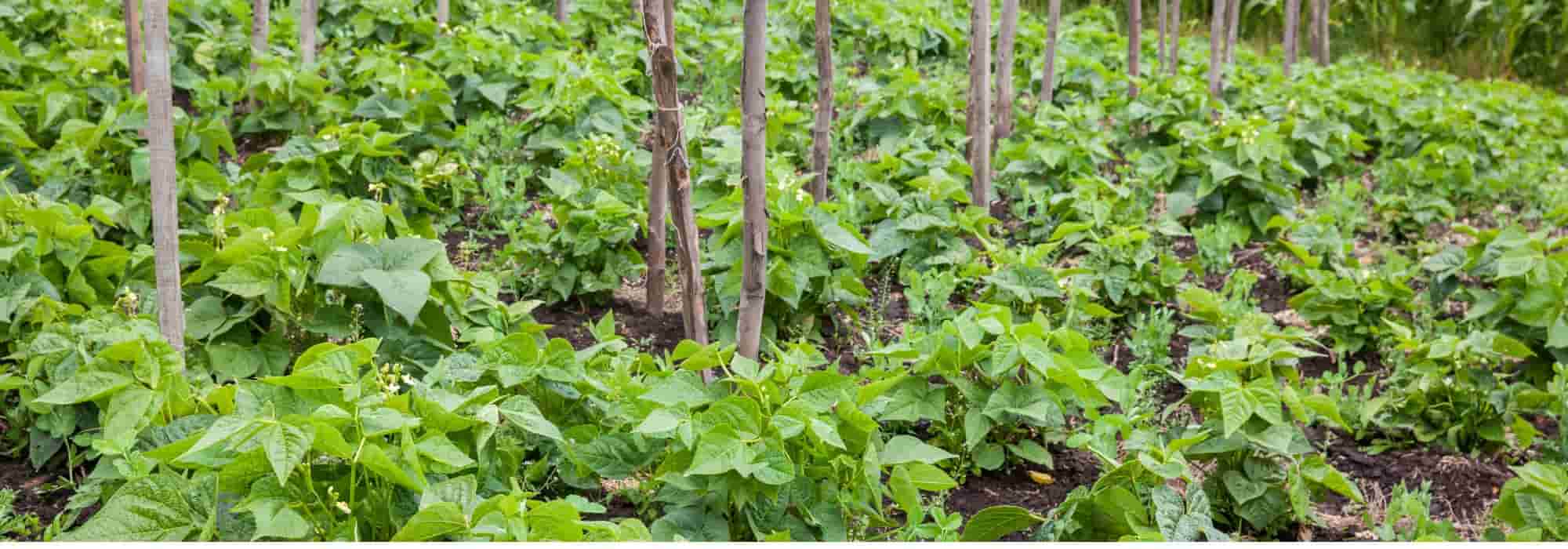
Climbing beans require support to grow up, such as A frames or tepees made out of stakes or wire netting.
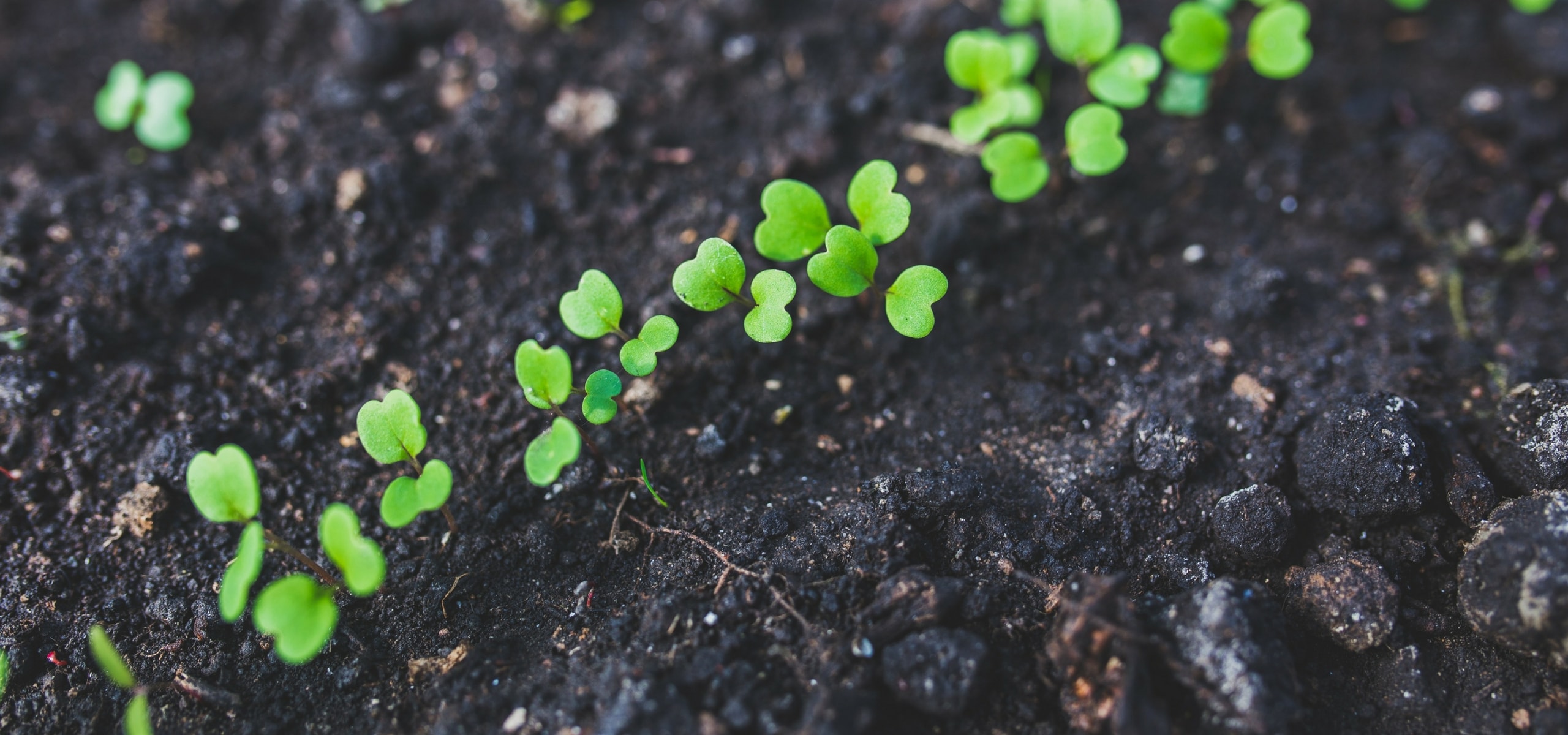
Seedlings
Care
Intended location
Planting & care advice
-
-
-

-

-
-
-
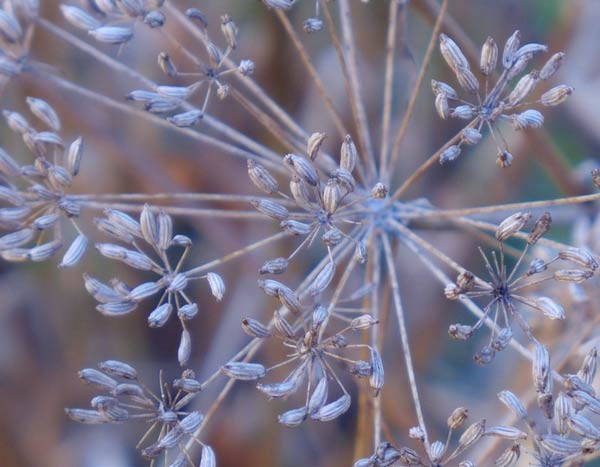
-
This item has not been reviewed yet - be the first to leave a review about it.
Recently viewed products
Haven't found what you were looking for?
Hardiness is the lowest winter temperature a plant can endure without suffering serious damage or even dying. However, hardiness is affected by location (a sheltered area, such as a patio), protection (winter cover) and soil type (hardiness is improved by well-drained soil).

The flowering period indicated on our website applies to countries and regions located in USDA zone 8 (France, the United Kingdom, Ireland, the Netherlands, etc.)
It will vary according to where you live:- In zones 9 to 10 (Italy, Spain, Greece, etc.), flowering will occur about 2 to 4 weeks earlier.
- In zones 6 to 7 (Germany, Poland, Slovenia, and lower mountainous regions), flowering will be delayed by 2 to 3 weeks.
- In zone 5 (Central Europe, Scandinavia), blooming will be delayed by 3 to 5 weeks.
In temperate climates, pruning of spring-flowering shrubs (forsythia, spireas, etc.) should be done just after flowering.
Pruning of summer-flowering shrubs (Indian Lilac, Perovskia, etc.) can be done in winter or spring.
In cold regions as well as with frost-sensitive plants, avoid pruning too early when severe frosts may still occur.
The planting period indicated on our website applies to countries and regions located in USDA zone 8 (France, United Kingdom, Ireland, Netherlands).
It will vary according to where you live:
- In Mediterranean zones (Marseille, Madrid, Milan, etc.), autumn and winter are the best planting periods.
- In continental zones (Strasbourg, Munich, Vienna, etc.), delay planting by 2 to 3 weeks in spring and bring it forward by 2 to 4 weeks in autumn.
- In mountainous regions (the Alps, Pyrenees, Carpathians, etc.), it is best to plant in late spring (May-June) or late summer (August-September).
The harvesting period indicated on our website applies to countries and regions in USDA zone 8 (France, England, Ireland, the Netherlands).
In colder areas (Scandinavia, Poland, Austria...) fruit and vegetable harvests are likely to be delayed by 3-4 weeks.
In warmer areas (Italy, Spain, Greece, etc.), harvesting will probably take place earlier, depending on weather conditions.
The sowing periods indicated on our website apply to countries and regions within USDA Zone 8 (France, UK, Ireland, Netherlands).
In colder areas (Scandinavia, Poland, Austria...), delay any outdoor sowing by 3-4 weeks, or sow under glass.
In warmer climes (Italy, Spain, Greece, etc.), bring outdoor sowing forward by a few weeks.
Shipping country and language
Your country of residence may be:
Your country of residence is:
For a better user experience on our website, you can select:
Your shipping country:
-
 Austria
-
 Belgium
-
 Bosnia & Herzegovina
-
 Bulgaria
-
 Croatia
-
 Cyprus
-
 Czechia
-
 Denmark
-
 Estonia
-
 Finland
-
 France
-
 Germany
-
 Greece
-
 Hungary
-
 Iceland
-
 Ireland
-
 Italy
Italy
-
 Latvia
-
 Liechtenstein
-
 Lithuania
-
 Luxembourg
-
 Malta
Malta
-
 Netherlands
-
 Poland
-
 Portugal
-
 Romania
-
 Serbia
-
 Slovakia
-
 Slovenia
-
 Spain
Spain
-
 Sweden
-
 Switzerland
Language:
-
French
-
 English
-
Spanish
-
Italian
-
German
-
Portuguese
-
Dutch
-
Finnish
My Account
Hello
My wish lists
My cart
Log in / Register
Existing customer?
This form is protected by reCAPTCHA - the Google Privacy Policy and Terms of Service apply.
New customer?
Create an account to track your orders, access our customer service and, if you wish, make the most of our upcoming offers.