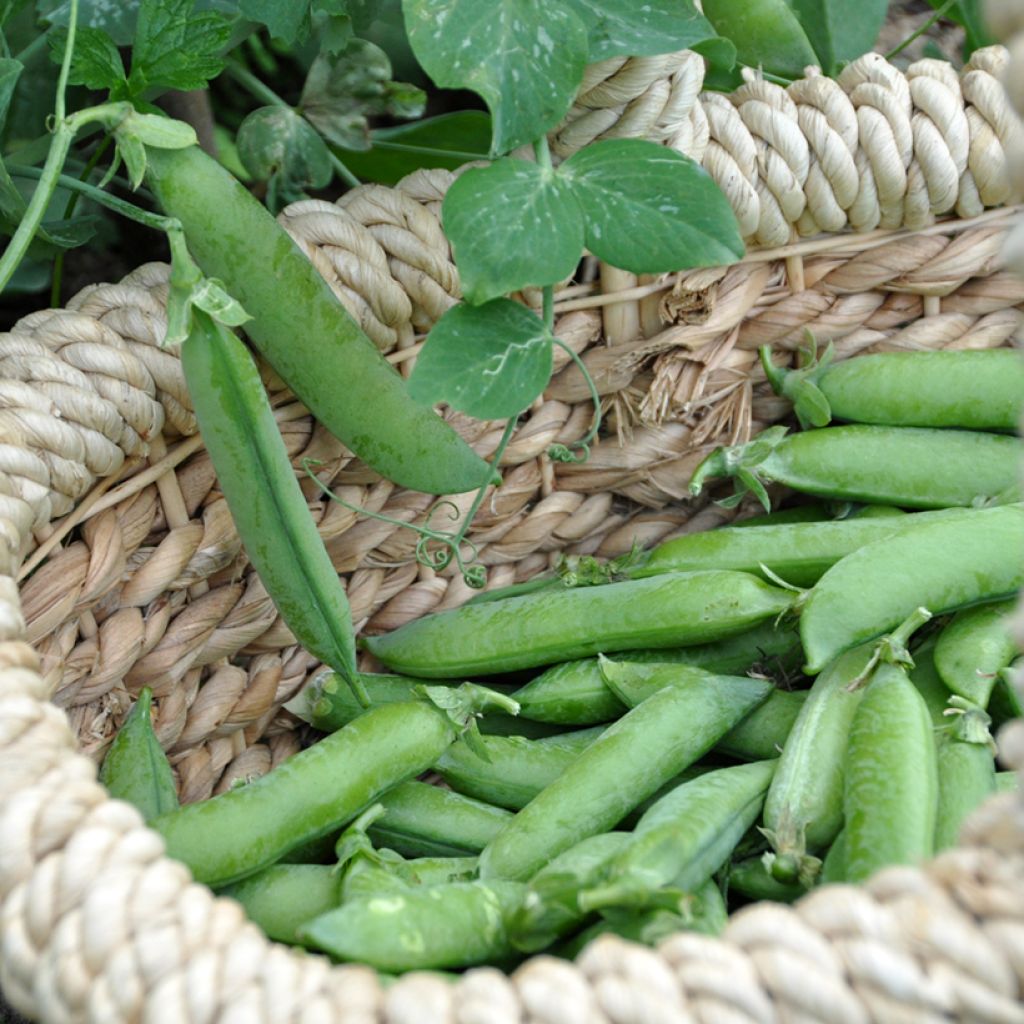
Kelvedon Wonder Dwarf Pea (wrinkled seeds)
Kelvedon Wonder Dwarf Pea (wrinkled seeds)
Pisum sativum Merveille de Kelvedon
Garden pea, Green pea, English pea
I stand corrected, I made a mistake in my previous review, it's under the "Desiree" variety of peas that I left another comment.
Fanny, 18/04/2024
Back-to-school special offer!
Get €10 off for every €50 you spend! And get up to €40 off on a single order.
How does it work?
1. Shop your favourites
Add your favourite plants to your basket. For every €50 you spend (excluding delivery charges, store credit and the plastic-free option), you’ll receive a €10 voucher.
€50 spent = €10 voucher
€100 spent = €20 voucher
€150 spent = €30 voucher
€200 spent = €40 voucher
2. Place your order
Once your basket reaches one of the spending thresholds, place your order. You can even choose your delivery date!
3. Receive your voucher
As soon as your order has been shipped, you’ll receive an email containing your personal voucher code and its value.
4. Use it on your next order
Your voucher is valid for 90 days from the date you receive it. It can be used once only, on a new order worth at least the value of the voucher, excluding delivery charges.
Please note: Vouchers can be combined with other offers, but cannot be split or refunded.
Home or relay delivery (depending on size and destination)
Important: You may be charged customs duties by your country’s customs authorities upon delivery.
Schedule delivery date,
and select date in basket
This plant carries a 6 months recovery warranty
More information
We guarantee the quality of our plants for a full growing cycle, and will replace at our expense any plant that fails to recover under normal climatic and planting conditions.
Description
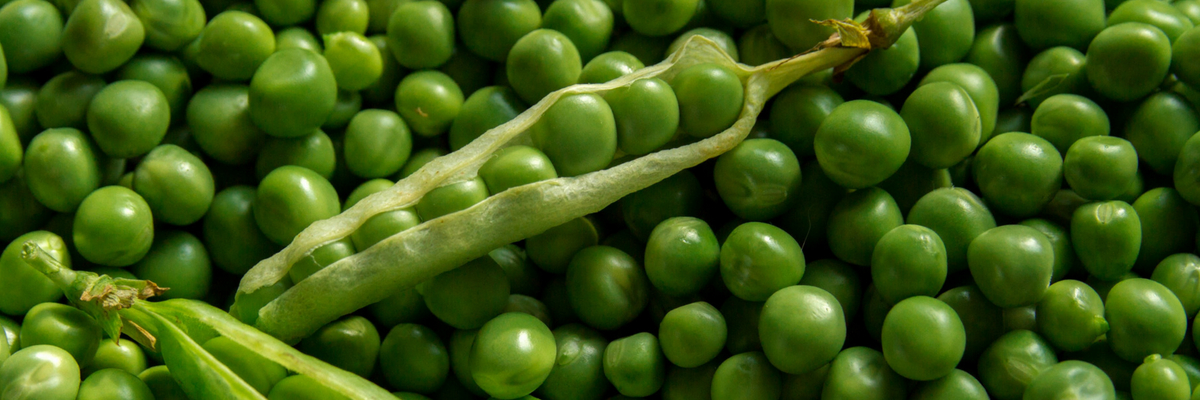
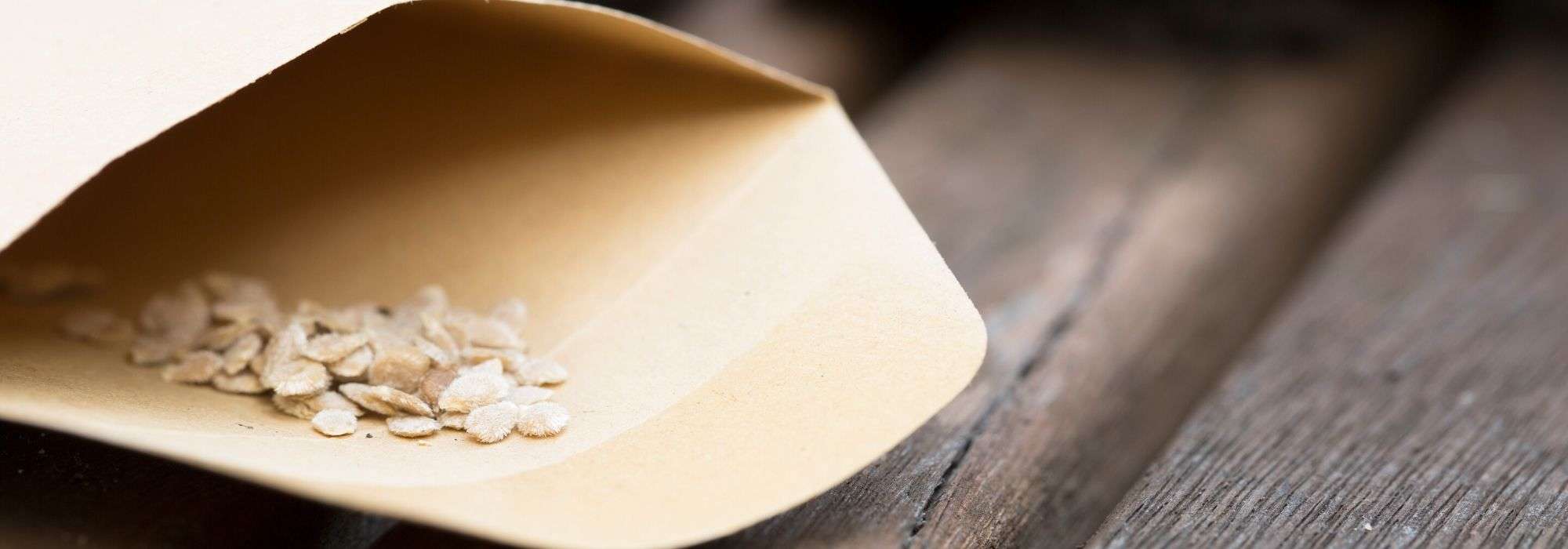
The Kelvedon Wonder Pea is a dwarf variety, about 60 cm (24in) tall, of shelling peas with wrinkled grains. This heat-resistant pea produces medium to long pods with a curved tip, growing in pairs (two pods per node). They contain 6 to 8 light green grains. Sow from March to May for a harvest from June to August.
The pea is an annual vegetable plant with a very ancient origin in the Near East. It is one of the oldest cultivated vegetables in Europe and Asia and has long been consumed dried, crushed before cooking. Its fresh consumption is relatively recent, and its nutritional and taste qualities make it an excellent spring vegetable.
There are many varieties, dwarf or climbing (pole) peas, producing pods containing round, wrinkled, or smooth grains. Either the pod must be shelled, or it can be consumed whole.
For shelling peas, the pod is not suitable for consumption as it is parchment-like, like green beans; therefore, it must be shelled. This category offers the widest choice and various sizes. Among shelling peas, we distinguish wrinkled peas, which are sweeter and more heat-tolerant, and smooth or round peas, which are more suitable for early cultivation as they are hardier and less sensitive to moisture. In the vegetable garden, smooth peas are sown first, and wrinkled peas are sown later.
The 'mangetout' pea has a non-parchment-like pod that is edible in its entirety when harvested before complete seed formation. Later, it can be shelled to be consumed as fresh peas.
There are also crunchy peas, sweeter, where the peas are consumed with their pods. Peas thrive in mild and humid climates. They are sensitive to extremes: heat, frost, water shortage, and excess.
Harvest: Depending on the earliness of the varieties, peas are harvested between two and a half and four months after sowing.
Pick mangetout peas when the grains are just formed. Enjoy them as soon as possible.
Storage: Fresh peas can be stored for 48 hours in the vegetable compartment of the refrigerator.
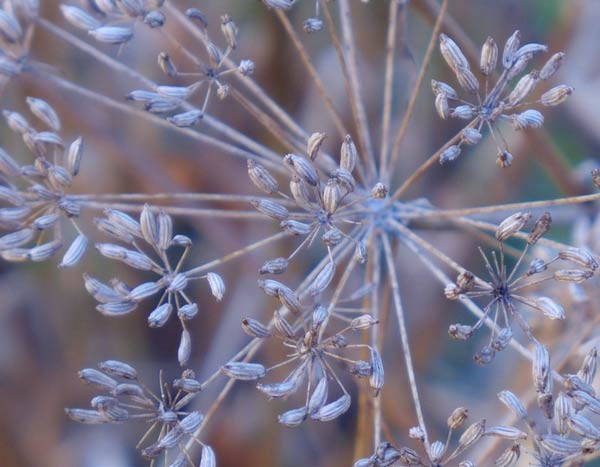
Gardener's tip: Peas, like all plants in the Fabaceae family, enrich the soil with nitrogen. They fit into a four-year rotation. Peas are low-nutrient-demanding plants. Peas also pair well with carrots, celery, cabbage, turnips, potatoes, and radishes as they mutually protect each other. Avoid the presence of alliums or fennel as their growth inhibits each other.
Harvest
Plant habit
Foliage
Botanical data
Pisum
sativum
Merveille de Kelvedon
Fabaceae
Garden pea, Green pea, English pea
Cultivar or hybrid
Annual
Planting and care
Sowing
Before sowing, you can soak the seeds for 24 hours in a little water to stimulate germination.
For this variety with wrinkled seeds, you can sow it from mid-March to the end of May, when the temperature is 7 to 10°C (44.6 to 50°F) at night and 18 to 23°C (64.4 to 73.4°F) during the day.
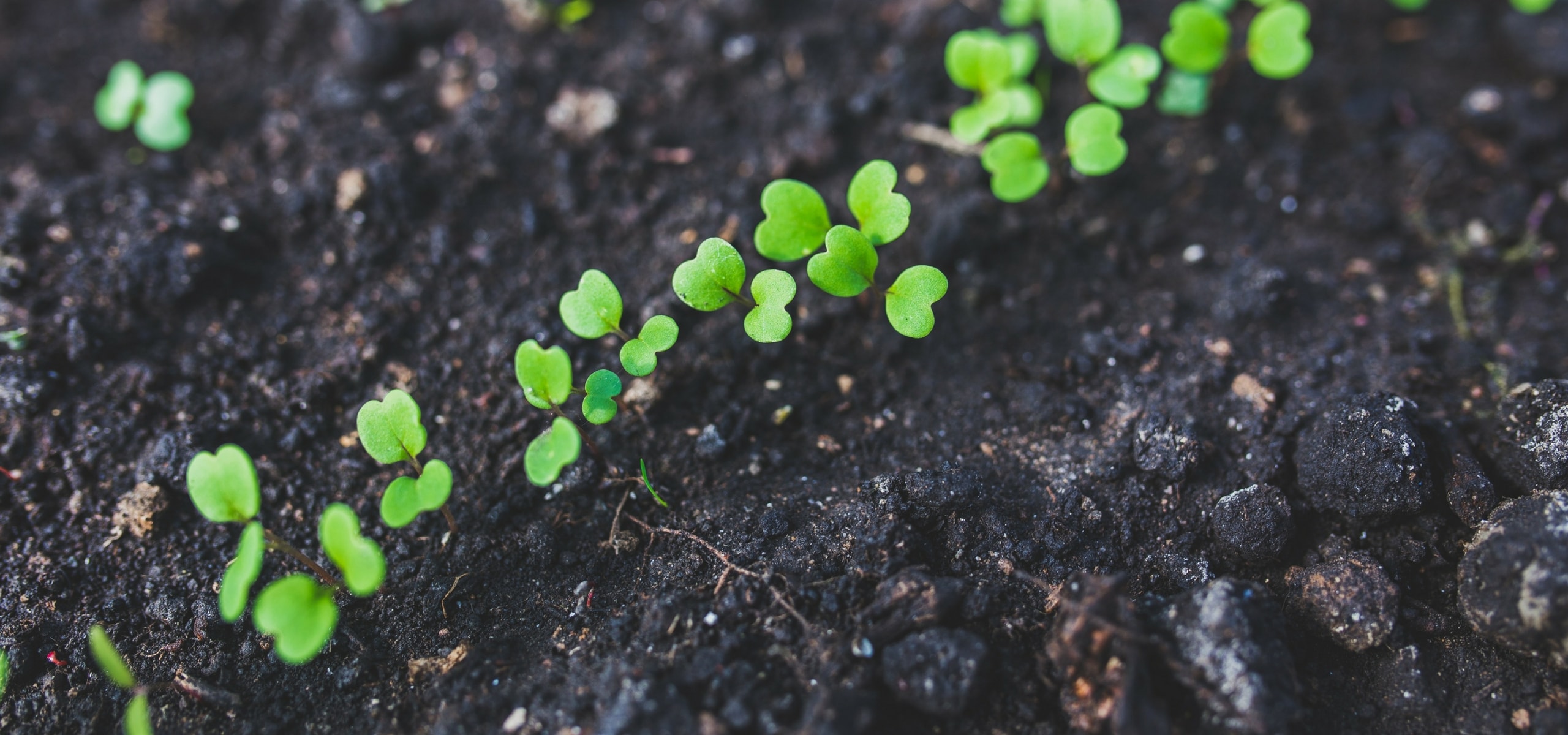
Using a hoe, open furrows 2 or 3 cm (1in) deep spaced 40 cm (16in) apart for this variety of dwarf peas. Space the seeds 2 cm (1in) apart, cover them, press down with the back of the rake, and water lightly. Do not thin out.
Watering
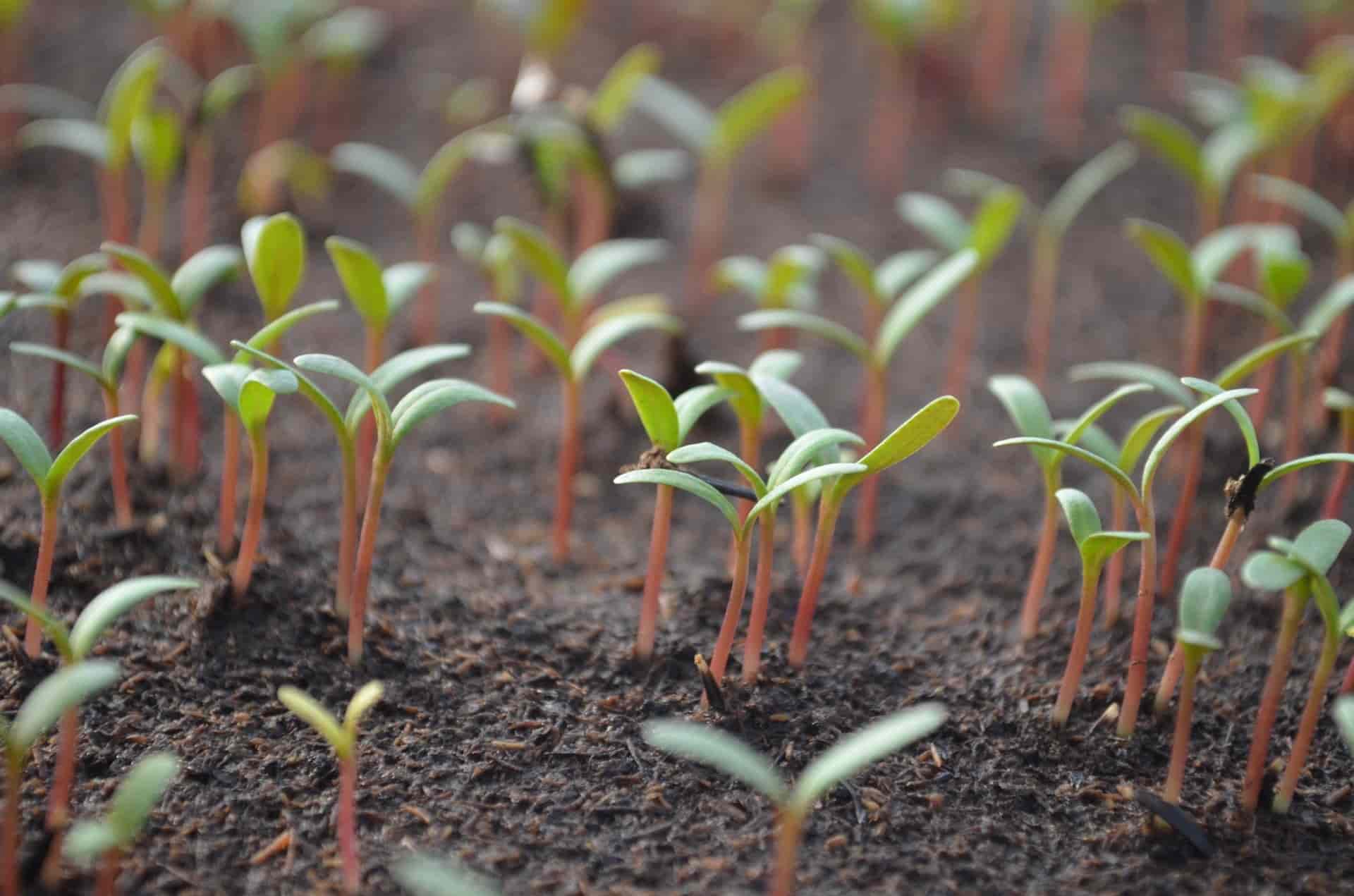
A few days after germination, hoe the soil along the rows. Water with a watering can fitted with a rose to avoid compacting the soil.
When the plants are developed, mulch the soil after a rainy period.
Do not let the soil dry out, as peas appreciate moisture. It needs regular moisture from sowing until flowering, and then during pod formation. In case of water stress, production is affected. The flowers wither and the pods do not ripen. Similarly, in case of excess water, the flowers abort. Maintaining moisture helps to limit thrips infestations.
Maintenance
Three to four weeks after seedling emergence, carefully hoe and bury the base of the stems about 10 cm (4in) deep to promote better root growth. Then set up the supports, branches (willow, hazel, privet...), netting or trellis, even for dwarf varieties so that they do not sag. Depending on the varieties, make them more or less tall, pole beans can reach up to 2 m (7ft).
Pinch the stems of dwarf peas above the fifth or sixth group of flowers to hasten production.
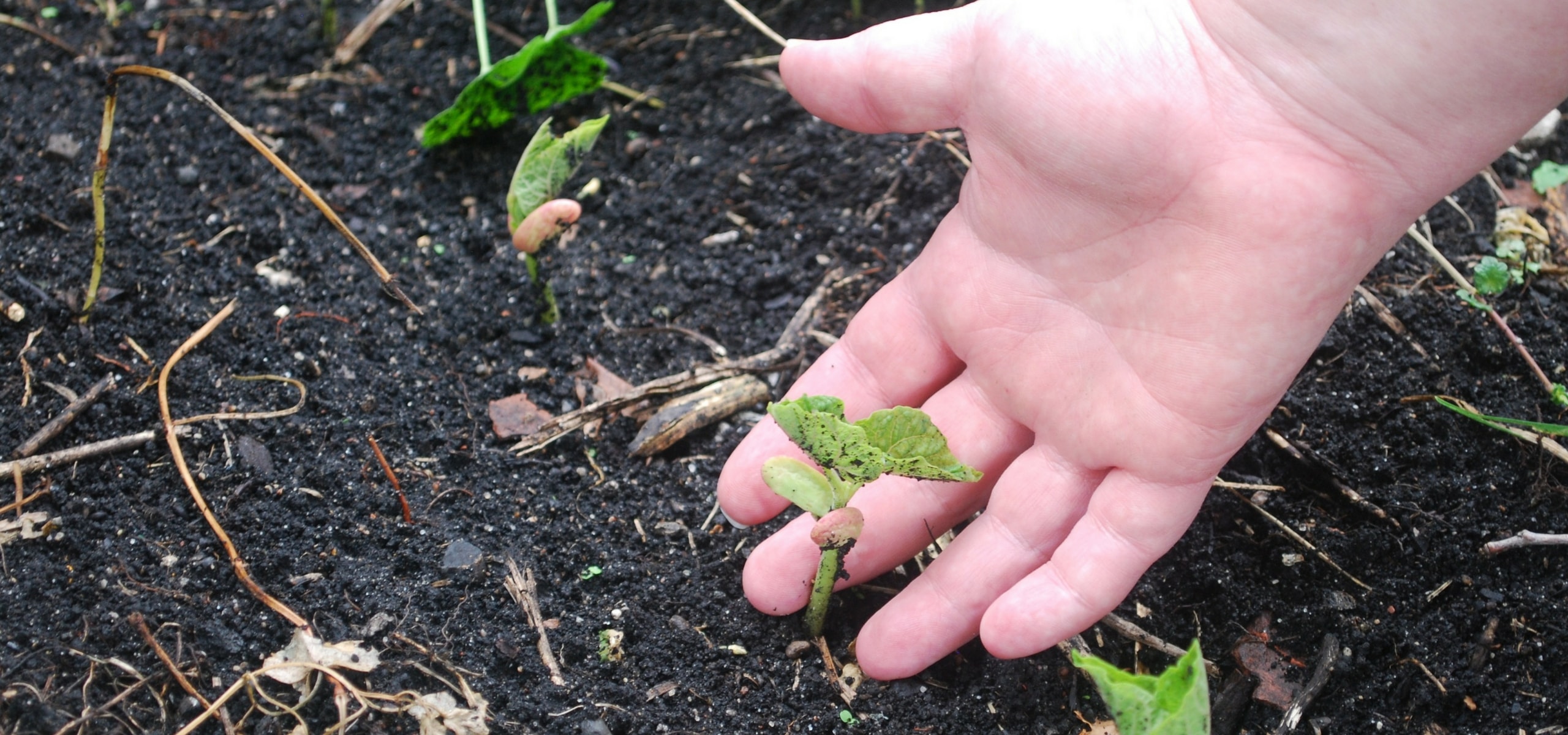
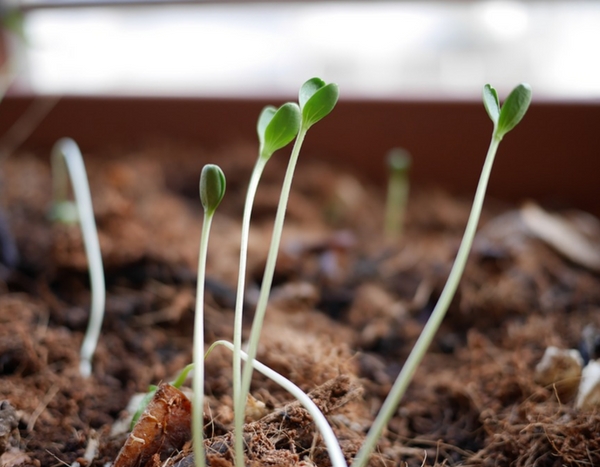
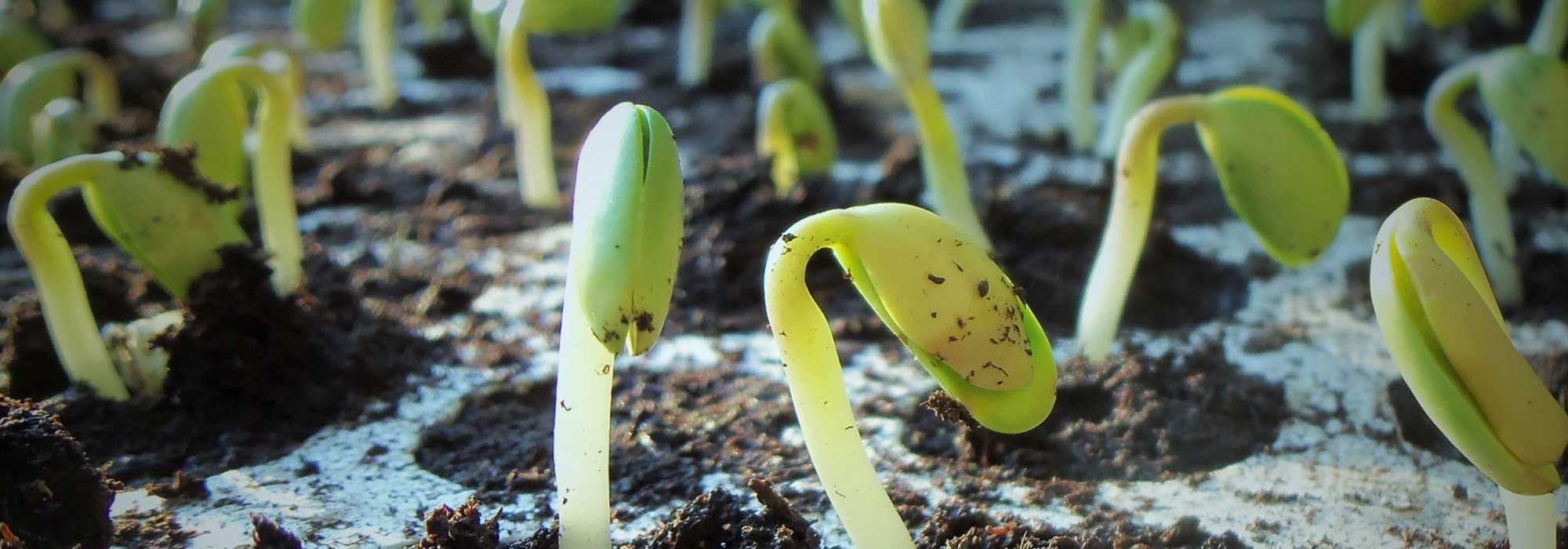
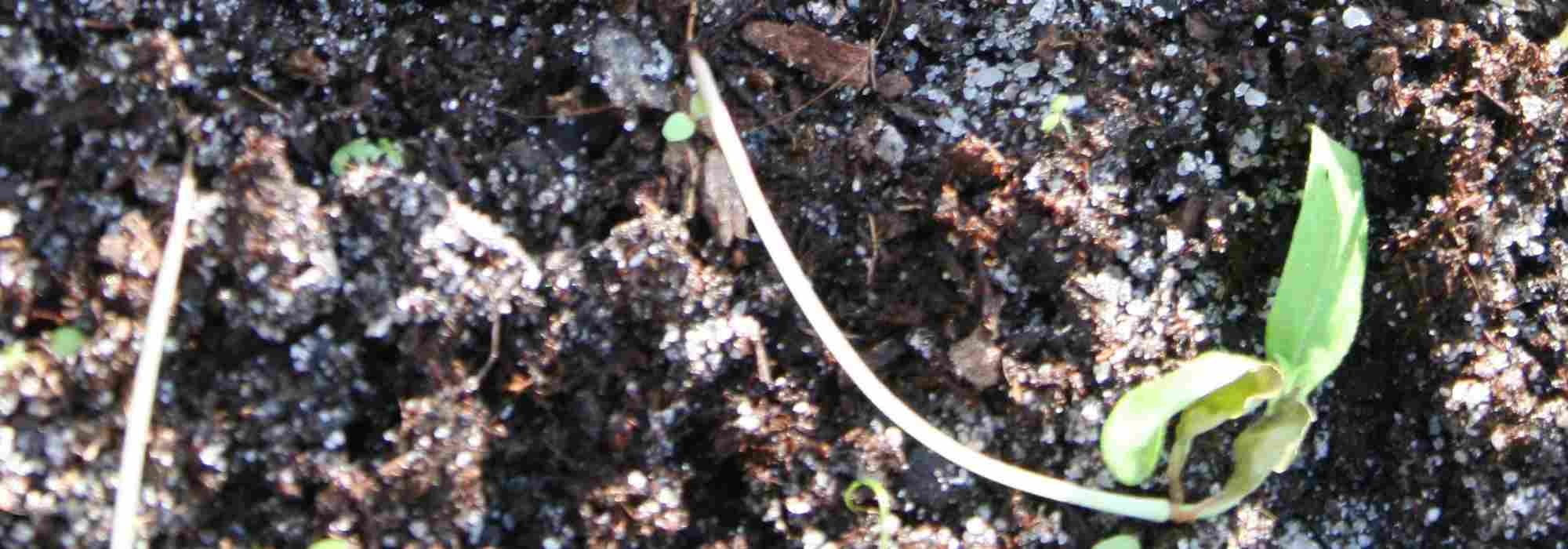
Seedlings
Care
Intended location
Planting & care advice
-
-
-
-
-
-
-
-
-
, onOrder confirmed
Reply from on Promesse de fleurs
Recently viewed products
Haven't found what you were looking for?
Hardiness is the lowest winter temperature a plant can endure without suffering serious damage or even dying. However, hardiness is affected by location (a sheltered area, such as a patio), protection (winter cover) and soil type (hardiness is improved by well-drained soil).

The flowering period indicated on our website applies to countries and regions located in USDA zone 8 (France, the United Kingdom, Ireland, the Netherlands, etc.)
It will vary according to where you live:- In zones 9 to 10 (Italy, Spain, Greece, etc.), flowering will occur about 2 to 4 weeks earlier.
- In zones 6 to 7 (Germany, Poland, Slovenia, and lower mountainous regions), flowering will be delayed by 2 to 3 weeks.
- In zone 5 (Central Europe, Scandinavia), blooming will be delayed by 3 to 5 weeks.
In temperate climates, pruning of spring-flowering shrubs (forsythia, spireas, etc.) should be done just after flowering.
Pruning of summer-flowering shrubs (Indian Lilac, Perovskia, etc.) can be done in winter or spring.
In cold regions as well as with frost-sensitive plants, avoid pruning too early when severe frosts may still occur.
The planting period indicated on our website applies to countries and regions located in USDA zone 8 (France, United Kingdom, Ireland, Netherlands).
It will vary according to where you live:
- In Mediterranean zones (Marseille, Madrid, Milan, etc.), autumn and winter are the best planting periods.
- In continental zones (Strasbourg, Munich, Vienna, etc.), delay planting by 2 to 3 weeks in spring and bring it forward by 2 to 4 weeks in autumn.
- In mountainous regions (the Alps, Pyrenees, Carpathians, etc.), it is best to plant in late spring (May-June) or late summer (August-September).
The harvesting period indicated on our website applies to countries and regions in USDA zone 8 (France, England, Ireland, the Netherlands).
In colder areas (Scandinavia, Poland, Austria...) fruit and vegetable harvests are likely to be delayed by 3-4 weeks.
In warmer areas (Italy, Spain, Greece, etc.), harvesting will probably take place earlier, depending on weather conditions.
The sowing periods indicated on our website apply to countries and regions within USDA Zone 8 (France, UK, Ireland, Netherlands).
In colder areas (Scandinavia, Poland, Austria...), delay any outdoor sowing by 3-4 weeks, or sow under glass.
In warmer climes (Italy, Spain, Greece, etc.), bring outdoor sowing forward by a few weeks.
Shipping country and language
Your country of residence may be:
Your country of residence is:
For a better user experience on our website, you can select:
Your shipping country:
-
 Austria
-
 Belgium
-
 Bosnia & Herzegovina
-
 Bulgaria
-
 Croatia
-
 Cyprus
-
 Czechia
-
 Denmark
-
 Estonia
-
 Finland
-
 France
-
 Germany
-
 Greece
-
 Hungary
-
 Iceland
-
 Ireland
-
 Italy
Italy
-
 Latvia
-
 Liechtenstein
-
 Lithuania
-
 Luxembourg
-
 Malta
Malta
-
 Netherlands
-
 Poland
-
 Portugal
-
 Romania
-
 Serbia
-
 Slovakia
-
 Slovenia
-
 Spain
Spain
-
 Sweden
-
 Switzerland
Language:
-
French
-
 English
-
Spanish
-
Italian
-
German
-
Portuguese
-
Dutch
-
Finnish
My Account
Hello
My wish lists
My cart
Log in / Register
Existing customer?
This form is protected by reCAPTCHA - the Google Privacy Policy and Terms of Service apply.
New customer?
Create an account to track your orders, access our customer service and, if you wish, make the most of our upcoming offers.