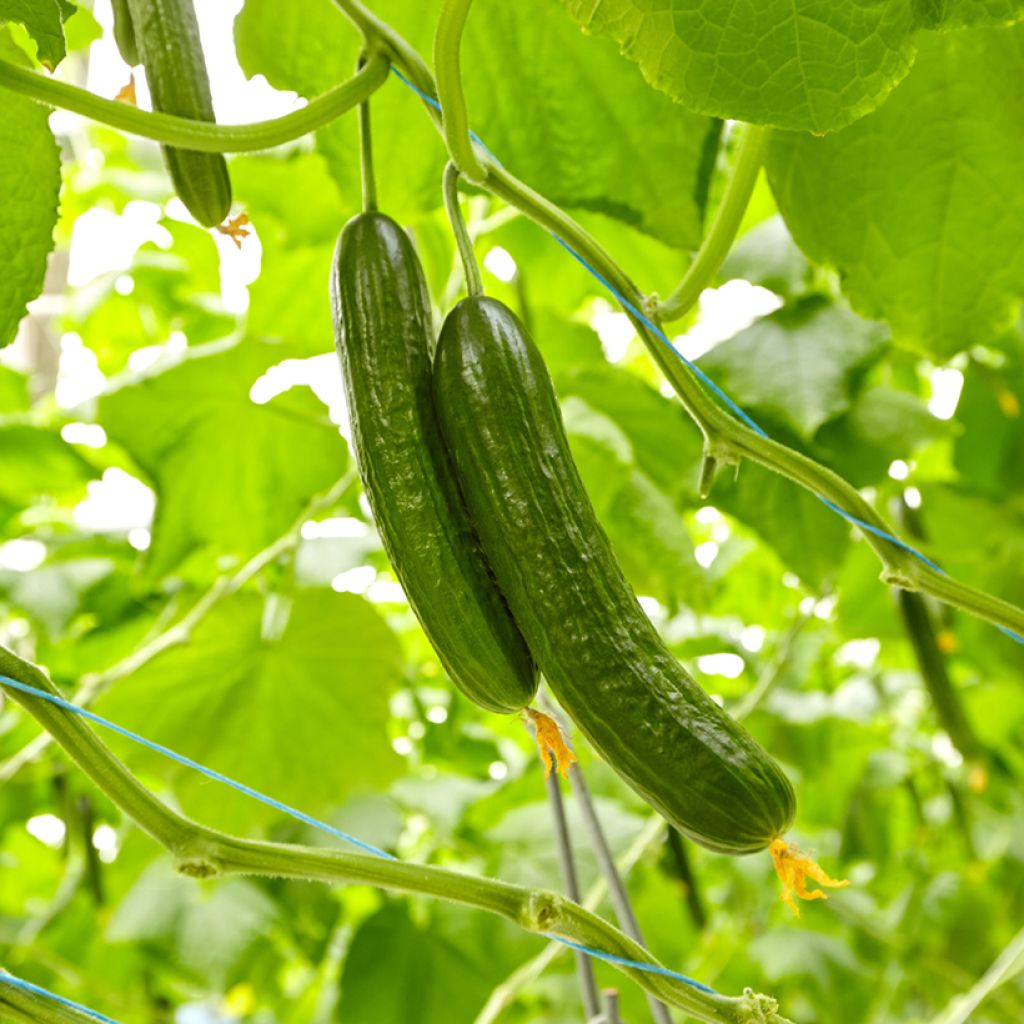
Cucumber Bella - Cucumis sativus
Cucumber Bella - Cucumis sativus
Cucumis sativus Bella
Cucumber
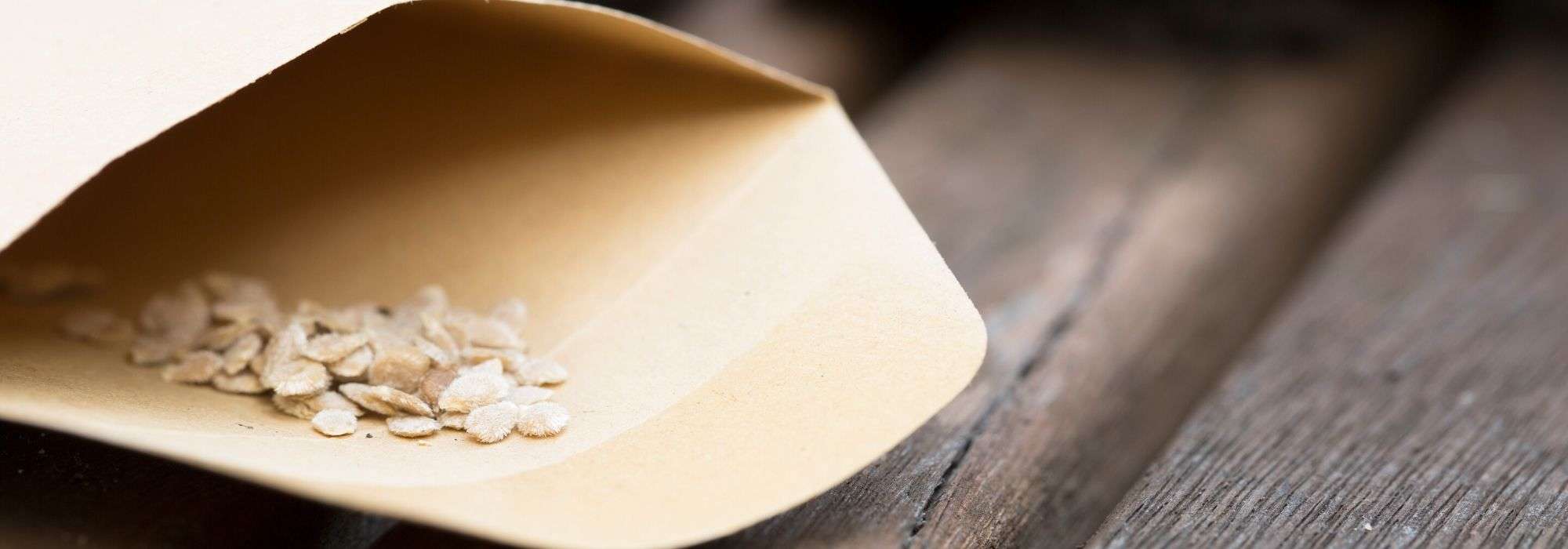
Disappointed, only 2 out of the 4 seeds received have sprouted ????
Edwige, 08/05/2020
Back-to-school special offer!
Get €10 off for every €50 you spend! And get up to €40 off on a single order.
How does it work?
1. Shop your favourites
Add your favourite plants to your basket. For every €50 you spend (excluding delivery charges, store credit and the plastic-free option), you’ll receive a €10 voucher.
€50 spent = €10 voucher
€100 spent = €20 voucher
€150 spent = €30 voucher
€200 spent = €40 voucher
2. Place your order
Once your basket reaches one of the spending thresholds, place your order. You can even choose your delivery date!
3. Receive your voucher
As soon as your order has been shipped, you’ll receive an email containing your personal voucher code and its value.
4. Use it on your next order
Your voucher is valid for 90 days from the date you receive it. It can be used once only, on a new order worth at least the value of the voucher, excluding delivery charges.
Please note: Vouchers can be combined with other offers, but cannot be split or refunded.
Why not try an alternative variety in stock?
View all →
Available in 0 sizes
Available in 1 sizes
Available in 1 sizes
Available in 1 sizes
Available in 1 sizes
Available in 1 sizes
Available in 1 sizes
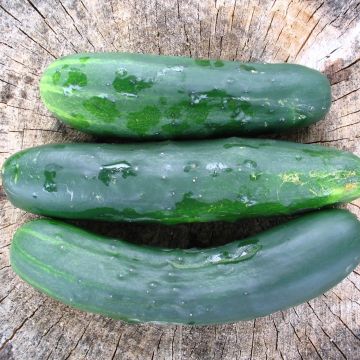
Available in 1 sizes
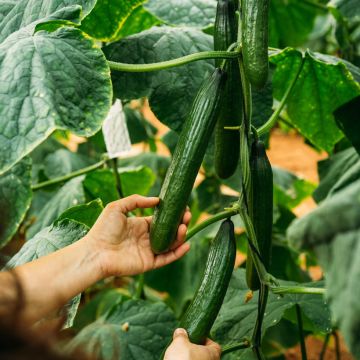
Available in 1 sizes
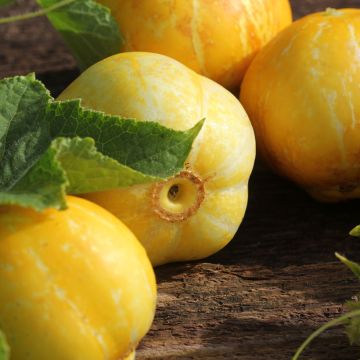
Available in 1 sizes
This plant carries a 6 months recovery warranty
More information
We guarantee the quality of our plants for a full growing cycle, and will replace at our expense any plant that fails to recover under normal climatic and planting conditions.
Description
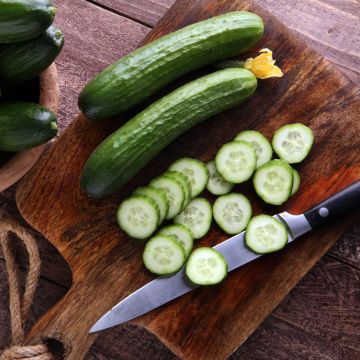
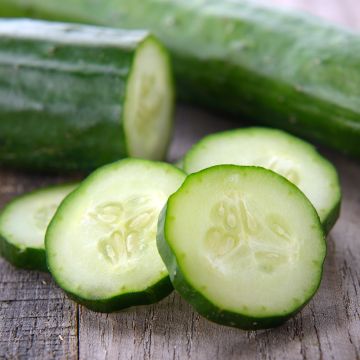
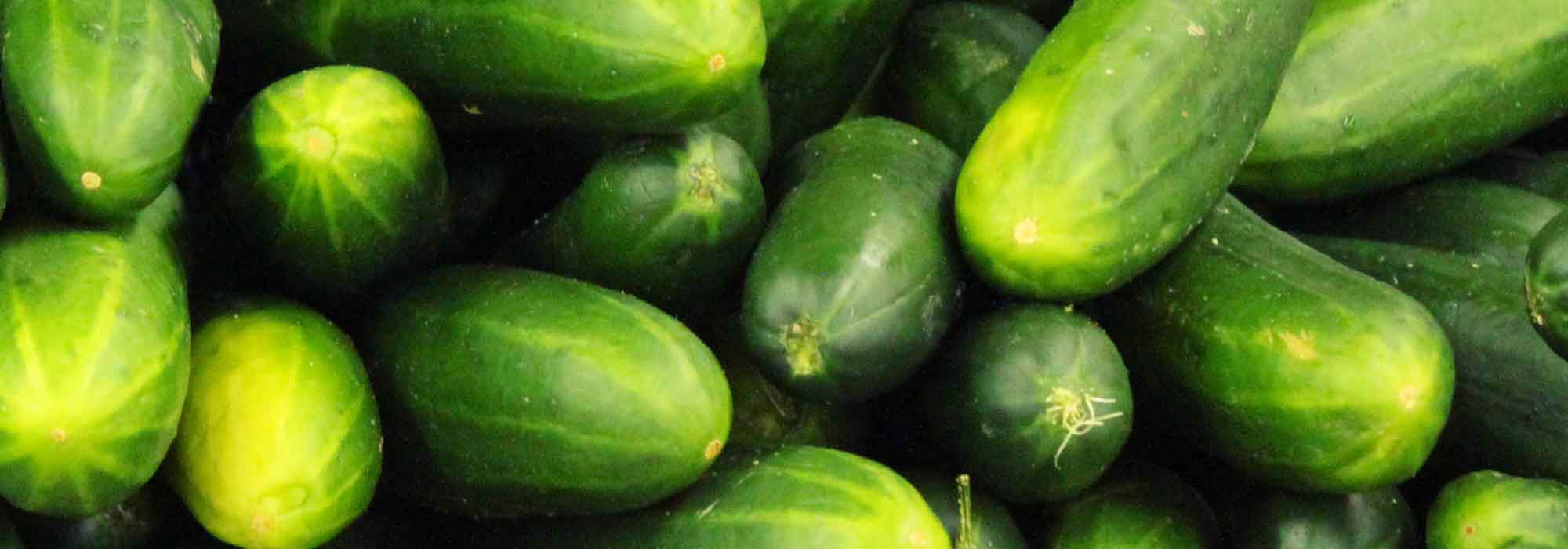
The Bella F1 Cucumber is a smooth and long variety, early and productive. It offers fruits from 18 to 22 cm (7 to 9in), with sweet and non-bitter flesh. It is a variety resistant to temperature changes and diseases (mildew, powdery mildew). The sowing period extends from March to June for a harvest from July to October.
This cucumber is intended for cultivation in the open field or under shelter, heated or not.
Cucumbers appreciate light, loose, fresh and humus-rich soils. They like sunny exposures and temperatures between 18 and 22 °C. They are vegetables that require regular watering as they are quite water-intensive. Cucumber, along with tomato, is one of the star vegetables of summer: refreshing, low in calories, it can be enjoyed in composed salads or on its own, with, for example, a yogurt-based sauce, lemon and dill.
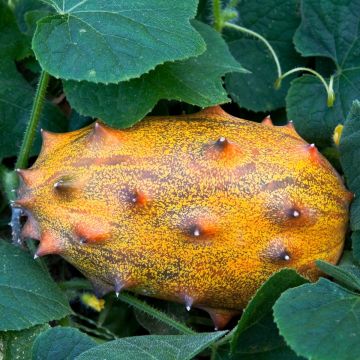
There are two main types of cucumbers: "forcing" varieties that are intended for cultivation under shelter and those that are suitable for cultivation in open ground. They can be smooth or spiny, long or semi-long. In addition to these classic varieties, there are also more "exotic" cucumbers such as the Kenyan Cucumber or the Snake Cucumber, which are generally more heat-demanding.
Harvest: Cucumbers should be harvested when they have reached their final size, before their color turns yellow. Be careful: overripe fruits become bitter. Remember to harvest regularly to encourage the formation of new fruits.
Storage: Cucumbers can be stored in the refrigerator for several days. To enjoy your harvest for longer, you can also preserve them in jars through lacto-fermentation or with vinegar.
Gardener's tip: Like all cucurbits, cucumbers can be susceptible to powdery mildew: a white fuzz appears on the foliage. It is necessary to remove heavily affected leaves and spray with wettable sulfur every 2 weeks. As a preventive measure, avoid watering the foliage and make sure to ventilate your greenhouse properly if cultivation takes place under shelter. A spray of horsetail decoction can also be applied to strengthen foliage resistance. A spray of nettle manure effectively fights against aphid attacks.
Plant your lettuces and beans in parallel, your cucumbers appreciate their company.
Harvest
Plant habit
Foliage
Botanical data
Cucumis
sativus
Bella
Curcubitaceae
Cucumber
Cultivar or hybrid
Annual
Planting and care
Cucumber Sowing:
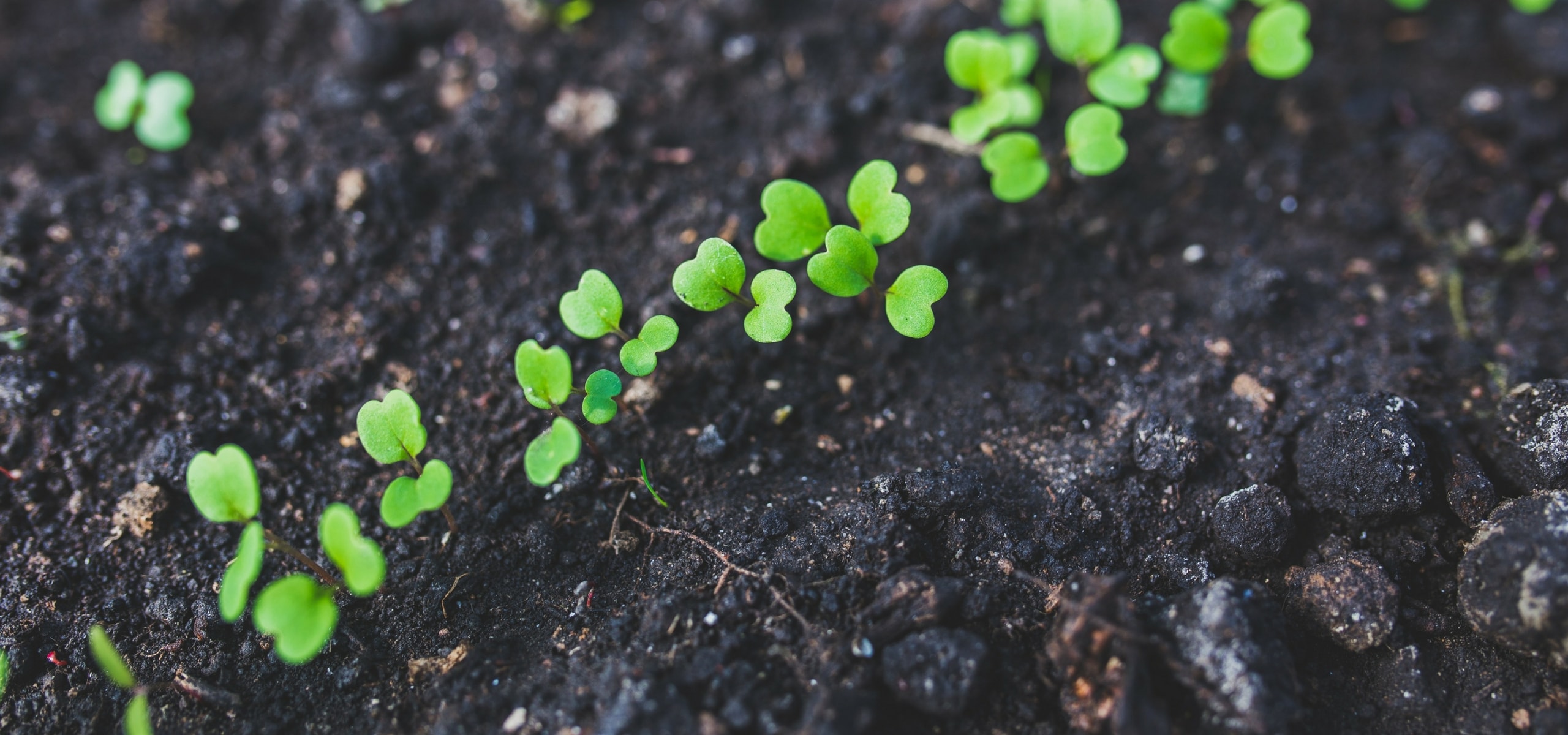
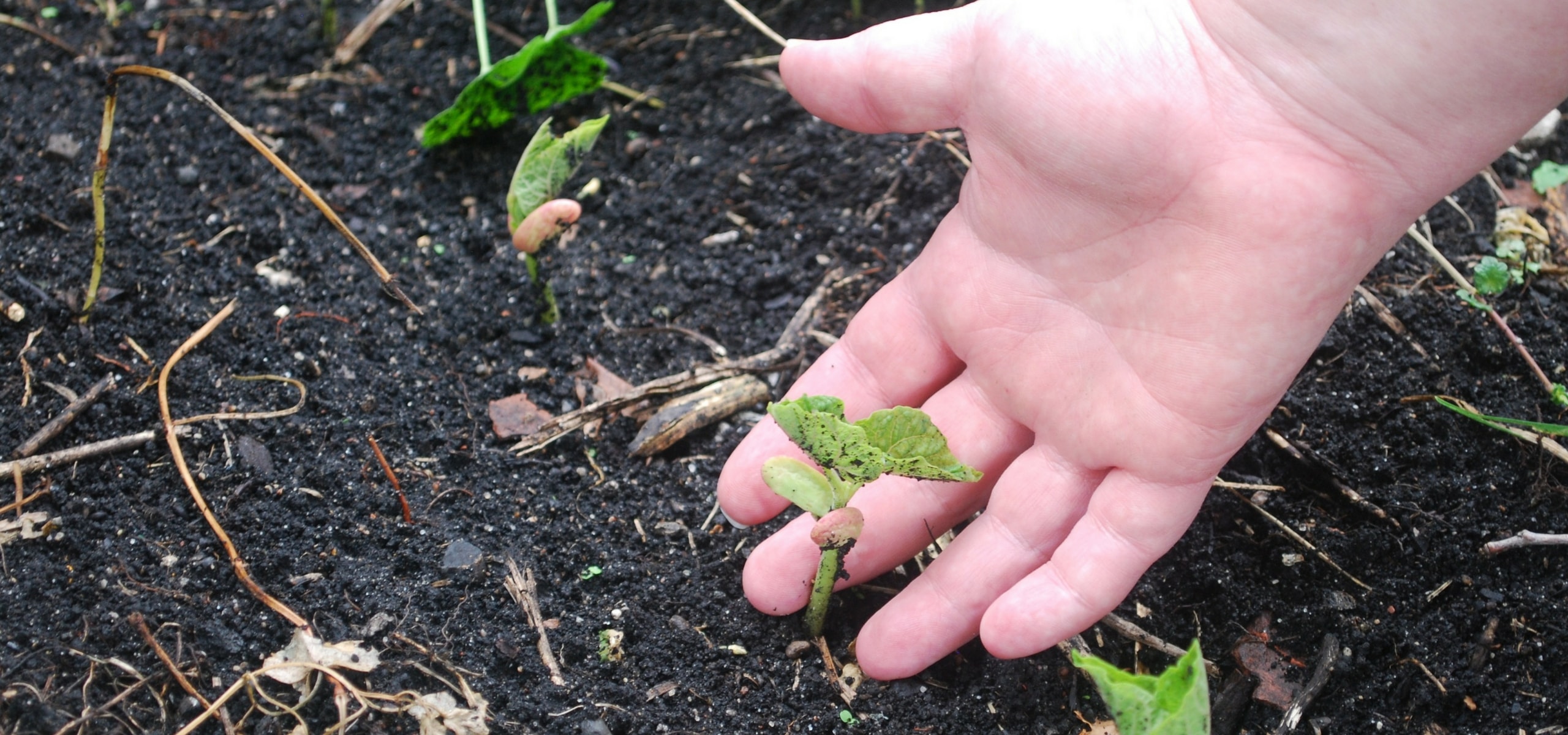
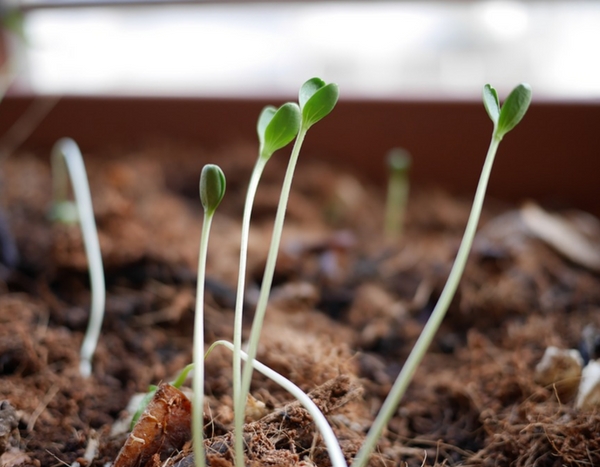
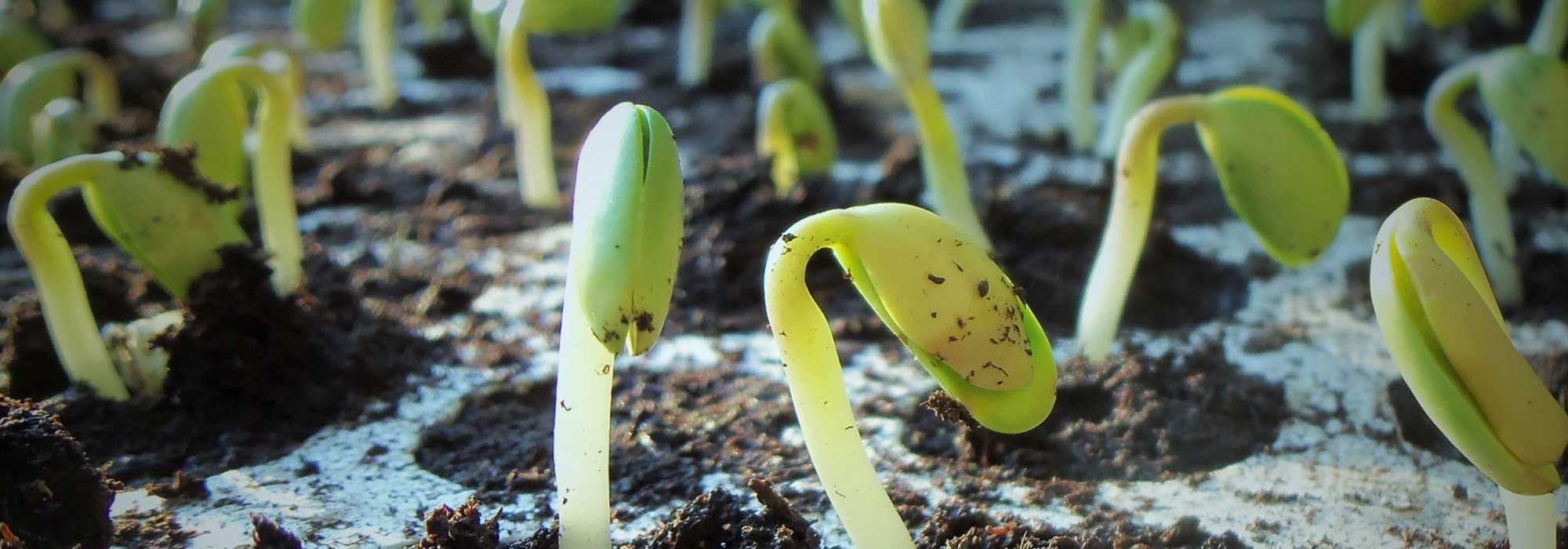
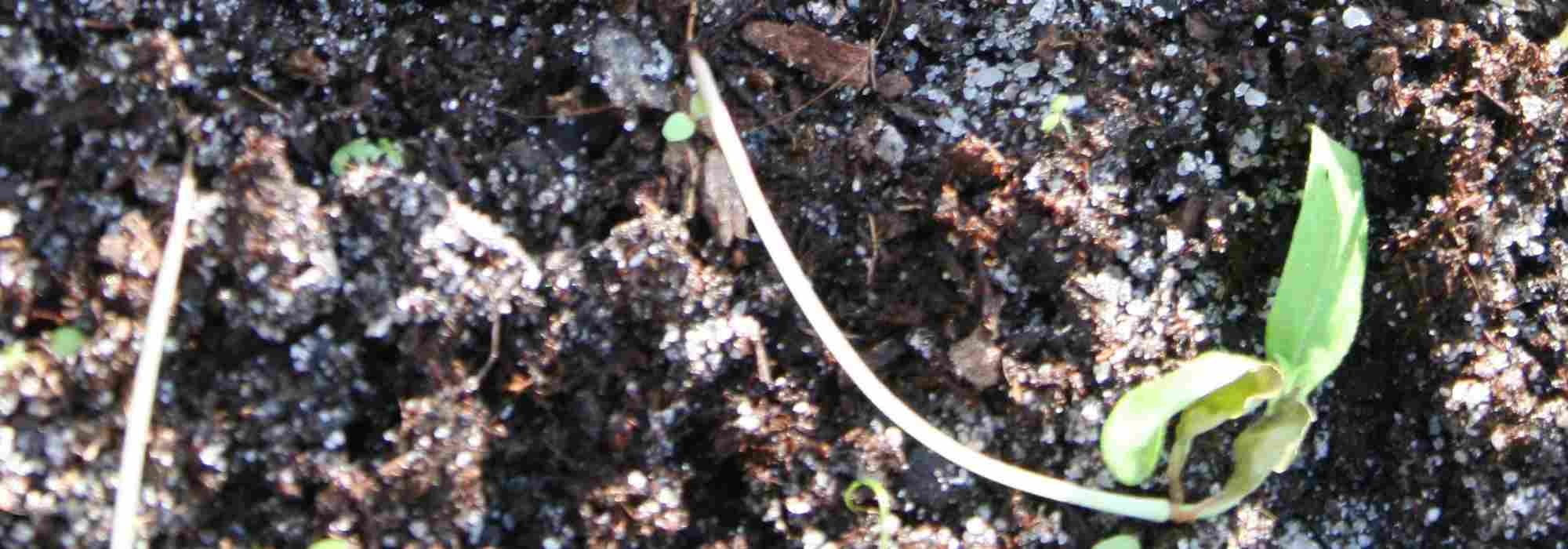
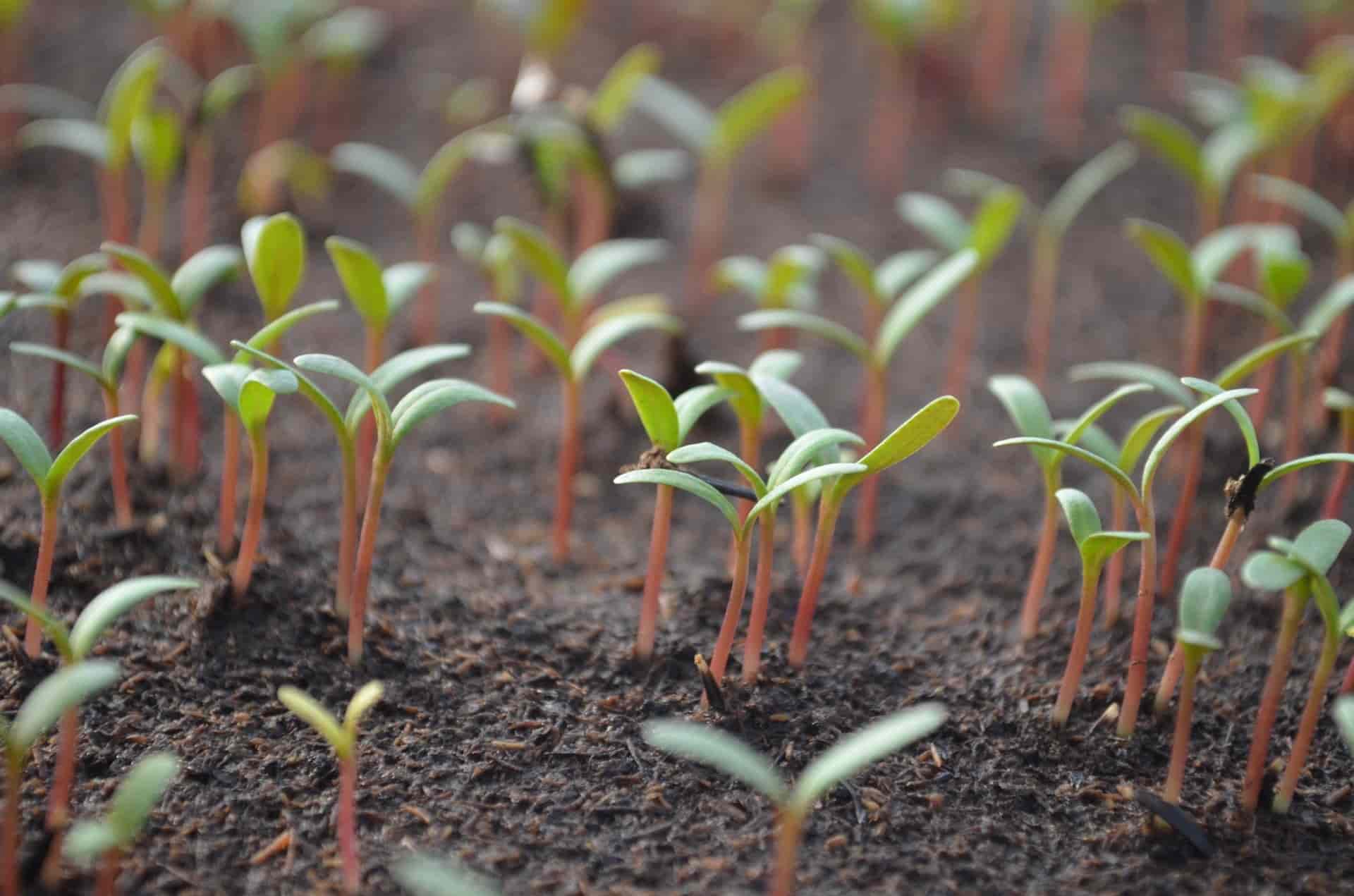
Cucumber germination occurs at a temperature between 16 °C and 35 °C. The seedling usually emerges in 8 to 10 days at these temperatures. Sowing is done from March to June in a bucket or in open ground:
In a bucket, one month before the planned planting date, place 2 or 3 seeds in a special seed compost and water with a very fine spray. When the two true leaves appear, keep the strongest plant. Keep the young plant at a mild temperature, ensuring that the substrate remains moist but not waterlogged.
In open ground, sowing is done later, when the soil is well warmed up: sow in a group of 2 or 3 seeds and proceed as for sowing in a bucket. During planting or direct sowing, maintain a distance of 1 meter (3 feet) between each row and 50 to 60 cm (20 to 24in) between each plant.
Cucumber Cultivation:
Cucumber is a fairly demanding vegetable that requires rich soil. It is advisable to apply mature compost (about 3 kg per m²) in autumn, by scratching to a depth of 5 cm (2in), after having loosened the soil as for any vegetable cultivation. It prefers neutral soils (pH 7) but will also thrive in slightly acidic or alkaline soil (pH between 5.5 and 7.5).
Cucumber can be grown flat, but to save space and promote production, do not hesitate to use its climbing habit by training it on a frame covered with wire mesh, inclined at 45%, it will provide beneficial shade for lettuces or in a teepee to add a touch of whimsy to the vegetable garden.
When the plants are vertically trained, cultivation is done on a single stem, which is pinched at a height of 2.5 m (8ft) maximum. When grown flat, pinch above the second leaf to obtain two stems, which will be pinched above the 4th leaf. The final pruning involves cutting above a leaf for each formed fruit.
Cucumber pairs well with corn, salads, and beans, but avoid planting it near tomatoes and potatoes.
Seedlings
Care
Intended location
Planting & care advice
-
-
-
-
-
-
-
-
-
, onOrder confirmed
Reply from on Promesse de fleurs
Recently viewed products
Haven't found what you were looking for?
Hardiness is the lowest winter temperature a plant can endure without suffering serious damage or even dying. However, hardiness is affected by location (a sheltered area, such as a patio), protection (winter cover) and soil type (hardiness is improved by well-drained soil).

The flowering period indicated on our website applies to countries and regions located in USDA zone 8 (France, the United Kingdom, Ireland, the Netherlands, etc.)
It will vary according to where you live:- In zones 9 to 10 (Italy, Spain, Greece, etc.), flowering will occur about 2 to 4 weeks earlier.
- In zones 6 to 7 (Germany, Poland, Slovenia, and lower mountainous regions), flowering will be delayed by 2 to 3 weeks.
- In zone 5 (Central Europe, Scandinavia), blooming will be delayed by 3 to 5 weeks.
In temperate climates, pruning of spring-flowering shrubs (forsythia, spireas, etc.) should be done just after flowering.
Pruning of summer-flowering shrubs (Indian Lilac, Perovskia, etc.) can be done in winter or spring.
In cold regions as well as with frost-sensitive plants, avoid pruning too early when severe frosts may still occur.
The planting period indicated on our website applies to countries and regions located in USDA zone 8 (France, United Kingdom, Ireland, Netherlands).
It will vary according to where you live:
- In Mediterranean zones (Marseille, Madrid, Milan, etc.), autumn and winter are the best planting periods.
- In continental zones (Strasbourg, Munich, Vienna, etc.), delay planting by 2 to 3 weeks in spring and bring it forward by 2 to 4 weeks in autumn.
- In mountainous regions (the Alps, Pyrenees, Carpathians, etc.), it is best to plant in late spring (May-June) or late summer (August-September).
The harvesting period indicated on our website applies to countries and regions in USDA zone 8 (France, England, Ireland, the Netherlands).
In colder areas (Scandinavia, Poland, Austria...) fruit and vegetable harvests are likely to be delayed by 3-4 weeks.
In warmer areas (Italy, Spain, Greece, etc.), harvesting will probably take place earlier, depending on weather conditions.
The sowing periods indicated on our website apply to countries and regions within USDA Zone 8 (France, UK, Ireland, Netherlands).
In colder areas (Scandinavia, Poland, Austria...), delay any outdoor sowing by 3-4 weeks, or sow under glass.
In warmer climes (Italy, Spain, Greece, etc.), bring outdoor sowing forward by a few weeks.
Shipping country and language
Your country of residence may be:
Your country of residence is:
For a better user experience on our website, you can select:
Your shipping country:
-
 Austria
-
 Belgium
-
 Bosnia & Herzegovina
-
 Bulgaria
-
 Croatia
-
 Cyprus
-
 Czechia
-
 Denmark
-
 Estonia
-
 Finland
-
 France
-
 Germany
-
 Greece
-
 Hungary
-
 Iceland
-
 Ireland
-
 Italy
Italy
-
 Latvia
-
 Liechtenstein
-
 Lithuania
-
 Luxembourg
-
 Malta
Malta
-
 Netherlands
-
 Poland
-
 Portugal
-
 Romania
-
 Serbia
-
 Slovakia
-
 Slovenia
-
 Spain
Spain
-
 Sweden
-
 Switzerland
Language:
-
French
-
 English
-
Spanish
-
Italian
-
German
-
Portuguese
-
Dutch
-
Finnish
My Account
Hello
My wish lists
My cart
Log in / Register
Existing customer?
This form is protected by reCAPTCHA - the Google Privacy Policy and Terms of Service apply.
New customer?
Create an account to track your orders, access our customer service and, if you wish, make the most of our upcoming offers.