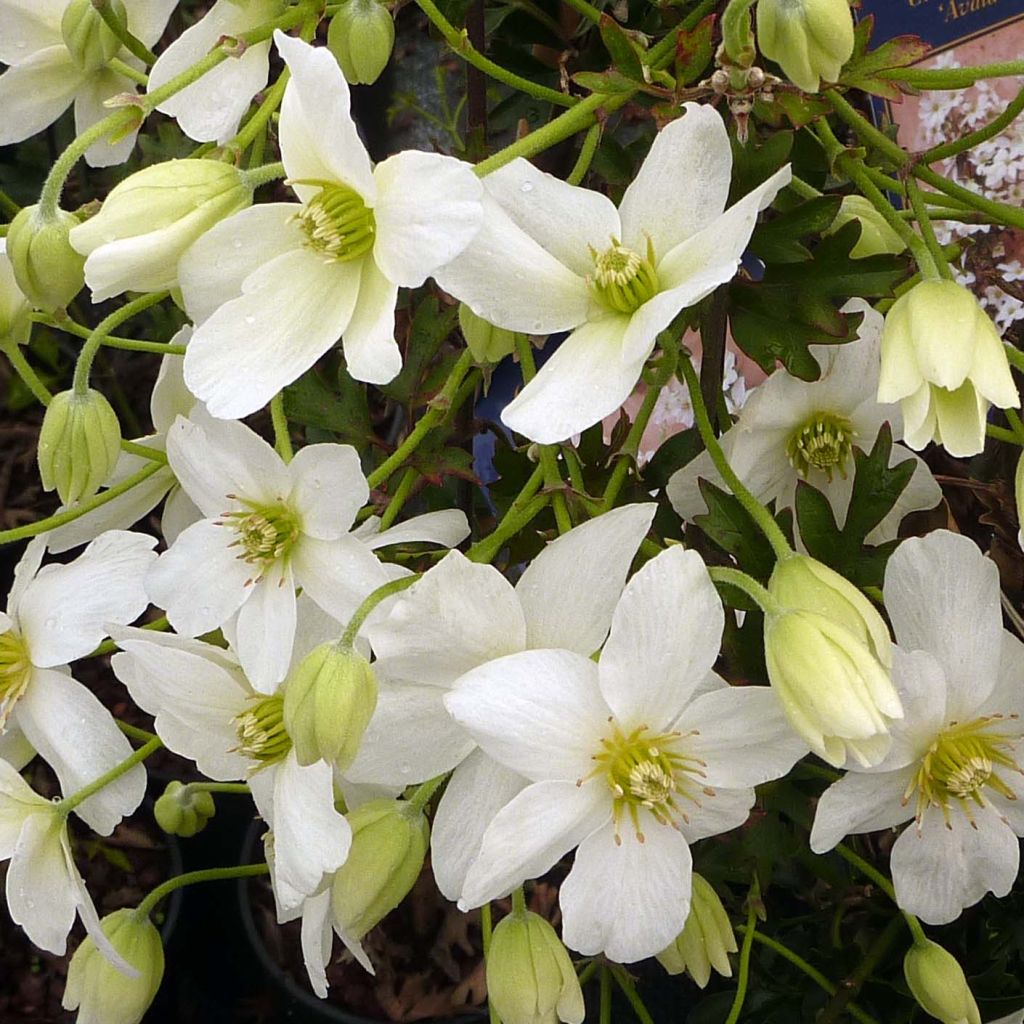
Clematis x indivisa Avalanche
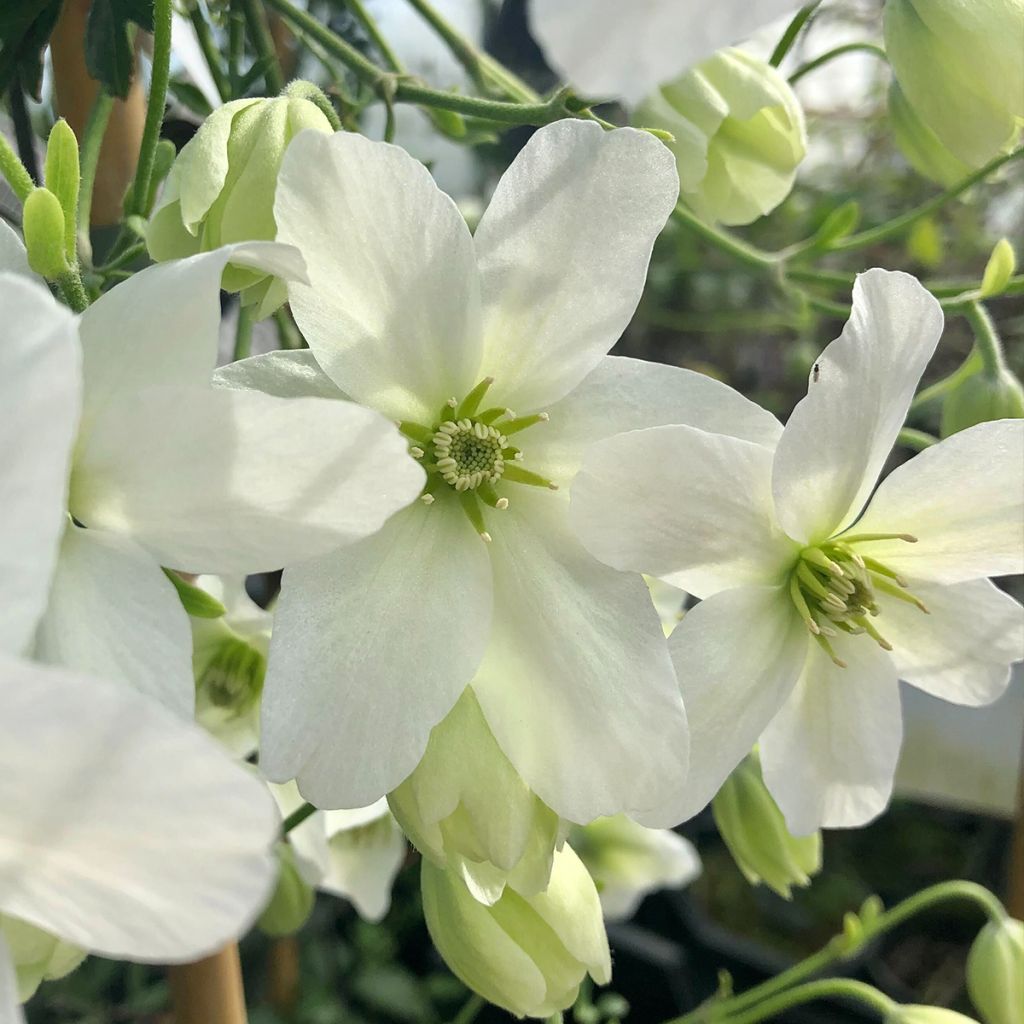
Clematis x indivisa Avalanche
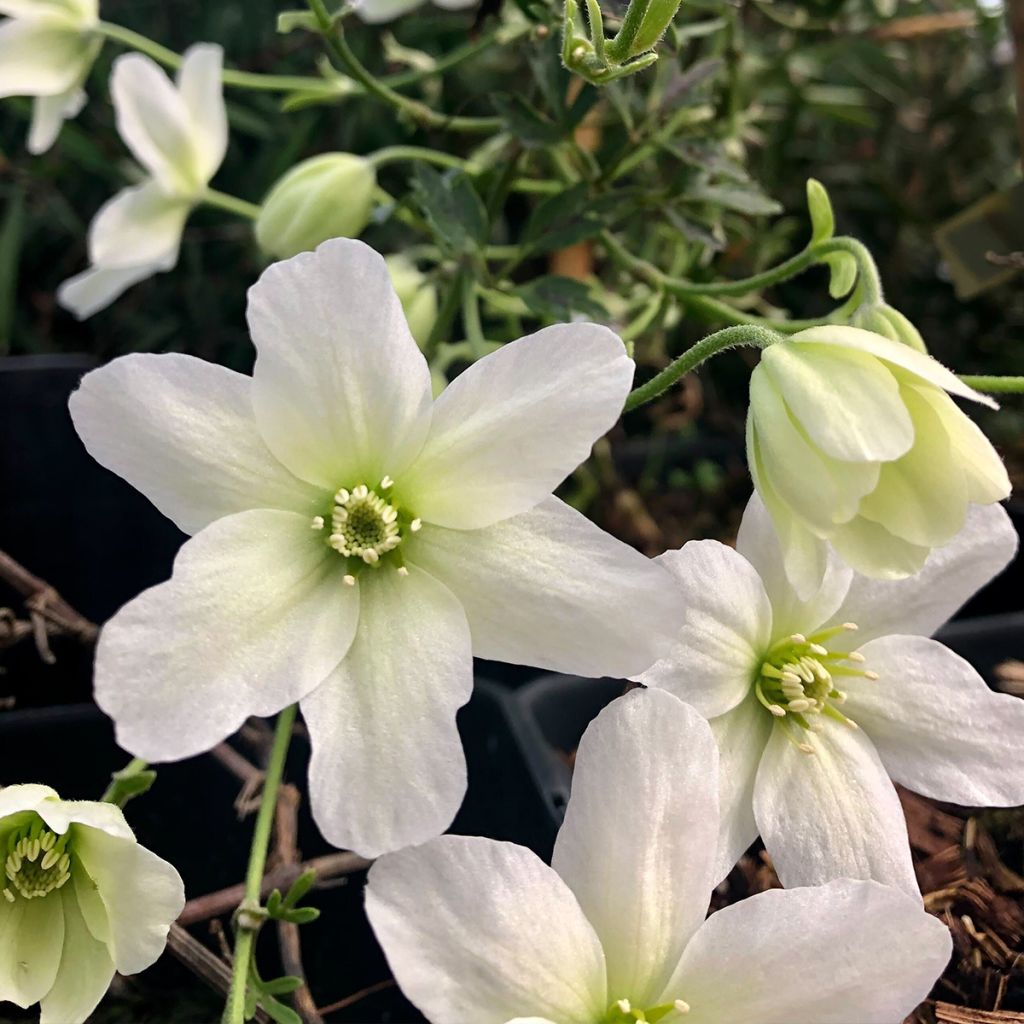
Clematis x indivisa Avalanche
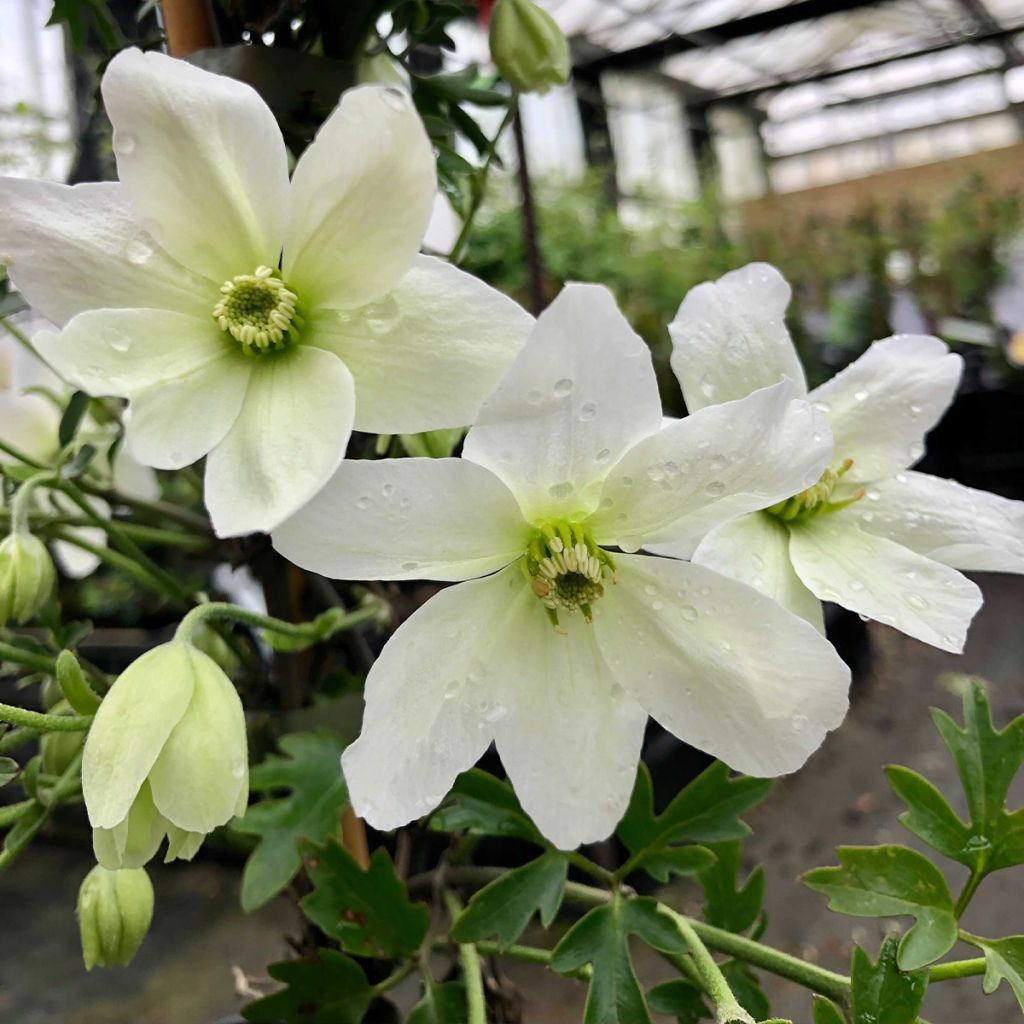
Clematis x indivisa Avalanche
Clematis x indivisa Avalanche
Clematis x indivisa Avalanche
Clematis x indivisa Avalanche
Clematis x indivisa Avalanche
Clematis x indivisa Avalanche
Clematis x indivisa Avalanche® 'Blavaal'
Evergreen Clematis, New Zealand Clematis
Plants arrived in very poor condition, dry stems, few yellow and shrivelled flowers, the whole covered in a suspicious whitish deposit. Main branch broken in the package. No comparison with the same product ordered the previous week on Amazon… Photos available. Recovery more than doubtful.
Kina Perrin, 28/07/2025
Back-to-school special offer!
Get €10 off for every €50 you spend! And get up to €40 off on a single order.
How does it work?
1. Shop your favourites
Add your favourite plants to your basket. For every €50 you spend (excluding delivery charges, store credit and the plastic-free option), you’ll receive a €10 voucher.
€50 spent = €10 voucher
€100 spent = €20 voucher
€150 spent = €30 voucher
€200 spent = €40 voucher
2. Place your order
Once your basket reaches one of the spending thresholds, place your order. You can even choose your delivery date!
3. Receive your voucher
As soon as your order has been shipped, you’ll receive an email containing your personal voucher code and its value.
4. Use it on your next order
Your voucher is valid for 90 days from the date you receive it. It can be used once only, on a new order worth at least the value of the voucher, excluding delivery charges.
Please note: Vouchers can be combined with other offers, but cannot be split or refunded.
Home or relay delivery (depending on size and destination)
Important: You may be charged customs duties by your country’s customs authorities upon delivery.
Schedule delivery date,
and select date in basket
This plant carries a 12 months recovery warranty
More information
We guarantee the quality of our plants for a full growing cycle, and will replace at our expense any plant that fails to recover under normal climatic and planting conditions.

Would this plant suit my garden?
Set up your Plantfit profile →
Description
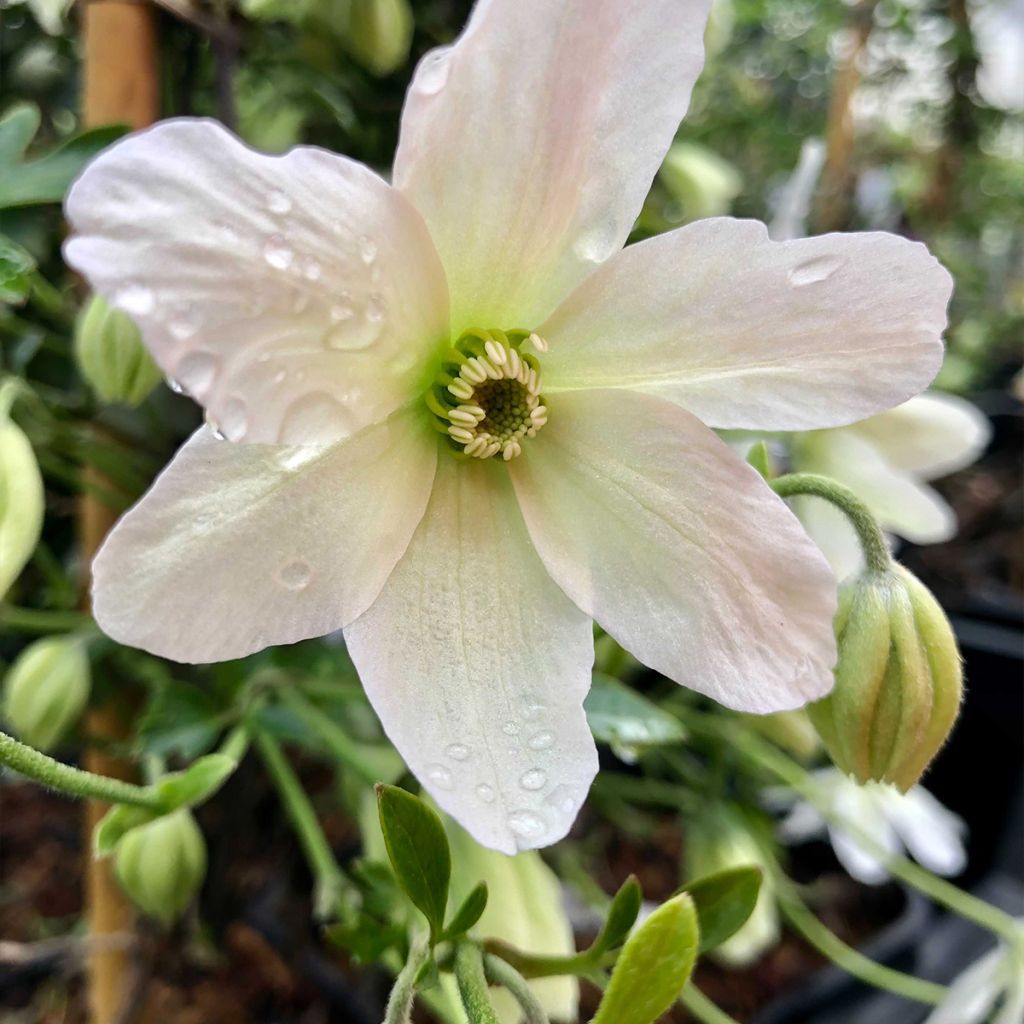
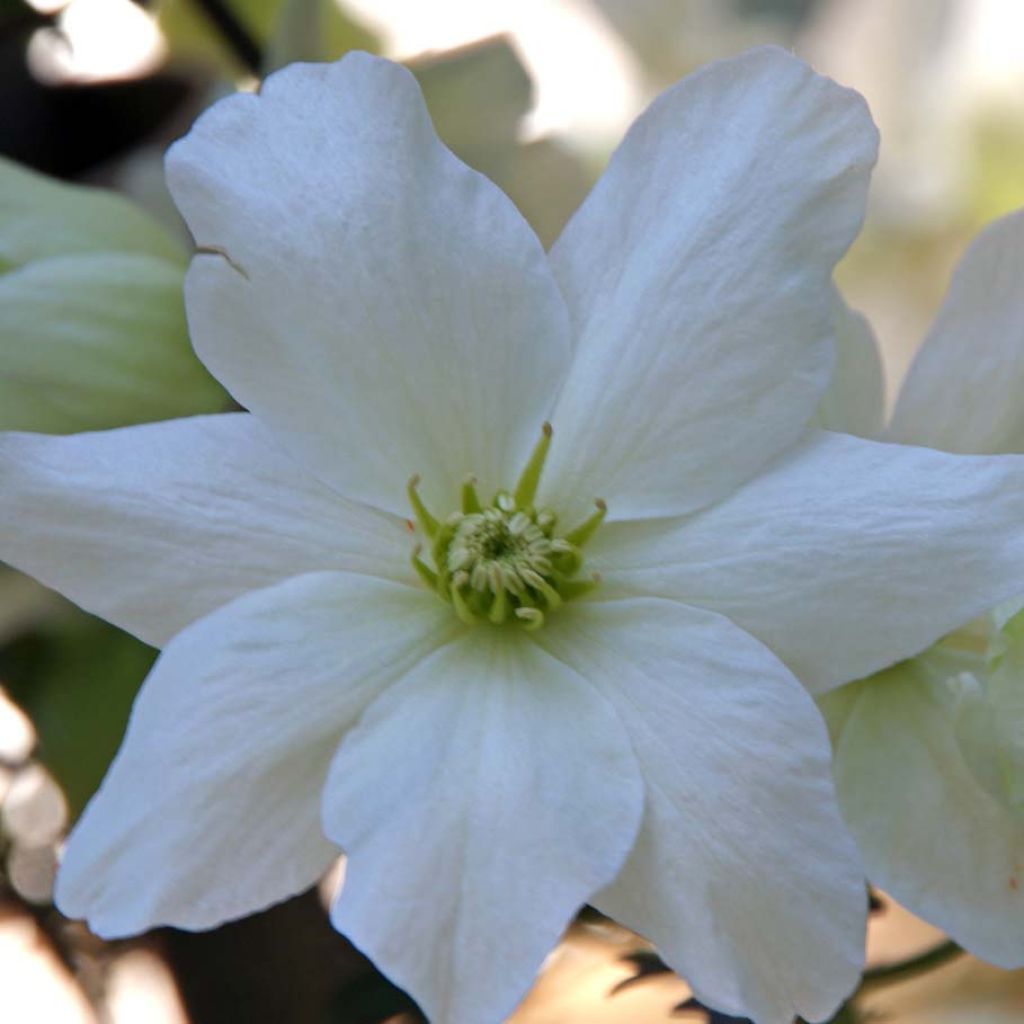
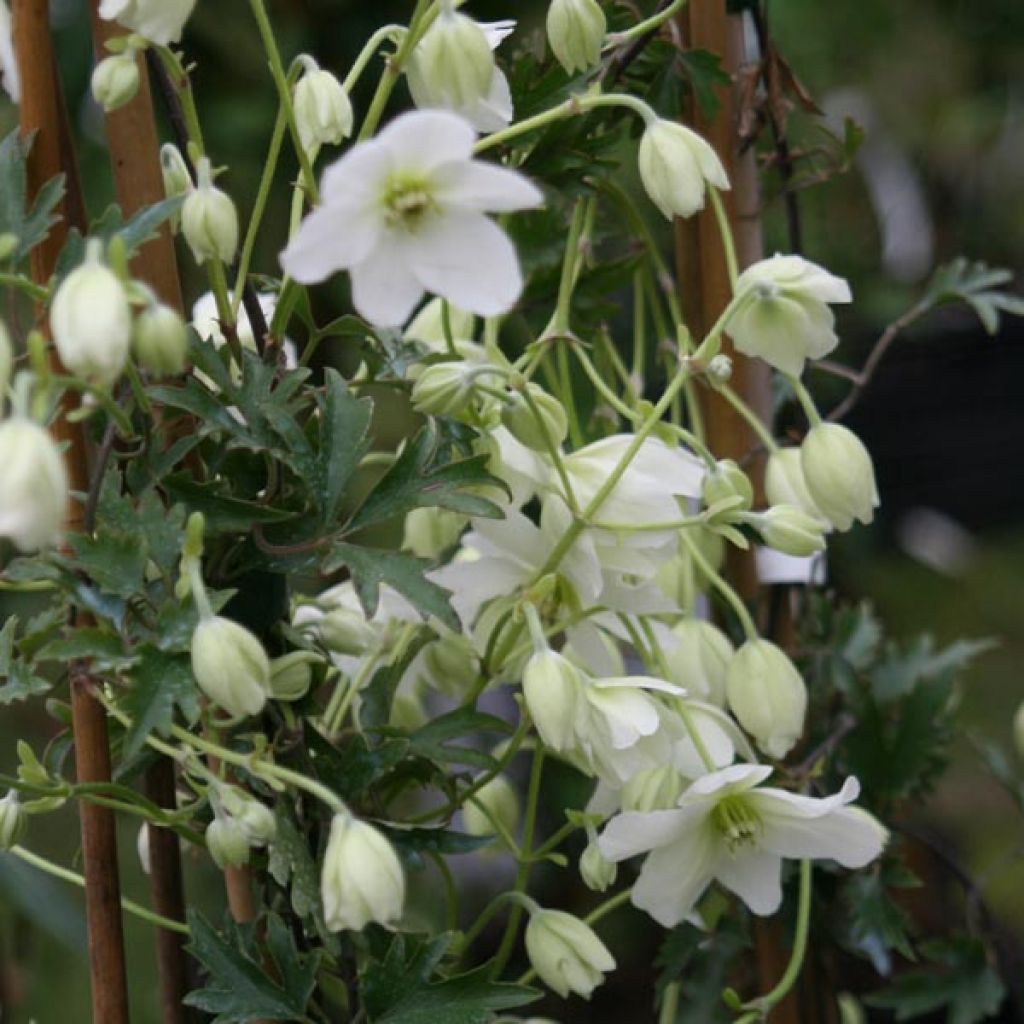
The Clematis Avalanche 'Blavaal' is undoubtedly the hardiest and most reliable of the evergreen New Zealand clematises, capable of surviving brief frosts of around -8 to -10 °C (17.6 to 14°F). This variety surprises with the abundance of its white flowering, reminiscent of an avalanche of small daisies with pale yellow centers in early spring. They bloom in clusters on two-thirds of the branches of this lovely bushy climber that reaches up to 3 m (10ft) in height. Its heavily incised foliage adorns bare shrubs in winter. Whether in the ground or in pots, plant it in full sun or partial shade, in well-drained but moist soil.
The Avalanche clematis is part of a group of hybrids resulting from crosses between different species native to New Zealand (Clematis forsteri, paniculata, marmoraria), appreciated for their early and massive flowering and their highly incised, decorative foliage even in winter. These are the clematises of the cartmanii group, belonging to the Ranunculaceae family. Generally dioecious, these plants bear male and female flowers on separate individuals. The male flowers are the most spectacular, blooming on the branches of male cultivars like 'Avalanche'. For its ornamental qualities and performance in the garden, this variety has been distinguished by the Royal Horticultural Society in England.
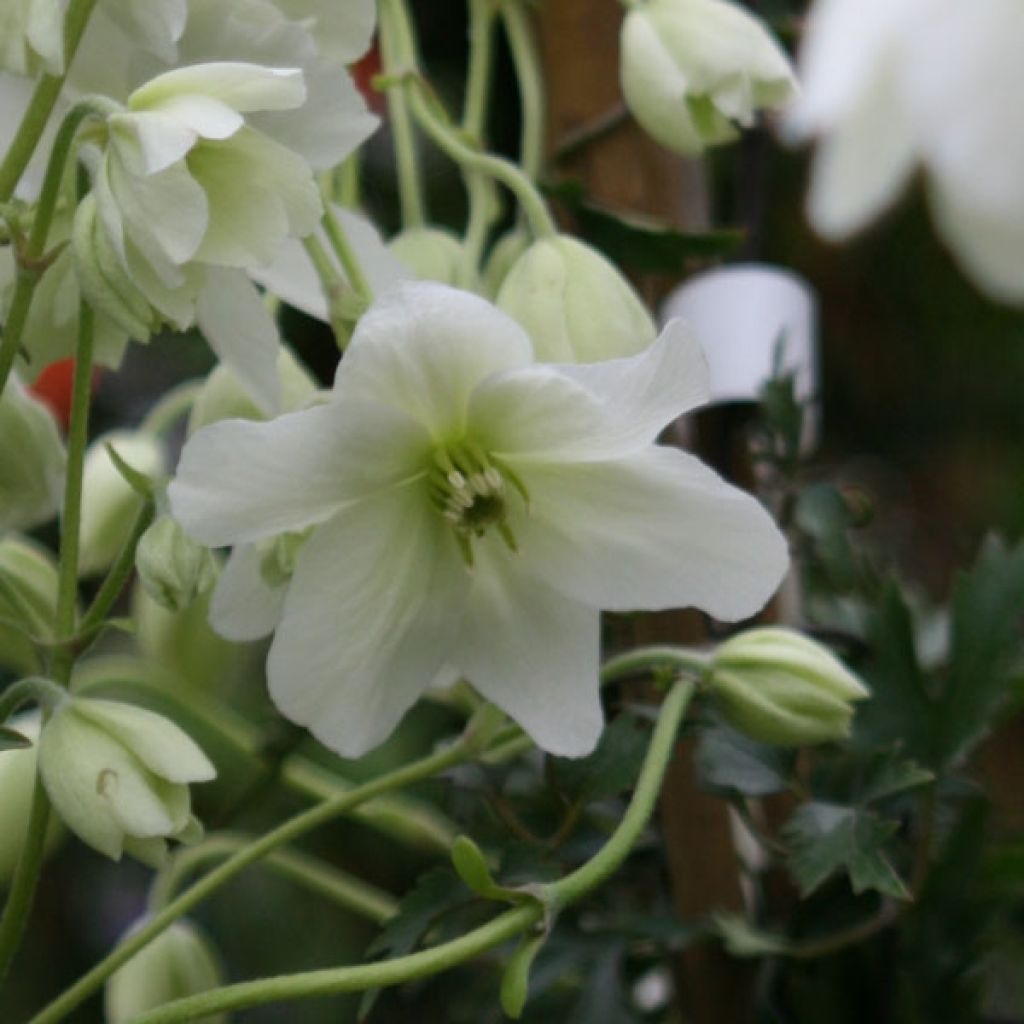
It is a semi-woody, climbing or creeping plant that can cover an area of about 3 m (10ft) by 2 m (7ft). Its brownish branches weave and climb into neighboring plants, clinging to their support with the leaf petiole transformed into a tendril. They bear thick, deeply incised leaves, dark green and shiny, resembling parsley leaves. Flowering takes place in spring, usually in March-April, until May depending on the climate, for several weeks. Clusters of star-shaped flowers, 2 to 3 cm (1in) in diameter, with 6 petals centered on a yellow stamen heart, bloom on the upper 2/3 of the branches. The petals gradually turn from greenish white at blooming to pure white.
The Avalanche clematis thrives in the ground in our mild regions, but also grows very well in pots, which can be easily overwintered away from severe frost elsewhere. It can be used as a climber to cover small supports (trellises, obelisks, arches), as well as in containers or over walls, cascading in elegant waterfalls. It can also form a superb ground cover on a well-exposed slope, with herbaceous clematis or Sollya heterophylla, for example. Its branches like to wander in the vegetation of shrubs such as boxwood, roses, deutzias, or small conifers, which enhance its flowering.
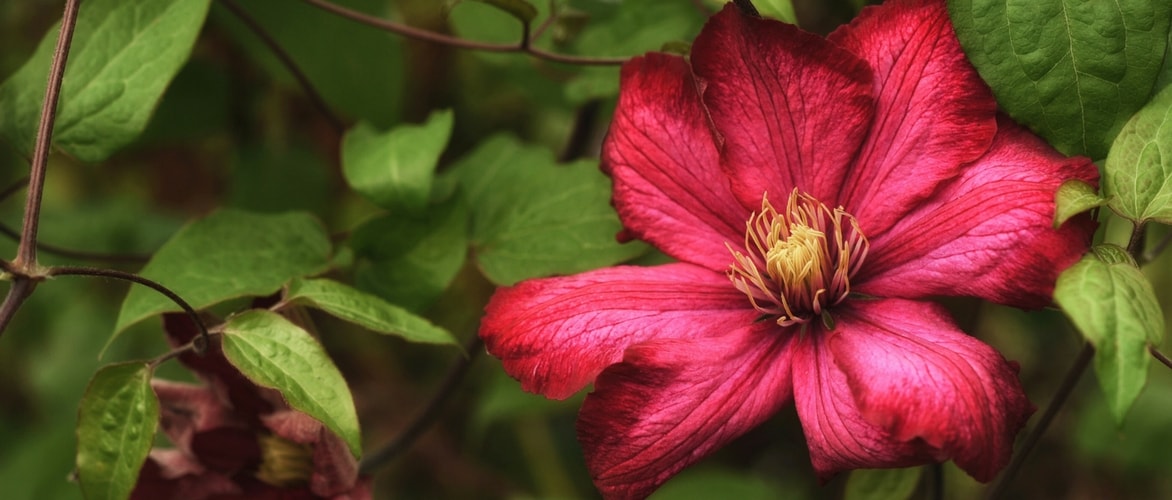
Clematis x indivisa Avalanche in pictures
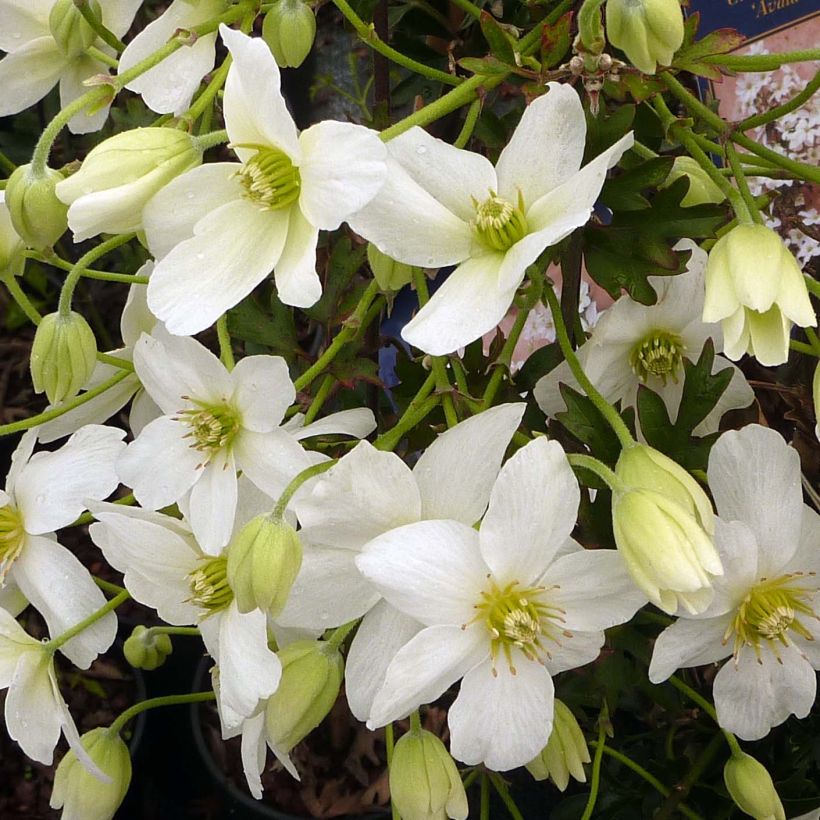
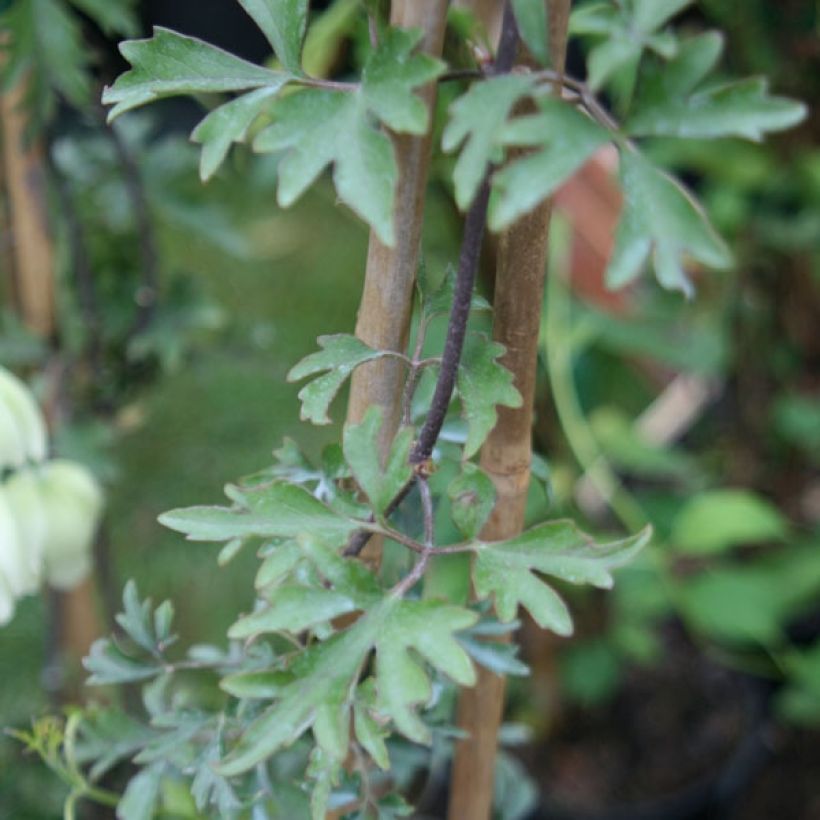
Plant habit
Flowering
Foliage
Botanical data
Clematis
x indivisa
Avalanche® 'Blavaal'
Ranunculaceae
Evergreen Clematis, New Zealand Clematis
Cultivar or hybrid
Planting and care
Plant the Avalanche clematis preferably in spring, in March-April, after the last frosts. Install it in a regular but well-prepared and loosened soil, in a sunny exposure, or at worst semi-shaded. Choose a place sheltered from prevailing winds, for example against a wall or sheltered by an evergreen hedge. Make sure the soil stays cool in summer, by mulching if necessary. Add a shovelful of compost in spring. This clematis should be pruned after flowering to 20 cm (8in) from the ground. Its cold resistance is around -8 to -10°C (17.6 to 14°F) for a short period (for example at the end of the night), provided that temperatures rise above 0°C (32°F) during the day. This New Zealand clematis will particularly thrive in a mild and humid oceanic climate. Success is more difficult in Mediterranean regions (in open ground), which are too dry and too hot in summer. And it will not tolerate our montane or continental climates, which are too harsh.
Planting period
Intended location
Care
Planting & care advice
-
, onOrder confirmed
Reply from on Promesse de fleurs
Recently viewed products
Haven't found what you were looking for?
Hardiness is the lowest winter temperature a plant can endure without suffering serious damage or even dying. However, hardiness is affected by location (a sheltered area, such as a patio), protection (winter cover) and soil type (hardiness is improved by well-drained soil).

The flowering period indicated on our website applies to countries and regions located in USDA zone 8 (France, the United Kingdom, Ireland, the Netherlands, etc.)
It will vary according to where you live:- In zones 9 to 10 (Italy, Spain, Greece, etc.), flowering will occur about 2 to 4 weeks earlier.
- In zones 6 to 7 (Germany, Poland, Slovenia, and lower mountainous regions), flowering will be delayed by 2 to 3 weeks.
- In zone 5 (Central Europe, Scandinavia), blooming will be delayed by 3 to 5 weeks.
In temperate climates, pruning of spring-flowering shrubs (forsythia, spireas, etc.) should be done just after flowering.
Pruning of summer-flowering shrubs (Indian Lilac, Perovskia, etc.) can be done in winter or spring.
In cold regions as well as with frost-sensitive plants, avoid pruning too early when severe frosts may still occur.
The planting period indicated on our website applies to countries and regions located in USDA zone 8 (France, United Kingdom, Ireland, Netherlands).
It will vary according to where you live:
- In Mediterranean zones (Marseille, Madrid, Milan, etc.), autumn and winter are the best planting periods.
- In continental zones (Strasbourg, Munich, Vienna, etc.), delay planting by 2 to 3 weeks in spring and bring it forward by 2 to 4 weeks in autumn.
- In mountainous regions (the Alps, Pyrenees, Carpathians, etc.), it is best to plant in late spring (May-June) or late summer (August-September).
The harvesting period indicated on our website applies to countries and regions in USDA zone 8 (France, England, Ireland, the Netherlands).
In colder areas (Scandinavia, Poland, Austria...) fruit and vegetable harvests are likely to be delayed by 3-4 weeks.
In warmer areas (Italy, Spain, Greece, etc.), harvesting will probably take place earlier, depending on weather conditions.
The sowing periods indicated on our website apply to countries and regions within USDA Zone 8 (France, UK, Ireland, Netherlands).
In colder areas (Scandinavia, Poland, Austria...), delay any outdoor sowing by 3-4 weeks, or sow under glass.
In warmer climes (Italy, Spain, Greece, etc.), bring outdoor sowing forward by a few weeks.
Shipping country and language
Your country of residence may be:
Your country of residence is:
For a better user experience on our website, you can select:
Your shipping country:
-
 Austria
-
 Belgium
-
 Bosnia & Herzegovina
-
 Bulgaria
-
 Croatia
-
 Cyprus
-
 Czechia
-
 Denmark
-
 Estonia
-
 Finland
-
 France
-
 Germany
-
 Greece
-
 Hungary
-
 Iceland
-
 Ireland
-
 Italy
Italy
-
 Latvia
-
 Liechtenstein
-
 Lithuania
-
 Luxembourg
-
 Malta
Malta
-
 Netherlands
-
 Poland
-
 Portugal
-
 Romania
-
 Serbia
-
 Slovakia
-
 Slovenia
-
 Spain
Spain
-
 Sweden
-
 Switzerland
Language:
-
French
-
 English
-
Spanish
-
Italian
-
German
-
Portuguese
-
Dutch
-
Finnish
My Account
Hello
My wish lists
My cart
Log in / Register
Existing customer?
This form is protected by reCAPTCHA - the Google Privacy Policy and Terms of Service apply.
New customer?
Create an account to track your orders, access our customer service and, if you wish, make the most of our upcoming offers.