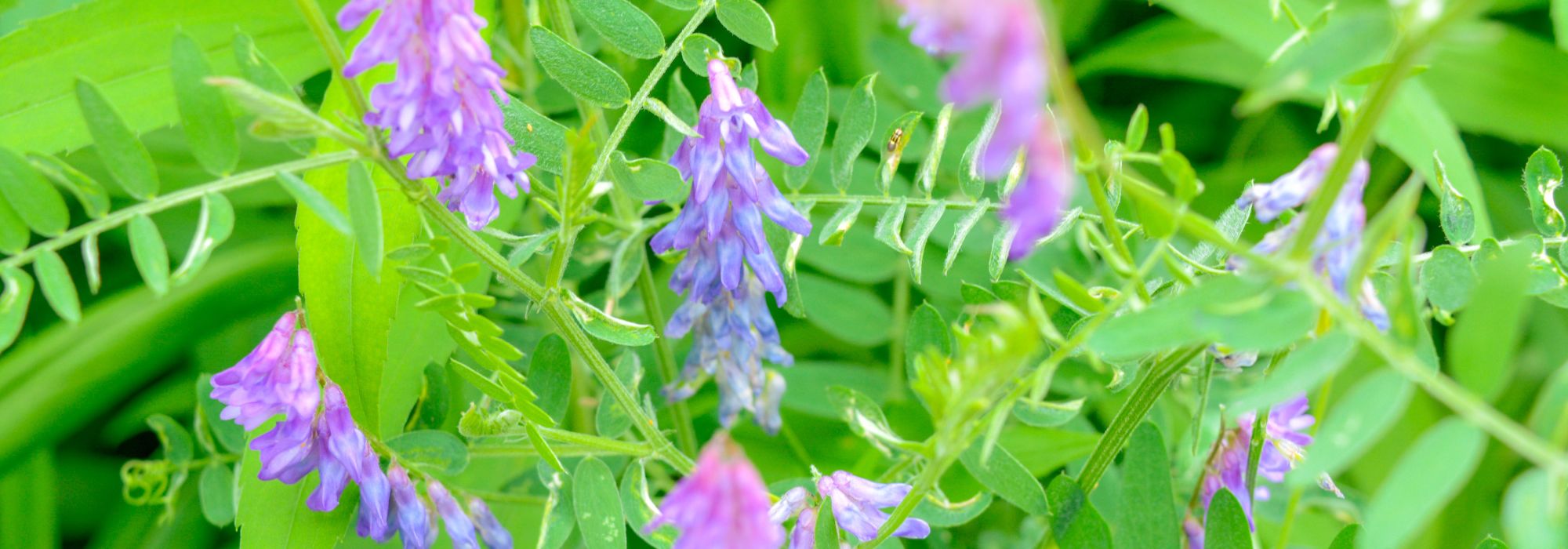
Autumn green manures: which ones should you sow to nourish vegetable garden soil?
To prepare fertile soil for spring
Contents
In autumn, the last courgettes are harvested, tomato plants are pulled up and the vegetable garden beds gradually empty. But should you leave this good soil bare until spring? Not necessarily! It is actually the perfect time to sow autumn green manures. Mustard, phacelia, vetch and rye will occupy the ground during the colder months, protect the soil and help preserve its fertility. A simple, natural way to prepare for your next crops!

Why sow green manures in autumn?
The soil in the vegetable garden does not like being left bare, especially when the autumn rains arrive. They can compact its surface and carry some of the nutrients deeper into the soil. By occupying beds left vacant after harvesting, green manures protect the soil from erosion, limit nutrient leaching and slow the development of weeds.
Below ground, the roots of green manures improve soil structure and encourage microorganism activity. Once cut down, the above-ground parts decompose and add organic matter. Some plants, particularly legumes such as vetch, have an additional advantage: they fix atmospheric nitrogen with the help of bacteria found on their roots.
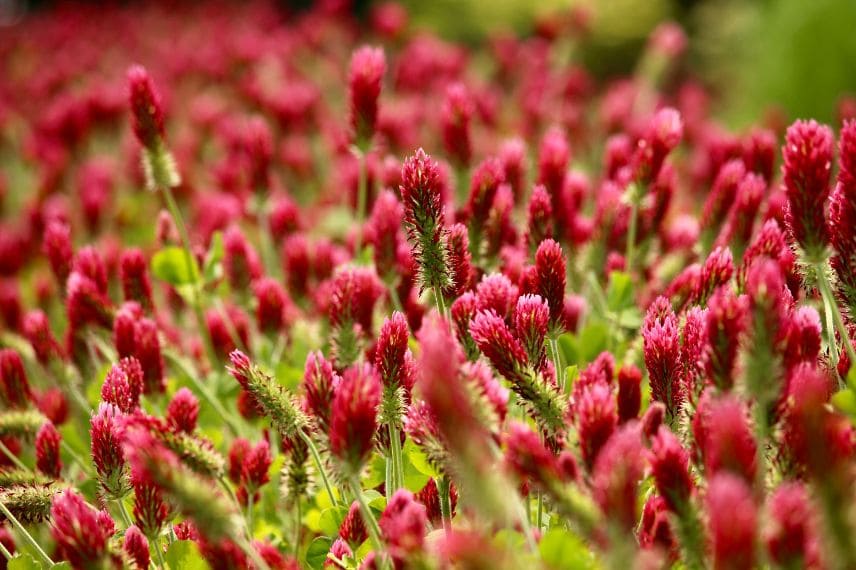
Crimson clover: beautiful as well as useful!
Read also
Green manures: mistakes to avoidWhen to sow autumn green manures in the vegetable garden?
The ideal time for sowing green manures is from late August to October, depending on the species and region. Some plants, such as phacelia and white mustard, need to be sown early enough to develop before the first frosts. Others, such as winter field beans, can be sown later, until November in favourable conditions.
Make sure you sow early enough for the plants to establish roots before the first cold weather. Warm soil and seasonal rainfall are generally favourable for the germination of green manures.
| Sowing period | Green manures to sow |
|---|---|
| August to September | Phacelia, white mustard, crimson clover |
| September to October | winter vetch, field beans, rye, winter oats |
| October (and November in mild climates) | Rye, field beans |
NB: These periods are given as a guide for a vegetable garden in France. They may vary according to the climate, the variety grown and the weather conditions that year.
Which green manures should you choose for autumn?
White mustard and phacelia for quickly covering the soil
To occupy a plot cleared at the end of summer, white mustard (Sinapis alba) and phacelia (Phacelia tanacetifolia) are two excellent choices. Their rapid growth allows them to form a dense plant cover, which limits the development of weeds and protects the soil from autumn rains.
Our advice: avoid sowing white mustard before or after cabbages, radishes or turnips to encourage crop rotation. As they belong to the same botanical family, the Brassicaceae, these plants can share certain diseases.
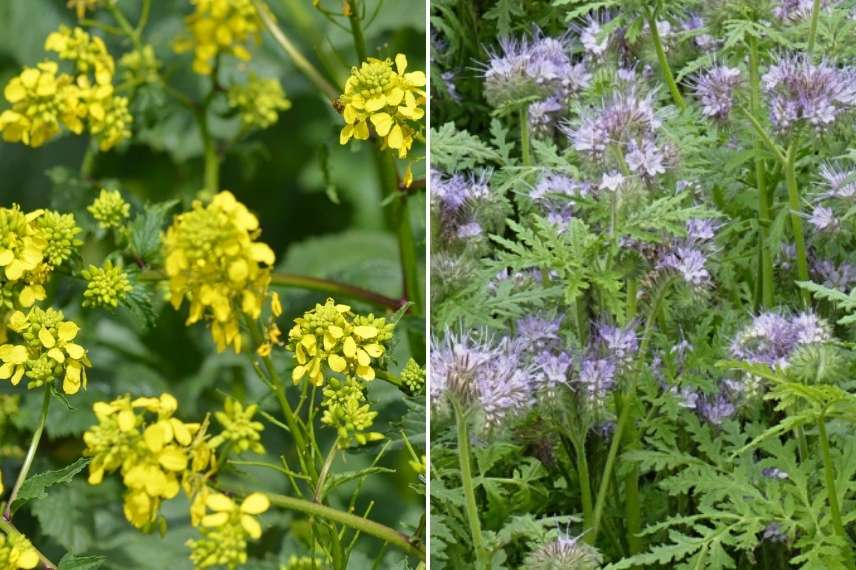
White mustard and phacelia have the advantage of growing quickly
Winter vetch, broad beans and crimson clover for adding nitrogen
To maintain the fertility of the vegetable garden naturally, winter vetch, broad bean (Vicia faba) and crimson clover are particularly useful. These legumes can fix nitrogen from the air thanks to the bacteria present on their roots. Some of this nitrogen will gradually be returned to the soil after the plants decompose.
Broad beans, thanks to their vigorous rooting, also help to improve the structure of heavy soils, provided they are sufficiently well drained.
Our advice: sow crimson clover as soon as summer ends so that it has time to become well established before the cold weather arrives.
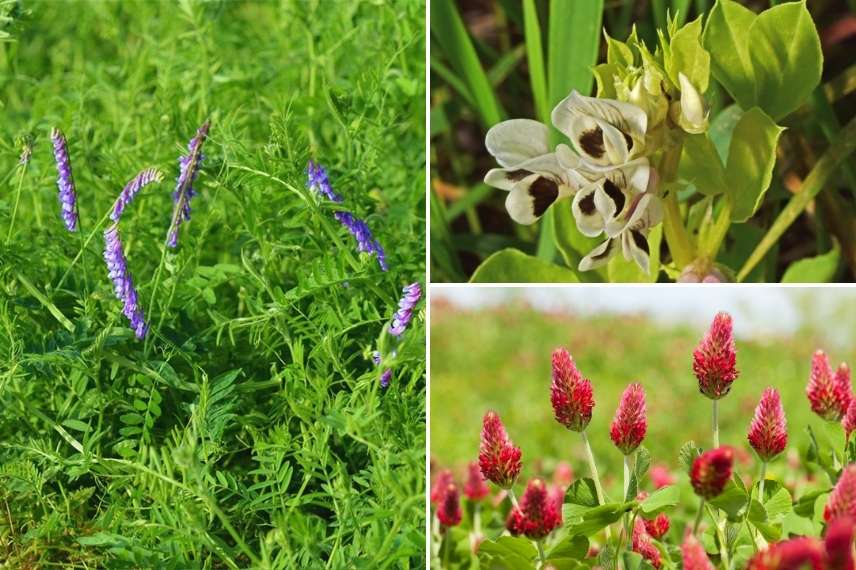
Winter vetch, broad bean and crimson clover: three excellent green manures
Rye and oats for improving soil structure
If your soil tends to become compacted, rye (Secale cereale) is a useful ally. Very hardy, it develops a dense network of roots that helps to improve the structure of the soil while absorbing nutrients that might otherwise be leached by the rain.
Winter oats also develop a dense network of fine roots, which helps to improve the structure of the soil. They also produce a good quantity of vegetation.
Our tip: you can also pair rye with winter vetch to benefit from the complementary advantages of a grass and a legume.
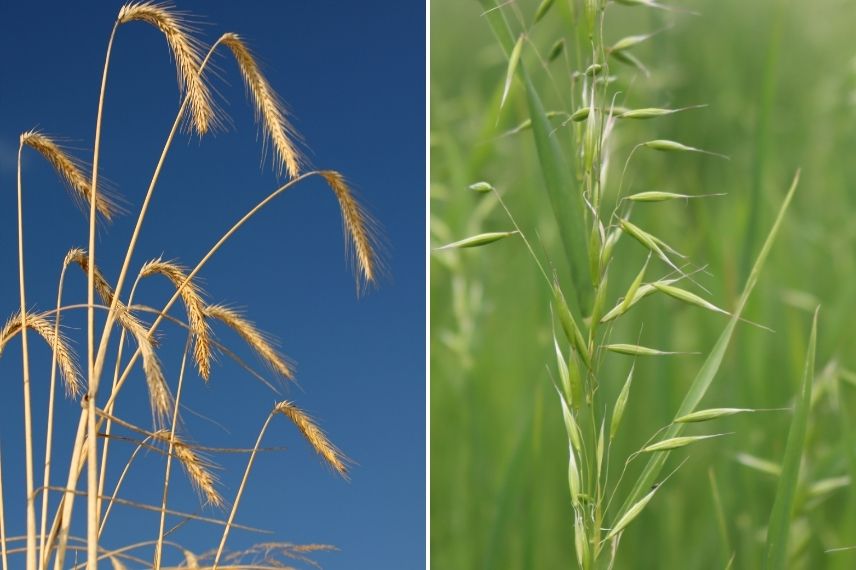
Rye and oats improve soil structure
How to sow autumn green manures?
- Start by clearing the plot of crop residues and weeds.
- Then use a hand claw to loosen the surface of the soil and break up large clods. If necessary, use a broadfork to decompact the soil without turning it over.
- Sow the seeds broadcast, distributing them as evenly as possible.
- Lightly cover them with a rake, to a depth of about 1 cm for phacelia or mustard. Large field bean seeds need to be sown deeper, at around 3 to 5 cm.
- Lightly firm the soil to ensure good contact between the seeds and the soil, then water with a fine spray if the weather is dry.
A little tip: sow just before a period of rain, so you can take advantage of the natural moisture to encourage germination. Also remember to follow the sowing rates indicated on the seed packets.
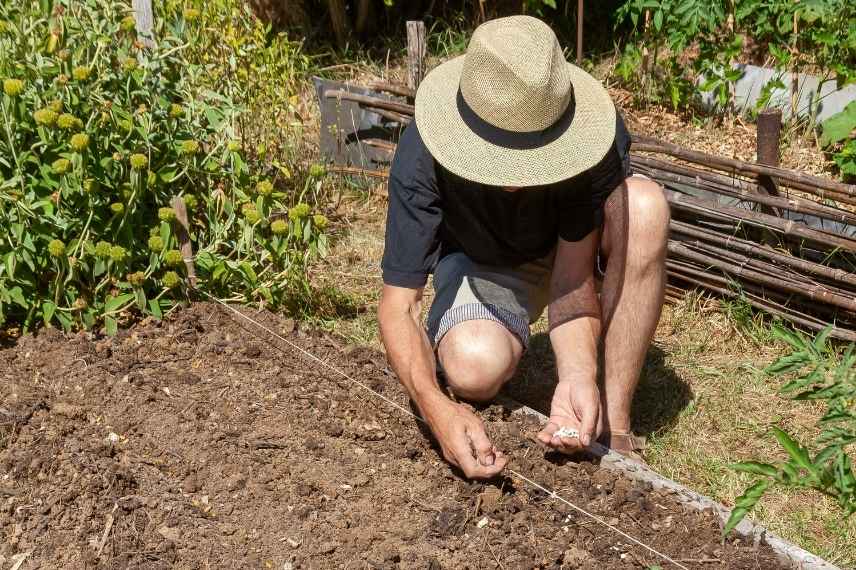
Sowing just before a period of rain helps the seeds to germinate more successfully.
What to do with green manure after winter to feed the soil?
At the end of winter, it is time to prepare the vegetable garden for the next crops. But before getting your tools out, check the condition of your green manures!
When and how should you cut green manures?
→ If frost has destroyed your green manures (particularly white mustard or phacelia), their stems will generally be lying on the ground and their foliage will have turned brown. The good news is that you have nothing to do! Leave these plant residues to decompose slowly on the soil surface. They form a natural mulch that protects the soil while you wait for the first plants to go in.
→ If your green manures are still bright green, plan to cut them between March and April, depending on your region’s climate. Ideally, cut them about a month before the next sowing or planting, without waiting for the plants to produce seeds. This is generally the case with winter vetch and field beans.
Using a sickle or shears, cut the stems close to the ground, then chop them roughly to help them decompose.
My tip: running the lawnmower over them is also very effective for finely chopping green manures.
Beware of rye: if cut too early in spring, it can regrow from its base. To prevent this, after mowing, use a hoe a few centimetres below the soil surface to sever the clumps below their regrowth point. If you are not in a hurry to bring the plot back into cultivation, you can also wait until the rye flowers: mowing at this stage greatly reduces the risk of regrowth.
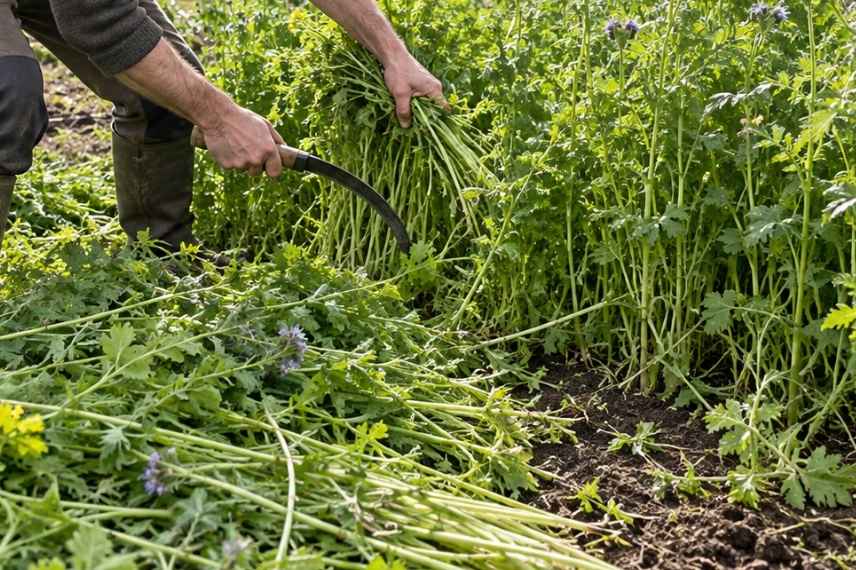
Green manures should be cut some time before the next planting or sowing (AI-generated)
What should you do with cut green manures?
You can leave green manures on the surface as mulch or mix them into the first few centimetres of soil with a cultivator, without turning the soil. The roots left in place will decompose naturally, also helping to improve the soil structure. If you keep the residues as mulch, simply move them aside where you plan to sow, so that the seeds are in good contact with the soil.
If you incorporate the plant material into the soil, generally wait three to four weeks before sowing your vegetables, to allow decomposition to get under way. Allow a little longer if the soil is still cold or if there is a lot of vegetation.
- Subscribe!
- Contents
This form is protected by reCAPTCHA - the Google Privacy Policy and Terms of Service apply.


































Comments