Cadmium in the vegetable garden: should you be concerned?
Taking stock of its presence and ways to protect against it
Contents
Having become a major public health issue, cadmium has received considerable media, regulatory and legislative attention in recent months. This heavy metal, naturally present in soils in very small quantities, is toxic and carcinogenic to humans. Public health studies, including those carried out by ANSES, show that a large proportion of the French population exceeds the tolerable daily intake of cadmium as a result of their diet. The source of the problem has clearly been identified: phosphate mineral fertilisers, widely used in agriculture, accumulate in the soil and are absorbed by cereals and vegetables. And what about your vegetable garden? Should you be concerned about the presence of cadmium in your garden? If so, what can you do?
What is cadmium? What are the health risks?
Cadmium is a heavy metal, naturally present in the Earth’s crust but in very small quantities. However, human activities have changed the situation, particularly intensive agriculture. Odourless and tasteless, this cadmium goes completely unnoticed, while at the same time it has absolutely no biological role in either humans or plants. On the contrary, it proves highly toxic when tolerable levels are exceeded.
Cadmium has another particular feature: it is highly persistent. Once introduced into soils, it remains there and is eliminated only with great difficulty and very slowly. The same phenomenon occurs in our bodies. As a result, over the decades, cadmium accumulates in soils and in our bodies. It directly affects our diet. In fact, food accounts for more than 90% of the overall cadmium exposure of the non-smoking population, through everyday foods that are widely consumed, such as cereal products (bread, pasta), root vegetables (carrots, potatoes) and leafy vegetables (salads, spinach).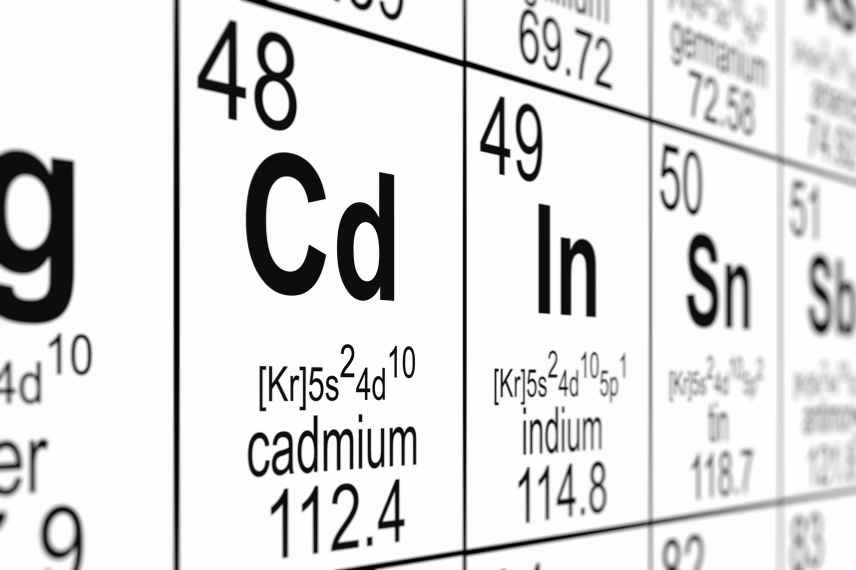
As cadmium is classified as a proven carcinogen by the International Agency for Research on Cancer (IARC), it can cause kidney damage and weaken bones because it interferes with calcium binding.
So how does cadmium end up in our food in such high concentrations? Quite simply, because soils are fertilised with mineral phosphate fertilisers, which have been widely used in intensive agriculture for several decades. Each time fertiliser is applied, cadmium is introduced into the soil, where it becomes fixed before being absorbed by the roots of the vegetables and cereals we eat.
Is cadmium present in the soil of our vegetable gardens?
Is cadmium present in the soil of our vegetable gardens? At first glance, you might be tempted to answer: “I don’t use phosphate fertilisers, so there is no cadmium in my garden soil!” Of course, that is a legitimate answer. But do you really know your soil’s history, bearing in mind that cadmium accumulates over the decades?
Where does the cadmium in our soils come from?
The soil in your vegetable garden, which you grow as naturally as possible, may contain cadmium. The question is where it comes from. There are several possible sources:
- As phosphate fertilisers are the main source of contamination in France, your soil may well have been enriched with cadmium. Perhaps the previous owners of your house used these fertilisers in their garden… Perhaps your house was built on former agricultural land… In short, it is impossible to know exactly how soil was worked and enriched in the past.
- If you live near former foundries, incinerators, historic mining areas or major roads, these are all potential sources of cadmium in the soil.
- ANSES has also highlighted the past use of sewage sludge, fill material of unknown origin or certain soil amendments in the past.
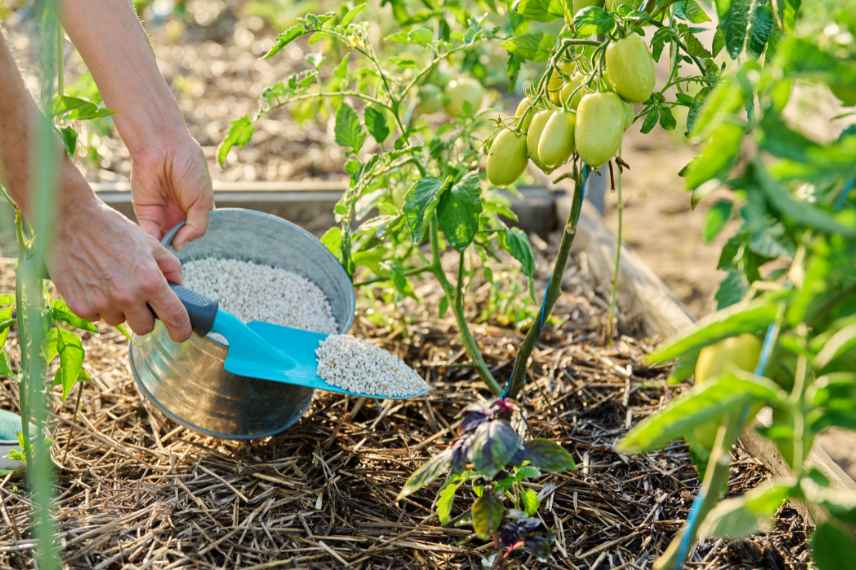
Phosphate fertilisers are the main cause of high levels of cadmium in soils.
The only reliable way to find out whether your soil contains cadmium is to have it analysed by a specialised laboratory, using a simple soil sampling kit. Costing between 80 and 150 euros, this analysis accurately measures the amount of cadmium, as well as other heavy metals such as lead, arsenic and mercury… You can also assess the risks before having the analysis carried out by researching the history of your land.
Aggravating factors
Your soil may contain a small amount of cadmium without the vegetables you grow in it being affected or unfit for consumption. It all depends on the ability of the root system of these plants to absorb this cadmium. Certain factors also play a part, such as soil pH, which is crucial. Indeed, if your soil is very acidic, with a pH below 6.5, cadmium is highly mobile and easily enters plants. Conversely, neutral or slightly chalky soil, with a pH of 7 or above, traps and immobilises cadmium, greatly limiting its transfer to the roots of vegetables.
Which vegetables or fruits contain the highest levels of cadmium?
Clearly, not all vegetable plants accumulate cadmium in the same way. This concentration depends on three physiological factors: how the roots penetrate the soil and absorb minerals, whether or not natural defence mechanisms are present to trap heavy metals, and the degree of evapotranspiration. In fact, the more a plant “sweats”, the more its foliage draws soluble elements from the soil. The risk of contamination is therefore higher or lower depending on the vegetables grown.
The highest risk for leafy vegetables
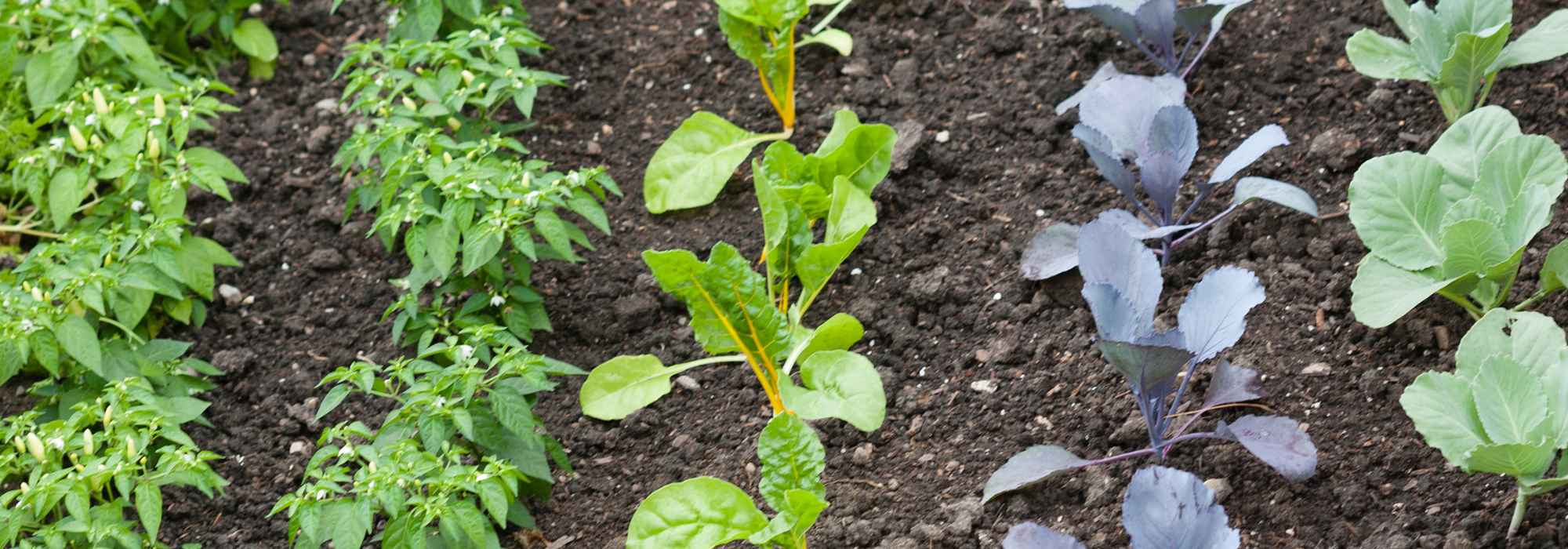
Among kitchen garden vegetables, those whose foliage is eaten are the most exposed to cadmium. Why? The large leaf surfaces of these vegetables continuously evaporate water drawn up from the soil. As cadmium is dissolved in this water, it is carried into the leaves, where it becomes concentrated in the cells.
Which leafy vegetables are most affected?
- Lettuces, spinach and Swiss chard are the most sensitive to cadmium because they accumulate large amounts of it. Even in moderately contaminated soil, the cadmium concentration in the edible part can quickly exceed the Tolerable Daily Intake (TDI).
- Cabbages and Asian salad leaves such as mizuna also accumulate a great deal of cadmium in their outer foliage.
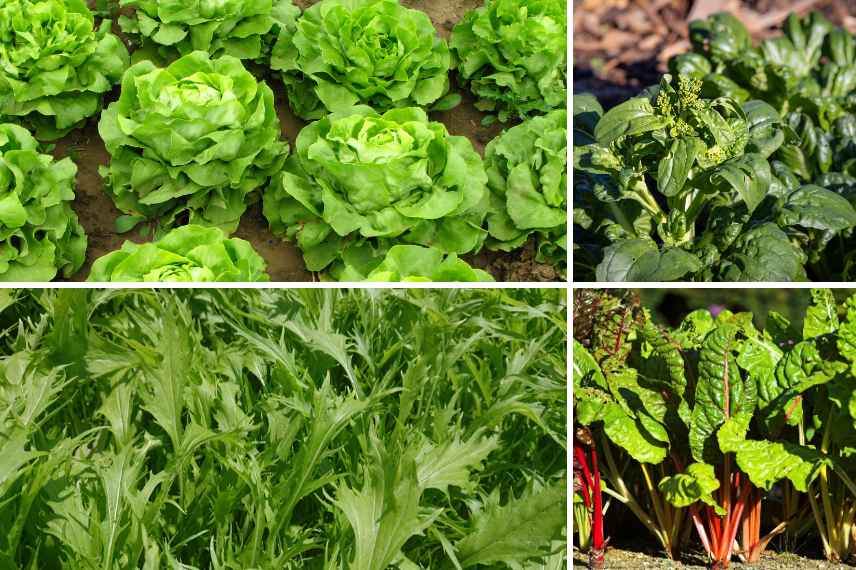
Leafy vegetables concentrate the most cadmium.
A moderate to high risk for root vegetables and tubers
Vegetables grown underground are logically affected because they are in direct contact with the soil. This particularly applies to the skin of roots and tubers. In addition, the outer parts of these vegetables’ roots accumulate heavy metals to prevent them from reaching the foliage.
Which root vegetables are most affected?
- Carrots, celeriac, turnips and radishes… in which cadmium becomes concentrated in the outer layer
- Potatoes and sweet potatoes, although cadmium is found mainly in the tuber skin.
A lower risk for fruiting vegetables and pulses
This is the least affected category of vegetables because these plants have more effective defence mechanisms. Cadmium is largely blocked at root and stem level. In addition, seeds and fruit are mainly protected by the plant because they are essential to reproduction and the continuation of the species.
You can therefore grow and eat tomatoes, peppers, aubergines and melons, as well as all types of squash, without fear. Pulses such as French beans, garden peas and broad beans are also risk-free because cadmium becomes fixed in the nodules on their roots.
What precautions should you take in the vegetable garden?
If your soil may be exposed to cadmium because your vegetable garden is located on a former mining site or in an area with a heavily industrial past, or on former agricultural land enriched with phosphate fertilisers, you can take a few precautions:
- Monitor your soil’s pH and, if it is too acidic, consider raising it by adding gentle lime-based amendments such as garden lime, to bring it closer to a more neutral pH.
- Permanently avoid all synthetic chemical phosphate fertilisers, which you can easily replace with homemade compost, organic fertilisers such as bone meal or fish-bone meal, ground horn, bird guano, composted chicken manure or green manures.
- Wash and peel root vegetables very carefully to remove some of the cadmium.
- Practise crop rotation in your vegetable garden so that you do not grow the same vegetables in the same place.
- Grow plants in raised beds or square-foot gardens, fitted with geotextile fabric and filled with topsoil and compost.
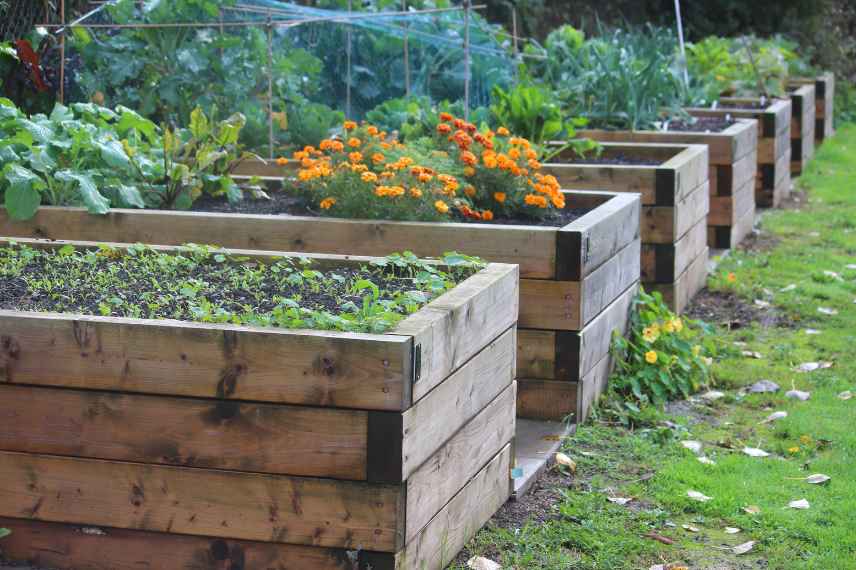
Growing in raised beds means you can grow vegetables even in soil polluted with cadmium.
FAQ
Are there pollution-fighting plants that can remove cadmium from the soil?
Yes, but not on the scale of a vegetable garden. Blue pennycress (Noccaea caerulescens) is a pollution-fighting plant from the Brassicaceae family, capable of taking up certain metals such as cadmium through its roots and accumulating them in its leaves. It is a phytoaccumulator that often grows on industrial waste ground. Lettuce can also be considered a phytoaccumulator, but the problem lies in its disposal. It cannot be put in either the compost heap or the civic amenity site. What is more, it takes years to remove cadmium from the soil.
Can I use homemade compost or manure without increasing the cadmium level?
Homemade compost made from vegetable peelings, lawn clippings and pruning residues does not contain cadmium, unless your soil is heavily polluted. It is a very safe soil improver. Horse and cow manure contain very low levels of cadmium because their herbivorous diet does not contain it. These soil improvers provide humus, which traps and immobilises heavy metals. They are therefore not absorbed by vegetable roots.
Can food preparation alter the amount of cadmium?
Peeling root vegetables removes around 60 to 80% of the cadmium. Boiling vegetables also allows a small amount of cadmium to migrate into the water, so the cooking water should be discarded.
- Subscribe!
- Contents
This form is protected by reCAPTCHA - the Google Privacy Policy and Terms of Service apply.


























Comments