Diseases and pests of gooseberry bushes
How to recognise and treat them?
Contents
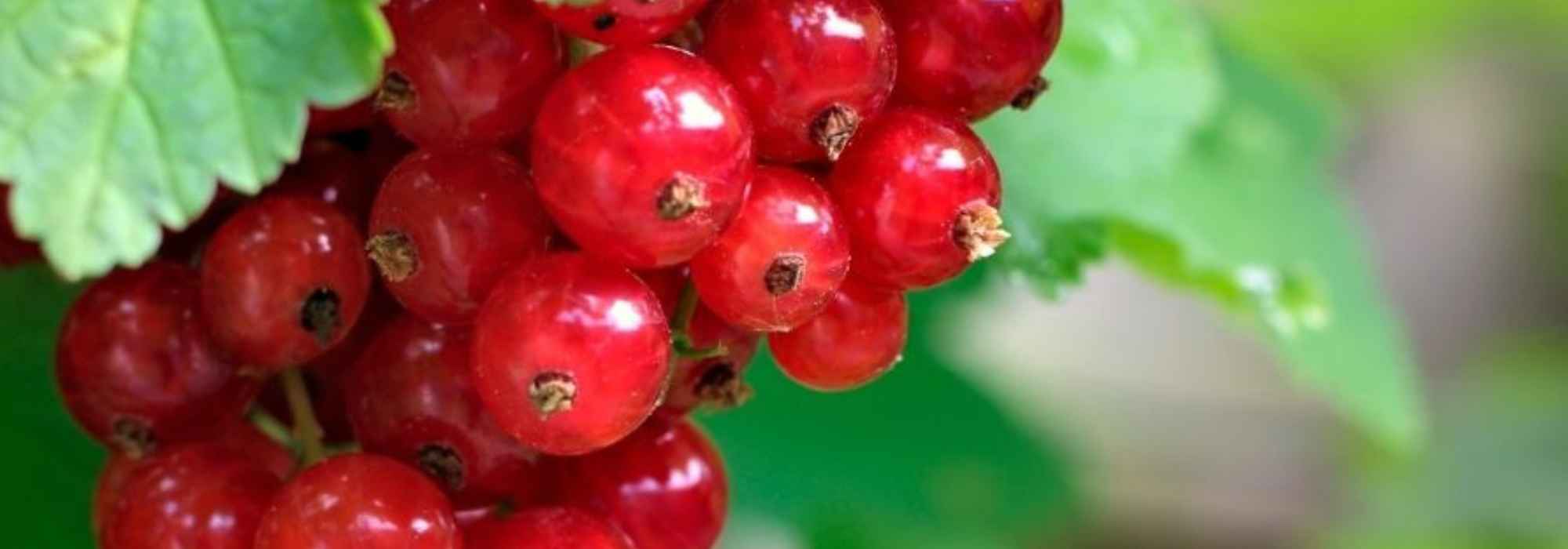
Redcurrant bush (Ribes rubrum) is one of the easiest small fruits to grow in the garden. Hardy and undemanding, it rewards gardeners for many years with beautiful clusters of red, white or pink currants in midsummer, perfect for jams and desserts.
Generally not very vulnerable, the redcurrant bush can nevertheless be weakened by certain cryptogamous diseases, especially during wet springs and rainy summers. Some pests also readily settle on young shoots or buds. Here’s how to recognise, prevent and treat them naturally.

Gooseberry diseases
Anthracnose
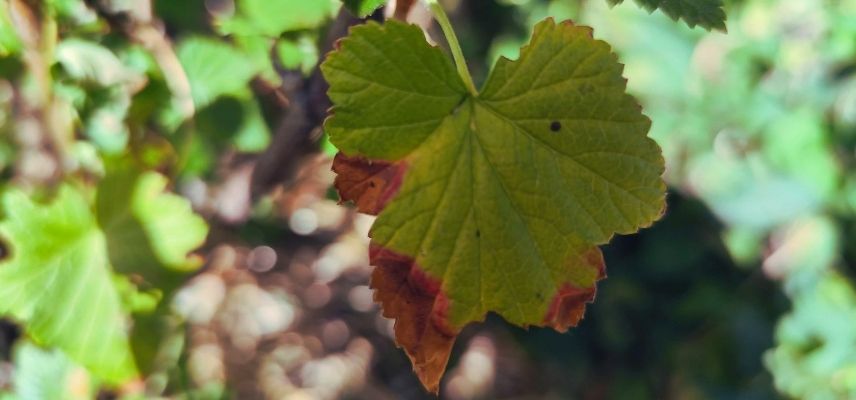
Caused by fungus Drepanopeziza ribis, anthracnose develops mainly during wet summers and primarily affects foliage. Although it rarely kills the shrub, it weakens it long-term by reducing its ability to build reserves.
Symptoms
- Brown to reddish-brown spots, sometimes slightly purplish, appear on leaves.
- Leaves turn yellow then fall, sometimes as early as mid-summer, which weakens the shrub and reduces the harvest.
Prevention
- Like many fungi, anthracnose overwinters in fallen leaves. That is why it is important to collect and remove diseased leaves in autumn to reduce sources of contamination the following spring.
- When planting, space gooseberry bushes sufficiently, at about 1.20 to 1.50 m between plants, to encourage air circulation.
- Prune in late winter to improve air circulation within the bush, which also limits conditions favourable to the fungus. For more information, see: Pruning currant bushes: when and how to do it successfully?
- Water without wetting foliage.
- Spray nettle manure or a horsetail decoction every 10 to 15 days in spring, from bud burst period, then after prolonged wet spells, covering both sides of leaves and young shoots.
Treatment
- Remove affected leaves.
- Spray Bordeaux mixture at the end of winter or very early spring, before buds open, then repeat after leaf fall in cases of severe attack.
Powdery mildew
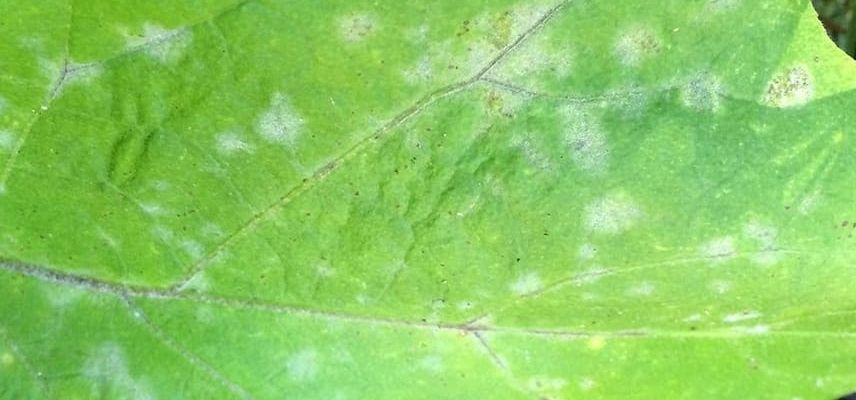
Powdery mildew is probably the most frequent disease on gooseberry bushes, particularly on gooseberry, which is clearly more susceptible than cluster currants. This fungus develops mainly when days are warm, nights cool and air remains relatively humid.
Symptoms
- A whitish coating covers leaves and young shoots, which become distorted.
- On gooseberry, a grey powdery mildew can also cover fruits with a grey crust.
Prevention
- Avoid excess nitrogen.
- Aerate centre of bush by light pruning in late winter.
- Prefer watering at the base rather than on foliage.
- Spray horsetail manure every 10 to 15 days between bud burst period and the end of spring over entire foliage, both top and underside.
Treatment
- Remove affected leaves.
- Spray wettable sulphur at first symptoms, in dry weather and at temperatures below 25 °C, or use a garlic decoction, repeating every 7 to 10 days until symptoms disappear.
Rust
Less conspicuous than powdery mildew, rust appears mainly during cool, humid seasons. It is generally not a major concern on vigorous shrubs but can cause early leaf fall when conditions are particularly favourable, weakening the plant.
Symptoms
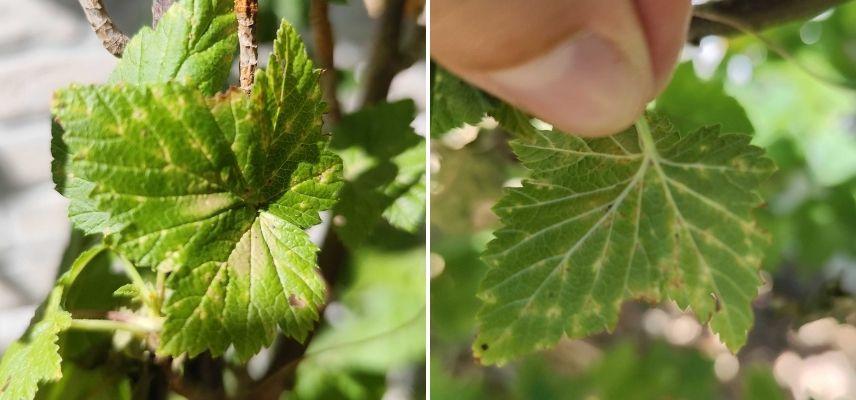
- Brown spots form on upper leaf surfaces. Turned over, one can see orange pustules, characteristic of this disease.
- Over time, leaves yellow, dry out then fall, reducing the shrub’s reserves and potentially compromising next year’s harvest.
Prevention
- Water without wetting foliage.
- Spray horsetail manure or a garlic decoction every 10 to 15 days in spring and early autumn, covering both sides of leaves.
- Do not leave fallen leaves on site, as they may harbour spores responsible for future infections.
Treatment
- At first symptoms, remove the most affected leaves to slow disease spread.
- Spray garlic decoction.
- If attacks are severe and recur annually, apply Bordeaux mixture in early spring or after leaf fall, only as prevention of new infections and limiting its use.
Read also
Currant bush: planting, pruning and careParasitic pests of gooseberry plants
Aphids
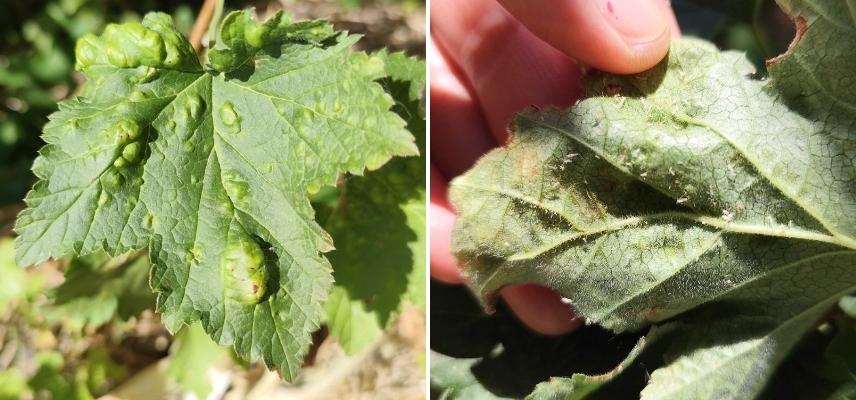
In spring, young shoots of currants readily attract aphids, particularly yellow currant aphid (Cryptomyzus ribis). This small insect punctures leaves to feed on sap and causes characteristic deformations.
Symptoms
- Appearance of reddish, pinkish or yellowish swellings on upper surface of leaves.
- On undersides of leaves, small colonies of aphids often appear, frequently with honeydew.
- Leaves progressively curl, but these damages generally have no consequence for harvest when infestation is limited.
Prevention
Ladybirds, hoverfly larvae, lacewing larvae and tits consume large numbers of aphids in spring. To encourage their presence, diversify flowering plants around vegetable garden and orchard and avoid using insecticides.
Treatment
- If colonies become large, remove most infested tips or dislodge aphids with a jet of water.
- As a last resort, spray a black soap solution (30–50 mL liquid black soap per 1 litre lukewarm water), concentrating on undersides of leaves and young shoots, then repeat application 7–10 days later if necessary. Also read our article: Aphid: identification and treatment.
Currant sawfly
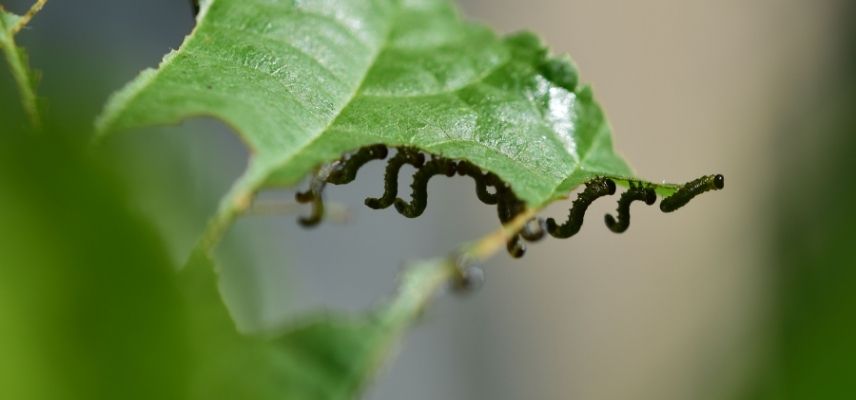
Currant sawfly (Nematus ribesii) is a small hymenopteran whose larvae resemble pale green caterpillars dotted with black spots. Voracious, they can defoliate a shrub in just a few days.
Symptoms
Leaves are eaten, sometimes leaving only main veins. Severe attack leaves currant looking bare, as if scorched.
Prevention
- Inspect foliage regularly from May until early July to spot first larvae.
- Handpicking remains simplest and most effective method when populations are small.
Treatment
- Prioritise handpicking of larvae, particularly effective when numbers are low.
- If damage becomes significant, a plant-derived pyrethrum treatment can be used as a last resort, but it is non-selective, posing a risk to beneficial garden insects and should therefore be used with caution.
Currant clearwing
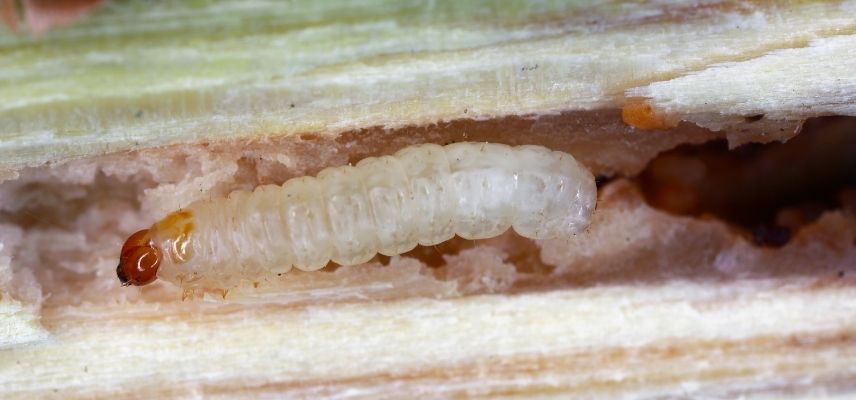
Unlike other pests, currant clearwing (Synanthedon tipuliformis) often goes unnoticed. This small moth lays eggs on shoots, then larvae enter wood and burrow galleries for several months.
Symptoms
Some shoots gradually dry out, produce few leaves or die suddenly. Cutting them open reveals a tunnel in the wood, sometimes occupied by a whitish larva with a brown head.
Prevention
- An annual pruning renews old branches and limits risk of establishment by this pest.
- Quickly remove branches showing signs of decline and avoid leaving dead shoots on currant bush.
Treatment
There is no effective curative treatment once larvae are established inside wood. Best solution is to prune affected shoots back to healthy wood, then dispose of them to prevent continuation of insect’s life cycle.
My currant bush is yellowing or withering: it's not always a disease
Not all yellowing of foliage is caused by a fungus or an insect. A currant bush grown in excessively lime-bearing soil can suffer from iron chlorosis, a disorder that prevents assimilation of iron. Leaves gradually yellow while veins remain distinctly green, a characteristic symptom of this deficiency.
To limit this problem, add organic matter regularly (compost), keep soil cool but well drained and avoid excess lime, particularly when watering. In case of severe chlorosis, an application of iron chelate can help the shrub regain green foliage. For more information, read our article on iron chlorosis.
Dieback of some branches may also be linked to natural ageing of the shrub, a period of prolonged drought or wounds caused during pruning.
How to keep your currant bush healthy?
- As with most small fruits, the best protection is appropriate cultivation. Plant your currant bush in soil rich in humus, remaining moist throughout the growing season but without excess moisture, in an airy, sunny or part-shaded position.
- Each winter, take time to thin out the centre of the shrub by removing old shoots or poorly positioned shoots, to allow air and light to circulate.
- Water at the base rather than over foliage, mulch to limit soil splashing that carries spores.
- Collect also dead leaves and fruit fallen to the ground in autumn, which can harbour fungal spores or overwintering larvae.
- Regular inspection, particularly in spring of the undersides of leaves and of young shoots allows spotting early signs of attack and intervening before disease or pest becomes firmly established.
- In spring, a few sprays of horsetail decoction or of garlic decoction can complement these good preventive practices, especially if your currant bushes have already been affected by disease in previous years.
- Finally, encourage biodiversity in the garden by welcoming beneficial insects and insectivorous birds, valuable allies for naturally keeping pest populations under control.
- Subscribe!
- Contents
This form is protected by reCAPTCHA - the Google Privacy Policy and Terms of Service apply.

































Comments