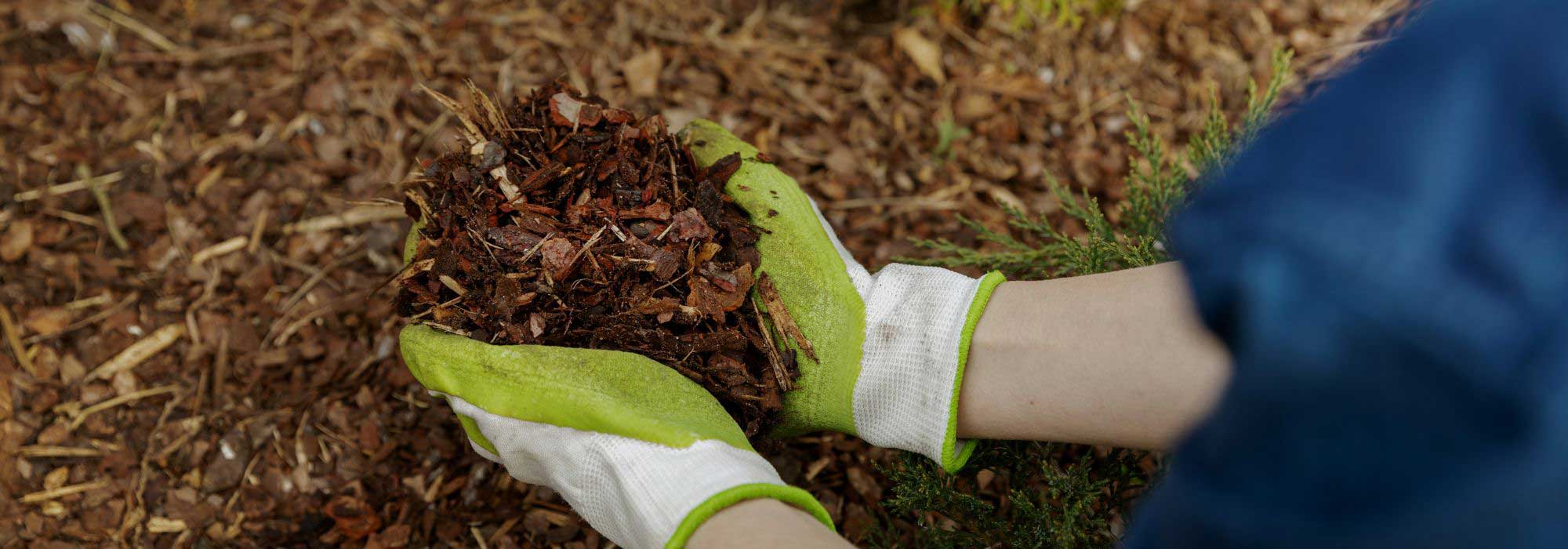
Should mulch be removed or renewed after a heatwave?
Our tips to protect soil after heatwaves
Contents
After a heatwave, the garden needs special attention. High temperatures, intense sun and lack of water may have weakened plants and accelerated soil degradation. Mulch, which plays an essential role in retaining moisture and protecting roots, then becomes a true ally.
But should you remove mulch after a heatwave or, conversely, add more? It all depends on its condition, thickness and type of material used. Here’s how to manage mulch properly after a heatwave and prepare the garden for the end of summer.

Why is mulching particularly useful after a heatwave?
Mulching consists of covering soil with a layer of organic or mineral materials. After several days of very hot weather, this covering remains particularly useful, because soil needs to gradually regain a good water and thermal balance.
A well-maintained mulch helps to:
- limit evaporation of water after watering and rain;
- maintain a more stable temperature at soil level, protecting roots from temperature fluctuations;
- reduce drying out of soil and formation of a surface crust;
- slow down weed growth, which compete with plants for available water;
- promote soil life, especially when mulch is organic and breaks down gradually;
- protect shallow roots, particularly sensitive to large temperature fluctuations.
Mulching is therefore far from useless after a heatwave. On the contrary, it can help the garden recover, provided it is still sufficiently effective.
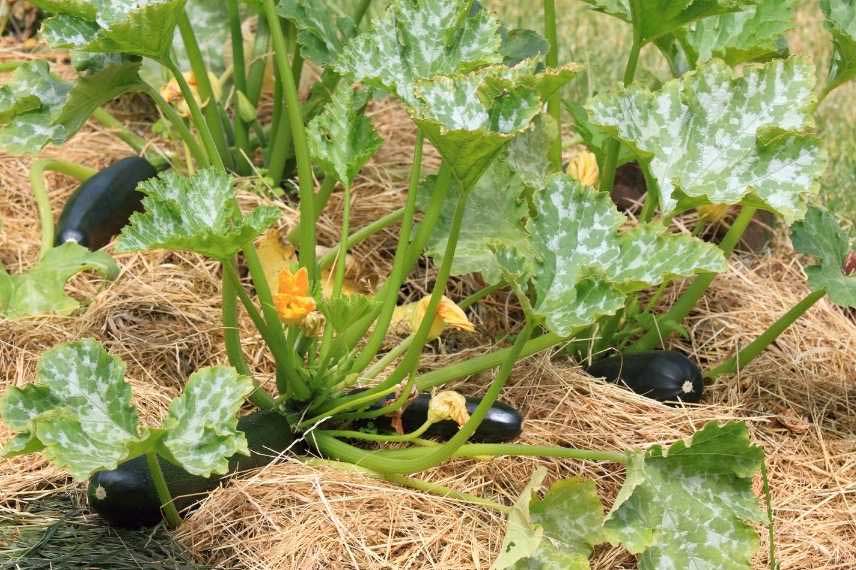
Should mulch be removed after a spell of hot weather?
No, it is generally not necessary to remove mulch after a heatwave. If it is still thick enough and well spread, it is better to keep it.
One might think that mulch prevents soil from breathing or that it must always be removed after a heatwave. In reality, properly installed mulch protects soil and, above all, reduces water loss.
However, it can be useful to move it temporarily in some situations. After heavy rain or generous watering, check that soil is not excessively wet and that water is not pooling beneath the mulch layer. If the mulch has become compacted and impermeable, lightly aerate its surface with a suitable tool, without turning soil deeply.
Removal is mainly recommended when mulch is degraded, excessively wet or too compact. In that case, it is best to remove problematic parts before applying a fresh layer.
How to tell if mulch needs renewing?
After the heatwave, check the condition of the mulch before adding more. It is not always necessary to replace the entire layer; a simple top-up may suffice.
Several signs indicate it’s time to act :
- The mulch has become too thin. Wind, watering and natural decomposition can greatly reduce its thickness. If the soil is largely visible again, its protective effect is reduced.
- The material is very decomposed. This is particularly common with organic mulches such as fallen leaves, straw or grass clippings. Some of it will have turned into organic matter beneficial for the soil: usually just topping up the mulch is enough.
- The soil dries out quickly. If the soil beneath the mulch dries out very fast despite regular watering, the cover may have become insufficient.
- Weeds are growing through the mulch layer. Their appearance may indicate that it is too thin or too degraded to continue playing its role effectively.
Before any renewal, gently move the mulch aside and check soil moisture to a depth of a few centimetres. This helps you adjust watering and avoid unnecessary irrigation.
Read also
How to lay mulch properly?How to renew mulch properly after a heatwave?
Renewal of mulch should ideally be carried out after a good soak, when soil is sufficiently moist but not waterlogged. The aim is to retain that moisture beneath a new protective layer.
Before adding mulch, follow these steps in this order :
- Remove weeds that have taken advantage of weakened plants to develop.
- Remove heavily degraded areas of mulch, compacted or showing unusual signs of mould.
- Check soil moisture to a depth of a few centimetres. If soil is dry, water generously before replacing mulch.
- Lightly aerate the surface of remaining mulch if it has become compacted, without turning the soil over deeply or disturbing roots.
- Add a new layer of mulch evenly, a few centimetres thick depending on the material used.
- Leave a clear space around stems, plant bases and trunks to prevent moisture from remaining in direct contact with the collar.
- Spread mulch regularly to avoid overly thick patches and areas of soil left exposed.
After completing these steps, check the garden regularly. Mulch can be displaced by wind, settle or decompose quickly, especially when it is an organic material. A simple top-up may therefore be necessary before autumn.
Which mulch to choose for late summer?
Choice depends on plant type, soil and intended purpose. Organic mulches are particularly useful in many gardens.
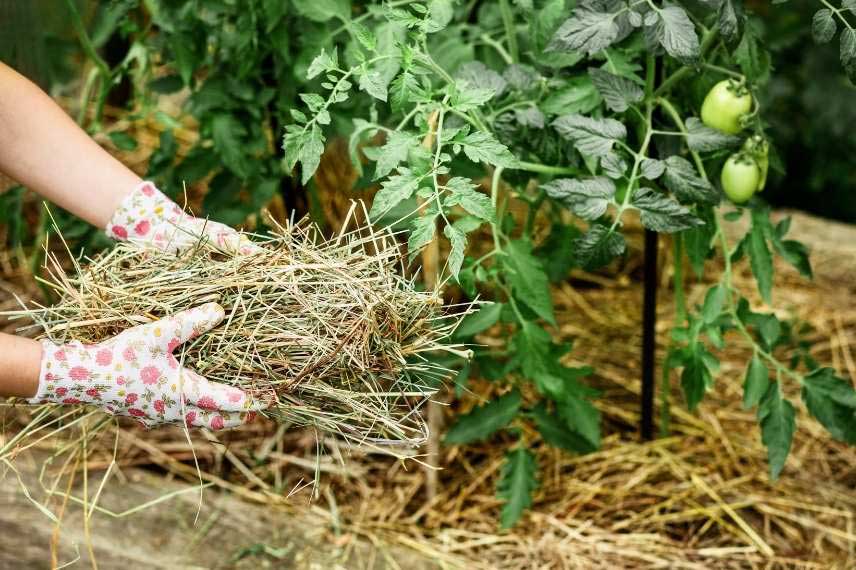
- Straw is well suited to vegetable gardens and plantings that benefit from good protection against drying out. It is lightweight and decomposes gradually.
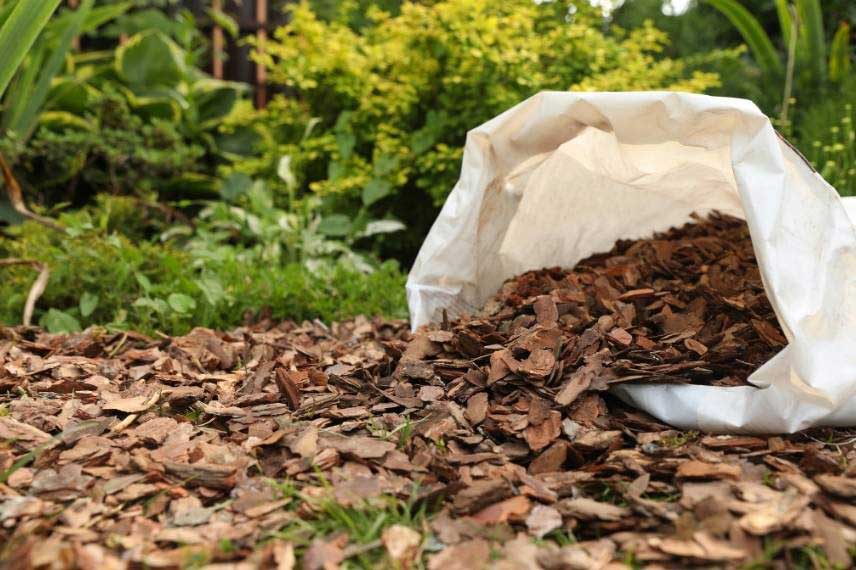
- Wood chips or shredded wood are suitable for borders, shrubs and perennial plantings. They tend to remain in place for a relatively long time.
- Fallen leaves, when healthy, can also be used. They are a valuable resource for gradually enriching soil with organic matter.
- Grass clippings can be used with caution. It is best to spread them in a thin layer and let them dry slightly before use to avoid forming a compact, damp mass.
- Mineral mulches, such as gravel or certain pozzolanas, are particularly suited to Mediterranean plants, rockeries and dry gardens. They are durable and do not decompose: unlike organic mulches, they do not enrich soil. Avoid during heatwaves, as they absorb heat and release it back to plants.
Mistakes to avoid after a heatwave
After a spell of very hot weather, some poor practices can reduce mulch effectiveness or further weaken plantings.
- Systematically remove all mulch: if still in good condition, it will continue to protect soil.
- Mulch over completely dry soil: start by properly rehydrating soil, then lay mulch to retain that moisture.
- Apply too thick a layer: excessive accumulation can hinder circulation of water and air.
- Place mulch against trunks and stems: always leave a gap around the collar.
- Use fresh grass clippings in a thick layer: they may ferment, heat up and form a compact layer.
- Water automatically without checking soil: after rain or recent watering, soil can remain moist longer thanks to mulch.
- Subscribe!
- Contents
This form is protected by reCAPTCHA - the Google Privacy Policy and Terms of Service apply.

































Comments