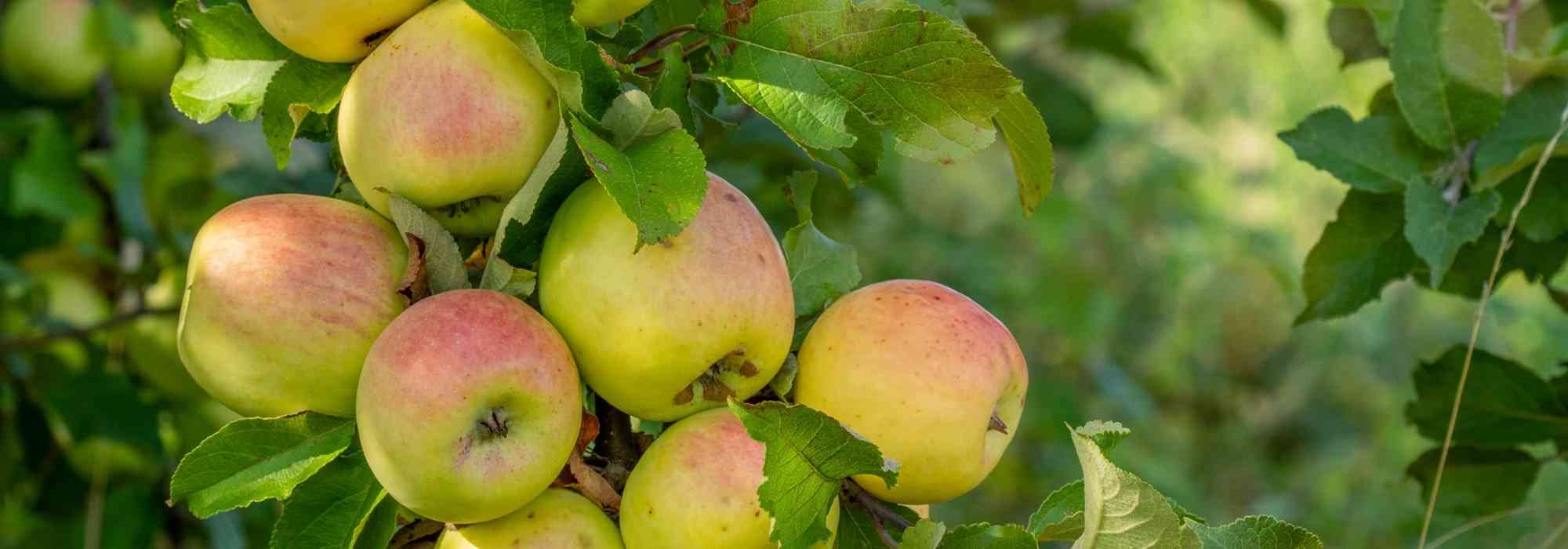
What is biennial bearing in fruit trees?
Understanding it and taking action against this phenomenon
Contents
What gardener has never experienced a poor year in the orchard without really knowing or understanding why?
This well-known phenomenon in fruit growing is called biennial bearing and results in lower production every other year in fruit trees with pips (apples, pears, citrus trees, etc.).
Find out everything you need to know about biennial bearing in certain fruit trees, to ensure beautiful harvests season after season.
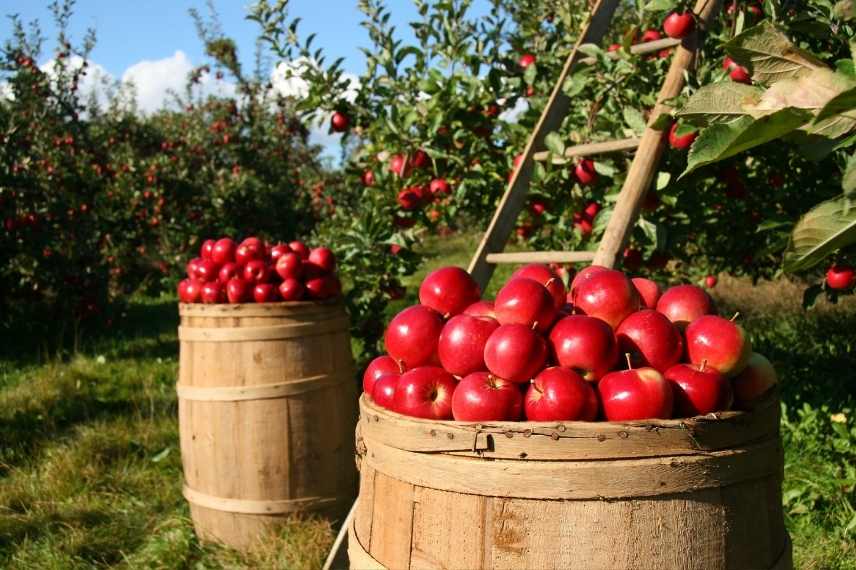
Not every year brings abundant harvests for some fruit trees…
What is alternate bearing in fruit trees?
This phenomenon is defined as an irregularity in a tree’s production from one year to the next. In other words, fruit trees produce an abundance of fruit one year and almost no fruit the following year.
This phenomenon is a major problem for professional fruit producers, who see the price of their harvests vary considerably from one year to the next. For the incredulous amateur gardener, it most often raises many questions.
This major problem in the orchard mainly affects standard fruit trees (fruit trees whose graft union is located 180–200 cm above ground) and especially species known as pip or stone fruit: apple trees, pear trees, cherry trees and apricot trees.
In warmer Mediterranean-type climates, olive trees and certain citrus trees are also susceptible to alternate bearing.
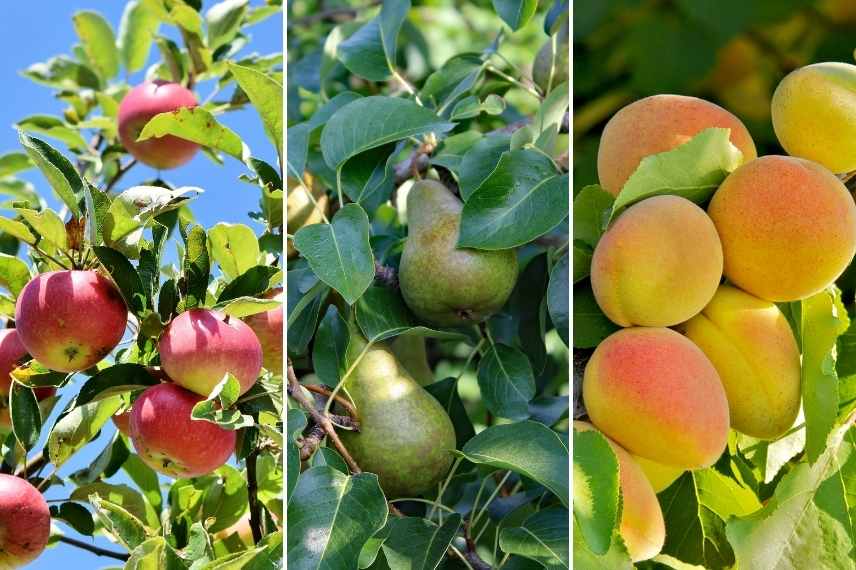
Apple and pear trees are susceptible to alternate bearing, as are apricot trees
What are the causes?
Both external (climatic) and intrinsic factors (the tree’s genetics, species, variety, rootstock and age) explain alternate bearing in fruit trees.
The climate
Like any good gardener, you know perfectly well that the climate in one year is never the same as in another. The yield of a fruit tree depends on the climatic conditions during flowering. If, unfortunately, a succession of rain and frost were to occur when the tree’s flowers opened, practically the entire harvest would be lost that year. This is how a cycle of alternate bearing can begin, as your tree will instinctively try to reproduce by producing a myriad of flowers the following season to compensate for its losses. This phenomenon will lead to an excessive crop of fruit, inevitably resulting in less fruiting the following year, and so on… alternate bearing can therefore be caused by an unfortunate climatic event.
The droughts that have affected our temperate climates for years can also trigger a cycle of alternate bearing. Fruit trees are then deprived of water and certain mineral elements, causing the fruit to abort. This is how the vicious circle of alternate bearing begins.
Factors specific to trees (endogenous)
When a tree bears fruit, the seeds developing inside the fruit produce plant hormones (called gibberellins) that inhibit the formation of next year’s fruit buds (spurs). This competition between fruit formation and the vegetative differentiation of buds is the main cause of alternate yields in orchards.
When fruit develops, it also draws heavily on sap and mineral elements in order to grow, which results in fewer fruit buds forming for the following spring.
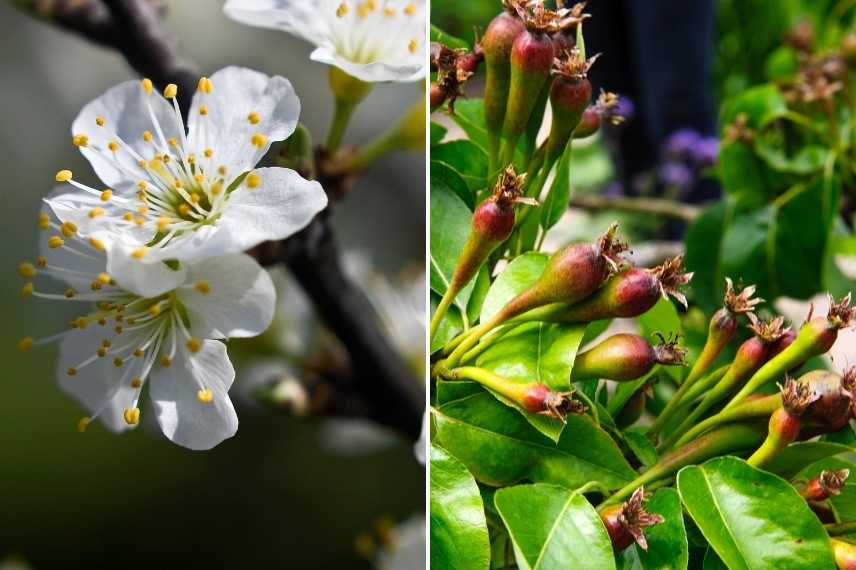
Frost, just like drought, has a particular effect on fruit production (here, a pear tree)
Discover other Apple trees
View all →
Available in 0 sizes
Available in 1 sizes
Available in 0 sizes
Available in 0 sizes
Available in 1 sizes
Available in 0 sizes
Available in 4 sizes
Available in 3 sizes
Available in 1 sizes
Available in 2 sizes
How can I limit this phenomenon?
There are several preventive measures for this phenomenon, but it remains very difficult to counter completely, even for professionals.
Here are the best ways to limit alternating bearing:
- Buy the varieties that are least prone to this phenomenon by asking your nurseryman for advice.
- Thin out excess fruit in years of “overproduction”: After the flowers have been fertilised by pollinators, assess your tree’s “fruit load”. If your tree seems to be carrying too much fruit, you will need to shake some branches and remove fruit that is growing too close together. This will give you good-sized fruit and also encourage your tree to form fruit buds (known as fruit spurs) for the following year. This is generally carried out in June.
- Ensure the tree has enough fertility and water: Make sure your soil is sufficiently “well-manured” (improved) with organic matter beneath the tree, and that it suffers as little as possible from summer drought.
- Do not forget to prune your trees (at the appropriate time) so that your tree’s crown is open and well lit. This will stimulate the production of future fruit buds. In general, we train the tree into a conical rather than rounded shape to improve sunlight exposure.
- Treat fungal diseases affecting the foliage that could impair production.
- Limit the growth of overly vigorous shoots and bend the shoots to encourage the formation of flower buds.
- Protect against late frosts… this is almost impossible for the amateur gardener, but professionals have a whole range of tricks for raising the temperature during late spring frosts (braziers, hot-air blowers, helicopters flying over the orchard…).
- If your tree does not flower abundantly, make as many changes as possible in your garden to attract pollinators: sow nectar-rich plants, put up insect hotels, leave a pile of dead wood near your tree, keep or sponsor a beehive…
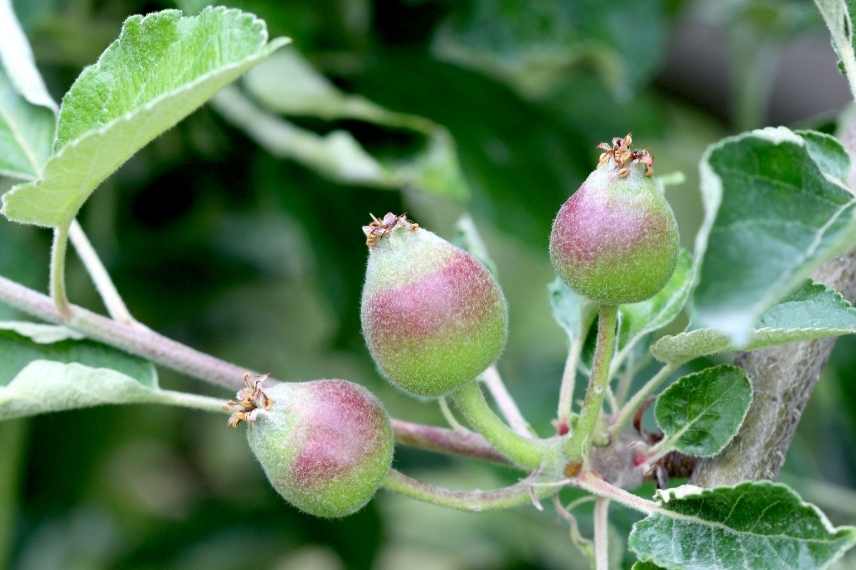
Thinning fruit (here on an apple tree) is carried out in June, when the fruit is approximately 2 cm in diameter
- Subscribe!
- Contents
This form is protected by reCAPTCHA - the Google Privacy Policy and Terms of Service apply.

































Comments