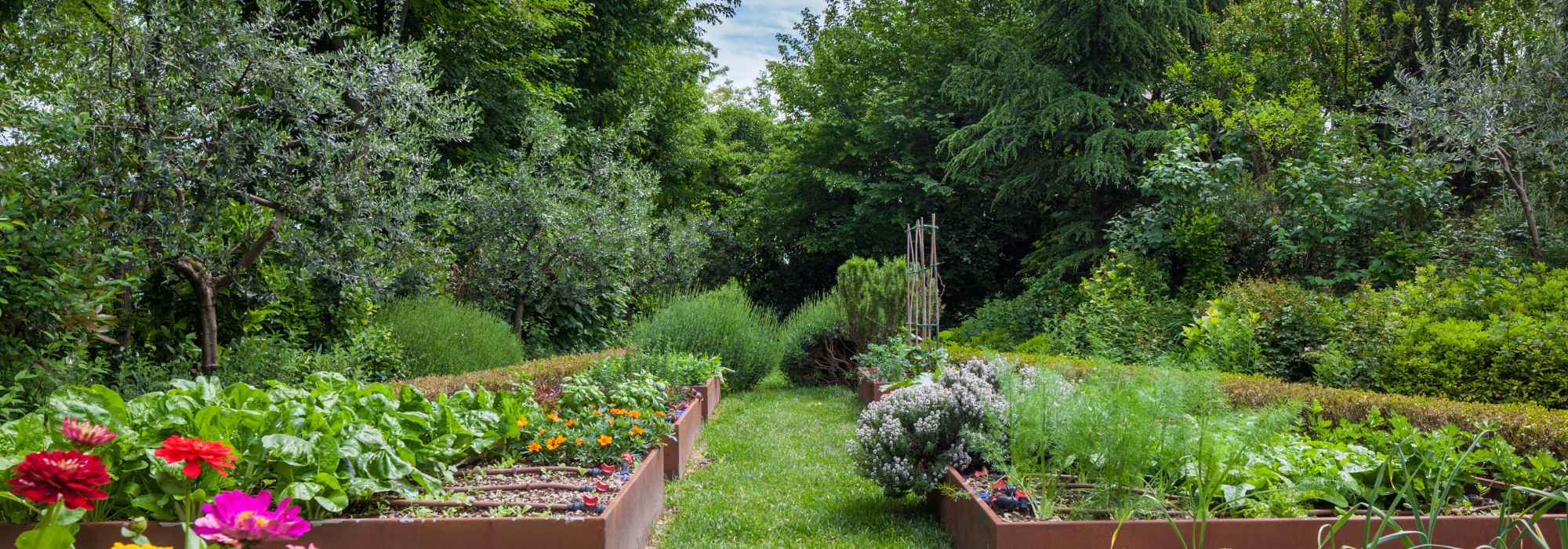
9 gardening tips repeated by all gardeners but which turn out to be false!
The truth about these so-called gardening tips, spread online or around the garden
Contents
In gardening, as elsewhere, misconceptions die hard! Especially on social media and so-called gardening blogs. In fact, these famous old wives’ tales are often presented as fact, promising abundant harvests, plants with dizzying growth or a garden rid of unwanted pests. The trouble is that no scientific evidence supports these claims. Sometimes, inexperienced or gullible gardeners take them up. At best, this advice has no impact but wastes the gardener’s precious time; at worst, it is harmful to plants. So, shall we separate fact from fiction?
Use crushed eggshells to add calcium
The gardener’s tip: placing coarsely crushed eggshells around the base of tomato plants enriches the soil with calcium and therefore helps to prevent blossom end rot, also known as apical necrosis. Some people go even further, claiming that eggshells suspended from a branch would protect peach trees from the notorious peach leaf curl.
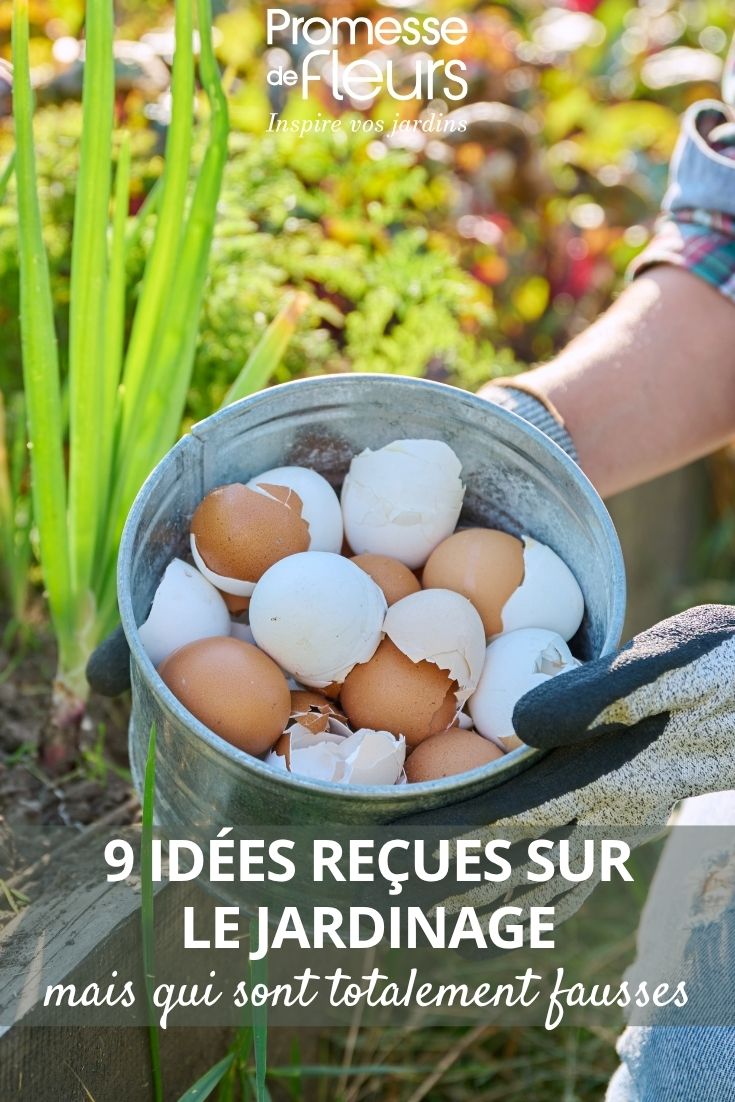
The reality: even though eggshells do contain calcium in the form of calcium carbonate, it takes years for it to break down and release the slightest nutrient to tomato roots. The shell fragments remain intact and inert in the soil long after the tomato plants have produced their crop and have been pulled up for the compost heap.
As for peach leaf curl, the idea is even more fanciful. How can anyone imagine that eggshells could genuinely stop the spores of the fungus responsible for the disease, which spread on the wind and in the rain…? 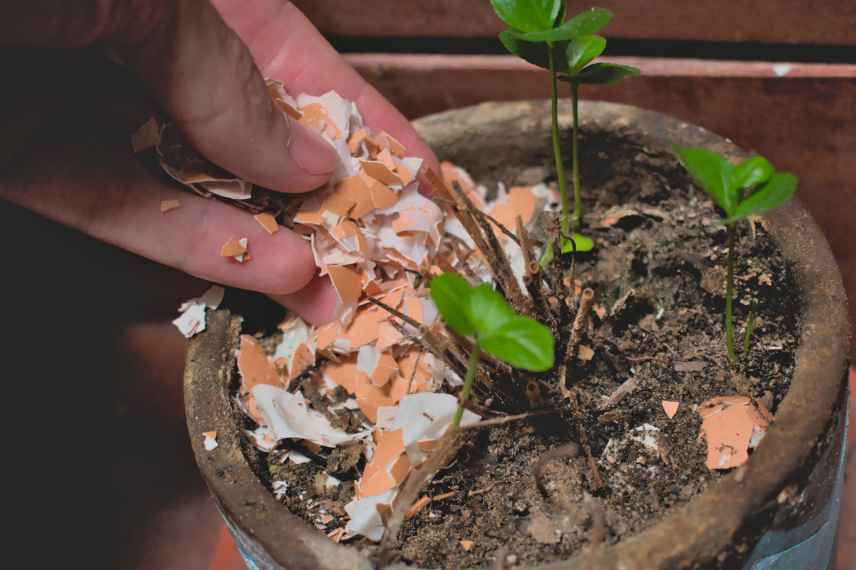
So, what should you do? If you really want to recycle your eggshells, use them to create a barrier against slugs. Even then, the result is far from guaranteed. Or, more reliably, grind them very finely and add them to the compost. Otherwise, if your soil really is suffering from a calcium deficiency, well-rotted compost may help. Alternatively, use a recognised calcium fertiliser.
Gardening with the Moon
The gardener’s advice: sowing, planting, harvesting and pruning while meticulously following the lunar calendar is said to produce more vigorous plants and a higher yield in the vegetable garden. So, the moon is thought to influence plant growth.
The reality: no scientific study has ever been able to demonstrate the actual impact of the moon on the movement of sap in plants. Certainly, the moon affects oceanic water masses because of their immense size and volume. But how could it legitimately affect something as small as a carrot or a lettuce plant?
So, what should you do? Rather than following the lunar calendar to the letter, perhaps it is better to rely on the weather conditions, the nature and temperature of the soil, air humidity and sunlight… A sowing carried out on the wrong lunar day in sufficiently warm, moist soil will always be more successful than one carried out on the right day but in frozen soil!
Spread pine bark in beds to acidify the soil
The gardener’s tip: spreading a layer of pine bark around the base of plants naturally acidifies the soil. This is highly beneficial for ericaceous plants such as rhododendrons, camellias and azaleas…
The reality: pine bark only alters the pH of the soil extremely superficially and very slowly, and only within the first few millimetres of the surface. In addition, as the bark breaks down, it uses up a significant amount of nitrogen available at the surface to feed fungi and bacteria. This causes nitrogen starvation, which can affect your plants, especially if the bark is applied in a thick layer.
So, what should you do? Pine bark is widely used as a highly attractive and long-lasting mulch. If you want to acidify the soil over the long term, it is better to incorporate genuine ericaceous compost.
Burying a Banana Skin at the Foot of Plants
The gardener’s advice: very rich in potassium, banana peel buried at the base of tomatoes, squash or roses is said to act as a slow-release fertiliser and boost fruit production.
The reality: banana peel does indeed contain potassium, but only in very small quantities. What is more, for this potassium to become available to plants, the banana peel must decompose. This decomposition can take months, so the potassium is not immediately available. Burying fruit scraps can also attract unwanted wildlife, such as slugs and rodents. Finally, as it rots in the soil, an oxygen-free medium, it may create pockets of fermentation that are harmful to roots.
So, what should you do? If you are determined to recycle your organic banana peels, put them in the compost instead, cut into small pieces. And if you are absolutely set on burying it, cut it into small pieces to aid decomposition. You can also make banana peel liquid feed. But beware: it is not a complete fertiliser, as it contains neither nitrogen nor phosphorus.
Place nettles at the bottom of planting holes
The gardener’s tip : along the same lines as bananas, it is often said that burying a handful of fresh nettles at the bottom of planting holes would provide a good source of nitrogen to stimulate the growth of tomatoes and squash…
The reality: as it decomposes quite quickly, fresh nettle ferments because it is in an oxygen-free medium. This fermentation releases acids and gases that can damage young roots. As a result, the roots may rot and the foliage may turn yellow.
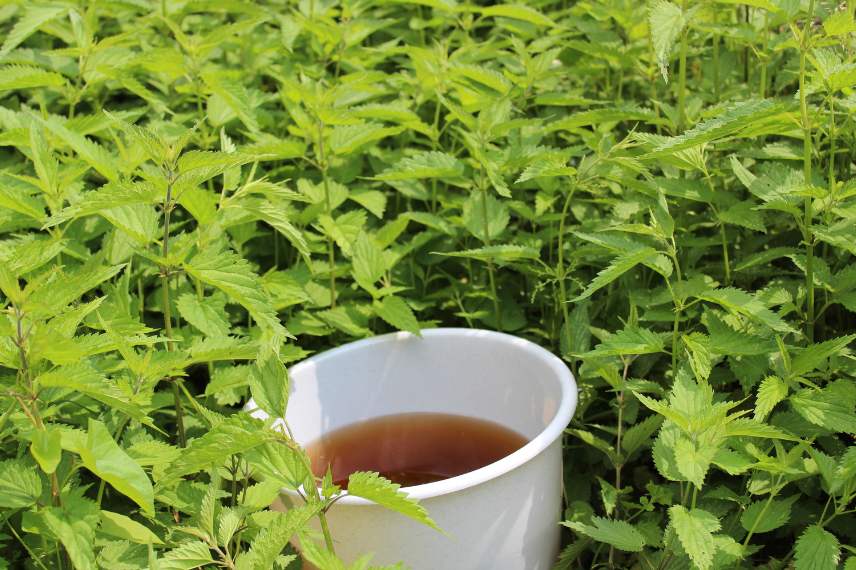
In addition to its insecticidal and fungicidal properties, nettle liquid feed fertilises the soil
So, what should you do? It is better to make the most of nettle’s benefits by preparing well-fermented, diluted liquid feed, usually diluted to 10% in watering water. You can also add dried, crushed nettles to the compost bin.
Treat coffee grounds as a miracle fertiliser and repellent
The gardener’s tip : putting coffee grounds around all your plants fertilises the soil deeply and keeps all unwanted visitors out of the garden, whether they are cats, ants or slugs.
The reality: when spread in a thick layer around plants, coffee grounds compact, become damp and form an impermeable crust. White moulds also appear very quickly, which can suffocate young roots. Finally, slugs and cats are not particularly sensitive to the smell of coffee. 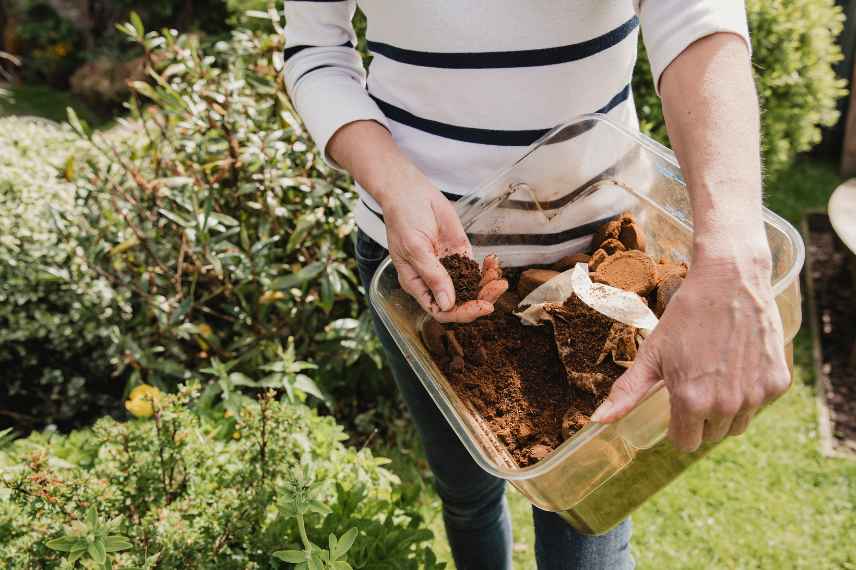
So, what should you do? Coffee grounds are useful as long as they are incorporated in small quantities directly into the compost bin. You can also spread them on the surface of the soil, but in a very thin layer, never in a compact heap. Earthworms and micro-organisms can digest them.
Putting beer in the garden to deter slugs
The advice: burying saucers of beer in the garden attracts slugs, which drown in them.
The reality: admittedly, it is a formidable trap for slugs, but also for other insects, some of which are beneficial. Beer is not selective. What is more, thanks to the smells of fermentation, it attracts every slug in the neighbourhood, even those that would not naturally have visited your garden. You risk attracting a considerable number of slugs to your garden, and some may prefer to concentrate on your lettuces.
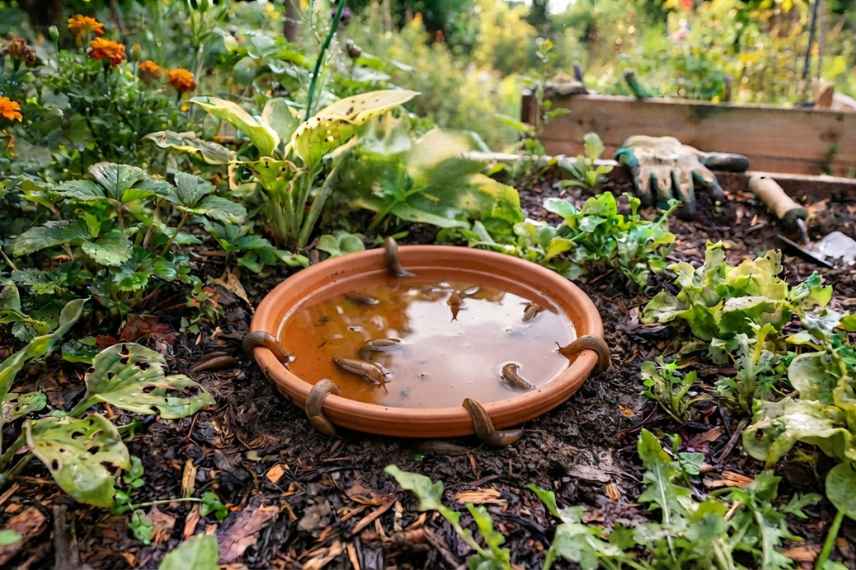
(Image generated by AI)
So, what should you do? Choose methods that respect the ecosystem: encourage natural predators (hedgehogs, toads, insectivorous birds and ground beetles) by creating refuges such as diverse hedges, woodpiles and dry-stone walls; mulch with materials that slugs dislike, such as hemp flakes or flax flakes; or collect the gastropods by hand at dusk in damp weather, after placing roof tiles in the garden.
Plant only after the Ice Saints.
The gardener’s tip : blindly waiting for the Ice Saints to pass, on 11, 12 and 13 May, guarantees complete protection from late frosts and is the ideal time to plant all your summer vegetables outdoors.
The reality: the dates of the Ice Saints are rooted in popular tradition, but today’s climate no longer corresponds to these rigid calendars. Late frosts can occur well after 13 May, depending on your region and altitude, while mild winters sometimes mean that you can plant earlier in complete safety. Relying solely on a calendar date without checking the actual local weather is a common mistake.
So, what should you do? Base your planting decisions on the temperatures and weather in your region, and above all, keep a close eye on the medium- and short-term weather forecasts. You should also measure the soil temperature, which needs to be around 12 to 15 °C before planting sun-loving vegetables. Finally, you can always cover your plants at night.
Follow vegetable companion planting to the letter
The gardener’s advice: pairing two specific plants side by side in the vegetable garden protects them against all diseases and instantly repels insect pests simply through proximity.
The reality: first, if you follow companion planting charts to the letter, they can make your head spin! Secondly, although some pairings promote biodiversity, optimise space or attract pollinators, others may be based more on gardening lore. In nature, plants grow wherever they can and adapt to their environment. 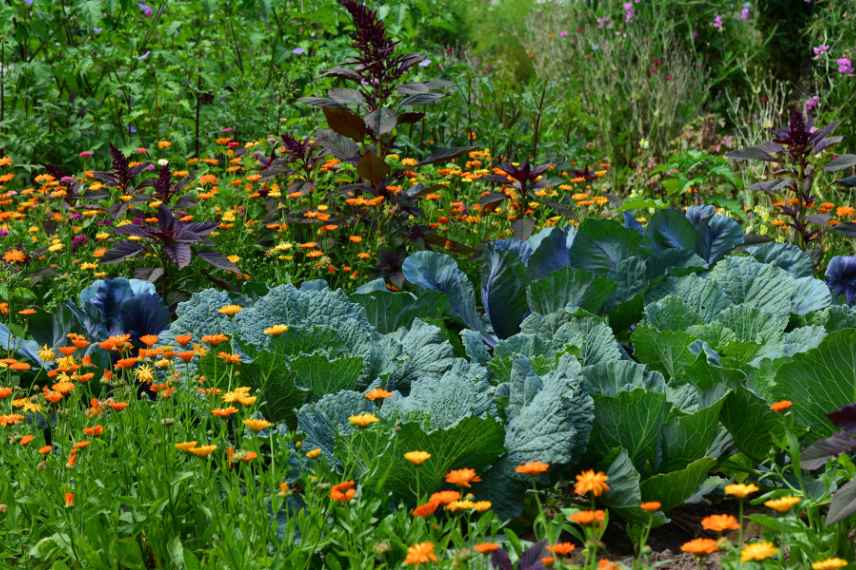
So, what should you do?Apply companion planting pragmatically, keeping only the logical criteria: alternate botanical families to follow crop rotation, pair vegetables with nectar-rich flowers to encourage beneficial insects that prey on pests, and vary the heights of plants to optimise sunlight and space or create shade.
- Subscribe!
- Contents
This form is protected by reCAPTCHA - the Google Privacy Policy and Terms of Service apply.

































Comments