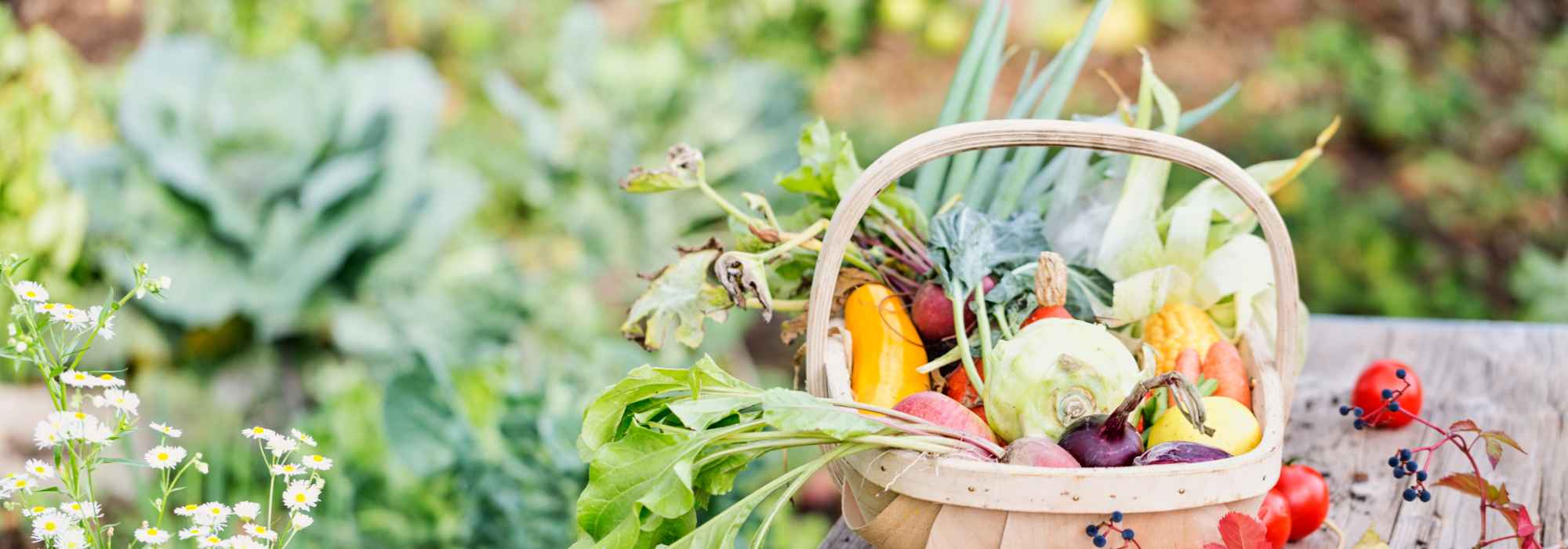
Home-grown vegetables vs supermarket vegetables: which really cost less?
Price comparison and which crops to prioritise
Contents
Growing your own vegetables in the garden can work out cheaper than buying them at the supermarket, but this is not always the case. Once you factor in the cost of seeds or young plants, water, equipment and the harvests produced, profitability varies widely depending on the vegetables grown. So, which ones offer real savings, and which ultimately cost more to produce?
Everything you need to know about the profitability of a vegetable garden
|
How much does a kitchen garden really cost?
Garden vegetables are not free, even when you already own a plot of land. Growing them involves various expenses, some of which are one-off costs, especially when setting up the garden, while others recur every year. To assess the profitability of a vegetable garden, you therefore need to look beyond the simple price of the seeds.
What expenses should you expect when growing vegetables?
Creating an in-ground vegetable garden with a few tools you already own does not cost very much. However, installing several raised beds, buying potting compost and setting up a watering system can represent a significant investment.
Initial expenses mainly include the basic tools and watering equipment, which pay for themselves over several years. Added to this are the annual costs of seeds, young plants, soil improvers and any accessories that may need replacing. These expenses vary according to the area being grown and the techniques used.
The choice of growing method also matters. A vegetable garden in containers generally requires more growing medium and may need watering more frequently than in-ground growing.
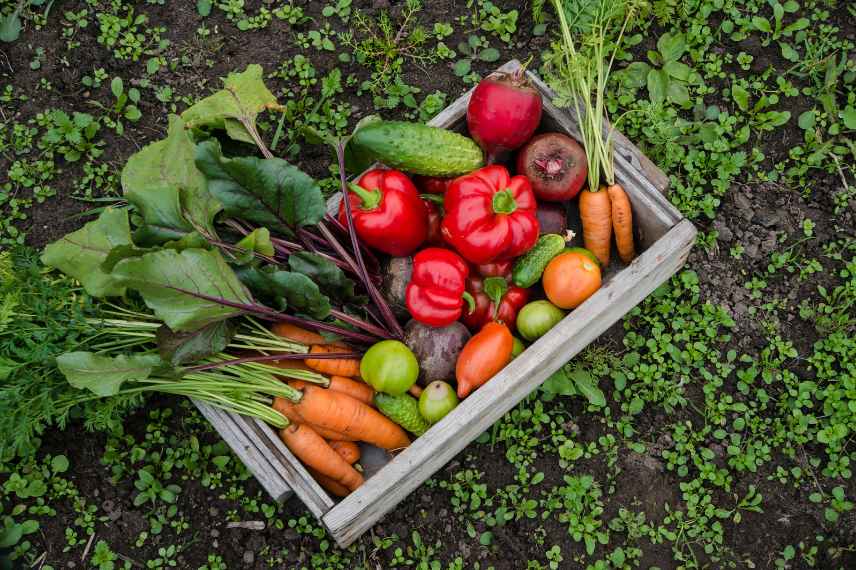
Growing your own vegetables can reduce the food budget when the harvests offset the expenses incurred.
How do you calculate the price per kilo of home-grown vegetables?
The cost per kilo of a vegetable grown in the garden corresponds to the expenses involved in its production divided by the quantity harvested and actually eaten. Let us take an example: you spend €12 growing three courgette plants, including the young plants, water and a share of the soil improvers. If you harvest 18 kg of courgettes that can be eaten, their cost price is €0.67 per kilo, excluding gardening time and equipment depreciation. However, if you make your own compost and collect rainwater, the cost is significantly lower still. Even without taking equipment wear and tear into account…
Which vegetables are genuinely cheaper to grow than to buy?
The most profitable vegetables to grow in the kitchen garden are generally those that are relatively expensive to buy, produce heavily or allow several harvests. The cost of seeds and water requirements also come into play. This remains true even in the most difficult years, particularly because of heatwaves. For example, in July 2026, the Familles Rurales observatory reported annual price increases of 32% for courgettes, 31% for tomatoes and 24% for French beans. In the kitchen garden, even when harvests were smaller, they remained profitable.
| Vegetable or soft fruit | Average supermarket price, conventional | Average supermarket price, organic | Estimated cost of growing in the kitchen garden | Economic value in the garden |
| Tomato | €3 to €4.50/kg | €5.50 to €8/kg | €0.30 to €0.60/kg (from purchased plants or seeds) | Very high (high yield and very high organic price) |
| Courgette | €1.80 to €2.80/kg | €3 to €4.50/kg | €0.20 to €0.40/kg | Very high (high possible yield per plant) |
| French bean | €3.50 to €5/kg | €8 to €14/kg | €0.80 to €1.50/kg | Moderate to high (seeds are expensive to buy, and harvesting is labour-intensive) |
| Lettuce (lettuce, batavia) | €0.80 to €1.20 each | €1.50 to €2.20 each | €0.10 to €0.20 each (grown from sowing) | Very high (rapid growth, quick succession of crops) |
| Culinary herbs (basil, parsley, coriander…) | €20 to €35/kg (sold in plastic trays) | €40 to €60/kg | €2 to €4/kg | Maximum (huge saving, with regular and continuous harvests) |
| Carrot | €1.20 to €1.80/kg | €2.10 to €3/kg | €0.40 to €0.70/kg | Low to moderate (an inexpensive vegetable in supermarkets |
| Maincrop potato | €1 to €1.60/kg | €2.20 to €3/kg | €0.50 to €0.80/kg | Low (takes up a lot of space for a long time, while being inexpensive in shops) |
| Brown onion | €1.50 to €2.20/kg | €3 to €4/kg | €0.60 to €1/kg | Low (a long growing period and low shop prices) |
| Raspberry | €15 to €22/kg (sold in trays) | €25 to €35/kg | €1 to €2/kg (the cost of the plants spread over several years) | Exceptional (a delicate fruit that is very expensive to buy) |
These prices are indicative, as profitability and shop prices depend on the climate, yields, expenditure and geographical areas. In the kitchen garden, you must also remember losses: a crop destroyed by blight, drought or pests increases the cost of the vegetables actually harvested. This is why profitability should be assessed over several seasons rather than a single year.
Which vegetables are the most profitable?
- Heritage tomatoes, which are very expensive in shops, and cherry tomatoes are particularly worthwhile growing.
- Courgettes provide abundant harvests from just a few plants. The same applies, to a lesser extent depending on the species and varieties, to squashes.
- Salad leaves are worthwhile, especially cut-and-come-again varieties.
- Culinary herbs are mainly profitable because you can harvest exactly what you need and avoid waste.
- French beans, garden peas and broad beans are profitable, despite the high price of seeds.
- Heritage vegetables (parsnips, swede, Jerusalem artichokes, scorzonera…) because they are often difficult to find in supermarkets and are therefore expensive.
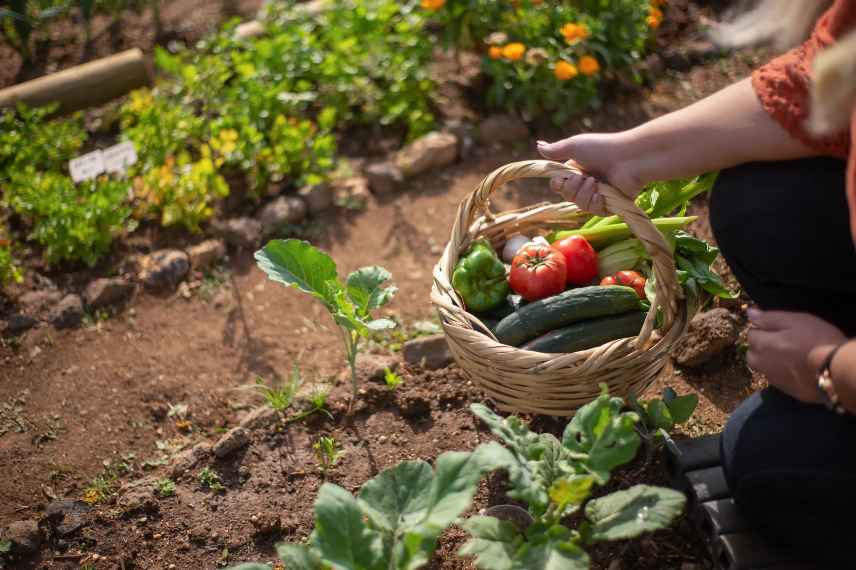
Some vegetables are clearly more profitable than others.
Which vegetables sometimes cost more to grow yourself?
- Maincrop potatoes work out expensive because of the cost of seed potatoes, the space they occupy for several months and the risk of disease… yet they are sold at affordable prices. On the other hand, growing new potatoes, which are generally more expensive in shops, is genuinely worthwhile because they spend less time in the ground
- Carrots and storage onions can also be bought at advantageous prices. Growing them is still worthwhile if you want to choose unusual varieties or produce very fresh vegetables, but not necessarily to save money.
- The various cabbages that remain in the ground for a long time.
What hidden costs should be taken into account?
Assessing the profitability of a vegetable garden means taking the human factor into account. The time spent hoeing, weeding, staking, watering and harvesting represents a considerable physical and time investment. If this work is a burden, it increases the cost; if it is a passionate hobby, it replaces paid activities.
Water management is also an important factor. Using a rainwater harvesting system dramatically reduces the cost of the harvest compared with watering with mains water.
How to make your kitchen garden more productive without spending a lot?
To improve the profitability of a kitchen garden, it is better to limit costs and increase the proportion of the harvest that is eaten rather than always trying to produce more. A few simple practices can provide more vegetables without multiplying purchases:
- Direct sowing in the open ground is often less expensive than buying young plants, particularly for lettuces and cabbages. For tomatoes and aubergines, growing your own plants from seed can also be economical.
- Compost makes it possible to make use of some of the organic waste from the garden and kitchen. When well matured, it can reduce the need to buy soil improvers.
- Mulching helps to limit water evaporation and the growth of unwanted weeds. It can be done with fallen leaves, grass clippings that have been allowed to dry beforehand, or other suitable plant materials, without necessarily having to buy any materials.
- By following several crops on the same plot. After spring radishes, for example, it is possible to grow a summer crop, followed by lamb’s lettuce in autumn, depending on the climate and harvest dates.
- Preserving surplus harvests at times of peak production by quick freezing, drying, bottling, sterilisation or lacto-fermentation extends the financial benefits of the kitchen garden throughout the cold season.
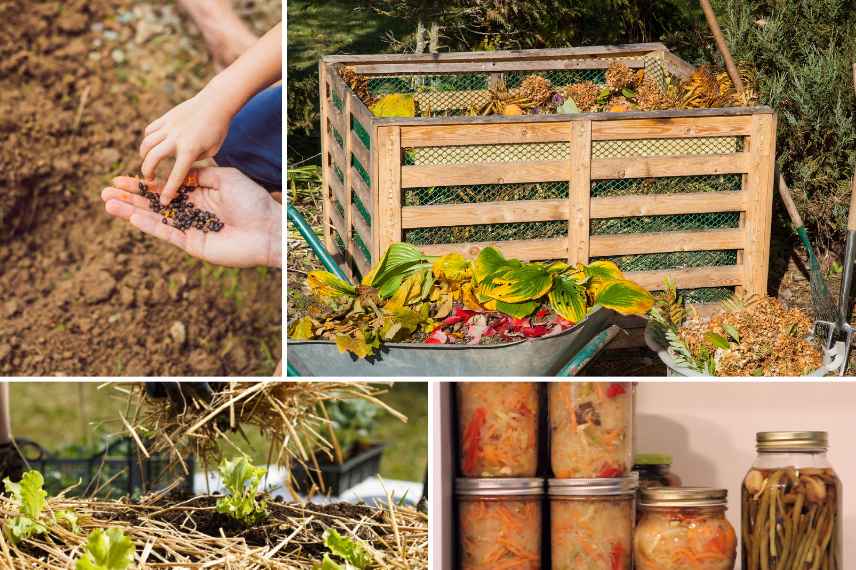
A few simple practices can improve the profitability of a kitchen garden.
What if the kitchen garden had more to offer?
A vegetable garden is not always financially more advantageous than the supermarket, but it offers benefits that the price per kilo cannot measure. It allows you to harvest vegetables when you are ready to eat them, choose your varieties and control your growing methods. Growing your own tomatoes, for example, gives you access to heritage or unusual varieties that can sometimes be difficult to find in food shops. As for the nutritional and culinary quality of vegetables, it tips the balance in favour of growing your own at home.
The complete absence of synthetic pesticide residues, the absolute freshness of the harvest and the opportunity to pick fruit and vegetables when fully ripe ensure maximum concentrations of vitamins, antioxidants and incomparable flavours that the long distribution chains used by supermarkets simply cannot offer.
FAQ
Is it cheaper to grow vegetables from seed than to buy young plants?
Growing vegetables from seed is generally less expensive per plant when you use a sufficient quantity of seeds. This advantage is particularly clear for vegetables that are sown directly in the ground. For some vegetables, buying established young plants can be more economical than investing in equipment for early sowing.
How long does it take for a kitchen garden to pay for itself?
A kitchen garden that is already set up can cover its costs as early as the first full season, but this is not guaranteed. A new set-up with raised beds, potting compost and expensive equipment may take several years to recoup its investment. The timescale depends mainly on the initial expenditure, annual production and the value of the vegetables harvested.
Is it profitable to grow organic vegetables in your garden?
Growing vegetables without synthetic pesticides or chemical fertilisers can be economically worthwhile, especially if the prices of organic vegetables usually bought are high. Profitability nevertheless depends on yields and expenditure. Bear in mind that vegetables grown in the garden without chemical products cannot automatically be considered certified organic.
Is a square-foot garden more profitable than growing in the open ground?
It uses less water, takes less time to weed and requires fewer targeted soil amendments over small urban areas, but its initial installation cost is higher when using quality wood and bought potting compost.
- Subscribe!
- Contents
This form is protected by reCAPTCHA - the Google Privacy Policy and Terms of Service apply.

































Comments