Do you enjoy picking and savouring your strawberries from the garden? While first strawberry harvests are often generous, production tends to slow as summer progresses, much to the disappointment of the taste buds. However, with a few simple actions, it is possible to prolong strawberry harvests for several weeks, especially if you grow repeat-flowering varieties. The aim is not to force plants, but to give them the best conditions to keep flowering and producing despite summer heat, so you can enjoy them for longer!
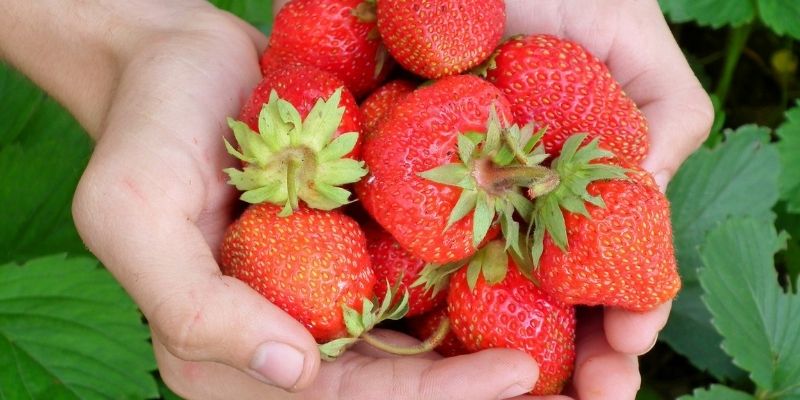
Why do strawberry plants produce less during summer?
In summer, strawberry plants face several stresses. High temperatures and rapidly drying soil limit flower formation and fruit enlargement. Plants also divert part of their energy into producing runners, those long shoots that allow natural multiplication. While this strategy benefits the plant, it comes at the expense of the strawberry production gardeners want.
Choose repeat-flowering varieties
If strawberry plants stop fruiting in summer, it does not necessarily mean they lack care: sometimes it is simply a non-repeat-flowering variety. So, before trying to stimulate production, check the type of strawberry growing in your garden.
Non-repeat-flowering strawberry plants produce only once, usually between May and June depending on variety. Once that harvest is over, it is normal for them to stop fruiting.
The repeat-flowering strawberry plants, by contrast, give several waves of production from late spring through early autumn, with more or less abundant periods depending on climatic conditions.
Tips to prolong strawberry harvests
Summer strawberries mean regular watering
In summer, strawberry plants dread both high heat and lack of water. When soil dries out completely, the plant slows growth and produces fewer flowers, therefore fewer fruits.
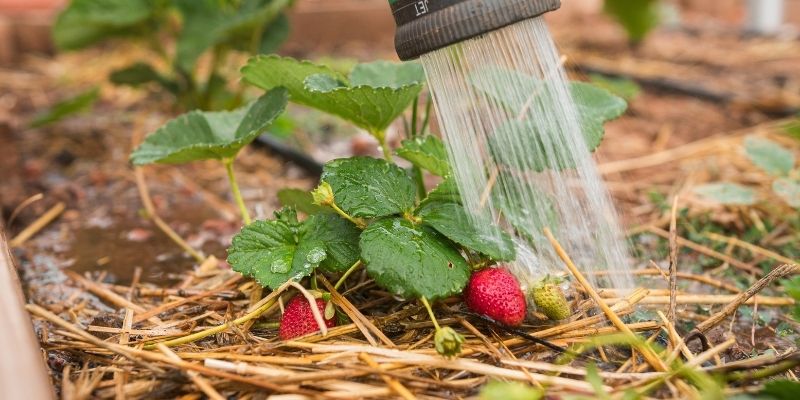
Aim to keep the soil cool and moist, watering generously when the top few centimetres begin to dry. Water at the base of plants, preferably in the morning or evening, to reduce evaporation and keep foliage dry.
Strawberries grown in pots or containers need even closer attention, as their substrate dries much faster than ground soil.
Keep soil cool with mulch
Mulch is a valuable ally through the summer to pamper strawberry plants. It reduces water evaporation, moderates temperature fluctuations and slows weed growth that competes with strawberries.
Straw, hay, flax shreds, hemp or pine needles all work well. As a bonus, fruit stay cleaner and are less exposed to direct contact with wet soil.
Cut runners to favour fruit production
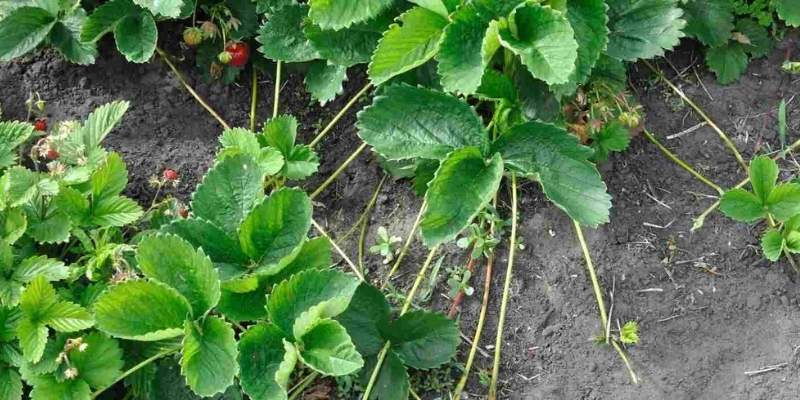
From summer onwards, runners appear in large numbers. If you do not want to increase your stock of plants, it is best to remove them regularly.
Cutting them as they appear directs more of the plant's energy into flowering and producing new strawberries rather than creating new plants. A few cuts with pruning shear are enough to make all the difference. You can of course leave one or two runners to produce new plants if desired.
Harvest often and remove damaged fruit
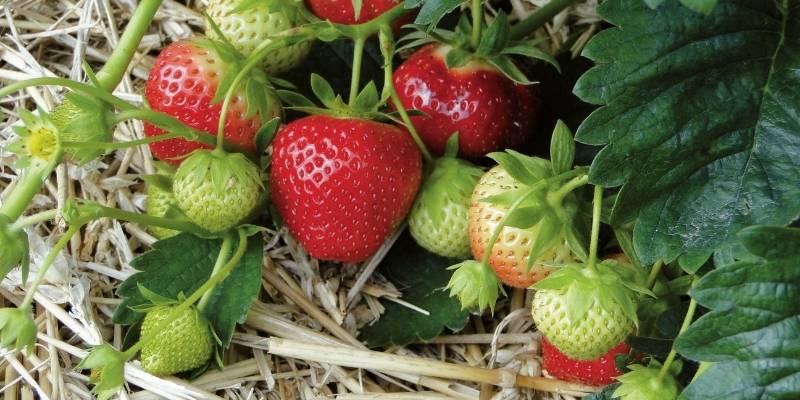
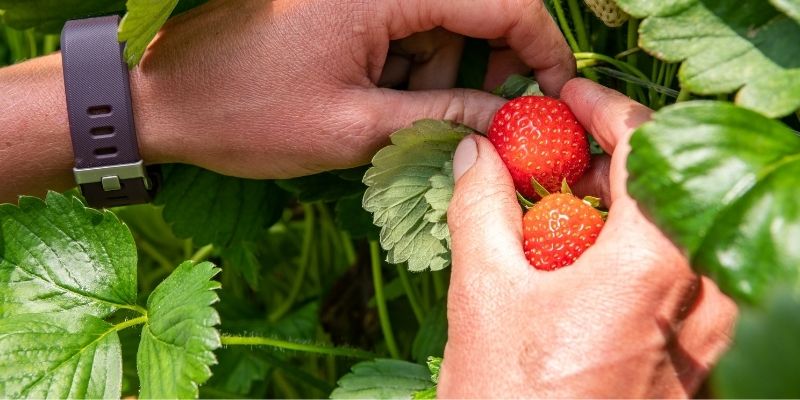
A strawberry plant left to carry overripe fruit gradually slows production. Regular harvesting, every two to three days in peak season encourages formation of new fruit. Do not leave ripe strawberries on the plant too long and remove damaged or rotten fruit, which promote disease and attract slugs, especially after wet spells.
Use harvest time to remove yellowed, dried or spotted leaves. Without major summer pruning, this tidying improves air circulation in the clump and limits disease spread.
Protect strawberries during heatwaves
When temperatures exceed 30 °C, strawberry plants often slow down. They produce fewer flowers to conserve reserves.
In very hot regions or during a heatwave, a shade cloth or a position that gets some afternoon shade helps plants cope better. Combined with mulch and appropriate watering, this protection preserves fruit quality and encourages production to resume when temperatures cool.
Support repeat-flowering strawberries if needed
For repeat-flowering strawberry plants, a light dressing of well-rotted compost or a potash-rich organic fertiliser can be considered after the first wave of harvests, especially if soil is poor or plants are grown in pots. It is a gentle boost, not an essential action.
Non-repeat-flowering strawberry plants do not need feeding to prolong harvests, as they have completed their fruiting cycle. However, adding compost after fruiting can help them rebuild reserves ahead of the next season.


































Comments