After several days of intense heat, garden can sometimes look sorry for itself. Browned leaves, scorched flowers, wilted young shoots… Some plants seem to have suffered badly. Should you reach for the pruning shear and tidy everything up? Not so fast! After a heat shock, a plant often needs a few days to show what is truly lost… and what it can still save. Discover our advice on how to properly prune desiccated parts of a plant after heat stress and the right actions to encourage recovery without weakening it further.
Why prune parts scorched by heat?
Desiccated tissues will never regrow: they draw on plant energy unnecessarily and can become entry points for fungi and pests. By removing them, you concentrate sap on healthy parts and make recovery easier for your plant.
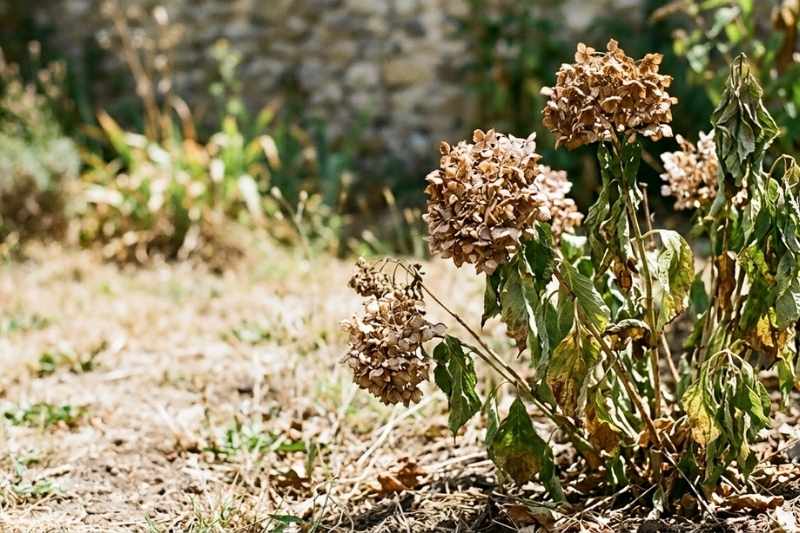
Should you prune immediately after a heatwave?
Don't reach for the pruning shear too quickly. A plant can shed leaves as a survival reflex without being dead. Wait at least 2–3 weeks after high temperatures, until temperatures have dropped and new shoots appear. You will then be able to clearly tell dead from living. Work preferably early morning or in the evening, never in full sun.
In the meantime, water thoroughly at the base of the plant and lay down mulch to help keep soil cool. A well-rehydrated plant makes it much easier to distinguish parts that will regrow from those that are definitively lost.
How to recognise parts to cut?
A branch that looks dry at first glance may still be alive. Generally, if branch is supple and flexible, that's a good sign. Conversely, a brittle branch is usually dead.
If in doubt, use the nail test. Gently scrape bark with your fingernail or the blade of a knife:
- If it is green under the bark, the branch is alive. Leave it in place.
- If the wood is brown or beige, dry and without any trace of green, that part is dead. You can remove it.
Olivier shows this technique in this video:
Cut cleanly, without pruning too severely
- Disinfect pruning shear with 70–90% alcohol to avoid transmitting diseases.
- Start by removing spent flowers that drain the plant unnecessarily.
- Locate the boundary between dead and living wood using the tests above.
- Make angled cuts, just above a bud, a leaf or a healthy node, to allow rainwater to drain.
- Remove only leaves that are completely dry, brown and brittle. Keep leaves still partially green: they continue to produce energy via photosynthesis.
- Never remove more than one third of foliage at once: plant needs remaining foliage to rebuild reserves.
- Dispose of debris away from base of plant to reduce disease risk.
My tips:
- Do not shorten a healthy branch simply to balance silhouette. Structural pruning should be done in autumn or late winter.
- When in doubt, cut a little less rather than more. A still-living branch can produce new shoots, whereas a branch removed by mistake will not regrow. Gardener's best ally after a heatwave is often… a bit of patience.
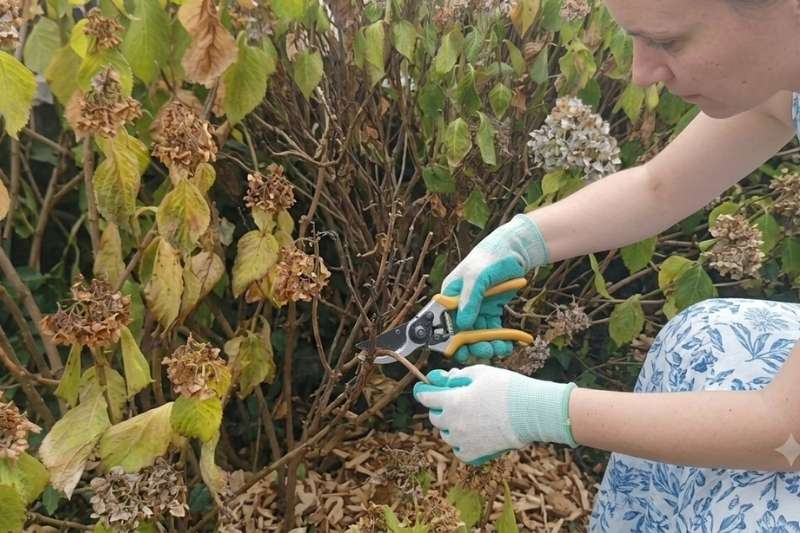
After pruning: help your plant to recover
Once pruning is finished, most important is creating good conditions for recovery. Continue deep watering, without excess, keep mulch in place and avoid nitrogen-rich fertiliser that would encourage production of overly tender new shoots.
Finally, trust your plant. After heat stress, it often takes several weeks to fully regain vigour. For some plants, new shoots sometimes appear later than expected, when temperatures become truly favourable again.



































Comments