Are you looking to enhance the biodiversity of your garden while benefiting from natural insect control? Bats are here to help! These nocturnal creatures, often misunderstood, are in fact incredible allies for any green space. Let’s discover together why every gardener should consider building a bat shelter, how to do it step by step, and how to care for it. With practical advice and tips, turn your garden into a haven for these nocturnal mammals and enjoy the many benefits they bring.
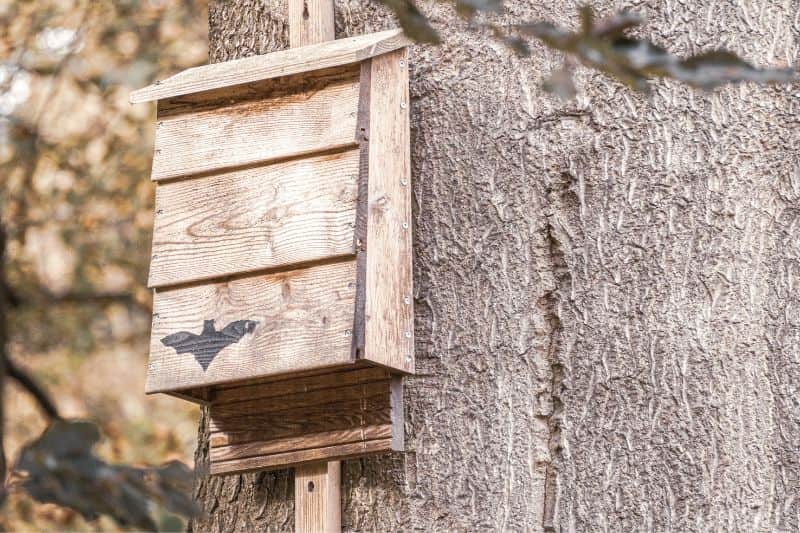
The importance of welcoming bats into your garden
When we think of bats, the image that often comes to mind is that of mysterious creatures of the night, associated with legends and myths—not forgetting Gotham City’s famous black-clad vigilante. However, bats are in fact invaluable allies for any gardener concerned about biodiversity and the natural balance of their garden.
One of the main benefits of these flying mammals is their insatiable appetite for insects! A bat can consume an impressive quantity in a single night, acting as a natural regulator of pest populations: mosquitoes, ticks, cabbage moths, Japanese beetles and more. By welcoming bats, you can do without treatments against these pests, which is a real benefit for the environment and the health of your garden.

In addition, guano, or bat droppings, is a rich natural fertiliser that can be used to enrich the soil in your garden. It is rich in nitrogen, phosphorus and potassium, all of which are essential for plant growth.
Finally, by building a bat shelter, you are helping to conserve these fascinating creatures. With the ongoing loss of their natural habitats, offering bats a safe refuge in your garden is an environmentally friendly gesture that has a positive impact on local biodiversity.
Materials needed
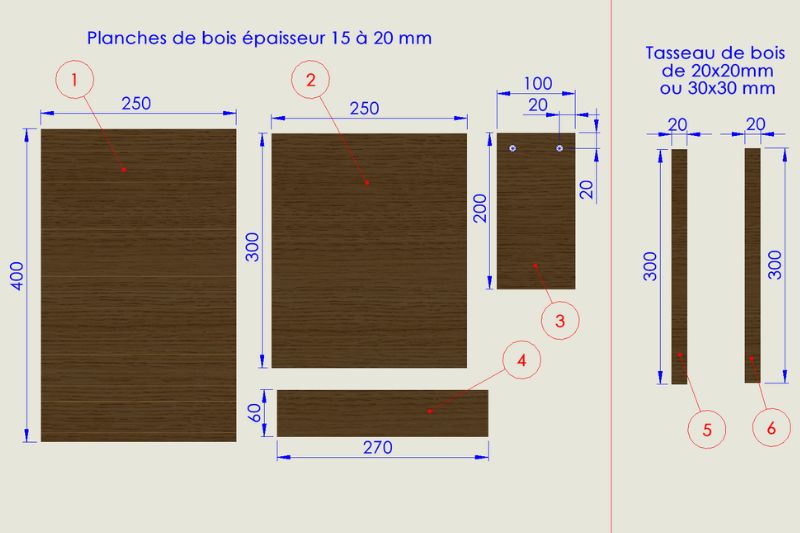
- Untreated wood (cedar or pine are ideal), cut to the dimensions below
- A saw
- A hammer and nails (or screws)
- A ruler or tape measure
- A drill
- Protective equipment: gloves and safety glasses
Steps for building a bat shelter
Before you begin: Cut your wooden boards to the specified dimensions (see the image in the previous section, "Materials needed") to form the basic structure of the shelter. Do not sand the wood, so that it remains rough and the bats can easily cling to it.
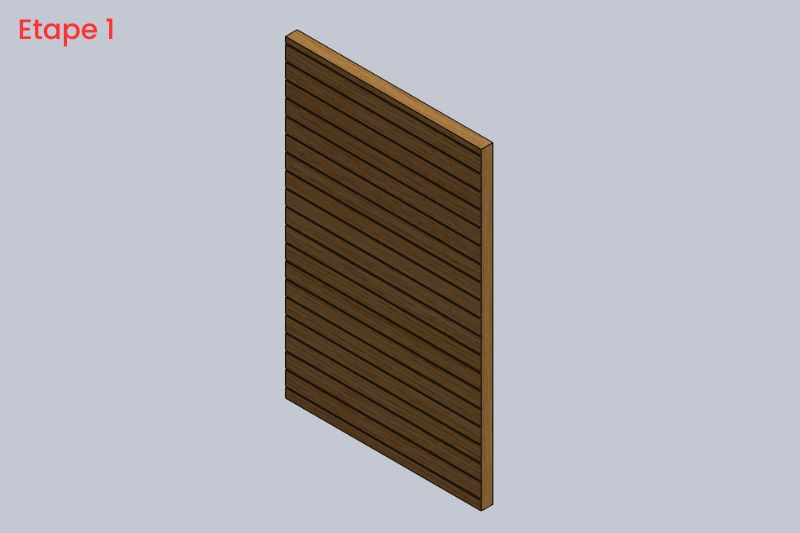
Step 1 - On board No. 1, make grooves a few millimetres deep to allow the bats to cling to it and climb up into the shelter. Note that this step can be replaced by fitting a rough coating. You can make these grooves with a saw or a utility knife.
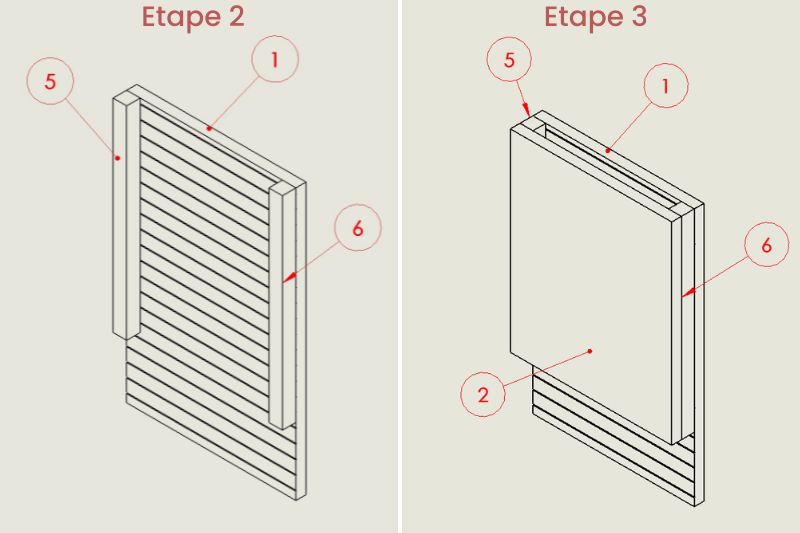
Step 2 - Then attach battens No. 5 and No. 6 to the edges of board No. 1 using nails.
Step 3 - Then nail board No. 2 onto the battens, leaving enough space to shelter the bats.
Step 4 - Attach board No. 4 on top to serve as the roof.
Step 5 - Using screws or nails, attach board No. 3 to the back of the shelter. Drill two holes to allow it to be fixed in place.
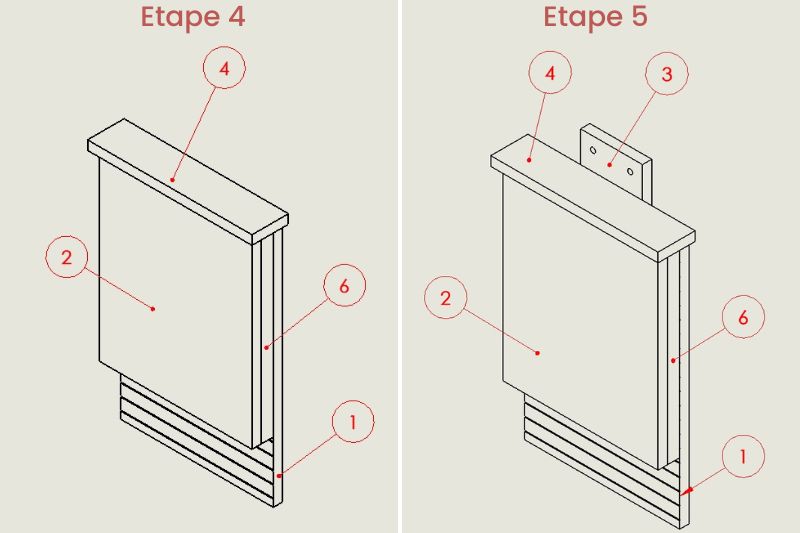
Your bat shelter is ready! All that remains is to install it.
Choosing the ideal location for installing the bat shelter
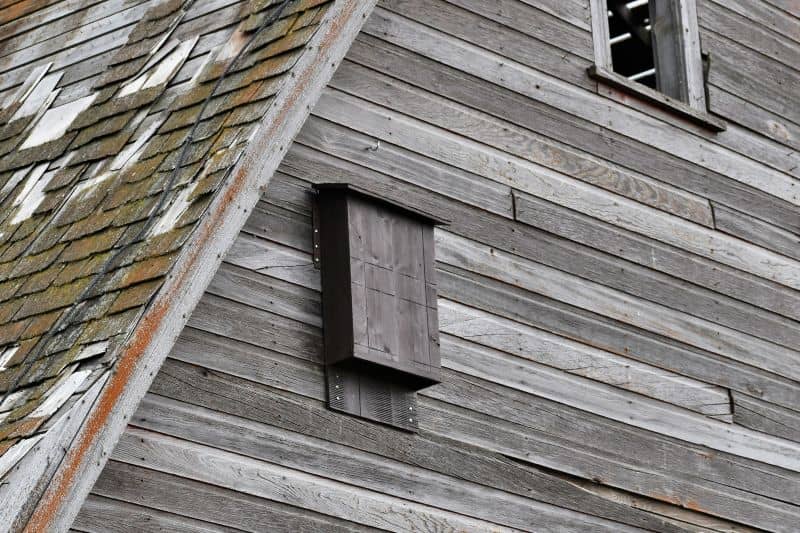
- The location of your bat shelter is crucial to its success. Install it at least 3 metres high to protect the bats from predators and make it easier for them to access. You can attach it to a house wall, a tree or the top of a post.
- A south- or south-east-facing position captures the sun’s warmth, making the shelter more welcoming, particularly during winter.
- Bats like to drink while flying, and having a water source nearby, such as a pond or pool, can attract them even more.
- Finally, choose a location away from bright lights (streetlights or outdoor lighting on the house) to respect their nocturnal nature.
Caring for the bat shelter
Regular care of your shelter is essential to ensure that it remains attractive to bats.
- Before the breeding season, in spring and summer, clean the inside of the shelter to remove parasites or debris that could discourage bats from settling there.
- Inspect it regularly to check for any damage caused by bad weather or intrusions by other animals.
- Finally, be aware of the surroundings of the shelter. Bats are sensitive to chemicals and pesticides. Avoid using these products near the shelter so as not to repel or harm these valuable flying mammals.


































Comments