Pruning a cherry tree, whether it is a sour cherry or a sweet cherry, may seem risky, especially if you are worried about reducing the future fruit yield. However, by pruning at the right time and using the right techniques, you can shape the tree without sacrificing the harvest. Here are the steps to successfully prune a cherry tree.
Pruning a cherry tree in a nutshell
| Good practice | Why |
|---|---|
| Prune just after the harvest | To prevent diseases and encourage healing |
| Remove only what is strictly necessary | To avoid weakening the tree or compromising production |
| Encourage horizontal branches | They are the most fruit-bearing |
| Thin out the branches without overdoing it | To ensure good light levels and limit diseases without excessively unbalancing the tree |
| Carry out regular care | A well-maintained cherry tree remains productive, healthy and easier to harvest |
When should you prune a cherry tree?
The best time to prune a cherry tree is late summer, between mid-August and early September, after the harvest. This period coincides with the end of the sap rise, which limits the risk of diseases (particularly canker of fruit trees) and encourages good healing. You can theoretically still prune in October-November, but avoid pruning your cherry tree in winter, when wounds heal poorly, and in spring, to avoid slowing flowering or fruit formation.
Please note: there are two types of pruning for cherry trees.
- Formative pruning (during the first few years): the aim is to create a strong structure (goblet, central axis, and so on).
- Fruit-bearing / maintenance pruning (mature tree): this is light annual pruning, intended to renew the wood and let air circulate.
Which tools should you use to prune a cherry tree?
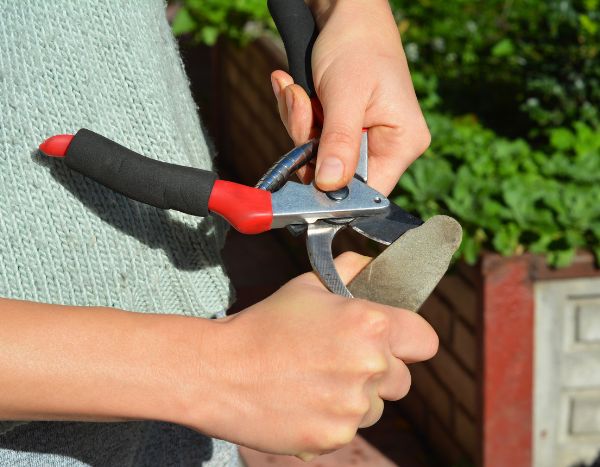
- a well-sharpened pair of secateurs for young branches,
- a tree-pruning saw or loppers for thicker main branches,
- possibly a natural wound sealant (clay or propolis putty), especially if you are pruning a large-diameter branch.
- Disinfect your blades before pruning to prevent the spread of diseases between plants.
How do you prune a cherry tree without harming fruit production?
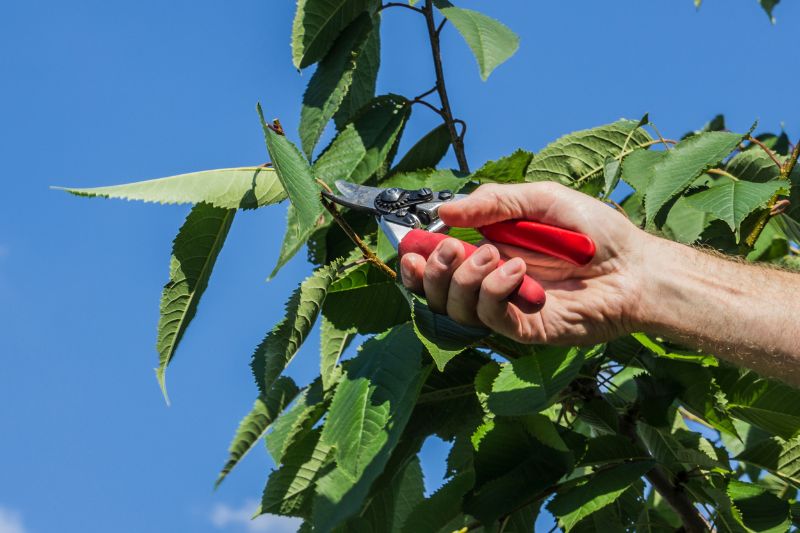
Start by looking at the whole tree. The aim is to encourage light and air circulation, without removing too much fruit-bearing wood.
- First remove dead, broken or badly positioned branches (crossing or rubbing branches).
- Remove suckers and water shoots (very vigorous vertical shoots) that exhaust the tree.
- Keep the fruiting branches: they are more horizontal and are often 2 to 5 years old.
- If the tree is too tall, shorten the ends slightly of the main branches, always above an outward-facing bud.
- Never remove more than 20% of the total volume at one time: this prevents excessive stress and untidy regrowth.
Warning!!: cherry trees, like plum trees, bear fruit on structures called spurs, which develop into May bouquets (short branches packed with flower buds).
Why is pruning a cherry tree beneficial?
Light but regular pruning helps to:
- limit the height and make harvesting easier
- keep a balanced framework: pruning generally aims to maintain a goblet shape, with the centre of the tree kept clear so that it can receive light.
- encourage good fruiting the following year
- reduce the risk of fungal diseases by allowing air to circulate through the framework
Should you prune a young cherry tree?
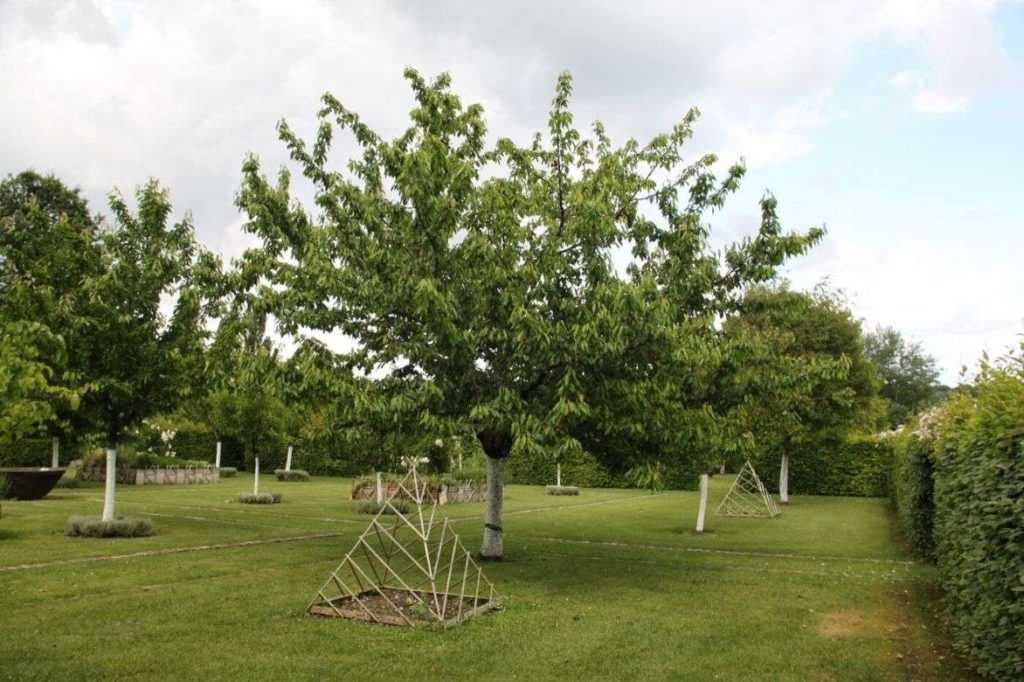
Yes, but sparingly. During the first few years, pruning aims to structure the tree (forming the main branches), without interfering too much with the parts that will produce fruit in the medium term. Gentle formative pruning, with limited cuts, is sufficient.


































Comments