
Geranium sanguineum

Geranium sanguineum

Geranium sanguineum

Geranium sanguineum

Geranium sanguineum

Geranium sanguineum
Geranium sanguineum
Geranium sanguineum
Bloody Cranesbill, Bloody Geranium
I am very pleased with the ease of ordering, the fast and careful delivery, and the young plants, which are very beautiful.
Monique, 27/05/2026
Back-to-school special offer!
Get €10 off for every €50 you spend! And get up to €40 off on a single order.
How does it work?
1. Shop your favourites
Add your favourite plants to your basket. For every €50 you spend (excluding delivery charges, store credit and the plastic-free option), you’ll receive a €10 voucher.
€50 spent = €10 voucher
€100 spent = €20 voucher
€150 spent = €30 voucher
€200 spent = €40 voucher
2. Place your order
Once your basket reaches one of the spending thresholds, place your order. You can even choose your delivery date!
3. Receive your voucher
As soon as your order has been shipped, you’ll receive an email containing your personal voucher code and its value.
4. Use it on your next order
Your voucher is valid for 90 days from the date you receive it. It can be used once only, on a new order worth at least the value of the voucher, excluding delivery charges.
Please note: Vouchers can be combined with other offers, but cannot be split or refunded.
Home or relay delivery (depending on size and destination)
Important: You may be charged customs duties by your country’s customs authorities upon delivery.
Schedule delivery date
and select date in basket
This plant carries a 12 months recovery warranty
More information
We guarantee the quality of our plants for a full growing cycle, and will replace at our expense any plant that fails to recover under normal climatic and planting conditions.

Would this plant suit my garden?
Set up your Plantfit profile →
Description
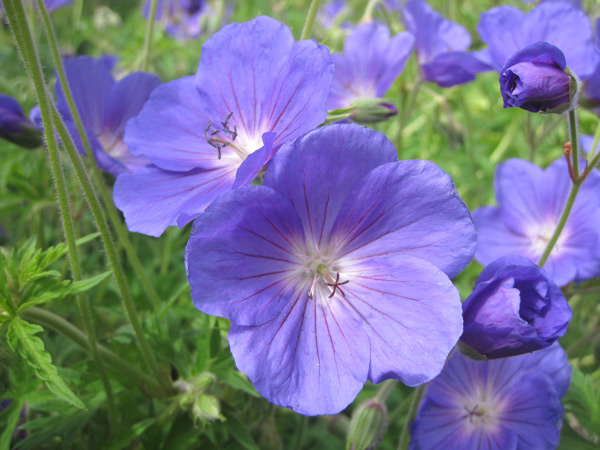
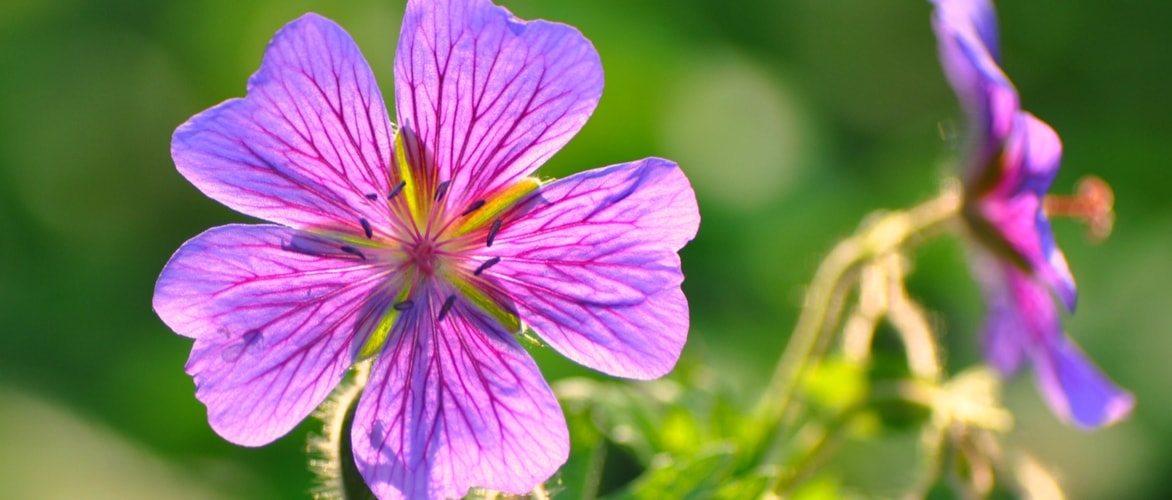
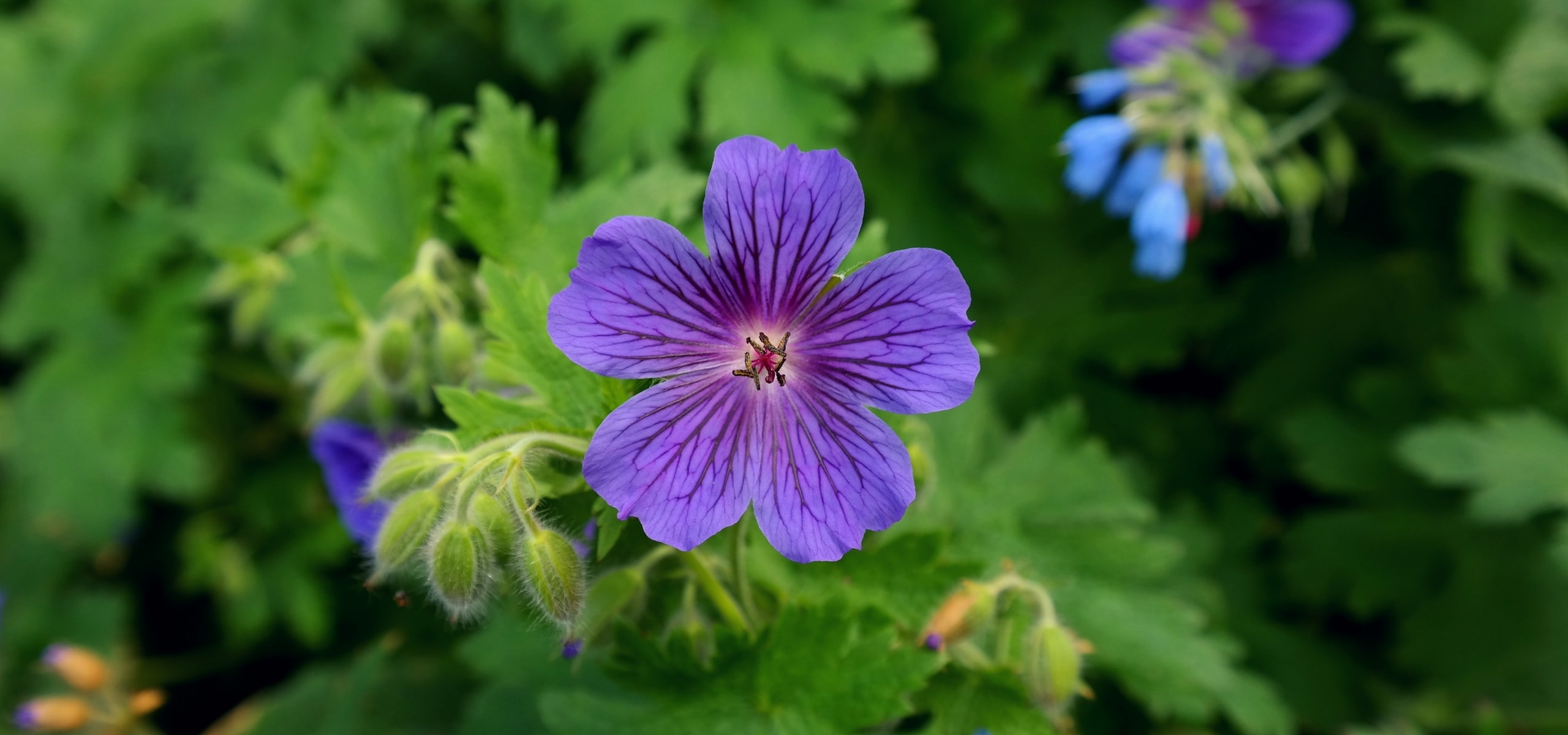
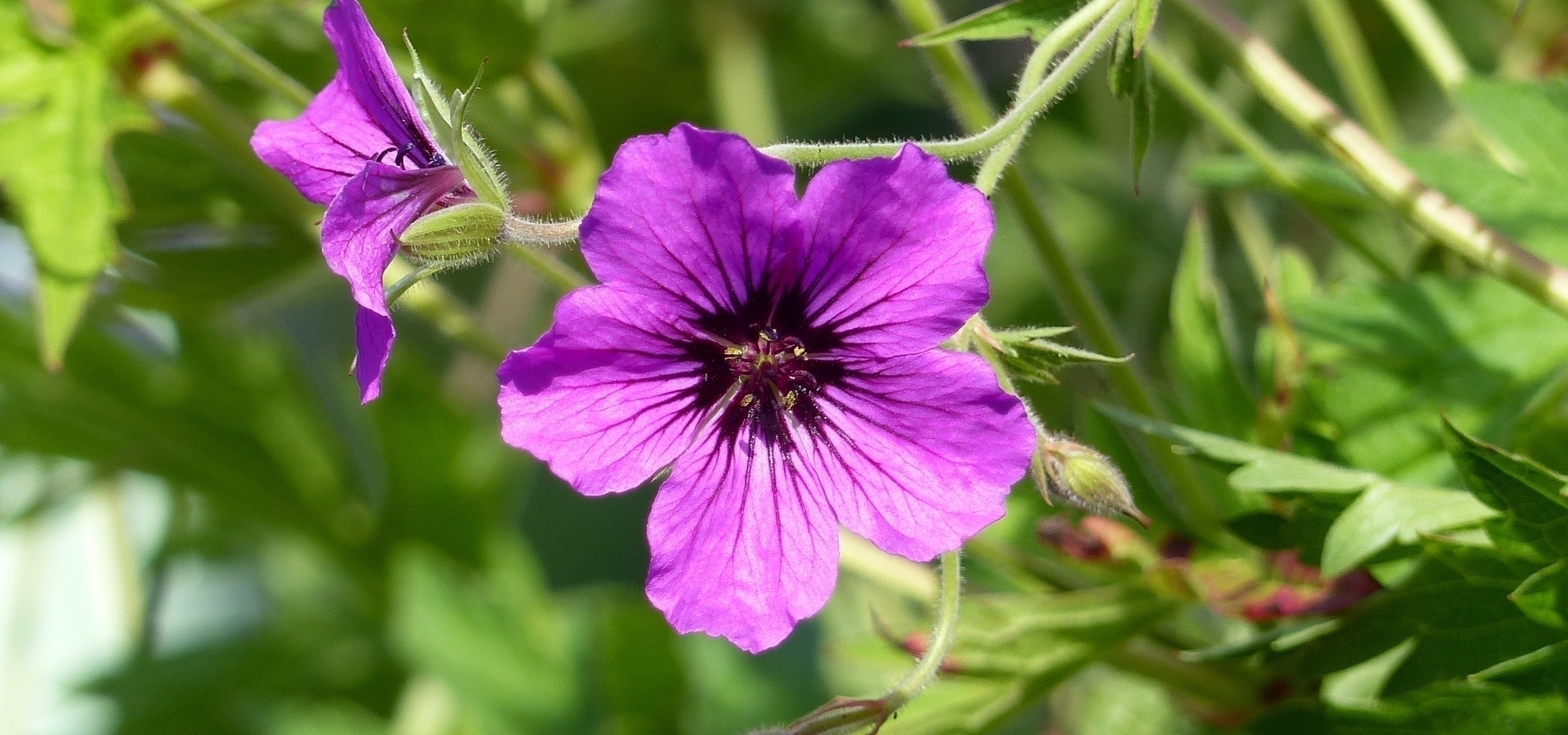
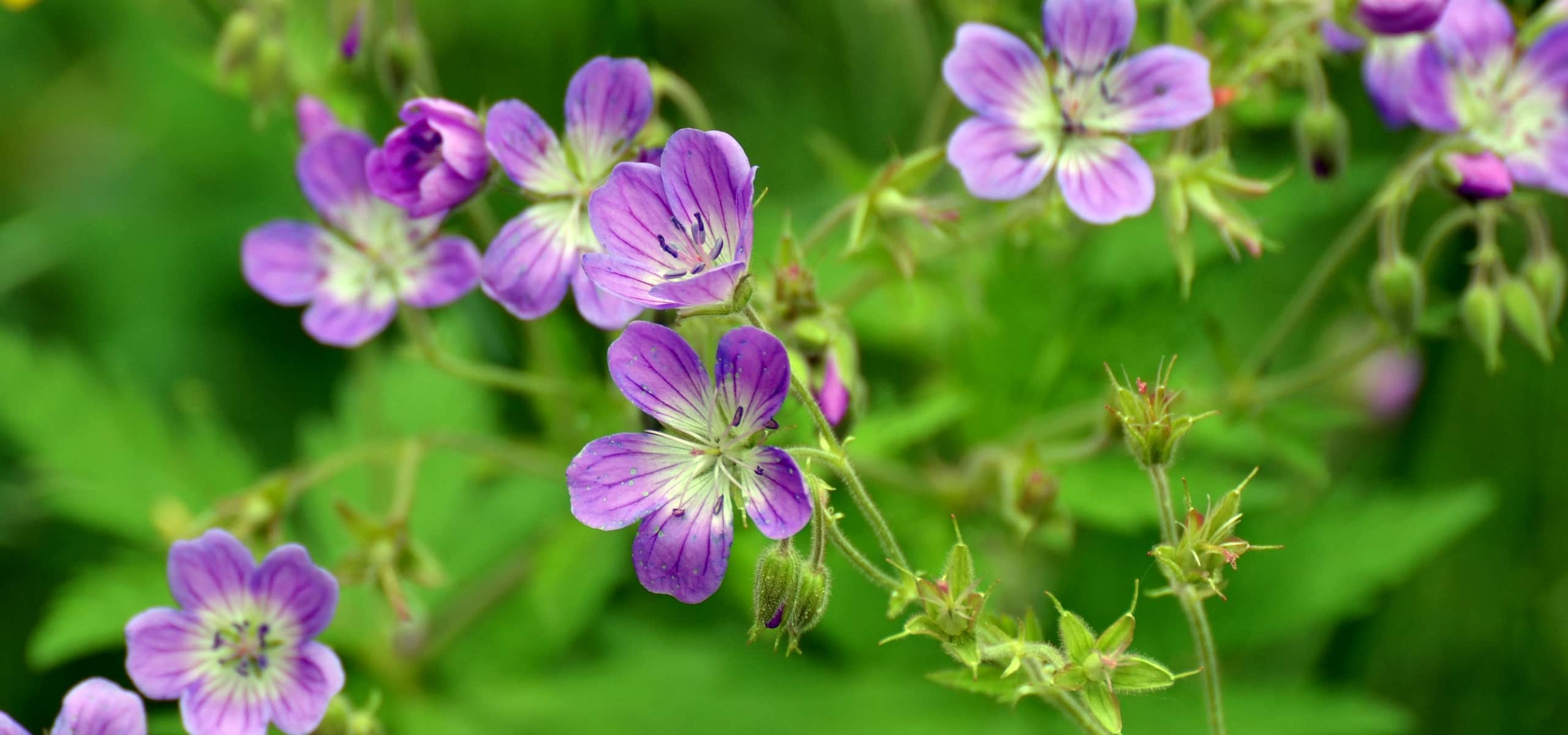
Geranium sanguineum, le Géranium sanguin, est une vivace européenne aussi robuste que colorée. Sa végétation basse se compose de feuilles profondément découpées qui rougissent en automne. Au début de l'été, elle s'orne de grandes fleurs rose magenta parcourues de fines veines pourpres. Très rustique, peu exigeant et résistant au sec une fois établi, ce géranium se plaît dans une rocaille, une bordure ensoleillée ou sur un talus caillouteux, où il demande peu d’entretien.
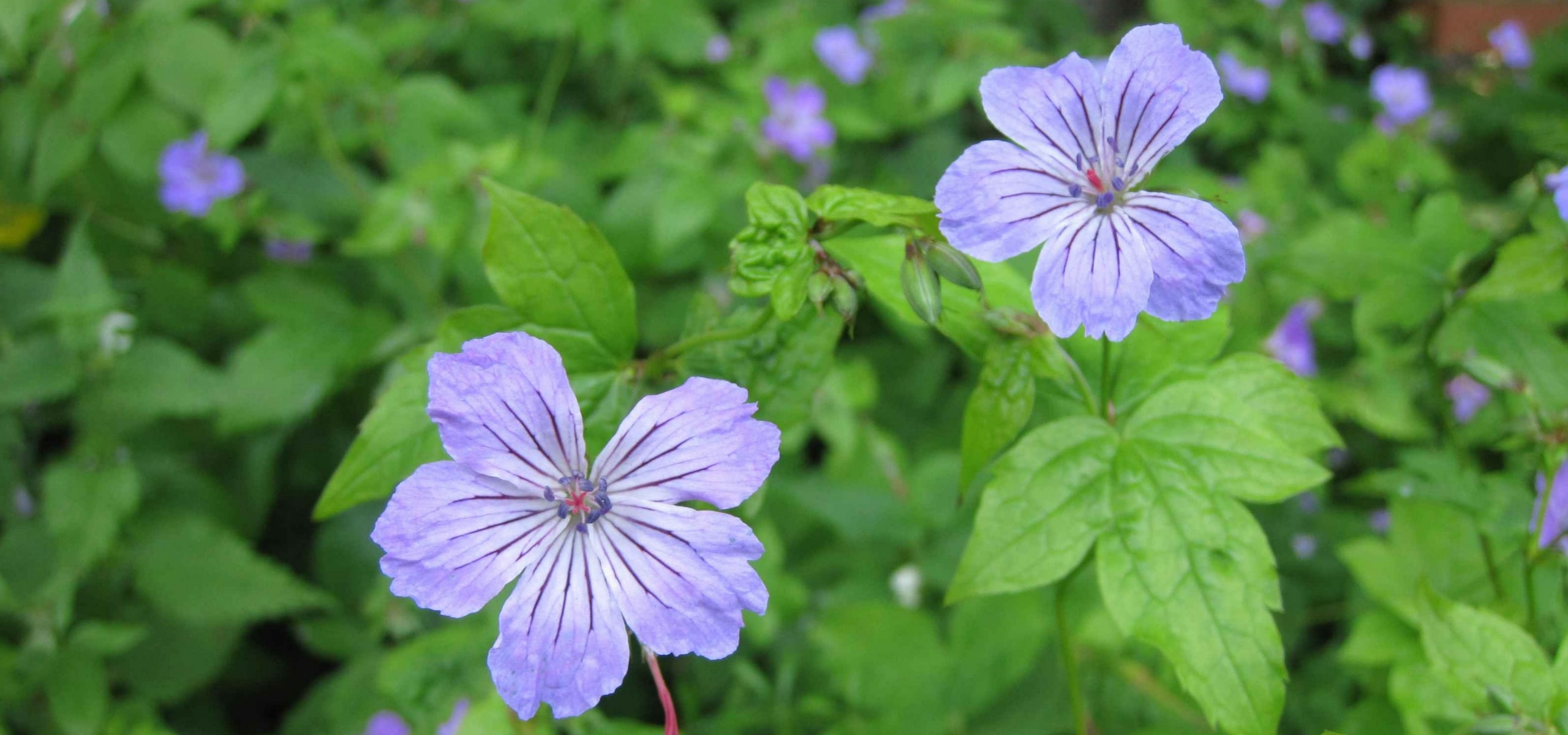
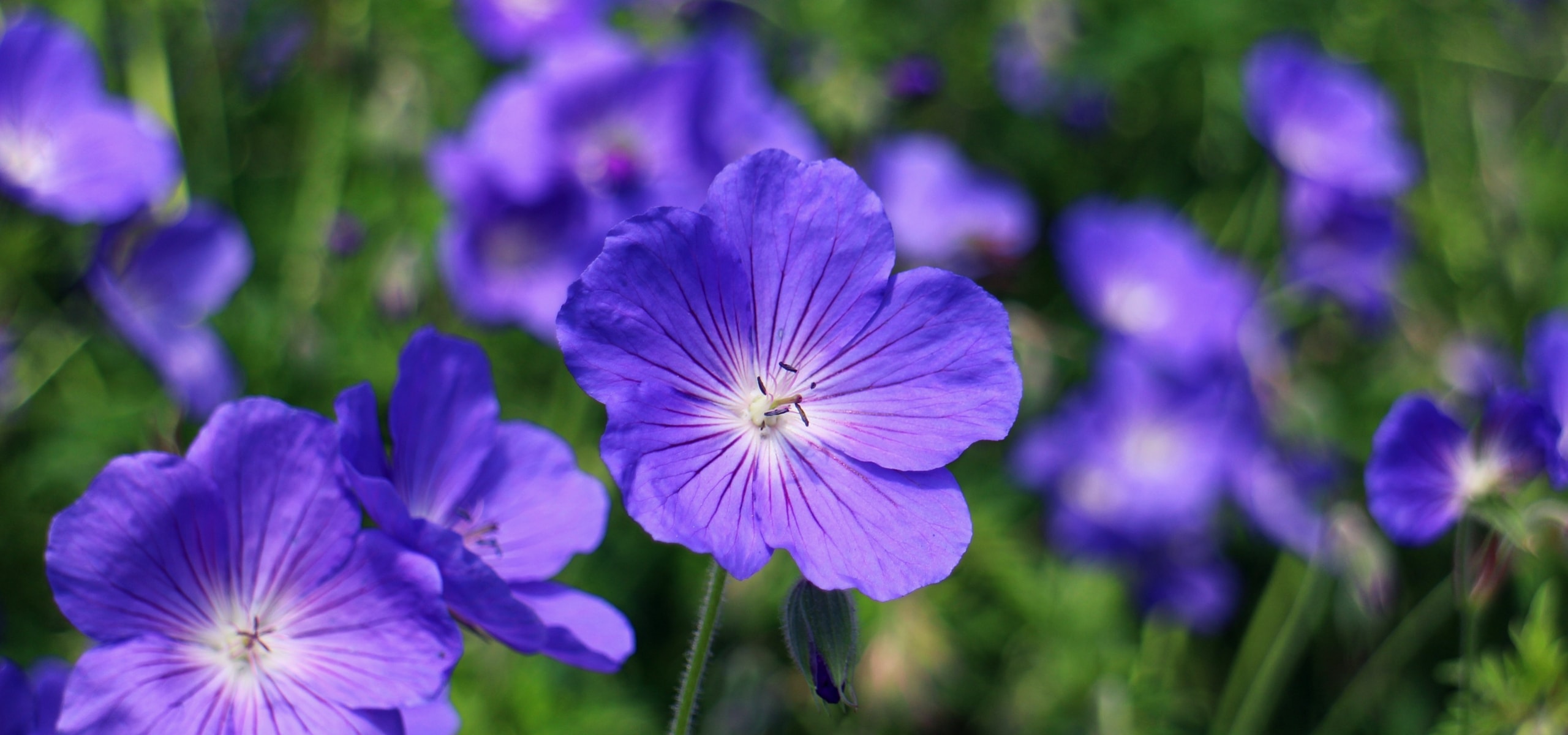
Cette espèce sauvage appartient à la famille des Géraniacées. C’est une plante vivace herbacée caduque : ses tiges feuillées disparaissent en hiver, tandis que la souche reste vivante sous terre. Son aire de répartition naturelle s’étend de l’Europe à la Sibérie occidentale et au Caucase. Elle pousse dans les pelouses sèches, les rocailles, les lisières claires et les bois ouverts, le plus souvent sur des terrains calcaires, pauvres et filtrants ; on la trouve aussi dans des dunes côtières stabilisées. Son nom botanique a été publié par Carl von Linné en 1753. Dans la nature, cette plante présente une certaine variabilité de hauteur et de couleur. Son rhizome épais et horizontal produit au printemps des tiges velues, couchées à ascendantes, qui se ramifient et élargissent progressivement la touffe. Au jardin, cette végétation atteint 25 à 30 cm de hauteur pour 40 à 50 cm d’envergure. Les feuilles arrondies dans leur contour sont divisées presque jusqu’à la base en cinq à sept lobes étroits, eux-mêmes découpés. D'un vert franc au printemps et en été, le feuillage prend des tons rouges à orangés en automne avant de disparaître. Portées seules au-dessus des feuilles, les fleurs mesurent 3 à 4 cm de diamètre. Chacune compte cinq pétales légèrement échancrés, d’un rose magenta vif veiné de pourpre, disposés en coupe largement ouverte. La floraison principale se déroule en juin et juillet ; quelques fleurs peuvent éclore jusqu’à la fin de l’été si la plante ne subit pas une sécheresse prolongée. Elles sont visitées par les abeilles, les papillons et d’autres insectes pollinisateurs. Après fécondation, le fruit s’allonge en formant un bec caractéristique.
Cette vivace résiste à des gelées inférieures à -20 °C. Une fois enracinée, elle supporte bien la sécheresse, la chaleur et le vent. Elle accepte un sol argileux si l’eau s’en évacue vite, mais redoute l’humidité stagnante en hiver.
Bonne plante de rocaille et de bordure de massif, le géranium sanguineum s'installe aussi au-dessus d’un muret. On peut l'associer au feuillage gris et laineux du Stachys byzantina ‘Big Ears’, aux corolles blanches de l'œillet Dianthus plumarius ‘Haytor White’ et aux petites fleurs rose pourpré du Teucrium × lucidrys. Quelques ails d'ornement Allium sphaerocephalon dresseront en été leurs têtes ovoïdes de couleur lie-de-vin au-dessus des plantes voisines. Dans une scène plus naturelle, le géranium sanguin peut aussi se mêler à des thyms rampants et à de petites graminées de terrain sec telles que des fétuques bleues, en laissant entre les touffes quelques pierres apparentes.
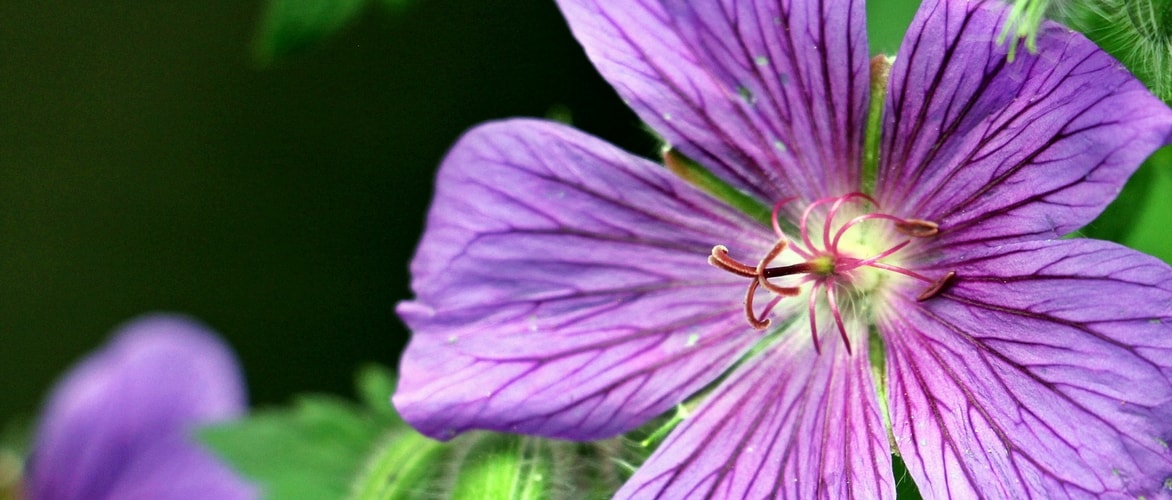
Geranium sanguineum in pictures


Flowering
Foliage
Plant habit
Botanical data
Geranium
sanguineum
Geraniaceae
Bloody Cranesbill, Bloody Geranium
Western Europe, Caucasus, West Asia
Planting and care
Le Geranium sanguineum can be planted from September to November or from February to April, in full sun or light shade. Choose a well-drained soil, even poor, stony or chalky soil. In compact clay soil, raise the planting area and loosen it deeply so that water drains away quickly. Space the young plants 35 to 40 cm apart, that is five per square metre. Water at planting time and then during the first summer when the soil dries out deep down. A well-rooted plant will then only need water in cases of prolonged drought; occasional watering at this time will encourage flowering to continue. Divide clumps that have become too large in spring or early autumn.
Planting period
Intended location
Care
Planting & care advice
-
-
-
-
-
-
-
-
-
, onOrder confirmed
Reply from on Promesse de fleurs
Recently viewed products
Haven't found what you were looking for?
Hardiness is the lowest winter temperature a plant can endure without suffering serious damage or even dying. However, hardiness is affected by location (a sheltered area, such as a patio), protection (winter cover) and soil type (hardiness is improved by well-drained soil).

The flowering period indicated on our website applies to countries and regions located in USDA zone 8 (France, the United Kingdom, Ireland, the Netherlands, etc.)
It will vary according to where you live:- In zones 9 to 10 (Italy, Spain, Greece, etc.), flowering will occur about 2 to 4 weeks earlier.
- In zones 6 to 7 (Germany, Poland, Slovenia, and lower mountainous regions), flowering will be delayed by 2 to 3 weeks.
- In zone 5 (Central Europe, Scandinavia), blooming will be delayed by 3 to 5 weeks.
In temperate climates, pruning of spring-flowering shrubs (forsythia, spireas, etc.) should be done just after flowering.
Pruning of summer-flowering shrubs (Indian Lilac, Perovskia, etc.) can be done in winter or spring.
In cold regions as well as with frost-sensitive plants, avoid pruning too early when severe frosts may still occur.
The planting period indicated on our website applies to countries and regions located in USDA zone 8 (France, United Kingdom, Ireland, Netherlands).
It will vary according to where you live:
- In Mediterranean zones (Marseille, Madrid, Milan, etc.), autumn and winter are the best planting periods.
- In continental zones (Strasbourg, Munich, Vienna, etc.), delay planting by 2 to 3 weeks in spring and bring it forward by 2 to 4 weeks in autumn.
- In mountainous regions (the Alps, Pyrenees, Carpathians, etc.), it is best to plant in late spring (May-June) or late summer (August-September).
The harvesting period indicated on our website applies to countries and regions in USDA zone 8 (France, England, Ireland, the Netherlands).
In colder areas (Scandinavia, Poland, Austria...) fruit and vegetable harvests are likely to be delayed by 3-4 weeks.
In warmer areas (Italy, Spain, Greece, etc.), harvesting will probably take place earlier, depending on weather conditions.
The sowing periods indicated on our website apply to countries and regions within USDA Zone 8 (France, UK, Ireland, Netherlands).
In colder areas (Scandinavia, Poland, Austria...), delay any outdoor sowing by 3-4 weeks, or sow under glass.
In warmer climes (Italy, Spain, Greece, etc.), bring outdoor sowing forward by a few weeks.
Shipping country and language
Your country of residence may be:
Your country of residence is:
For a better user experience on our website, you can select:
Your shipping country:
-
 Austria
-
 Belgium
-
 Bosnia & Herzegovina
-
 Bulgaria
-
 Croatia
-
 Cyprus
-
 Czechia
-
 Denmark
-
 Estonia
-
 Finland
-
 France
-
 Germany
-
 Greece
-
 Hungary
-
 Iceland
-
 Ireland
-
 Italy
-
 Latvia
-
 Liechtenstein
-
 Lithuania
-
 Luxembourg
-
 Malta
-
 Netherlands
-
 Poland
-
 Portugal
-
 Romania
-
 Serbia
-
 Slovakia
-
 Slovenia
-
 Spain
-
 Sweden
-
 Switzerland
Language:
-
French
-
 English
-
Spanish
-
Italian
-
German
-
Portuguese
-
Dutch
-
Finnish
My Account
Hello
My wish lists
My cart
Log in / Register
Existing customer?
This form is protected by reCAPTCHA - the Google Privacy Policy and Terms of Service apply.
New customer?
Create an account to track your orders, access our customer service and, if you wish, make the most of our upcoming offers.