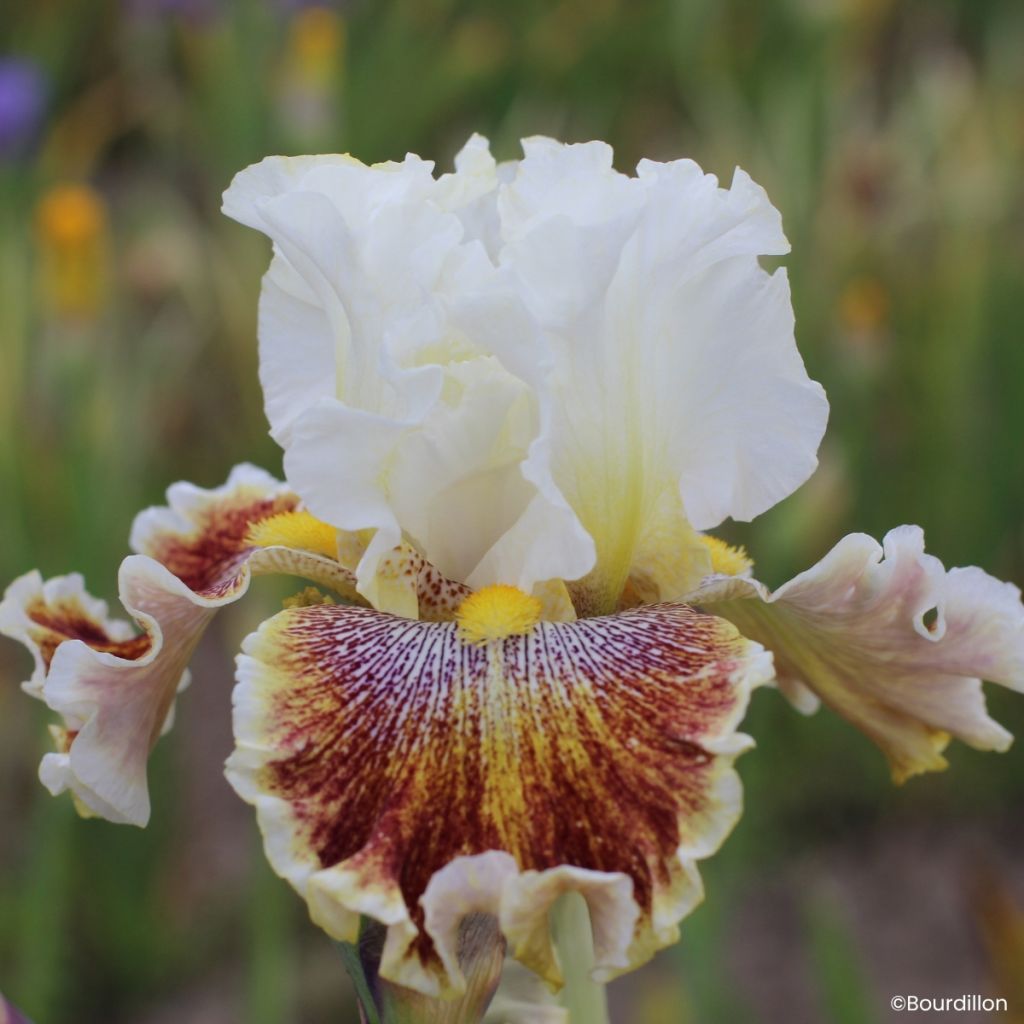
Iris germanica Wonder Never Cease - Tall Bearded Iris
Iris germanica Wonder Never Cease - Tall Bearded Iris
Iris germanica Wonder Never Cease
Bearded Iris
Back-to-school special offer!
Get €10 off for every €50 you spend! And get up to €40 off on a single order.
How does it work?
1. Shop your favourites
Add your favourite plants to your basket. For every €50 you spend (excluding delivery charges, store credit and the plastic-free option), you’ll receive a €10 voucher.
€50 spent = €10 voucher
€100 spent = €20 voucher
€150 spent = €30 voucher
€200 spent = €40 voucher
2. Place your order
Once your basket reaches one of the spending thresholds, place your order. You can even choose your delivery date!
3. Receive your voucher
As soon as your order has been shipped, you’ll receive an email containing your personal voucher code and its value.
4. Use it on your next order
Your voucher is valid for 90 days from the date you receive it. It can be used once only, on a new order worth at least the value of the voucher, excluding delivery charges.
Please note: Vouchers can be combined with other offers, but cannot be split or refunded.
Why not try an alternative variety in stock?
View all →
Available in 1 sizes
Available in 2 sizes
Available in 2 sizes
Available in 2 sizes
Available in 2 sizes
Available in 2 sizes
Available in 2 sizes
Available in 2 sizes
Available in 2 sizes
Available in 2 sizes
This plant carries a 12 months recovery warranty
More information
We guarantee the quality of our plants for a full growing cycle, and will replace at our expense any plant that fails to recover under normal climatic and planting conditions.
Would this plant suit my garden?
Set up your Plantfit profile →
Description
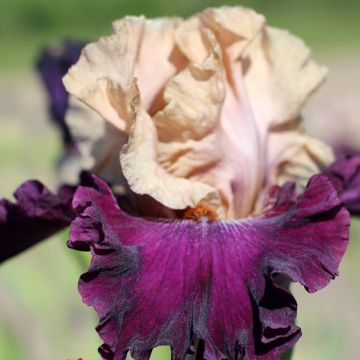
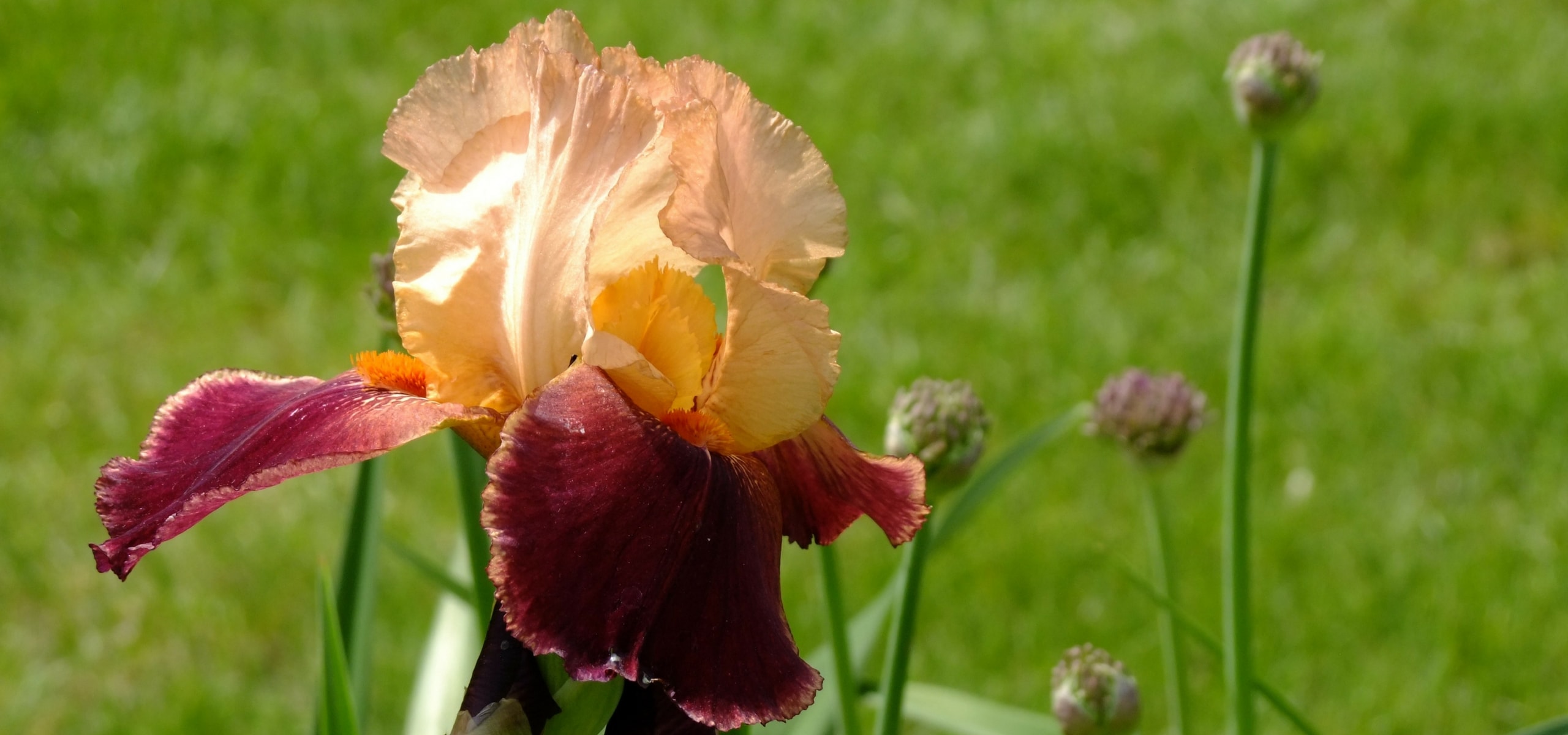
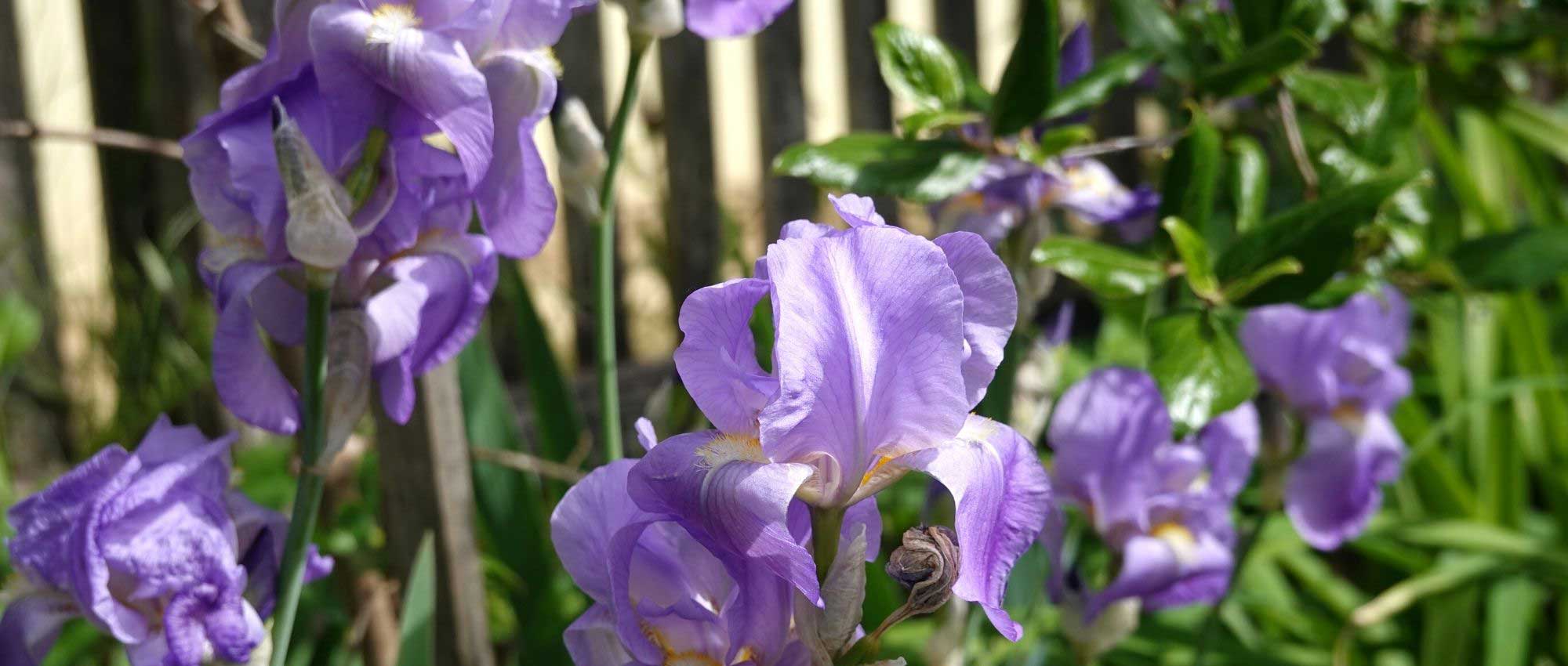
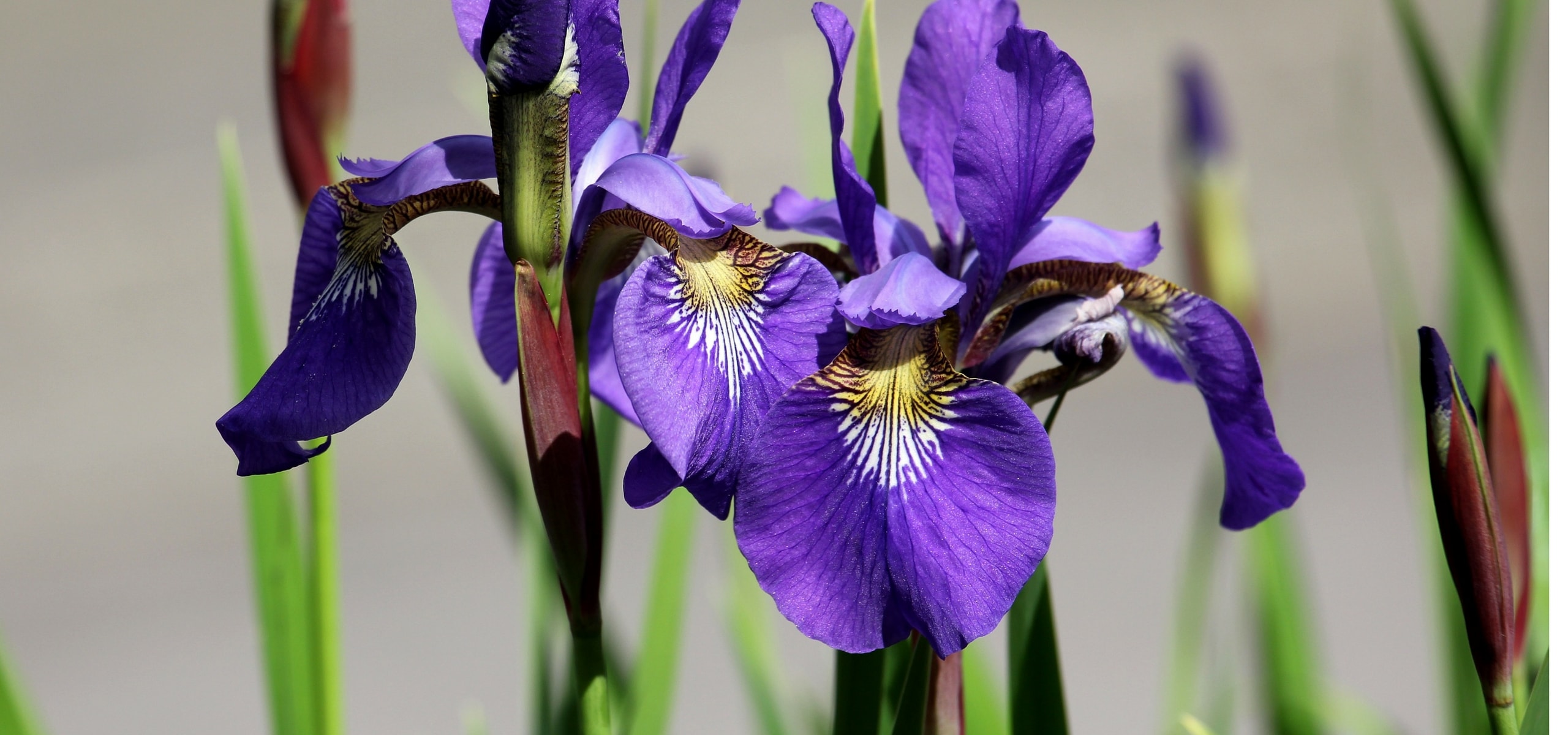
Iris germanica 'Wonder Never Cease' is a tall, large-flowered garden iris of great class. A mid-season variety, reaching 1 m in height, its branched flower stems bear large flowers with irresistible charm. The erect central petals of a relatively uniform cream-white allow the trailing sepals to show off the complex beauty of their colours. Blending cream with brick red, sometimes verging on burgundy and chocolate, this harmony of hues is further enhanced by the conspicuous yellow beards. An imposing and attractive variety, easy to grow in well-drained, neutral to lime-rich soil.
Iris germanica 'Wonder Never Cease' is a rhizomatous perennial with deciduous foliage, forming vigorous, upright clumps. This tall bearded iris belongs to the Iridaceae family, like the popular Crocus and Gladiolus, or the less common but magnificent Crocosmias. The species Iris germanica, also known as the German iris, is thought to be the result of crosses between several botanical species. Classified among the bearded irises because of the small hairy crest on the sepals, it is one of the most popular and widely cultivated irises in gardens.
'Wonder Never Cease' is an American cultivar from the breeder Paul Black, introduced in 2007. At various horticultural shows, it has received numerous awards: Honorable Mention 2009, Favorite Guest 2009 and 2010, and finally an Award of Merit in 2011. It is a cross between 'Time Will Tell', a tall purple-toned iris, and a hybrid itself derived from 'Dream Of Gold' (golden, as its name suggests) and 'Epicenter', a deep purple. As is often the case with irises, the result is quite counterintuitive since 'Wonder Never Cease' offers a cream-white dominance, combined with gold and brick red more or less tinged with burgundy. A mid-season variety, it flowers between mid-April and mid-May depending on the region. Large branched flower stems emerge from the centre of the clump of long glaucous green leaves. They most often bear 3 flowers, set at different heights, which shows them off to great effect. Measuring 12 to 14 cm or more, they are admired from afar when in full bloom. The corollas are formed by three upright petals with delightfully crinkled edges, of a uniform cream-white, subtly edged with golden yellow. The three sepals, which emerge more or less horizontally, then curve gracefully downwards, as if to better display their finery. Coloured veins as if escaped from a pointillist painting cover most of the sepal, leaving only a cream-white peripheral margin matching the petals. One can distinguish a heart with a purplish dominance, then turning into a red burgundy intertwined with gold veins. A lovely golden-yellow beard further enhances this subtle combination of colours. Over time, the clump quickly expands. As with many bearded irises, the central rhizomes tend to gradually become bare while the more peripheral ones ensure the plant's expansion.
Iris 'Wonder Never Cease' is one of those majestic varieties whose flowering we eagerly await each year. However, it should be borne in mind that this flowering is quite brief, two to three weeks, and afterwards the overall appearance of the clump is much less attractive. That is why it is advisable to combine other plants in a bed to take over at the end of May, hiding the foliage that has become unsightly. Nevertheless, remember to leave a little space around your iris clumps so that you can divide them when the time comes, without harming the other plants. To herald spring, you can plant a few bulbs that will brighten the first fine days. Low-growing ground-cover perennials like Nepetas will be perfect for hiding the somewhat dried leaves of your Iris in summer. You can trim them back without fear when you need to extract your iris rhizomes; they will regrow quickly. Also consider ornamental grasses, which, swayed by the wind, will bring dynamism to your scene.
Flowering
Foliage
Plant habit
Botanical data
Iris
germanica
Wonder Never Cease
Iridaceae
Bearded Iris
Cultivar or hybrid
Planting and care
Plant the iris ‘Wonder Never Cease’ preferably in summer, from July to September. Choose a very sunny position, with at least six hours of direct sun a day, as shade significantly reduces flowering. Install it in fertile soil, neutral to lime-rich, especially well-drained; in clay soil, loosen thoroughly and add gravel or coarse sand to prevent stagnant water around the rootstock. You can even plant on a mound if your soil is very water-retentive. Place the rootstock almost at the surface, with the upper side exposed to the sun, and bury only the roots. Space plants 30 to 40 cm apart. Water at planting time, then only during prolonged drought in the first year. Remove faded flowers, cut back flowered stems to the base and take off dry leaves at the end of winter.
Divide the rootstocks every three or four years, in summer, when the centre of the clump flowers less. Keep only the best rootstocks to rebuild a fine clump.
Planting period
Intended location
Care
Planting & care advice
-
-
-
-
-
-
-
-
This item has not been reviewed yet - be the first to leave a review about it.
Recently viewed products
Haven't found what you were looking for?
Hardiness is the lowest winter temperature a plant can endure without suffering serious damage or even dying. However, hardiness is affected by location (a sheltered area, such as a patio), protection (winter cover) and soil type (hardiness is improved by well-drained soil).

The flowering period indicated on our website applies to countries and regions located in USDA zone 8 (France, the United Kingdom, Ireland, the Netherlands, etc.)
It will vary according to where you live:- In zones 9 to 10 (Italy, Spain, Greece, etc.), flowering will occur about 2 to 4 weeks earlier.
- In zones 6 to 7 (Germany, Poland, Slovenia, and lower mountainous regions), flowering will be delayed by 2 to 3 weeks.
- In zone 5 (Central Europe, Scandinavia), blooming will be delayed by 3 to 5 weeks.
In temperate climates, pruning of spring-flowering shrubs (forsythia, spireas, etc.) should be done just after flowering.
Pruning of summer-flowering shrubs (Indian Lilac, Perovskia, etc.) can be done in winter or spring.
In cold regions as well as with frost-sensitive plants, avoid pruning too early when severe frosts may still occur.
The planting period indicated on our website applies to countries and regions located in USDA zone 8 (France, United Kingdom, Ireland, Netherlands).
It will vary according to where you live:
- In Mediterranean zones (Marseille, Madrid, Milan, etc.), autumn and winter are the best planting periods.
- In continental zones (Strasbourg, Munich, Vienna, etc.), delay planting by 2 to 3 weeks in spring and bring it forward by 2 to 4 weeks in autumn.
- In mountainous regions (the Alps, Pyrenees, Carpathians, etc.), it is best to plant in late spring (May-June) or late summer (August-September).
The harvesting period indicated on our website applies to countries and regions in USDA zone 8 (France, England, Ireland, the Netherlands).
In colder areas (Scandinavia, Poland, Austria...) fruit and vegetable harvests are likely to be delayed by 3-4 weeks.
In warmer areas (Italy, Spain, Greece, etc.), harvesting will probably take place earlier, depending on weather conditions.
The sowing periods indicated on our website apply to countries and regions within USDA Zone 8 (France, UK, Ireland, Netherlands).
In colder areas (Scandinavia, Poland, Austria...), delay any outdoor sowing by 3-4 weeks, or sow under glass.
In warmer climes (Italy, Spain, Greece, etc.), bring outdoor sowing forward by a few weeks.
Shipping country and language
Your country of residence may be:
Your country of residence is:
For a better user experience on our website, you can select:
Your shipping country:
-
 Austria
-
 Belgium
-
 Bosnia & Herzegovina
-
 Bulgaria
-
 Croatia
-
 Cyprus
-
 Czechia
-
 Denmark
-
 Estonia
-
 Finland
-
 France
-
 Germany
-
 Greece
-
 Hungary
-
 Iceland
-
 Ireland
-
 Italy
Italy
-
 Latvia
-
 Liechtenstein
-
 Lithuania
-
 Luxembourg
-
 Malta
Malta
-
 Netherlands
-
 Poland
-
 Portugal
-
 Romania
-
 Serbia
-
 Slovakia
-
 Slovenia
-
 Spain
Spain
-
 Sweden
-
 Switzerland
Language:
-
French
-
 English
-
Spanish
-
Italian
-
German
-
Portuguese
-
Dutch
-
Finnish
My Account
Hello
My wish lists
My cart
Log in / Register
Existing customer?
This form is protected by reCAPTCHA - the Google Privacy Policy and Terms of Service apply.
New customer?
Create an account to track your orders, access our customer service and, if you wish, make the most of our upcoming offers.