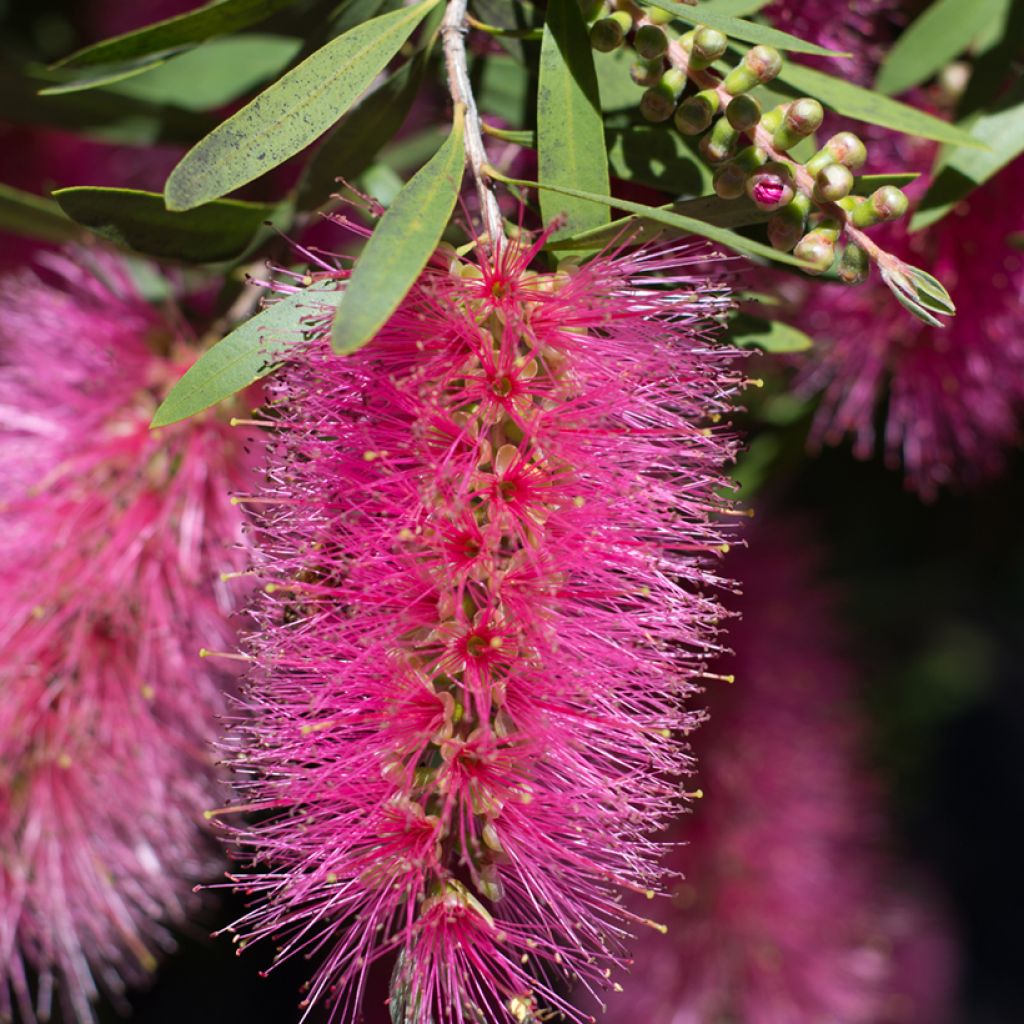
Callistemon viminalis Bright Pink - Bottlebrush
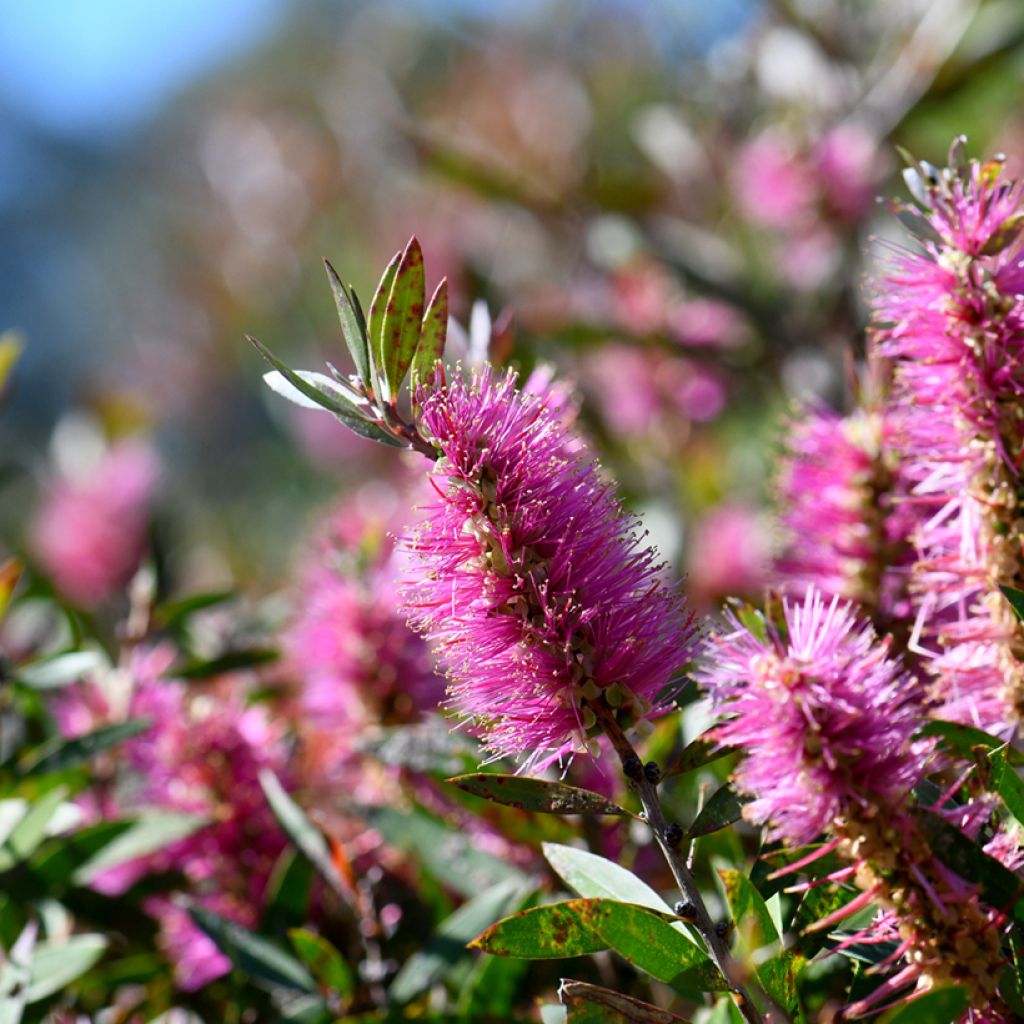
Callistemon viminalis Bright Pink - Bottlebrush
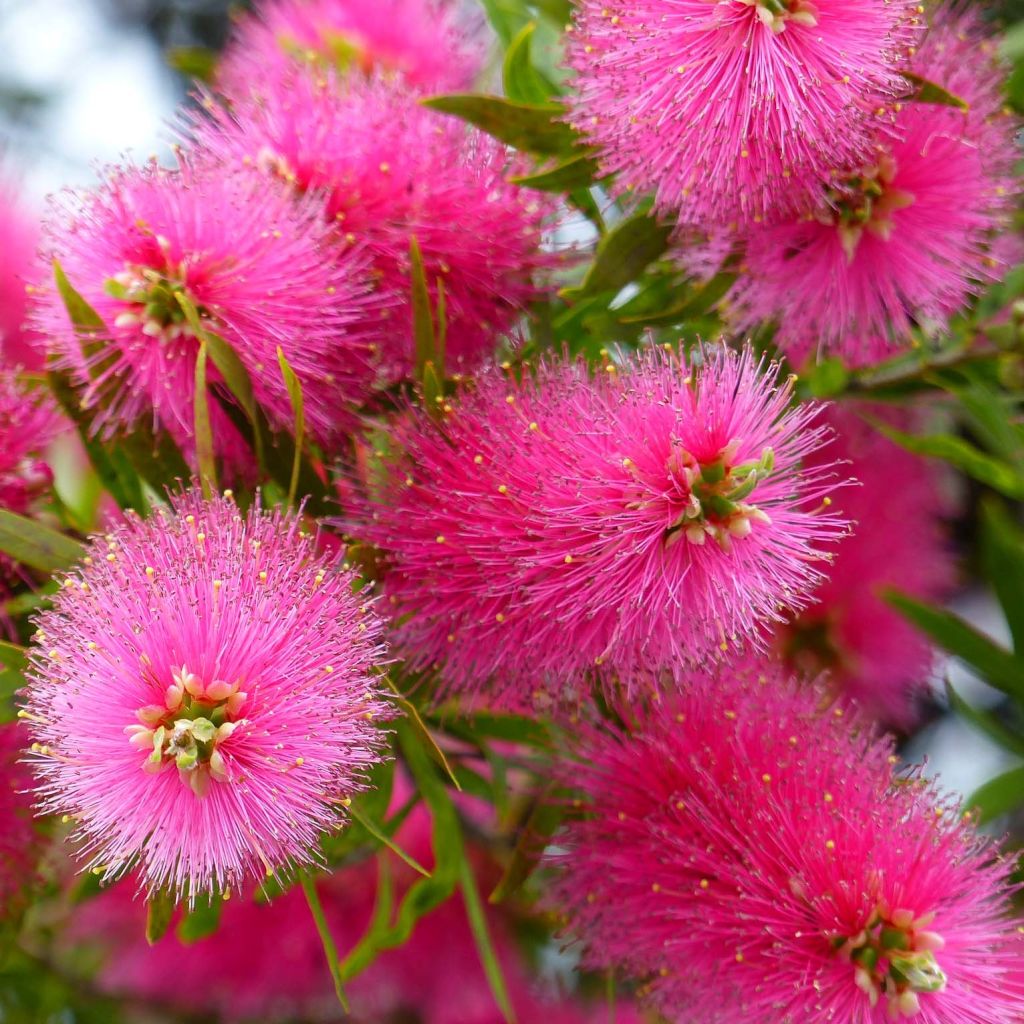
Callistemon viminalis Bright Pink - Bottlebrush
Callistemon viminalis Bright Pink - Bottlebrush
Callistemon viminalis Bright Pink
Weeping Bottlebrush, Creek Bottlebrush, Callistemon viminalis
Thank you for refunding this young plant that I had ordered for this lovely rose when it was bright red!
Martine, 12/04/2023
Back-to-school special offer!
Get €10 off for every €50 you spend! And get up to €40 off on a single order.
How does it work?
1. Shop your favourites
Add your favourite plants to your basket. For every €50 you spend (excluding delivery charges, store credit and the plastic-free option), you’ll receive a €10 voucher.
€50 spent = €10 voucher
€100 spent = €20 voucher
€150 spent = €30 voucher
€200 spent = €40 voucher
2. Place your order
Once your basket reaches one of the spending thresholds, place your order. You can even choose your delivery date!
3. Receive your voucher
As soon as your order has been shipped, you’ll receive an email containing your personal voucher code and its value.
4. Use it on your next order
Your voucher is valid for 90 days from the date you receive it. It can be used once only, on a new order worth at least the value of the voucher, excluding delivery charges.
Please note: Vouchers can be combined with other offers, but cannot be split or refunded.
Why not try an alternative variety in stock?
View all →
Available in 1 sizes

Available in 2 sizes
Available in 1 sizes
Available in 2 sizes

Available in 3 sizes

Available in 3 sizes
Available in 2 sizes

Available in 2 sizes

Available in 2 sizes

Available in 1 sizes
This plant carries a 24 months recovery warranty
More information
We guarantee the quality of our plants for a full growing cycle, and will replace at our expense any plant that fails to recover under normal climatic and planting conditions.

Would this plant suit my garden?
Set up your Plantfit profile →
Description
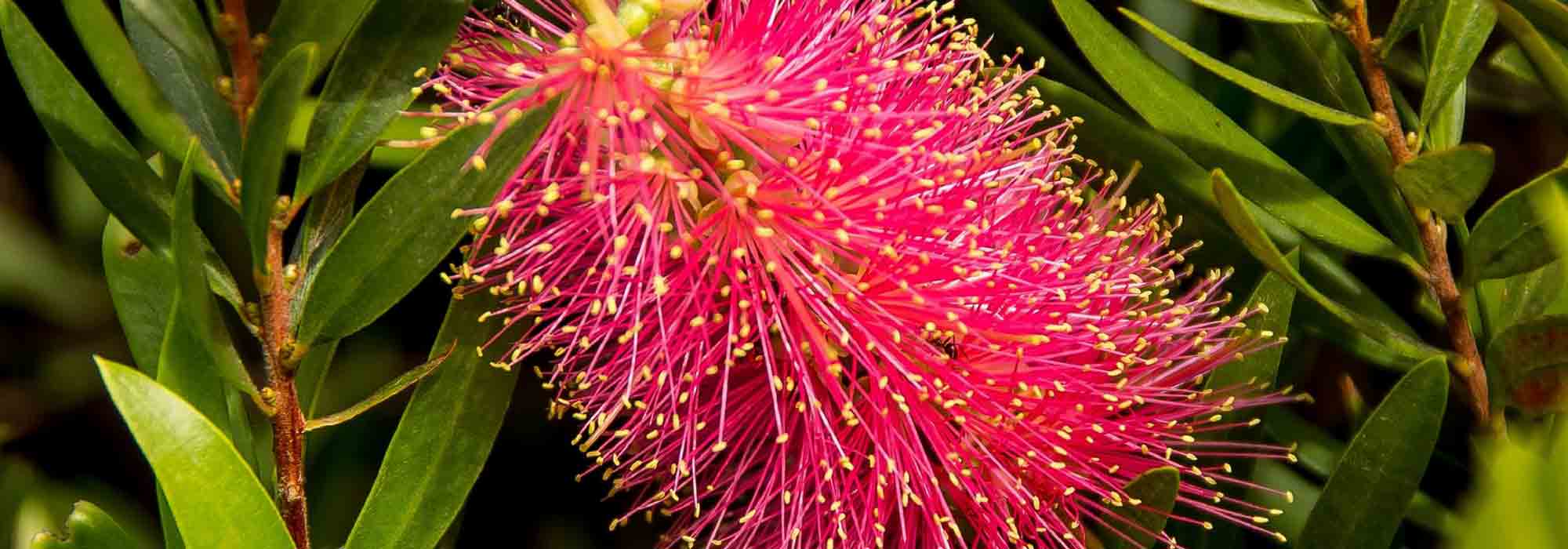
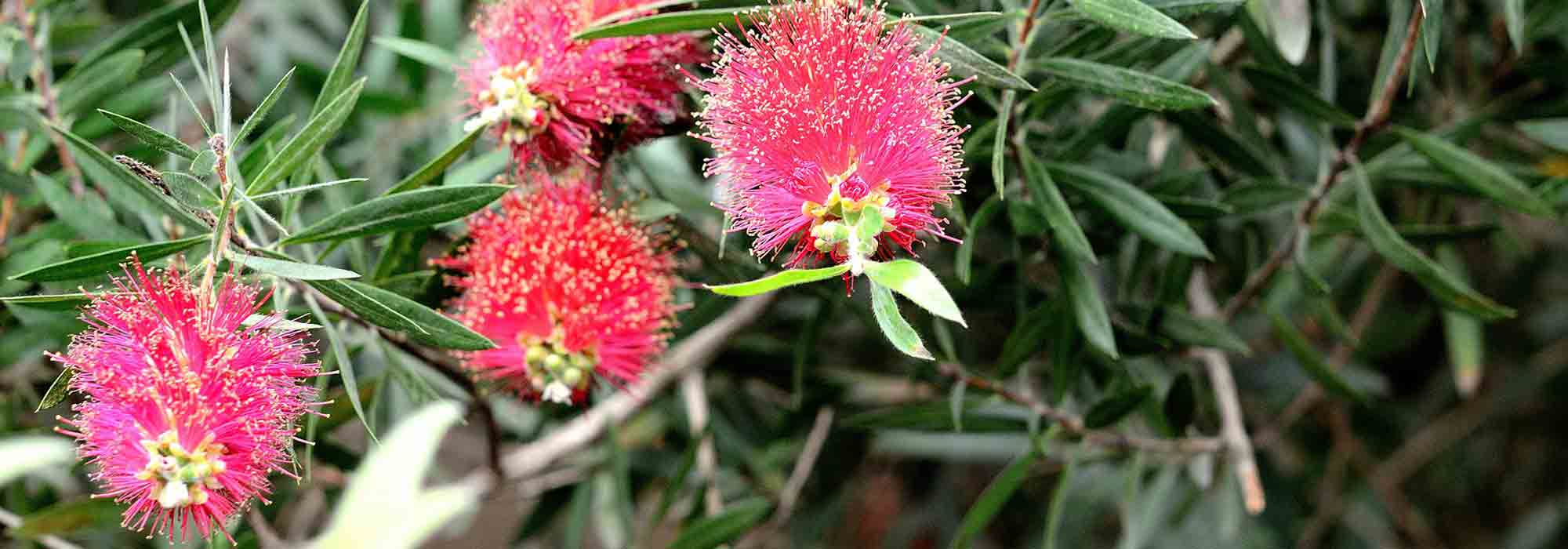
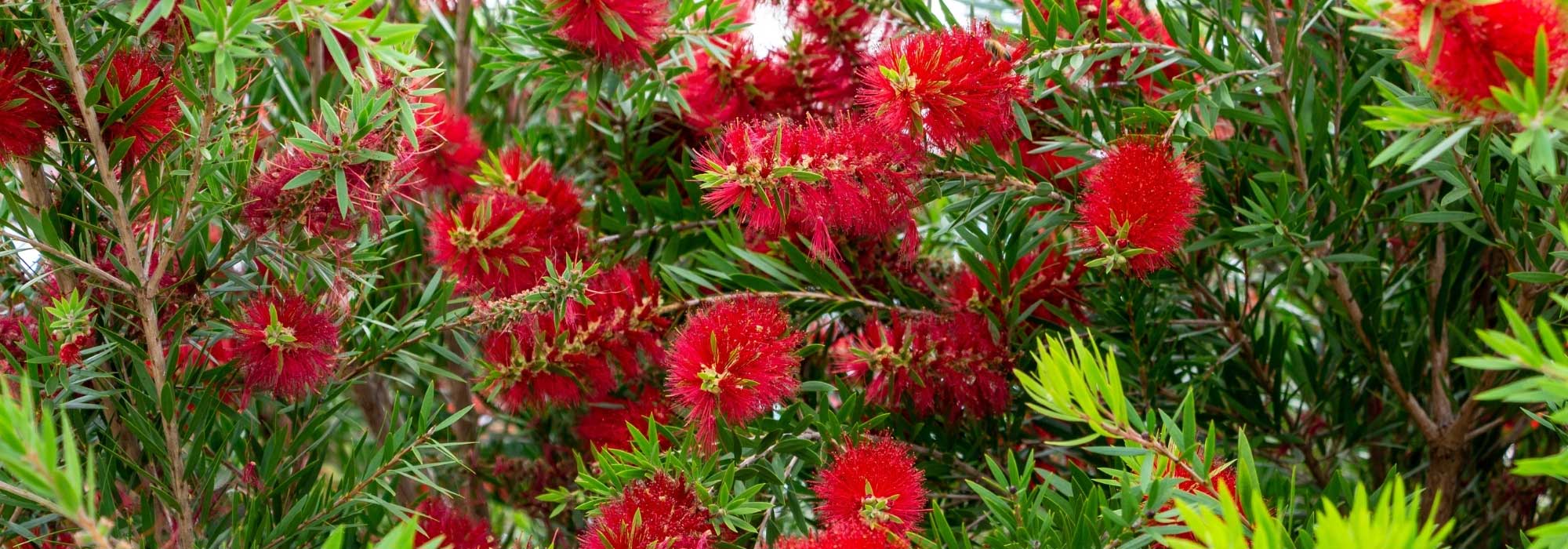
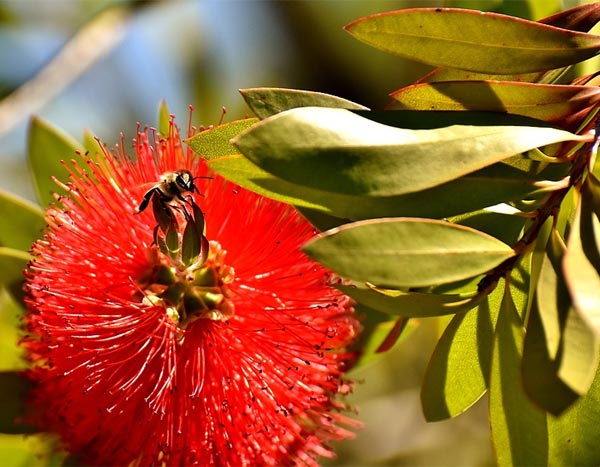
Callistemon viminalis 'Bright Pink' is a variety of Bottlebrush that is interesting for its more compact size than the typical species, reaching an average height of 3m (9ft 10in) with a spread of only 1.50m. This small tree, with beautiful ornamental qualities, has a semi-weeping habit, fine and elegant evergreen foliage, and dazzling spring flowering in the form of bright pink bottlebrush-like spikes, lighter than the cultivar 'Hot Pink'. Depending on the climate, the flowering can be perpetual in autumn. It is a fairly adaptable species in cultivation, valuable for landscaping in mild climates. It can be planted in a row to form a screen, or even as a standalone specimen in a small garden. It is also a good greenhouse plant in colder climates.
Callistemon viminalis, also known as Weeping Bottlebrush, is a large shrub in the myrtle family, related to myrtles and Leptospermum, native to southeastern Australia, specifically the states of New South Wales and Queensland, where it is often found growing along watercourses, in partial shade. It reaches a height of 15m (49ft 2in) in its natural environment, but rarely exceeds 7m (23ft) with a spread of 2 to 3m (6ft 7in to 9ft 10in) under our climates.
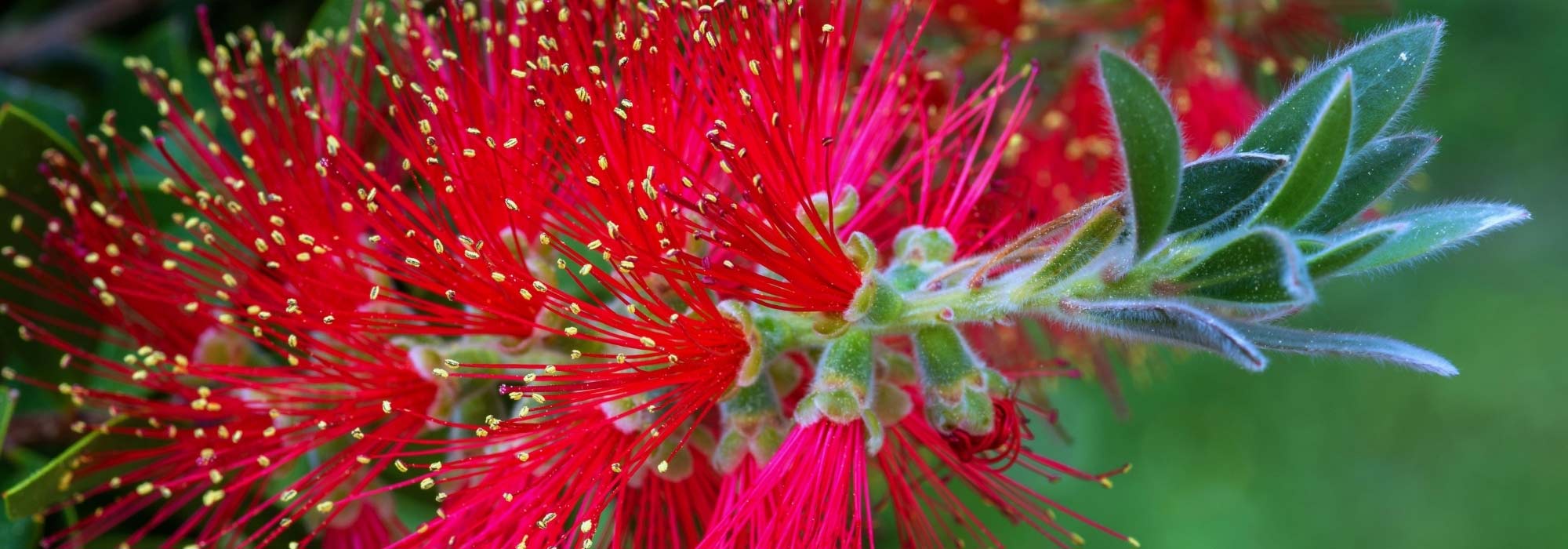
It is an evergreen shrub in mild climates, with brittle wood, forming a dense domed crown composed of trailing branches. Its growth is rather fast. Its linear and narrow foliage is divided into leaflets measuring 2 to 8cm (0.8 to 3.1in) long, with a beautiful grey-green colour. In spring, young shoots tinged with red appear at the tips of the branches. Its axillary flowers are composed of very long pink stamens, arranged in cylindrical spikes at the tips of flexible young branches. These inflorescences are about 5cm (2in) in diameter and 7cm (2.8in) in length, and hang slightly. The terminal bud develops new leaves and then new spikes several times, while the old inflorescence produces small cup-shaped fruits. The flowering can occur multiple times during the season in cool soil and warm climate, especially in late summer. Its grey-brown bark is fissured and decorative. It is also a honey and nectar plant that attracts many pollinating insects to the garden.
Hardy to about -5°C/-6°C (21.2 °F), Callistemon viminalis tolerates summer drought once established, but appreciates water in dry climates. In a greenhouse or conservatory, it can be combined with an orange tree, a Tibouchina or a Mimosa to create an extremely decorative quartet, evoking landscapes with exotic charm and fragrances. In mild climates, especially on the Mediterranean coast or in the south of the Atlantic façade of our country, it can be used as a standalone specimen - it deserves it - in an informal hedge or at the back of a border, even on the edge of woodland. It can also be planted in an evergreen hedge, accompanied by a shrub Ceanothus ('Italian Skies', 'Concha', 'Puget Blue', 'Skylark'...), a spring-flowering broom, or Oleanders (Nerium oleander 'Soleil Levant' or 'Provence'). Its good tolerance to salt allows for coastal exposure, facing wind and salt spray.
Callistemon viminalis Bright Pink - Bottlebrush in pictures
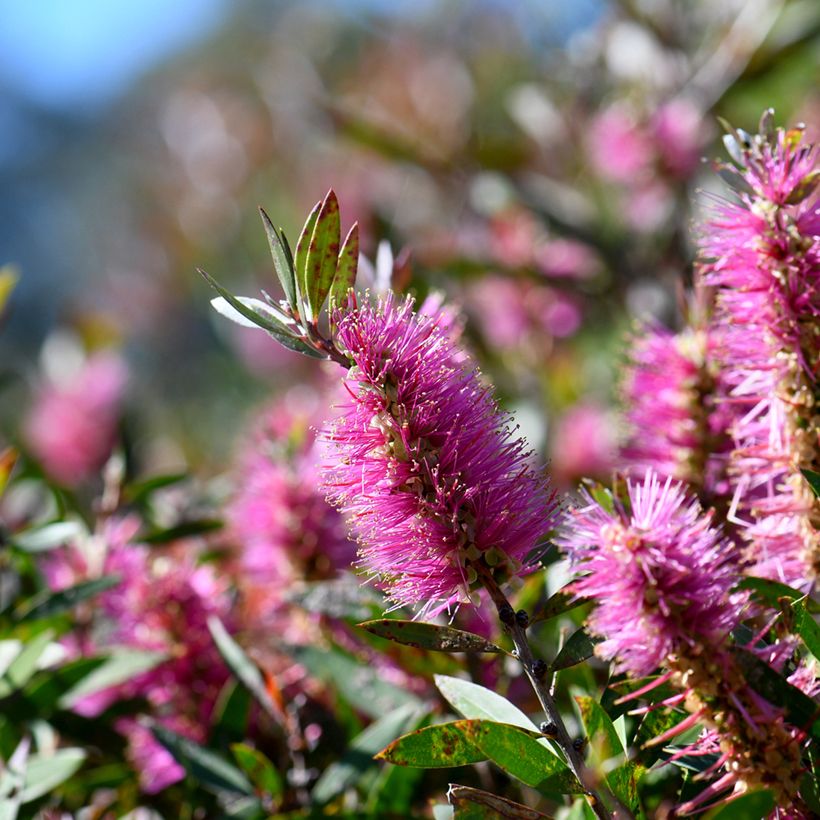
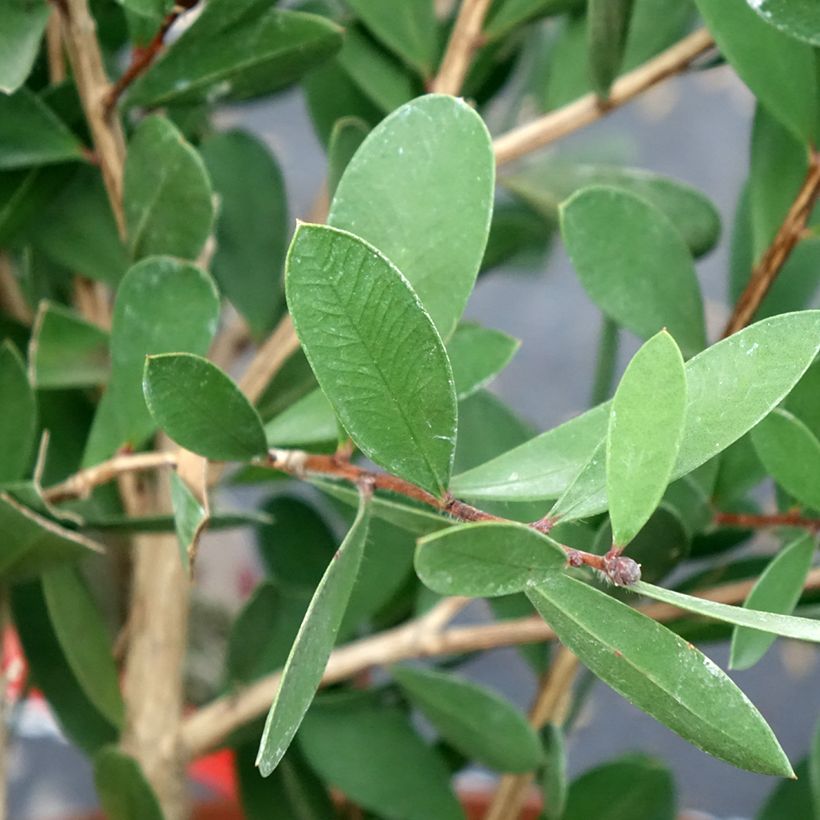
Plant habit
Flowering
Foliage
Botanical data
Callistemon
viminalis
Bright Pink
Myrtaceae
Weeping Bottlebrush, Creek Bottlebrush, Callistemon viminalis
Cultivar or hybrid
Planting and care
Callistemon viminalis will thrive in a light, well-drained, fertile soil that is moist to dry in summer, even though it greatly appreciates frequent watering to support its beautiful flowering. Loose soil, whether humus-rich, slightly rocky or sandy, slightly acidic, neutral or even slightly alkaline, will do. It tolerates sea spray well and tolerates poorly drained or heavy soils better than most other Callistemon species. Plant it in September-October in a warm climate. It will flourish in full sun or partial shade and likes to have warm roots. Under these conditions, it is hardy down to -5 or -6°C (23 or 21.2 °F) and can live for many years. Surround it with winter protection in colder regions, insulate it from the cold as much as possible. Place it in the warmest corner of the garden, in full sun against a south-facing wall. However, in our regions further away from the sea, it will be necessary to cultivate it in a large pot and store it indoors in a bright but unheated space during winter.
Pot cultivation:
Ensure good drainage at the bottom of the pot, which should be large in size. Use a lightweight substrate, enriched with leaf compost, and apply a slow-release fertilizer in late winter and autumn. Water generously in summer, allowing the soil to dry out slightly between waterings. The more you water, the more your Callistemon will flower.
Planting period
Intended location
Care
Planting & care advice
-

-

-
-
-
-

-
-

-
, onOrder confirmed
Reply from on Promesse de fleurs
Recently viewed products
Haven't found what you were looking for?
Hardiness is the lowest winter temperature a plant can endure without suffering serious damage or even dying. However, hardiness is affected by location (a sheltered area, such as a patio), protection (winter cover) and soil type (hardiness is improved by well-drained soil).

The flowering period indicated on our website applies to countries and regions located in USDA zone 8 (France, the United Kingdom, Ireland, the Netherlands, etc.)
It will vary according to where you live:- In zones 9 to 10 (Italy, Spain, Greece, etc.), flowering will occur about 2 to 4 weeks earlier.
- In zones 6 to 7 (Germany, Poland, Slovenia, and lower mountainous regions), flowering will be delayed by 2 to 3 weeks.
- In zone 5 (Central Europe, Scandinavia), blooming will be delayed by 3 to 5 weeks.
In temperate climates, pruning of spring-flowering shrubs (forsythia, spireas, etc.) should be done just after flowering.
Pruning of summer-flowering shrubs (Indian Lilac, Perovskia, etc.) can be done in winter or spring.
In cold regions as well as with frost-sensitive plants, avoid pruning too early when severe frosts may still occur.
The planting period indicated on our website applies to countries and regions located in USDA zone 8 (France, United Kingdom, Ireland, Netherlands).
It will vary according to where you live:
- In Mediterranean zones (Marseille, Madrid, Milan, etc.), autumn and winter are the best planting periods.
- In continental zones (Strasbourg, Munich, Vienna, etc.), delay planting by 2 to 3 weeks in spring and bring it forward by 2 to 4 weeks in autumn.
- In mountainous regions (the Alps, Pyrenees, Carpathians, etc.), it is best to plant in late spring (May-June) or late summer (August-September).
The harvesting period indicated on our website applies to countries and regions in USDA zone 8 (France, England, Ireland, the Netherlands).
In colder areas (Scandinavia, Poland, Austria...) fruit and vegetable harvests are likely to be delayed by 3-4 weeks.
In warmer areas (Italy, Spain, Greece, etc.), harvesting will probably take place earlier, depending on weather conditions.
The sowing periods indicated on our website apply to countries and regions within USDA Zone 8 (France, UK, Ireland, Netherlands).
In colder areas (Scandinavia, Poland, Austria...), delay any outdoor sowing by 3-4 weeks, or sow under glass.
In warmer climes (Italy, Spain, Greece, etc.), bring outdoor sowing forward by a few weeks.
Shipping country and language
Your country of residence may be:
Your country of residence is:
For a better user experience on our website, you can select:
Your shipping country:
-
 Austria
-
 Belgium
-
 Bosnia & Herzegovina
-
 Bulgaria
-
 Croatia
-
 Cyprus
-
 Czechia
-
 Denmark
-
 Estonia
-
 Finland
-
 France
-
 Germany
-
 Greece
-
 Hungary
-
 Iceland
-
 Ireland
-
 Italy
Italy
-
 Latvia
-
 Liechtenstein
-
 Lithuania
-
 Luxembourg
-
 Malta
Malta
-
 Netherlands
-
 Poland
-
 Portugal
-
 Romania
-
 Serbia
-
 Slovakia
-
 Slovenia
-
 Spain
Spain
-
 Sweden
-
 Switzerland
Language:
-
French
-
 English
-
Spanish
-
Italian
-
German
-
Portuguese
-
Dutch
-
Finnish
My Account
Hello
My wish lists
My cart
Log in / Register
Existing customer?
This form is protected by reCAPTCHA - the Google Privacy Policy and Terms of Service apply.
New customer?
Create an account to track your orders, access our customer service and, if you wish, make the most of our upcoming offers.