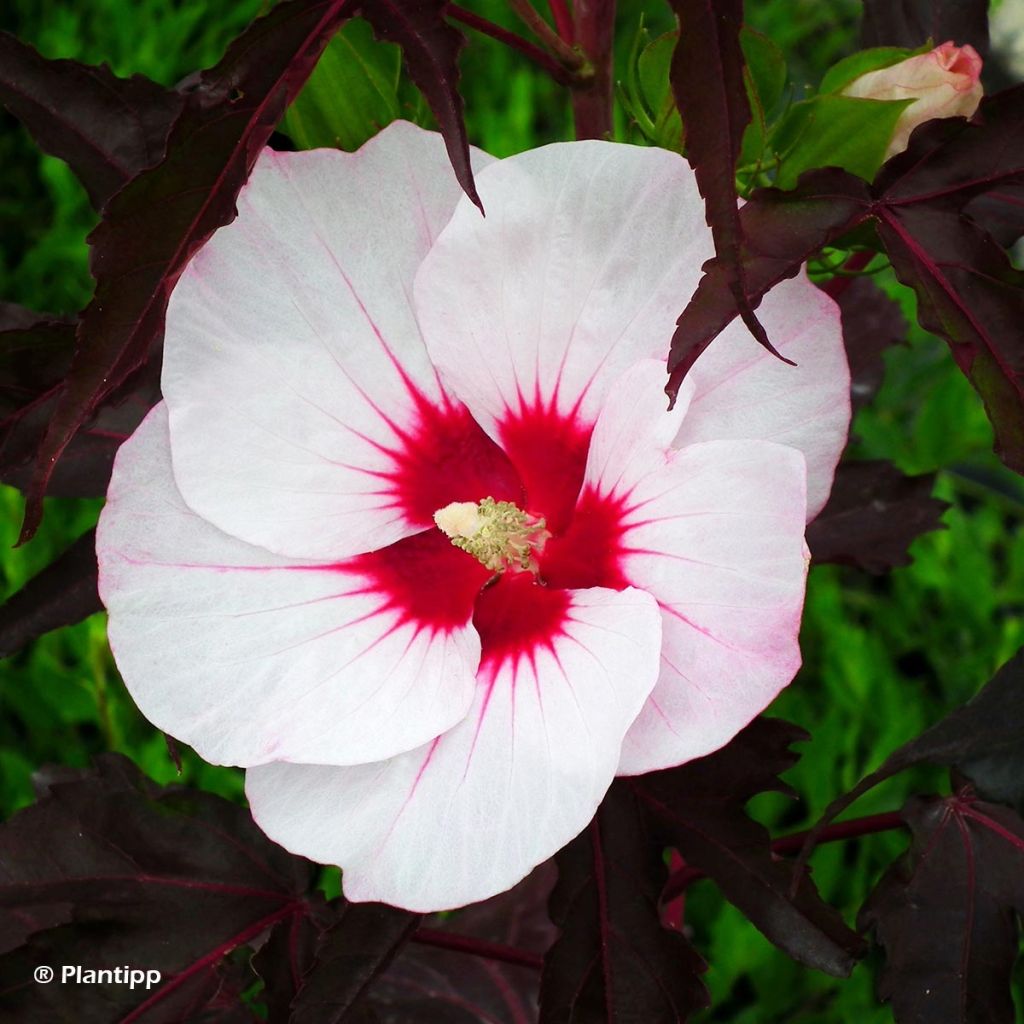
Hibiscus moscheutos Jolly Heart - Swamp Rose Mallow
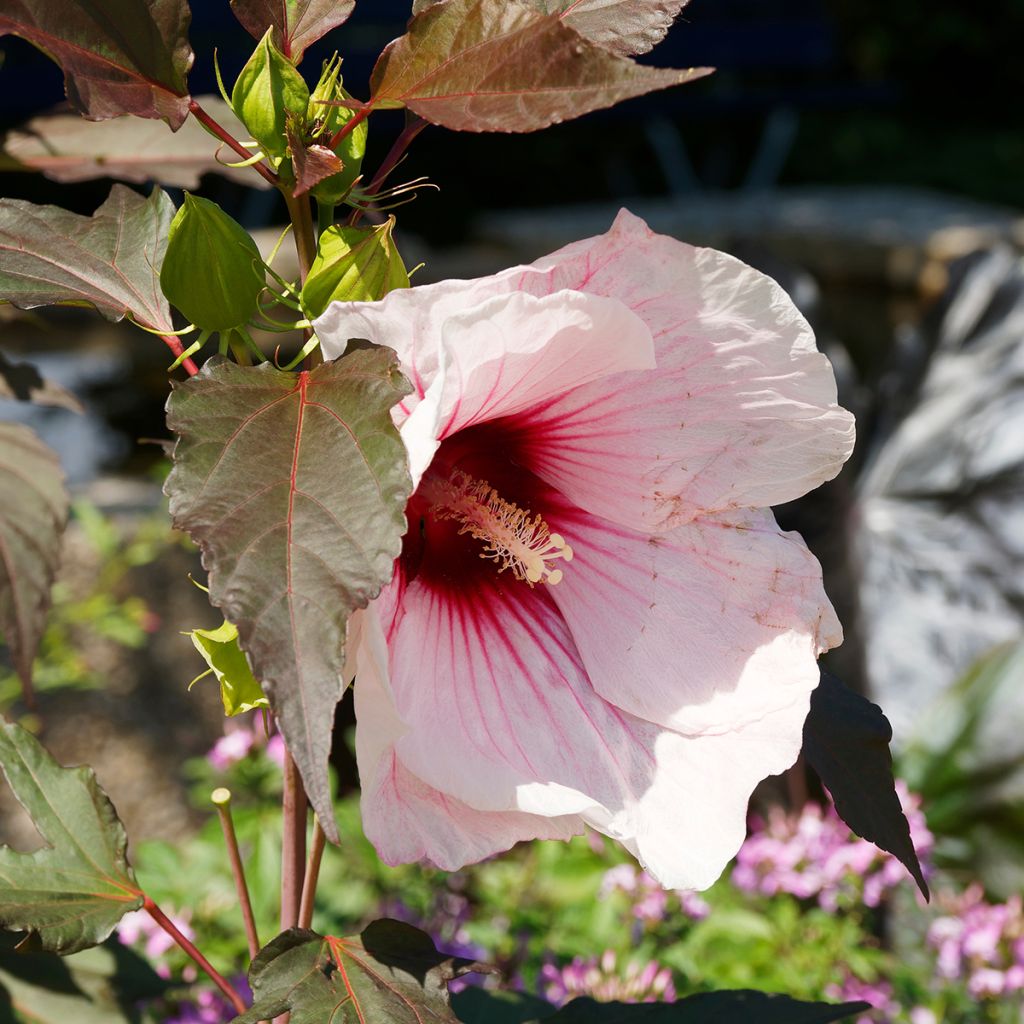
Hibiscus moscheutos Jolly Heart - Swamp Rose Mallow
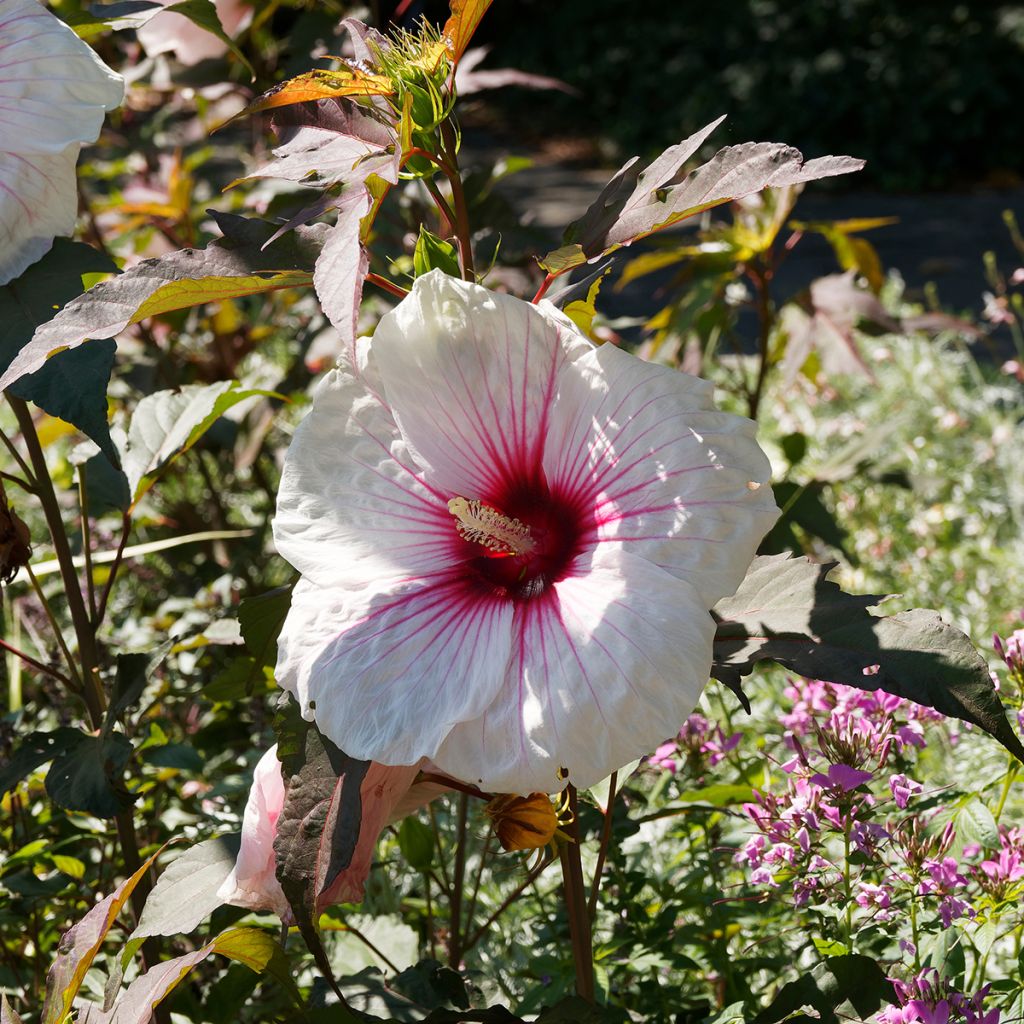
Hibiscus moscheutos Jolly Heart - Swamp Rose Mallow
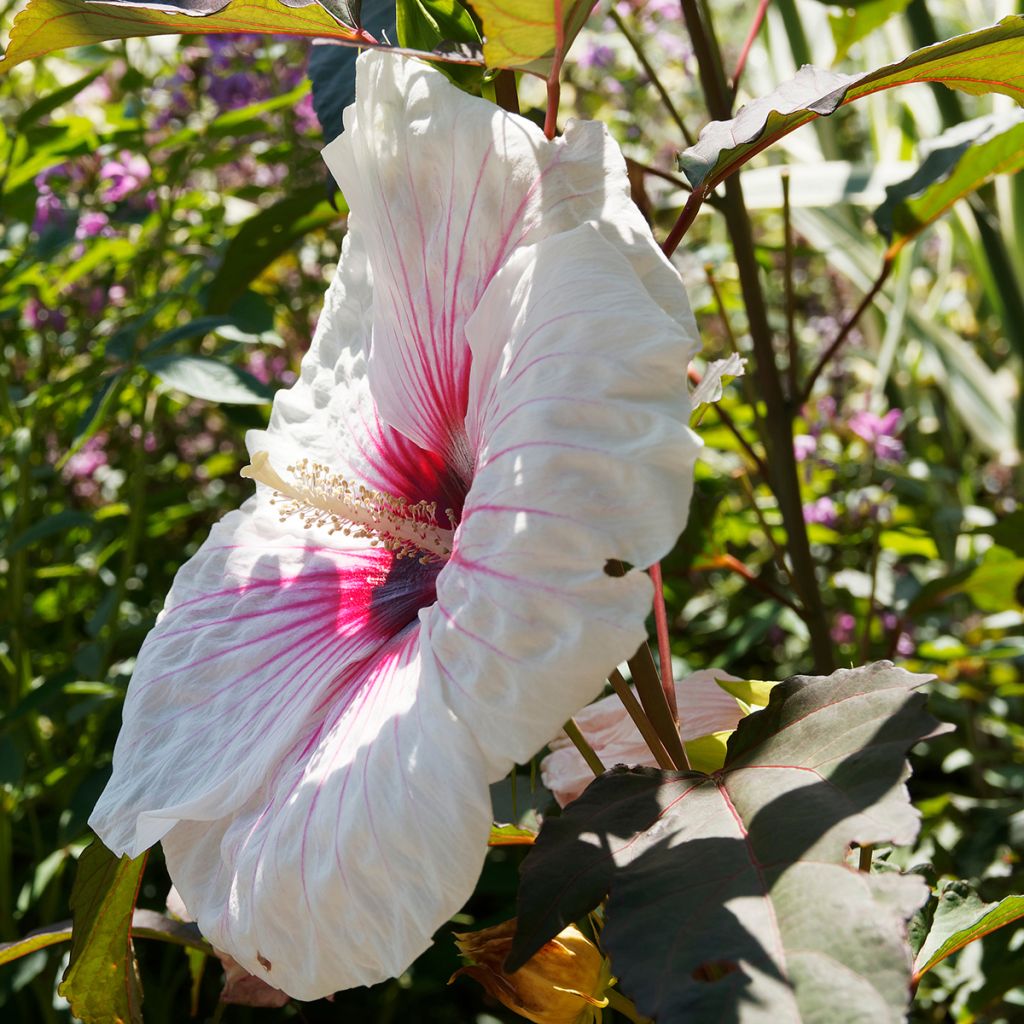
Hibiscus moscheutos Jolly Heart - Swamp Rose Mallow
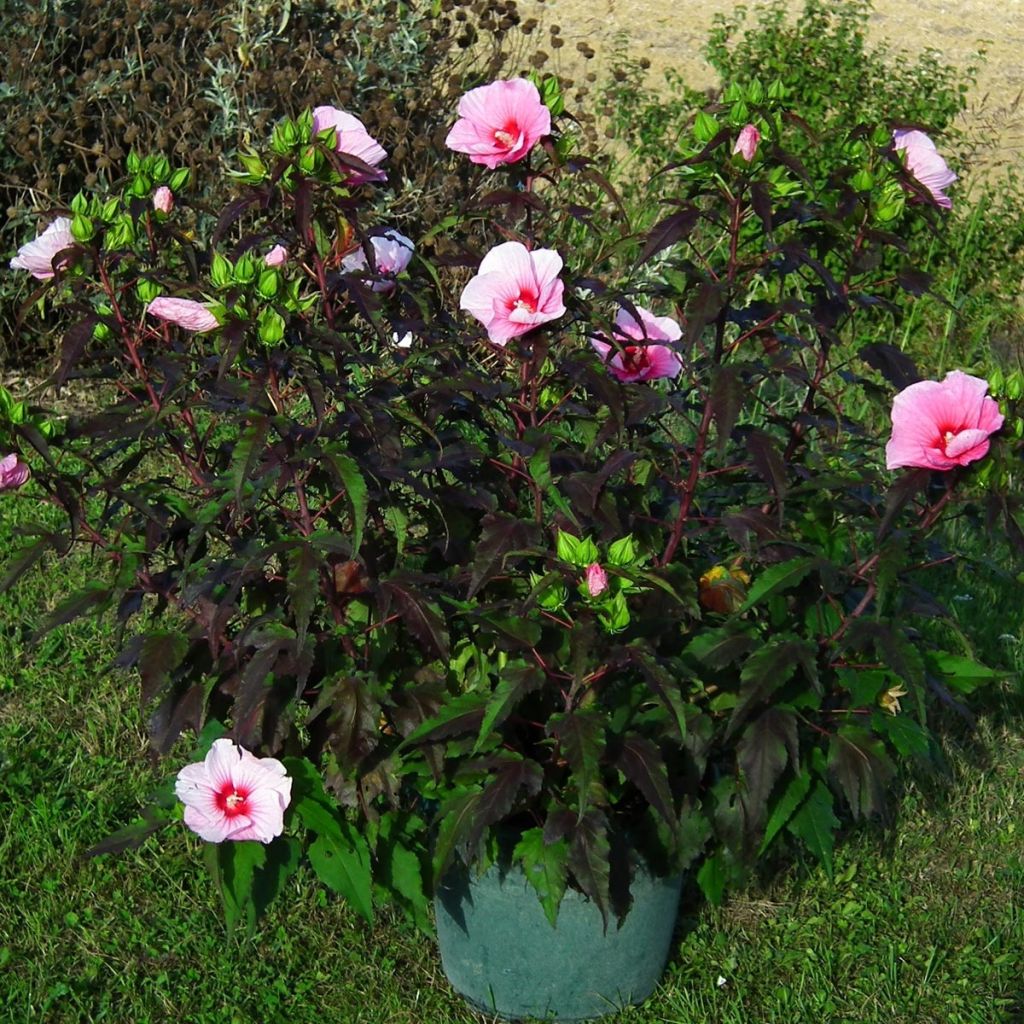
Hibiscus moscheutos Jolly Heart - Swamp Rose Mallow
View more pictures
Hide images
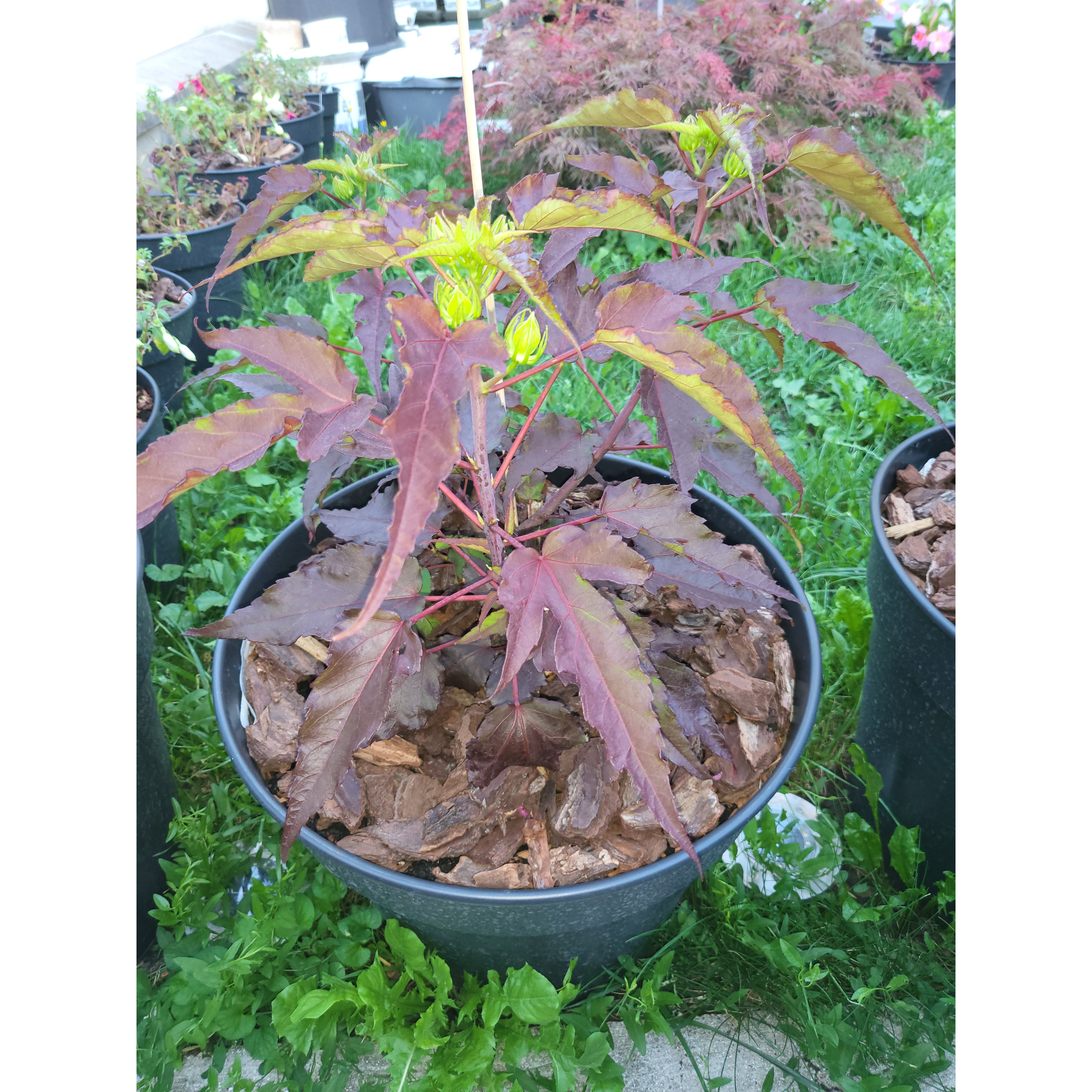
Daniel S.
Hibiscus moscheutos Jolly Heart - Swamp Rose Mallow
Daniel S. • 93 FR
Hibiscus moscheutos Jolly Heart - Swamp Rose Mallow
Hibiscus moscheutos Carrousel® 'Joli Coeur TAHI56'
Swamp Rose Mallow, Eastern Rose Mallow, Crimsoneyed Rose Mallow, Marsh Hibiscus
My "Joli Coeur" was finally delivered today, Saturday 27/07/24. In a sorry state after its very long journey... I soaked it and planted it in a large pot. What I found strange was that the roots were above the pot and not below... If there are any issues with its recovery, I will contact you again. Best regards.
CHRISTINE, 27/07/2024
Back-to-school special offer!
Get €10 off for every €50 you spend! And get up to €40 off on a single order.
How does it work?
1. Shop your favourites
Add your favourite plants to your basket. For every €50 you spend (excluding delivery charges, store credit and the plastic-free option), you’ll receive a €10 voucher.
€50 spent = €10 voucher
€100 spent = €20 voucher
€150 spent = €30 voucher
€200 spent = €40 voucher
2. Place your order
Once your basket reaches one of the spending thresholds, place your order. You can even choose your delivery date!
3. Receive your voucher
As soon as your order has been shipped, you’ll receive an email containing your personal voucher code and its value.
4. Use it on your next order
Your voucher is valid for 90 days from the date you receive it. It can be used once only, on a new order worth at least the value of the voucher, excluding delivery charges.
Please note: Vouchers can be combined with other offers, but cannot be split or refunded.
Home or relay delivery (depending on size and destination)
Important: You may be charged customs duties by your country’s customs authorities upon delivery.
Schedule delivery date,
and select date in basket
This plant carries a 24 months recovery warranty
More information
We guarantee the quality of our plants for a full growing cycle, and will replace at our expense any plant that fails to recover under normal climatic and planting conditions.
Would this plant suit my garden?
Set up your Plantfit profile →
Description
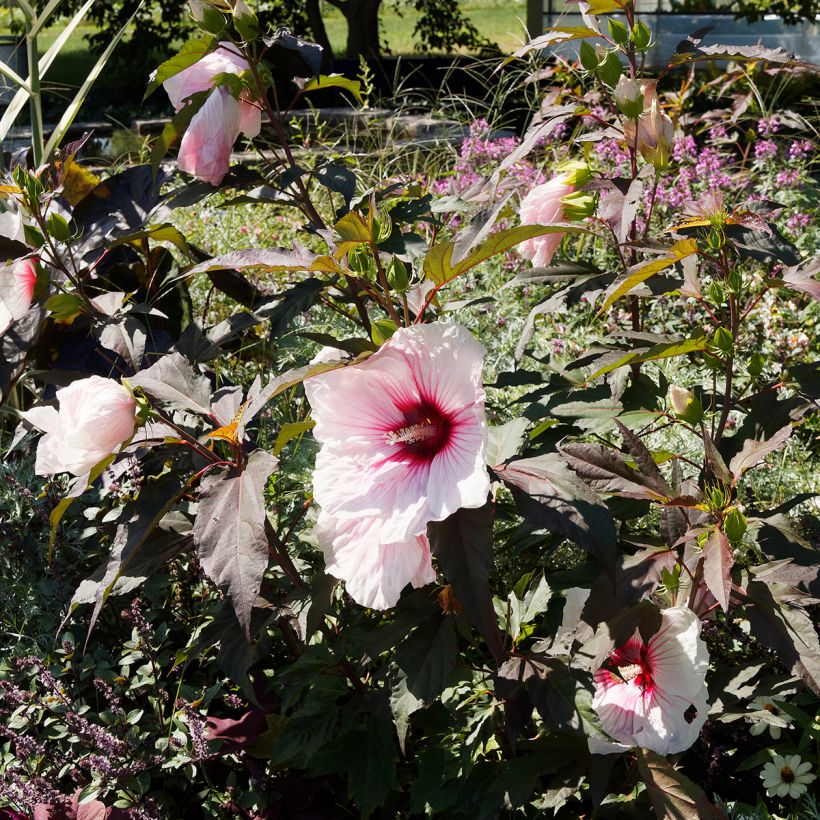
Hibiscus moscheutos 'Jolly Heart' is a compact variety of marsh hibiscus that stands out with its enormous pure white flowers with a scarlet red heart that protrude from its mass of beautiful cut leaves, purple to chocolate in colour. Fast-growing, this perennial disappears in winter and regrows from its stump every spring to develop, in a very short time, a rounded, dense bush of about 1 m (3 ft 3 in) in all directions. From July to September, large cup-shaped flowers with pleated petals regularly renew themselves without interruption, as long as the soil is kept moist at its base. Its ornamental dark foliage and its young anise-green shoots extend its ornamental appeal in spring and autumn. Its compact shape allows it to be grown in pots for decorating a terrace or balcony. It is hardy down to -15 °C (5 °F) and likes warm, sunny locations and rich, well-drained and moist to wet soil. Use it to create temporary hedges with other marsh mallows or a strongly coloured background at the edge of a pond, or plant them in several pots to punctuate the surroundings of a terrace.
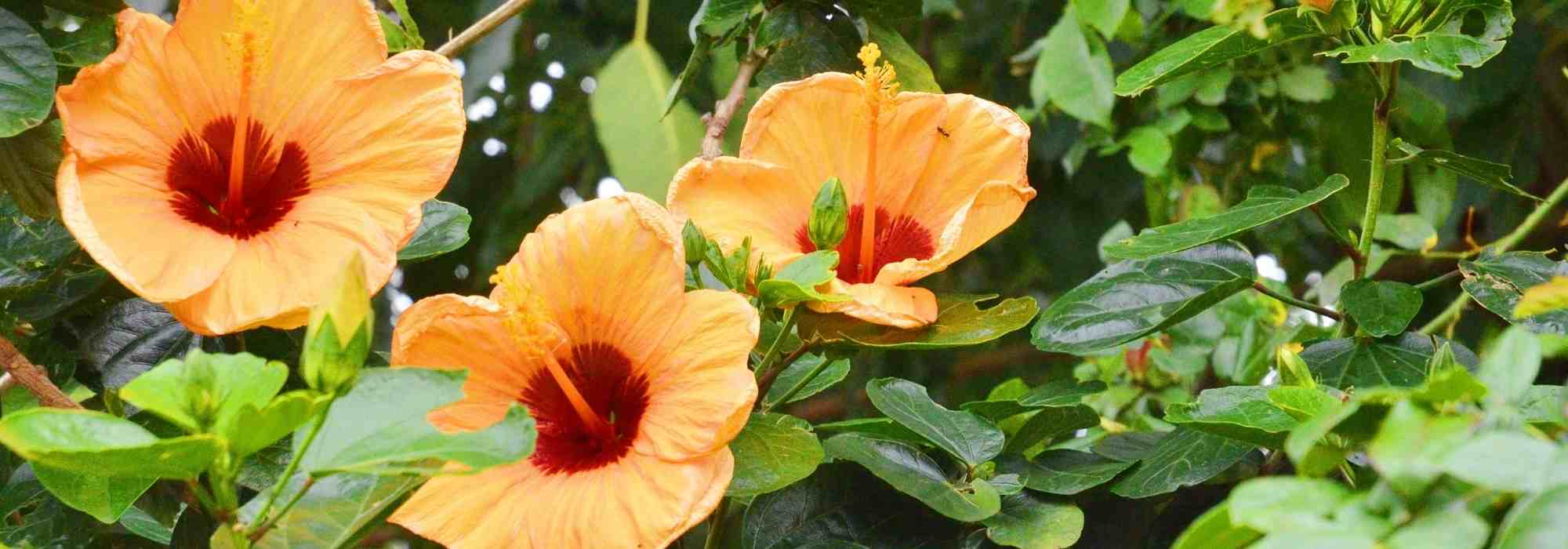
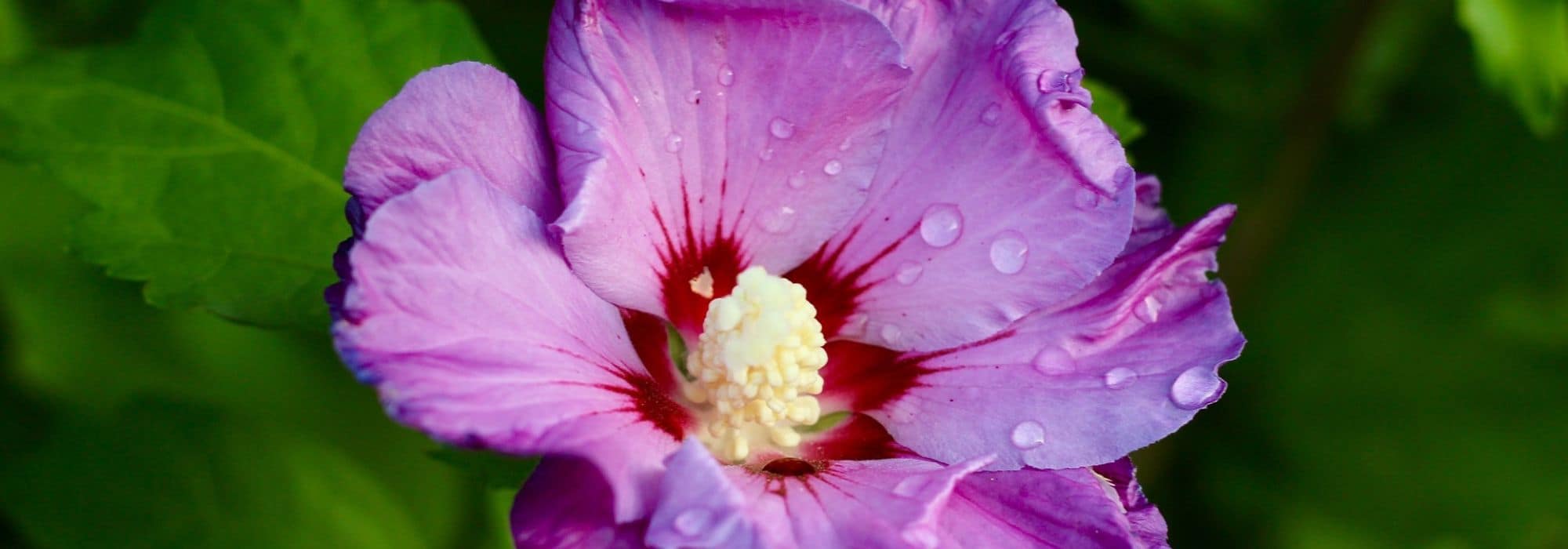
Hibiscus moscheutos, also known as Hibiscus palustris, is a herbaceous plant with a woody stump from the mallow family, cousin to hollyhocks and rosa rugosa. It is native to the marshes of the southern United States, where it can reach 2 m (6 ft 7 in) in height. Horticulturists have taken this remarkable botanical species and obtained many very interesting cultivars, showing larger flowers, various colours, and increased floribundity.
The 'Jolly Heart' variety is a creation of Pépinière Fleurs du Sud and belongs to the Carousel range, which brings together hardy, compact, and floriferous marsh hibiscus varieties, with dark purple foliage that particularly highlights their immense single flowers. It forms a beautiful bushy clump that will quickly reach 1.2 m (3 ft 11 in) in height and 1 m (3 ft 4 in) in width in one season. This cultivar stands out for its pure white flowers, enhanced by a bright red to dark red heart that infiltrates the folds of its petals and a pistil bristling with cream-coloured stamens. They bloom into large, 20 cm (7.9 in) wide single flowers with slightly crinkled petals. They are short-lived, but constantly renew themselves from July to September. The young shoots are anise-green with reddish-purple veins, standing out in contrast to its dark foliage. The large leaves are divided into three narrow and pointed lobes with widely crenate margins, marbled with purple to chocolate and bright green, remaining very ornamental throughout the growing season.
Marsh hibiscus plants are spectacular and cannot be ignored: some people dislike their huge flowers because they can be difficult to integrate into a natural setting, while others adore them for the same reasons that make them fit well into a contemporary-style garden or in a carefully organised exotic scene around a water feature or on a terrace. This superb plant can tolerate temperatures down to -15 °C (5 °F). All marsh hibiscus plants bring another dimension to waterlogged flower beds or the edge of a pond, accompanied by a Gunnera, cannas, Ethiopian arum, Rodgersia Chocolate Wings or Colocasia esculenta.
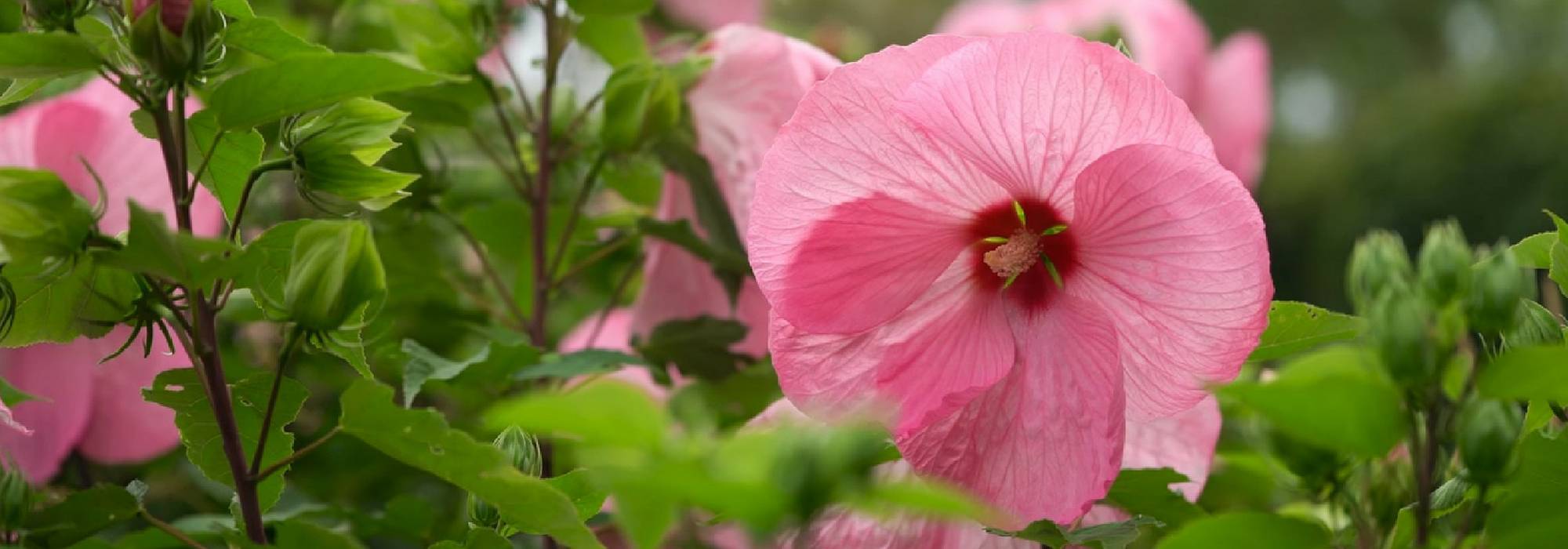
Hibiscus moscheutos Jolly Heart - Swamp Rose Mallow in pictures
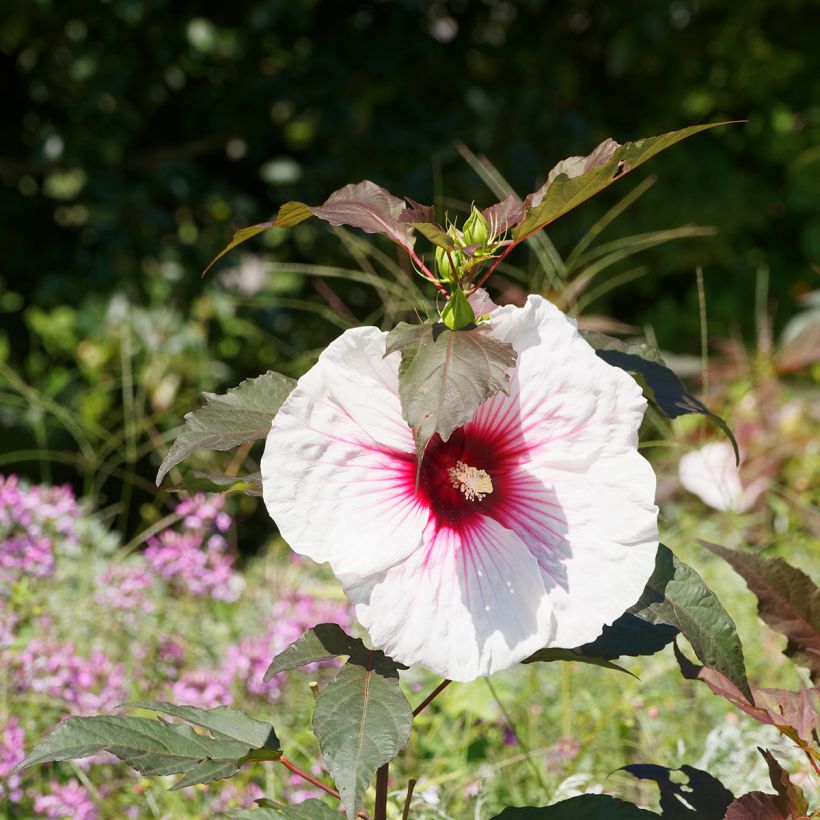

Plant habit
Flowering
Foliage
Botanical data
Hibiscus
moscheutos
Carrousel® 'Joli Coeur TAHI56'
Malvaceae
Swamp Rose Mallow, Eastern Rose Mallow, Crimsoneyed Rose Mallow, Marsh Hibiscus
Cultivar or hybrid
Planting and care
Especially known for their shrub-like forms, the moscheutos species offered here demonstrates that this Hibiscus genus also behaves like perennials, with all above-ground parts disappearing in winter. These marsh plants bring an exotic touch to the garden: an effect that can be enhanced by planting them alongside Hedychium or hardy bananas in a rich and moist soil, in a warm location. While hardy (down to -15 °C (5 °F)) in our garden, they do require winter protection in colder climates.
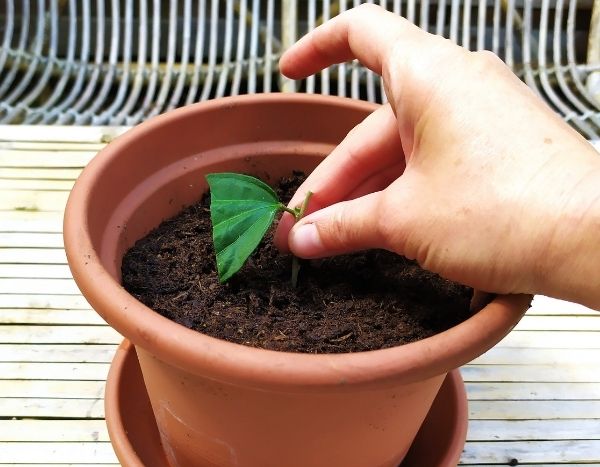
To create a mass planting: dig a 40 cm (15.7 in) hole in all directions, lined with a waterproof film and filled with a mixture of good garden soil and fertiliser. Maintain a consistently marshy moisture level during the shoot and flowering period. Once the leaves turn yellow, in October, simply keep the soil moist. Trim the stems to 5 cm (2 in) from the ground at the end of autumn. Growth resumes late in spring, in April-May depending on the climate.
Planting period
Intended location
Care
Planting & care advice



-
, onOrder confirmed
Reply from on Promesse de fleurs
Recently viewed products
Haven't found what you were looking for?
Hardiness is the lowest winter temperature a plant can endure without suffering serious damage or even dying. However, hardiness is affected by location (a sheltered area, such as a patio), protection (winter cover) and soil type (hardiness is improved by well-drained soil).

The flowering period indicated on our website applies to countries and regions located in USDA zone 8 (France, the United Kingdom, Ireland, the Netherlands, etc.)
It will vary according to where you live:- In zones 9 to 10 (Italy, Spain, Greece, etc.), flowering will occur about 2 to 4 weeks earlier.
- In zones 6 to 7 (Germany, Poland, Slovenia, and lower mountainous regions), flowering will be delayed by 2 to 3 weeks.
- In zone 5 (Central Europe, Scandinavia), blooming will be delayed by 3 to 5 weeks.
In temperate climates, pruning of spring-flowering shrubs (forsythia, spireas, etc.) should be done just after flowering.
Pruning of summer-flowering shrubs (Indian Lilac, Perovskia, etc.) can be done in winter or spring.
In cold regions as well as with frost-sensitive plants, avoid pruning too early when severe frosts may still occur.
The planting period indicated on our website applies to countries and regions located in USDA zone 8 (France, United Kingdom, Ireland, Netherlands).
It will vary according to where you live:
- In Mediterranean zones (Marseille, Madrid, Milan, etc.), autumn and winter are the best planting periods.
- In continental zones (Strasbourg, Munich, Vienna, etc.), delay planting by 2 to 3 weeks in spring and bring it forward by 2 to 4 weeks in autumn.
- In mountainous regions (the Alps, Pyrenees, Carpathians, etc.), it is best to plant in late spring (May-June) or late summer (August-September).
The harvesting period indicated on our website applies to countries and regions in USDA zone 8 (France, England, Ireland, the Netherlands).
In colder areas (Scandinavia, Poland, Austria...) fruit and vegetable harvests are likely to be delayed by 3-4 weeks.
In warmer areas (Italy, Spain, Greece, etc.), harvesting will probably take place earlier, depending on weather conditions.
The sowing periods indicated on our website apply to countries and regions within USDA Zone 8 (France, UK, Ireland, Netherlands).
In colder areas (Scandinavia, Poland, Austria...), delay any outdoor sowing by 3-4 weeks, or sow under glass.
In warmer climes (Italy, Spain, Greece, etc.), bring outdoor sowing forward by a few weeks.
Shipping country and language
Your country of residence may be:
Your country of residence is:
For a better user experience on our website, you can select:
Your shipping country:
-
 Austria
-
 Belgium
-
 Bosnia & Herzegovina
-
 Bulgaria
-
 Croatia
-
 Cyprus
-
 Czechia
-
 Denmark
-
 Estonia
-
 Finland
-
 France
-
 Germany
-
 Greece
-
 Hungary
-
 Iceland
-
 Ireland
-
 Italy
Italy
-
 Latvia
-
 Liechtenstein
-
 Lithuania
-
 Luxembourg
-
 Malta
Malta
-
 Netherlands
-
 Poland
-
 Portugal
-
 Romania
-
 Serbia
-
 Slovakia
-
 Slovenia
-
 Spain
Spain
-
 Sweden
-
 Switzerland
Language:
-
French
-
 English
-
Spanish
-
Italian
-
German
-
Portuguese
-
Dutch
-
Finnish
My Account
Hello
My wish lists
My cart
Log in / Register
Existing customer?
This form is protected by reCAPTCHA - the Google Privacy Policy and Terms of Service apply.
New customer?
Create an account to track your orders, access our customer service and, if you wish, make the most of our upcoming offers.