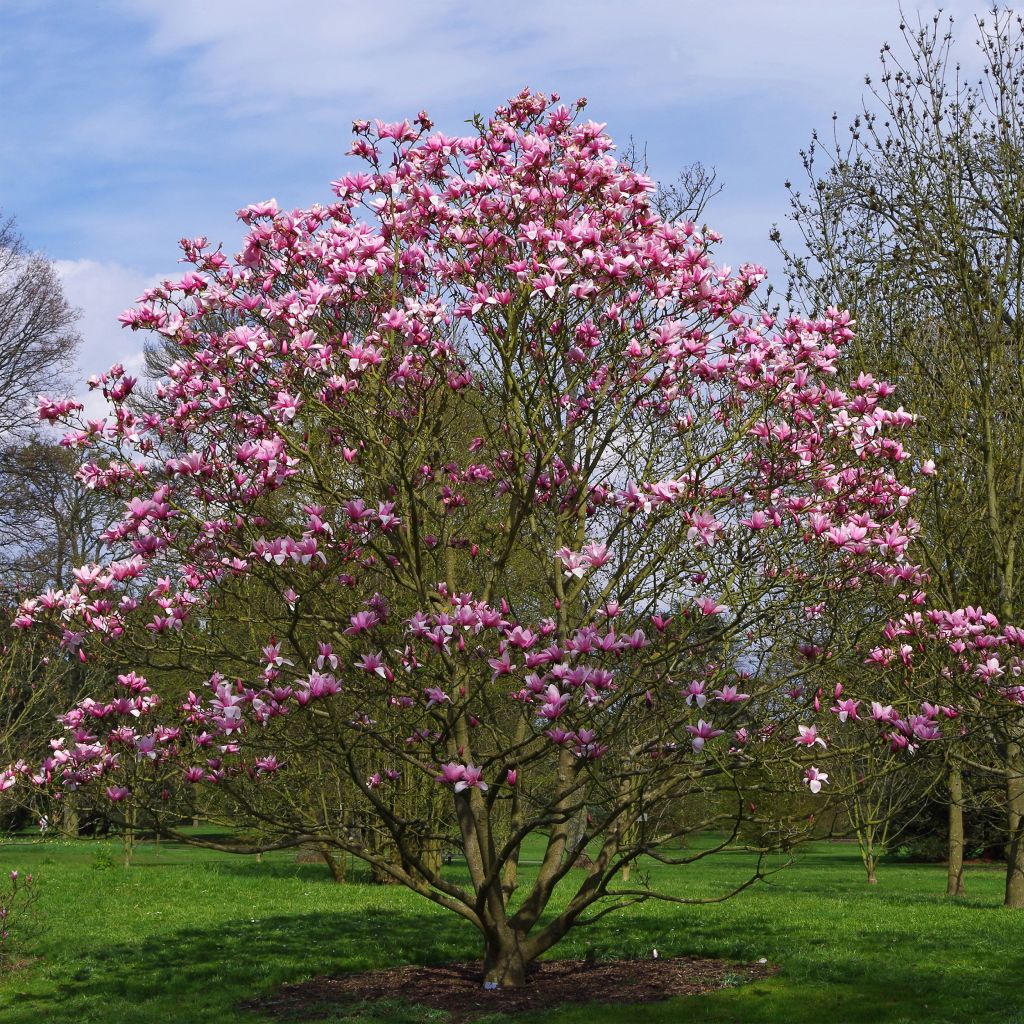
Magnolia Star Wars
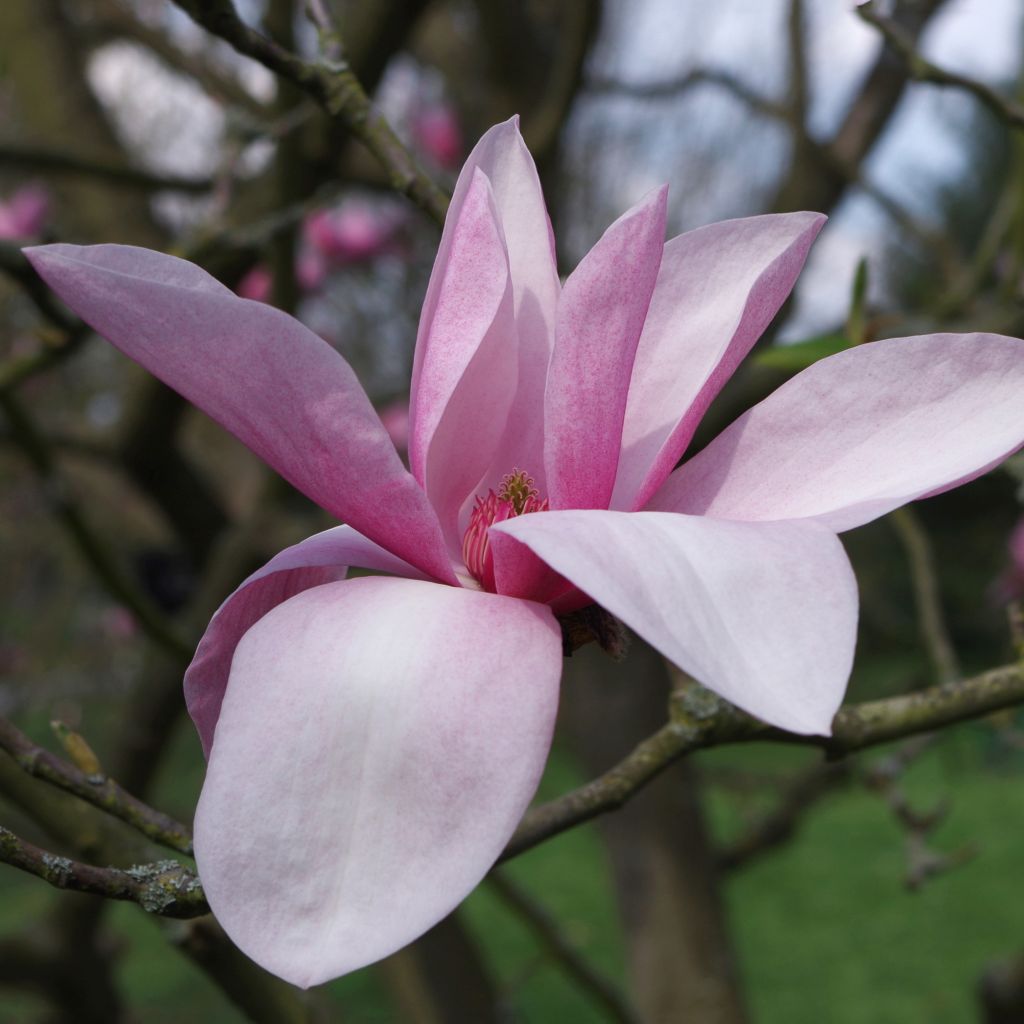
Magnolia Star Wars
Magnolia Star Wars
Magnolia campbellii x liliiflora Star Wars
Magnolia
The description stated a delivered height of 110 - 120 cm. I received a plant of 70 cm! Quite disappointing.
Barbara, 06/10/2024
Back-to-school special offer!
Get €10 off for every €50 you spend! And get up to €40 off on a single order.
How does it work?
1. Shop your favourites
Add your favourite plants to your basket. For every €50 you spend (excluding delivery charges, store credit and the plastic-free option), you’ll receive a €10 voucher.
€50 spent = €10 voucher
€100 spent = €20 voucher
€150 spent = €30 voucher
€200 spent = €40 voucher
2. Place your order
Once your basket reaches one of the spending thresholds, place your order. You can even choose your delivery date!
3. Receive your voucher
As soon as your order has been shipped, you’ll receive an email containing your personal voucher code and its value.
4. Use it on your next order
Your voucher is valid for 90 days from the date you receive it. It can be used once only, on a new order worth at least the value of the voucher, excluding delivery charges.
Please note: Vouchers can be combined with other offers, but cannot be split or refunded.
Home or relay delivery (depending on size and destination)
Important: You may be charged customs duties by your country’s customs authorities upon delivery.
Schedule delivery date,
and select date in basket
This plant carries a 24 months recovery warranty
More information
We guarantee the quality of our plants for a full growing cycle, and will replace at our expense any plant that fails to recover under normal climatic and planting conditions.

Would this plant suit my garden?
Set up your Plantfit profile →
Description
The Magnolia Star Wars is a beautiful horticultural hybrid selected in Australia in 1982. This deciduous small tree is very hardy and offers an unforgettable spectacle in spring. It blooms on bare branches in March-April with an abundance of immense, sublime flowers. The pink corollas reveal a tightly closed heart that becomes even pinker as they open like lotus flowers. The tree quickly forms a graceful small tree with a spread-out and airy habit. It deserves a prominent place in any garden, but it's essential to remember that it takes on a more modest appearance once its extraordinary flowering is over. For the best results, it's recommended to plant it in cool, preferably neutral or acidic soil, in full sun or partial shade.
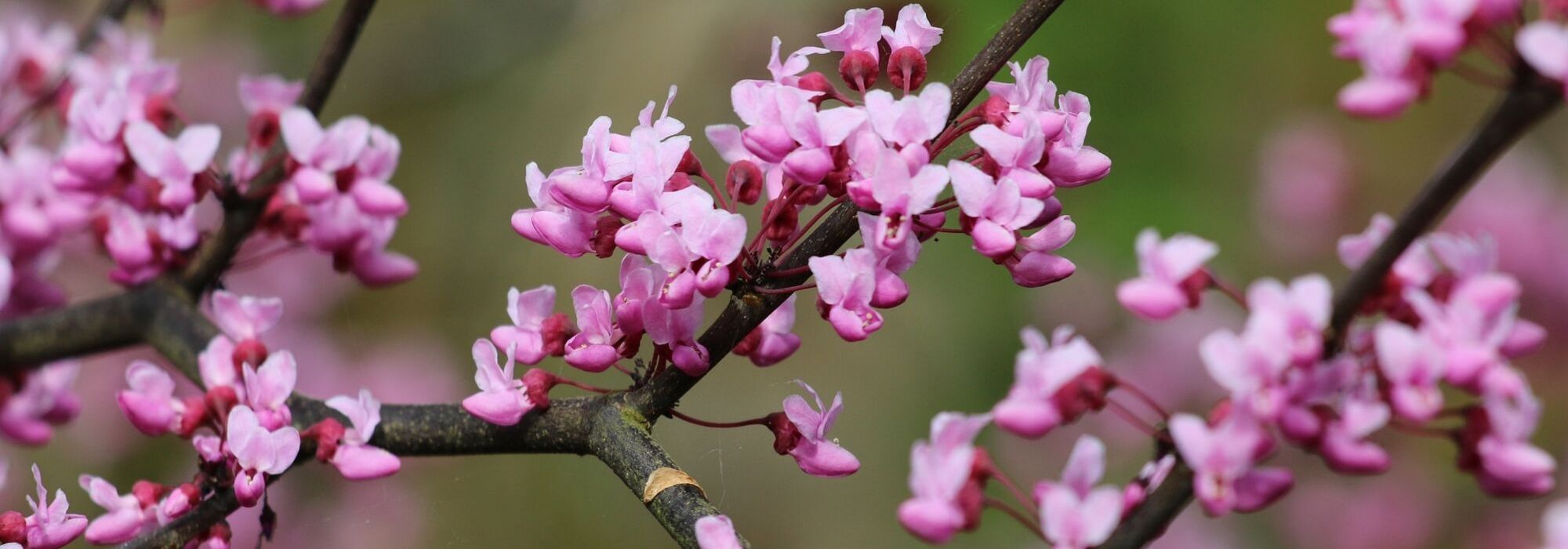
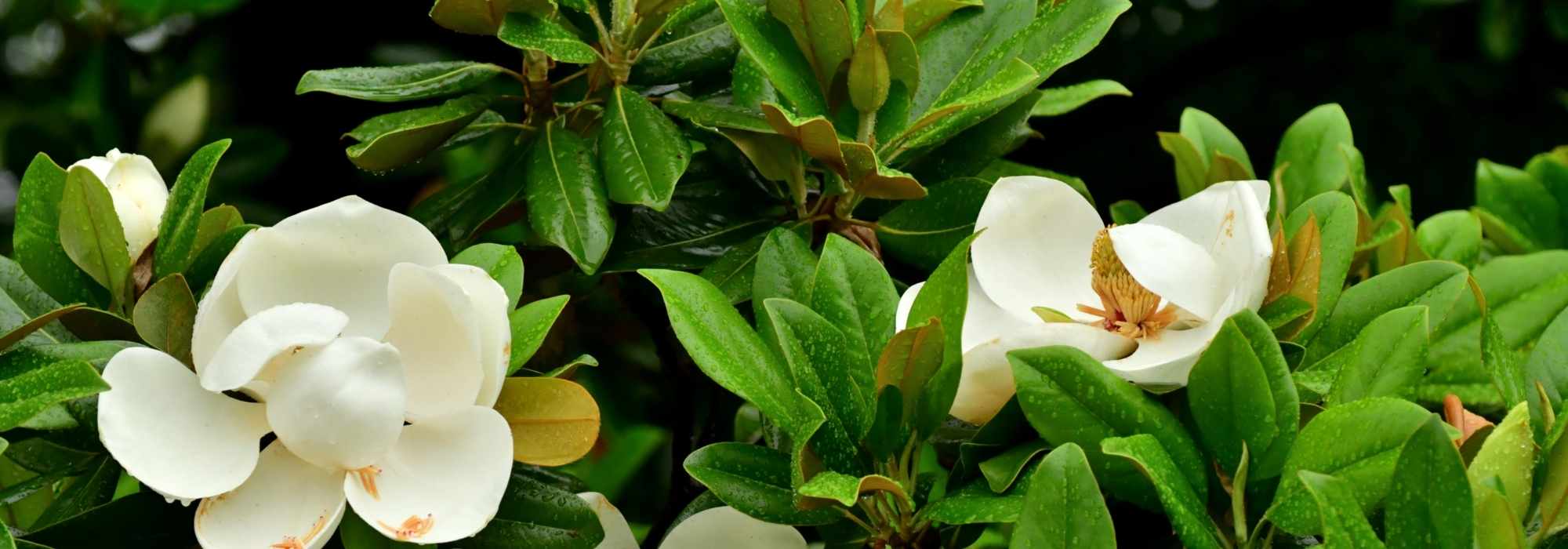
The Magnolia Star Wars hybridises two magnolia plants - the M. campbellii and the M. liliiflora. The M. campbellii is a large magnolia that produces enormous flowers at the end of winter. At the same time, the M. liliiflora is smaller and of Chinese origin, producing narrow lily-like flowers that bloom for longer. The 'Star Wars' plant is a small tree that grows up to 3 metres (9.8 ft) tall and 2.50 metres (8.2 ft) wide. It has rapid growth and a ramified, rounded and spread-out appearance. Its deciduous foliage consists of dark green leaves that turn yellow-brown in autumn. The leaves are tapered, measuring 10 to 15 cm (3.9 to 5.9 in) long and have fine, villous hair on the reverse side. The plant blooms from March to May before the leaves appear. It produces large solitary flowers that are tall and wide, measuring 20 to 25 cm (7.9 to 9.8 in). These flowers are formed by 10 to 15 waxy, thick, slightly incurved tepals (undifferentiated sepals and petals) ranging from bright pink to candy pink. The flowers gradually open in a star shape around a cone-shaped heart, revealing at maturity numerous yellow stamens. Silky bracts protect the buds that hold the flowers.
Magnolias are ornamental trees that thrive in small gardens and large parks. It is often used as a standalone specimen in the middle of a lawn, where its remarkable flowering is most effective. You can also pair it with other interesting shrubs at different times of the year, such as maple, roses, Hibiscus syriacus, Prunus x subhirtella 'Autumnalis', or Cornus kousa Satomi. Additionally, it blends well with acid-loving plants like rhododendrons, camellias, hydrangeas, nandinas, and peonies, making it perfect for a Japanese-style garden. You can also create beautiful flowering hedges along pathways by alternating this magnolia with other cultivars like Magnolia grandiflora or Magnolia denudata. As its root system is not dangerous for foundations, it can be planted against a house wall.
Magnolias are considered ancient trees, with fossils dating back over 20 million years. Their magnificent flowering is considered one of the most primitive, as they are evolutionarily close to the first existing flowers. The bark of magnolias is also believed to possess medicinal properties and is used in cosmetics. Additionally, their wood is considered precious.

Magnolia Star Wars in pictures
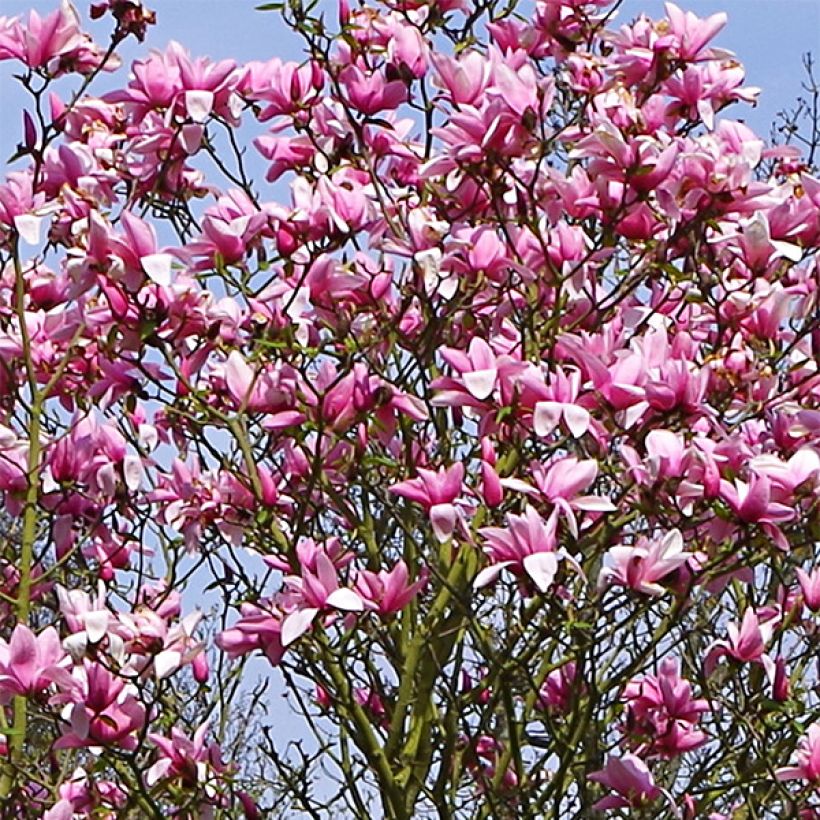
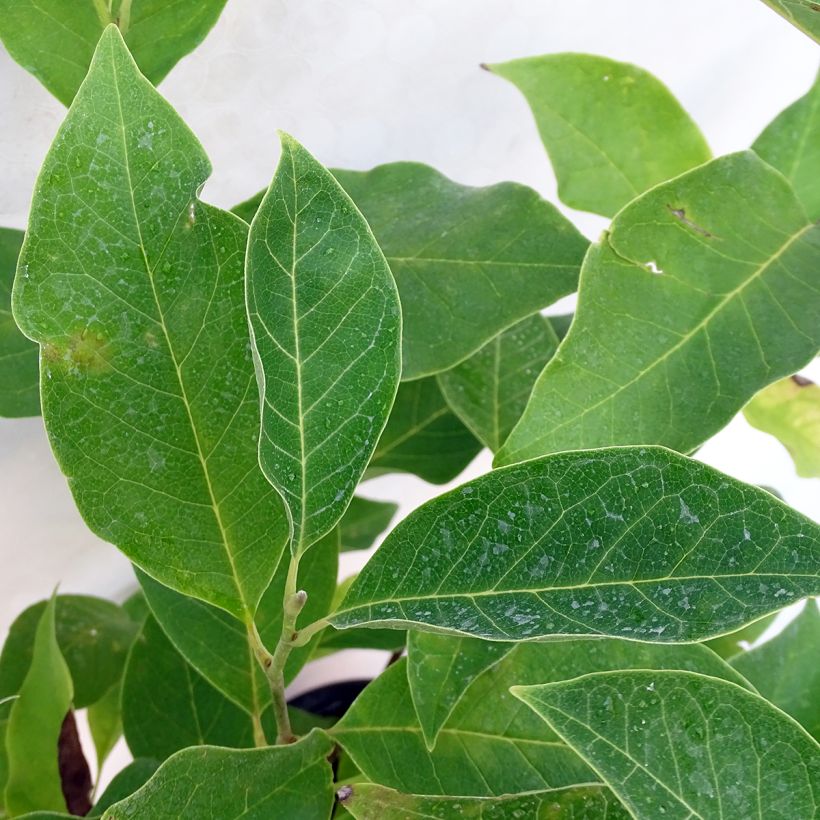
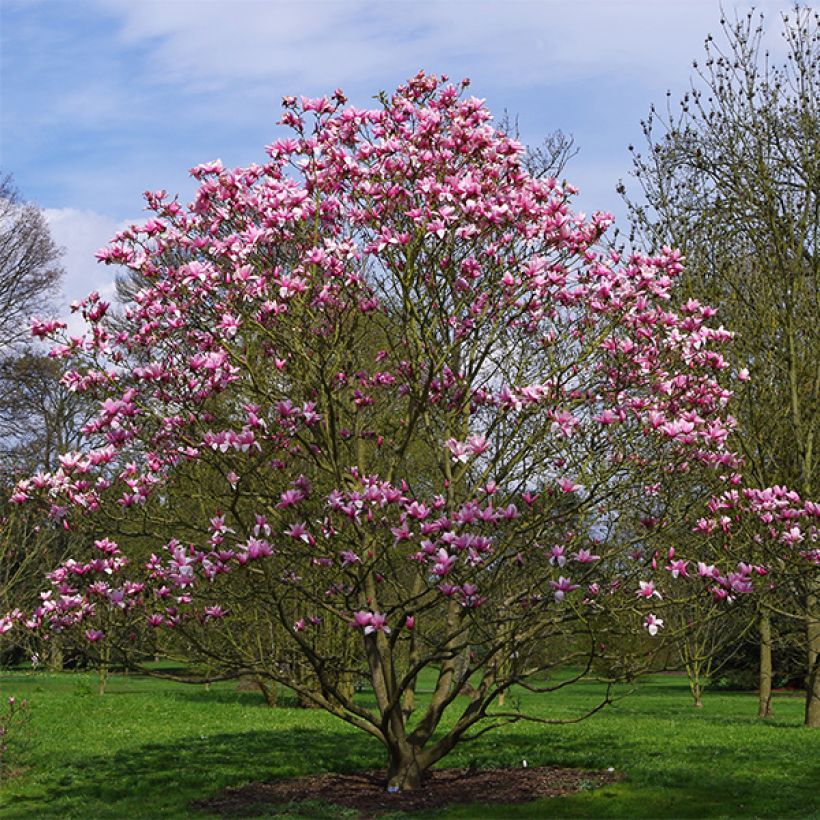
Plant habit
Flowering
Foliage
Botanical data
Magnolia
campbellii x liliiflora
Star Wars
Magnoliaceae
Magnolia
Cultivar or hybrid
Planting and care
Magnolia 'Star Wars' grows best in sheltered areas in direct sun or semi-shade with cool, well-drained, rich, neutral, or acidic soil. It doesn't like dry soil, wind, or competing roots since its root system is shallow. Magnolias can survive temperatures down to -25°C, but protecting young plants from frost for the first few years is best. Late frosts and cold winds can damage flower buds and young leaves, hurting the plant's ability to bloom.
To plant Magnolia successfully, find a spot in either spring or autumn, sheltered from cold winds and outside the frost period. Dig a hole 80 cm (31.5 inches) wide and deep with a good supply of ericaceous soil and compost. Be careful not to damage the plant's delicate roots when putting it in the hole. Water the plant immediately with low limestone (like rainwater) to compact the soil around the roots. Water the plant once a week during its first year after planting. Mulch the base of the plant to keep it cool during hot seasons, enrich the soil, and protect it from the cold during winter.
Because Magnolia's roots are fragile, it's best to avoid transplanting. Magnolias are ornamental trees that do well in polluted areas, and their roots won't damage building foundations. Parasites like scale insects, snails, and slugs can harm young plants and diseases like rot (in excessively wet soil), coral spot, and pestalotiopsis.
Planting period
Intended location
Care
Planting & care advice
-

-

-
-

-

-
-
-

-
, onOrder confirmed
Reply from on Promesse de fleurs
Recently viewed products
Haven't found what you were looking for?
Hardiness is the lowest winter temperature a plant can endure without suffering serious damage or even dying. However, hardiness is affected by location (a sheltered area, such as a patio), protection (winter cover) and soil type (hardiness is improved by well-drained soil).

The flowering period indicated on our website applies to countries and regions located in USDA zone 8 (France, the United Kingdom, Ireland, the Netherlands, etc.)
It will vary according to where you live:- In zones 9 to 10 (Italy, Spain, Greece, etc.), flowering will occur about 2 to 4 weeks earlier.
- In zones 6 to 7 (Germany, Poland, Slovenia, and lower mountainous regions), flowering will be delayed by 2 to 3 weeks.
- In zone 5 (Central Europe, Scandinavia), blooming will be delayed by 3 to 5 weeks.
In temperate climates, pruning of spring-flowering shrubs (forsythia, spireas, etc.) should be done just after flowering.
Pruning of summer-flowering shrubs (Indian Lilac, Perovskia, etc.) can be done in winter or spring.
In cold regions as well as with frost-sensitive plants, avoid pruning too early when severe frosts may still occur.
The planting period indicated on our website applies to countries and regions located in USDA zone 8 (France, United Kingdom, Ireland, Netherlands).
It will vary according to where you live:
- In Mediterranean zones (Marseille, Madrid, Milan, etc.), autumn and winter are the best planting periods.
- In continental zones (Strasbourg, Munich, Vienna, etc.), delay planting by 2 to 3 weeks in spring and bring it forward by 2 to 4 weeks in autumn.
- In mountainous regions (the Alps, Pyrenees, Carpathians, etc.), it is best to plant in late spring (May-June) or late summer (August-September).
The harvesting period indicated on our website applies to countries and regions in USDA zone 8 (France, England, Ireland, the Netherlands).
In colder areas (Scandinavia, Poland, Austria...) fruit and vegetable harvests are likely to be delayed by 3-4 weeks.
In warmer areas (Italy, Spain, Greece, etc.), harvesting will probably take place earlier, depending on weather conditions.
The sowing periods indicated on our website apply to countries and regions within USDA Zone 8 (France, UK, Ireland, Netherlands).
In colder areas (Scandinavia, Poland, Austria...), delay any outdoor sowing by 3-4 weeks, or sow under glass.
In warmer climes (Italy, Spain, Greece, etc.), bring outdoor sowing forward by a few weeks.
Shipping country and language
Your country of residence may be:
Your country of residence is:
For a better user experience on our website, you can select:
Your shipping country:
-
 Austria
-
 Belgium
-
 Bosnia & Herzegovina
-
 Bulgaria
-
 Croatia
-
 Cyprus
-
 Czechia
-
 Denmark
-
 Estonia
-
 Finland
-
 France
-
 Germany
-
 Greece
-
 Hungary
-
 Iceland
-
 Ireland
-
 Italy
Italy
-
 Latvia
-
 Liechtenstein
-
 Lithuania
-
 Luxembourg
-
 Malta
Malta
-
 Netherlands
-
 Poland
-
 Portugal
-
 Romania
-
 Serbia
-
 Slovakia
-
 Slovenia
-
 Spain
Spain
-
 Sweden
-
 Switzerland
Language:
-
French
-
 English
-
Spanish
-
Italian
-
German
-
Portuguese
-
Dutch
-
Finnish
My Account
Hello
My wish lists
My cart
Log in / Register
Existing customer?
This form is protected by reCAPTCHA - the Google Privacy Policy and Terms of Service apply.
New customer?
Create an account to track your orders, access our customer service and, if you wish, make the most of our upcoming offers.