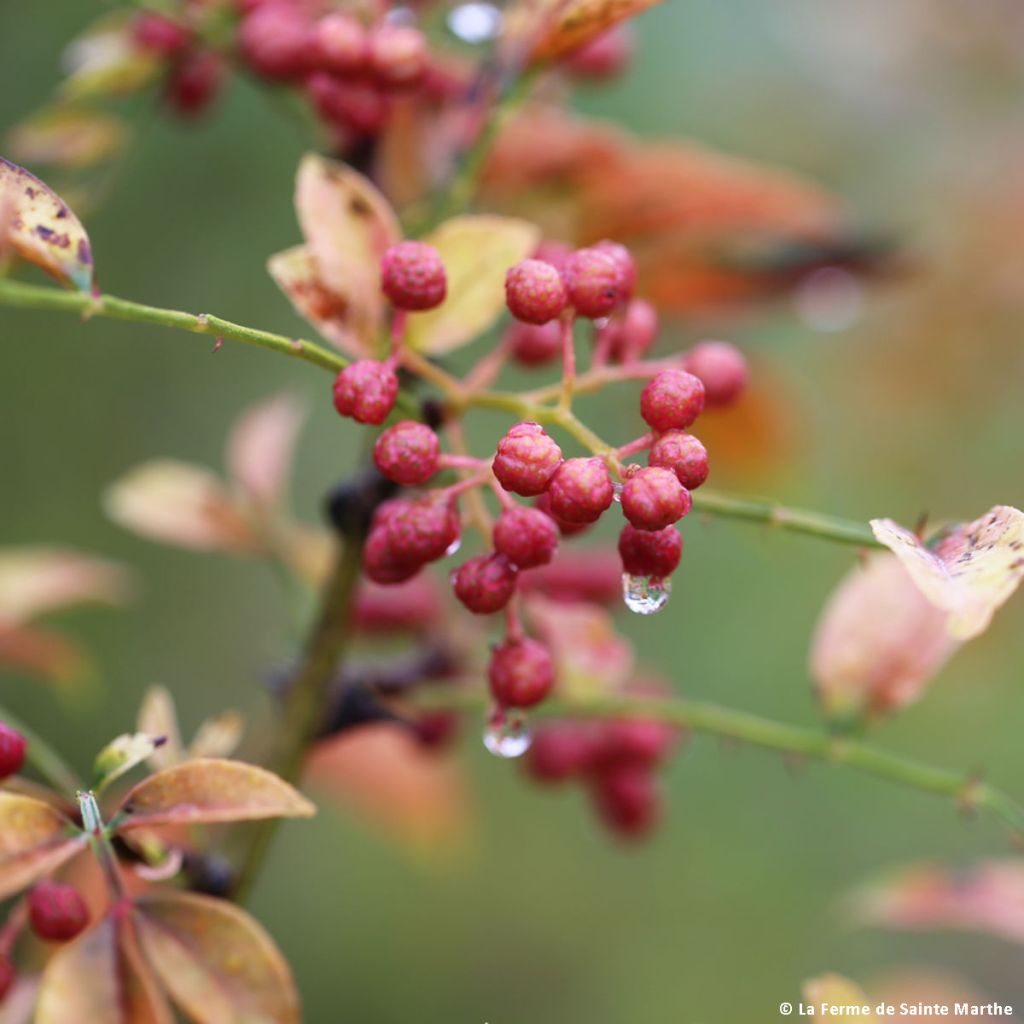
Zanthoxylum piperitum

Zanthoxylum piperitum
Zanthoxylum piperitum
Zanthoxylum piperitum
Japanese pepper, Korean pepper, sansho, chopi, Sichuan Pepper
Back-to-school special offer!
Get €10 off for every €50 you spend! And get up to €40 off on a single order.
How does it work?
1. Shop your favourites
Add your favourite plants to your basket. For every €50 you spend (excluding delivery charges, store credit and the plastic-free option), you’ll receive a €10 voucher.
€50 spent = €10 voucher
€100 spent = €20 voucher
€150 spent = €30 voucher
€200 spent = €40 voucher
2. Place your order
Once your basket reaches one of the spending thresholds, place your order. You can even choose your delivery date!
3. Receive your voucher
As soon as your order has been shipped, you’ll receive an email containing your personal voucher code and its value.
4. Use it on your next order
Your voucher is valid for 90 days from the date you receive it. It can be used once only, on a new order worth at least the value of the voucher, excluding delivery charges.
Please note: Vouchers can be combined with other offers, but cannot be split or refunded.
Home or relay delivery (depending on size and destination)
Important: You may be charged customs duties by your country’s customs authorities upon delivery.
Schedule delivery date,
and select date in basket
This plant carries a 6 months recovery warranty
More information
We guarantee the quality of our plants for a full growing cycle, and will replace at our expense any plant that fails to recover under normal climatic and planting conditions.
Description
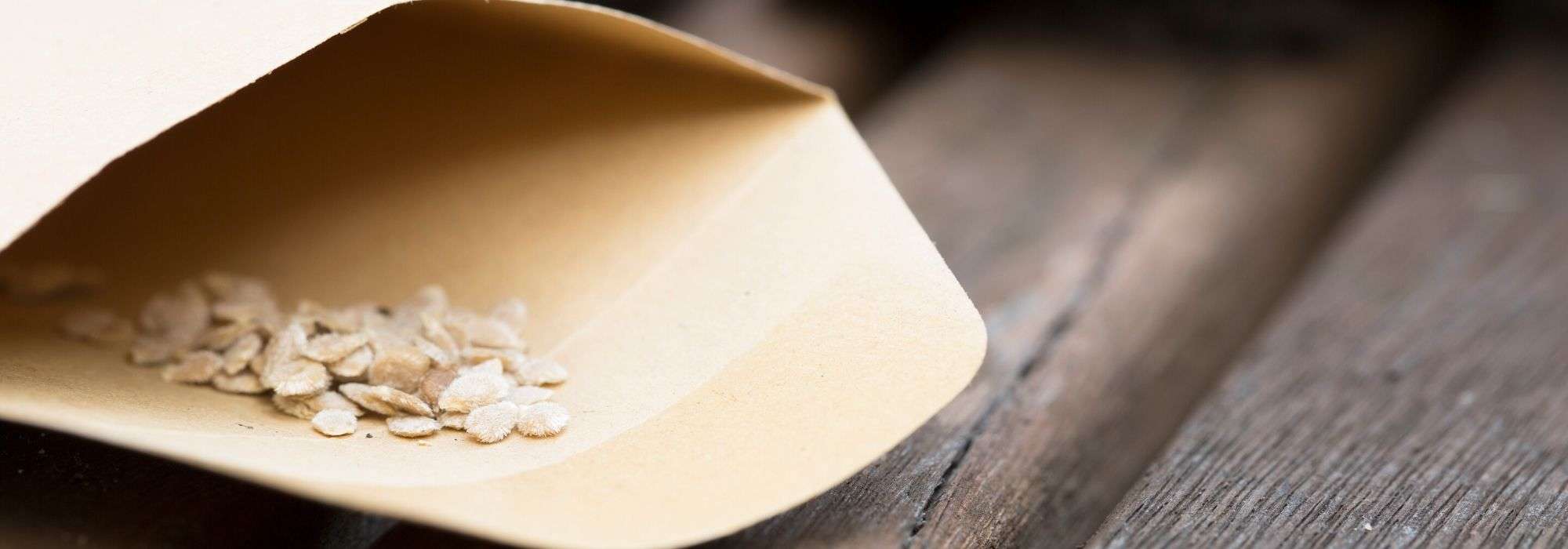
Zanthoxylum piperitum, sometimes called the Clavalier or Chinese pepper tree, is probably the most widespread of these small Asian trees known as Sichuan peppers. Once dried and ground, it is the skins of its incredibly aromatic berries that are used in Chinese and Japanese cuisine, under the name of Sichuan pepper. Often available as a young plant, this small tree can also be grown from seeds. In late autumn, cold stratification should be practiced by placing the seeds at around 4°C (39.2°F) for 3 to 4 months to break dormancy, then sowing at a temperature of 18 to 20°C (64.4 to 68°F) with constant humidity.
Native to the Sichuan province in southwestern China, Zanthoxylum piperitum is widely found from Japan to Vietnam. It belongs to the same family as citrus trees, the Rutaceae family, with which it shares a highly aromatic foliage. The few species that make up the Zanthoxylum genus are sometimes difficult to differentiate, often determined by the number of leaflets that make up the leaves or by morphological characteristics such as the flower, thorns, or main leaf vein. This tall bush loses its foliage in winter and thrives in well-draining and sufficiently deep soil. Late frosts can, however, damage its flowering and burn its young shoots. Only dense shade discourages this intrepid Chinese pepper tree.
Growing rapidly in moist and fertile soil, this small tree reaches an average height of 4 metres (13 feet) with a similar spread at maturity. Its habit is elegant, naturally bushy and spreading, supported by flexible branches. The trunk and young branches are adorned with slender flat thorns that widen at the base over the years, while their tips become blunt. They eventually form curious growths resembling large warts. The branches bear deciduous leaves arranged alternately, measuring 7 to 15cm (3 to 6in) in length, divided into 11 to 21 small ovate and glossy leaflets, toothed at the edges, with essential oil glands and small prickles. When crushed, they release a scent that is spicy, woody, lemony, and slightly peppery, but mild. They are a beautiful dark green colour, turning yellow, orange, or pinkish-purple in autumn before falling. Flowering already occurs on plants aged 3 or 4 years (since sowing). It takes place in May-June, earlier or later depending on the climate, on one-year-old branches. It consists of small clusters or cymes, 3 to 5cm (1 to 2in) in diameter, composed of small cup-shaped flowers in a yellow-green colour. This shrub has both male and female flowers. After pollination, round fruits, 3 to 5mm (0.25in) in diameter, spherical and verrucate, form on the female flowers. Their fleshy envelope turns pink-red when ripe, opening to reveal black and shiny seeds. Only the envelope is consumed once dried and ground. Note that the Chinese pepper tree tolerates pruning very well, even severe pruning.
On the table:
The pink berries of this Sichuan pepper tree should not be confused with "pink berries" or "pink pepper" sold in the spice aisle: these are produced by another small tree called Schinus terebinthifolius, the Brazilian pepper tree, native to South America. In cooking, we use the pink "skin" of the fruits of our Zanthoxylum to enhance preserves, rice, salads, and cooked dishes. This spice is essential in traditional Asian cuisine. Dried leaves reduced to powder are also used, especially in Japan: their aroma is very similar to that of the berries.
In the garden:
This small tree with fascinating bark is charming in an English or naturalistic garden. If planted in isolation, it can become a beautiful specimen over time, which will earn you surprised remarks from your visitors: you can perfectly prune the lower branches to expose its trunk, up to 1 metre (3 feet) from the ground. Left unpruned, it naturally fits into an untrimmed hedge, alongside dogwoods, rowans, viburnums, Osage orange, ornamental apple and cherry trees, or bee tree, for example. The spiny nature of its young branches makes this handsome shrub an ideal candidate for a defensive hedge. In this use, for example, combine it with Poncirus trifoliata, Rosa moyesii, Pyracantha, Crataegus monogyna, Cido, and sea buckthorn.
Organic or "AB" seeds come from plants grown without pesticides (insecticides, herbicides). These seeds also do not undergo any post-harvest treatment. They bear the AB label and are certified by Ecocert, an independent organization.
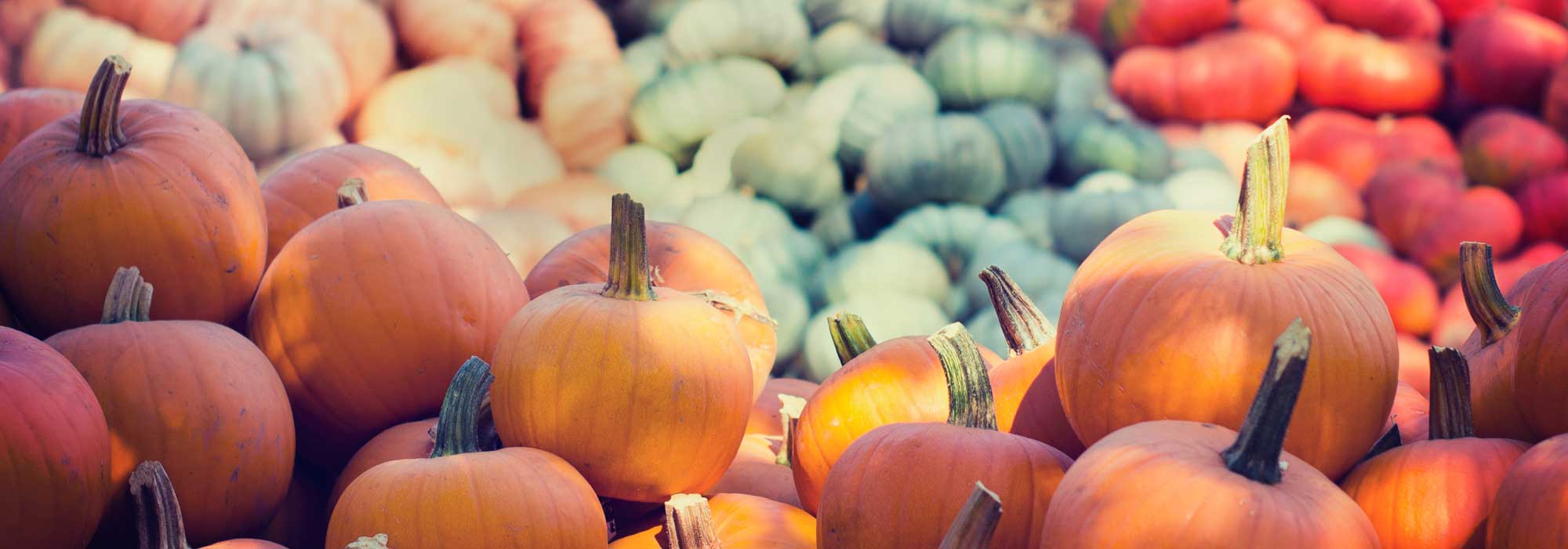
Harvest
Plant habit
Foliage
Botanical data
Zanthoxylum
piperitum
Rutaceae
Japanese pepper, Korean pepper, sansho, chopi, Sichuan Pepper
China
Perennial
Planting and care
Sowing:
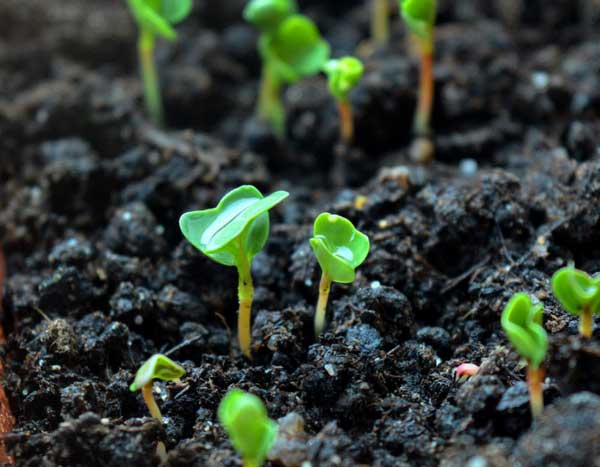
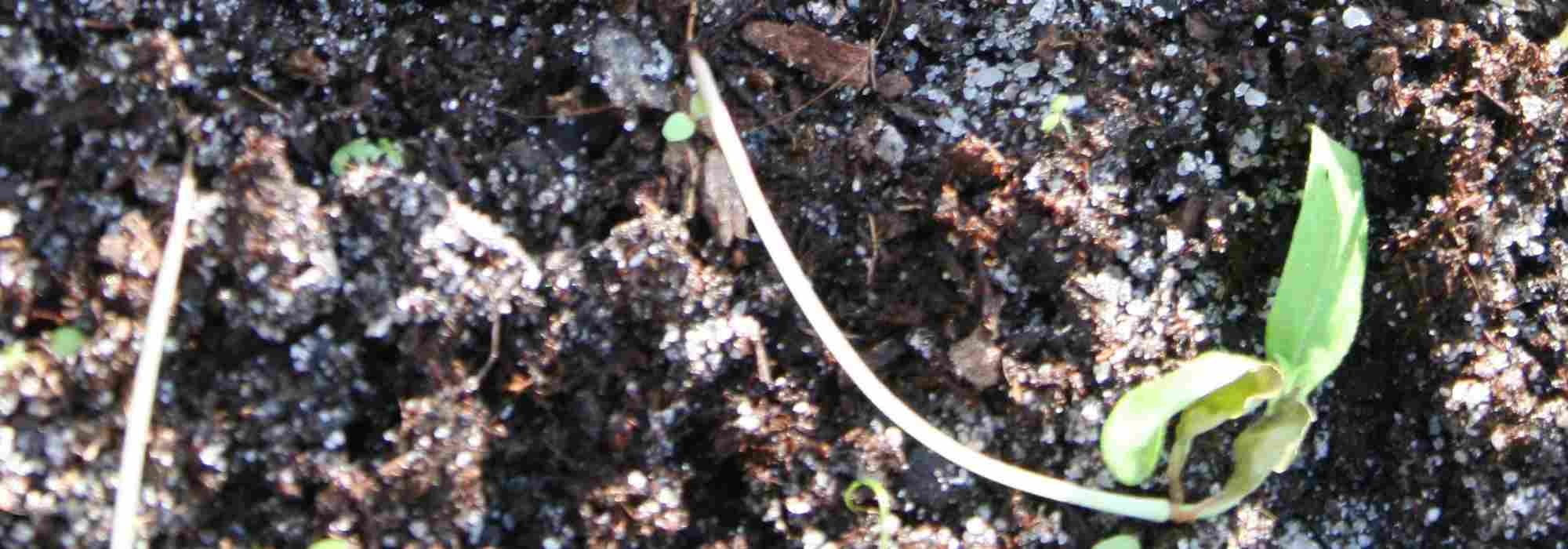
The germination of the Sichuan pepper is slow. It occurs at a temperature of about 18 to 20 °C. The emergence takes place between 30 and 160 days.
Sowing description: it is important to place the seeds in cold stratification (about 4 °C) for 3 to 4 months to break their dormancy. In late autumn, this operation consists of storing the seeds in a sealed box or bag, mixed with clean sand, in the vegetable compartment of the refrigerator. Three to four months later, sow the seeds in a tray or pot with a well-draining substrate, at a temperature of 18 to 20 °C, with constant humidity. The emergence will be fast.
It is also possible to carry out this stratification naturally, outdoors. In this case, simply sow the seeds directly outdoors, in open ground or in a pot during the autumn period. Be careful to use a well-draining substrate (with sand) and to maintain constant humidity.
Planting / Cultivation:
Choose a location sheltered from cold and dry winds that could damage its flowering and burn its young shoots. A sunny or partially shaded exposure is suitable, only dense shade prevents it from flowering and fruiting. It prefers deep, loose, fertile, and well-draining soils. It tolerates the presence of clay and limestone in the soil and adapts to acidic soils if they are not too poor. Its growth is rapid if the soil remains slightly moist in summer. Once established, after 3 years of cultivation, it can do without watering in summer, except in Mediterranean climates. Resistant to -18°C, it is more sensitive during its early years, especially in heavy and wet soil: lighten your garden soil if necessary with the addition of river sand, gravel, or volcanic rock. In very cold regions, protect young plants with winter fleece and mulch the base.
This Chinese pepper is an easy-to-grow plant that requires little maintenance. In a free hedge, plant one every metre. If necessary, pruning should be done in autumn, but the following spring flowering will be sacrificed. It does not suffer from any specific diseases or pests in our gardens.
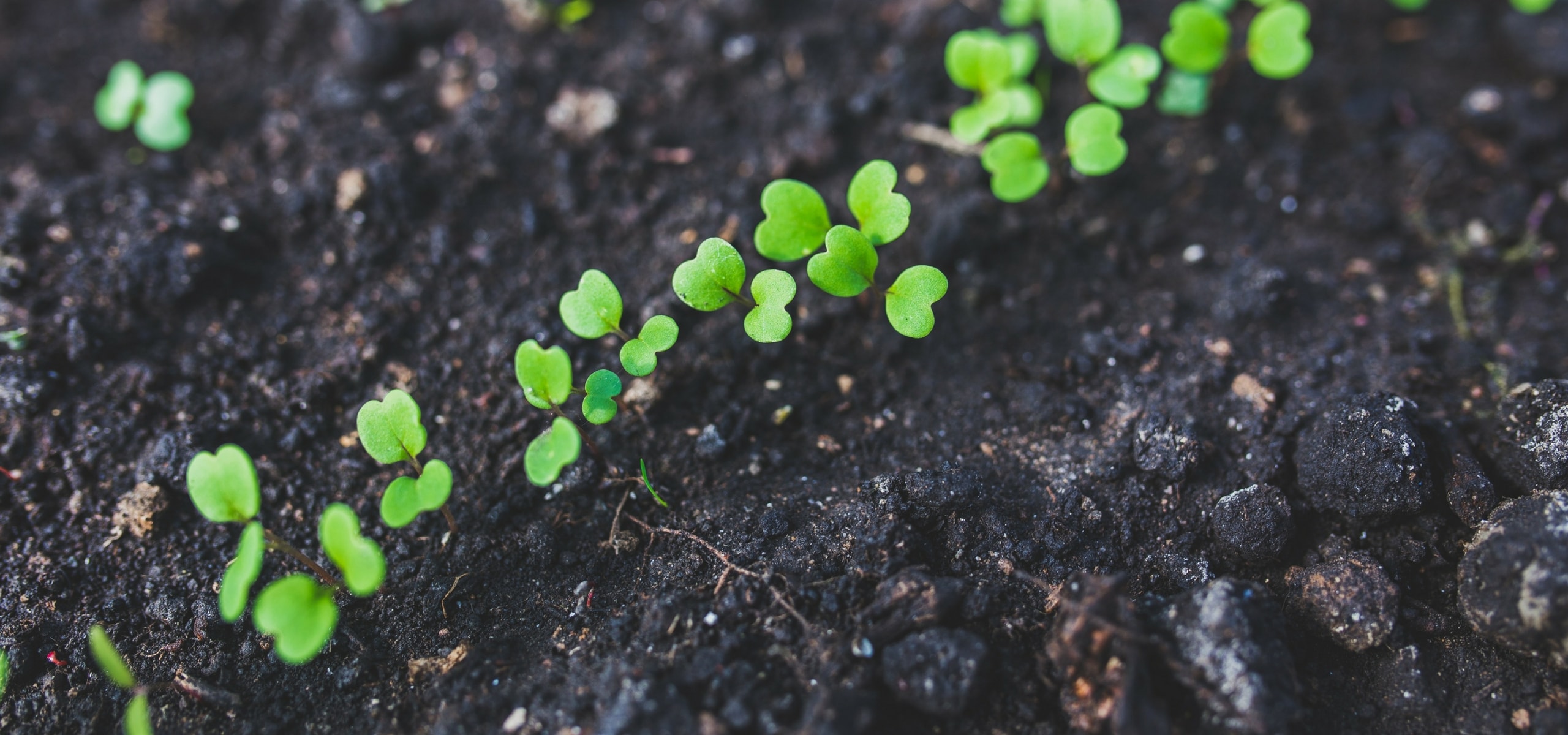
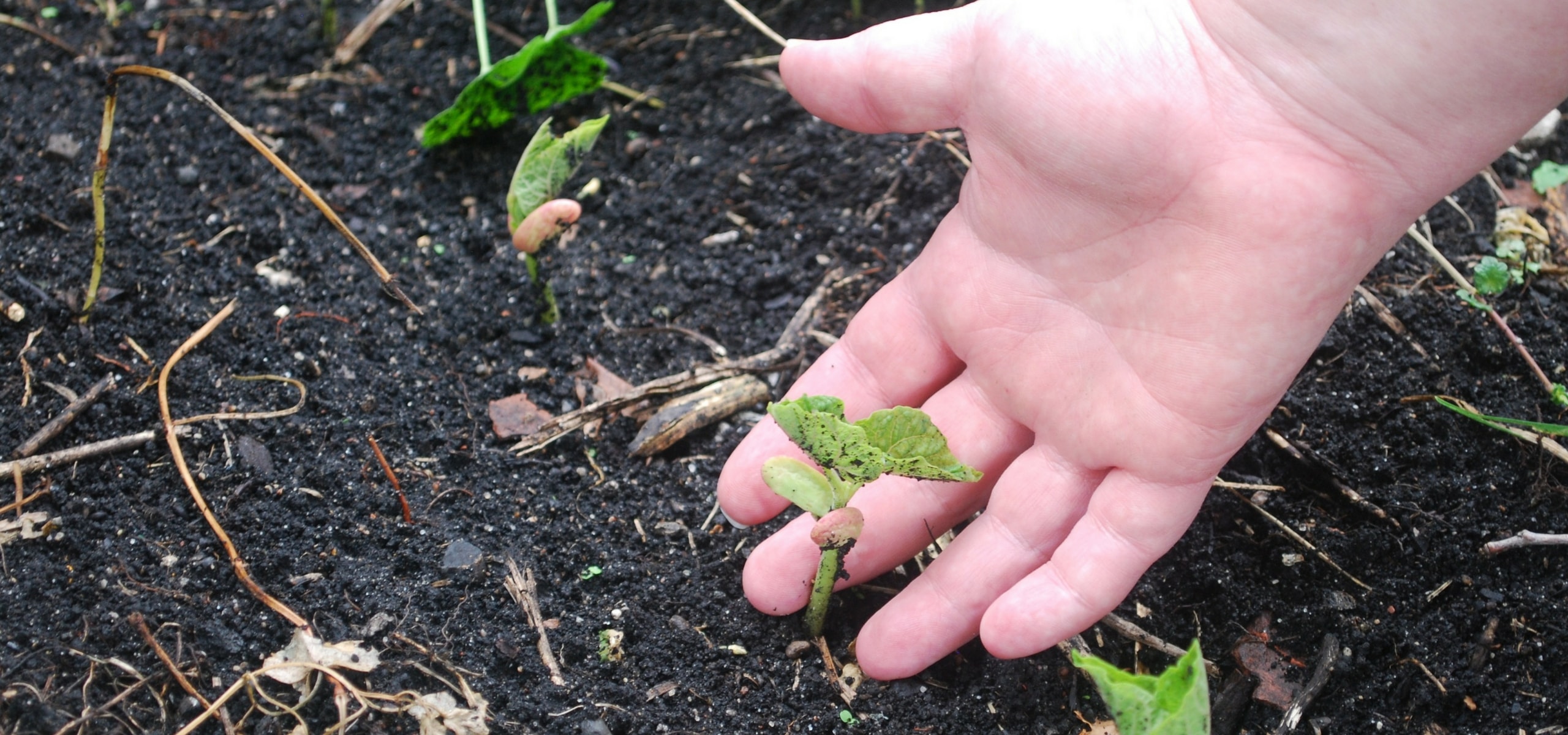
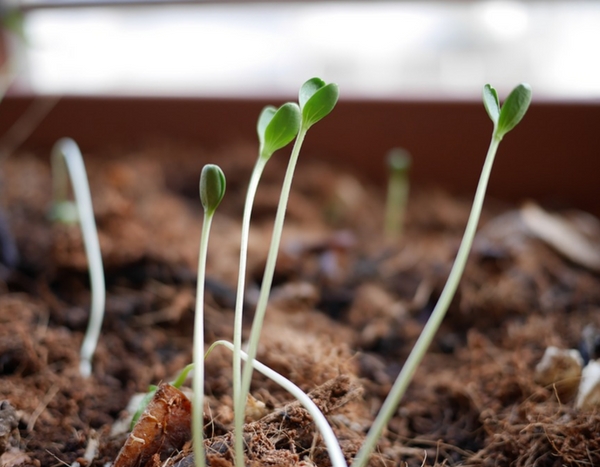
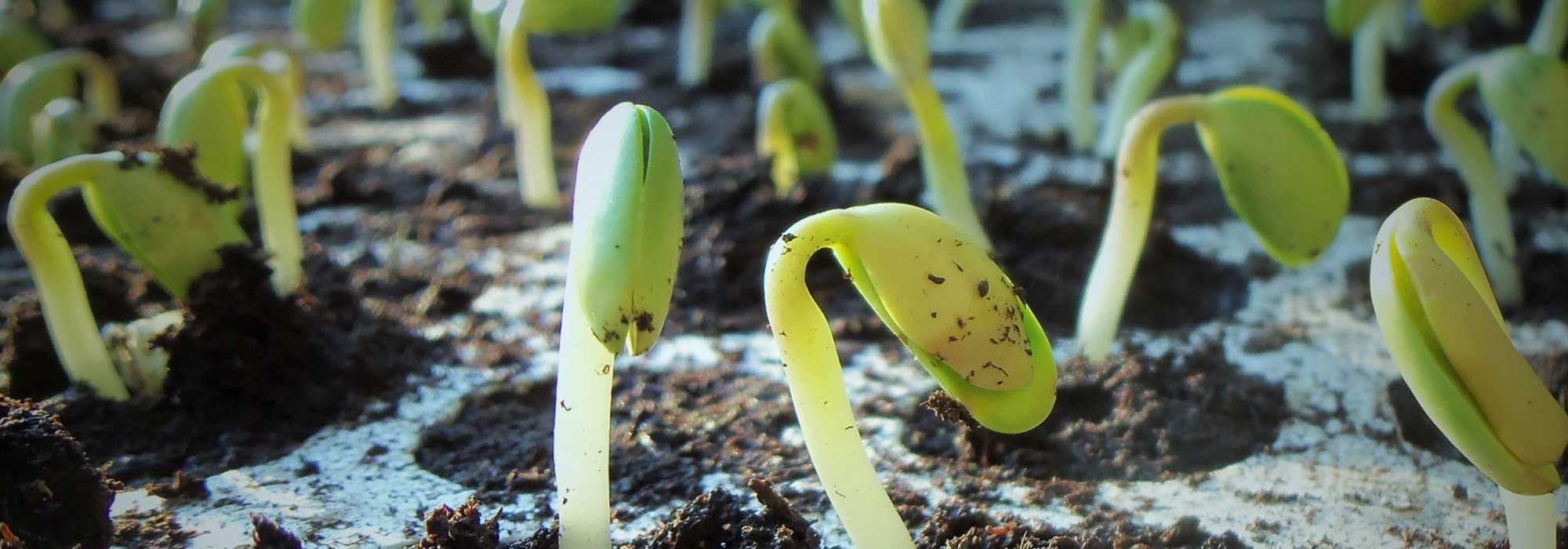
Seedlings
Care
Intended location
Planting & care advice
-
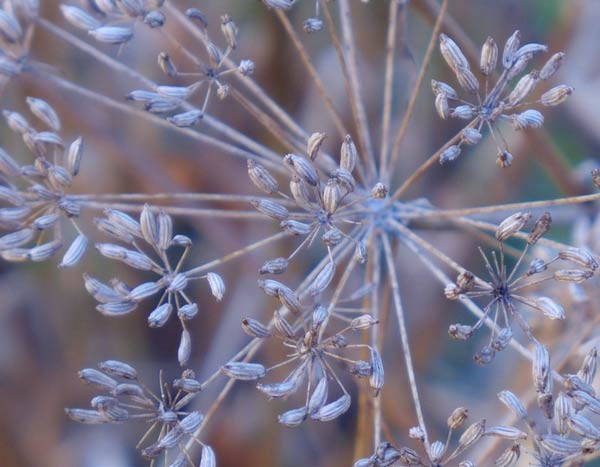
-
-
-
-
-
-
-
This item has not been reviewed yet - be the first to leave a review about it.
Recently viewed products
Haven't found what you were looking for?
Hardiness is the lowest winter temperature a plant can endure without suffering serious damage or even dying. However, hardiness is affected by location (a sheltered area, such as a patio), protection (winter cover) and soil type (hardiness is improved by well-drained soil).

The flowering period indicated on our website applies to countries and regions located in USDA zone 8 (France, the United Kingdom, Ireland, the Netherlands, etc.)
It will vary according to where you live:- In zones 9 to 10 (Italy, Spain, Greece, etc.), flowering will occur about 2 to 4 weeks earlier.
- In zones 6 to 7 (Germany, Poland, Slovenia, and lower mountainous regions), flowering will be delayed by 2 to 3 weeks.
- In zone 5 (Central Europe, Scandinavia), blooming will be delayed by 3 to 5 weeks.
In temperate climates, pruning of spring-flowering shrubs (forsythia, spireas, etc.) should be done just after flowering.
Pruning of summer-flowering shrubs (Indian Lilac, Perovskia, etc.) can be done in winter or spring.
In cold regions as well as with frost-sensitive plants, avoid pruning too early when severe frosts may still occur.
The planting period indicated on our website applies to countries and regions located in USDA zone 8 (France, United Kingdom, Ireland, Netherlands).
It will vary according to where you live:
- In Mediterranean zones (Marseille, Madrid, Milan, etc.), autumn and winter are the best planting periods.
- In continental zones (Strasbourg, Munich, Vienna, etc.), delay planting by 2 to 3 weeks in spring and bring it forward by 2 to 4 weeks in autumn.
- In mountainous regions (the Alps, Pyrenees, Carpathians, etc.), it is best to plant in late spring (May-June) or late summer (August-September).
The harvesting period indicated on our website applies to countries and regions in USDA zone 8 (France, England, Ireland, the Netherlands).
In colder areas (Scandinavia, Poland, Austria...) fruit and vegetable harvests are likely to be delayed by 3-4 weeks.
In warmer areas (Italy, Spain, Greece, etc.), harvesting will probably take place earlier, depending on weather conditions.
The sowing periods indicated on our website apply to countries and regions within USDA Zone 8 (France, UK, Ireland, Netherlands).
In colder areas (Scandinavia, Poland, Austria...), delay any outdoor sowing by 3-4 weeks, or sow under glass.
In warmer climes (Italy, Spain, Greece, etc.), bring outdoor sowing forward by a few weeks.
Shipping country and language
Your country of residence may be:
Your country of residence is:
For a better user experience on our website, you can select:
Your shipping country:
-
 Austria
-
 Belgium
-
 Bosnia & Herzegovina
-
 Bulgaria
-
 Croatia
-
 Cyprus
-
 Czechia
-
 Denmark
-
 Estonia
-
 Finland
-
 France
-
 Germany
-
 Greece
-
 Hungary
-
 Iceland
-
 Ireland
-
 Italy
Italy
-
 Latvia
-
 Liechtenstein
-
 Lithuania
-
 Luxembourg
-
 Malta
Malta
-
 Netherlands
-
 Poland
-
 Portugal
-
 Romania
-
 Serbia
-
 Slovakia
-
 Slovenia
-
 Spain
Spain
-
 Sweden
-
 Switzerland
Language:
-
French
-
 English
-
Spanish
-
Italian
-
German
-
Portuguese
-
Dutch
-
Finnish
My Account
Hello
My wish lists
My cart
Log in / Register
Existing customer?
This form is protected by reCAPTCHA - the Google Privacy Policy and Terms of Service apply.
New customer?
Create an account to track your orders, access our customer service and, if you wish, make the most of our upcoming offers.