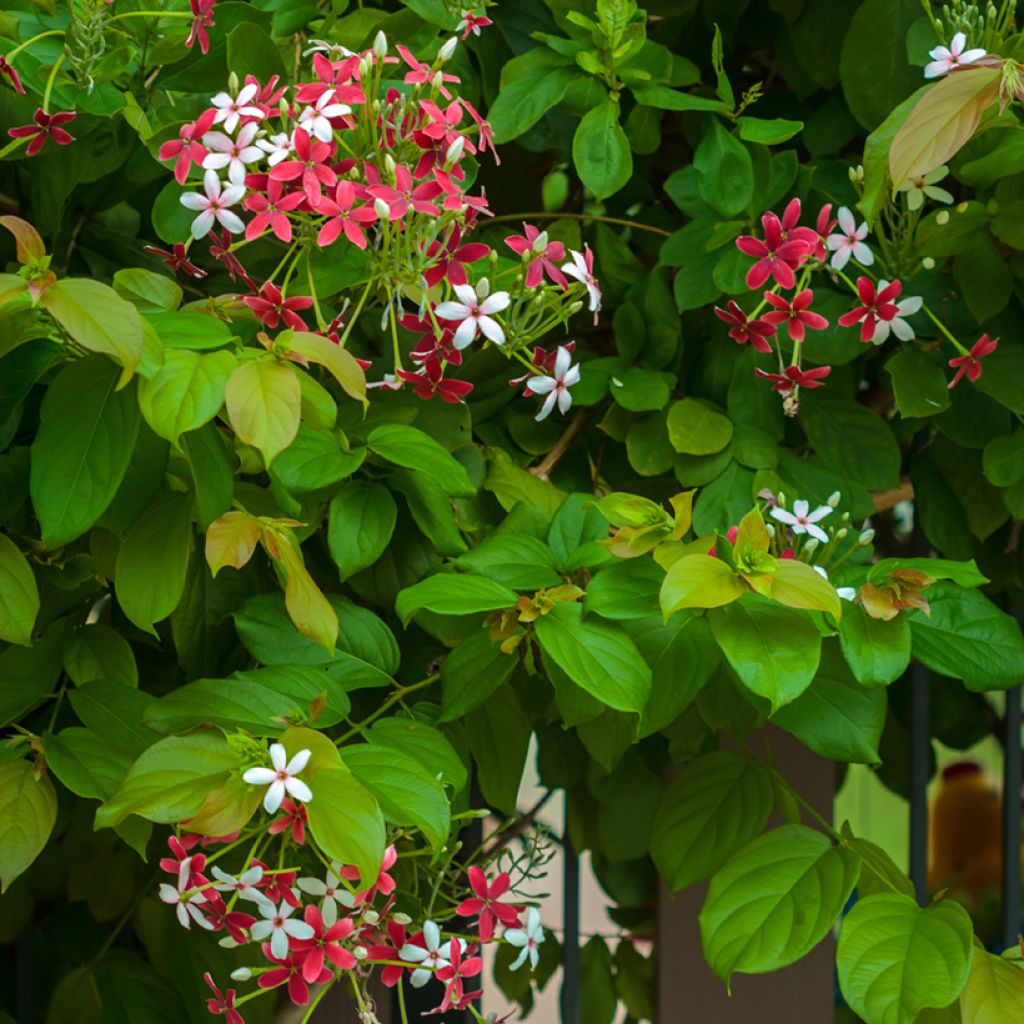
Quisqualis indica - Rangoon creeper
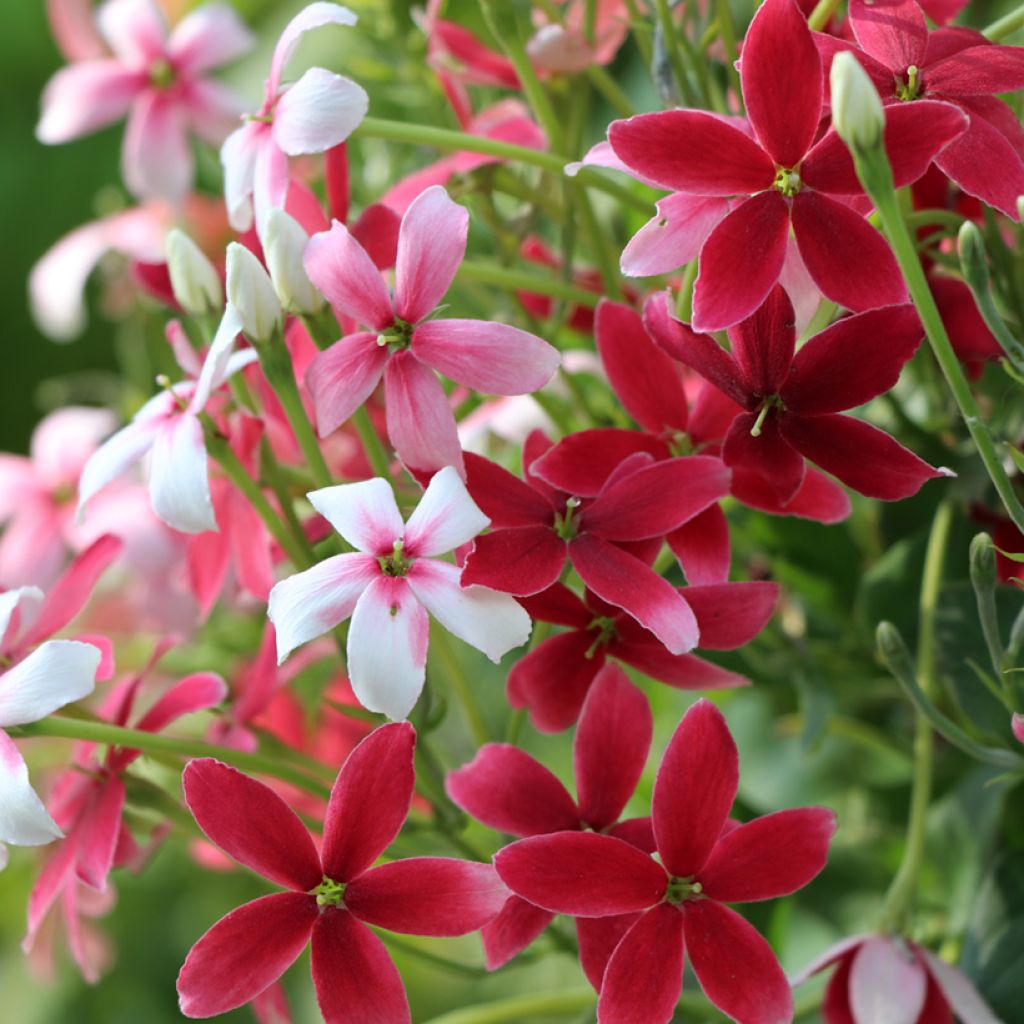
Quisqualis indica - Rangoon creeper
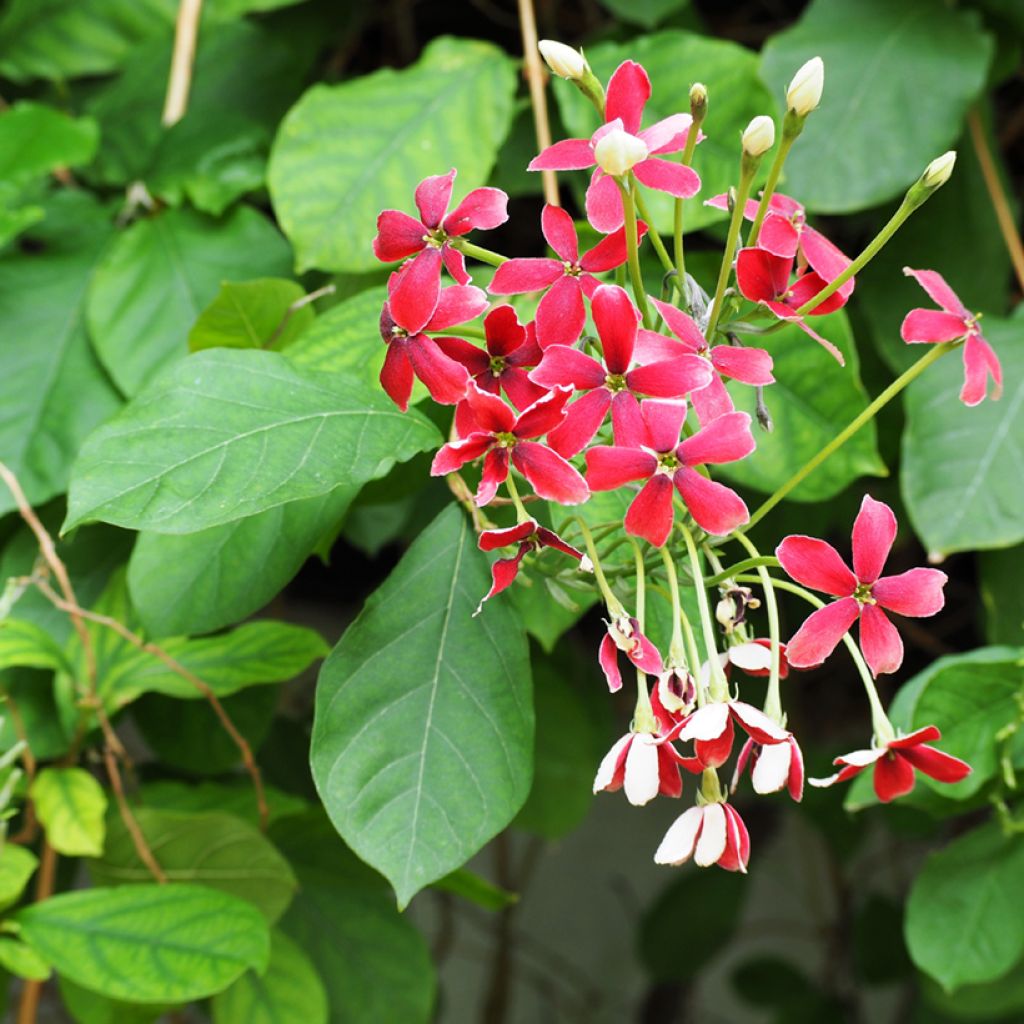
Quisqualis indica - Rangoon creeper
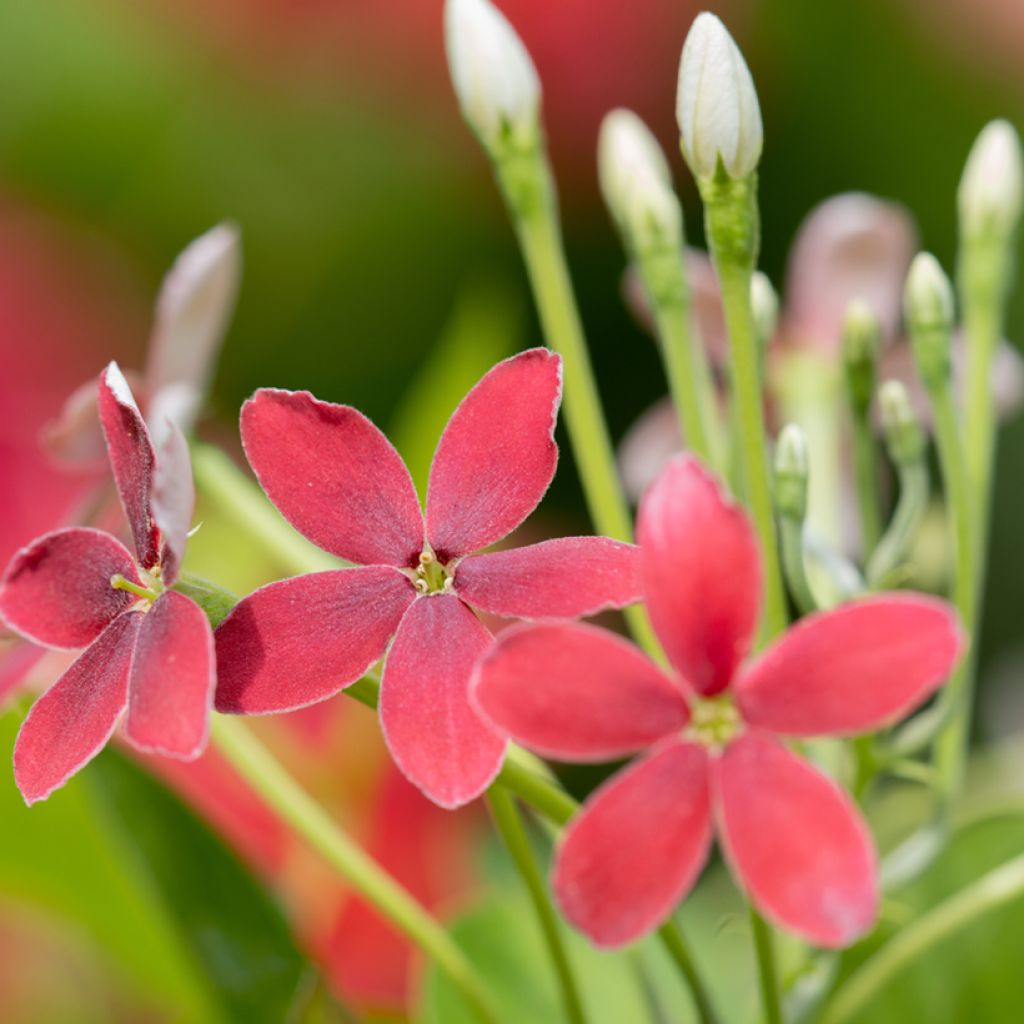
Quisqualis indica - Rangoon creeper
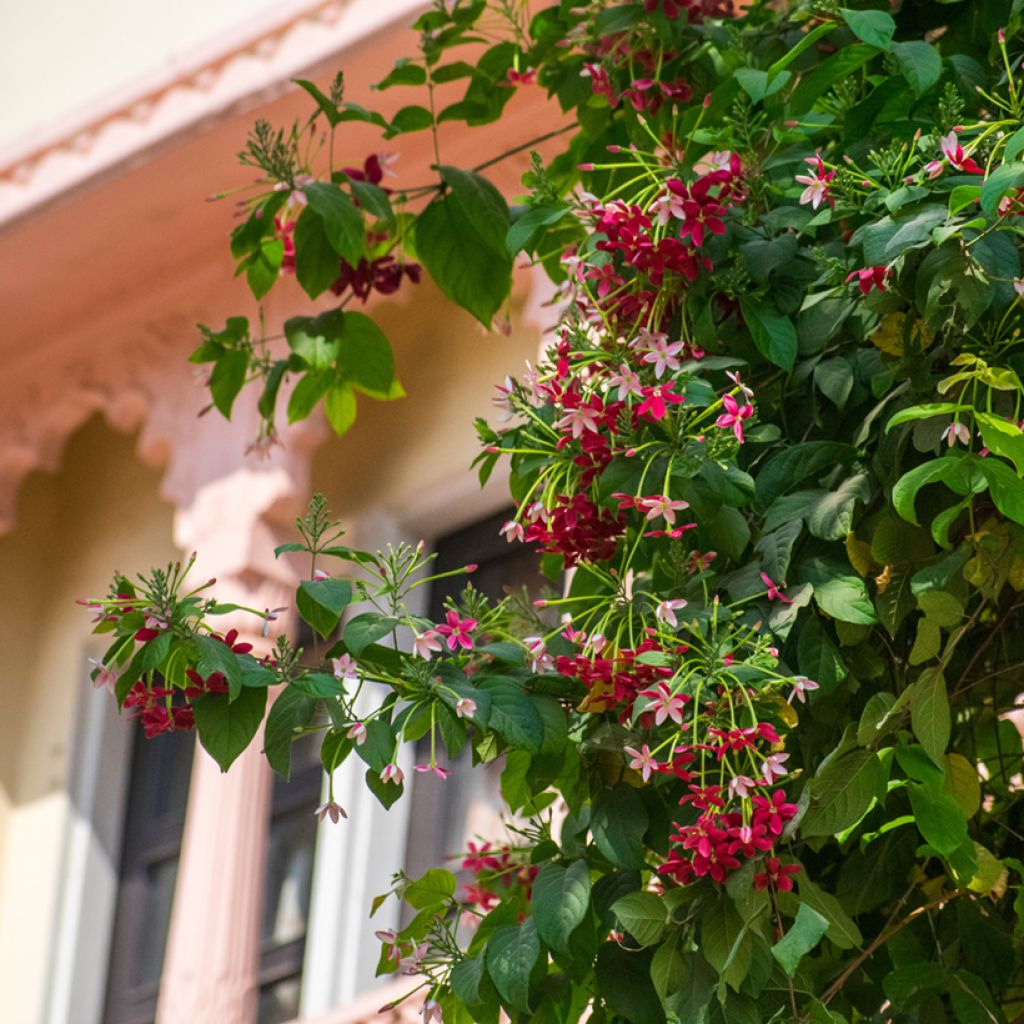
Quisqualis indica - Rangoon creeper
Quisqualis indica - Rangoon creeper
Quisqualis indica
Rangoon creeper, Burma creeper
Back-to-school special offer!
Get €10 off for every €50 you spend! And get up to €40 off on a single order.
How does it work?
1. Shop your favourites
Add your favourite plants to your basket. For every €50 you spend (excluding delivery charges, store credit and the plastic-free option), you’ll receive a €10 voucher.
€50 spent = €10 voucher
€100 spent = €20 voucher
€150 spent = €30 voucher
€200 spent = €40 voucher
2. Place your order
Once your basket reaches one of the spending thresholds, place your order. You can even choose your delivery date!
3. Receive your voucher
As soon as your order has been shipped, you’ll receive an email containing your personal voucher code and its value.
4. Use it on your next order
Your voucher is valid for 90 days from the date you receive it. It can be used once only, on a new order worth at least the value of the voucher, excluding delivery charges.
Please note: Vouchers can be combined with other offers, but cannot be split or refunded.
Why not try an alternative variety in stock?
View all →
Available in 0 sizes
Available in 0 sizes
Available in 0 sizes
Available in 0 sizes
Available in 0 sizes
Available in 0 sizes
Available in 0 sizes
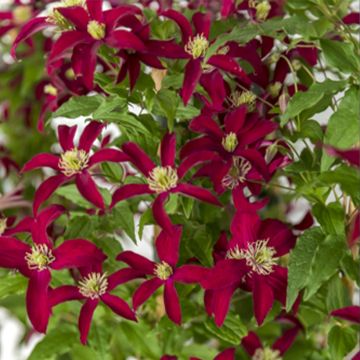
Available in 1 sizes
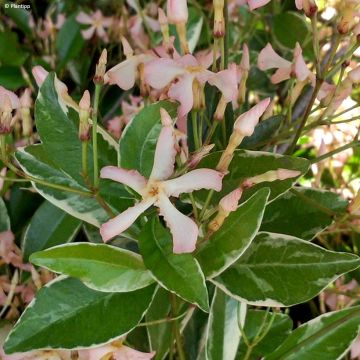
Available in 2 sizes
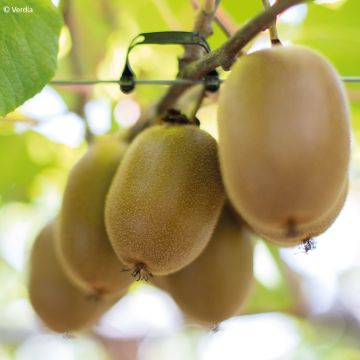
Available in 1 sizes
This plant carries a 12 months recovery warranty
More information
We guarantee the quality of our plants for a full growing cycle, and will replace at our expense any plant that fails to recover under normal climatic and planting conditions.
Would this plant suit my garden?
Set up your Plantfit profile →
Description
Quisqualis indica, better known as Rangoon Creeper, is a vigorous tropical climber with captivating, fragrant tricolour flowering. Its clusters of flowers, blending white, pink and red, are a delight to enjoy throughout summer. With rapid growth in warm climates, this tropical plant can cover a pergola, trellis or sunny wall in gardens of the Mediterranean coast. Elsewhere, in a pot, it will be more modest but will add character to your terrace or conservatory. You will need to protect it from the cold in winter.
Quisqualis indica, sometimes called Drunken Sailor, is a woody climber belonging to the Combretaceae family. Native to tropical regions of Southeast Asia and tropical Africa, particularly the Indian subcontinent, Malaysia and the Philippines, this plant has become widely naturalised in other tropical and subtropical areas worldwide. It is mainly found on forest edges, in open areas or along watercourses, where it benefits from high humidity and generous sunlight. Quisqualis indica thrives in warm, humid climates. It prefers rich, moist, well-drained soil and a sunny to partially shaded position, sheltered from strong winds. In tropical climates, this climber grows vigorously and can quickly cover large areas thanks to its twining stems, which naturally twine around supports. It is a fast-growing plant, reaching 8 to 10 metres in height and 3 to 5 metres in spread in its natural habitat. Under a true Mediterranean climate, its growth remains significant but more moderate, reaching 4 to 6 metres in height and 2 to 3 metres in spread when planted in the ground. Grown in a pot, it typically reaches 2 to 3 metres, depending on the container size and care provided.
Its opposite, elliptical to oblong leaves measure between 10 and 20 cm long. Their slightly leathery texture and bright green hue enhance the plant's lush appearance. The foliage is evergreen in tropical climates but may become semi-evergreen to deciduous in cooler temperatures. Its long tubular flowers are one of its major assets. Arranged in pendulous clusters, they emit an intense, sweet fragrance, particularly in the evening. Their unique feature is that they change colour over time: they open white, turn pink, then red within days, with several shades coexisting on the same inflorescence. Flowering is mainly in summer in our climates, but can last year-round in tropical regions. The root system of Quisqualis indica is deep and well-anchored, allowing it to withstand drought once established. However, the plant remains sensitive to strong winds, which can damage its twining stems if not securely attached to a support.
Quisqualis indica is prized as much for its ornamental character as for its traditional medicinal properties. In Asia, its seeds and leaves are used in herbal medicine, notably for their anthelmintic effects, hence its nickname "Drunken Sailor".
Planted in a large pot during the warmer months, Rangoon Creeper deserves a prime spot on the most sheltered façade of the house or on a large sheltered balcony. It can be used in countless ways in very mild climate gardens, to adorn an arbour, cover a sheltered wall, trellis or south-facing façade. Pair it with other exotic climbers such as passionflowers and black-eyed Susans, for example. This exotic plant requires complete protection from frost during its first years of cultivation. Once well-established, its protected crown can withstand light frosts.
Report an error about the product description
Quisqualis indica - Rangoon creeper in pictures
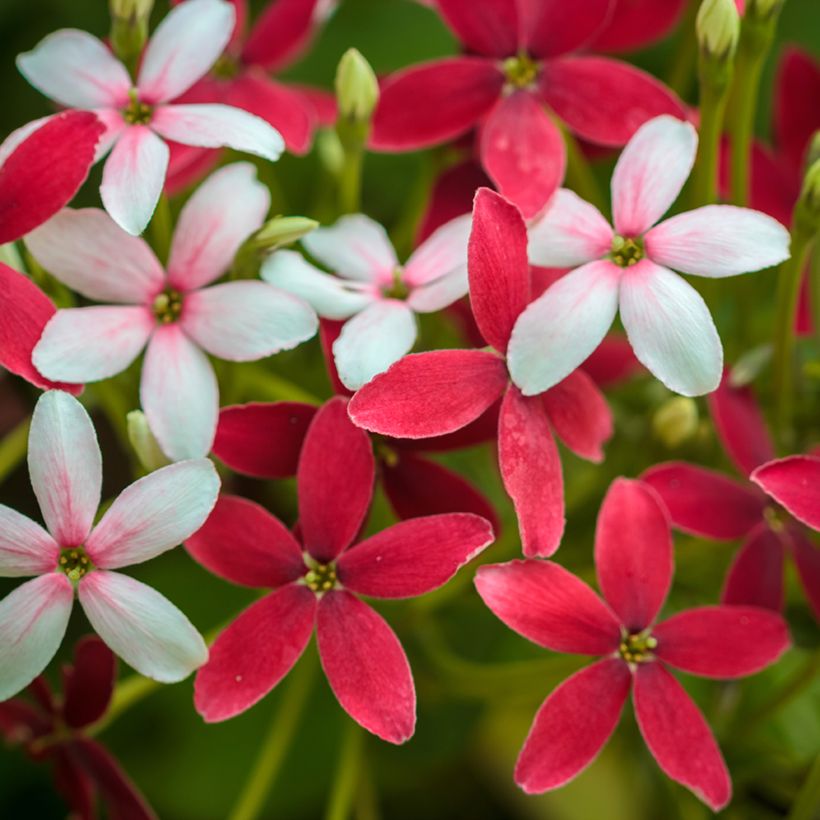
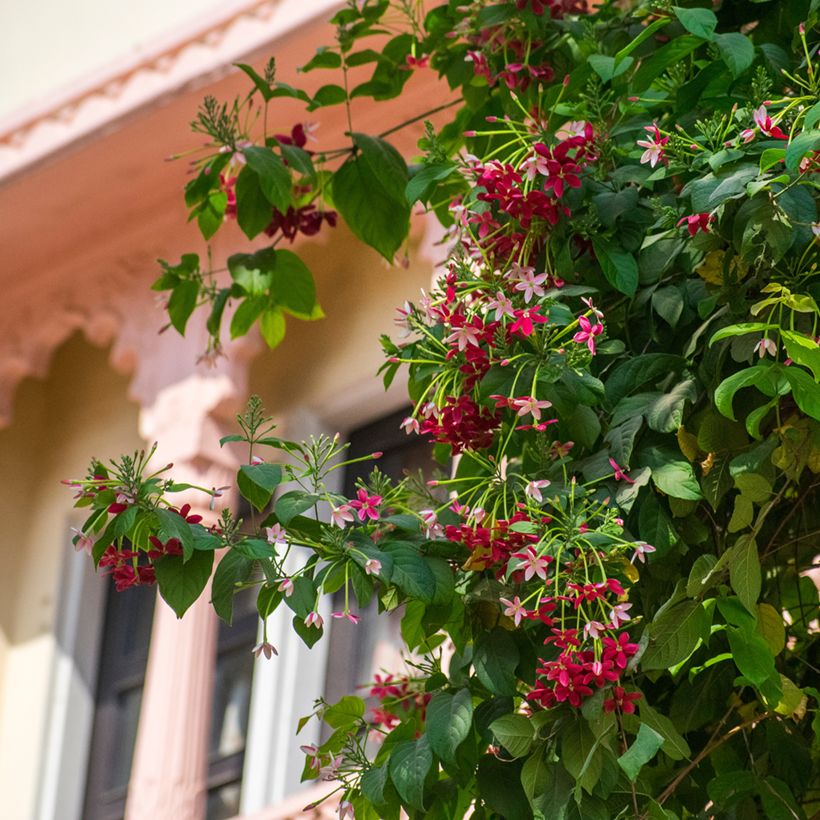
Plant habit
Flowering
Foliage
Botanical data
Quisqualis
indica
Combretaceae
Rangoon creeper, Burma creeper
Combretum indicum
Southeast Asia
Planting and care
Quisqualis indica prefers a rich, humus-bearing, well-drained, slightly acidic to neutral soil. When planted in the ground, it should be placed in a sunny to partially shaded spot, sheltered from strong winds that could weaken its twining stems. It is not hardy and struggles with temperatures below 5°C. However, in regions with mild winters, its crown can withstand light frosts if well protected by a thick mulch and winter fleece. In areas where temperatures regularly drop below 5°C, it is best grown in a pot so it can be brought indoors during winter.
In pots, choose a large container (at least 40 cm in diameter) with good drainage and a substrate composed of Mediterranean plant compost, enriched with compost. Place the pot in a bright location and water regularly, allowing the substrate to dry slightly between waterings. In winter, bring it into a conservatory or greenhouse maintained at a minimum temperature of 10°C.
Planting period
Intended location
Care
Planting & care advice
-

-
-
-
-
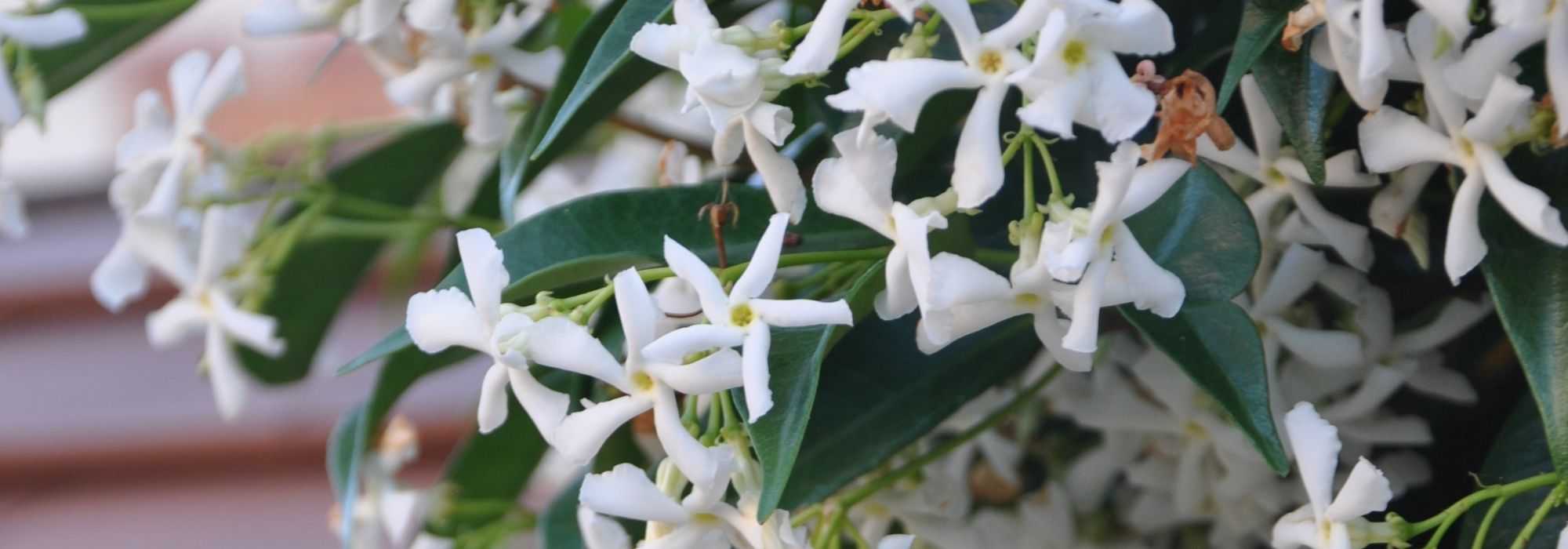
-
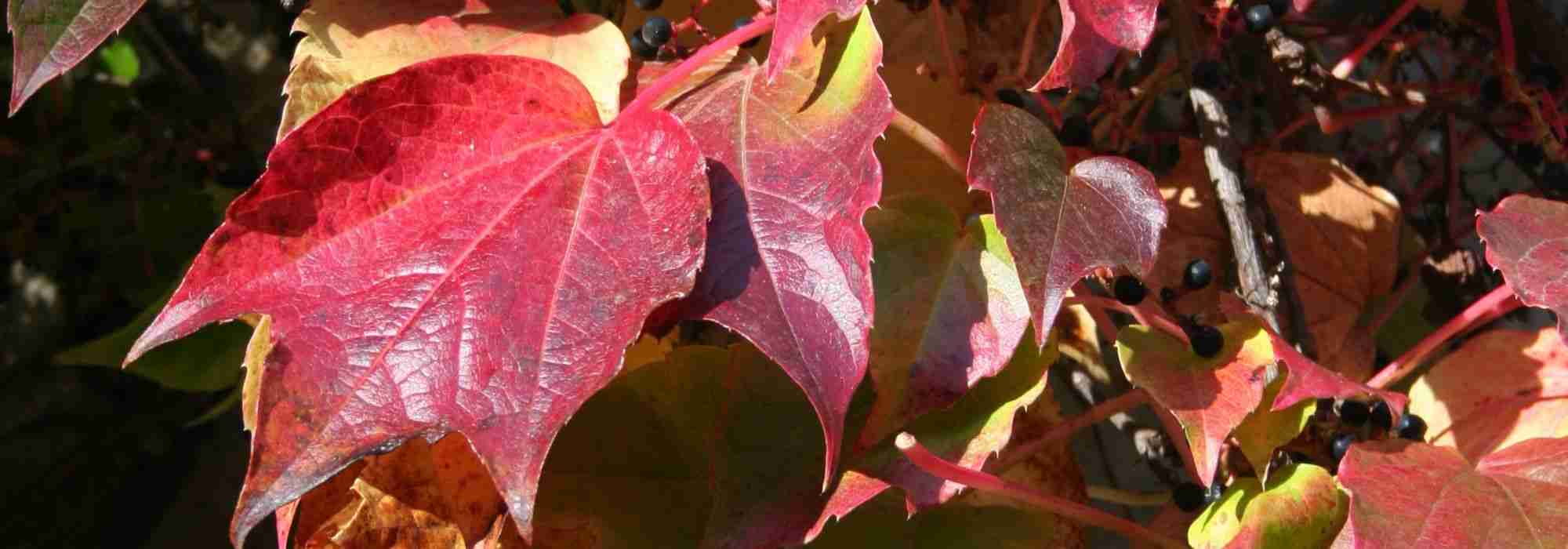
-
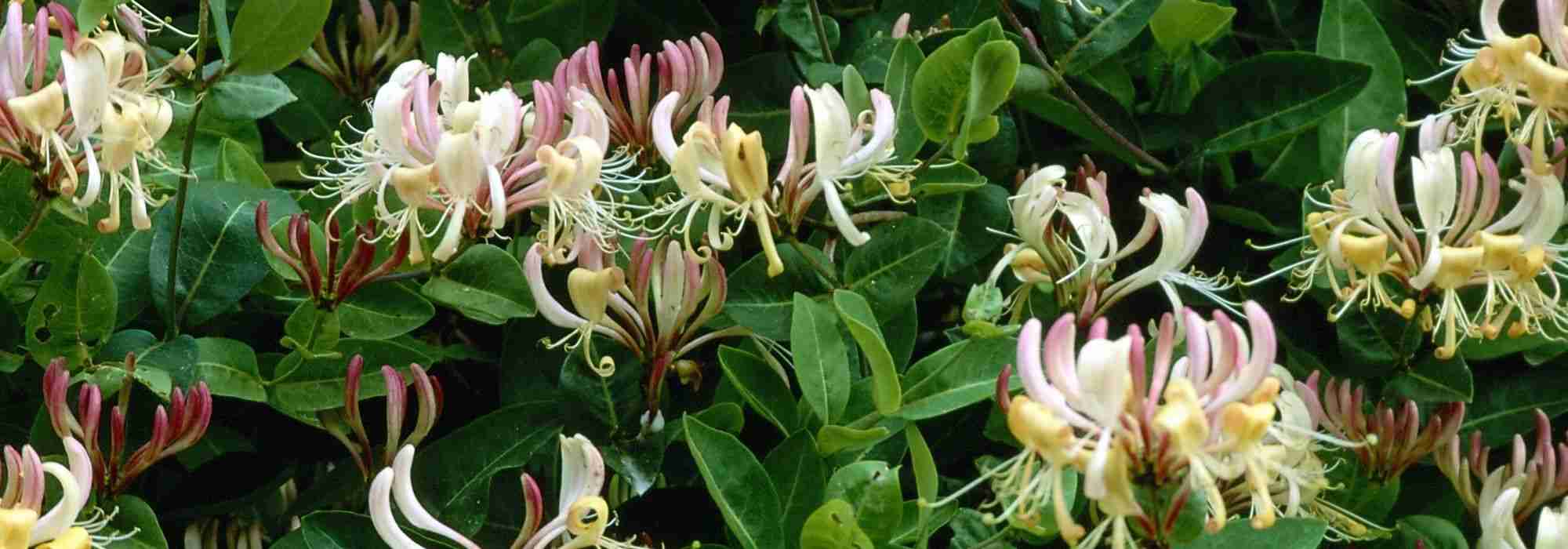
-
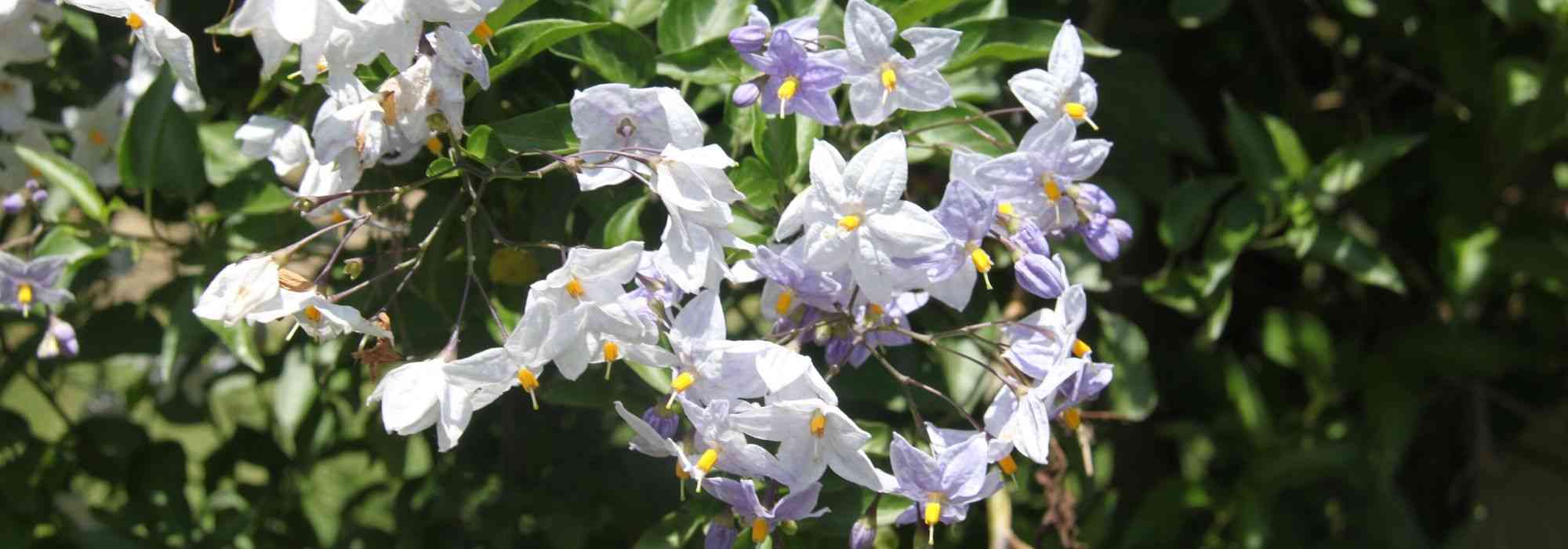
This item has not been reviewed yet - be the first to leave a review about it.
Recently viewed products
Haven't found what you were looking for?
Hardiness is the lowest winter temperature a plant can endure without suffering serious damage or even dying. However, hardiness is affected by location (a sheltered area, such as a patio), protection (winter cover) and soil type (hardiness is improved by well-drained soil).

The flowering period indicated on our website applies to countries and regions located in USDA zone 8 (France, the United Kingdom, Ireland, the Netherlands, etc.)
It will vary according to where you live:- In zones 9 to 10 (Italy, Spain, Greece, etc.), flowering will occur about 2 to 4 weeks earlier.
- In zones 6 to 7 (Germany, Poland, Slovenia, and lower mountainous regions), flowering will be delayed by 2 to 3 weeks.
- In zone 5 (Central Europe, Scandinavia), blooming will be delayed by 3 to 5 weeks.
In temperate climates, pruning of spring-flowering shrubs (forsythia, spireas, etc.) should be done just after flowering.
Pruning of summer-flowering shrubs (Indian Lilac, Perovskia, etc.) can be done in winter or spring.
In cold regions as well as with frost-sensitive plants, avoid pruning too early when severe frosts may still occur.
The planting period indicated on our website applies to countries and regions located in USDA zone 8 (France, United Kingdom, Ireland, Netherlands).
It will vary according to where you live:
- In Mediterranean zones (Marseille, Madrid, Milan, etc.), autumn and winter are the best planting periods.
- In continental zones (Strasbourg, Munich, Vienna, etc.), delay planting by 2 to 3 weeks in spring and bring it forward by 2 to 4 weeks in autumn.
- In mountainous regions (the Alps, Pyrenees, Carpathians, etc.), it is best to plant in late spring (May-June) or late summer (August-September).
The harvesting period indicated on our website applies to countries and regions in USDA zone 8 (France, England, Ireland, the Netherlands).
In colder areas (Scandinavia, Poland, Austria...) fruit and vegetable harvests are likely to be delayed by 3-4 weeks.
In warmer areas (Italy, Spain, Greece, etc.), harvesting will probably take place earlier, depending on weather conditions.
The sowing periods indicated on our website apply to countries and regions within USDA Zone 8 (France, UK, Ireland, Netherlands).
In colder areas (Scandinavia, Poland, Austria...), delay any outdoor sowing by 3-4 weeks, or sow under glass.
In warmer climes (Italy, Spain, Greece, etc.), bring outdoor sowing forward by a few weeks.
Shipping country and language
Your country of residence may be:
Your country of residence is:
For a better user experience on our website, you can select:
Your shipping country:
-
 Austria
-
 Belgium
-
 Bosnia & Herzegovina
-
 Bulgaria
-
 Croatia
-
 Cyprus
-
 Czechia
-
 Denmark
-
 Estonia
-
 Finland
-
 France
-
 Germany
-
 Greece
-
 Hungary
-
 Iceland
-
 Ireland
-
 Italy
Italy
-
 Latvia
-
 Liechtenstein
-
 Lithuania
-
 Luxembourg
-
 Malta
Malta
-
 Netherlands
-
 Poland
-
 Portugal
-
 Romania
-
 Serbia
-
 Slovakia
-
 Slovenia
-
 Spain
Spain
-
 Sweden
-
 Switzerland
Language:
-
French
-
 English
-
Spanish
-
Italian
-
German
-
Portuguese
-
Dutch
-
Finnish
My Account
Hello
My wish lists
My cart
Log in / Register
Existing customer?
This form is protected by reCAPTCHA - the Google Privacy Policy and Terms of Service apply.
New customer?
Create an account to track your orders, access our customer service and, if you wish, make the most of our upcoming offers.