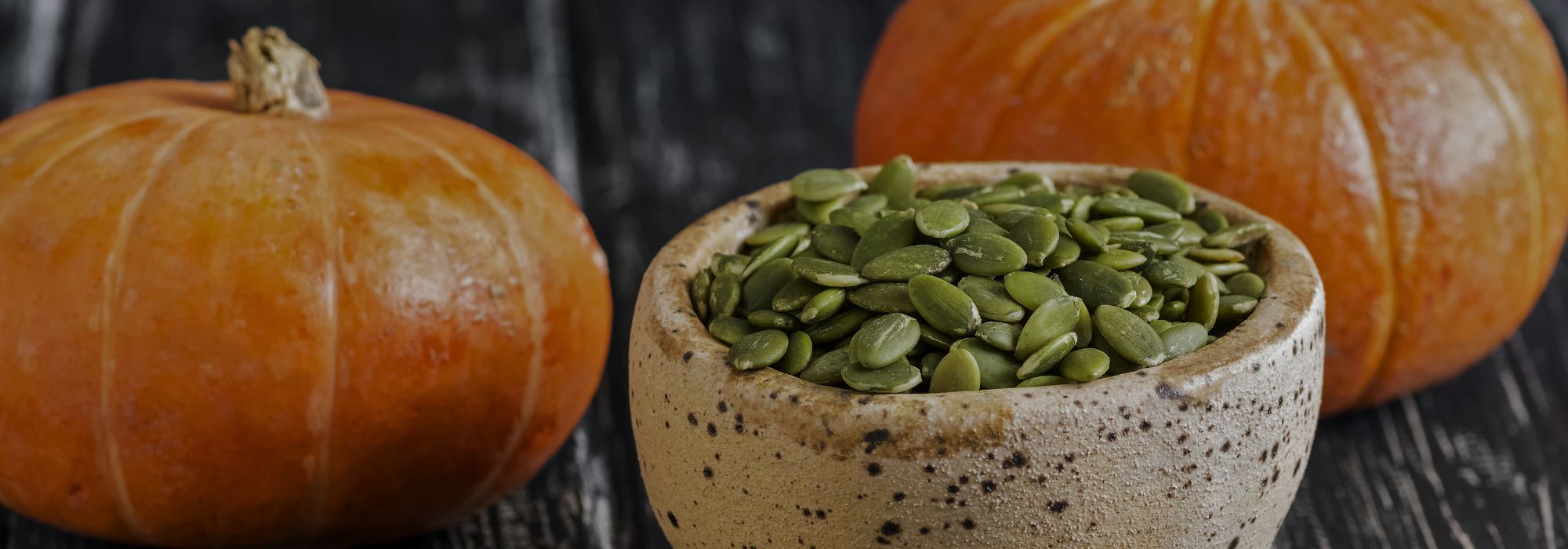
The benefits of pumpkin seeds
Nutrient-rich seeds
Contents
When cooking squashes, their seeds very often end up in the compost. Yet they are rich in nutrients and can easily be put to good use in the kitchen. Roasted in the oven, added to a salad or sprinkled over soup, they add a crunchy touch while contributing to your intake of protein, fibre and minerals.
But what are the real benefits of squash seeds? Can you eat the seeds from all varieties, and how should you prepare them when they come from the vegetable garden? Here is everything you need to know to make the most of these seeds and avoid mistakes.
What do pumpkin seeds contain, and what are their health benefits?
Pumpkin seeds are small seeds that are particularly interesting from a nutritional perspective. They contain plant protein, fibre, unsaturated fatty acids and several minerals.
Their main benefits include:
- Plant protein: around 30 g per 100 g of shelled pumpkin seeds, making them one of the richest seeds in protein and a useful food for vegetarian or vegan diets.
- Unsaturated fatty acids (mainly omega-6), which are good for cardiovascular health when consumed in moderation and in balance with omega-3.
- Fibre, which supports healthy digestion and helps promote satiety.
- Magnesium: pumpkin seeds are among the best dietary sources of this mineral, which is essential for muscle and nerve function and sleep.
- Zinc, in a useful amount, supporting immunity, wound healing and skin health.
- Iron and potassium, which respectively help transport oxygen in the blood and maintain fluid balance.
- Tryptophan, an amino acid that is a precursor to serotonin, the hormone associated with feelings of wellbeing.
- Antioxidants: vitamin E, carotenoids and phenolic compounds that protect cells from oxidative stress.
They are ideally included in a varied diet, alongside other seeds, nuts and sources of fat.
How should you eat pumpkin seeds?
Easy to store and cook, pumpkin seeds can be used in many sweet or savoury dishes. Here are the main ways to eat them and make the most of their benefits.
Raw or lightly toasted
This is the simplest way to enjoy them: nibble them as they are, between meals or as a snack. To intensify their flavour, simply toast them dry for a few minutes in a frying pan or in the oven (for around 10 minutes at 160°C), keeping a close eye on them to prevent them from burning. Take care not to heat them too much, however: excessive cooking can affect some of their fatty acids and antioxidants.
As a topping for everyday dishes
Pumpkin seeds add a pleasant crunch and can easily be sprinkled over:
- mixed salads,
- soups and velvety soups (especially pumpkin soup, for the perfect pairing),
- yoghurt or fromage blanc,
- a bowl of porridge or muesli for breakfast,
- vegetable purées.
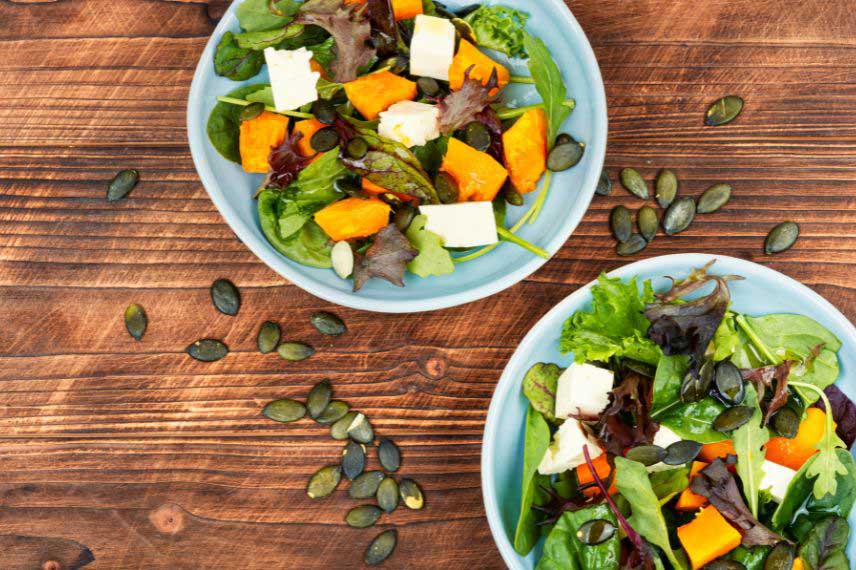
Pumpkin seeds are ideal for adding to salads.
Blended or ground
Reduced to a powder, pumpkin seeds can be discreetly added to:
- smoothies and detox juices,
- bread or muffin dough,
- homemade cereal bars,
- hummus or other spreads, for an additional source of protein.
How much should you eat each day?
A reasonable portion is around 20 to 30 g per day (approximately 2 to 3 tablespoons), which is enough to benefit from their magnesium, zinc and healthy fats without consuming too many calories.
Can you eat the seeds of all squashes? Which varieties should you choose?
The seeds of many edible squashes can be eaten: pumpkin, Red Kuri squash, field pumpkin, butternut squash, or spaghetti squash.
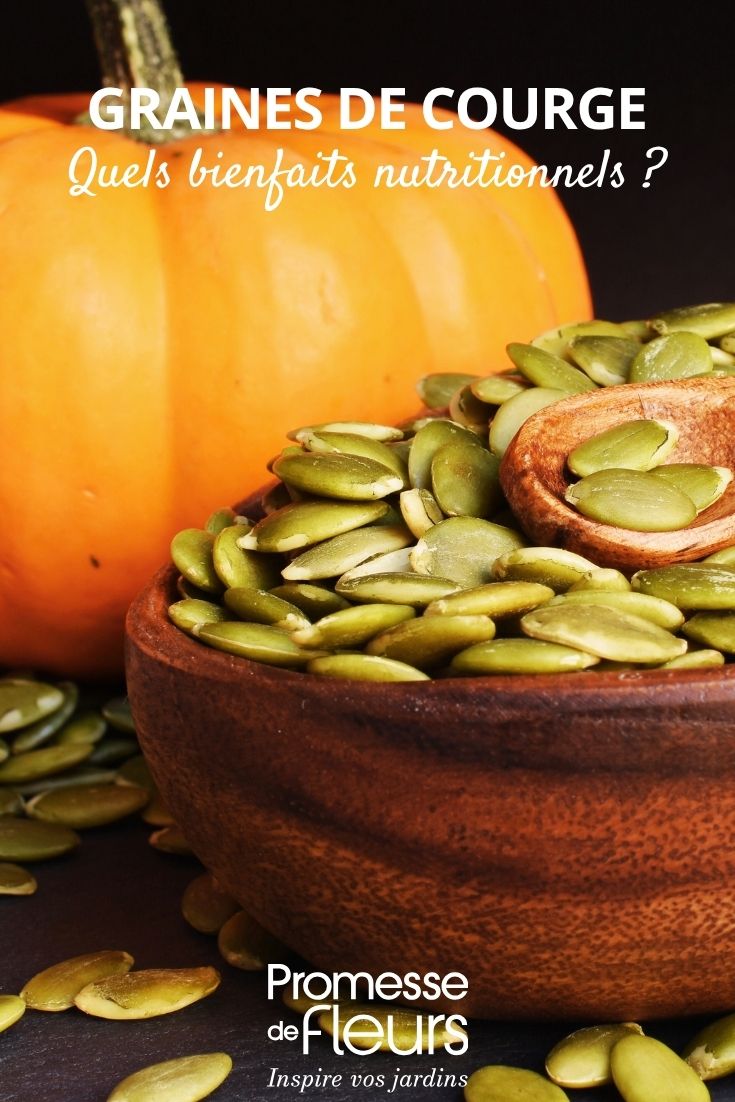
Some varieties are particularly interesting for their seeds. This is especially true of oil-yielding squashes, such as the Styrian squash, whose seeds have no shell, making them much more tender and easier to eat. These are the pumpkin seeds sold in organic shops for eating as they are. The variety Lady Godiva is also known for its shell-free seeds.
On the other hand, avoid eating seeds from ornamental squashes such as colocynths, which contain highly bitter and toxic substances.
Another essential precaution: a squash with abnormally strong bitterness should not be eaten. This bitterness may be linked to the presence of cucurbitacins, potentially toxic compounds.
Take care, too, if you grow both colocynths and edible squashes in the same garden: cross-breeding can occur between compatible varieties. If you collect their seeds to sow them again the following year, the resulting plants may produce very bitter fruits, rich in cucurbitacins and unfit for consumption.
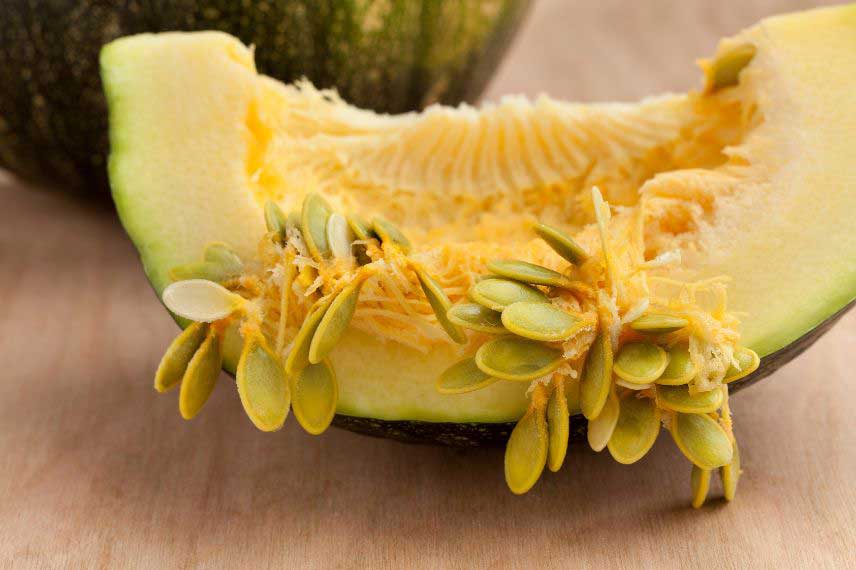
The variety ‘Lady Godiva’ has the advantage of producing shell-free seeds, which are naturally more tender and easier to eat as they are.
How to prepare seeds from garden-grown squashes?
Collecting seeds is very simple when you cook a squash from the vegetable garden.
- Scoop out the seeds with a spoon.
- Remove the pulp and fibres surrounding them.
- Rinse them thoroughly in water.
- Dry them in a clean tea towel or on absorbent paper.
To store them, place the perfectly dry seeds in an airtight container, away from moisture and heat.
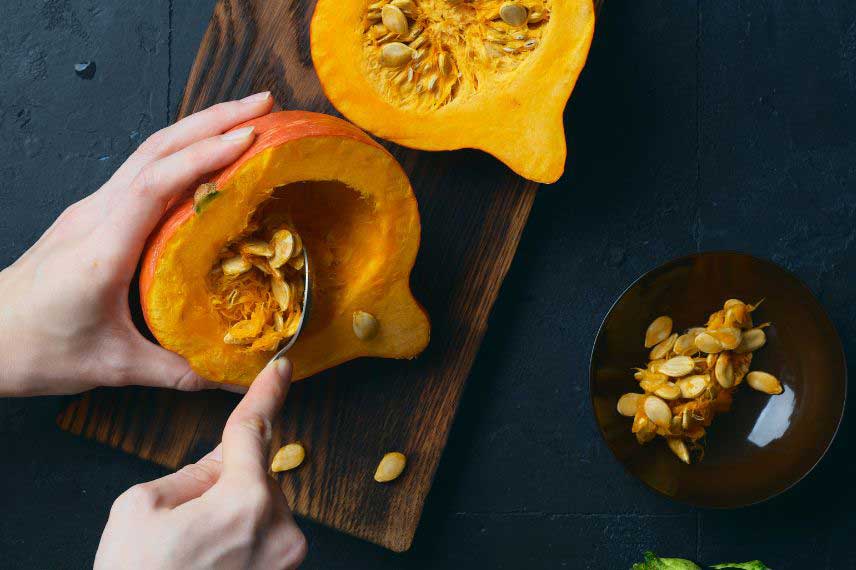
Don’t hesitate to collect seeds from the squashes you cook.
You can possibly roast them in a frying pan or in the oven until they are golden brown. We recommend this technique for seeds with a hard shell, unlike varieties such as ‘Lady Godiva’, which can be eaten as they are.
For more information, see Ingrid’s tutorial: “How to roast or dry your home-grown pumpkin seeds”
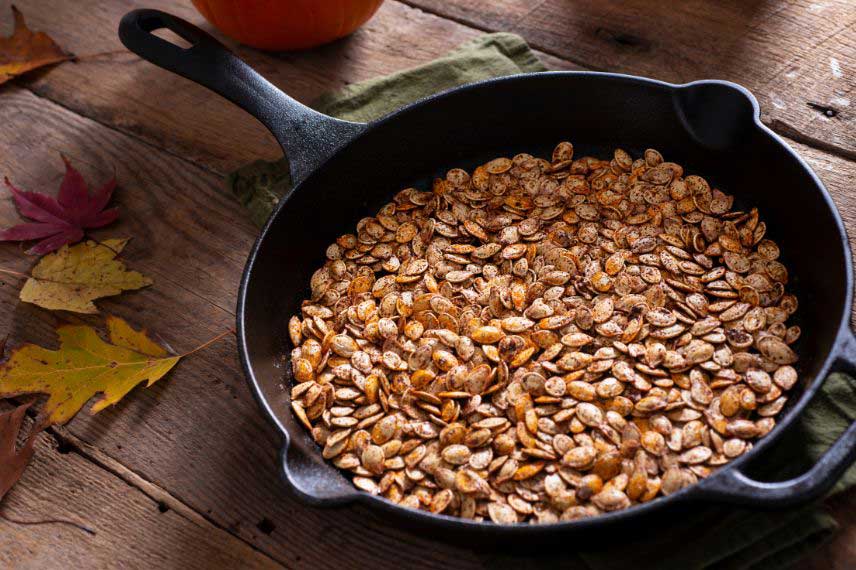
You can brown the pumpkin seeds in a frying pan before eating them.
- Subscribe!
- Contents
This form is protected by reCAPTCHA - the Google Privacy Policy and Terms of Service apply.

































Comments