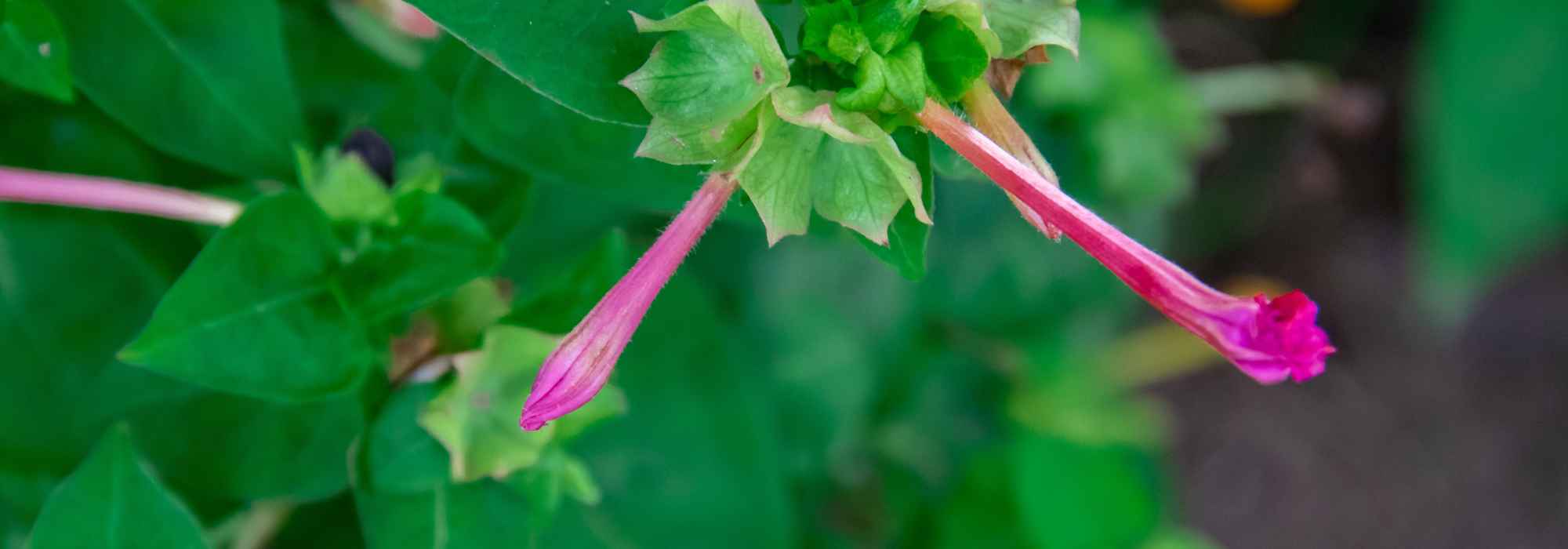
How to care for cuphea to keep it flowering for a long time?
Our tips for getting Cuphea to flower for more than six months
Contents
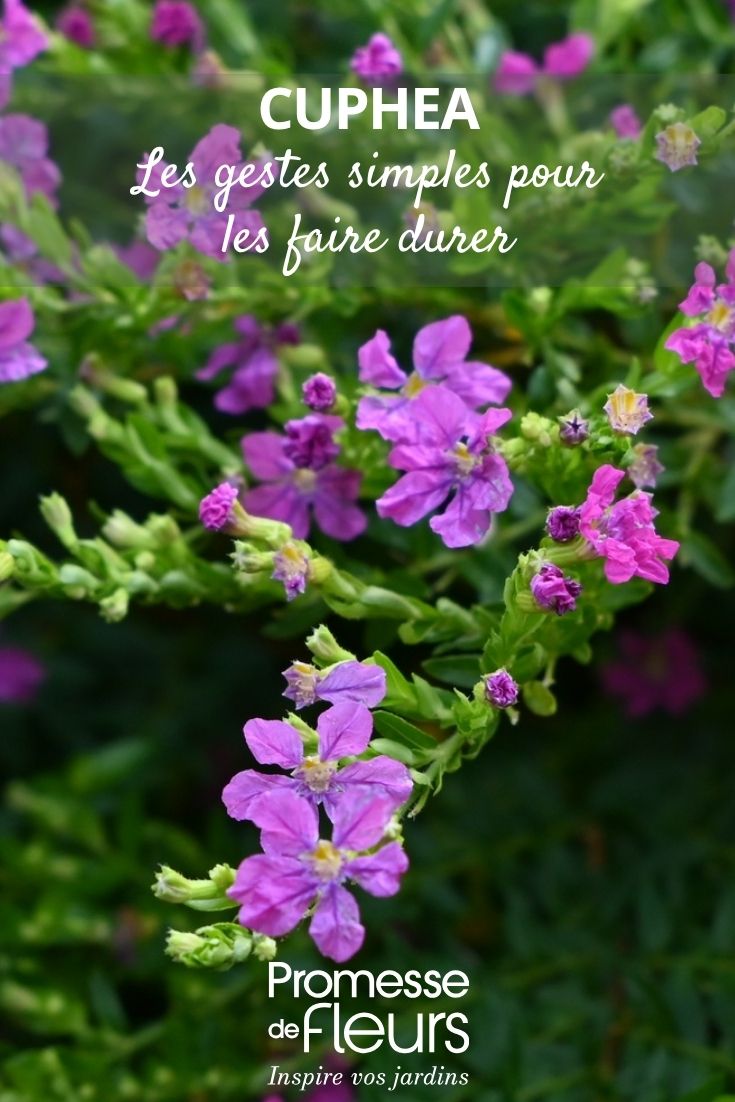
Native to the tropical and subtropical regions of South America, Cuphea is a perennial plant, most often grown as an annual in our climate, from the Lythraceae family. This plant stands out for the tubular shape of its flowers, which come in shades of red, mauve, pink and orange. With its unmistakable exotic appeal, its generous, colourful flowering extends from early summer until the first frosts, provided you give this fascinating plant the right care. Discover all our advice for keeping your Cupheas in flower for almost six months without a break.

Choose a sufficiently bright position
Whether you choose Cuphea hyssopifolia, Cuphea ignea, Cuphea micropetala or one of the cultivars, this plant, native to tropical regions, needs a very bright, warm position. To achieve abundant, long-lasting flowering, you can plant Cuphea in full sun, provided the rays are not scorching, or in light partial shade, depending on the intensity of summer temperatures. At least five to six hours of direct sunlight a day genuinely stimulates the formation of flower buds. However, if you live in a region prone to recurring heatwaves, a little shade during the hottest hours of the day is welcome.
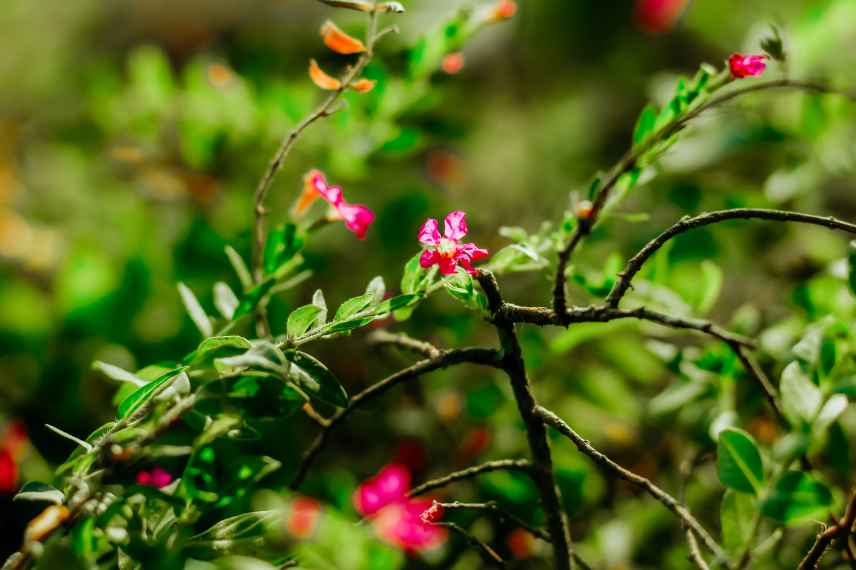
The Cuphea hyssopifolia
Whether grown in a pot or in the ground (only on the French Riviera), Cuphea must also be placed in a position sheltered from strong winds, which could break its slightly delicate stems.
Mastering watering
Once again, the tropical origins of Cuphea dictate its water requirements. Remember that it is not a Mediterranean plant, naturally adapted to drought.
Cuphea plants have particularly regular water requirements, especially throughout the summer growth and flowering period. Whether you grow your Cuphea in the ground or in a pot on a terrace, the growing medium should ideally retain some moisture without ever becoming completely waterlogged. During periods of intense heat, plants in pots dry out quickly and require frequent, even daily, watering. It is essential to allow the surface of the potting compost to dry out to a depth of one or two centimetres between waterings, while immediately removing any standing water from saucers or cachepots to prevent the roots from rotting.
To maintain a certain level of humidity, which these tropical plants greatly appreciate, it is advisable to place the container on a bed of damp clay pebbles or pozzolana. This moisture retention and regular watering will ensure that the plant has the right conditions to flower abundantly.
Feed your cuphea regularly
The flowering of cuphea, which lasts for almost six months, requires a tremendous amount of energy. This is why it is recommended that you fertilise it regularly to provide the nutrients needed for flower formation.
For plants grown in pots or hanging baskets, an application of balanced liquid fertiliser for flowering plants every two to three weeks is essential to nourish the root system over the long term. Apply it only during the growth phase, from March-April to October.
If your plants are growing directly in the ground, a well-rotted organic amendment, such as compost, or a slow-release fertiliser applied at the beginning of spring will sustain its brightly coloured flowering until the first frosts.
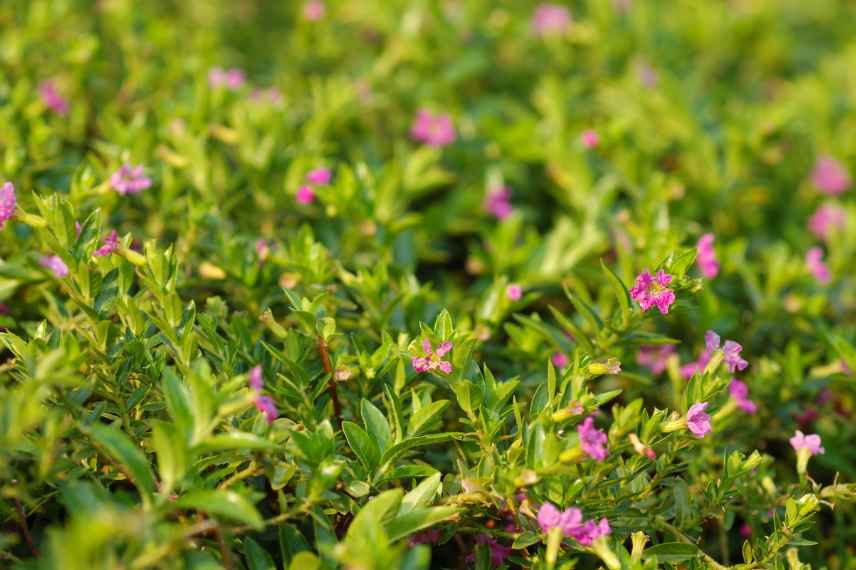
Cuphea ignea
This regular supply of nutrients prevents premature exhaustion of the vegetation and encourages the continuous emergence of new floriferous branches.
Pruning and pinching
Cuphea can tend to become bare at the base. This is why, during the growing phase, it is recommended that you regularly pinch out the tips of young stems to encourage new shoots, which may bear flower buds. This pinching also helps produce a more compact plant.
At the end of winter or very early in spring, just before growth resumes, more substantial pruning is necessary for plants kept from one year to the next, for example in a conservatory, sheltered from frost. This involves cutting the stems back by one third to one half of their length, invigorating the plant, removing tired wood and preparing it for a new summer season. This pruning will also encourage generous flowering.
Protect the plant from winter cold
Cupheas are tropical plants, most often grown as annuals in our temperate climates because they are particularly tender. They have very limited hardiness, around -4 °C. In other words, even the slightest frost can be fatal. This is why as soon as the first winter chills arrive, when night-time temperatures fall below 5 °C, it is essential to bring cupheas grown in pots under cover by moving them into a bright room, an unheated conservatory or a cold greenhouse. The temperature must never fall below 5 to 7 °C.
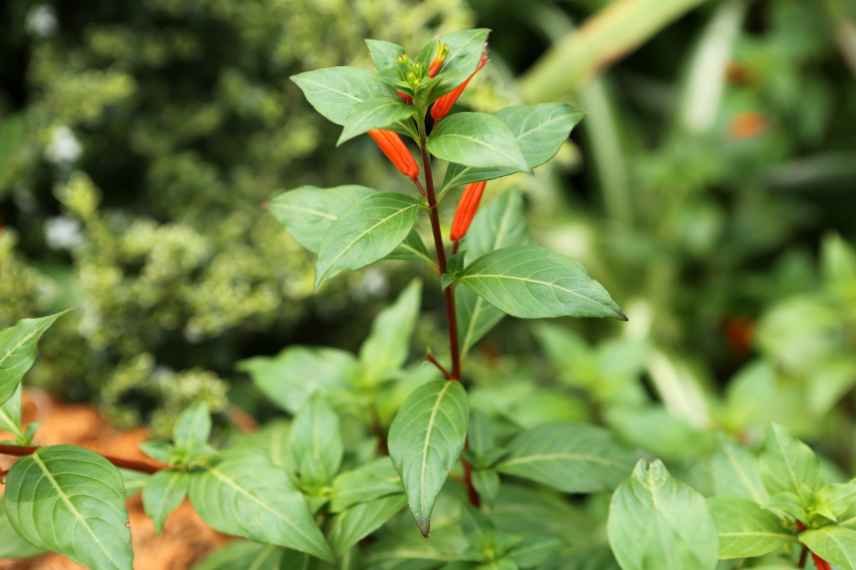
Cuphea is often called “cigar plant” because of the elongated shape of its flowers.
During this period of winter dormancy, the plant considerably slows down its biological activity: stop applying fertiliser completely and reduce watering to the absolute minimum, just enough to prevent the rootball from drying out completely. This cool dormant phase will allow cuphea to regain its strength before returning outdoors in May, once all risk of frost has passed. And above all, it will reward you with abundant flowering.
Monitor for signs of diseases or pests
Although cuphea is a fairly robust plant and naturally resistant to most fungal diseases, a confined environment or repeated water stress can sometimes attract certain pests. When overwintering in a conservatory or a bright indoor position, carefully monitor it for the possible appearance of red spider mites, whitefly or aphids. To prevent these problems, make sure there is good air circulation and avoid conditions that are both warm and excessively dry. If an infestation does occur, thoroughly cleaning the foliage with soapy water or using natural plant liquid feeds will generally restore the plant’s health quickly without affecting its overall vigour.
Cuphea may produce fewer flowers because of excess water caused by poorly drained growing media. When planting or repotting, provide it with a free-draining growing medium made from a mixture of potting compost and garden soil, with around one-third perlite or pozzolana.
- Subscribe!
- Contents
This form is protected by reCAPTCHA - the Google Privacy Policy and Terms of Service apply.

































Comments