
Digitalis lutea - Straw foxglove

Digitalis lutea - Straw foxglove

Digitalis lutea - Straw foxglove

Digitalis lutea - Straw foxglove

Digitalis lutea - Straw foxglove

Digitalis lutea - Straw foxglove

Digitalis lutea - Straw foxglove

Digitalis lutea - Straw foxglove

Digitalis lutea - Straw foxglove
Digitalis lutea - Straw foxglove
Digitalis lutea
Straw foxglove, small yellow foxglove
Planted in autumn 2025, good establishment. The plant is quite small but it is already flowering here in the South. Not spectacular but very pretty.
Gabryel, 31/05/2026
Back-to-school special offer!
Get €10 off for every €50 you spend! And get up to €40 off on a single order.
How does it work?
1. Shop your favourites
Add your favourite plants to your basket. For every €50 you spend (excluding delivery charges, store credit and the plastic-free option), you’ll receive a €10 voucher.
€50 spent = €10 voucher
€100 spent = €20 voucher
€150 spent = €30 voucher
€200 spent = €40 voucher
2. Place your order
Once your basket reaches one of the spending thresholds, place your order. You can even choose your delivery date!
3. Receive your voucher
As soon as your order has been shipped, you’ll receive an email containing your personal voucher code and its value.
4. Use it on your next order
Your voucher is valid for 90 days from the date you receive it. It can be used once only, on a new order worth at least the value of the voucher, excluding delivery charges.
Please note: Vouchers can be combined with other offers, but cannot be split or refunded.
Home or relay delivery (depending on size and destination)
Important: You may be charged customs duties by your country’s customs authorities upon delivery.
Schedule delivery date
and select date in basket
This plant carries a 12 months recovery warranty
More information
We guarantee the quality of our plants for a full growing cycle, and will replace at our expense any plant that fails to recover under normal climatic and planting conditions.
Would this plant suit my garden?
Set up your Plantfit profile →
Description
Digitalis lutea, la digitale jaune ou petite digitale, est une espèce européenne intéressante pour les jardins naturels et adaptée aux sols calcaires, contrairement à la digitale pourpre, plutôt acidophile. Pas très haute, dotée de hampes fines et fleurie une bonne partie de l'été, elle s'intègre aisément dans une grande bordure de vivaces. Plus durable que la Digitalis purpurea, elle se maintient plusieurs années au jardin et peut se ressemer. Son coloris jaune pâle est lumineux sous une ombre légère et il forme un accord parfait avec les fleurs blanches, bleues ou pourpres.
La digitale jaune appartient aujourd'hui à la famille des Plantaginacées. C’est une vivace herbacée pourvue d’une souche courte, dont la végétation aérienne sèche en hiver dans les régions froides. Elle n'est pas d'une très grande longévité, mais peut se ressemer. Elle forme une rosette basale qui peut persister en partie sous un climat doux. Cette espèce botanique pousse naturellement en France, en Espagne, en Belgique, en Allemagne, en Suisse, en Autriche et en Italie, Corse comprise. Elle fréquente les forêts claires, les lisières, les clairières et les pentes rocheuses, depuis l’étage collinéen jusqu’aux secteurs montagnards. Les terrains calcaires lui sont particulièrement favorables, mais on la trouve aussi sur certaines roches siliceuses.
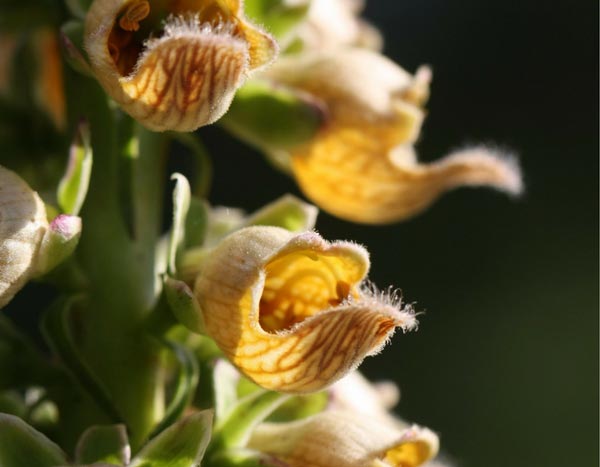
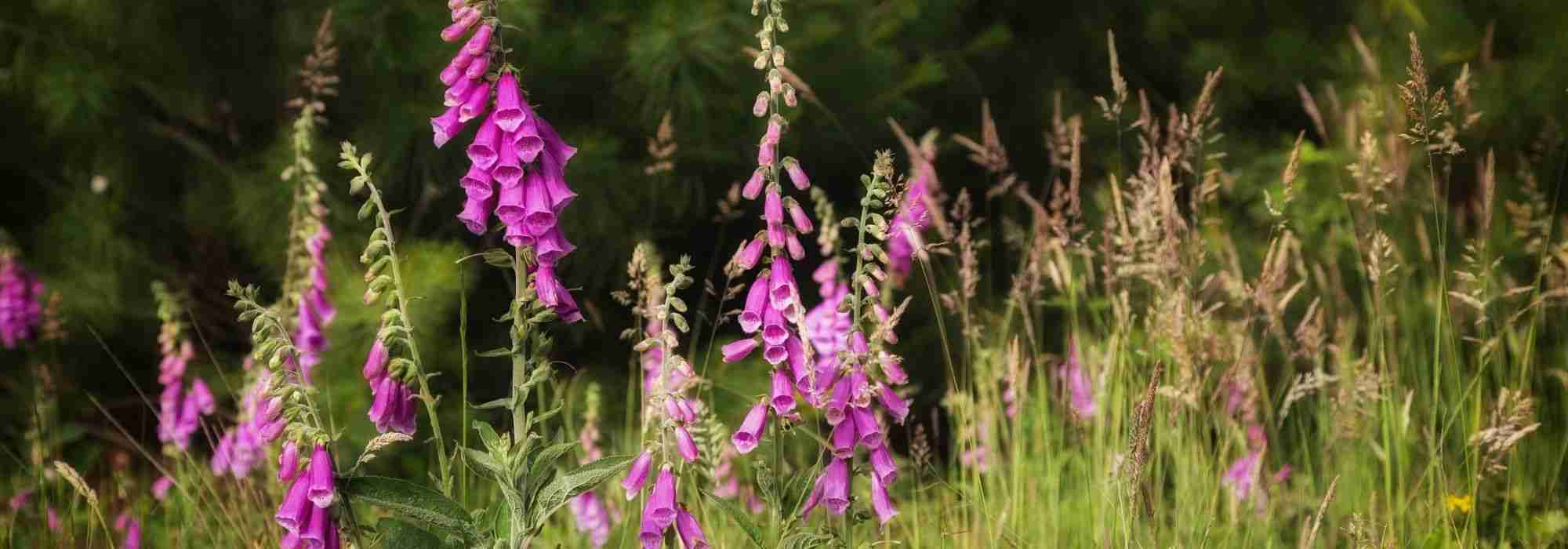
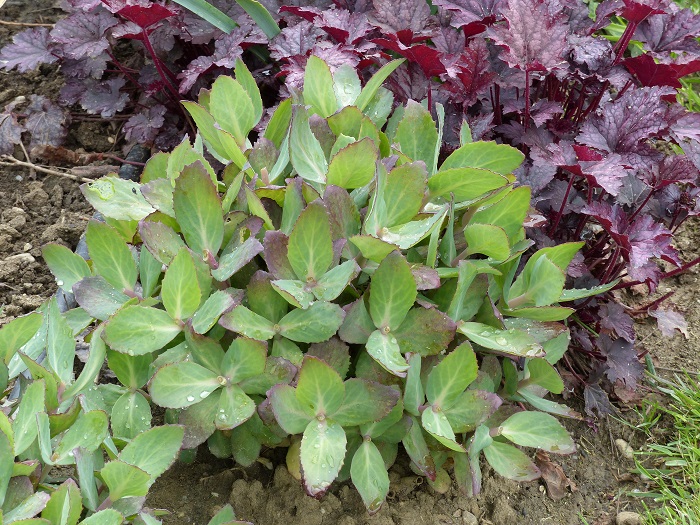
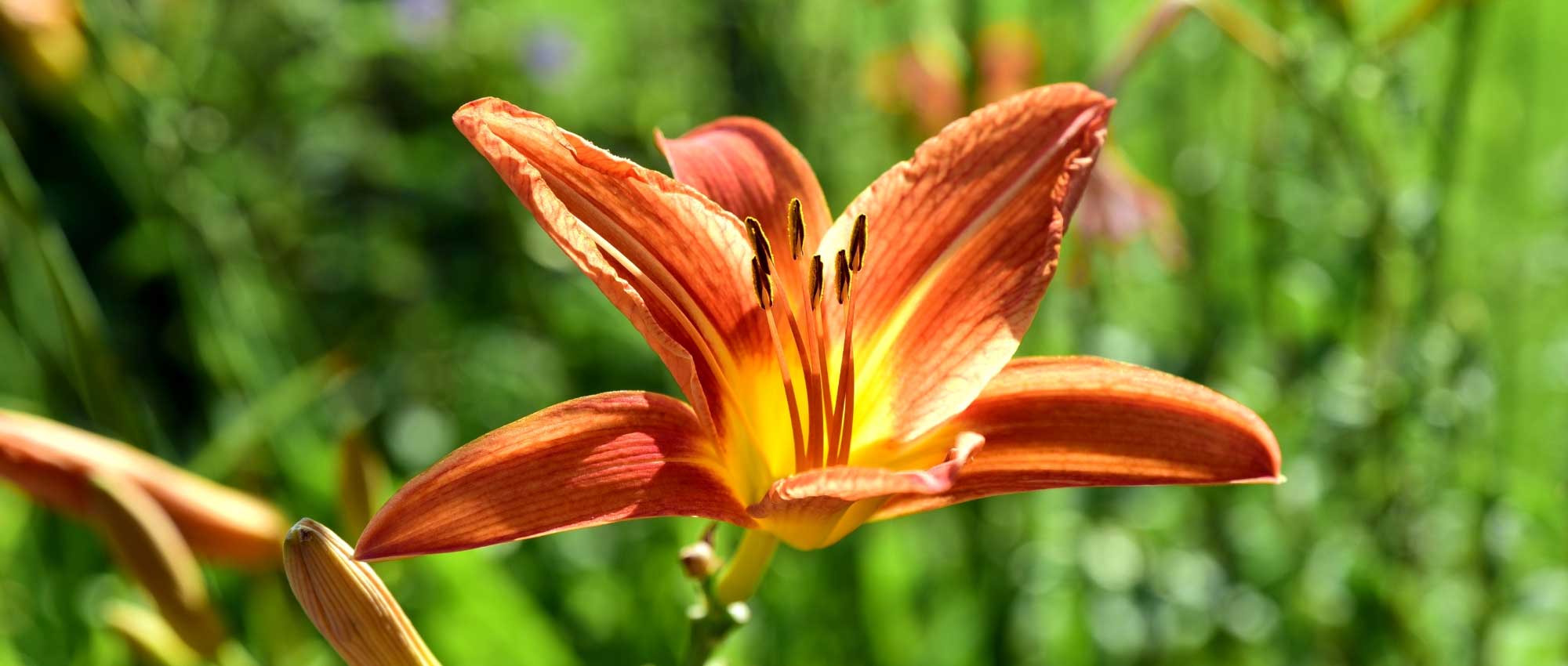
Une tige droite, simple et feuillée s’élève au centre de la rosette. Elle atteint 60 à 80 cm de hauteur et peut approcher 1 m dans une terre fertile qui reste fraîche. L’envergure de la rosette varie de 30 à 50 cm. Étroites, lancéolées et finement dentées, les feuilles arborent un vert franc à vert sombre et une surface légèrement luisante. Les fleurs s’ordonnent en une longue grappe serrée, le plus souvent tournée d’un même côté. Elles s’ouvrent progressivement de juin à août. Chaque corolle mesure 1,5 à 2,5 cm de longueur. Elle possède un tube jaune pâle, quelquefois presque crème, qui se termine par deux lèvres et porte de longs poils à l’intérieur. Après pollinisation par les insectes, des capsules ovoïdes se forment et libèrent une multitude de graines fines. Une fois bien enracinée, cette digitale supporte une terre modérément sèche, à mi-ombre, mais une sécheresse prolongée réduit la floraison. Elle résiste à des températures proches de –20 °C dans un sol drainé. Comme toutes les digitales, elle contient des substances cardiotoniques toxiques : aucune partie ne doit être ingérée.
La petite digitale jaune est particulièrement à son aise dans une ambiance de lisière claire, parmi des fougères, des géraniums vivaces, des campanules et des ancolies. On peut l’associer à Digitalis grandiflora, au Geranium phaeum ‘Samobor’, à la Campanula trachelium ‘Bernice’ et à l’Aquilegia vulgaris ‘Munstead White’, par exemple. Cette sélection réunit des feuillages variés et des floraisons pastel, en harmonie avec le jaune pâle de la digitale. Toutes ces vivaces se plaisent à mi-ombre dans une terre humifère, neutre à calcaire et bien drainée. Elles peuvent être installées sous des arbres ou des arbustes caducs, mais pas soumises à une trop grande concurrence racinaire.
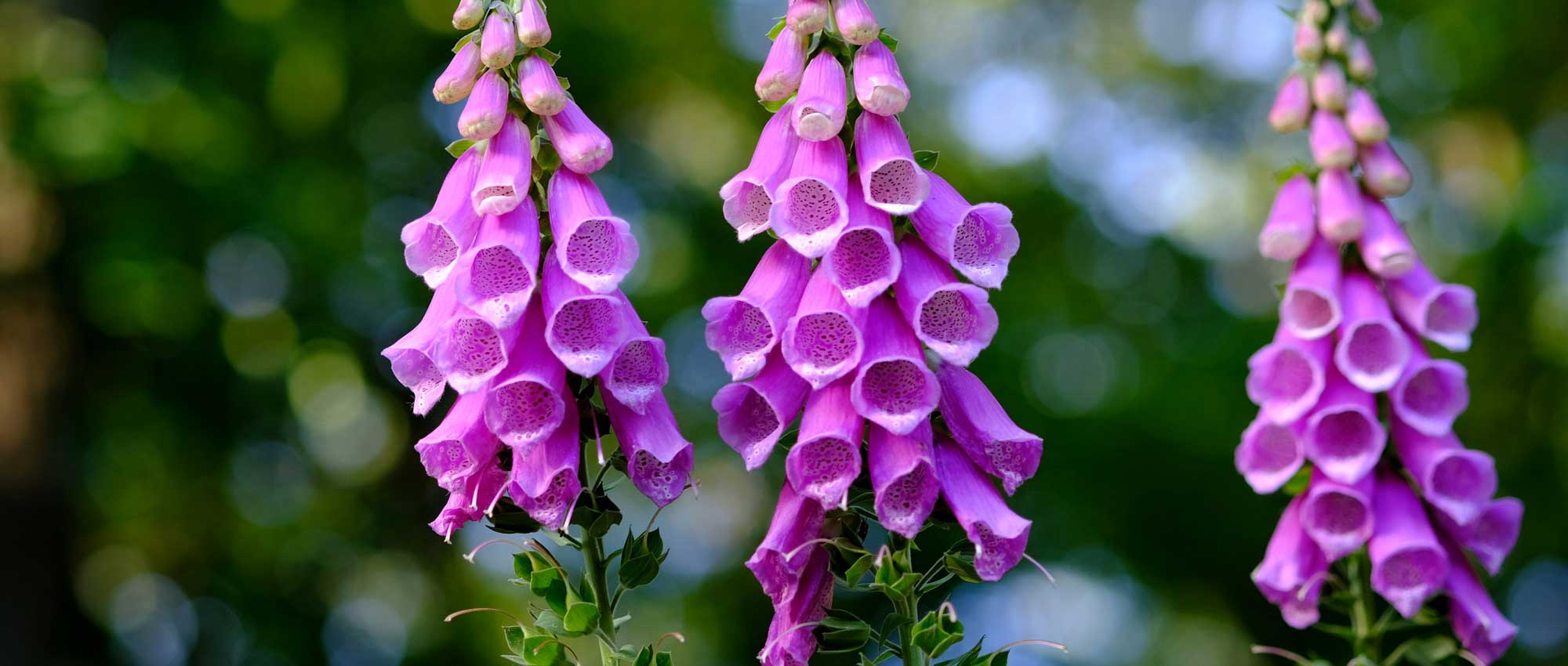
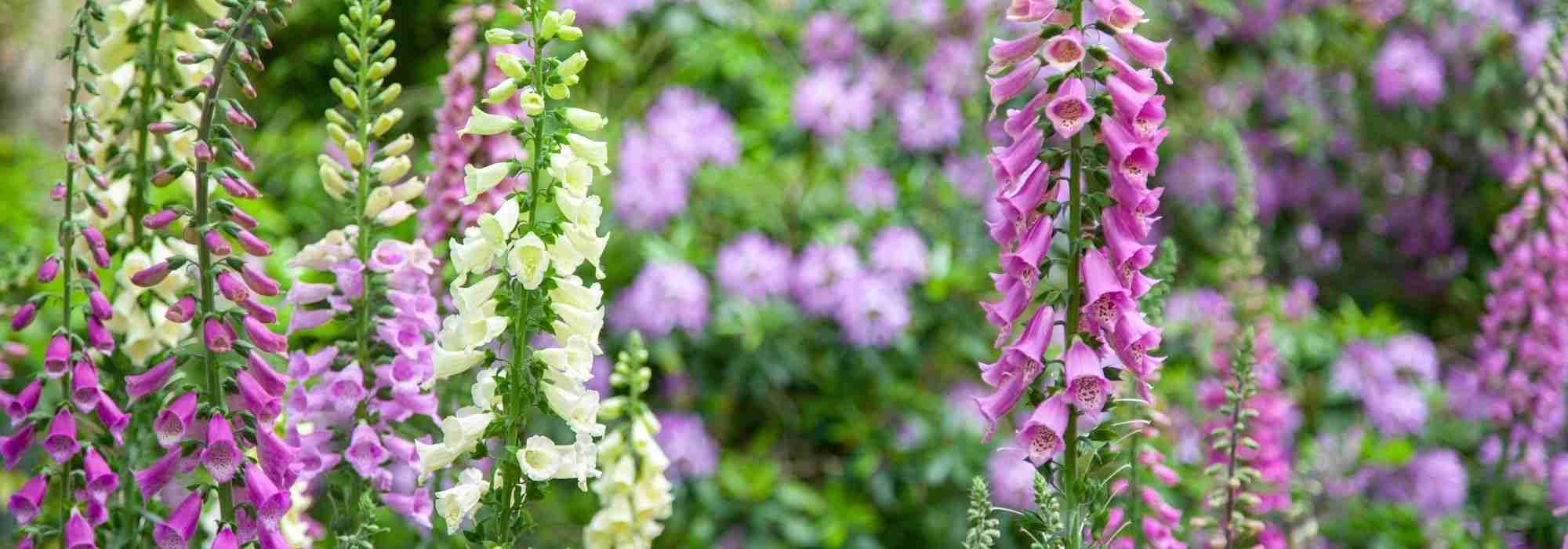
Digitalis lutea - Straw foxglove in pictures


Flowering
Foliage
Plant habit
Safety measures
Botanical data
Digitalis
lutea
Plantaginaceae
Straw foxglove, small yellow foxglove
Digitalis eriostachya, Digitalis fontanesii
Western Europe, Central Europe
ingestion
Cette plante est toxique si elle est ingérée volontairement ou involontairement.
Ne la plantez pas là où de jeunes enfants peuvent évoluer, et lavez-vous les mains après l'avoir manipulée.
Pensez à conserver l'étiquette de la plante, à la photographier ou à noter son nom, afin de faciliter le travail des professionnels de santé.
Davantage d'informations sur https://plantes-risque.info
Planting and care
Digitalis lutea can be planted from February to April or from September to November. A bright, partially shaded position is preferable, but the sun is tolerated in cool regions if the soil does not dry out too quickly. Loosen the soil to the depth of a spade, then incorporate mature compost. In clay soil, add fine gravel to prevent water lingering around the stump in winter. Water the young plants during their first spring and first summer. Once established, the plant withstands short dry periods, but a few waterings help support flowering. A mulch of dead leaves keeps the soil cool; the rosette of the plant must remain clear. Stake the flower spikes in exposed positions. Keep pruning waste away from children and animals.
Planting period
Intended location
Care
Planting & care advice
-
-
-
-
-
-
-
-
-
, onOrder confirmed
Reply from on Promesse de fleurs
Recently viewed products
Haven't found what you were looking for?
Hardiness is the lowest winter temperature a plant can endure without suffering serious damage or even dying. However, hardiness is affected by location (a sheltered area, such as a patio), protection (winter cover) and soil type (hardiness is improved by well-drained soil).

The flowering period indicated on our website applies to countries and regions located in USDA zone 8 (France, the United Kingdom, Ireland, the Netherlands, etc.)
It will vary according to where you live:- In zones 9 to 10 (Italy, Spain, Greece, etc.), flowering will occur about 2 to 4 weeks earlier.
- In zones 6 to 7 (Germany, Poland, Slovenia, and lower mountainous regions), flowering will be delayed by 2 to 3 weeks.
- In zone 5 (Central Europe, Scandinavia), blooming will be delayed by 3 to 5 weeks.
In temperate climates, pruning of spring-flowering shrubs (forsythia, spireas, etc.) should be done just after flowering.
Pruning of summer-flowering shrubs (Indian Lilac, Perovskia, etc.) can be done in winter or spring.
In cold regions as well as with frost-sensitive plants, avoid pruning too early when severe frosts may still occur.
The planting period indicated on our website applies to countries and regions located in USDA zone 8 (France, United Kingdom, Ireland, Netherlands).
It will vary according to where you live:
- In Mediterranean zones (Marseille, Madrid, Milan, etc.), autumn and winter are the best planting periods.
- In continental zones (Strasbourg, Munich, Vienna, etc.), delay planting by 2 to 3 weeks in spring and bring it forward by 2 to 4 weeks in autumn.
- In mountainous regions (the Alps, Pyrenees, Carpathians, etc.), it is best to plant in late spring (May-June) or late summer (August-September).
The harvesting period indicated on our website applies to countries and regions in USDA zone 8 (France, England, Ireland, the Netherlands).
In colder areas (Scandinavia, Poland, Austria...) fruit and vegetable harvests are likely to be delayed by 3-4 weeks.
In warmer areas (Italy, Spain, Greece, etc.), harvesting will probably take place earlier, depending on weather conditions.
The sowing periods indicated on our website apply to countries and regions within USDA Zone 8 (France, UK, Ireland, Netherlands).
In colder areas (Scandinavia, Poland, Austria...), delay any outdoor sowing by 3-4 weeks, or sow under glass.
In warmer climes (Italy, Spain, Greece, etc.), bring outdoor sowing forward by a few weeks.
Shipping country and language
Your country of residence may be:
Your country of residence is:
For a better user experience on our website, you can select:
Your shipping country:
-
 Austria
-
 Belgium
-
 Bosnia & Herzegovina
-
 Bulgaria
-
 Croatia
-
 Cyprus
-
 Czechia
-
 Denmark
-
 Estonia
-
 Finland
-
 France
-
 Germany
-
 Greece
-
 Hungary
-
 Iceland
-
 Ireland
-
 Italy
-
 Latvia
-
 Liechtenstein
-
 Lithuania
-
 Luxembourg
-
 Malta
-
 Netherlands
-
 Poland
-
 Portugal
-
 Romania
-
 Serbia
-
 Slovakia
-
 Slovenia
-
 Spain
-
 Sweden
-
 Switzerland
Language:
-
French
-
 English
-
Spanish
-
Italian
-
German
-
Portuguese
-
Dutch
-
Finnish
My Account
Hello
My wish lists
My cart
Log in / Register
Existing customer?
This form is protected by reCAPTCHA - the Google Privacy Policy and Terms of Service apply.
New customer?
Create an account to track your orders, access our customer service and, if you wish, make the most of our upcoming offers.