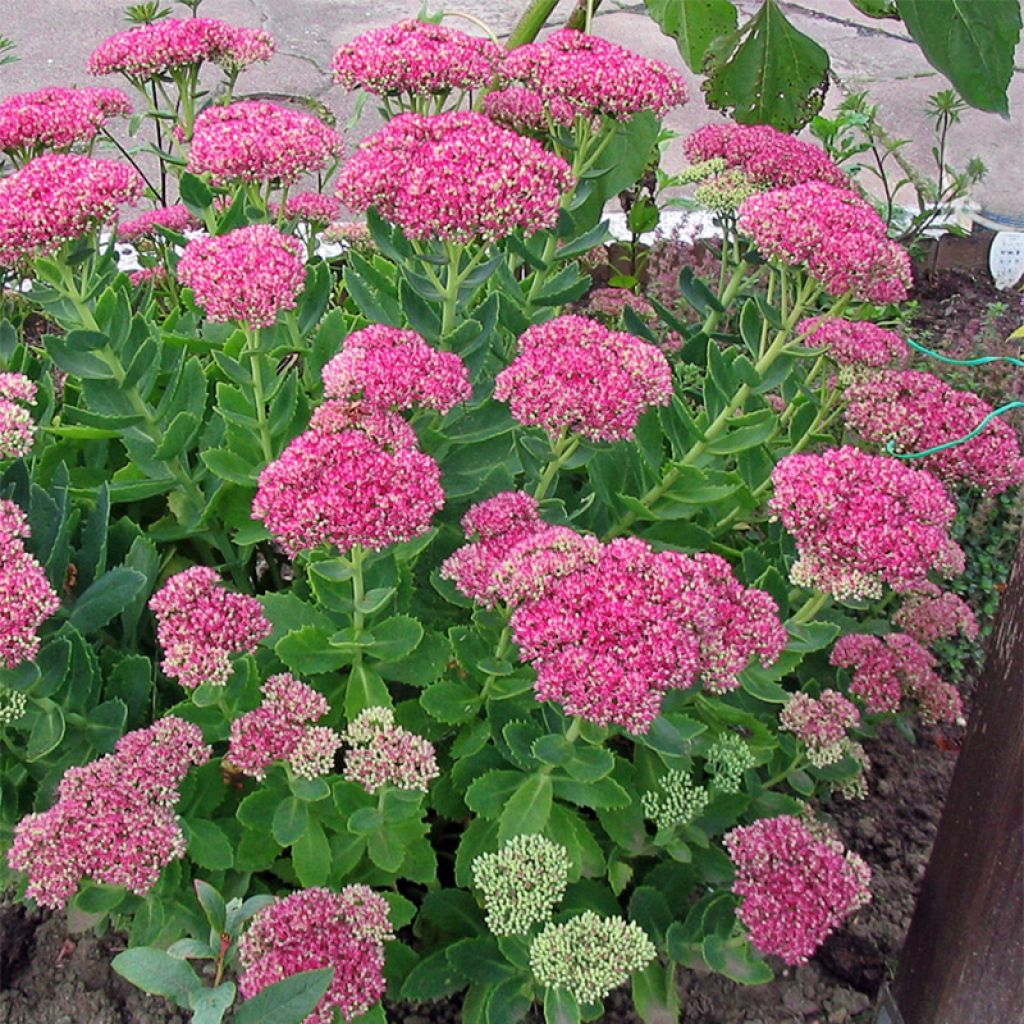
Sedum spectabile Meteor - Autumn Stonecrop
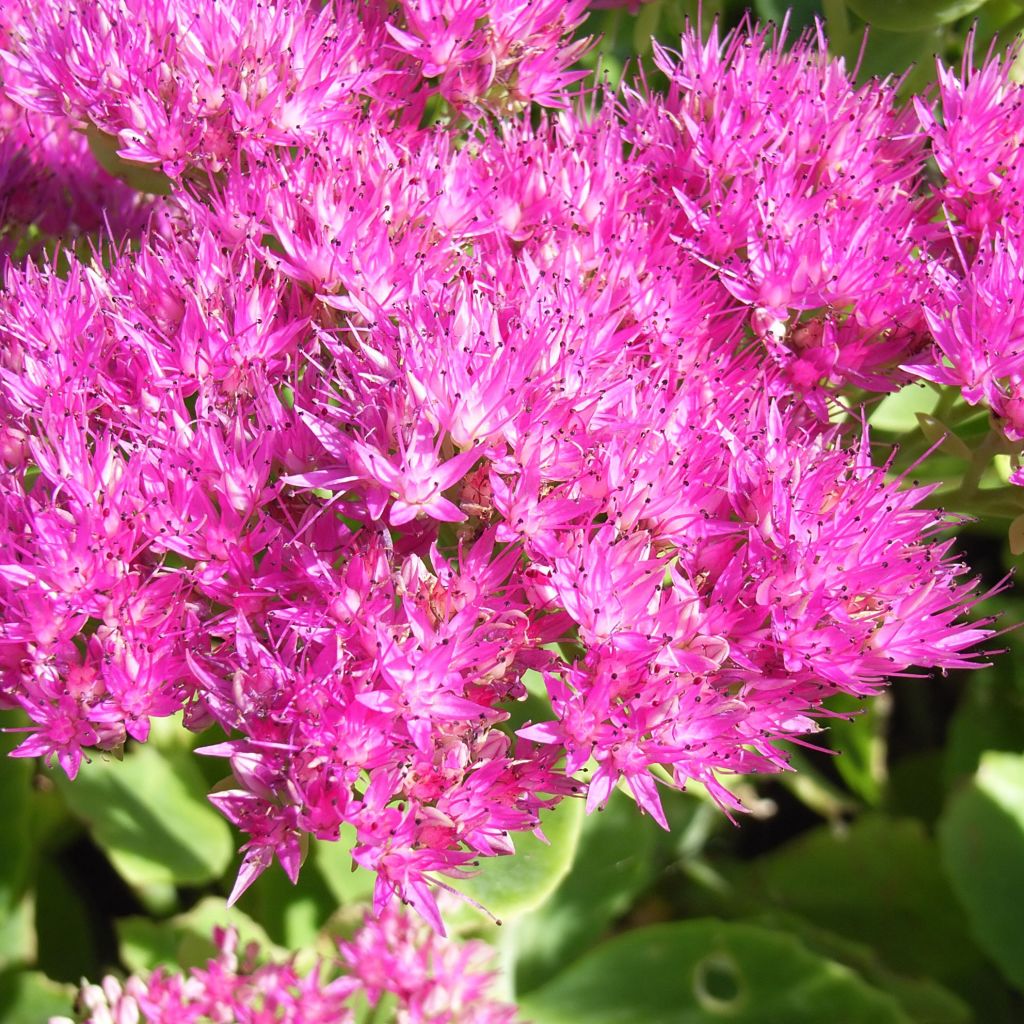
Sedum spectabile Meteor - Autumn Stonecrop
Sedum spectabile Meteor - Autumn Stonecrop
Hylotelephium spectabile Meteor
Autumn Stonecrop
Nice young plants, fast delivery and perfectly packaged products
MURIELLE, 20/05/2025
Back-to-school special offer!
Get €10 off for every €50 you spend! And get up to €40 off on a single order.
How does it work?
1. Shop your favourites
Add your favourite plants to your basket. For every €50 you spend (excluding delivery charges, store credit and the plastic-free option), you’ll receive a €10 voucher.
€50 spent = €10 voucher
€100 spent = €20 voucher
€150 spent = €30 voucher
€200 spent = €40 voucher
2. Place your order
Once your basket reaches one of the spending thresholds, place your order. You can even choose your delivery date!
3. Receive your voucher
As soon as your order has been shipped, you’ll receive an email containing your personal voucher code and its value.
4. Use it on your next order
Your voucher is valid for 90 days from the date you receive it. It can be used once only, on a new order worth at least the value of the voucher, excluding delivery charges.
Please note: Vouchers can be combined with other offers, but cannot be split or refunded.
Home or relay delivery (depending on size and destination)
Important: You may be charged customs duties by your country’s customs authorities upon delivery.
Schedule delivery date,
and select date in basket
This plant carries a 12 months recovery warranty
More information
We guarantee the quality of our plants for a full growing cycle, and will replace at our expense any plant that fails to recover under normal climatic and planting conditions.
Would this plant suit my garden?
Set up your Plantfit profile →
Description
Le Sedum spectabile ‘Meteor’ prend le relais des grandes floraisons estivales avec ses larges inflorescences rose carmin à rouge rubis, qui s’épanouissent jusqu'à l'automne. Son beau feuillage succulent vert glauque habille une touffe compacte, décorative dès le printemps. Robuste, économe en eau et très facile à cultiver, cet orpin d’automne est une valeur sûre pour les jardins ensoleillés et les terrains rocailleux.
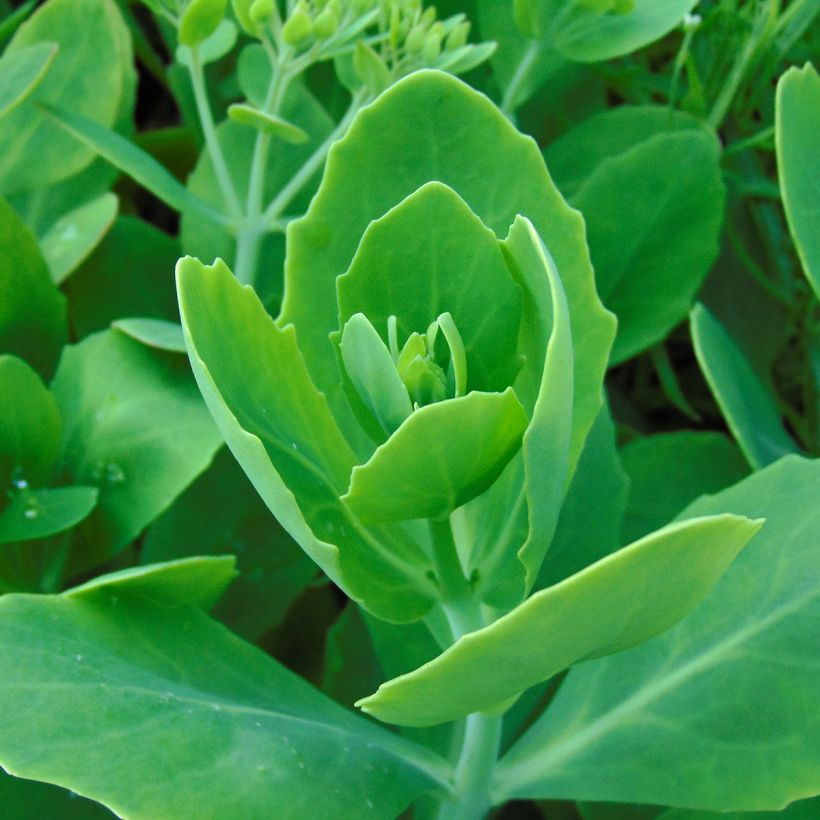
Le nom botanique de ce cultivar est désormais Hylotelephium spectabile ‘Meteor’. L’appellation Sedum spectabile ‘Meteor’ est encore largement utilisée en horticulture. Cette vivace appartient à la famille des Crassulacées. L’espèce type H. spectabile pousse naturellement dans le nord et l’est de la Chine, en Corée et dans une partie de l’Extrême-Orient russe, principalement sous des climats tempérés. ‘Meteor’ appartient au groupe horticole Brilliant qui rassemble des sélections proches par leur port compact, leur feuillage charnu vert glauque et leurs inflorescences aux tonalités soutenues, allant du rose vif au rouge rubis. La plante forme une touffe buissonnante de 40 à 45 cm de hauteur pour 40 à 50 cm d’envergure. Ses tiges charnues, épaisses et dressées se développent au printemps à partir d’une souche vivace. Elles portent des feuilles opposées ou réunies par trois, ovales à largement spatulées, longues de 5 à 8 cm. Leur limbe épais, d'un vert grisâtre à vert bleuté, est irrégulièrement denté dans sa partie supérieure. Le feuillage est caduc : les parties aériennes sèchent en automne, puis de nouvelles pousses apparaissent au printemps. D’août à octobre, les extrémités des tiges portent des inflorescences aplaties et denses, de 10 à 15 cm de diamètre. Elles réunissent une multitude de petites fleurs étoilées, d’abord rose soutenu puis carmin à rouge rubis. Leur couleur fonce progressivement avant de faner en brun cuivré. Très riches en nectar, les fleurs sont régulièrement visitées par les abeilles, les syrphes et les papillons. Les têtes sèches peuvent être conservées pendant l’hiver : elles restent décoratives et accrochent joliment le givre. Cette variété 'Meteor' résiste à des températures proches de –20 °C dans une terre correctement drainée.
L'orpin d'automne 'Meteor' n'a pas beaucoup d'exigences. Il se satisfait d'un sol pauvre avec peu de substrat en raison de son système racinaire affleurant. Superbe en massif, pour colorer une rocaille ou simplement en potées, il se distingue pourtant en compagnie de petites graminées pour poser le décor d'un jardin sauvage. Il peut être associé à l’Allium ‘Millenium’, au Stachys byzantina ‘Big Ears’ et à la joubarbe ‘Rubin’, dont les rosettes pourpres rappellent la couleur de ses fleurs. Ces plantes composent un décor dans des tons roses, argentés et pourprés dans les jardins de rocaille ou méditerranéens. Les inflorescences de ‘Meteor’ s'utilisent dans les bouquets frais et peuvent également être séchées.

Sedum spectabile Meteor - Autumn Stonecrop in pictures
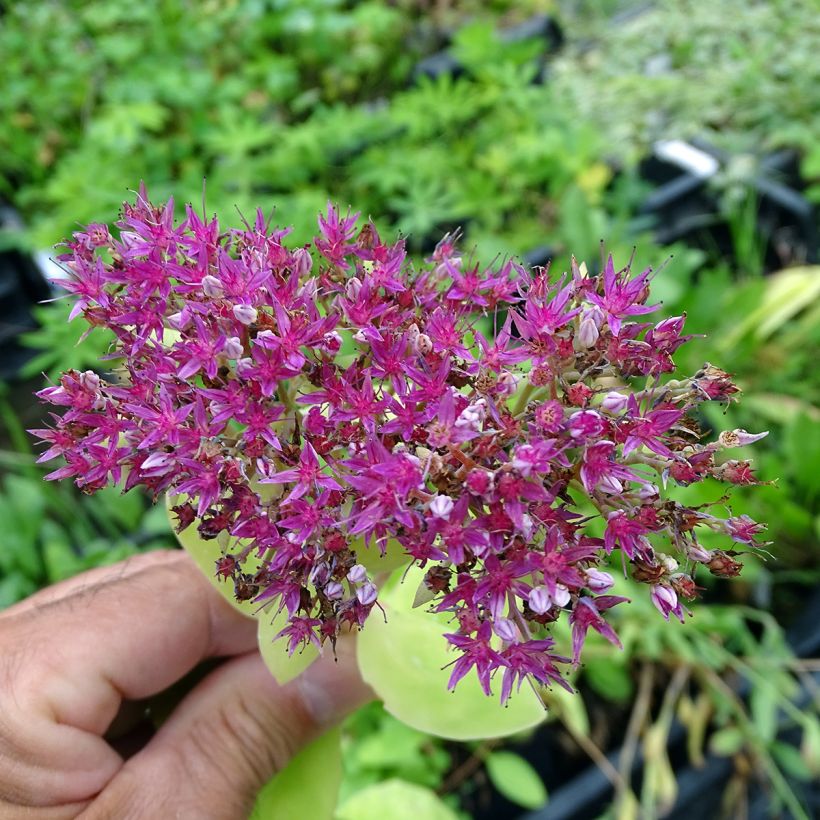
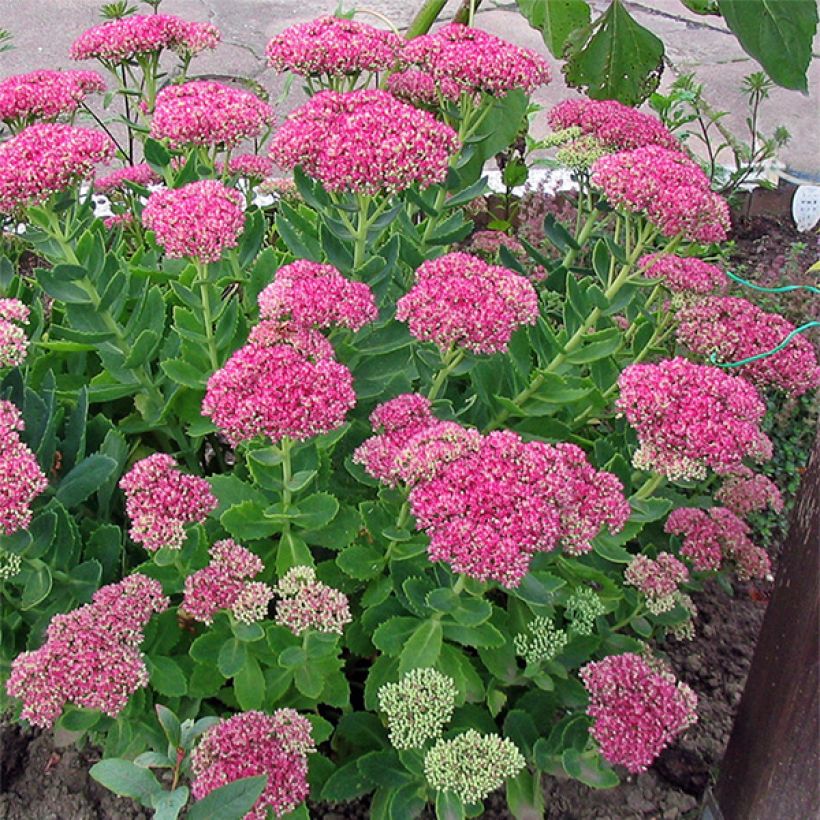
Flowering
Foliage
Plant habit
Botanical data
Hylotelephium
spectabile
Meteor
Crassulaceae
Autumn Stonecrop
Hylotelephium spectabile ‘Meteor’, Sedum spectabile ‘Meteor’
Cultivar or hybrid
Planting and care
Sedum spectabile ‘Meteor’ is preferably planted from September to November or from March to April, outside periods of frost and drought. In a Mediterranean climate, planting in September or October, when the rains return, helps it to establish roots. A sunny position promotes abundant flowering, rich colours and sturdy stems. The plant grows in ordinary to poor, stony or sandy, neutral to calcareous and perfectly drained soil. Soil that is too rich, too moist or insufficiently sunny will cause the formation of softer stems that may splay apart under the weight of the flower heads. A few waterings are beneficial after planting; once established, the clump tolerates heat and dry spells very well. No regular fertiliser application is necessary in open ground. In a pot, a compost lightened with gravel or pozzolana prevents moisture from stagnating around the stump. The flower heads can be left in place over winter. An old clump can be divided in spring.
Planting period
Intended location
Care
Planting & care advice
-
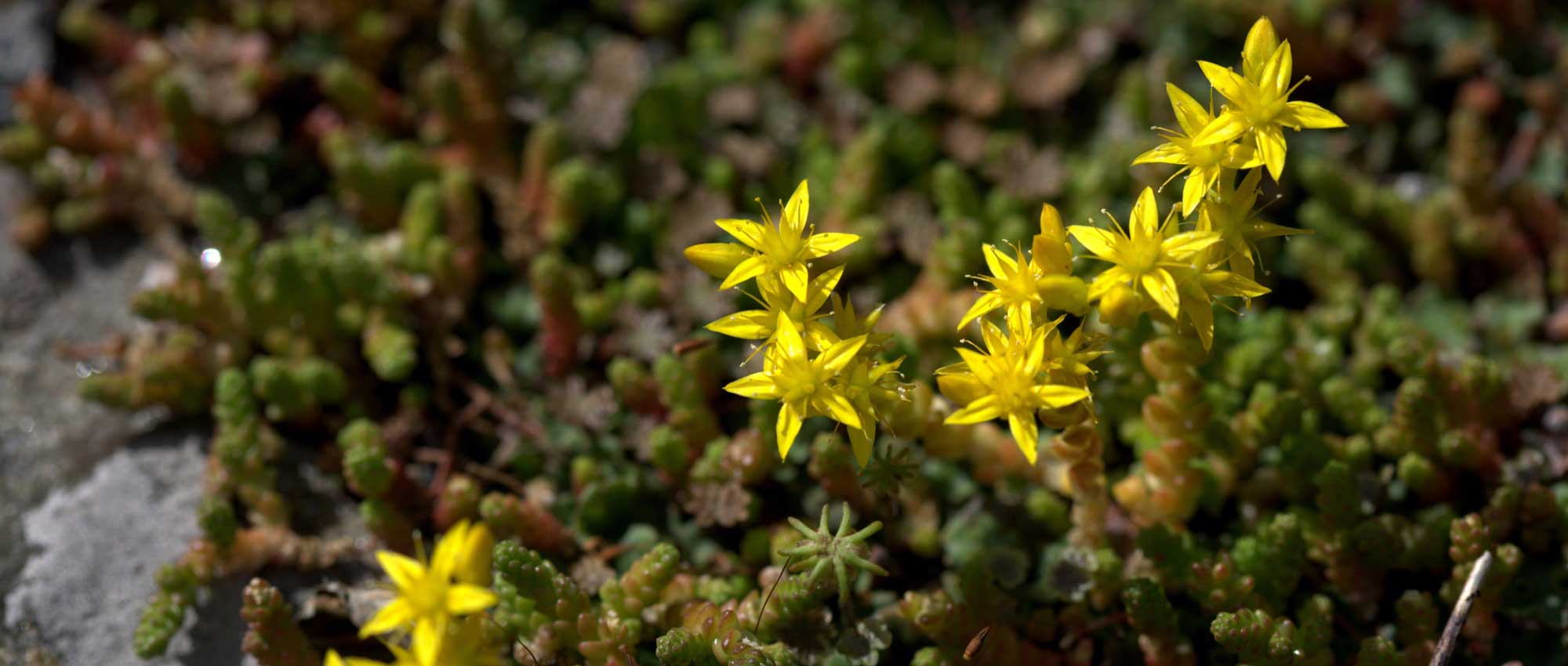
-
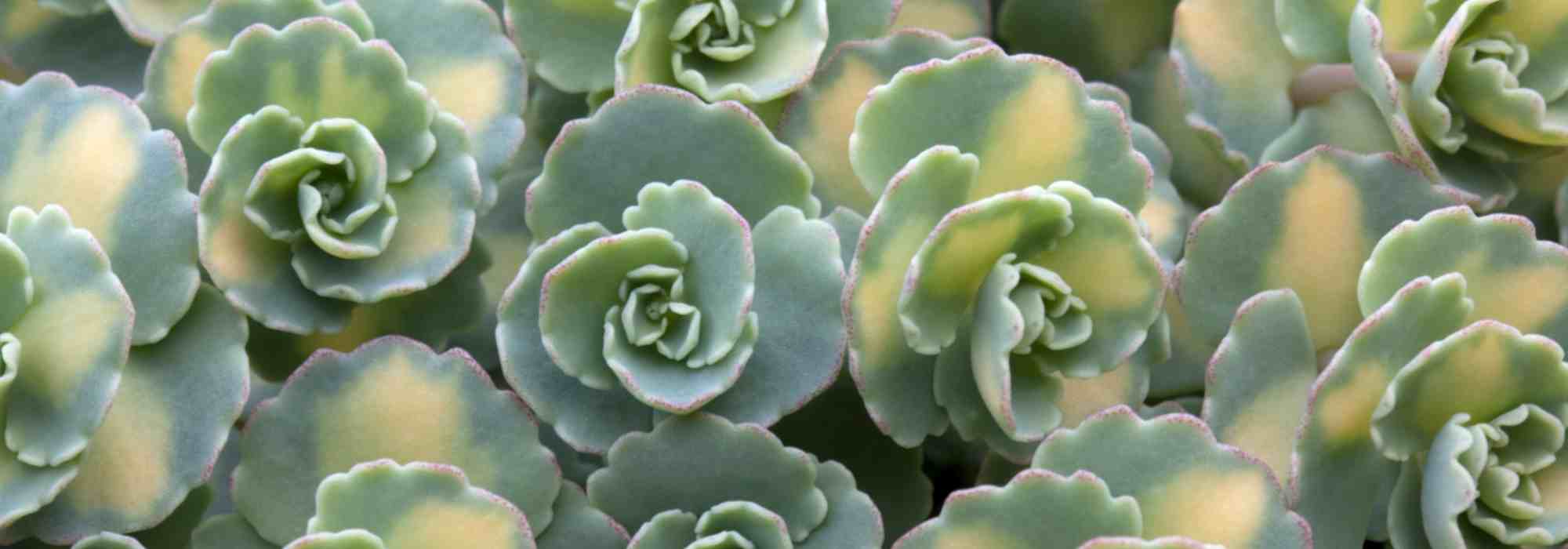
-

-
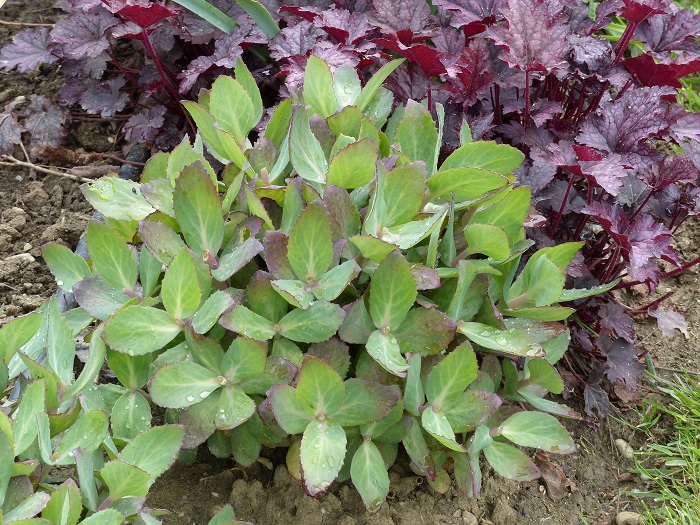
-
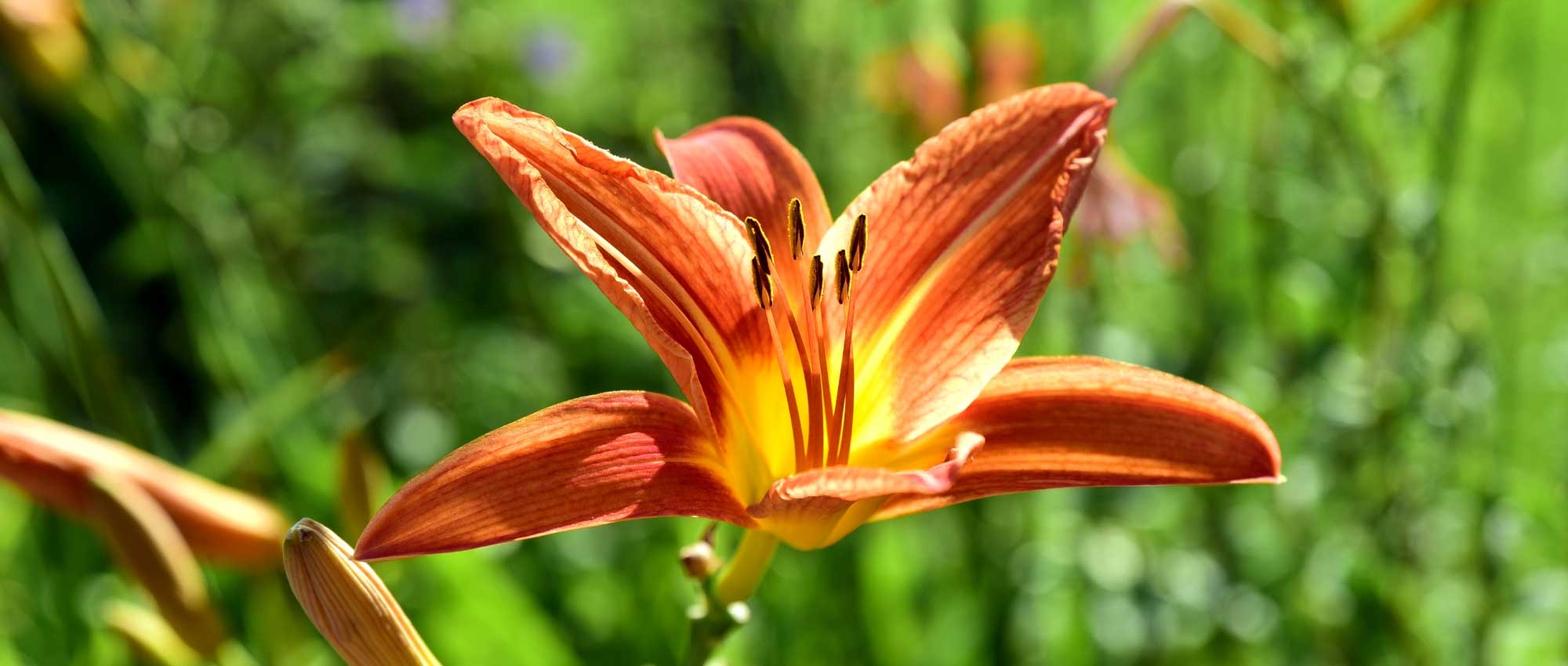
-
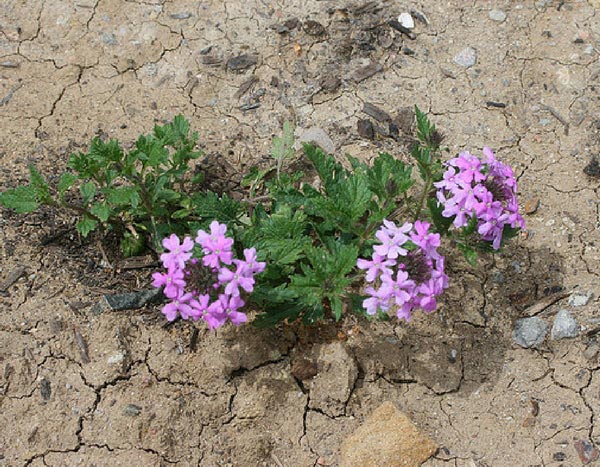
-
-

-
, onOrder confirmed
Reply from on Promesse de fleurs
Recently viewed products
Haven't found what you were looking for?
Hardiness is the lowest winter temperature a plant can endure without suffering serious damage or even dying. However, hardiness is affected by location (a sheltered area, such as a patio), protection (winter cover) and soil type (hardiness is improved by well-drained soil).

The flowering period indicated on our website applies to countries and regions located in USDA zone 8 (France, the United Kingdom, Ireland, the Netherlands, etc.)
It will vary according to where you live:- In zones 9 to 10 (Italy, Spain, Greece, etc.), flowering will occur about 2 to 4 weeks earlier.
- In zones 6 to 7 (Germany, Poland, Slovenia, and lower mountainous regions), flowering will be delayed by 2 to 3 weeks.
- In zone 5 (Central Europe, Scandinavia), blooming will be delayed by 3 to 5 weeks.
In temperate climates, pruning of spring-flowering shrubs (forsythia, spireas, etc.) should be done just after flowering.
Pruning of summer-flowering shrubs (Indian Lilac, Perovskia, etc.) can be done in winter or spring.
In cold regions as well as with frost-sensitive plants, avoid pruning too early when severe frosts may still occur.
The planting period indicated on our website applies to countries and regions located in USDA zone 8 (France, United Kingdom, Ireland, Netherlands).
It will vary according to where you live:
- In Mediterranean zones (Marseille, Madrid, Milan, etc.), autumn and winter are the best planting periods.
- In continental zones (Strasbourg, Munich, Vienna, etc.), delay planting by 2 to 3 weeks in spring and bring it forward by 2 to 4 weeks in autumn.
- In mountainous regions (the Alps, Pyrenees, Carpathians, etc.), it is best to plant in late spring (May-June) or late summer (August-September).
The harvesting period indicated on our website applies to countries and regions in USDA zone 8 (France, England, Ireland, the Netherlands).
In colder areas (Scandinavia, Poland, Austria...) fruit and vegetable harvests are likely to be delayed by 3-4 weeks.
In warmer areas (Italy, Spain, Greece, etc.), harvesting will probably take place earlier, depending on weather conditions.
The sowing periods indicated on our website apply to countries and regions within USDA Zone 8 (France, UK, Ireland, Netherlands).
In colder areas (Scandinavia, Poland, Austria...), delay any outdoor sowing by 3-4 weeks, or sow under glass.
In warmer climes (Italy, Spain, Greece, etc.), bring outdoor sowing forward by a few weeks.
Shipping country and language
Your country of residence may be:
Your country of residence is:
For a better user experience on our website, you can select:
Your shipping country:
-
 Austria
-
 Belgium
-
 Bosnia & Herzegovina
-
 Bulgaria
-
 Croatia
-
 Cyprus
-
 Czechia
-
 Denmark
-
 Estonia
-
 Finland
-
 France
-
 Germany
-
 Greece
-
 Hungary
-
 Iceland
-
 Ireland
-
 Italy
Italy
-
 Latvia
-
 Liechtenstein
-
 Lithuania
-
 Luxembourg
-
 Malta
Malta
-
 Netherlands
-
 Poland
-
 Portugal
-
 Romania
-
 Serbia
-
 Slovakia
-
 Slovenia
-
 Spain
Spain
-
 Sweden
-
 Switzerland
Language:
-
French
-
 English
-
Spanish
-
Italian
-
German
-
Portuguese
-
Dutch
-
Finnish
My Account
Hello
My wish lists
My cart
Log in / Register
Existing customer?
This form is protected by reCAPTCHA - the Google Privacy Policy and Terms of Service apply.
New customer?
Create an account to track your orders, access our customer service and, if you wish, make the most of our upcoming offers.